

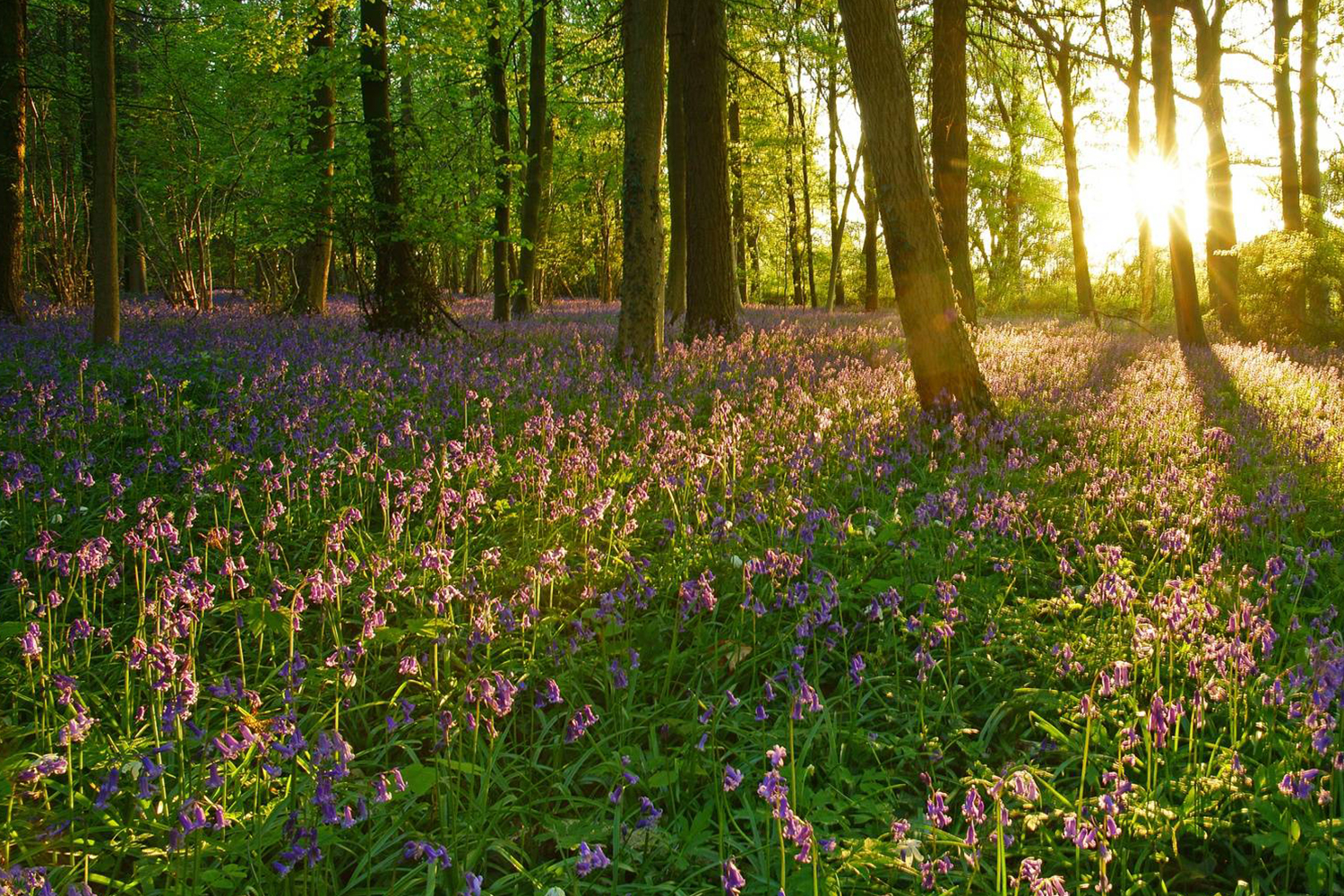
If you have ever researched a vacation to the United Kingdom, it probably did not take long before you discovered the Cotswolds being recommended as a must-see destination. You may well have wondered, what are the Cotswolds? Read on to learn why the Cotswolds’ unspoiled villages, golden-stone cottages and classic English countryside are well worth a visit.
Where Are the Cotswolds?
Head west from London, and in about an hour and a half by car, you can reach the heart of a picture-perfect collection of villages set amid quintessential English countryside. Add to that one of England’s most storied cities—Oxford—and the appeal becomes easy to understand. The Cotswolds National Landscape covers 790 square miles across five counties: Gloucestershire, Oxfordshire, Warwickshire, Wiltshire and Worcestershire. It is the largest of the 46 designated Areas of Outstanding Natural Beauty in England, Wales and Northern Ireland, now commonly known as National Landscapes.
How Did the Cotswolds Get Its Name?
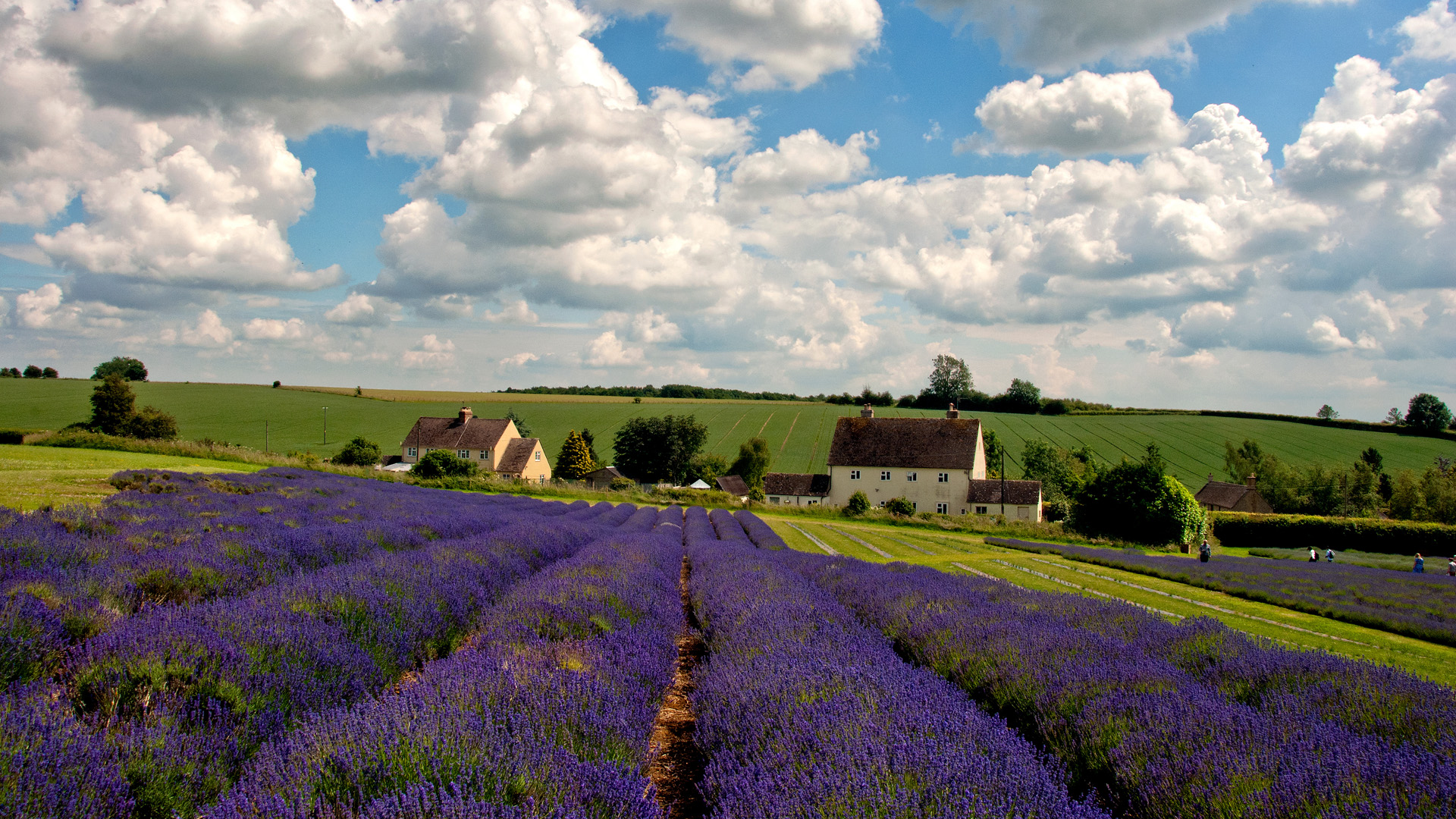
To start at the beginning, what about that name, “the Cotswolds”? It is most likely a marriage of two ancient English words, with “cots” referring to sheep enclosures or shelters and “wold” meaning gentle hills or uplands. When you arrive in this beautifully rural part of the country, you can’t help but notice the large numbers of sheep grazing among the rolling countryside.
There is another theory that the name derives from a Saxon chieftain called Cod, who owned the high land, or “wold,” and that Cod’s Wold eventually became the place name we use today. You decide which you prefer! The important point to remember for any visitor from North America is that this region is the charming, bucolic idyll that has delighted everyone from England’s most revered artists to film crews searching for a slice of perfect old England.
What Are the Cotswolds Famous For?
The Cotswolds are most famous for the great wealth generated by the wool industry. When you stop for a pint of award-winning local ale in a pub called the Cotswold Lion, it is named for a popular breed of sheep rather than the king of the jungle. The mills dotted along major watercourses are reminders of the product that shaped life here for generations. Grand church spires still tower over the narrow streets of villages and towns, many of them built with money from the wool trade.
Much of this architectural beauty was created with the instantly recognizable local limestone, which glows a soft golden hue and gives the area its singular character. The stone is one of the defining features of the Cotswolds, shaping everything from dry-stone walls and farm buildings to manor houses and village streets.

Why Are the Cotswolds Perfect for History Buffs?
Nat Hab’s tour begins in Oxford, where a guided walking tour introduces travelers to one of England’s great university towns. Its courtyards, libraries and colleges offer an atmospheric prelude to the Cotswolds, where history is written into the landscape itself.
From Oxford, we continue to Tetbury, an ancient market town set among gently rolling hills. During the Middle Ages, Tetbury became an important center for Cotswold wool and yarn, and that heritage still lingers in its architecture, market-town character and surrounding countryside.
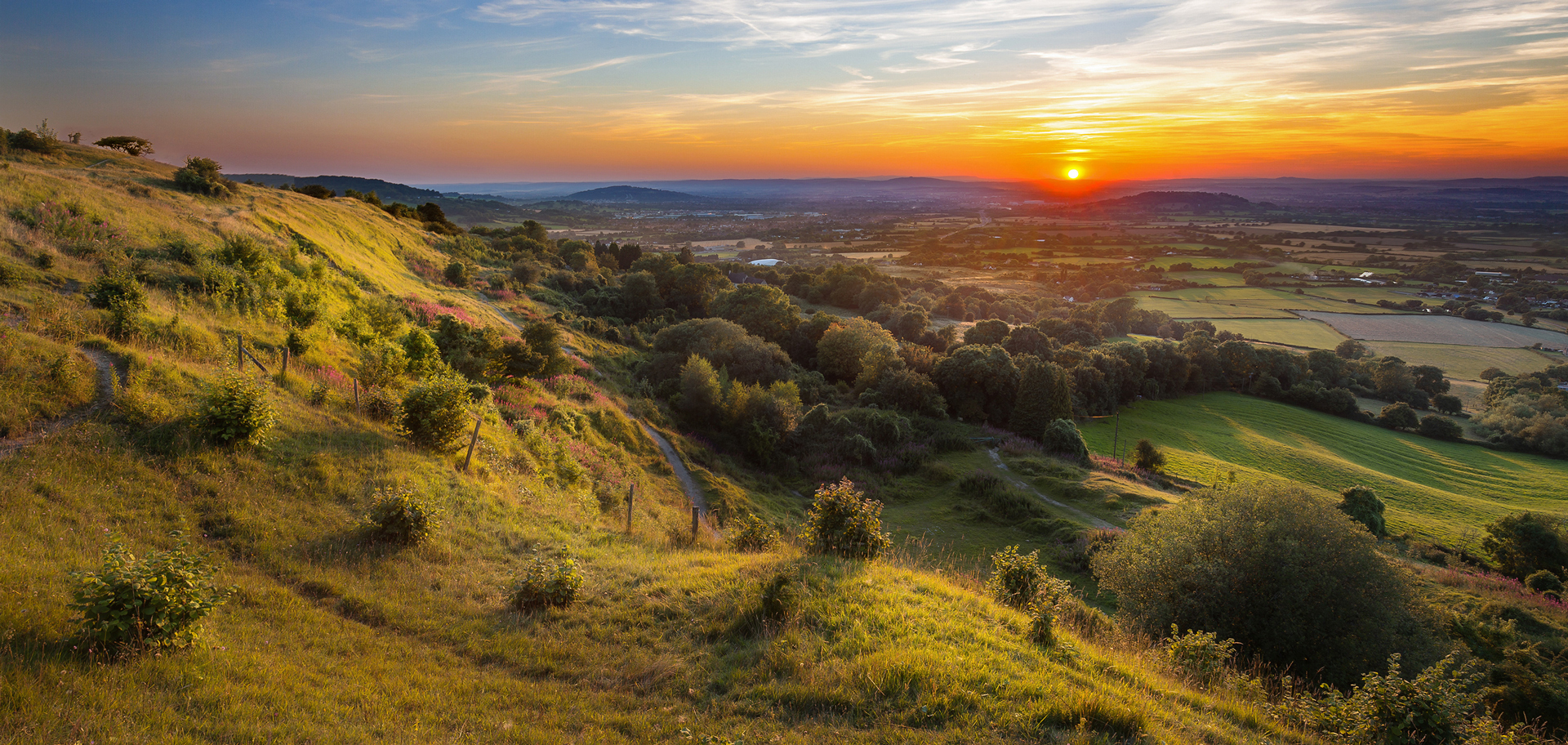
The region’s history is not confined to grand buildings. It is also found in footpaths, farm lanes, village greens and quiet valleys. At Painswick Beacon, an Iron Age hill fort offers sweeping views over the Severn Valley and across to Wales. In Slad Valley and Sapperton Valley, walking routes reveal the rural landscapes that supported farming, milling and village life for centuries.
What Are the Best Gardens to Visit in the Cotswolds?
The Cotswolds are internationally recognized as home to some of the finest gardens in the United Kingdom. That is saying something in a country where gardening borders on a national obsession. Nat Hab’s itinerary opens the garden gate on several distinctive landscapes, from royal grounds to private estates and National Trust treasures.
At Highgrove Gardens, the private residence of Their Majesties King Charles III and Queen Camilla, we explore a deeply personal landscape shaped by decades of organic gardening, conservation-minded design and affection for rural Britain. The house itself is not open to the public, but the gardens are open seasonally, and a private guided tour offers insight into one of the Cotswolds’ most famous horticultural settings.
Painswick Rococo Garden offers a very different pleasure. Designed in the 1740s as a flamboyant pleasure garden, it was created to entertain guests with theatrical views, ornamental features and a sense of playful surprise. Today, it is celebrated as England’s only surviving rococo garden, tucked into a hidden valley just off the Cotswold Way.
At Througham Court, a private garden normally closed to the public offers a window into the Arts and Crafts tradition that found such fertile ground in the Cotswolds. Its historic terraces, yew topiary and dry-stone walls sit alongside contemporary garden areas inspired by scientific principles, including the Cosmic Evolution Garden and Fibonacci’s Walk.
Finally, Hidcote Gardens reveals one of England’s great horticultural masterpieces. Designed by Lawrence Johnston and later given to the National Trust, Hidcote is famous for its intimate “outdoor rooms,” global plant collections and elegant structure. It is a fitting finale for a journey through one of Britain’s richest garden landscapes.
What Nature Experiences Are Included in the Cotswolds?
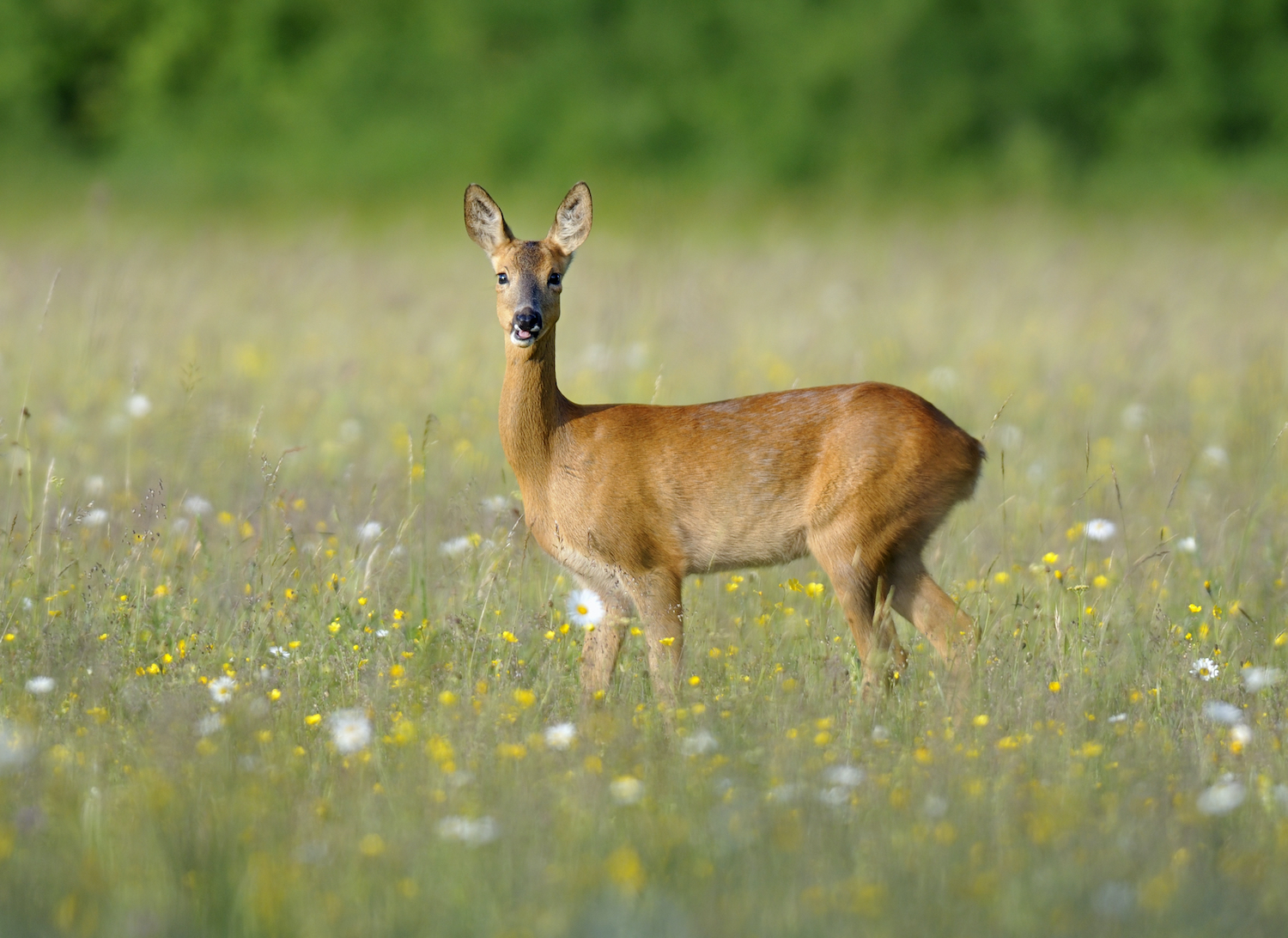
The Cotswolds are not just a destination for villages, gardens and history. They are also a living landscape of trees, farms, meadows, streams and old footpaths. At Westonbirt, The National Arboretum, travelers explore one of the world’s most important plant collections, with 15,000 specimens and 2,500 tree species from around the globe. The arboretum plays an important role in plant conservation and research while offering one of the most beautiful woodland experiences in England.
Birdlife also takes center stage. A dawn chorus walk with a local naturalist helps travelers identify the songbirds that greet the morning, while a private birds of prey experience introduces the history of British falconry and the skill, speed and presence of hawks, owls, falcons and eagles.
Walking is one of the great pleasures of the Cotswolds, and Nat Hab’s itinerary includes several scenic routes through valleys, villages and open countryside. In Slad Valley, a walk through four small nature reserves reveals an idyllic vale still closely tied to writer Laurie Lee and the rural world he made famous. In Sapperton Valley, woodland, marsh and wet meadow habitat line the River Frome and a quiet stretch of the historic Severn and Thames Canal. Between Upper and Lower Slaughter, a gentle riverside stroll connects two of the region’s most photogenic villages, whose name comes not from anything grisly but from an Old English word for a marshy place.
How Does the Cotswolds Protect Farming and Rural Life?
Visitors are often surprised by how much of the Cotswolds remains a working agricultural landscape. More than 80% of the region is farmland, and farming continues to shape the views, villages and habitats that make the area so beloved. Nature here has long been managed by rural communities, and today many land stewards are finding new ways to balance food production, biodiversity and conservation.
At Honeydale Farm, home to FarmED, travelers learn about regenerative agriculture on a 107-acre demonstration farm in the Cotswolds. The farm includes arable land, grassland, permanent pasture, heritage wheat, herbal leys, meadows, woodland, a kitchen garden and orchard, all used to reconnect people with the land and demonstrate ecological farming in action.
That rural heritage also comes alive in a sheepdog demonstration at Mickleton Farm, where travelers watch the communication between handler and dog and see how sheep respond to movement, whistles and commands. It is a vivid reminder that the Cotswolds are not an architectural theme park but a landscape shaped by centuries of farming knowledge.
Why Visit the Cotswolds With Nat Hab?
After a week of these intertwining Cotswold experiences, you will have seen not just the highlights but some of the most authentic hidden gems as well. This enchanting part of England is much more than a collection of pretty villages. It is home to a diverse and thriving community of farmers, gardeners, artists, conservationists, innkeepers, brewers, antiquarians and rural families whose lives are tied to the land.
The rich heritage of the Cotswolds seeps from ancient oak beams, miles of dry-stone walls, quiet footpaths, market towns, manor houses and wooded valleys. One day may bring a private garden tour or a royal residence; the next, a valley walk, a village pub, a dawn bird chorus or a glimpse into the future of sustainable farming. There is something for everyone here, and the simple pleasures are always the best.
By Ben Forbes