

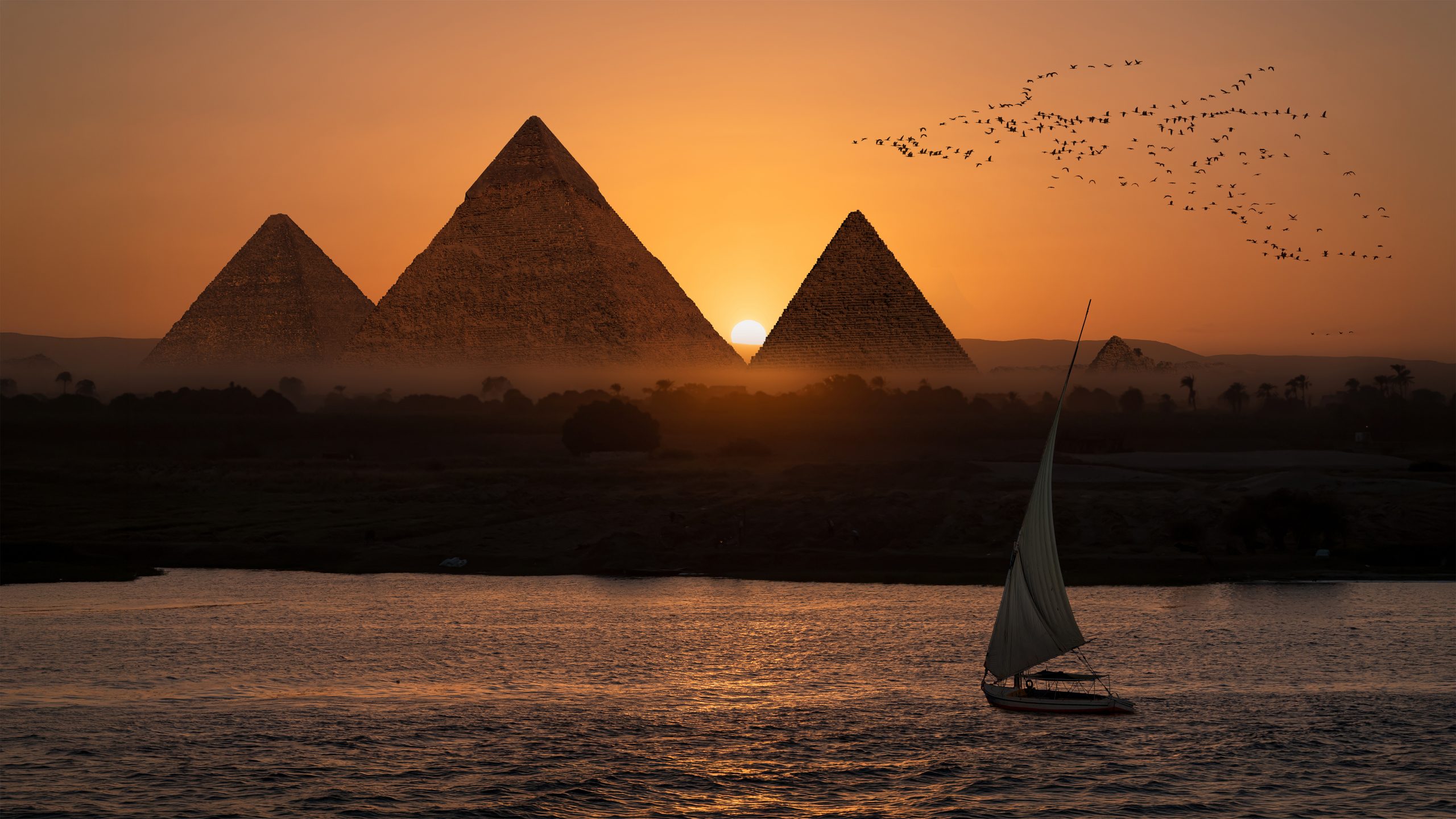
One of the most memorable moments of my life happened in Egypt. I’d been working in Cairo and hired a female guide to see nearby historical and archaeological sites. The call to prayer rang out as we stepped out of our car in a dusty parking lot in Giza. Guards and guides knelt outside the Great Pyramid just as I slipped in.
I wandered the dark corridors and cool halls as prayers concluded and realized: I was all alone, the only person inside the Great Pyramid. In contrast to the vibrant—even raucous—days I’d just had in Cairo’s bustling center, it was quiet, reverent, unforgettable.
Cruising the Nile from Luxor to Aswan on a traditional, two-masted, shallow-bottomed wooden sailing boat, or dahabiya, provides a similarly quiet way to experience Egypt’s ancient roots and contemporary culture.
Green fields press against the riverbank, kingfishers flash over the water, local families call from shore, sandstone glows in the late-day light. From the deck of a private dahabiya on Nat Hab’s Egypt journey, travelers enjoy Egypt at a pace that allows monuments, markets and contemporary Egyptian life to unfold peacefully.
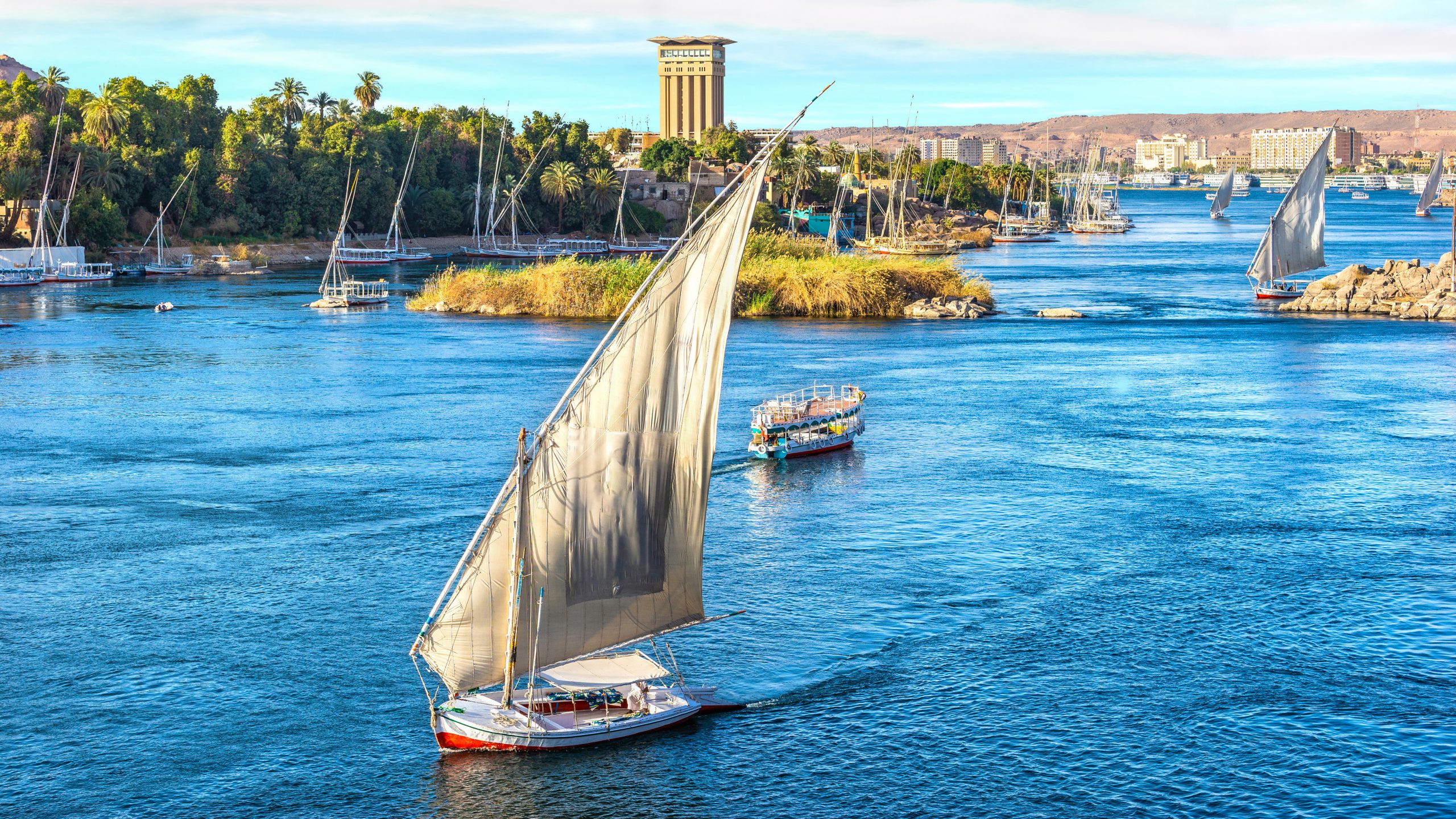
Dahabiya, Nile River, Aswan, Egypt.
What Is a Dahabiya?
A dahabiya is a traditional Nile sailing boat. The name comes from the Arabic dhahabiyah, often translated as “golden one,” a word associated with gilded state barges once used by Egypt’s rulers.
Today, dahabiyas are intimate river vessels, typically built for a small number of guests and recognized for their shallow draft, lateen sails and graceful profile on the water.
A dahabiya feels closer to a floating home than a large river cruise ship. Days unfold on deck, close to the banks, with open views of fields, palms, villages, birds and passing boats. The experience is quieter, slower and more personal than a larger ship.
Modern dahabiyas sail when conditions allow and are motor assisted when the wind drops. The spirit of the vessel remains rooted in unhurried river travel. Guests have time to watch the landscape.
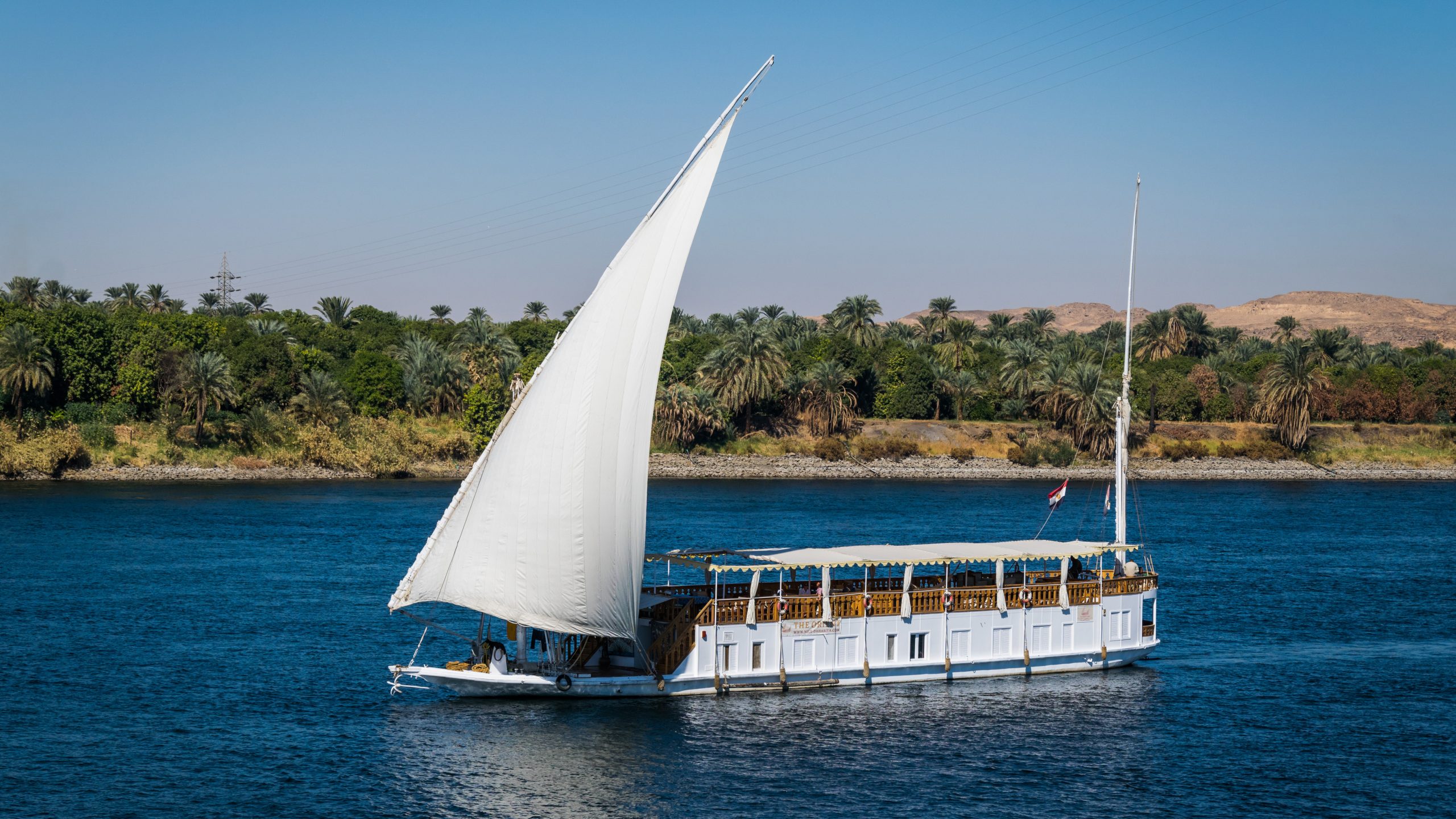
Dahabiya, Nile River, Egypt.
How Has the Nile Shaped Egypt?
Traveling by dahabiya provides a glimpse into how the Nile has shaped Egypt. For ancient Egyptians, the river brought water, food, movement and meaning.
Before modern dams controlled its flow, the Nile’s annual floods spread fertile silt across the valley, allowing wheat, barley and flax to grow along its banks. The river supplied fish, waterfowl, reeds, papyrus and irrigation.
The river made agriculture possible in an arid landscape. The Nile provides about 98% of Egypt’s annual renewable water resources. NASA estimates that the Nile Valley and Delta make up less than 5% of Egypt’s land area yet hold roughly 97% of the country’s population. Only about 4% of Egypt’s land is suitable for agriculture, most of it along the river and its delta.
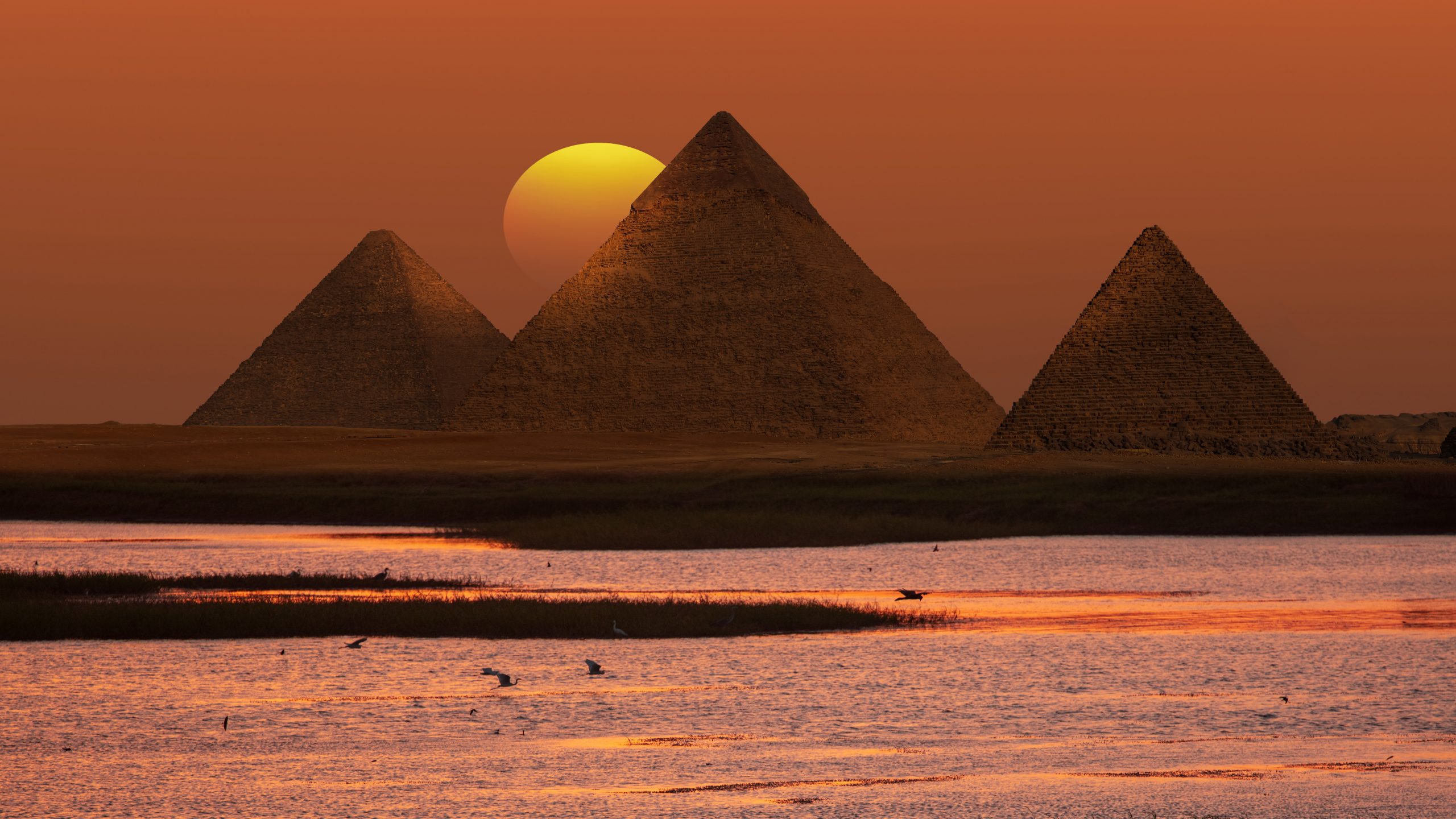
Giza Pyramid Complex, Cairo, Egypt.
The Nile served as Egypt’s first great highway: its current flows north toward the Mediterranean, while prevailing winds helped boats sail south. For centuries, that natural pairing helped people, goods, stone, grain, ideas and religious traditions move between Upper and Lower Egypt. It gave ancient Egypt food, building materials, and wealth to build one of the world’s great civilizations.
From a dahabiya, that dependence becomes visible in the green fields, irrigation channels, fishing boats, villages and temples gathered along the banks. WWF’s freshwater work reminds us that rivers sustain both people and nature.
A dahabiya makes the Nile River’s role plain. Egypt is a country shaped by water as much as it is by stone.
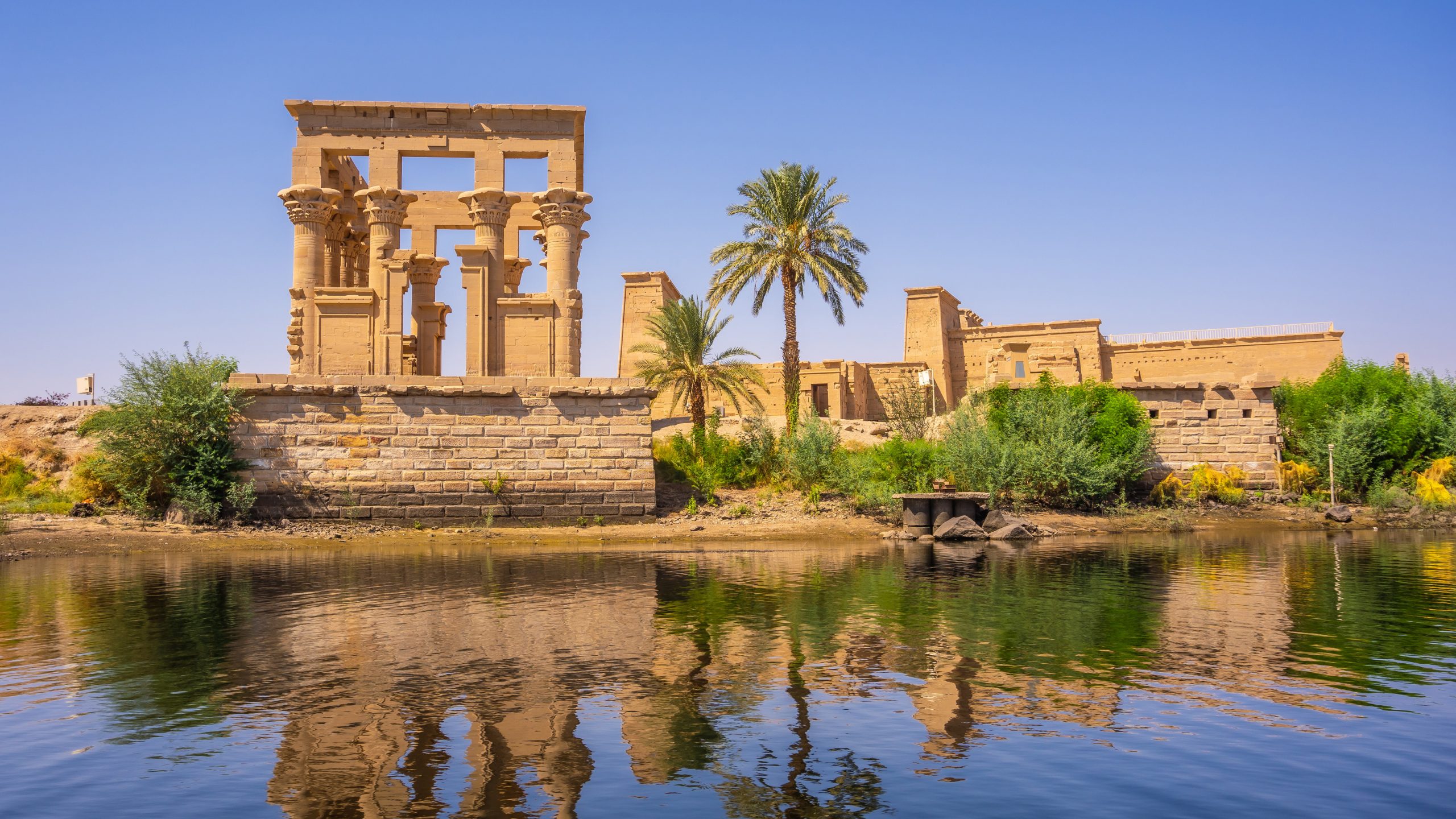
Philae Island Temple, Aswan, Egypt.
Where Do We Stop Between Luxor and Aswan?
The dahabiya portion of Nat Hab’s Egypt itinerary sails the Nile between Luxor and Aswan, and includes some of the Nile’s essential ancient sites, including Esna, Edfu and Kom Ombo.
Traveling by dahabiya, then disembarking for excursions gives travelers time to experience market streets, village edges, riverbanks, fields and local traditions that continue beside the monuments. At:
- Esna, travelers encounter both temple and town, with time in Qisariyya Market and a visit to Esna Temple.
- Edfu, the itinerary includes one of the Nile’s most important temple sites.
- Silsila, a hike brings travelers into a sandstone river landscape shaped by ancient quarrying.
- Kom Ombo, the riverside temple preserves imagery linked to Sobek, the crocodile god, recalling a wilder Nile than travelers see today.
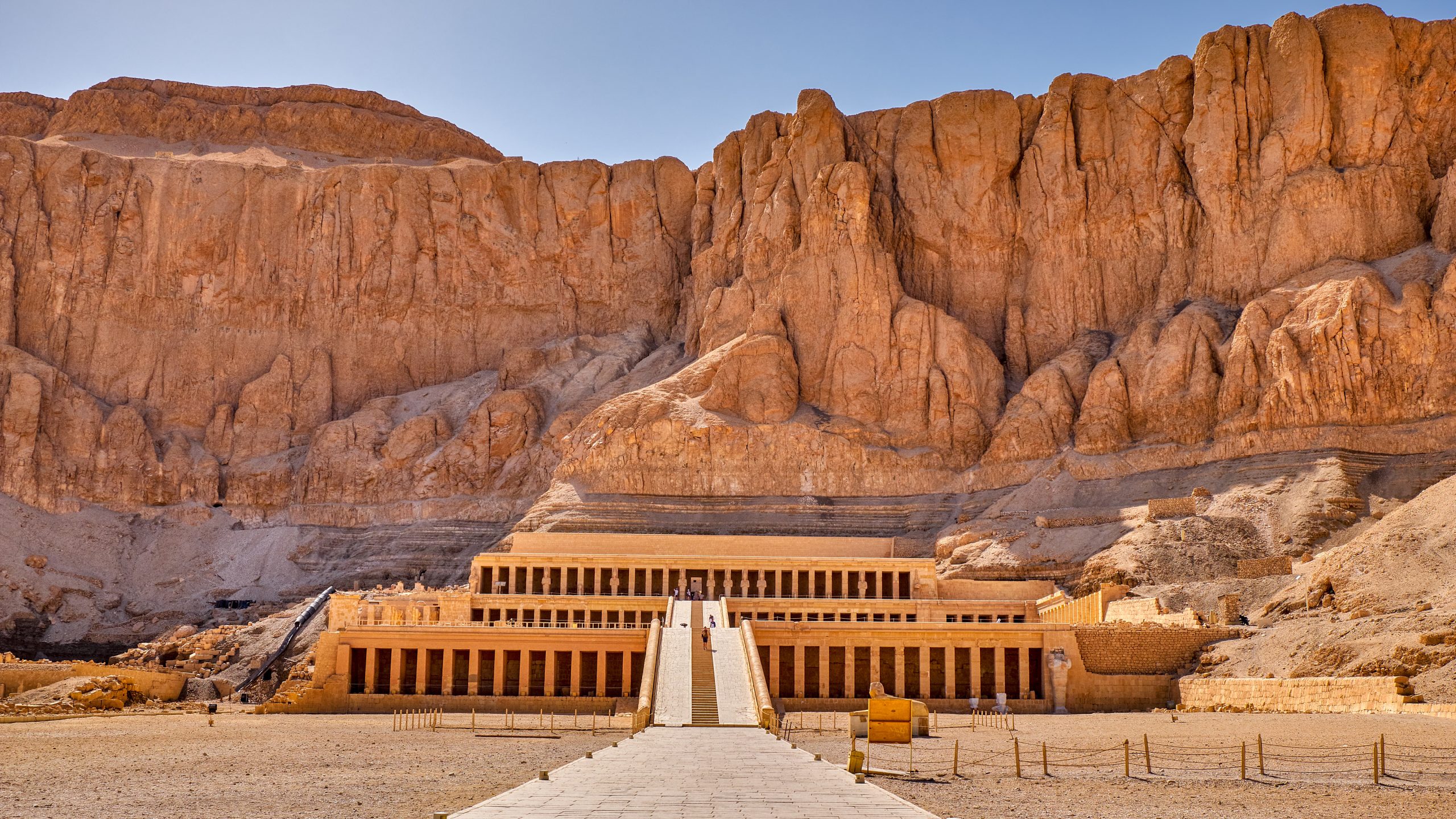
Temple of Hatshepsut, Egypt.
The dahabiya also creates room for quieter moments rarely found on a standard Egypt itinerary, including:
- village, farm and artisan visits
- fishing on the Nile
- Nile wildlife watching from the boat
- swimming and kayaking near the Island of Hor Diab
These are the cultural moments that bring contemporary Egypt to life. In a market conversation, a farmer’s field, a fishing practice or a bird over the water, monuments hold new meaning when the river restores their setting: fields, food, labor, belief, water and community.
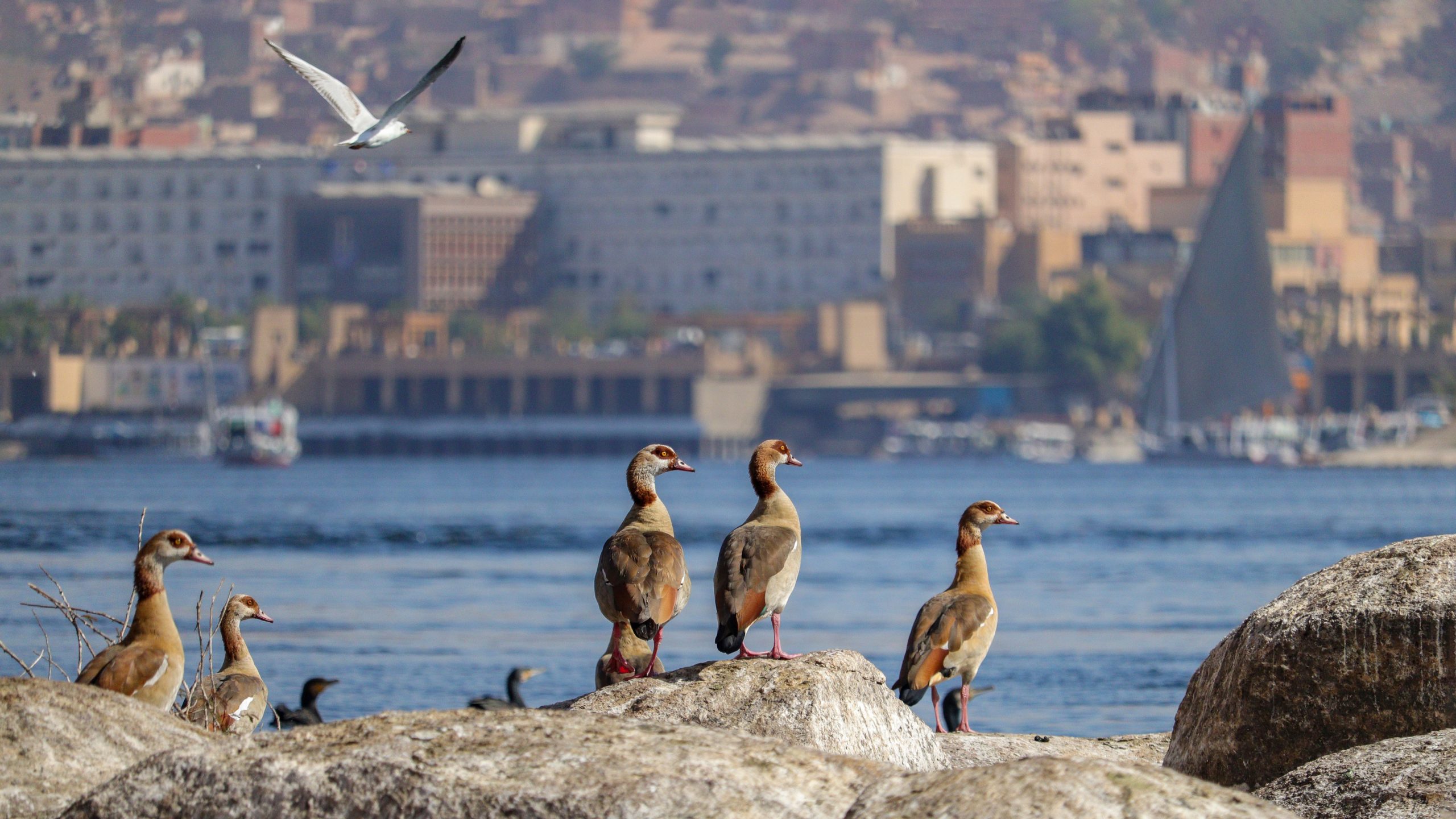
Egyptian geese, Nile River, Egypt.
What Wildlife Can We Spot on the Nile in Egypt?
Wildlife along the Nile between Luxor and Aswan is subtle but rewarding. This stretch is a lush agricultural river corridor bordered by desert, with birdlife as the most visible sign of the river’s vitality. Watch for:
- pied kingfishers hovering above the water before diving for fish
- Egyptian geese along the banks and islands
- egrets and herons stepping through shallows and canals
- black kites and other raptors circling on warm air above the valley
- Nile Valley sunbirds in riverside vegetation
- pelicans, cormorants or other waterbirds where season and habitat allow
Smaller life may appear along the edges: geckos, skinks, toads, turtles or small mammals in the vegetation where cultivation meets desert.
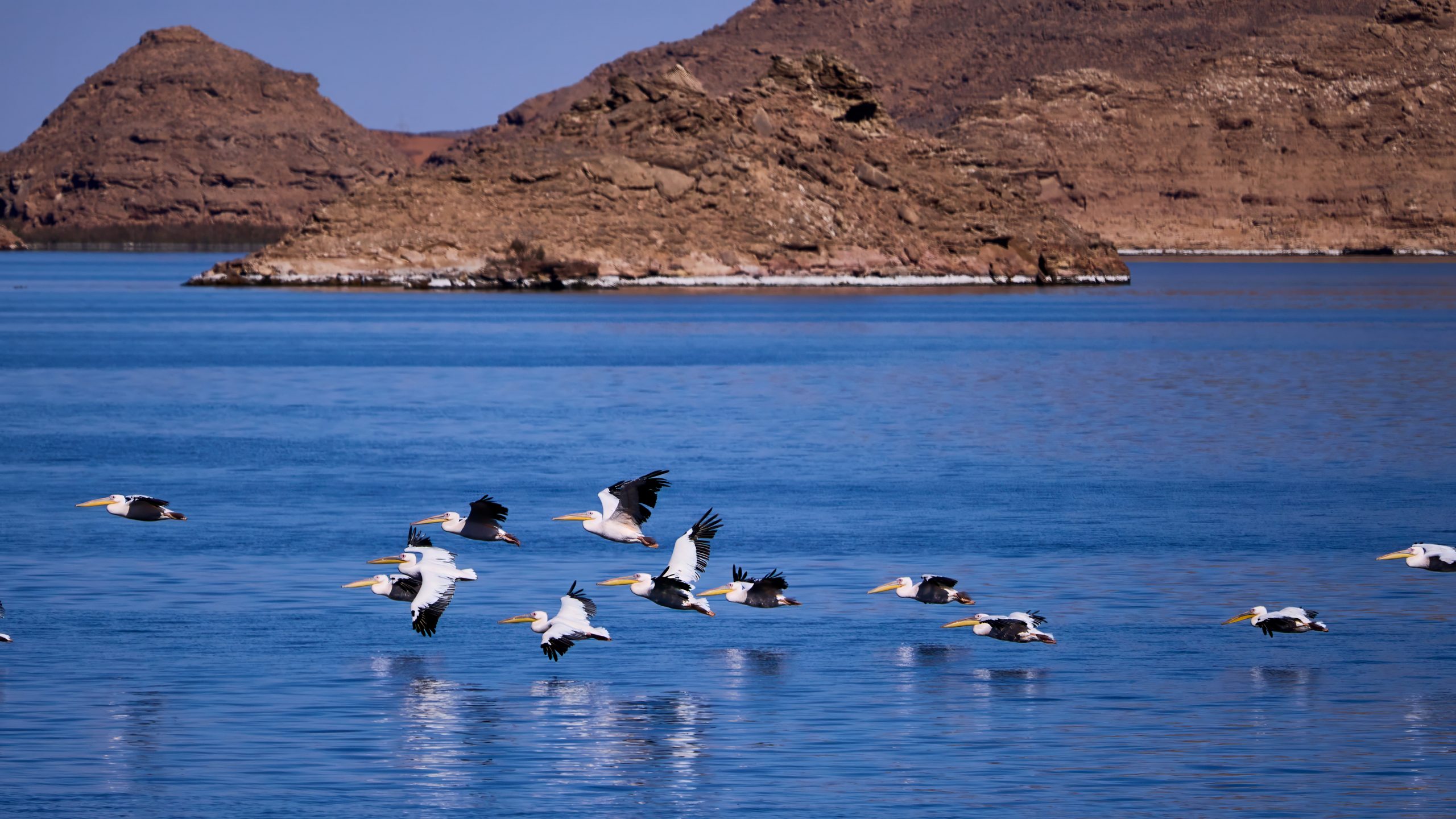
Pelicans, Nile River, Egypt.
The Nile also carries the memory of animals no longer seen along this stretch. Ancient carvings and temple reliefs preserve crocodiles, hippos and other creatures that once belonged to Egypt’s wilder river world.
At Kom Ombo, crocodile imagery is central to the temple’s story; the Crocodile Museum helps visitors understand why the animal held such power in ancient Egyptian religion.
Today, Nile crocodiles are associated primarily with Lake Nasser south of Aswan, separated from the lower river by the Aswan High Dam. On the Luxor-to-Aswan stretch, the wildlife experience is quieter: birds over water, fish beneath the surface, animals along the banks and the continuing dependence of people and nature on the river.
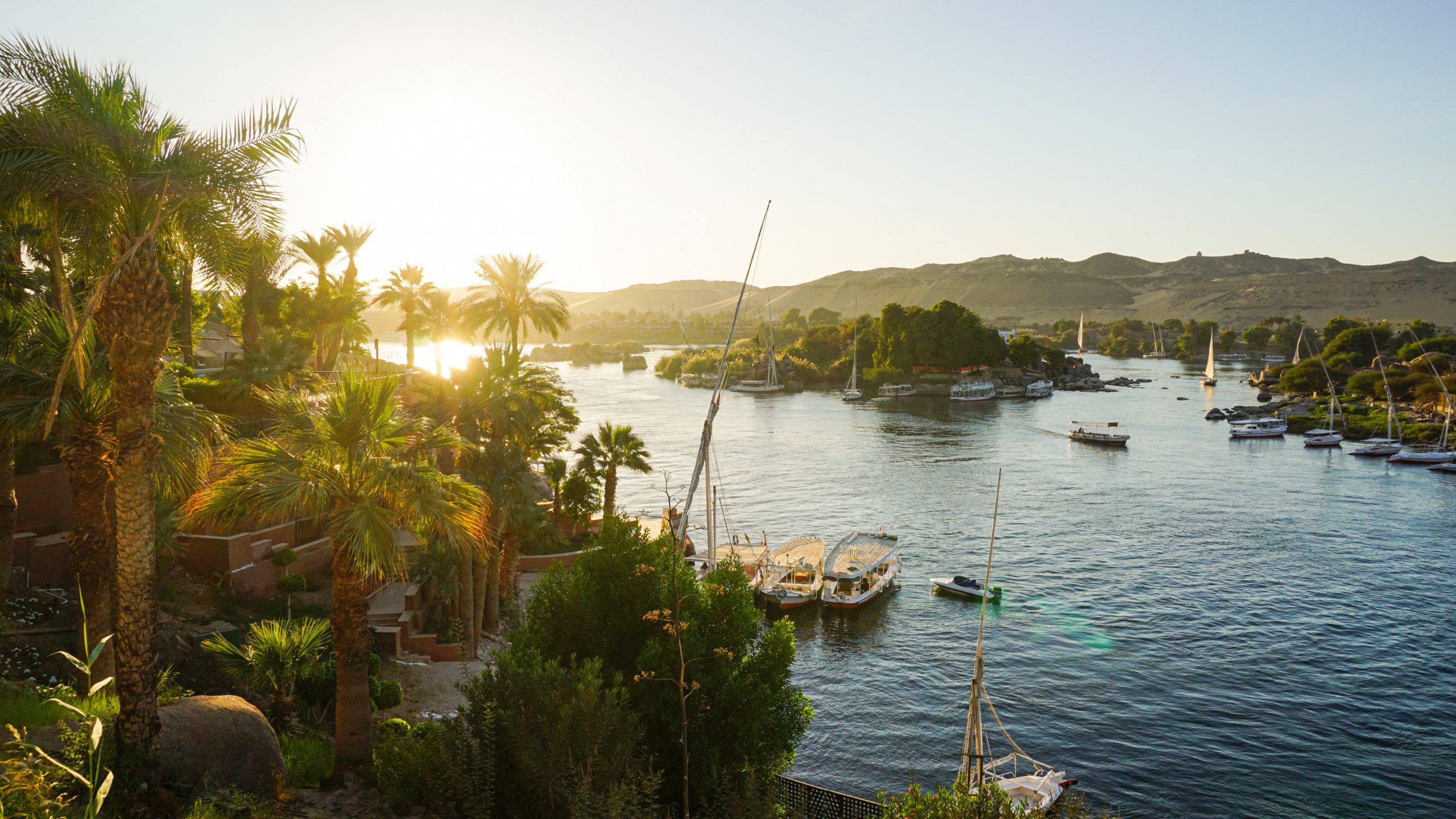
Nile River bank, Egypt.
What are Nat Hab Cultural Journeys?
Nat Hab’s Cultural Journeys are designed to explore the relationship between people and place. These itineraries focus on living traditions, local communities, cultural heritage, cuisine, craft, nature and human connection.
Egypt is especially well suited to this kind of travel. Its ancient sites are among the most recognizable in the world, and its living culture is equally compelling: market towns, family meals, artisans, farmers, fishermen, village life, desert landscapes and river communities shaped by the Nile.
The private dahabiya brings those elements together. It gives travelers a quieter way to experience Egypt’s scale, beauty and continuity. Cairo offers the energy of the city and the awe of the pyramids. Luxor and Aswan reveal temples, tombs and ancient spiritual landscapes. The Nile portion slows the journey, allowing time for birds, fields, villages, markets, families and river light.
On Nat Hab’s Egypt journey, the dahabiya is far more than a boat. It’s an experience that allows Egypt to unfold along the river.
From the dahabiya’s deck, travelers experience how ancient history and contemporary life meet along the Nile: in sandstone and water, in temple walls and village calls, in birds flashing above the current and irrigation greening the desert’s edge. It is a quieter Egypt. It is Egypt with the river at its center.
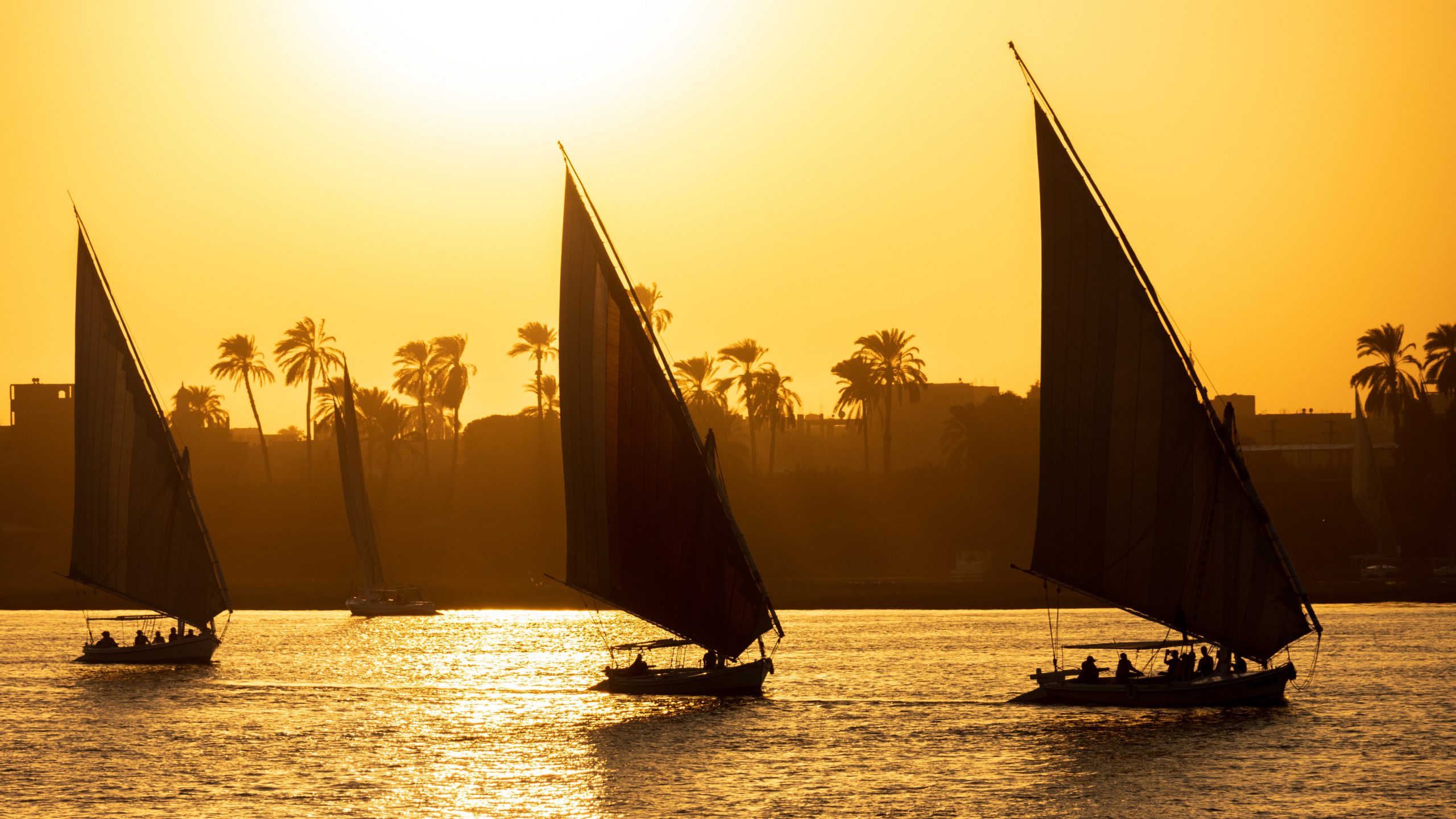
Traditional Egyptian felucca sailboats, Nile River, Egypt.