

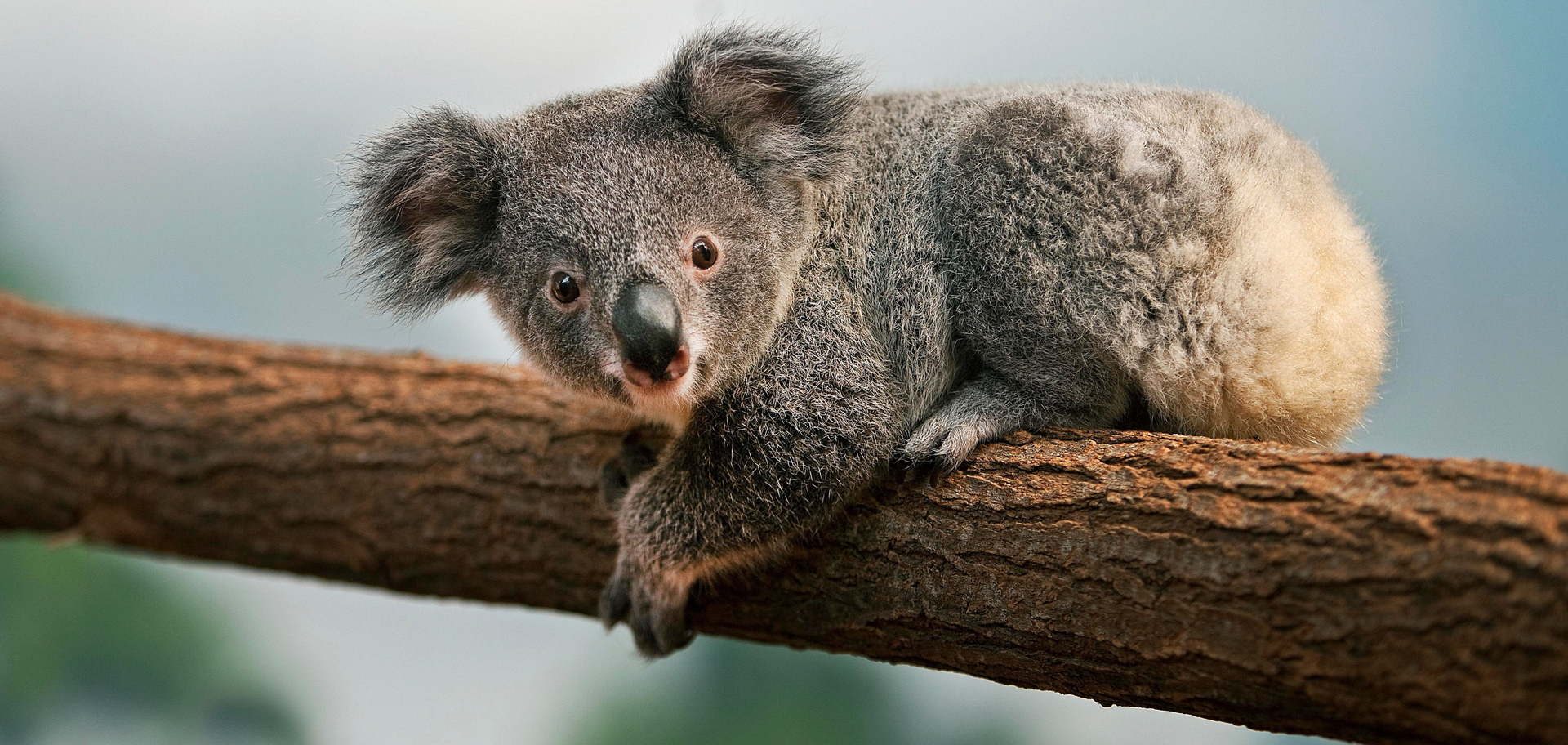
Koalas are listed as endangered in the Australian Capital Territory, New South Wales and Queensland under Australian national environmental laws. Fortunately, koala conservation and recovery efforts may have just gotten a significant boost.
From personal testing to discover your roots, connect with long-lost relatives and discover hidden family secrets to blockbuster sci-fi stories and cold-case forensics TV dramas, DNA (deoxyribonucleic acid) has never been more popular. In essence, it is the primary hereditary molecule in almost all living organisms. It acts as a vast instruction manual, carrying the biological code required to build, maintain and reproduce life. DNA dictates unique physical traits and provides the instructions cells need to create proteins, which allow organs and tissues to function. And now there’s yet another innovative use for DNA: in aiding biodiversity and in saving species.
In Australia, for example, a University of Queensland-led project has developed a tool to standardize genetic testing of koala populations, providing a significant boost to conservation and recovery efforts. Australian researchers are also using cutting-edge DNA techniques to help save one of the world’s rarest marsupials: the critically endangered Gilbert’s potoroo, an animal with fewer than 150 individuals left in the wild. Tiny traces of DNA in the scat of Gilbert’s potoroos reveal clues about the elusive fungi they depend on for survival. That could help conservationists identify new, safer habitats and establish backup populations before disasters like bushfires wipe them out. And feral cats in some of Australia’s conservation areas have long been suspected of killing reintroduced native species. DNA testing of the carcasses puts felines firmly in the frame.
In Southeast Asia, DNA collection is helping to locate animal species in rain forests. Squinting into the treetops alone won’t reveal the tiny organisms up in the canopy. But since these creatures leave clues on branches and leaves in the form of DNA, researchers have developed a clever way to collect this genetic material: a drone with a specialized fabric probe.
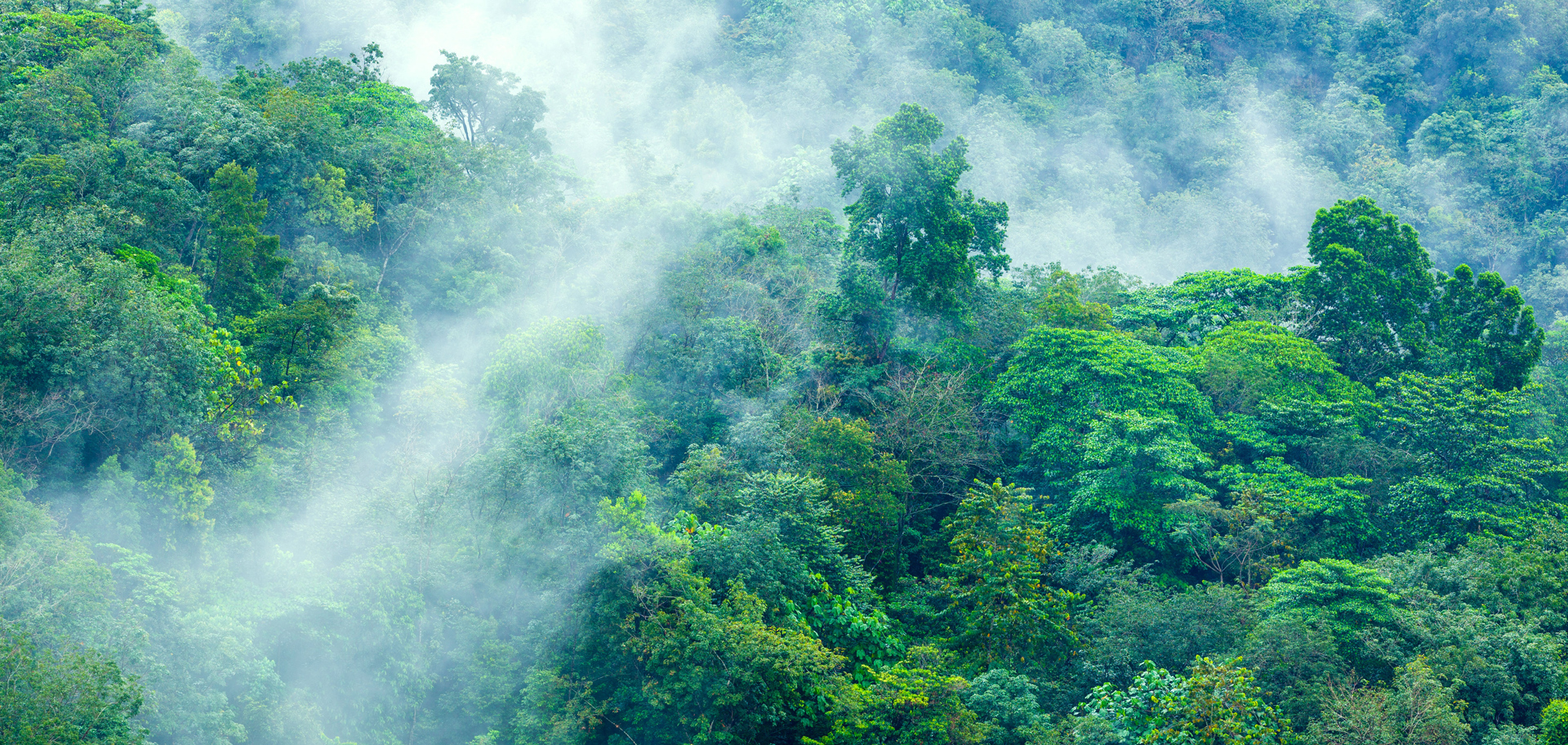
Squinting into the treetops usually won’t reveal the tiny organisms up in the canopy. They do leave their DNA, however, and an innovative way to gather this information has been tested in a Southeast Asia rain forest: a drone with a specialized fabric probe.
In Dublin, Ireland, it’s DNA in the air itself that is revolutionizing how we monitor ecosystems. Using high-powered air filters and environmental DNA (eDNA) analysis, researchers vacuumed up the city’s air and uncovered genetic material from cannabis, magic mushrooms and pathogens. This emerging technology, which doesn’t require direct contact with organisms, could dramatically change how we locate endangered species and track diseases—all from the sky above. It’s science fiction turned into science fact, and it’s transforming what we thought was possible from just a simple breath of air.
A precision DNA test offers a lifeline to Australia’s iconic koalas
Koalas in the wild are under increasing pressure from disease, habitat loss and vehicle strikes, forcing them to live in increasingly smaller and more isolated pockets with limited access to breeding mates outside their own groups. Unfortunately, population inbreeding can mean detrimental health effects. That’s why a new tool developed by researchers at The University of Queensland in Australia is a welcome addition to koala conservation and recovery efforts.
This novel screening tool is a single nucleotide polymorphism (SNP) array that uses next-generation sequencing technologies, state the scientists. As a standardized panel, it can directly compare genetic markers, enabling conservationists, government agencies and researchers to better understand the genetic diversity of wild koala populations, allowing for greater collaborations to ensure their survival.
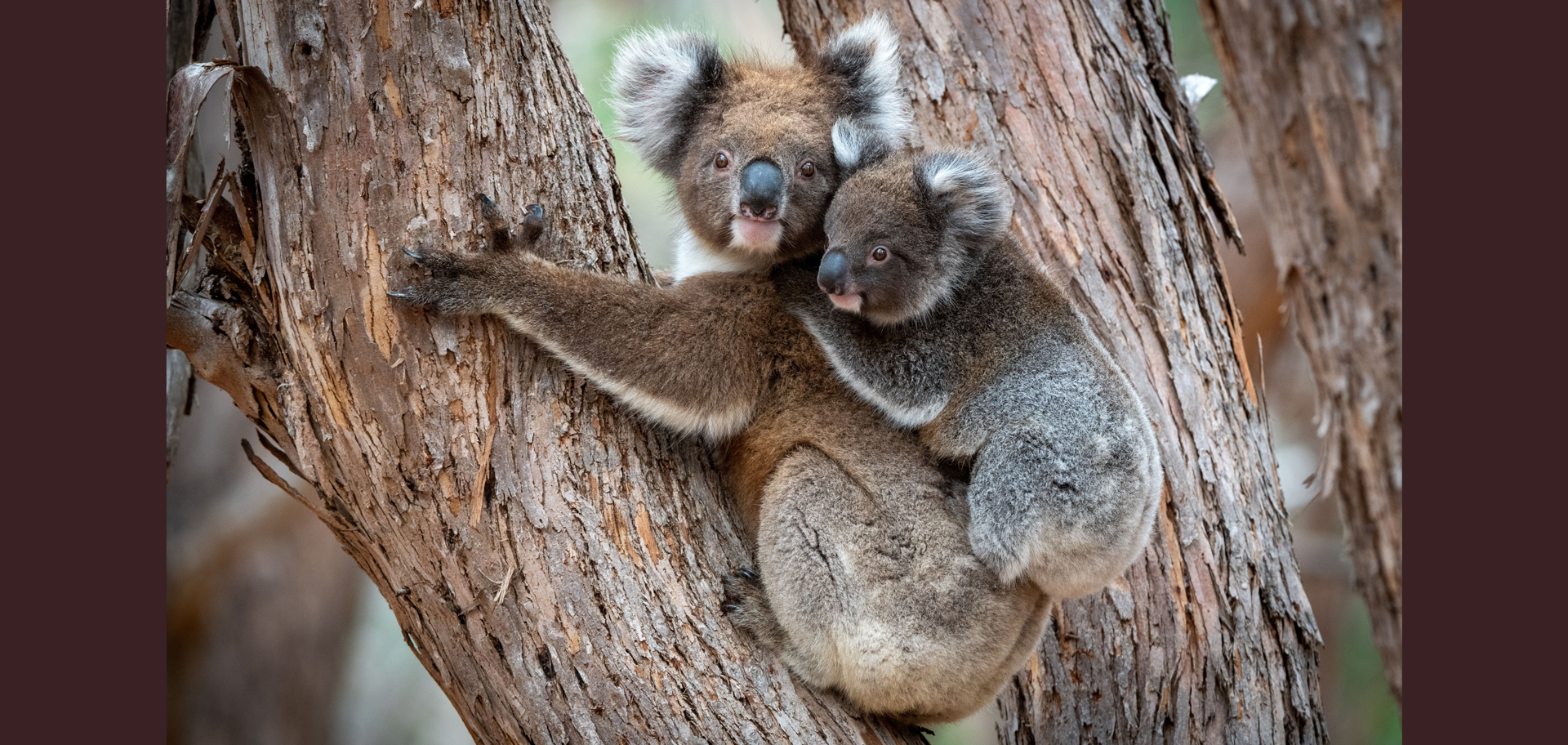
Fifty years from now, we may only be able to see koalas in captivity. Understanding the genetic diversity of different koala populations is crucial if they’re going to be saved from extinction in the wild.
Ideally, the tool could help guide targeted koala relocations across regions. There are very strict rules about relocating koalas in Australia, but this could be key to improving and increasing the genetics of populations under threat. These iconic Australian marsupials are listed as endangered in the Australian Capital Territory, New South Wales and Queensland. In 50 years, koalas may only be able to be seen in captivity, conclude the university researchers. Understanding the genetic diversity of different populations of koalas is crucial if they’re going to be saved from extinction.
DNA from scat could save the world’s rarest marsupial
There are less than 150 Gilbert’s potoroos (or ngilkats), a critically endangered species found only in Western Australia, left in the wild. Scientists from Edith Cowan University in Joondalup, Australia, and the Western Australia Department of Biodiversity, Conservation and Attractions are working together to better understand what the small marsupials eat so that conservation teams can identify suitable new habitats and help secure their future.
While translocations—moving organisms from one location to another to create an insurance population in case anything happens to existing populations—are being considered to recover the species, one of the challenges is trying to determine what the animals are eating and where else those resources can be found. Mycophagous (fungi-eating) mammal diets are hard to study because a lot of fungi remain undescribed.
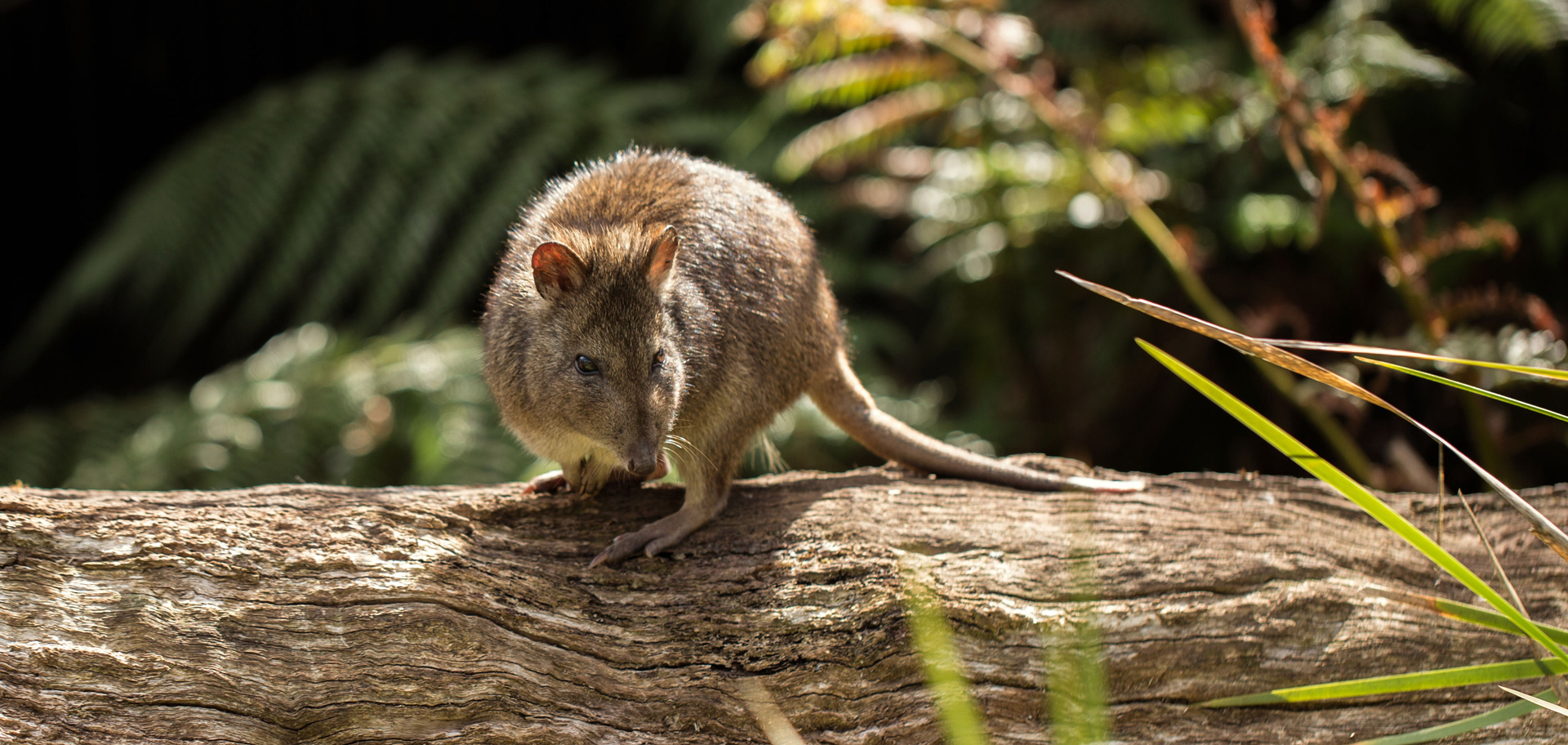
Gilbert’s potoroo (or ngilkat) is Australia’s most endangered marsupial and one of the world’s rarest, critically endangered mammals. The animal was once believed to have disappeared entirely before being rediscovered in 1994.
Traditionally, researchers would go through undigested material in scats to study animal diets, but trying to identify fungal spores remains a challenge. To investigate the Gilbert’s potoroo’s diet in this new research, scientists used eDNA metabarcoding on scat samples. This noninvasive technique is becoming increasingly popular in wildlife research because it allows scientists to study animals without disturbing them.
The investigative team also examined whether the diets of more common fungi-eating mammals overlapped with that of the Gilbert’s potoroos. They focused on species that historically share the same habitats: bush rats, quendas and quokkas. Scat samples showed that there was some overlap in the diets of the four mammals, and that habitat use between the quokkas and Gilbert’s potoroos was also very similar. Based on those results, the scientists decided to focus on areas where bush rats, quendas and quokkas persist together as an indicator of future Gilbert potoroo translocation sites with suitable food and habitats.
Gilbert’s potoroos were once believed to have disappeared entirely before being rediscovered in 1994. Since then, conservation teams have tried several approaches to increase the population. Soon after their rediscovery, breeding them in captivity was tried, but it didn’t work because of how picky Gilbert’s potoroos are regarding food. That’s why wild-to-wild translocations are so important. In 2015, a bushfire destroyed 90% of core Gilbert’s potoroo habitat in Two Peoples Bay, which is home to the only natural population of Gilbert’s potoroos. Fortunately, insurance populations had been established on the highly protected Bald Island nature reserve and in a fenced enclosure in Waychinicup National Park.
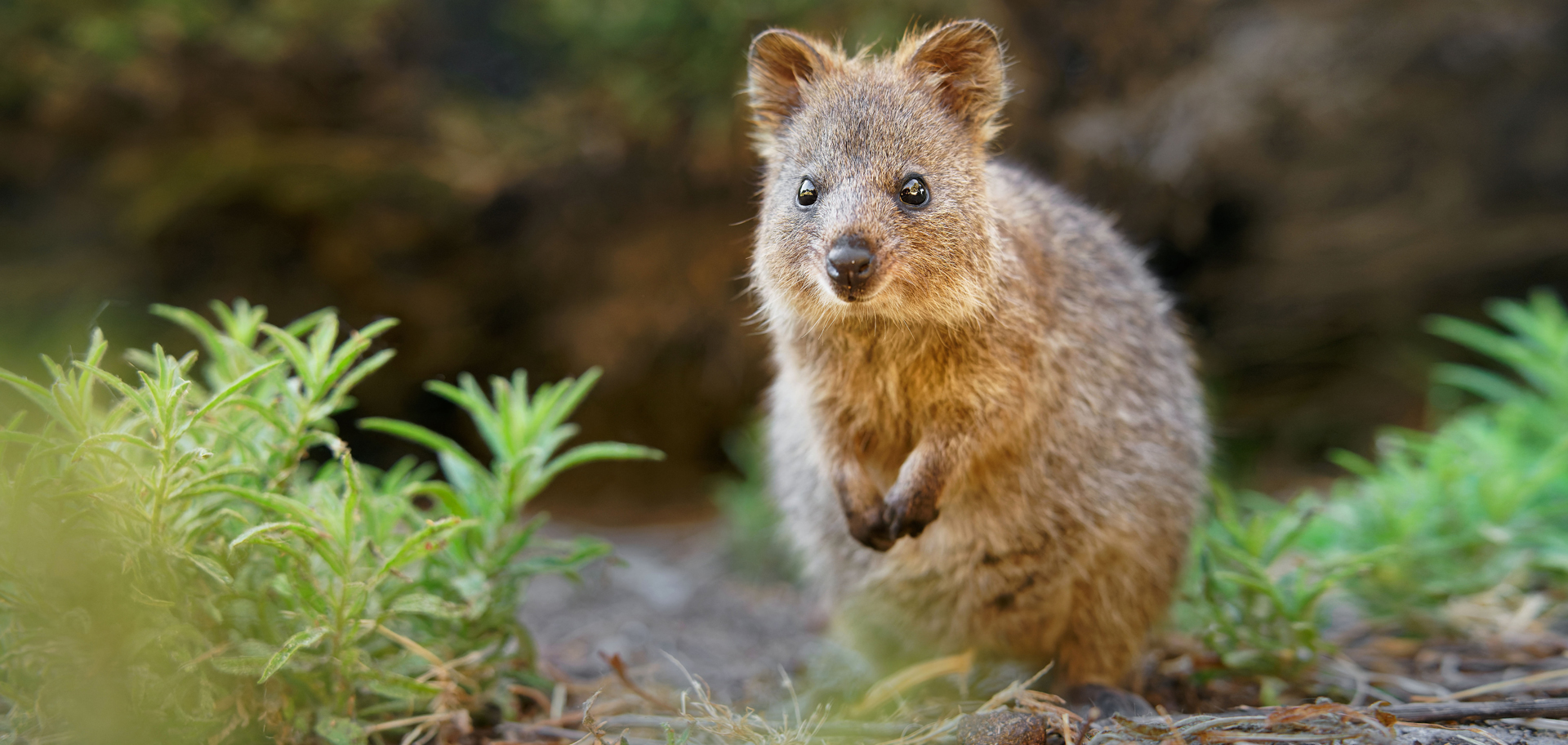
Scat samples show that there is some overlap in the diets of Gilbert’s potoroos and quokkas (shown here). Habitat use by the two species is also very similar. An area with suitable resources for quokkas, therefore, could be a possible site for future translocations of Gilbert’s potoroos.
An important next step in the recovery of Gilbert’s potoroos from near extinction is finding another suitable mainland site to establish an additional population. This work, published in the journal Biodiversity and Conservation in November 2025, shows that examining the fungal diets of mammals that occur with the Gilbert’s potoroo can help in deciding where to establish new populations.
The researchers explain that focusing on the conservation and relocation of fungi-eating mammals is extremely valuable. They play an important role in maintaining healthy ecosystems. Their digging for fungi makes them effective ecosystem engineers, helping in soil turnover. They also act as vectors for fungal spore dispersal. Fungi have several ecological functions, including having mutually beneficial relationships with plants. So, mycophagous mammals are significant players in maintaining healthy ecosystems.
DNA evidence shows cats are culprits in the killing of native animals
Australia has also turned it’s “eDNA lens” on feral cats. Conservation scientists used DNA technology to identify the felines as the primary predators responsible for the deaths of reintroduced native animals at two conservation sites in South Australia. The finding fits in with research data that suggests feral cats have killed more native animals than any other feral predators in Australia and are believed to be responsible for two-thirds of mammal extinctions since European settlement.
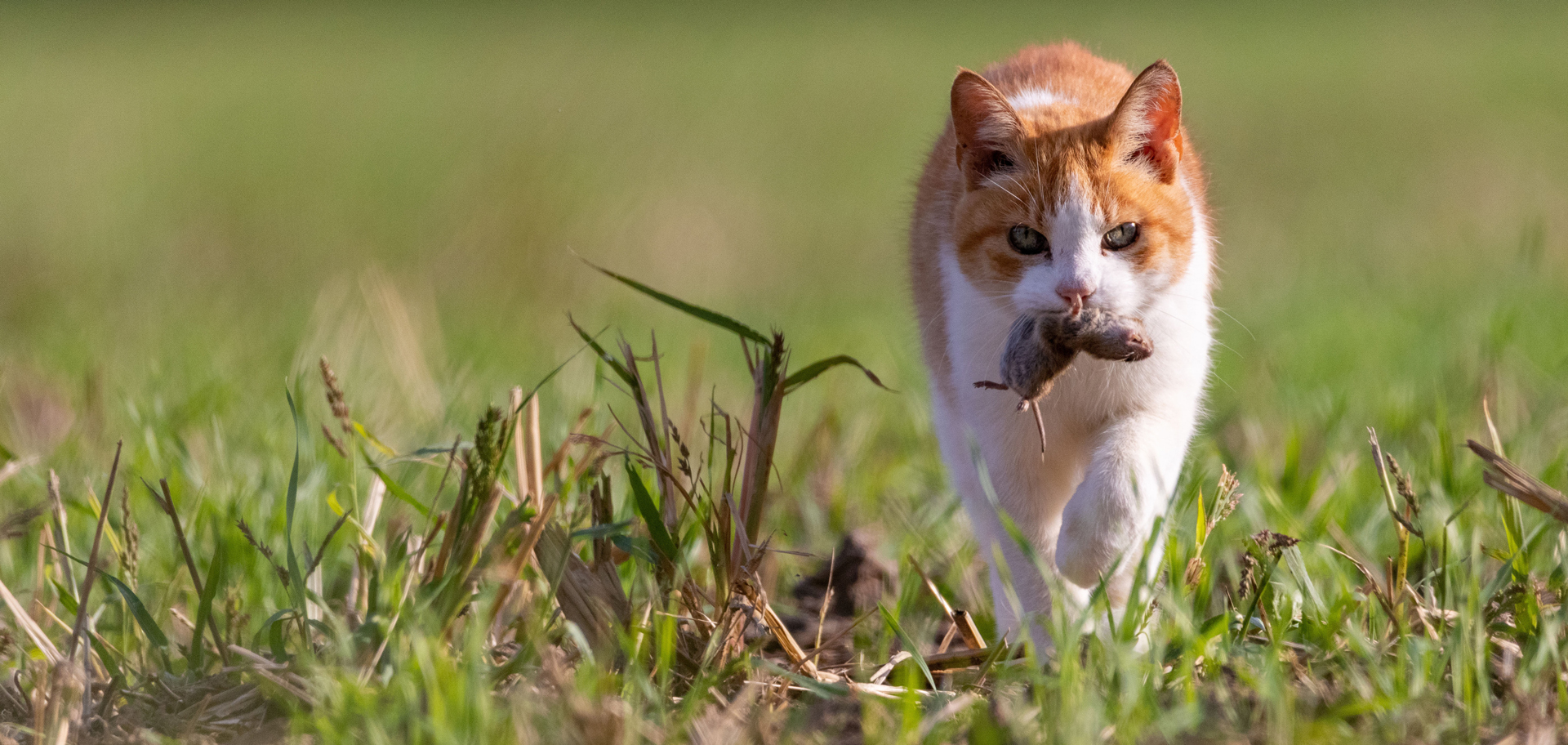
Feral cats in Australia are an apex ecological threat, killing more than 1.4 billion native animals every year. They mostly target small to medium-sized, ground-dwelling animals, including birds, mammals, frogs, invertebrates and reptiles.
But here’s the twist: in a study published recently in the Australian Mammalogy journal in April 2025, the conservation scientists from Adelaide University and the University of New South Wales (UNSW) say the effect of feral cats on native animals is likely larger than previously thought.
Correctly determining the causes of death of native animals and attributing them to the right predators has always been difficult. For example, in past wildlife releases, radio-tracking could be used to find dead animals. But it was hard to determine what caused their deaths. Wild animals usually live and die in remote areas, and it’s often hard to get veterinarians in to do necropsies. So, field evidence like animal spoor, bite marks on collars or carcass remains were often employed to guess whether birds of prey, feral cats or foxes were responsible or whether the deaths were natural. In more recent years, taking a DNA swab of the dead animal was the best way to identify if predation was the cause of death. The researchers from Adelaide University and UNSW decided to take the DNA tests one step further: they compared DNA outcomes with the evidence in the field.
The study focused on two South Australian sites where researchers had released native animals in previous translocations of four different species. At one site the researchers released 148 common brushtail possums and 110 western quolls between 2014 and 2016; while at the other, the scientists released 42 greater bilbies and 89 bettongs in 2017.
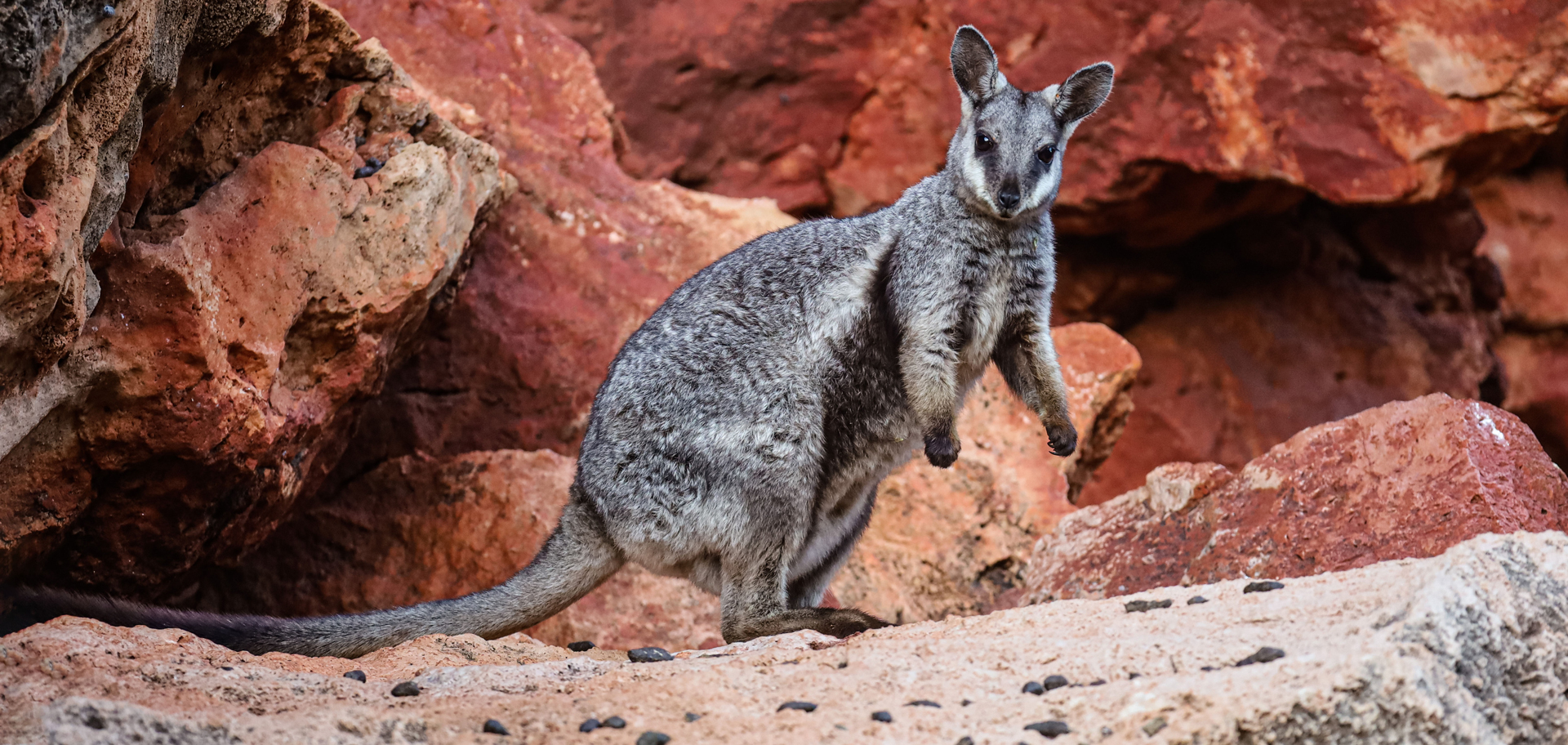
Australian native wildlife evolved without catlike predators, so many species lack natural defenses. Feral cats will hunt wallabies (like this one) up to their own weight.
Of the 389 animals released at both sites, a total of 74 animals were confirmed killed by cats, with 96% of these—or 71—determined by DNA analysis; most feral cat DNA was found either on radio-tracking collars fitted to some of the animals post-release or on wounds to the body. Six animals were confirmed killed by cats after veterinarians performed postmortem analyses, while feral cats were witnessed at three freshly killed carcasses. Three of the four species released still managed to survive in reduced numbers, but sadly the bettongs were no match for feral cats.
Interestingly, of the six animals confirmed killed by cats using veterinarian necropsies, five of these were verified by DNA. Similarly, with the three carcasses that were witnessed as killed by cats, two returned positive for cat DNA. So, even DNA underestimated the number of animals killed by cats, showing that DNA is not infallible. The reason, say the researchers, is that getting DNA from cat saliva found on carcasses is quite difficult because DNA degrades quickly in the environment. Ultimately, however, this work highlights that there are a lot more cat killings than once believed.
The UNSW researchers say that one of the main reasons for the study was to determine if conservationists working in the field could use field data to provide more immediate clues about the extent of cat predation, which could trigger prompt management action like increased cat control rather than waiting until DNA analyses are performed. But until genetic tools or other broadscale methods targeted at feral cats are developed, people can only rely on intensely managing them as best they can. Hopefully, this research will encourage more conservationists to use DNA and necropsy to identify the cause of death of animals in wildlife reintroductions, and to increase cat control even if no obvious evidence of cat predation is present.
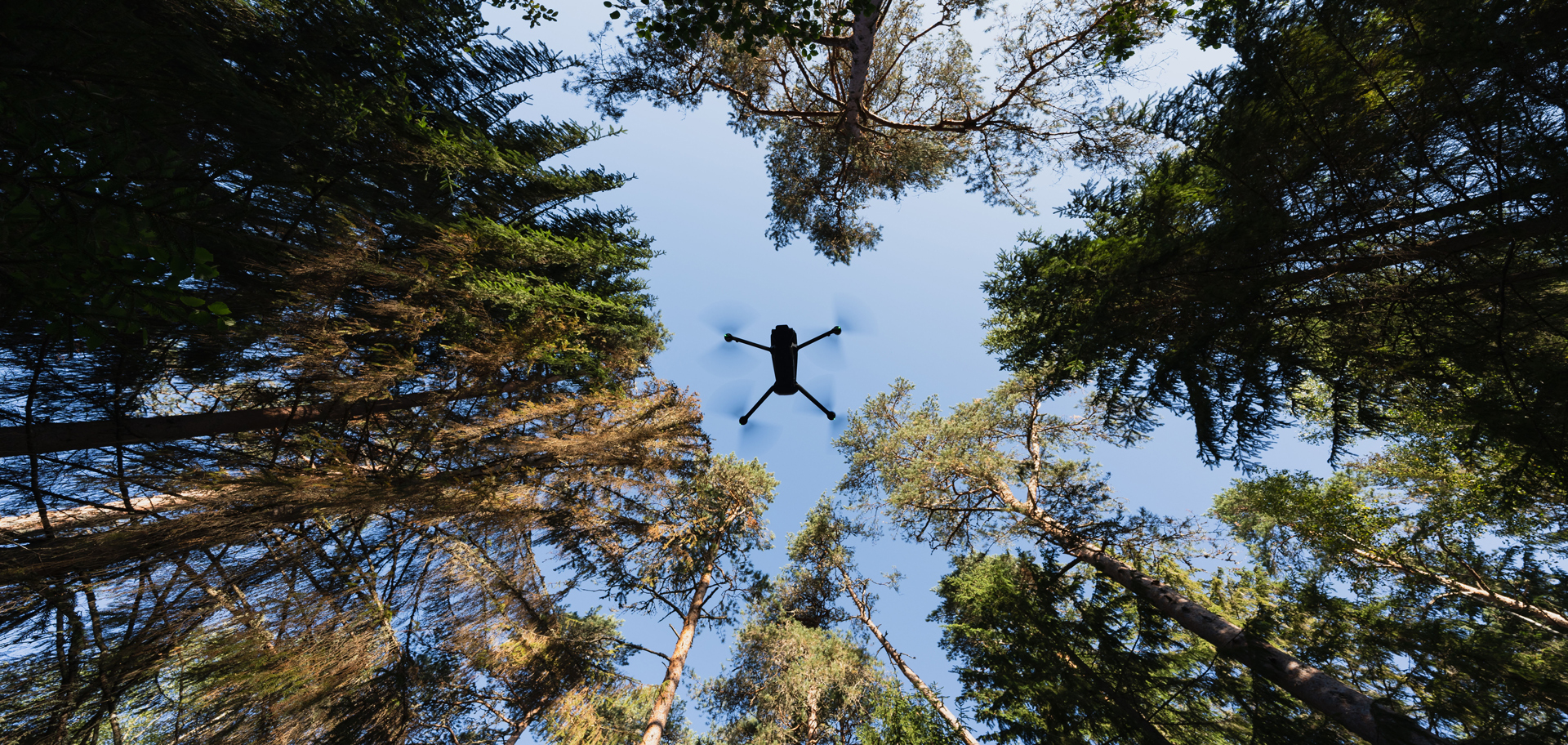
Drones can go where people can’t or shouldn’t, including into inaccessible, protected or remote locations. Researchers have started to use aerial robots to take pictures, deploy sensors and collect samples in the forest canopy.
DNA-collecting drones provide insights into treetops
If we want people to protect nature, we need to tell them what we are actually protecting, argue the authors of a paper published in the journal Environmental Science and Technology in September 2024.
Drones can go where people can’t or shouldn’t go, including inaccessible, protected or remote locations. Taking advantage of this ability, researchers have started to use aerial robots to take pictures, deploy sensors and collect samples in forest canopies. To identify the species living in and around trees, samples are taken of genetic material left on branches and leaves. This eDNA comes from dead skin cells, feces and mucus. However, if a drone outfitted with swabs to gently collect eDNA accidentally collides with a tree, both the robot and the plant can be damaged. So, how do researchers design a sampling system for a drone that keeps it out of the vegetation?
Scientists from the American Chemical Society think they have the answer. They developed a drone sampling system with a specialized fabric probe that brushes against branches and leaves to collect eDNA. When a remote pilot activates a pully underneath the drone, a tether lowers and raises the probe through the canopy. The system includes a piece of fleece cloth cut into a circle—similar in shape to a coffee filter—with strips of fiberglass attached to provide structure. In addition, a sensor keeps the probe’s tether from tangling on branches; if it detects an impact, the researchers program the system to automatically shift position before completing the drop or retrieval.
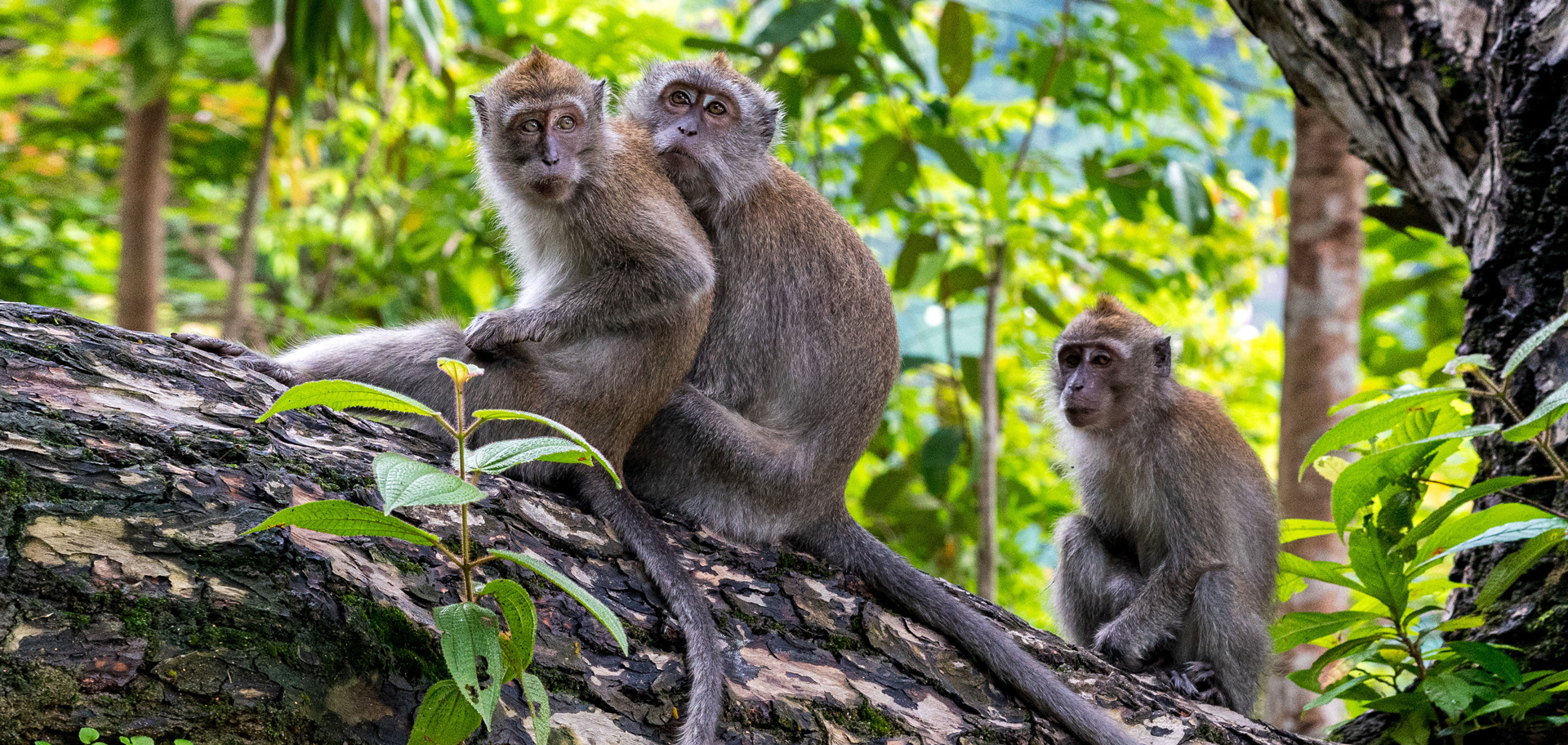
A drone in a rain forest in Southeast Asia managed to retrieve genetic material from trees of arachnids, insects and even a long-tailed macaque, like these. The use of drones presents another way to study biodiversity in remote habitats, which is critical for conservation and restoration efforts.
In proof-of-concept demonstrations, the researchers flew their drones into a rain forest in Southeast Asia, sending them beyond their line of sight to retrieve genetic material from trees 10 different times. When the drones returned from the flights, the researchers removed the fabrics and extracted eDNA from each probe before bringing the samples to a lab for analysis and species identification. Across the 10 separate samples, most of the organisms detected were arachnids and insects. Additional species of note, according to the researchers, include multiple ant and termite species, a type of fly called the gall midge and a long-tailed macaque. The study presents another method for studying biodiversity in remote habitats, which the researchers say is critical for conservation and restoration initiatives.
Airborne DNA tracks wildlife, viruses and even drugs
A companion inquiry to the American Chemical Society’s report is a University of Florida study conducted in Dublin, Ireland, and published in the journal Nature Ecology and Evolution in June 2025. It, too, echoes the efficacy of eDNA research.
Locals and travelers alike say that Dublin is known as a city where you can get a warm welcome, enjoy a few pints of Guiness, and hear lively, traditional music drifting out of pubs and into the city air. But it appears that the breezes in Dublin also contain cannabis, poppies and even magic mushrooms—more precisely, the DNA of those items, at least.

Dublin is widely considered a lovely, vibrant and welcoming city. It blends rich history with a modern, cosmopolitan edge. While it is a bustling European capital, it retains a remarkably friendly, down-to-earth charm—and DNA-filled air.
That’s according to a new, University of Florida study that reveals the power of DNA, vacuumed up from the air, which can track everything from elusive bobcats to illicit drugs.
The DNA captured in environmental samples like sand, soil and water do not just settle into the muddy earth or flow along rivers. The air itself is infused with genetic material. A simple air filter running for hours, days or weeks, can pick up signs of nearly every species that grows or wanders nearby. That means that you can study species without directly having to disturb them or without ever having to see them, say the researchers. It opens up huge possibilities for learning about all the species in an area simultaneously, from microbes and viruses all the way up to vertebrates like bobcats and humans.
The University of Florida researchers also discovered that they could pick up signs of hundreds of different human pathogens from the Dublin air, including bacteria and viruses. Such surveillance could help scientists track common allergens, like peanut or pollen, and emerging diseases more accurately than is currently possible.
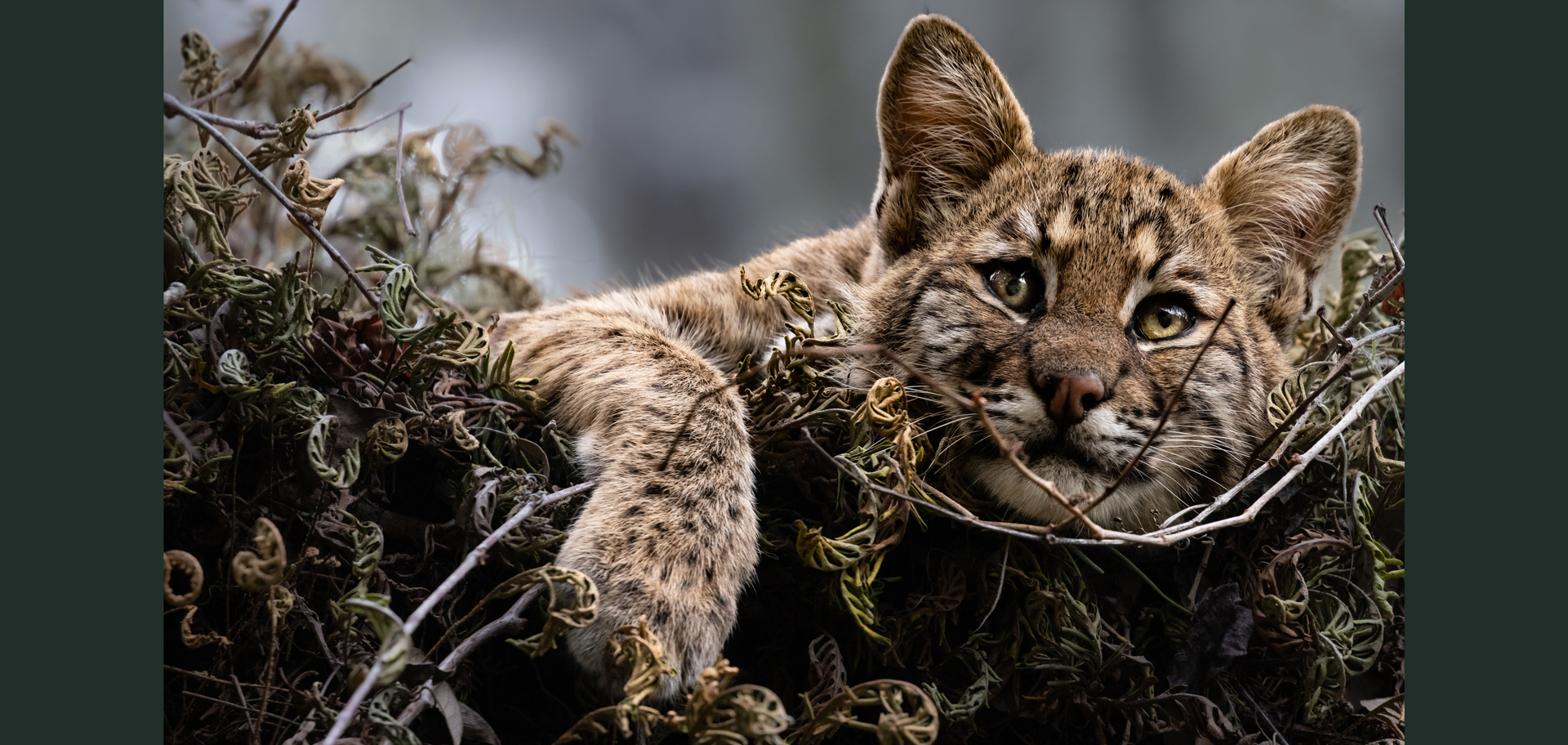
Scientists were able to identify the origin of bobcats whose DNA was hoovered up from air in a Florida forest. With little more than an air filter, endangered species can be tracked and identified, all without having to lay eyes on skittish animals or root around on forest floors for scat samples.
In another test of the power of eDNA, the scientists were able to identify the origin of bobcats and spiders whose DNA was hoovered up from air in a Florida forest. With little more than an air filter, they could track endangered species and identify where they came from, all without having to lay eyes on skittish animals or root around forest floors for scat samples. When trying to save and conserve wildlife, knowing where an animal originates can be as important as knowing where it currently is.
This gathering method was paired with impressive analysis efficiency and speed. The team demonstrated that a single researcher could process DNA for every species in as little as a day using affordable, compact equipment and software hosted in the cloud. That quick turnaround is orders of magnitude faster than what would have been possible just a few years ago and opens up advanced environmental studies to more scientists around the world.
This same tool, however, can potentially identify sensitive human genetic data. That’s why the collaborators on this project have called for ethical guardrails for the rapidly developing field of eDNA. Despite that, they say that their work shows that technology is finally matching the scale of environmental problems.
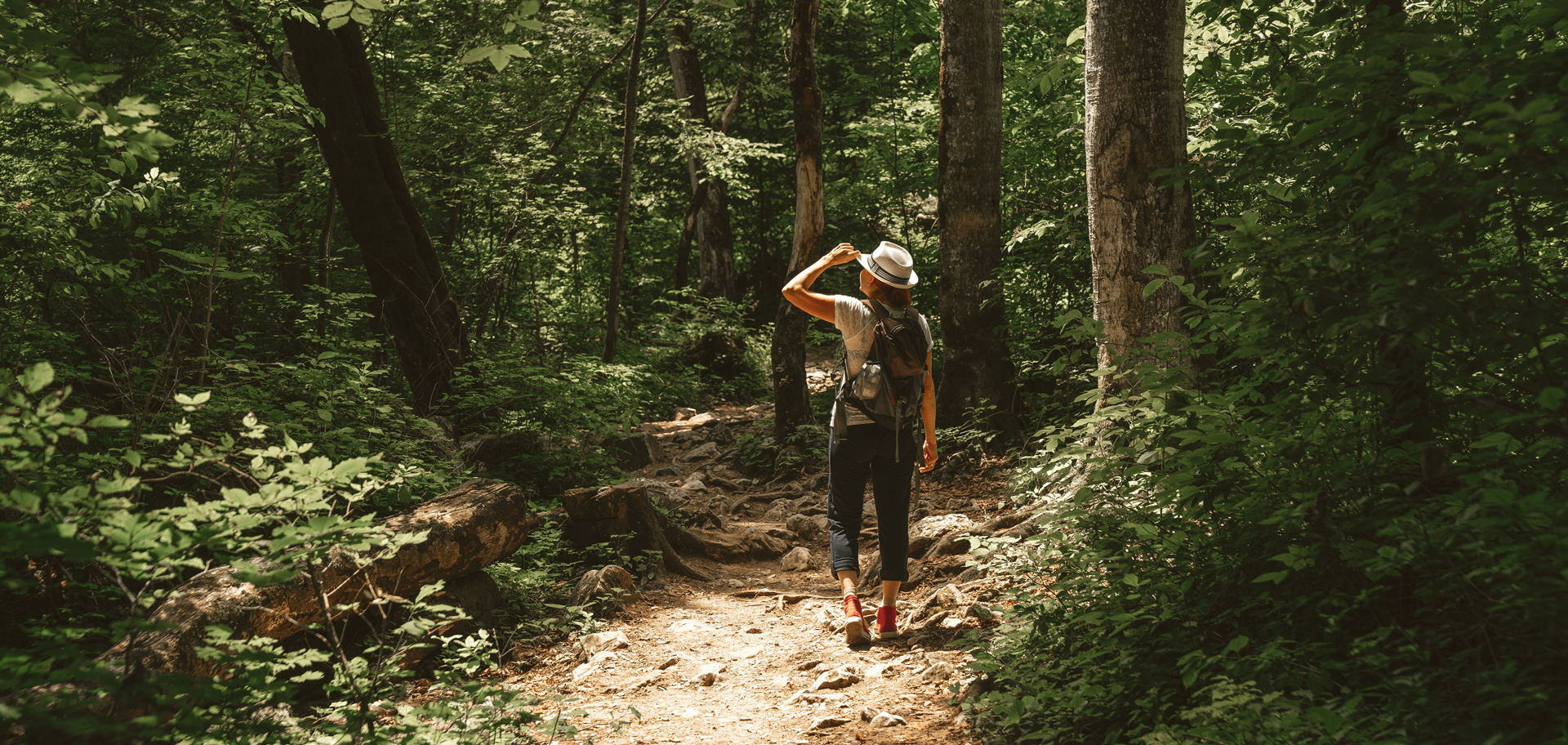
We’ve all imagined stepping into a forest and being able to unveil the creatures that have lived and passed through there. eDNA lets us do exactly that.
eDNA is unveiling stories
Those of us who value nature have surely at one time or another imagined stepping into a forest, diving to a vibrant coral reef, standing on a vast savanna or even sitting on a porch and looking into a garden and being able to unveil the creatures that have lived and passed through such a place.
Our imaginings may soon transform into knowings, as eDNA becomes more mainstream and lets us do exactly that.
Here’s to finding your true places and natural habitats,
Candy