

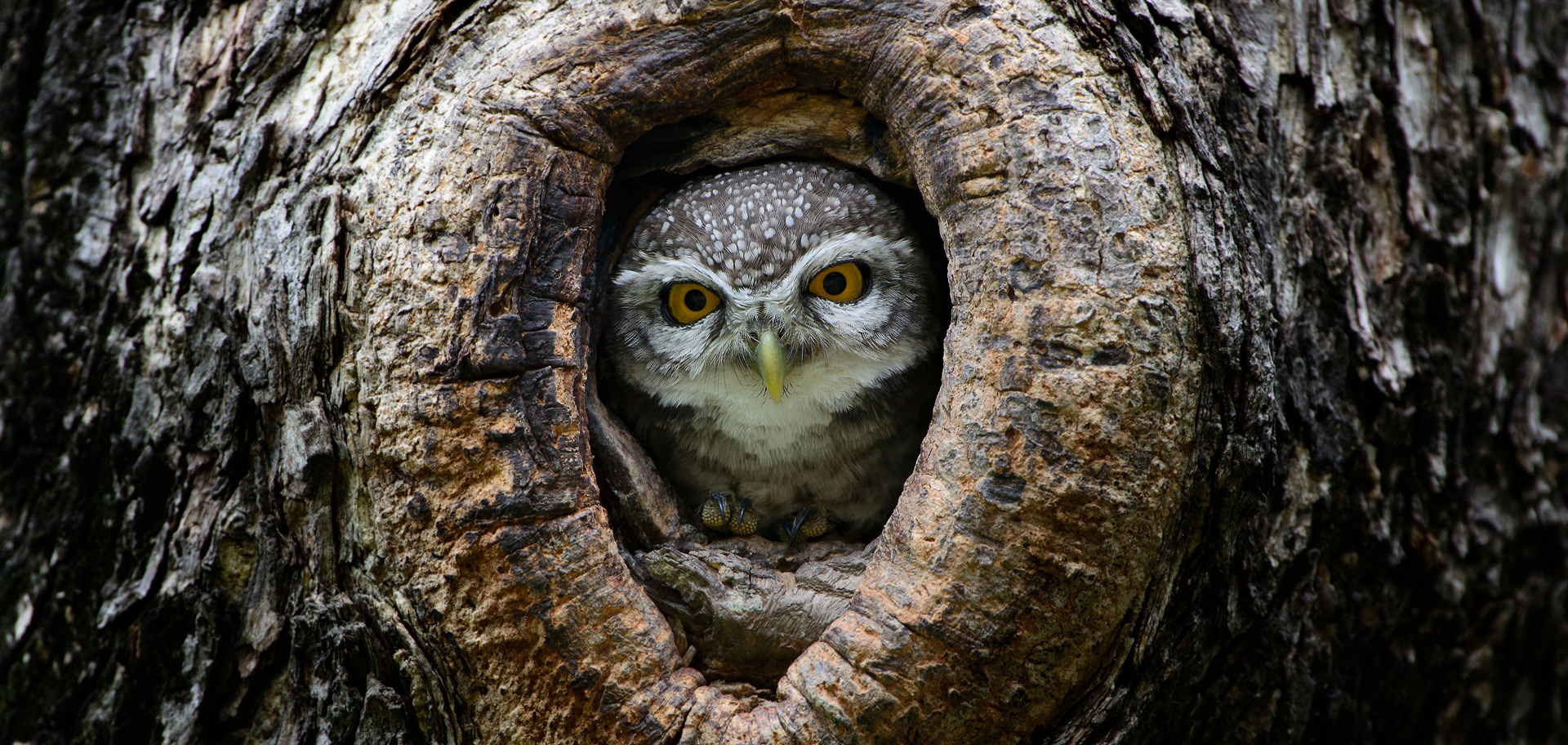
Spotted owls prey on small mammals, which are most numerous where there is an abundance of downed logs, patches of native shrubs, snags (standing dead trees) and natural, young, conifer regeneration. For this reason, spotted owls often select nest locations on the edges between lower-intensity fire areas and higher-intensity fire patches.
Wildfires are complicated. On one hand, they can be extremely destructive forces. On the other, they are natural events that certain animals and plants have evolved to depend on for ecological balance. And then, you have to add climate change into the equation.
Climate change is increasing the risks of wildfires in many regions of the world, and they’re becoming more intense and, thus, dangerous. What’s now called “fire weather seasons” are increasingly overlapping between eastern Australia and western North America, posing a challenge for cooperation between Australian, U.S. and Canadian fire services, which have long supported one another by sharing personnel and aircraft during wildfire emergencies.
But much of the western U.S. is overdue for wildfire, with decades of suppression allowing fuel to build up across millions of acres. Researchers estimate that 74% of the region is in a fire deficit, meaning far more land needs to burn to restore healthy forest conditions. Catching up would require an unprecedented amount of controlled and managed fire. Prescribed burns—intentionally set, controlled fires—can significantly lessen their impact, dropping wildfire severity by 16% and smoke pollution by 14%. Even more striking, the smoke from prescribed burns is just a fraction of what wildfires would have produced in the same areas.
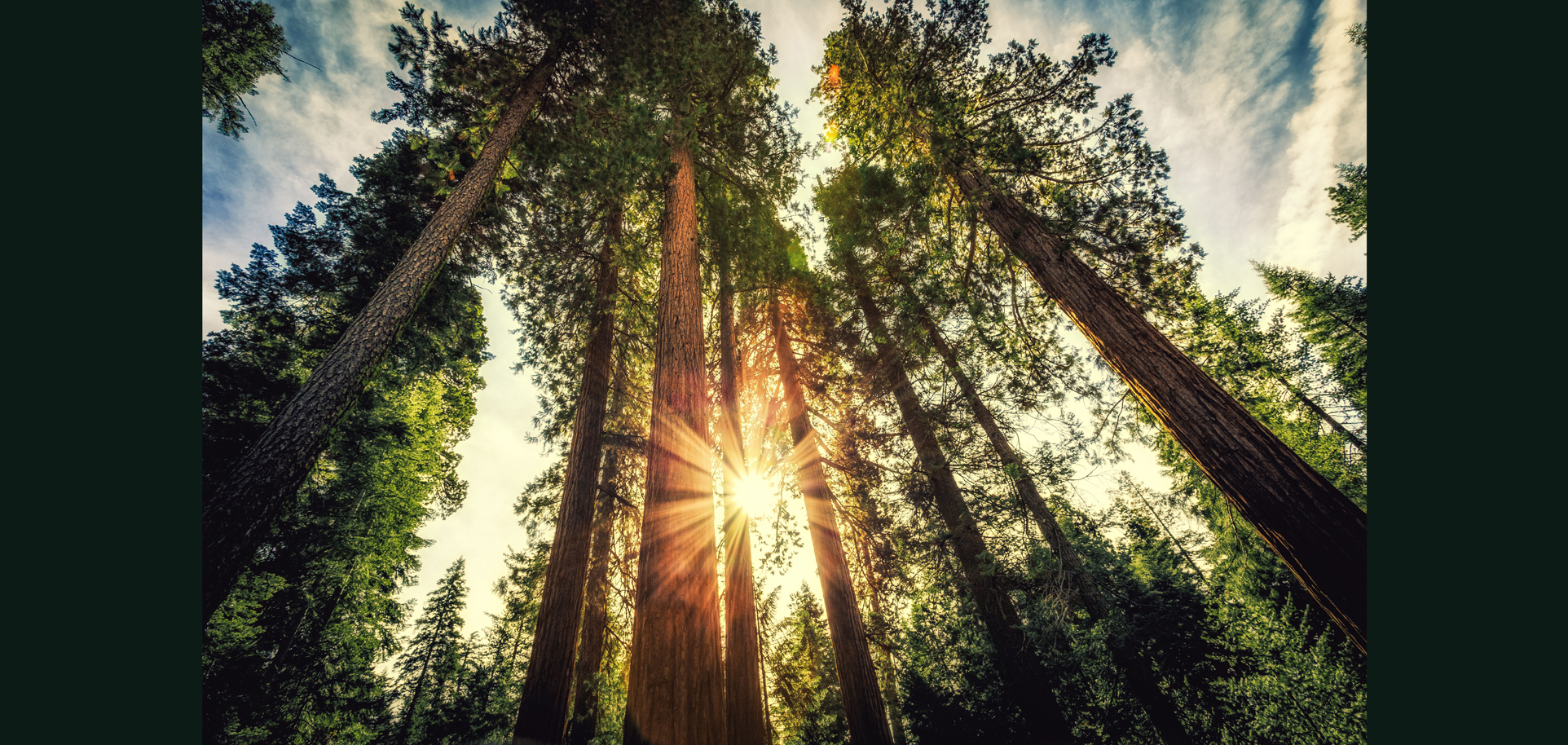
Even with today’s extreme wildfires, prescribed burns are effective at reducing giant sequoia mortality. If the goal is protecting giant sequoias, prescribed fire is an essential tool that is available to managers.
Giant sequoias are one of those plants that evolved to withstand ordinary fires, but recent extreme wildfires have killed thousands of trees that had survived for centuries or even millennia. But a new analysis of about 26,400 sequoias found that trees in areas treated with prescribed burns were nearly four times more likely to survive. It’s estimated that the controlled fires prevented about 1,900 deaths and could have saved thousands more if used across every grove.
As I mentioned, it’s complex and convoluted.
Climate change increases the risk of simultaneous wildfires
The west coast of North America and the east coast of Australia have been repeatedly hit hard by wildfires. For example, the January 2025 wildfire disaster in Los Angeles destroyed more than 10,000 buildings and claimed 29 lives, according to media reports. The east coast of Australia was hit by one of the country’s most devastating bushfires between September 2019 and March 2020: more than 29 million acres of forests and woodlands burned. Firefighters from Australia, Canada and the U.S. have supported each other during these disasters and many others.
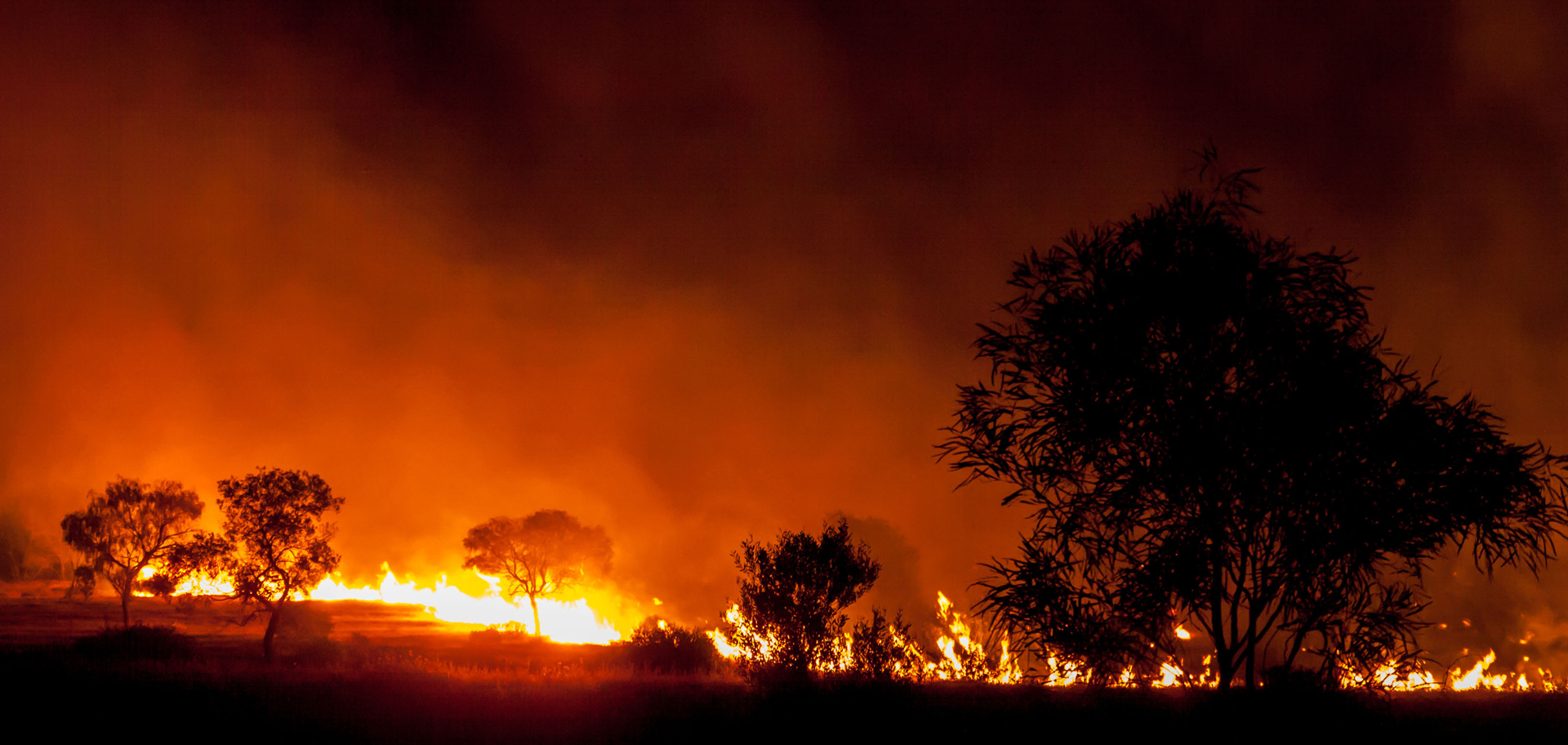
“Fire weather seasons” are increasingly overlapping between eastern Australia and western North America. This has implications for cross-border cooperation between fire services in Australia, Canada and the U.S.
To examine how the timing of fire weather seasons in the two regions is changing as a result of climate change, a team of scientists from Germany’s Helmholtz Center for Environmental Research (UFZ) and Australian colleagues used Canada’s Fire Weather Index System—a meteorological index that takes into account rainfall, relative humidity, temperature and wind speed—to identify “fire weather days”: days with a high risk of wildfires. It was found that fire weather days have been increasingly overlapping since 1979.
The greatest likelihood of overlap—about 75%—occurs between July and December. Overall, the number of simultaneous fire weather days in eastern Australia and western North America has been increasing by one day per year for the past 40 years. This is because the fire season in eastern Australia is starting earlier in spring and overlapping with the end of the fire season on the west coast of North America.
The team also analyzed how the seasonal overlap develops. They used four climate models, drawing on many simulations to account for uncertainty. The trend is clear: the number of overlapping fire weather days in eastern Australia and in western North America will continue to increase. Depending on the climate model used and the level of future global warming, the increases could range from four to 29 days per year by mid-century.
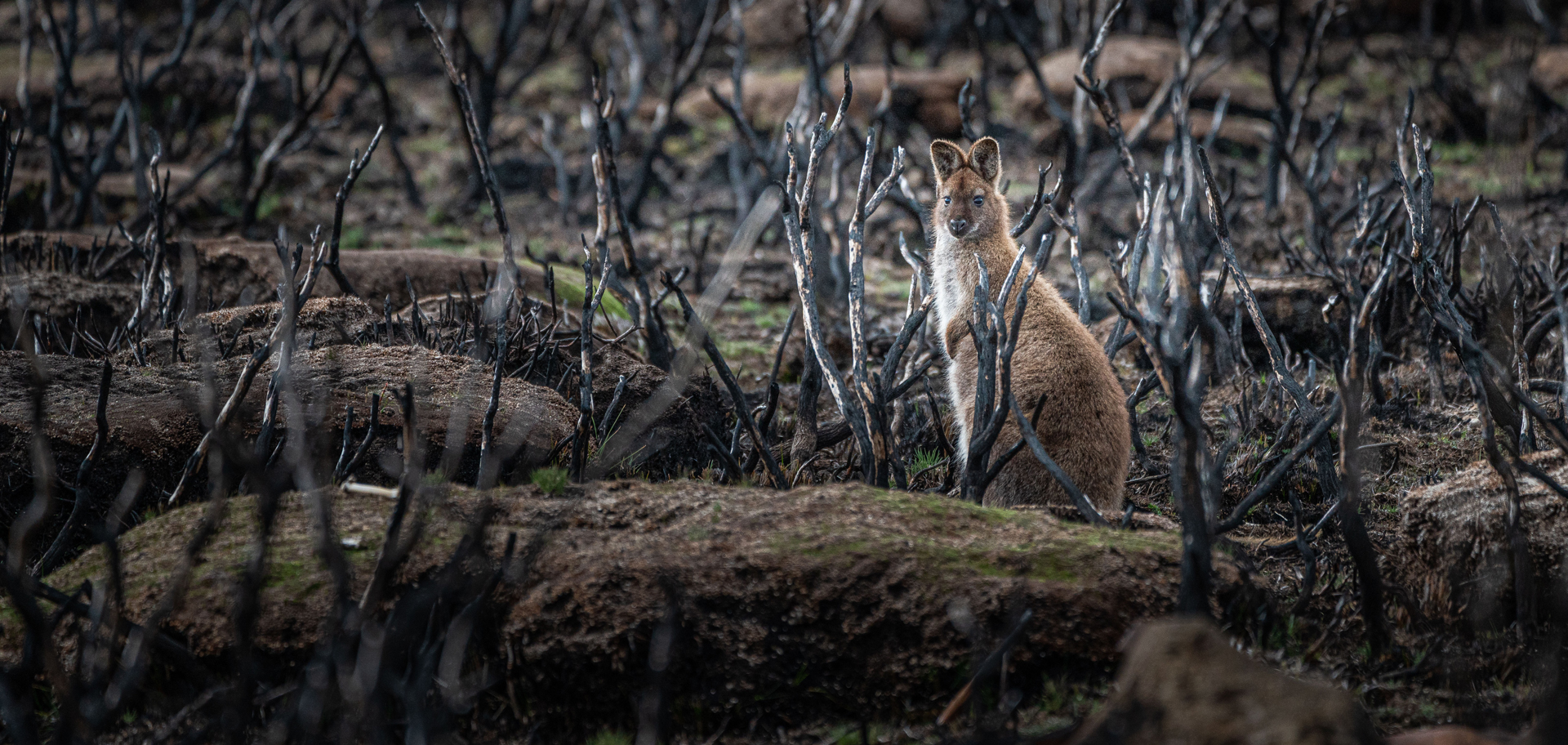
Some ecologists have estimated that more than a billion wild animals were lost in the fires in Australia that began burning in 2020. When wallabies’ food sources and habitats were burned in the fires, authorities airdropped more than 4,400 pounds of carrots and sweet potatoes from helicopters.
The overlap depends partly on the variability of the El Nino Southern Oscillation, a system that controls the circulation of the atmosphere and the ocean in the equatorial Pacific. Fire weather in eastern Australia is typically linked to El Nino conditions—unusually high sea-surface temperatures. This often leads to droughts and heat waves, among other phenomena. In contrast, fire weather in western North America is more often linked to La Nina conditions—the opposite situation. Despite these generally opposing patterns, during strong fire weather overlap, El Nino conditions are especially pronounced in the central Pacific. However, the effects of El Nino are expected to be overshadowed by climate change in the medium term. Climate change is causing global temperature rises and increasing drought in some regions while the El Nino effect is expected to remain largely unchanged.
Until recently, the fire seasons occurred at distinctly different times of the year: on the west coast of North America between June and October and in eastern Australia between October and March. These gaps provided enough time for teams to assist one another when needed. But these increasingly overlapping fire weather seasons in Australia and the U.S. are narrowing the window for international cooperation and making it harder to respond quickly to large-scale wildfires. Both nations will need to strengthen their domestic firefighting capacities in order to reduce reliance on international cooperation, say the UFZ authors in the journal Earth’s Future in April 2025.
The suppression of wildfires in the U.S. West can backfire
Wildfires are not always purely destructive. In many forests, fire can clear out built-up dead material, return nutrients to the soil and help ecosystems reset. For more than 100 years, the United States has spent billions of dollars on fire suppression to protect people, homes and sensitive environments. But putting out too many fires can also prevent landscapes from getting the burns they need, allowing extra fuel to accumulate and raising the risk of larger fires later.
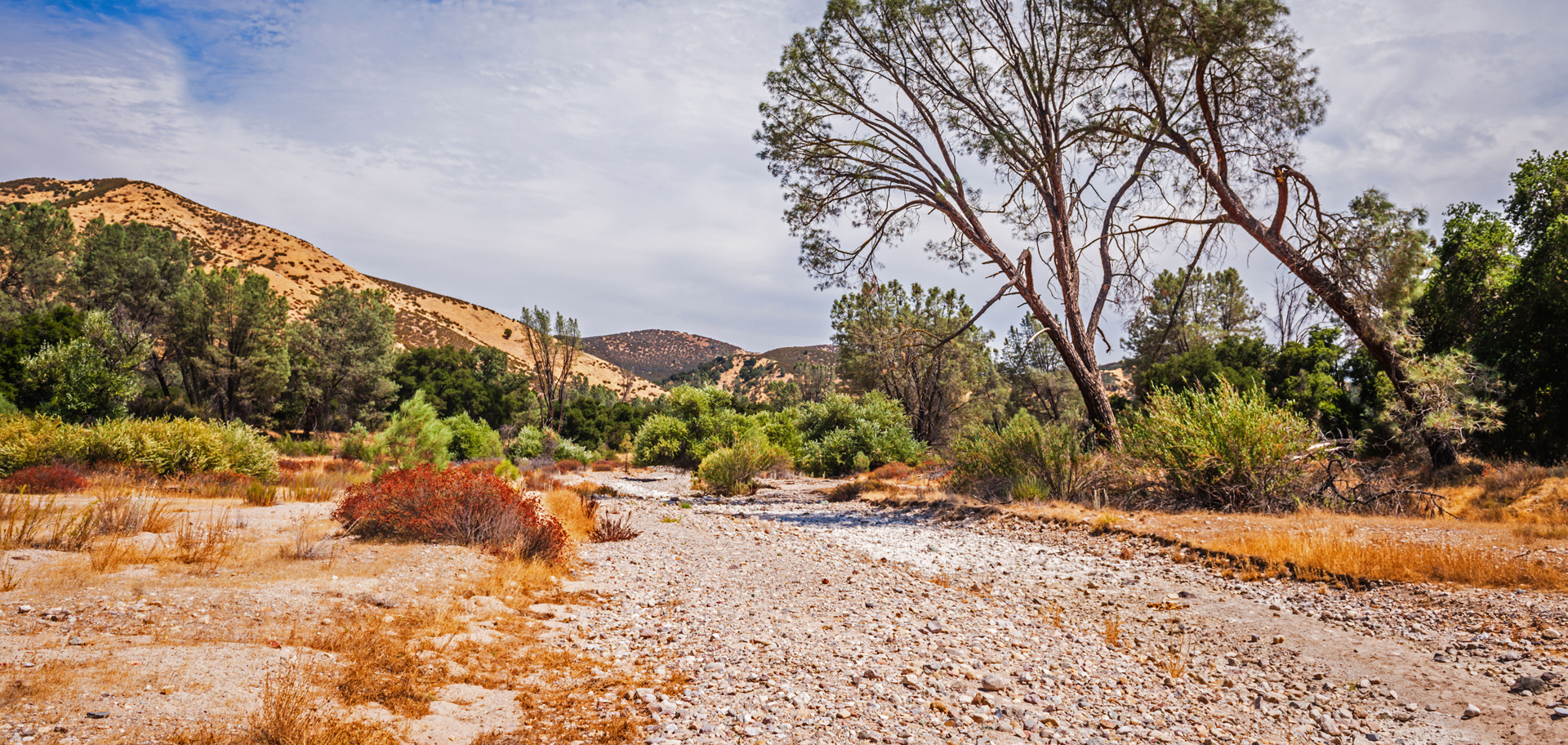
Decades of fire suppression have left the western U.S. sitting on a massive wildfire backlog, with forests primed for bigger, more dangerous burns. Restoring balance may require letting more fires burn on purpose—while some regions are already burning too much to recover.
December 2025 research from New York’s Cary Institute of Ecosystem Studies shows that nearly 93 million acres of land in the western United States are historically behind on burning. The institute’s researchers describe these areas as being in a “fire deficit.” Conditions are getting so warm and dry that it’s causing huge amounts of fire compared to the historical record. In addition, we still are dealing with the legacy of 150 years of fire suppression. Together, drying conditions and overly dense fuels portend a challenging and more fiery future.
To determine where fire is missing and where it is happening too often, the scientists used geospatial evidence, such as dirt samples and pollen records. From that information, they estimated historical fire-return intervals, which were then reconstructed through the LANDFIRE (Landscape Fire and Resource Management Planning Tools) program, which creates data and maps about plants, fuels and fires. Run by the Department of the Interior and the U.S. Forest Service, LANDFIRE gives land managers more than 20 types of computer map layers to help plan for wildfires.
When the Cary Institute of Ecosystem Studies team compared modern annual burn patterns with the historical record revealed by the data, they found that 74% of the western U.S. is currently in a fire deficit. To close that gap, forests would need about 9.3 million acres to burn each year for a decade.
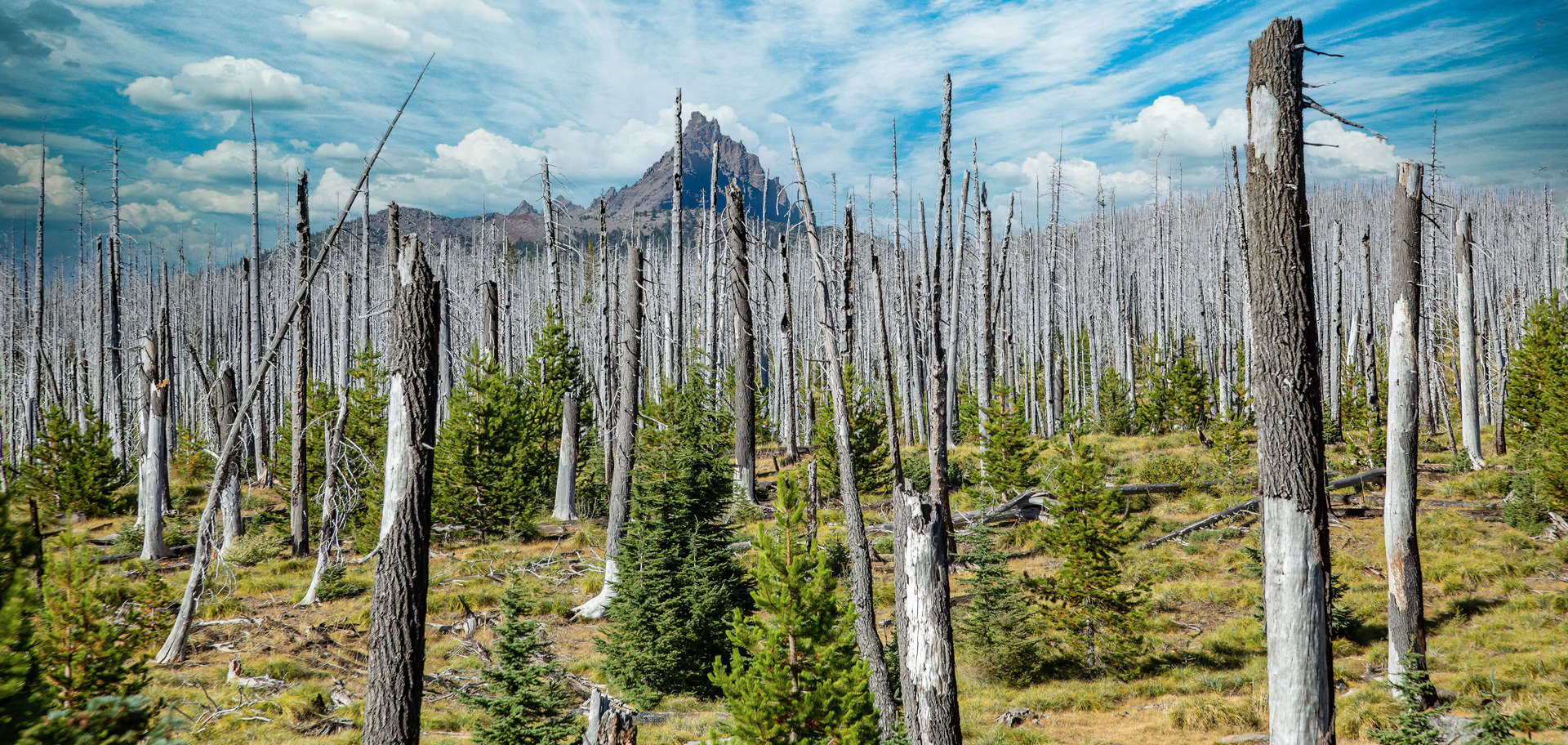
Parts of Cascadia, as in Oregon’s Willamette National Forest (shown here), are showing signs of a fire surplus. Researchers link this trend to climate change, which is driving higher temperatures and more frequent drought, conditions that make fires more likely.
The scale of that burning is intimidating, but the scientists say there are several ways to make progress. They point to a mix of prescribed burns, mechanical thinning and the use of managed wildfire to reduce the deficit. Added to that are the wildfires that are burning today that are decreasing the fuel loads and revitalizing ecosystems. Instead of suppressing those fires and putting them out, state the researchers, when the risk is low, we should let them do their good ecological work.
In contrast, even as much of the West is overdue for fire, the Southwest is dealing with the reverse situation. Human-started wildfires have pushed chaparral and shrubland ecosystems into a fire surplus, especially in Southern California. Getting more fire than what occurred historically can threaten resilience. Shrubland ecosystems might not be able to regenerate if the fire is too frequent.
Parts of Cascadia are also showing a fire surplus, which the researchers link to climate change driving higher temperatures and more drought, conditions that can set the stage for blazes. Already seeing these signals of climate-change-driven surplus fires surprised the researchers. Instead, they expected to see something like this in the next decade or two.
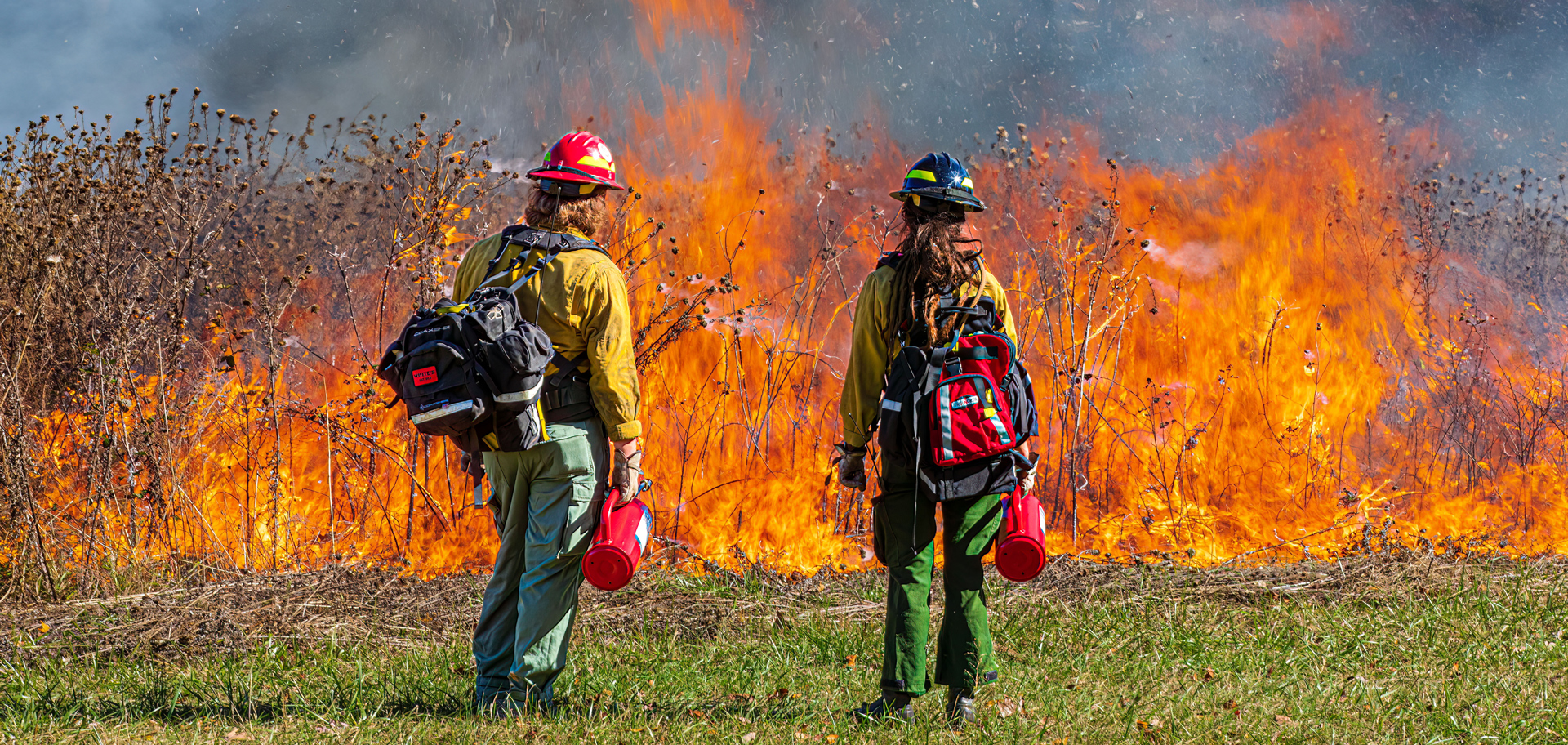
Prescribed burns—controlled fires set on purpose—can tame future wildfires and slash smoke pollution. Treated areas burn less intensely and produce much less smoke, offering a powerful tool in fighting the growing wildfire crisis.
Prescribed burns decrease wildfire damage and pollution
Prescribed fires are often promoted as a promising tool in theory to dampen wildfire impacts, but we now have clear, empirical evidence that prescribed burning works in practice. It’s not a cure-all, say scientists from California’s Stanford University Doerr School of Sustainability, but it’s a strategy that can reduce harm from extreme wildfires when used effectively.
Experts consider prescribed burns a potent technique for reducing the threat of wildfires, and nearly $2 billion of federal funding has been set aside to conduct these and similar treatments to reduce hazardous fuel. Still, the use of prescribed burning in western states has expanded only slightly in recent years. Little research exists to quantify its effectiveness, and public opinion remains mixed amid concerns that prescribed burns can lead to escaped fires and smoky air.
Working with climate scientists and environmental economists and using high-resolution satellite imagery, land management records and smoke emissions inventories, the Stanford University team compared areas treated with prescribed fire between late 2018 and spring 2020 to adjacent untreated areas that both later burned in the extreme 2020 fire season. The analysis, published in the journal AGU Advances in June 2025, showed that areas treated with prescribed fire burned less severely and produced significantly less smoke.
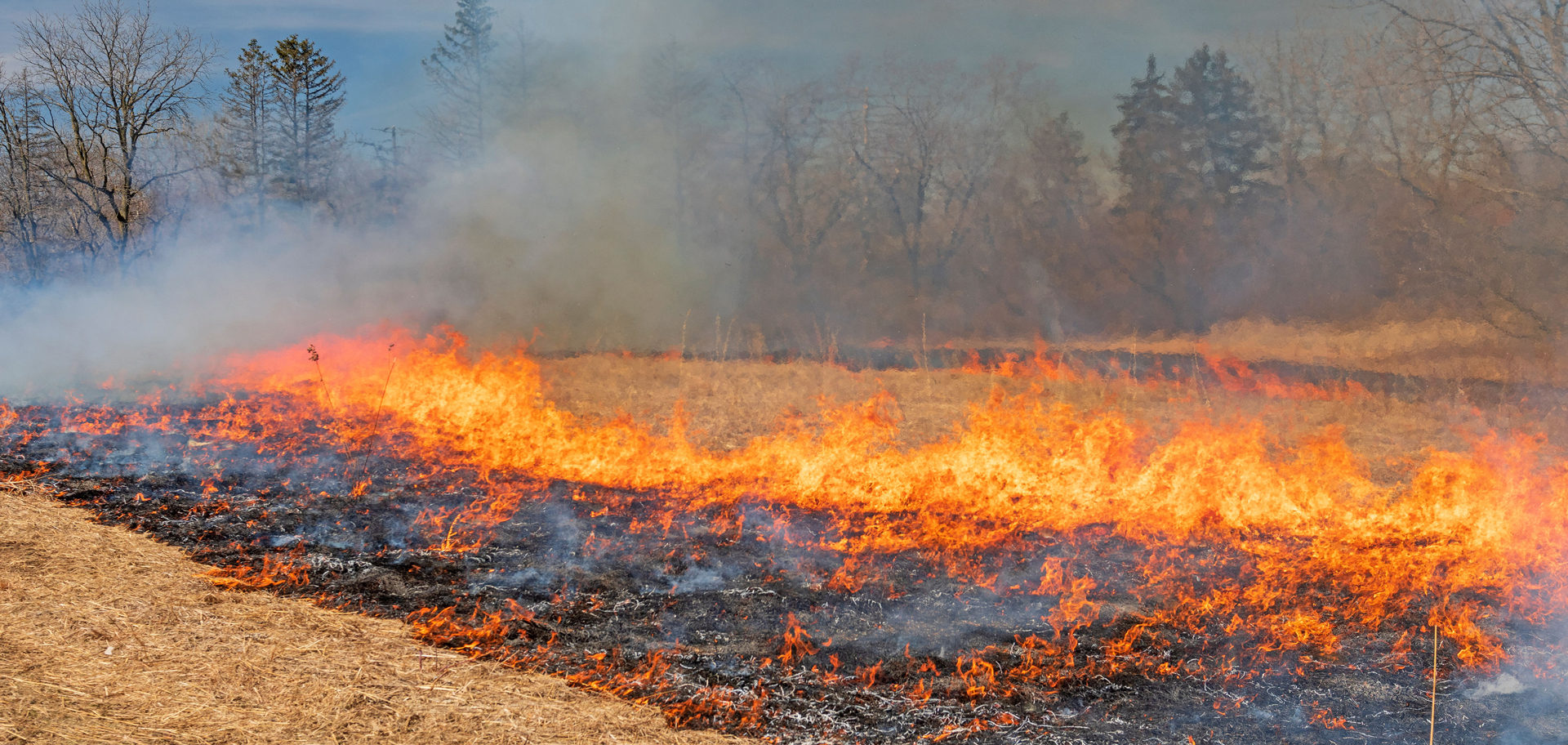
People often think of wildfires just in terms of flames and evacuations. But the smoke is a silent and far-reaching hazard. Prescribed burns can reduce the net smoke pollution caused by wildfires by an average of 14%.
That finding is particularly important given the growing recognition of wildfire smoke as a major public health threat. Fine particulate matter (PM 2.5) from wildfires has been linked to cardiovascular and respiratory problems and is increasingly driving poor air quality across the U.S.
The study also highlights a key nuance: the authors found that prescribed fires were significantly more effective outside of the wildland-urban interface (WUI)—the zones where homes meet wildland vegetation—than within it. In WUI areas, where agencies often rely on mechanical thinning due to concerns about safety and smoke, fire severity was reduced by just 8.5%, compared to 20% in non-WUI zones. Population is growing fastest in the areas of the wildland-urban interface where the vegetation is most sensitive to climate-induced intensification of wildfire risk. So, understanding why the prescribed fire treatments are less effective in those areas is a key priority for effectively managing that heightening risk.
Additionally, this work addresses concerns about smoky air from prescribed burning, finding that the approach produces only about 17% of the PM 2.5 smoke that would be emitted by a wildfire in the same area. The researchers estimate that if California met its goal of treating 1 million acres annually with prescribed fire, it could cut PM 2.5 emissions by 655,000 tons over five years—more than half of the total smoke pollution from the state’s devastating 2020 wildfire season.
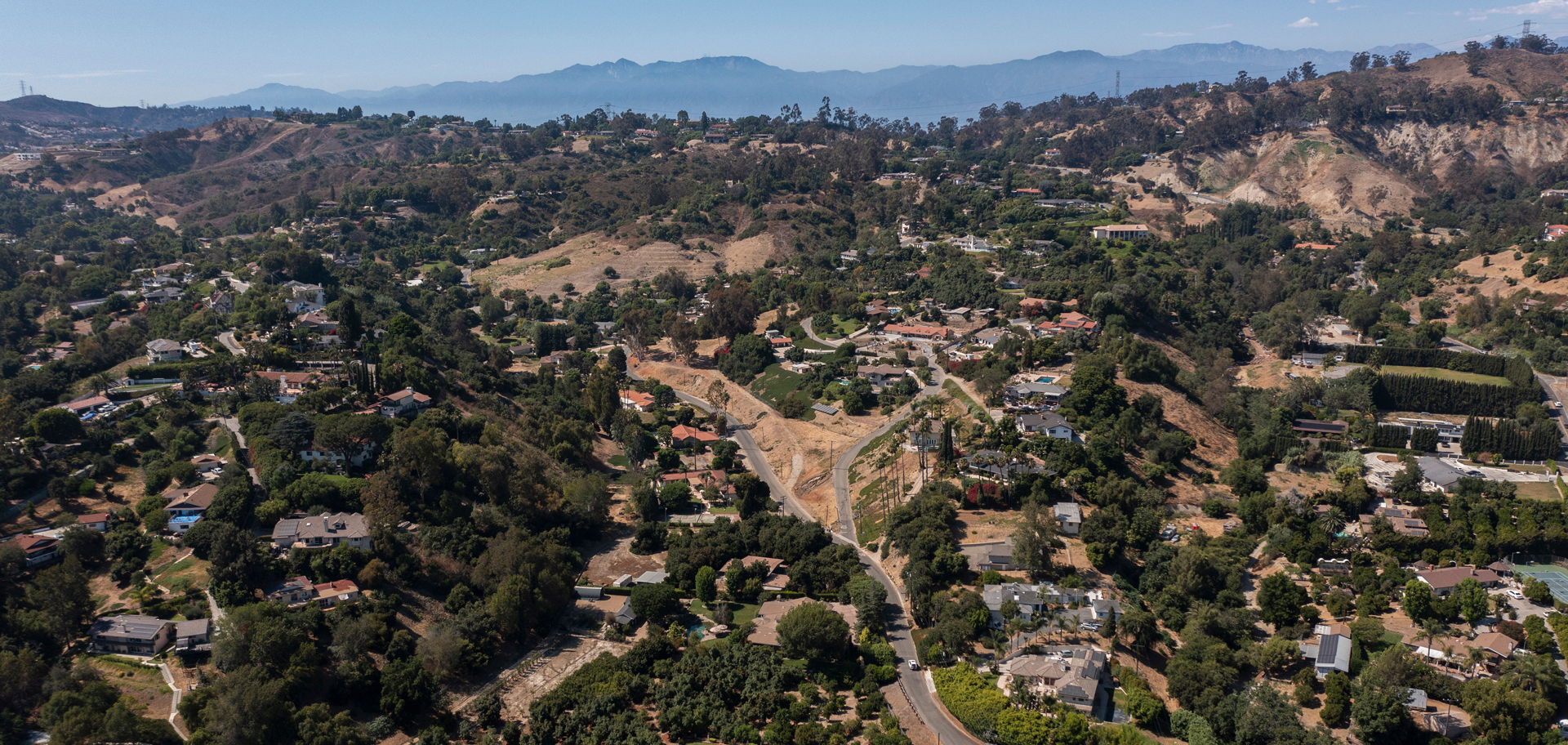
Population is growing the fastest in the wildland-urban interface (WUI), where the vegetation is most sensitive to climate-induced intensification of wildfire risk. Agencies often rely on mechanical thinning here, due to concerns about safety and smoke. But that reduces the fire severity in these areas by just 8.5%, compared to 20% in non-WUI zones.
The authors note that their findings likely represent a conservative estimate of the benefits of prescribed fires, as such treatments can have protective spillover effects on surrounding untreated areas. This kind of empirical evidence is critical for effective policy, they say, and their hope is that it bolsters prescribed fire as a potential wildfire mitigation strategy in California.
Giant sequoias are saved by more fire
Giant sequoias are among the largest and longest-lived organisms on Earth. A single tree can weigh as much as 15 blue whales and survive for more than 3,000 years. In the wild, they grow only on the western slopes of California’s Sierra Nevada.
These enormous trees evolved in a landscape shaped by periodic, low-intensity fires. Their thick bark and elevated canopies offer protection, while smaller fires clear vegetation, recycle nutrients and create conditions that help new sequoias grow. For that reason, many people once viewed mature sequoias as nearly fireproof. That perception changed dramatically after the 2020 and 2021 fire seasons, when images showed entire groves filled with the burned remains of trees that had survived for centuries. Having so many die in just two years was unprecedented.
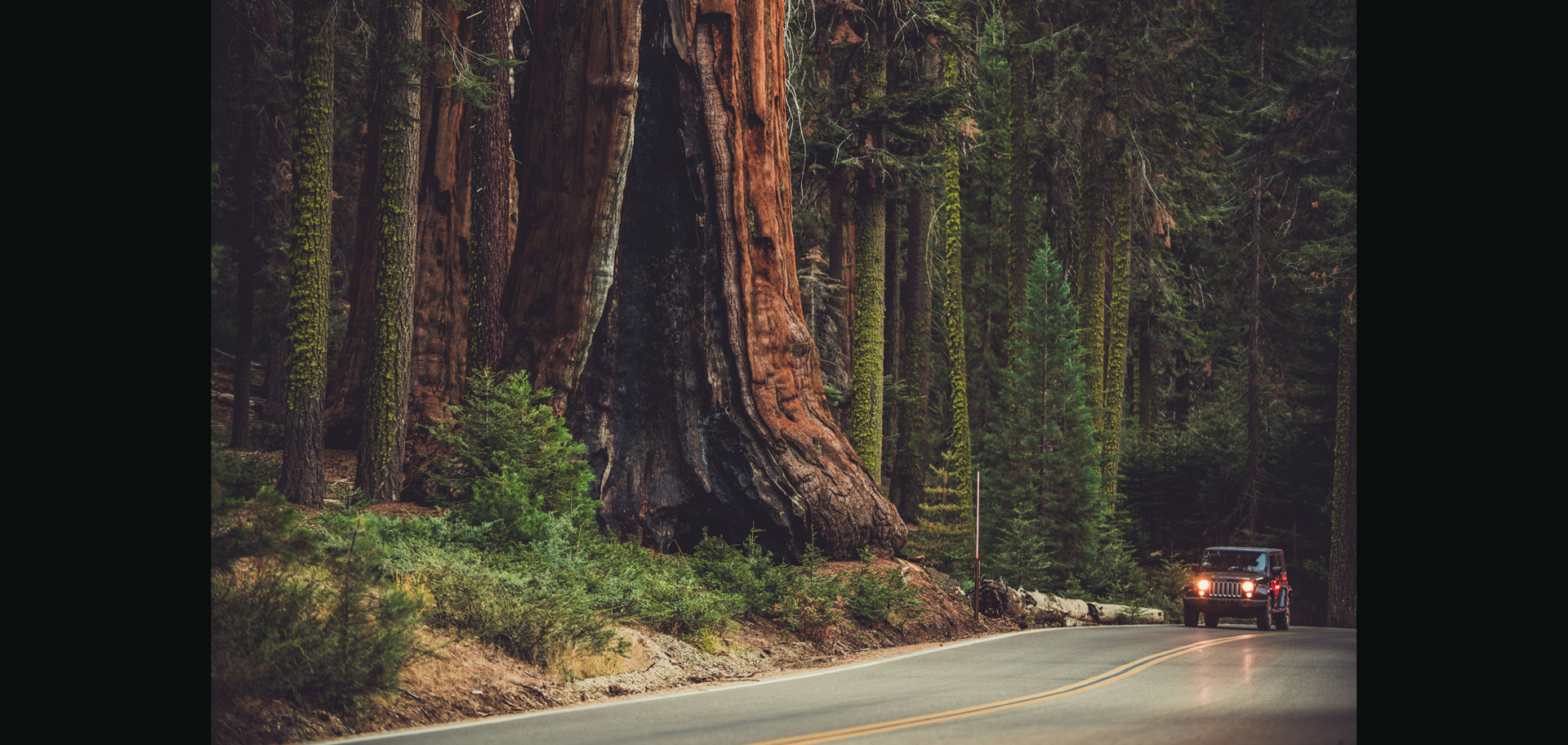
In 2019, extreme wildfires swept through the Sequoia and Kings Canyon National Parks region, but sequoias previously treated with prescribed fire were four times more likely to survive, a University of California, Davis, study found.
Sequoia and Kings Canyon National Parks have maintained one of the country’s most extensive prescribed fire programs since the 1960s. Over time, this created a patchwork of groves with very different fire histories. Some sections have been treated with controlled burns relatively recently. Other areas have gone without fire for more than 100 years, allowing dead wood, shrubs and other combustible material to accumulate. That contrast gave researchers from Sequoia and Kings Canyon National Parks, the U.S. Geological Survey and the University of California, Davis, a rare opportunity to measure how previous prescribed burns affected giant sequoia survival during extreme wildfires.
The team combined several types of remote-sensing data. Using airborne lidar—which measures forest structure with laser pulses—and high-resolution PlanetScope satellite images, the scientists examined fuel conditions before the fires and estimated the outcomes for roughly 26,400 giant sequoias in 19 groves affected by the 2020 Castle Fire and 2021 KNP Complex Fire. The results, published in the journal Nature Communications in July 2026, showed a striking survival benefit. Prescribed burns carried out within the previous decade reduced a giant sequoia’s odds of dying by about 77%. Trees in treated areas were about four times more likely to survive than those in untreated portions of the same groves. Computer simulations suggested that earlier prescribed burns prevented approximately 1,900 giant sequoia deaths. The researchers also estimated that another 3,900 trees might have survived if every sequoia in the affected groves had received similar treatment.
Climate change is increasing the frequency and severity of disturbances affecting old-growth forests, including drought and extreme wildfires. Giant sequoias remain naturally resistant to ordinary fire, but this study demonstrates that even these exceptionally durable trees are vulnerable when flames become intense enough. The scientists conclude that this is a timely study given the history of fire suppression in these forests and the state’s increasing pace and scale of fuel thinning in recent years. Prescribed fires can help protect sequoia groves by reducing the amount of fuel available when a major wildfire arrives.
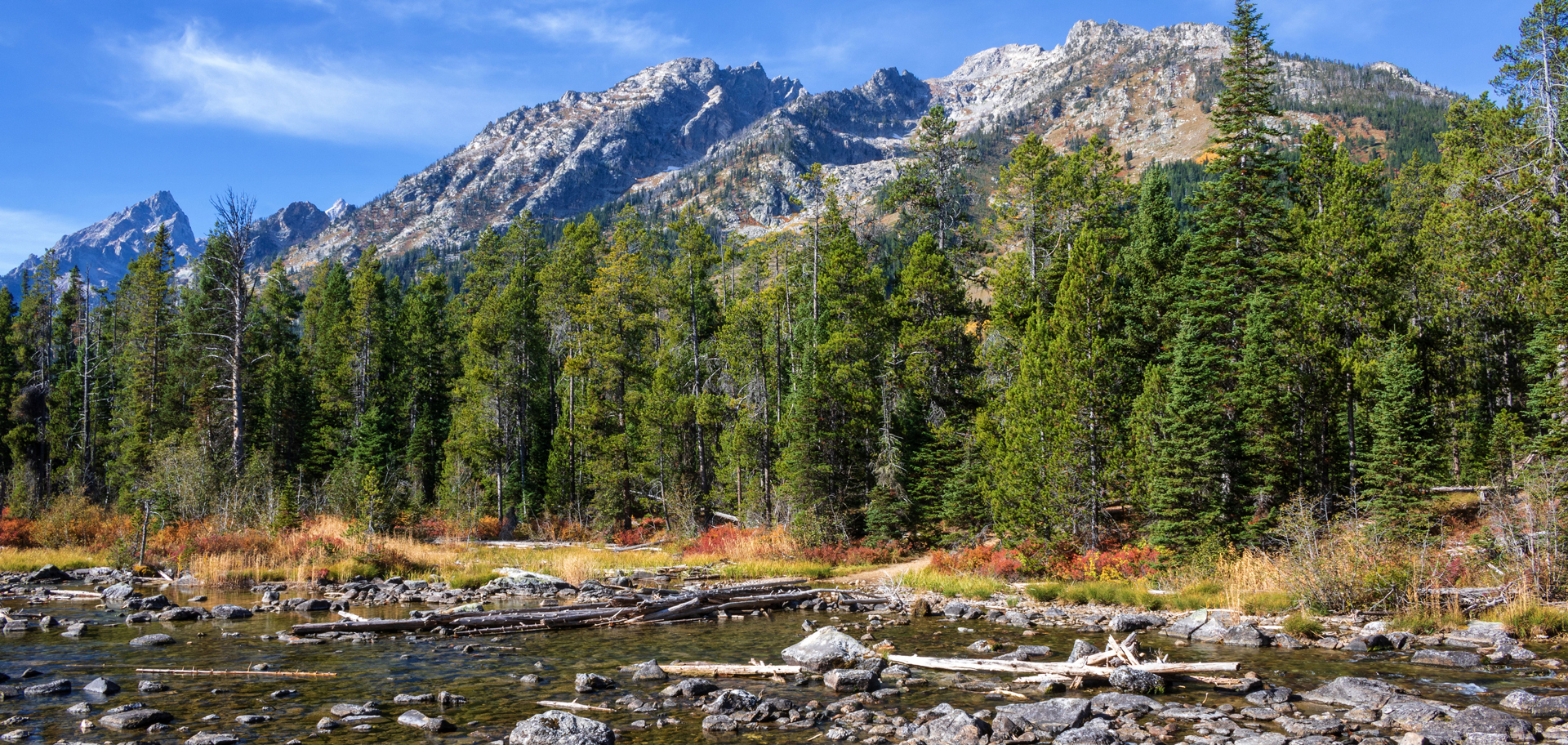
Wildfires have long played a crucial role in rejuvenating landscapes, such as that in Grand Teton National Park. For thousands of years, lightning strikes and intentional burning by Indigenous peoples shaped the ecosystem. Regular fire cycles were depended on for habitat diversity, plant growth and renewal.
Natural wildfires can have benefits for the environment
NASA says it well: wildfires are a natural process supercharged by humans. Sometimes wildfires are beneficial to forests and grassland ecosystems that have evolved with fire. There are intricacies, though; many different factors influence wildfire behavior, such as forest health, forest management practices, topography and weather. And, unfortunately, a warming climate is increasing some types of fire activity, leading to larger and more destructive fires, more intensive firefighting efforts and widespread smoke.
The phrase “fighting fire with fire” usually means responding to an attack or challenge by using the exact same methods, tactics or level of aggression that your opponent uses. Only a few decades ago, however, I would never have imagined that the literal meaning of those words would be the precise prescription for a healthy environment worldwide.
Here’s to finding your true places and natural habitats,
Candy