

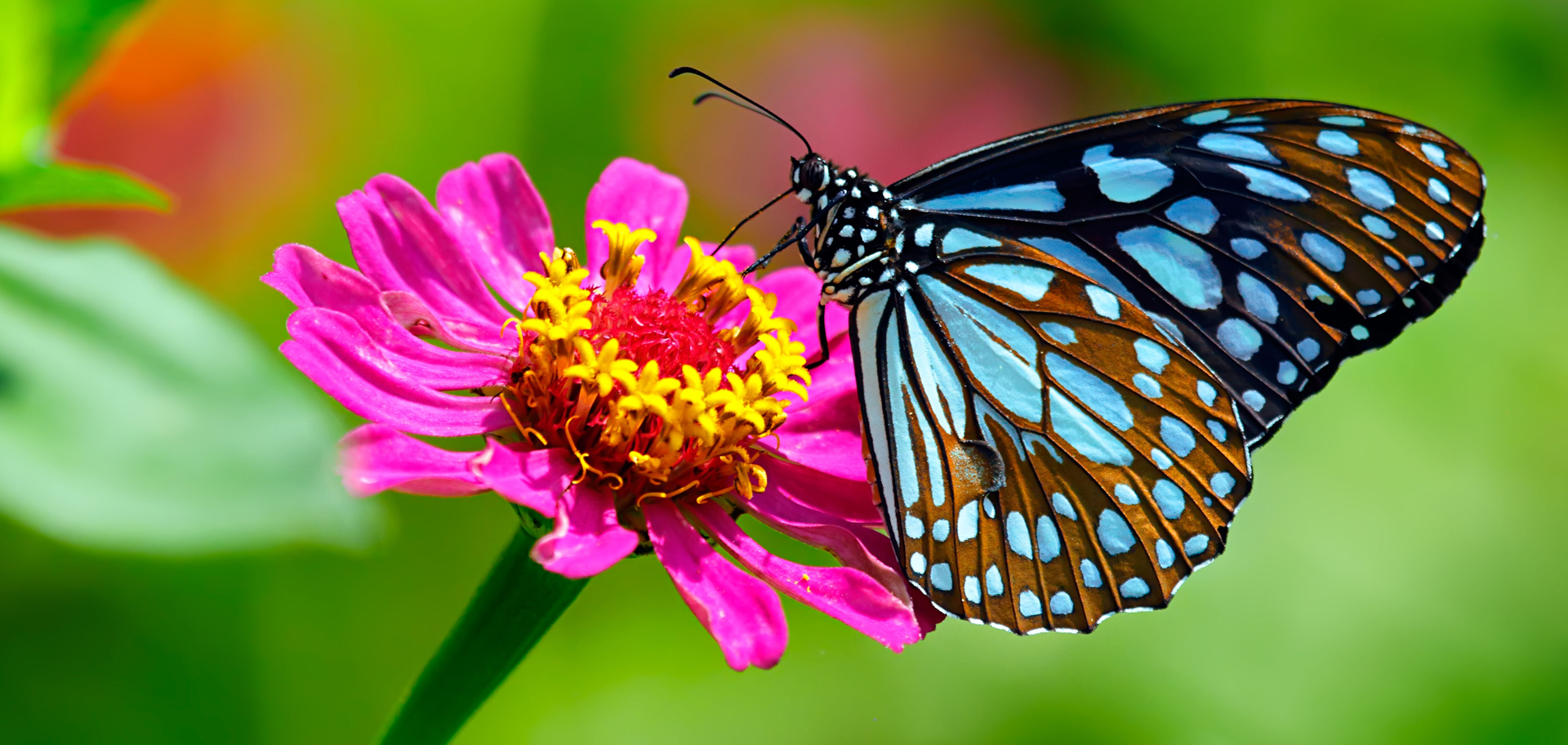
Butterflies are more than fluttering symbols of beauty and freedom. They play important roles in cycling nutrients and pollination; and they are a significant food source for other organisms, such as birds.
While I have never considered insects my favorite category of fauna, I have to admit that some “fun facts” about them intrigue me. For example, ants can lift and carry more than 50 times their own weight. While gathering food, a bee may fly up to 60 miles in one day. A particular hawk moth caterpillar from Brazil, when alarmed, raises its head and inflates its thorax, causing it to look like the head of a snake. And we can’t forget that insects have been present for about 350 million years, while we humans have been bouncing around for only a mere 300,000.
If I had to name my favorite insect, however, I—like almost everyone else—would say butterflies. Public surveys and studies on invertebrate popularity consistently rank butterflies at the top, praised for their bright colors, graceful flights, lack of stingers and fascinating life cycles. Now, however, we can add a few more astounding truths that should contribute to the almost universal allure of butterflies.
Scientists have discovered that Heliconius butterflies have evolved an extraordinary lifespan, living several times longer than closely related species. Even more surprising, some show few signs of physical decline as they age. Studying them might have implications for extending human longevity. The fact that butterflies can perceive a broader range of colors—including ultraviolet (UV) light—has inspired scientists to create a method for detecting cancer. And the atlas blue butterfly (Polyommatus atlantica) carries the most chromosomes of any animal, with 229 pairs, a discovery that sheds light on conservation endeavors, evolution and even cancer research.
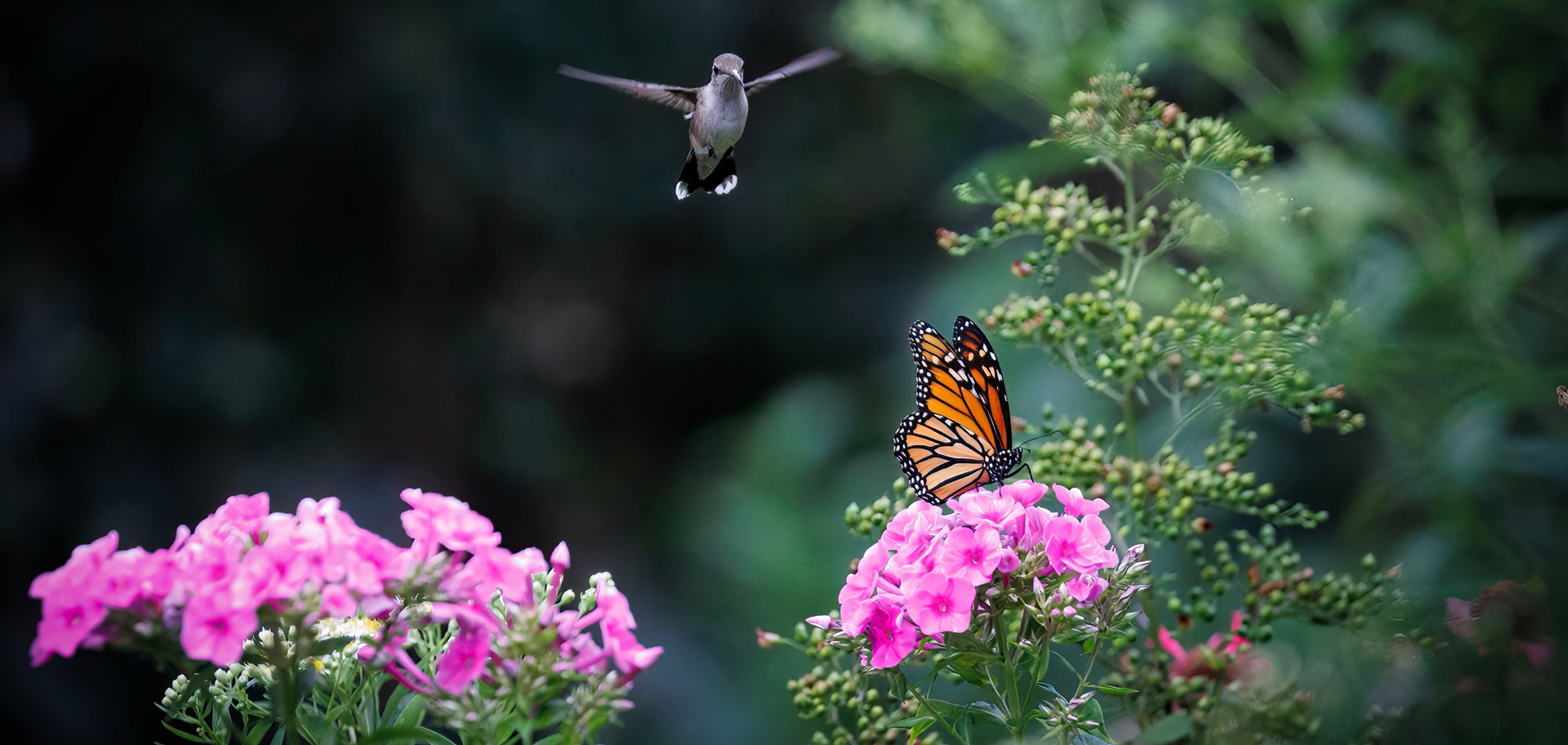
North American bird populations have dropped by roughly 29%—or nearly 3 billion birds—since 1970. Between 2000 and 2020, total U.S. butterfly numbers fell by 22%, pointing to deeply connected environmental pressures.
Sadly, butterfly populations across the U.S. have crashed by more than a fifth since 2000, with most species in decline. Habitat loss and unchecked pesticide use could accelerate a broader ecological collapse—unless policies shift toward restoration and restraint. Global climate change may also have a devastating effect on butterflies, turning their species-rich, mountain habitats from refuges into traps. Small-winged and lighter-colored butterflies are likely to be at the greatest risk from our warming climate. Too, a lack of comprehensive global data about insects may leave conservationists and policymakers unprepared to mitigate biodiversity loss from climate change for a wide range of insect species.
A butterfly that barely ages could help unlock longevity secrets
A group of tropical butterflies found across the rain forests of Central America and South America may have evolved an extraordinary way to stay healthy for longer by slowing the aging process itself. These insects, which belong to the Heliconius genus, rank among the longest-lived butterflies ever documented and could become an important model for studying the biology of longevity.
Most butterflies live only a few weeks as adults. In contrast, a study led by researchers at England’s University of Bristol found that some Heliconius species can survive on average about three times longer than their closest relatives, with certain individuals living for nearly a year. One of the most striking examples involves Heliconius hewitsoni butterflies, some of whom lived 348 days. Individuals from a closely related species, Dione juno, survived only 14 days, a 25-fold difference in maximum lifespan. These results suggest that Heliconius butterflies have evolved a distinctive life-extending strategy that could offer new clues about how aging slows down in nature.
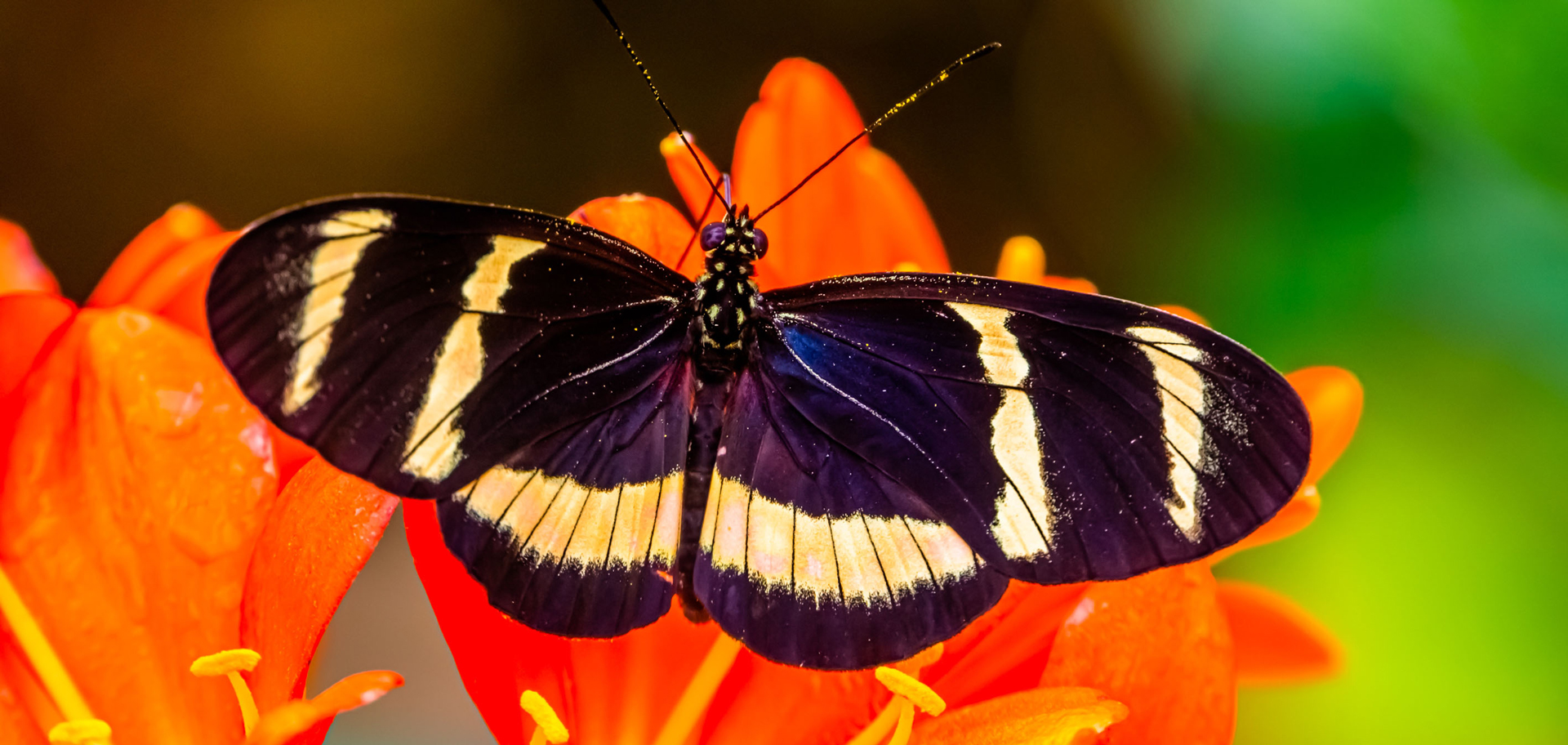
Some tropical “Heliconius” butterflies have evolved a remarkable way to stay young, allowing them to live far longer than most butterflies. “Heliconius hewitsoni” butterflies (like the one shown here) can survive nearly a year—up to 25 times longer than some close relatives.
Working with scientists at the Smithsonian Tropical Research Institute in Panama, the research team uncovered another surprise. Heliconius hecale butterflies appeared to show little or no measurable physical decline as they aged. To assess physical performance, the researchers used a grip-strength test. Older H. hecale butterflies performed just as well as younger individuals, showing no obvious signs of deterioration. By comparison, Dryas iulia butterflies, a closely related species with a shorter lifespan, experienced a clear, age-related decline.
The findings, published in the journal Nature Communications in June 2026, raise the possibility that Heliconius butterflies largely avoid the physical deterioration that accompanies aging in most animals. One leading explanation focuses on their rare ability to feed on pollen as adults. Most butterfly species rely primarily on nectar, making adult pollen-feeding highly unusual.
To test this theory, researchers compared the pollen-feeding Heliconius hecale with its nonpollen-feeding relative, Dryas iulia. The results demonstrated that H. hecale maintained its body mass and muscle performance for a longer period and did not display the age-related physical decline seen in D. iulia. However, the butterfly’s longevity advantage did not disappear when pollen was removed from its diet. Even without dietary pollen, H. hecale still lived substantially longer than its relative. This indicates that both nutrition and evolutionary adaptations contribute to its extended lifespan.
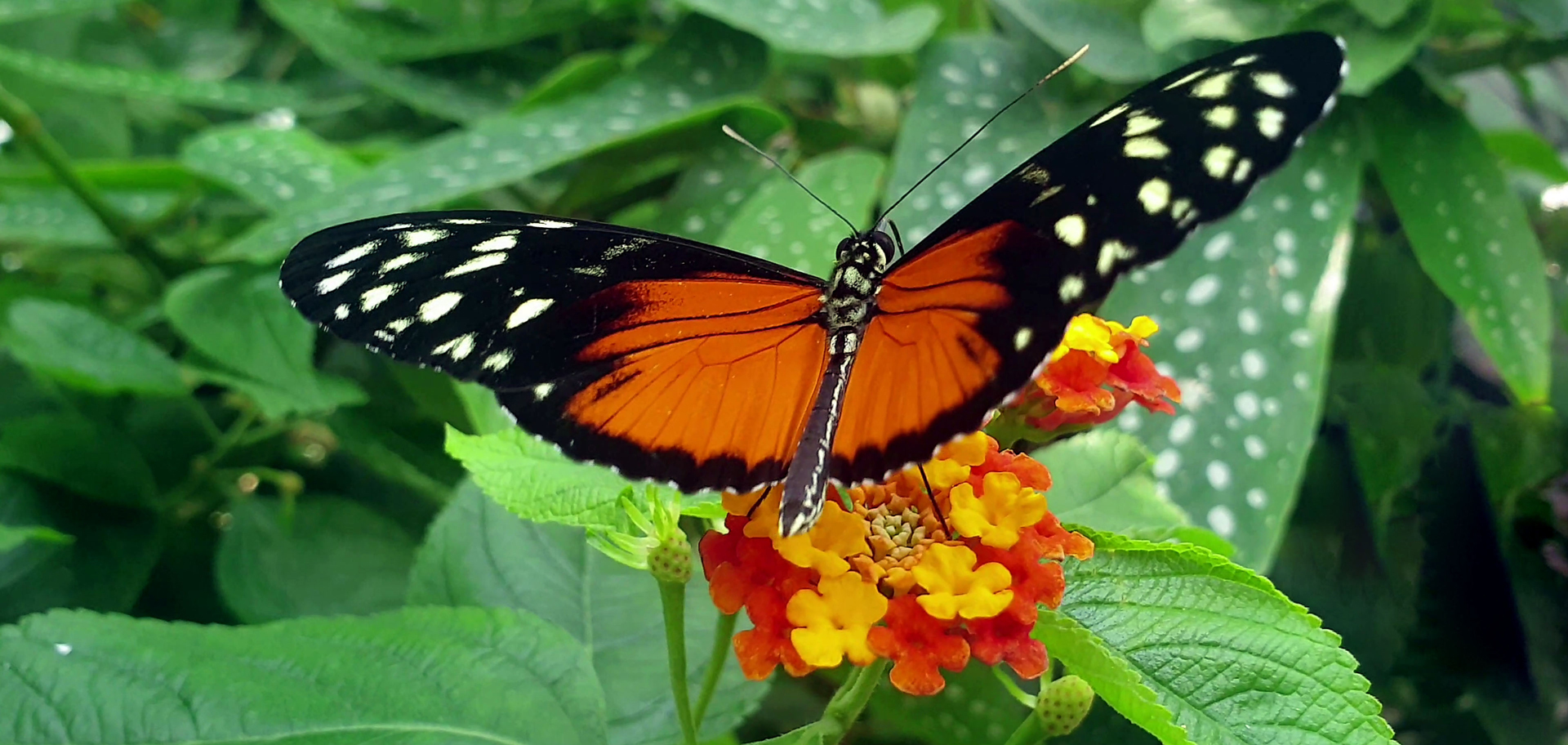
“Heliconius hecale” butterflies evolved to have not only a longer lifespan, but also a slower aging process. They show little or no measurable physical decline as they age. On a grip-strength test, older “H. hecale” butterflies performed just as well as younger individuals.
Researchers say long-lived species throughout the animal kingdom can provide valuable insights into the biological mechanisms behind healthy aging. The new findings suggest Heliconius butterflies could become a useful system for investigating how ecological changes, including the evolution of adult pollen-feeding, may promote longer life and provide a powerful opportunity to identify the mechanisms that underpin the biology of aging and longevity.
A butterfly that can help scientists detect cancer
There are many creatures on our planet with more advanced senses than humans. Elephants can hear much lower frequencies than humans can. Mantis shrimp can detect polarized light. Turtles can sense Earth’s magnetic field. And butterflies can perceive a broader range of colors, including ultraviolet light.
Inspired by the enhanced visual system of the Papilio xuthus butterfly—an Asian swallowtail butterfly—a team of researchers led by University of Illinois Urbana-Champaign (UIUC) scientists have developed an imaging sensor capable of “seeing” into the UV range that is usually inaccessible to human eyes. The design of the sensor (similar to a camera) uses stacked photodiodes and perovskite nanocrystals (PNCs) capable of imaging different wavelengths in the UV range. Using the spectral signatures of biomedical markers, such as amino acids, this new imaging technology is capable of differentiating between cancer cells and normal cells with 99% confidence.
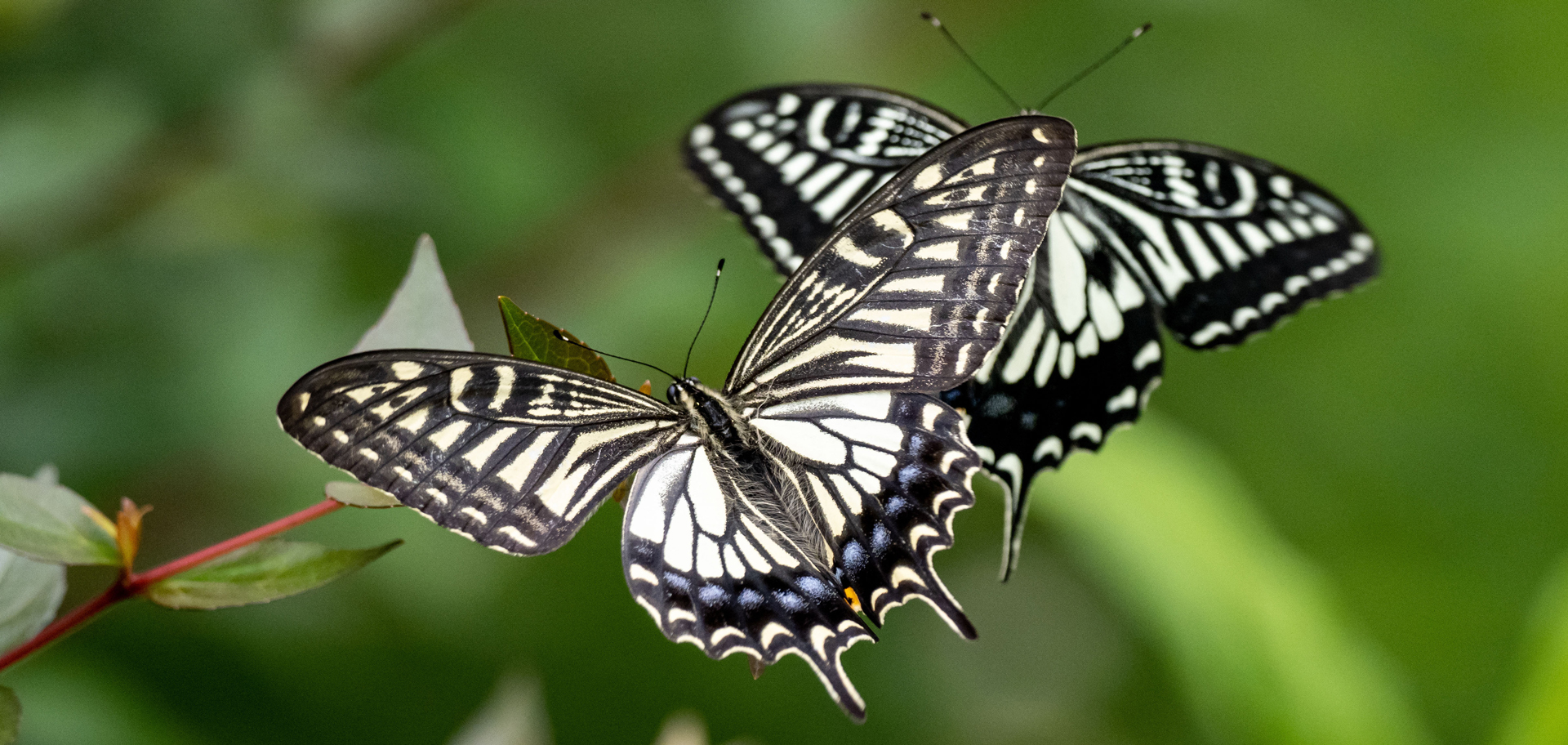
While ultraviolet (UV) light is incredibly difficult to capture, butterflies have managed to do it extremely well. The enhanced visual system of the “Papilio xuthus” butterfly—an Asian swallowtail butterfly—inspired a team of researchers to develop an imaging sensor capable of “seeing” into the UV range.
UV light is electromagnetic radiation with wavelengths shorter than that of visible light (but longer than X-rays). We are most familiar with UV radiation from the sun and the dangers it poses to human health. UV light is categorized into three different regions—UVA, UVB and UVC—based on different wavelength ranges. Because humans cannot see UV light, it is challenging to capture UV information, especially discerning the small differences between each region. Butterflies, however, can see these small variations in the UV spectrum, much like how humans can see shades of blue and green.
Humans have trichromatic vision with three photoreceptors, where every color perceived can be made from a combination of blue, green and red. Butterflies, however, have compound eyes, with six (or more) photoreceptor classes with distinct spectral sensitivities. In particular, the Papilio xuthus has not only blue, green and red receptors, but also violet, ultraviolet and broadband receptors. Further, butterflies have fluorescent pigments that allow them to convert UV light into visible light, which can then be easily sensed by their photoreceptors. This allows them to perceive a broader range of colors and details in their environment.
Beyond the increased number of photoreceptors, butterflies also exhibit a unique, tiered structure in them. To replicate the UV sensing mechanism of the Papilio xuthus butterfly, the UIUC team emulated the process by combining a thin layer of PNCs with a tiered array of silicon photodiodes.
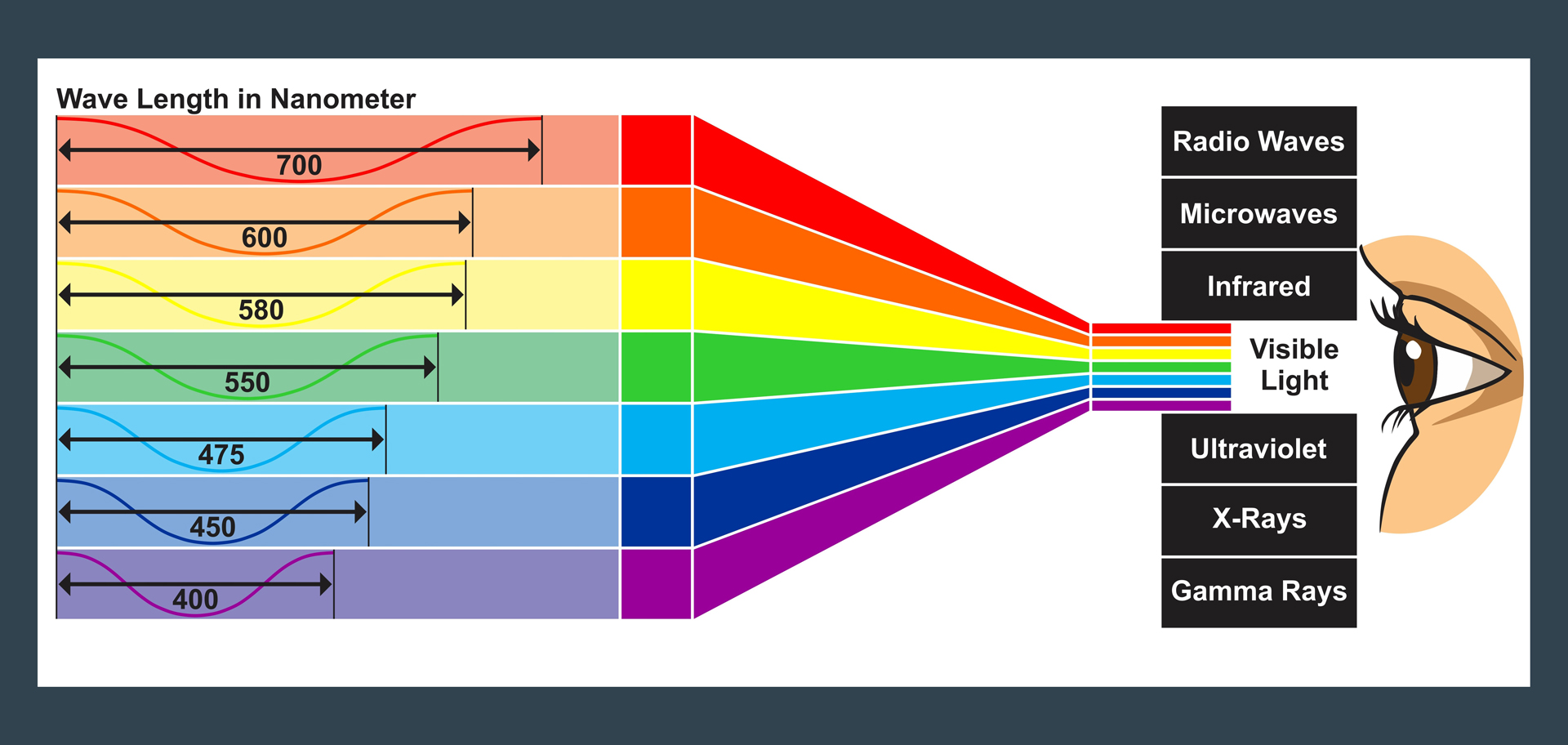
Humans cannot see UV light, which is electromagnetic radiation with wavelengths shorter than those of visible light (but longer than X-rays). We are most familiar with UV radiation from the sun and the dangers it poses to human health.
PNCs are a class of semiconductor nanocrystals that display unique characteristics; changing the composition and the size of the nanocrystals changes their absorption and emission properties. In the last few years, PNCs have been used in various sensing applications, such as for LEDs and solar cells. PNCs are extremely good at detecting UV (and even lower) wavelengths that traditional silicon detectors are not. In the new UIUC imaging sensor, the PNC layer was able to absorb UV photons and reemit light in the visible (green) spectrum, which was then detected by the tiered silicon photodiodes. Processing of these signals allowed for identification and mapping of UV signatures.
There are various biomedical markers present in cancerous tissues at higher concentrations than in healthy tissues: amino acids, enzymes and proteins. When excited with UV light, these markers light up and fluoresce in the UV and parts of the visible spectrum, in a process called autofluorescence. Because cancer and healthy cells have different concentrations of markers and therefore different spectral signatures, the two classes of cells can be differentiated based on their fluorescence in the UV spectrum.
The team evaluated their imaging device on its ability to discriminate cancer-related markers and found that it is capable of differentiating between cancer and healthy cells with 99% accuracy. In their paper published in the journal Science Advances in November 2023, the researchers state that they envision being able to use this sensor during surgeries. One of the biggest challenges in cancer operations is knowing how much tissue to remove to ensure clear margins, and such a sensor could help doctors make those decisions.
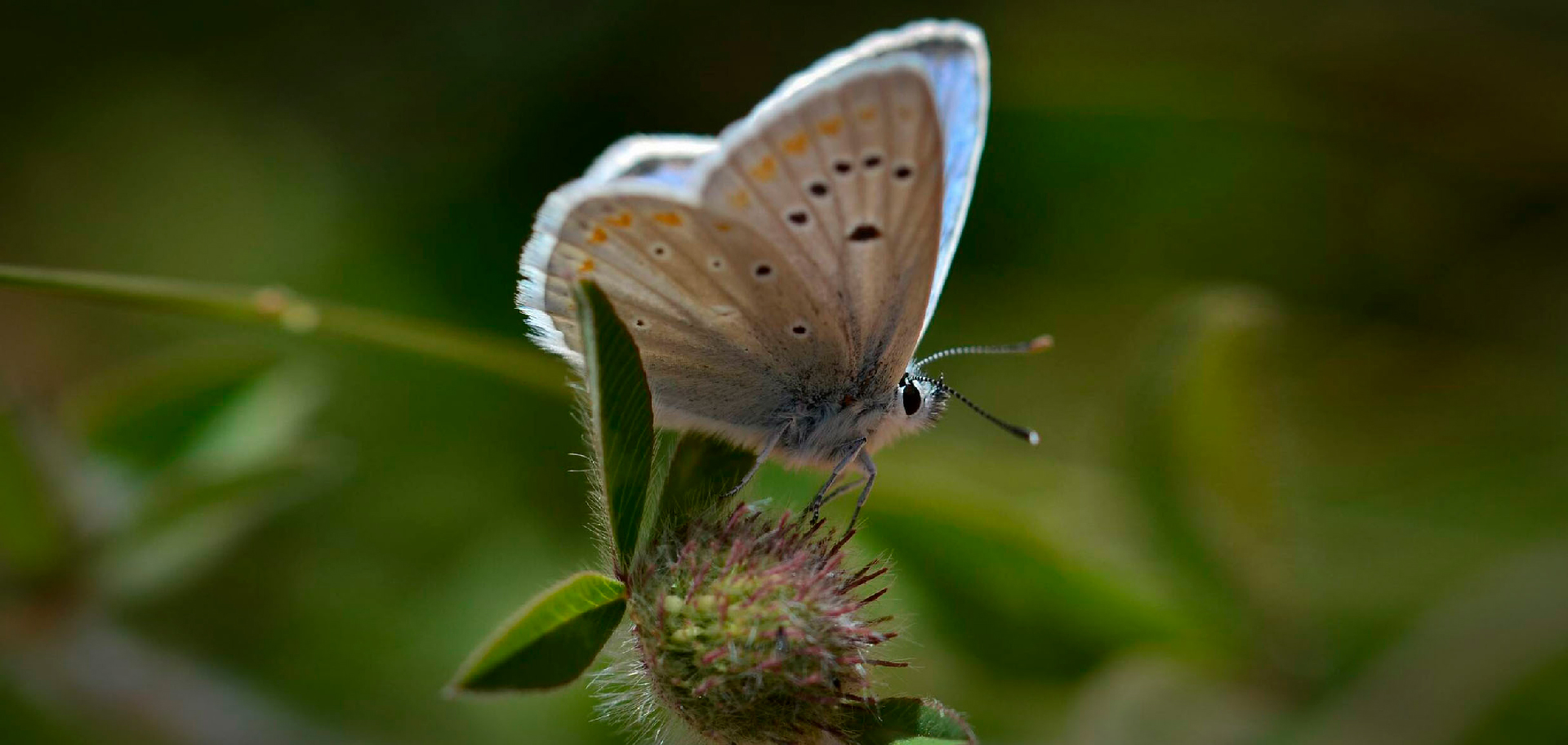
The evolution of new species happens over millions of years, making it hard to study practically. Instead, experts can use the DNA of an atlas blue butterfly and compare it to that of others in the same family to understand which genes and traits have been kept and which have been lost. ©Mourad Harzallah, Wikimedia Commons
A butterfly that has the most chromosomes of any animal on Earth
There’s another butterfly that may help with cancer research and treatments. The atlas blue butterfly is found in northeast Algeria and in the mountain ranges of Morocco, and it has now been genetically confirmed as having the highest number of chromosomes out of all the multicellular animals in the world. This insect boasts 229 pairs of chromosomes, while many of its closest relatives have only 23 or 24 pairs. Researchers at England’s Wellcome Sanger Institute and Spain’s Institute of Evolutionary Biology have revealed that, over time, these chromosomes have broken up instead of being duplicated.
This first genomic study of this butterfly, published in the journal Current Biology in October 2025, allows experts to begin to explore the evolutionary reasons behind this extreme number of chromosomes. Chromosome changes are also seen in human cancer cells; therefore, understanding this process in a different species could lead to new developments in human health.
Having this gold-standard reference genome for the atlas blue butterfly allows researchers to compare it to that of other butterflies and moths to understand more about how species form and change over time—and how the next chapter might go. For example, we might be able to decipher how a species would respond to increasing global temperatures and if its members have any genes or mechanisms that could protect them. This could aid conservation efforts, as well as help to produce more resilient crops.
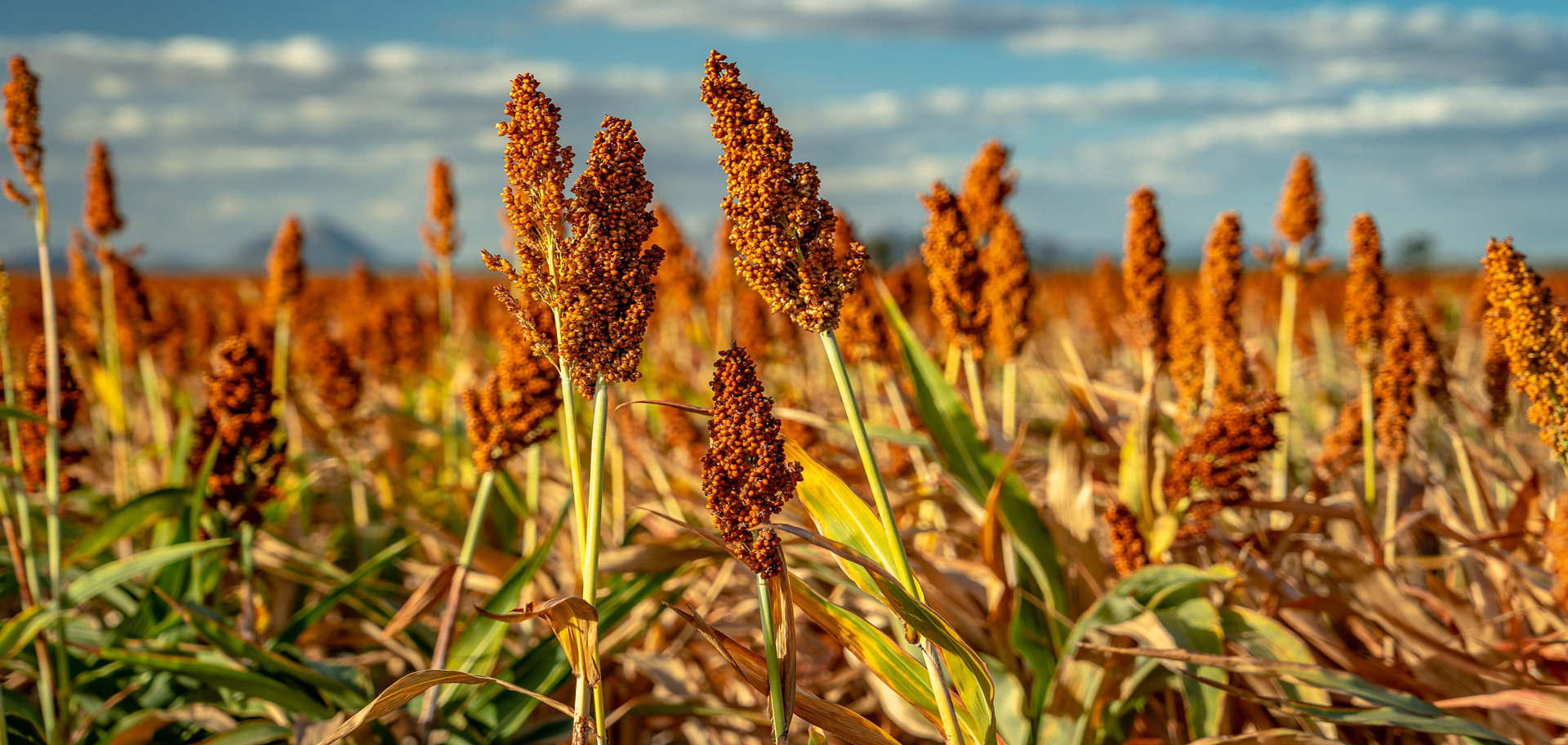
Studying the genome of the atlas blue butterfly can help scientists understand extreme chromosome fragmentation and genome stability not only for gaining evolutionary insights into cancer research but also for developing crop strategies (such as for sorghum) that create the genomic flexibility to deal with environmental stressors and adaptation.
Changes in chromosome numbers are thought to contribute to the process of forming new species and helping them adapt to their environments. The group to which the atlas blue butterfly belongs contains many closely related species that evolved over a short period of time. In this new research, the scientific team found that the chromosomes had been spilt up at points where the DNA is less tightly wound. This means that there was roughly the same amount of genetic information, but it was packaged in smaller sections. All of the chromosomes, apart from the sex chromosomes, were cut up; and the researchers estimate that this caused the chromosome number to go from 24 to 229 over approximately 3 million years, a relatively short period by evolutionary standards.
Usually, this kind of extreme chromosomal change is negative; however, the atlas blue butterfly has evolved and survived for millions of years. It is only now, due to climate change and human impacts on the environment—such as the destruction of cedar forests and overgrazing—that its populations are under threat. Splitting up the chromosomes could help give atlas blue butterflies greater genetic diversity by allowing more frequent shuffling of genome parts or giving other unknown benefits.
While this may help butterflies rapidly adapt, species with many chromosomes may also face challenges due to their extra complexity, potentially making them more vulnerable to extinction over time. Further investigations and comparisons with other butterflies could highlight whether any genes have been lost or preserved, giving us not only more information on the biology of the butterflies but also a deeper understanding of evolution.
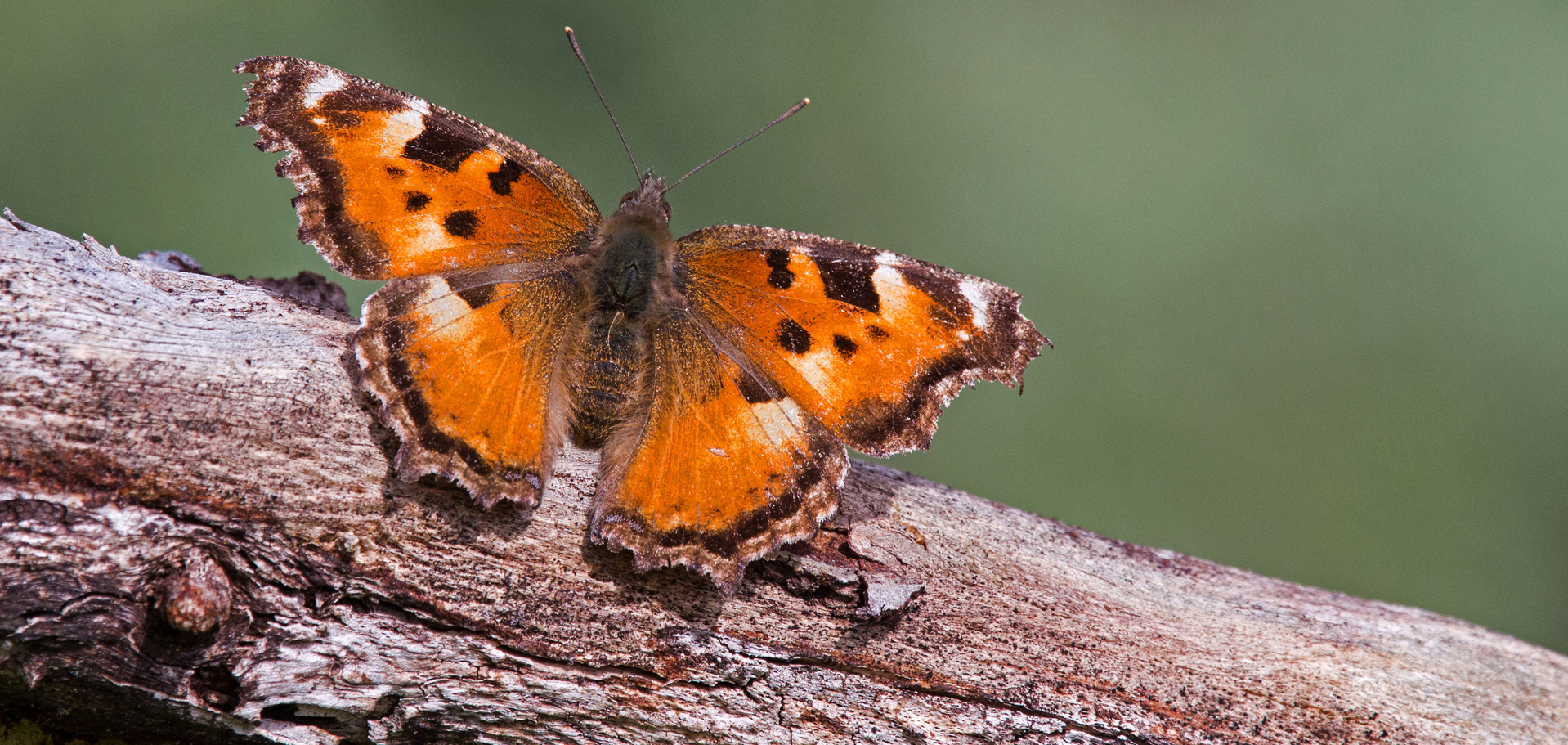
California tortoiseshell butterflies are known for having irregular population explosions—to the delight of ravens, who commonly prey on them. According to the National Park Service, in late July to early August 2004, a swarm of tortoiseshells 40 to 50 miles long by 15 miles wide traveled south along the Sierra Nevada mountain range.
A country without butterflies
Unfortunately, butterflies are disappearing in the United States with alarming speed. A sweeping new study, published in the journal Science in March 2025, for the first time tallied butterfly data from more than 76,000 surveys across the continental U.S. The results: between 2000 and 2020, total butterfly abundance fell by 22% across the 554 species counted. That means that for every five individual butterflies within the contiguous United States in the year 2000, there were only four in 2020.
That shocking news came from a working group of scientists with the USGS John Wesley Powell Center for Analysis and Synthesis that aggregated decades of butterfly data from 35 monitoring programs that included records of more than 12.6 million butterflies. The team then examined how butterfly abundances changed regionally and individually for the 342 species with enough data.
Abundance is a term that threatens to become ironic. Butterfly populations dropped an average of 1.3% annually across the country, except for the Pacific Northwest. But even that encouraging result came with a caveat. Further scrutiny of the apparent 10% increase in overall abundance in the Pacific Northwest over the 20-year study period was credited largely to the California tortoiseshell butterfly, which was enjoying a population boom that is not expected to be sustained.
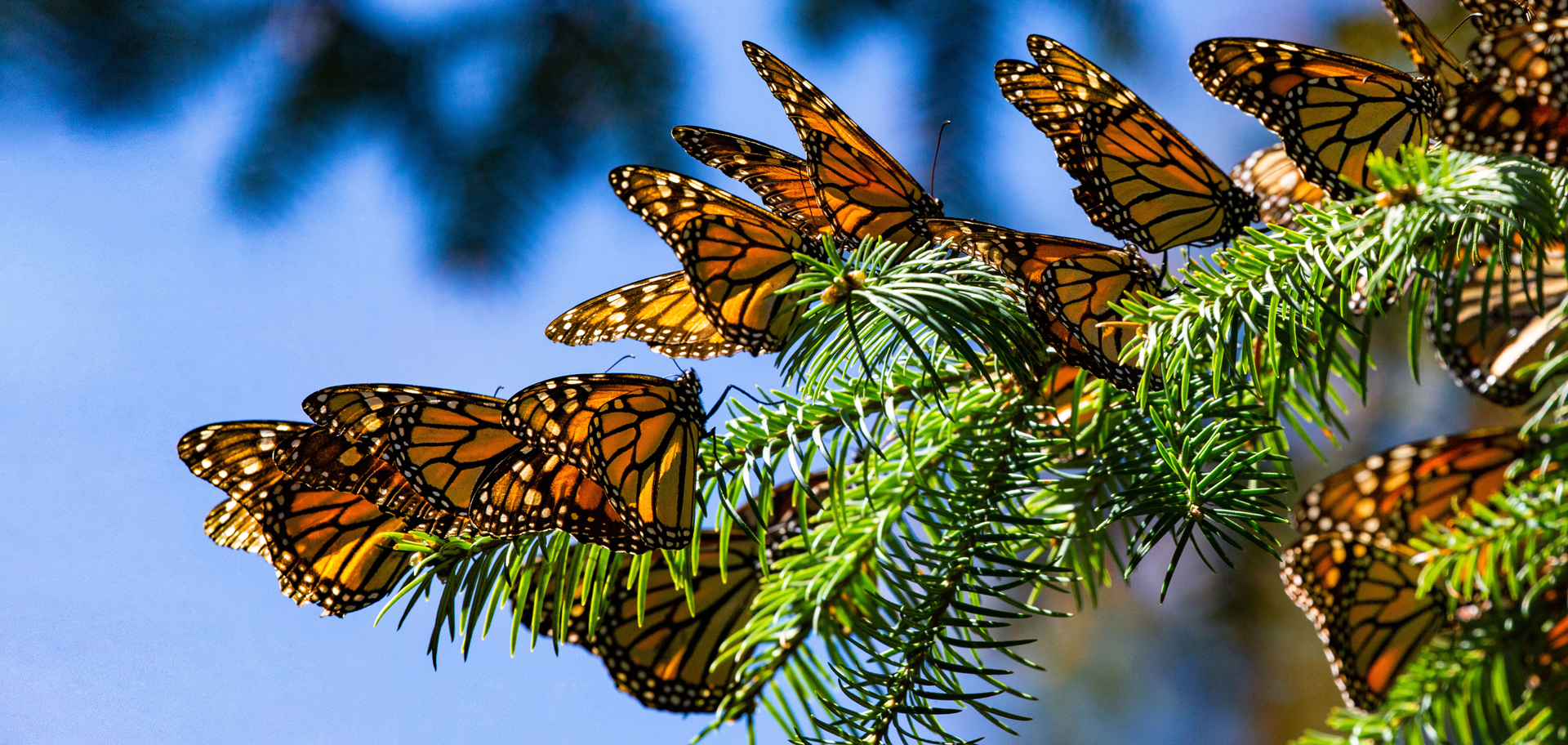
Butterflies are the most surveyed insect group, thanks to expert and citizen-science-volunteer monitoring programs. Traditionally, studies have zeroed in on a single species—most notably monarch butterflies—or have been limited to specific locations. A new study changes those metrics.
Butterflies are the most surveyed insect group, courtesy of extensive expert and volunteer-based science-monitoring programs. Until now, studies have focused on individual species—most notably monarch butterflies—or been limited to specific locations. This new study, however, used all the available regional butterfly monitoring data within the Lower 48 and then developed a method of analysis that appropriately accounts for variations in collection protocols across programs and regions to produce comparable results for hundreds of species. And the findings reveal that 13 times as many species declined as increased, with 107 species losing more than half their populations.
That’s significant because butterflies play important roles in cycling nutrients and are a significant food source for other organisms, such as birds. Over the last 50 years, North America has lost nearly 3 billion birds, a decline that’s almost identical to that of butterflies. Additionally, butterflies are important and forgotten pollinators. People often think of bees first, but butterflies (and flies) are responsible, for example, for $120 million worth of cotton production in Texas.
The authors of the study conclude that trying to save butterflies isn’t a hopeless endeavor; it’s just a problem that requires will. Insecticides rise above other threats—such as climate change and habitat loss—in reducing butterfly abundance and diversity. Much of the insecticide applications today lack strategy and result in overuse. Some 20% of croplands suffer from poor yields. By creating policies that return underproducing lands to nature, we could significantly help butterflies rally.
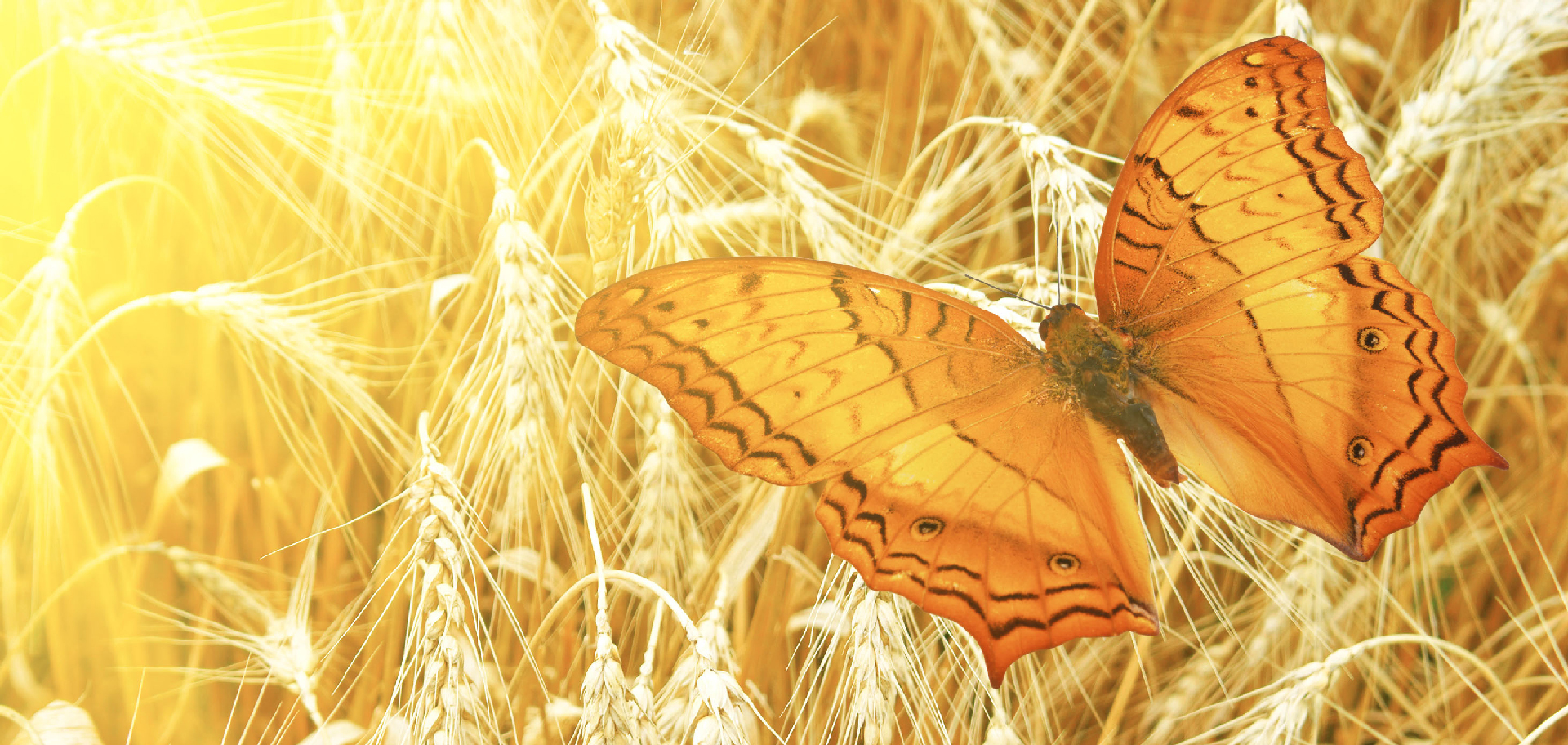
Reducing chemical overuse on croplands and restoring low-yield plots into native plant habitats and wildlands will alleviate pressure from intensive agriculture, giving pollinators vital space to feed, breed and recover.
Butterfly diversity is clustered in mountain ranges
A Yale University-led study, published in the journal Nature Ecology and Evolution also in March 2025, warns that global climate change may have a devastating effect on butterflies, turning their species-rich, mountain habitats from refuges into traps. The study’s authors advise us to think of it as the “butterfly effect”—the idea that something as small as the flapping of a butterfly’s wings can eventually lead to a major event such as a hurricane—but only in reverse.
The new study also suggests that a lack of comprehensive global data about insects may leave conservationists and policymakers unable to mitigate biodiversity loss from climate change for a wide range of insect species. After analyzing geographic-range and phylogenetic data for more than 12,000 butterfly species worldwide, the researchers found that butterfly diversity is highly clustered in subtropical and tropical mountain systems: two-thirds of butterfly species live primarily in the mountains, which contain 3.5 times more butterfly hot spots than lowlands.
Yet those mountain ecosystems—and surrounding areas—are quickly changing as a result of climate change. According to the study, 64% of the suitable temperature niches for butterflies in tropical areas will erode by 2070, with habitats having appropriate temperature conditions in the mountains constantly shrinking. Unfortunately, butterflies’ fascinating diversification into higher-elevation environments might now spell their demise, with potentially thousands of species susceptible to extinction from global warming in this century.
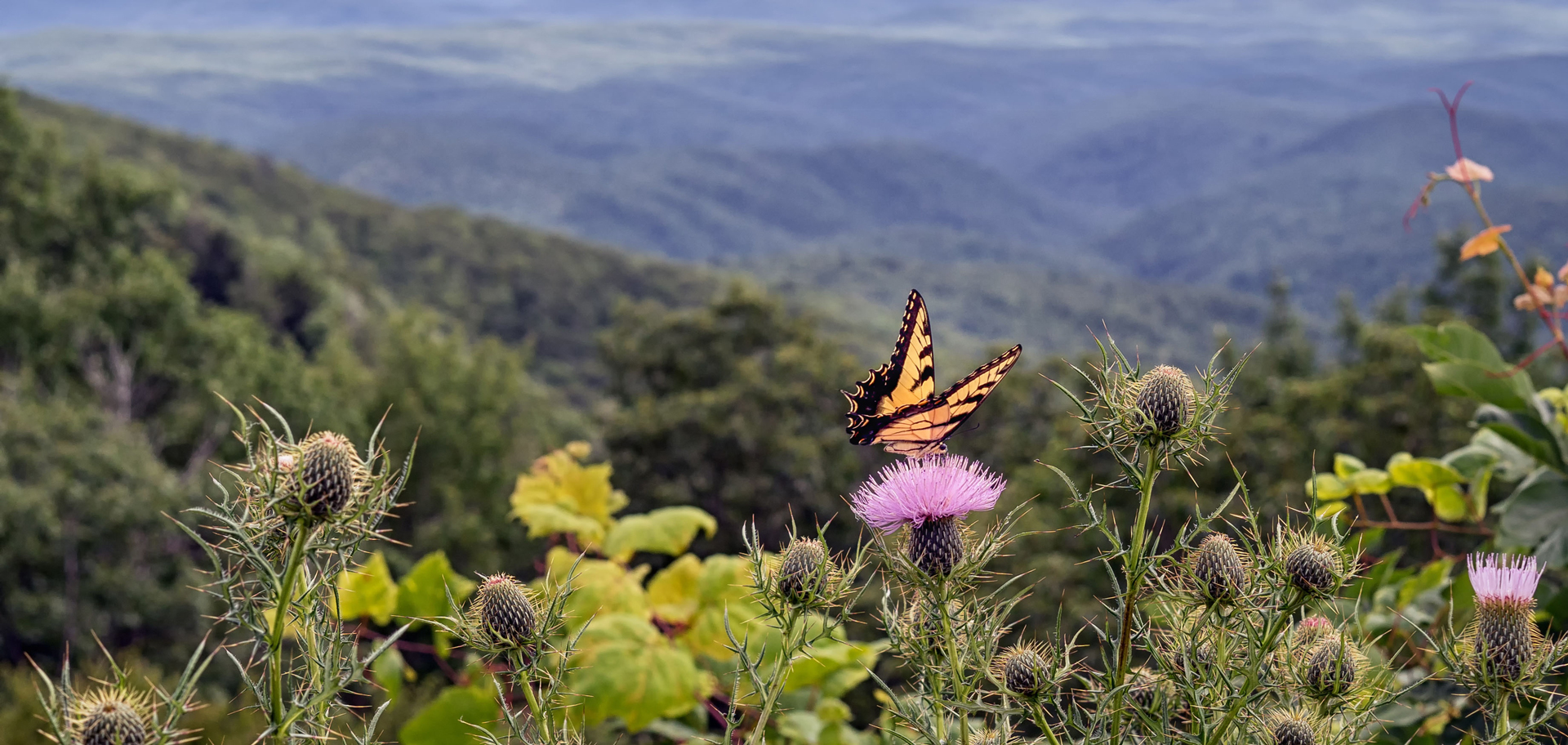
Two-thirds of butterfly species live primarily in the mountains. Unfortunately, their diversification into higher-elevation environments might result in their demise. Due to global warming, potentially thousands of butterfly species could go extinct in this century.
Current priorities in biodiversity preservation, the researchers note, are geared to animals and plants rather than insects. Until now, a global assessment of the geographic coincidence of diversity, rarity and climate change threats for an insect system did not exist. They hope this new study will encourage conservation managers to include insects in their plans for biodiversity preservation. A reduction of carbon emissions, combined with proactive identification and protection of key butterfly habitats and migratory corridors, will be essential to ensure that butterfly diversity survives to benefit future generations.
Butterflies at greatest risk from climate change
Butterflies with smaller or lighter-colored wings are likely to be “losers” when it comes to climate change, with the Lycaenidae family, which contains more than 6,000 species of butterflies—the majority of which live in the tropics—found to be particularly threatened. Butterflies with larger or darker-colored wings are likely to get by better under increasing temperatures, but only to a point. Researchers, led by ecologists at England’s University of Cambridge, say these butterflies could still experience dramatic declines if there were sudden heat waves or if cool microclimates were lost through deforestation.
Butterflies rely on the sun’s warmth to give them the energy they need to function. They use thermoregulation strategies to maintain balanced body temperatures against changing air temperatures. Generally, strategies to keep cool involve adaptive behaviors, such as flying to a shady spot or angling wings away from the sun (thermal buffering). But when this is not possible or temperatures become too hot, species have to rely on physiological mechanisms, like producing heat shock proteins to withstand high temperatures (thermal tolerance).
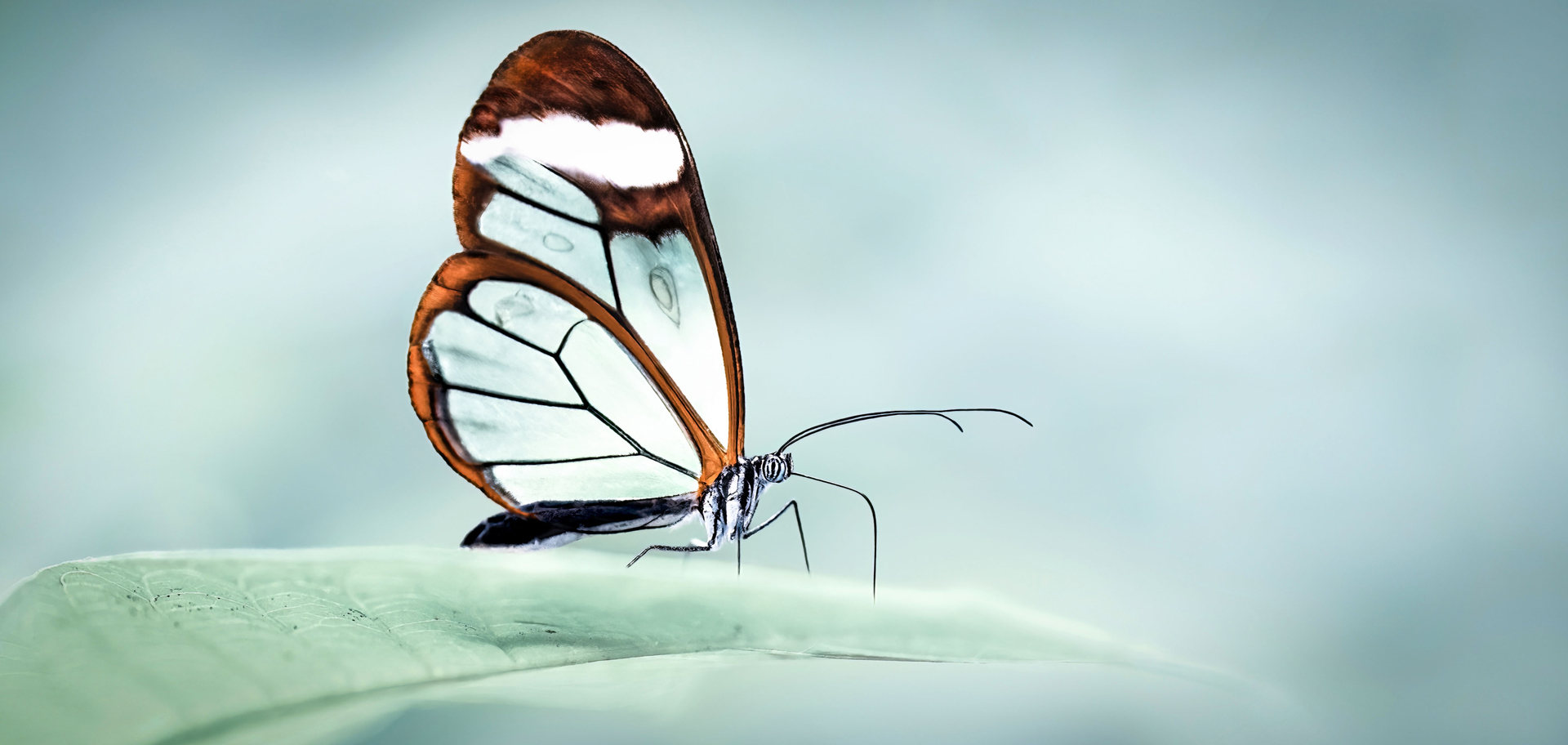
Lighter-colored and small-winged butterflies (like this glasswing butterfly) are at greatest threat from climate change. The family, wing color and wing length of tropical butterflies all influence their ability to withstand rising temperatures.
The University of Cambridge researchers collaborated with the Smithsonian Tropical Research Institute to study the thermal buffering and thermal tolerance strategies of tropical butterflies. They collected data from multiple habitats in Panama. Equipped with handheld nets, ecologists took the temperature of more than 1,000 butterflies using a tiny, thermometer-like probe. They compared each butterfly’s temperature to that of the surrounding air or the vegetation it was perched on. This gave a measurement of thermal buffering, the ability to maintain a steady body temperature against fluctuating air temperatures.
A second experiment was conducted that involved assessing butterflies’ thermal tolerance. Some butterflies were captured and placed in glass jars within a water bath, the temperature of which was steadily increased. Thermal tolerance was evaluated as the temperature at which butterflies could no longer function. Butterflies that had large wings tended to have greater thermal buffering ability but less thermal tolerance than smaller butterflies. A thermal buffering ability was also found to be stronger in darker-winged butterflies, who could additionally tolerate higher temperatures than paler-winged butterflies.
Butterflies from the Lycaenidae family, which have bright, small and often iridescent wings, rated the poorest at thermal buffering and had low thermal tolerance. If temperatures continue to rise at the current rate, forests continue to be cut down and cool microclimates continue to be lost, there is a very real probability that we’ll lose many species in this family in the future, say the researchers in their paper published in the Journal of Animal Ecology in July 2023.
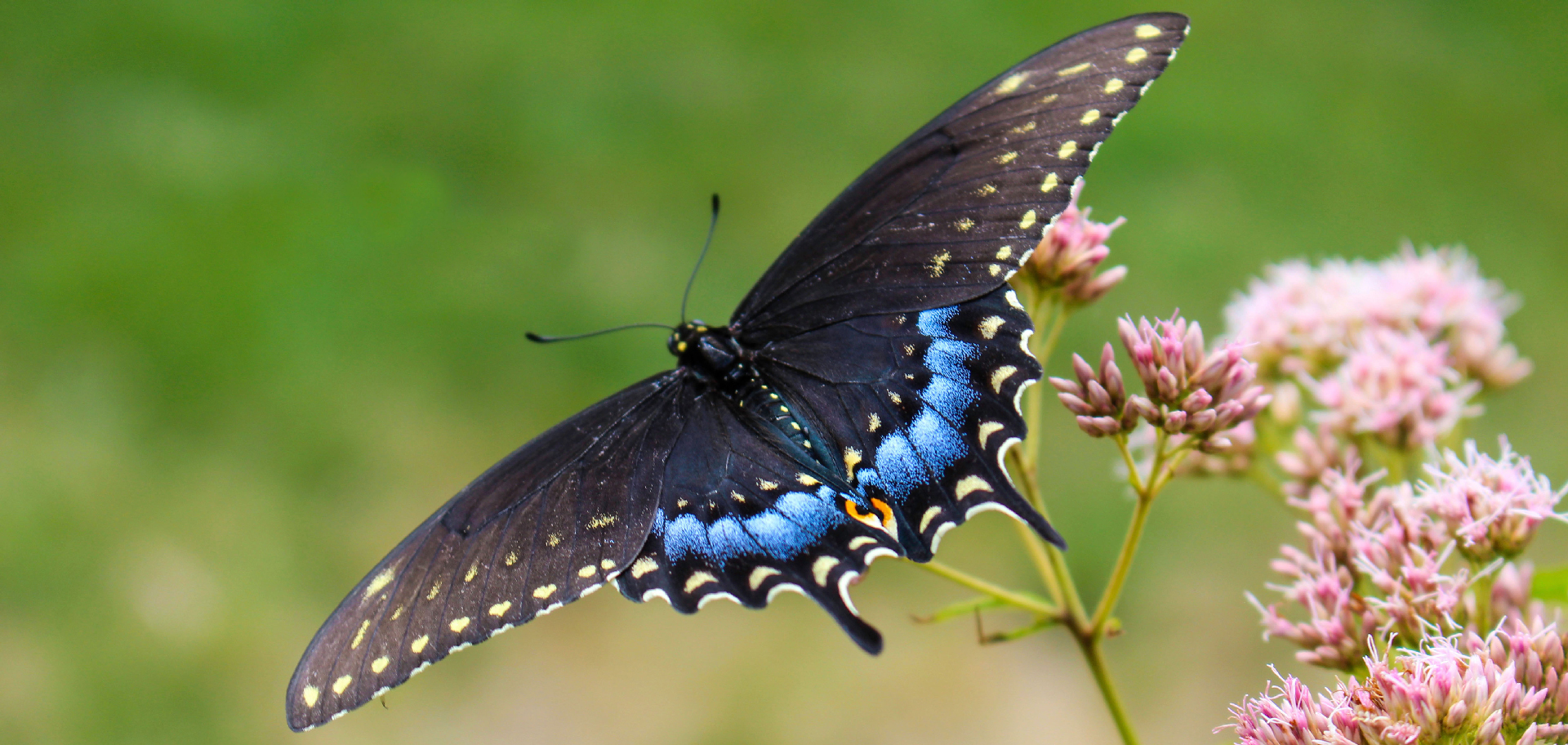
Butterflies with darker-colored and larger wings are likely to cope better under rising temperatures, but only to a point. These butterflies could still experience dramatic declines if there were sudden heat waves or if cool microclimates were lost through deforestation.
A trade-off in terms of the butterflies’ cooling strategies was observed: those that were good at thermal buffering were less good at thermal tolerance and vice versa. Scientists say this suggests that tropical butterflies have evolved to cope with temperature changes using one of these strategies at the expense of the other, and that this is likely to be due to selective pressures.
Butterflies with physical characteristics that may help them to avoid the sun’s heat—like having large wings that enable them to fly quickly into the shade—rarely experience high temperatures and so have not evolved to cope with them. On the other hand, species that can deal with higher temperatures physiologically have experienced less selective pressure to evolve heat-avoiding behaviors. As temperatures continue to rise and forest fragments get smaller and farther apart because of deforestation, butterflies that rely on their surroundings to avoid high temperatures may not be able to travel between the forest sections or contend with increasingly common heat waves. This means that species with large, dark wings that are good at thermal buffering may initially be unaffected by warming temperatures, as they can continue to thermoregulate effectively by using behavior and microclimates, but their survival could be at risk if there are sudden heat waves, or they can no longer escape to cool vegetation.
Butterflies that are bellwethers
There are about 91,000 different kinds of insects in the United States. Throughout the world, some 1.5 million species have been named.
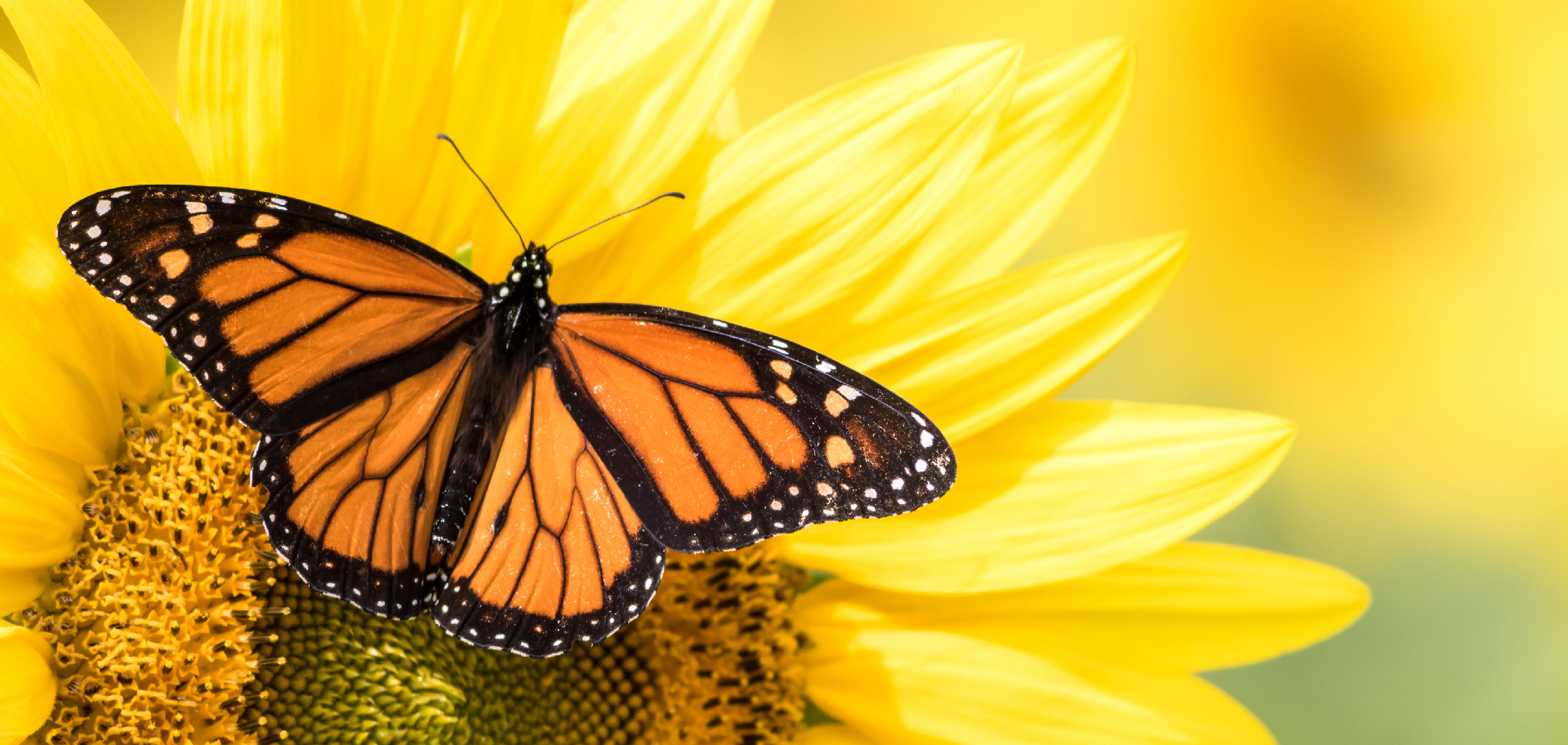
Coevolved with host plants, butterflies form an integral part of an ecologically functioning web of life. Added to that, the diversity, elegance and sheer beauty of butterflies impassion people worldwide.
Imagine what would happen if all those insects went extinct. Earth’s ecosystems would rapidly collapse. Global famine and massive die-offs would be triggered because insects pollinate three-quarters of our crops and form the base of terrestrial food webs. Amphibians, freshwater fish, reptiles and small birds that rely on insects for food would perish within weeks or months. Birds of prey and larger carnivores would quickly follow as their own prey bases vanished. Roughly 80% of wild plants and 75% of leading food crops—including almonds, apples, blueberries, cherries and coffee—depend on insect pollinators. Wind-pollinated grasses and grains might persist temporarily; but flowering fruits, plants and vegetables would disappear, drastically shrinking the global food supply. Then, there would be the stalled decomposition of animal waste and carcasses, causing environmental overload: without insects, farmlands, forests and urban outskirts would choke under mounting layers of manure and rotting bodies.
Knowing all of that, though, I still like to think that I would miss the butterflies the most. Because on top of all the other benefits they provide, they act as silent sirens for tracking climate and environmental trouble. Butterflies react very fast to changes in temperature, weather and habitat health. Without them, we would lose a key sign of how well nature—and, thus, we—are faring.
Here’s to finding your true places and natural habitats,
Candy