Good Nature Travel Blog

  • African Safaris

    The Singing Lemurs of Madagascar

    Sep 4, 2026 · Megan Brief

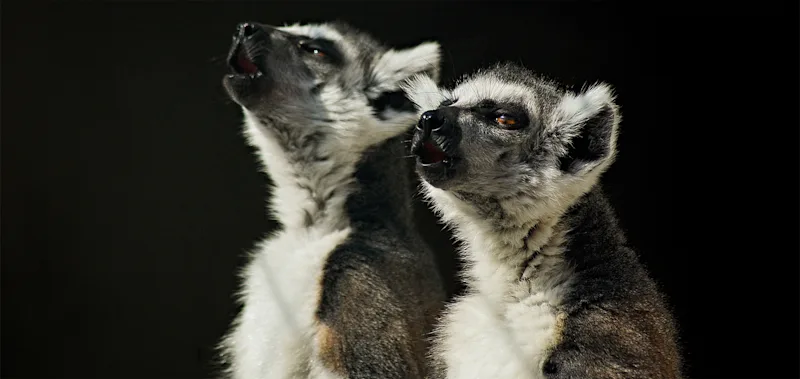
    Often referred to as the “eighth continent,” the island nation of Madagascar has developed its own distinct ecosystems and extraordinary wildlife since it split from the African continent an estimated 160 million years ago. Approximately 95% of Madagascar’s reptiles, 89% of its plant life and 92% of its mammals exist nowhere else on Earth.
  • Nature & Wildlife

    Butterfly Benefits and Insect Issues

    Sep 1, 2026 · Candice Gaukel Andrews

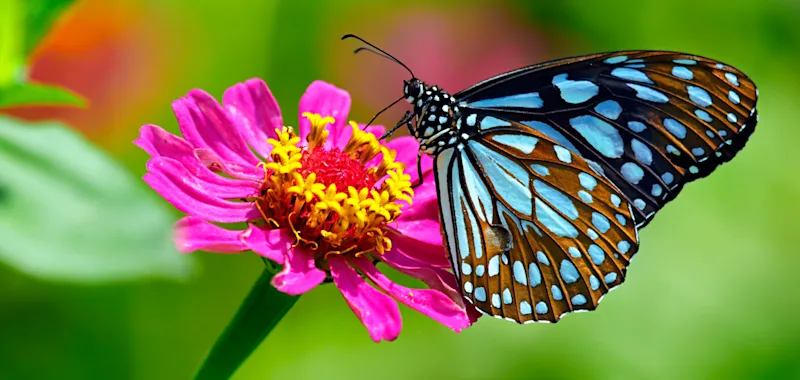
    While I have never considered insects my favorite category of fauna, I have to admit that some “fun facts” about them intrigue me. For example, ants can lift and carry more than 50 times their own weight. While gathering food, a bee may fly up to 60 miles in one day.

  • Conservation

    Arbor Day 2026: Honoring the Damaged, Logged and Old Trees

    Apr 21, 2026 · Candice Gaukel Andrews

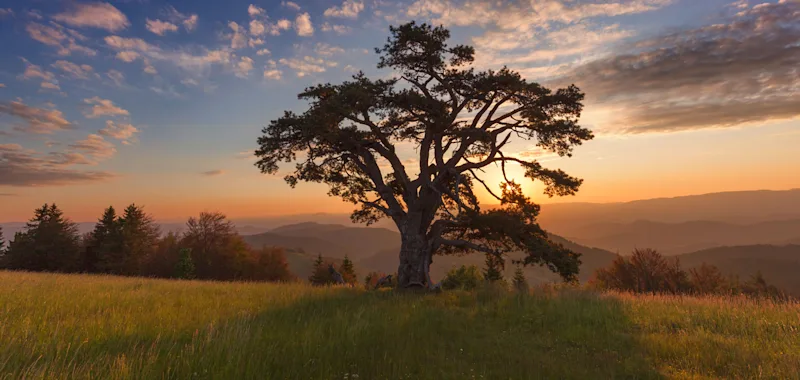
    On National Arbor Day—which this year is on April 24—we typically recognize forests and trees for their essential roles in conserving soils, providing oxygen, reducing energy consumption through shade and serving as wildlife habitats.

  • Conservation

    Earth Day 2026: Our Power, Our Planet

    Apr 14, 2026 · Candice Gaukel Andrews

    The theme for the 56th annual Earth Day, April 22, 2026, is “Our Power, Our Planet.” According to the official Earth Day website, “it emphasizes collective action, community mobilization and the role of individuals in defending environmental protections, accelerating the transition to clean energy and ensuring a sustainable future.”

  • Nature & Wildlife

    Plant Superpowers and Fungi Flexibilities

    Dec 9, 2025 · Candice Gaukel Andrews

    All organisms on Earth are traditionally placed into six kingdoms of life: Animalia (animals), Archaebacteria (bacteria often found in extreme environments, such as hot springs and hydrothermal vents), Eubacteria (true bacteria), Fungi (molds, mushrooms and yeasts), Protista (algae and amoebas) and Plantae (plants).

  • Nature & Wildlife

    Biodiversity Comes in Bursts and Goes with Glaciers

    Dec 2, 2025 · Candice Gaukel Andrews

    From birds to flowers, the majority of the Earth’s species stem from a few evolutionary “explosions,” where new habitats or traits sparked rapid diversification. These bursts, in fact, explain most of the planet’s biodiversity. Some of those new habitats were ignited by glaciers.

  • Nature & Wildlife

    Biodiversity and Building Better Cities

    Nov 4, 2025 · Candice Gaukel Andrews

    I like to think of biodiversity as a symphony orchestra, where each note, each instrument—every single part—is needed to make the whole. In the concert called “biodiversity,” then, every species, from microscopic life to towering trees and vast oceans, plays a vital role.

  • Nature & Wildlife

    The Benefits of Being a “Birdbrain”

    Sep 30, 2025 · Candice Gaukel Andrews

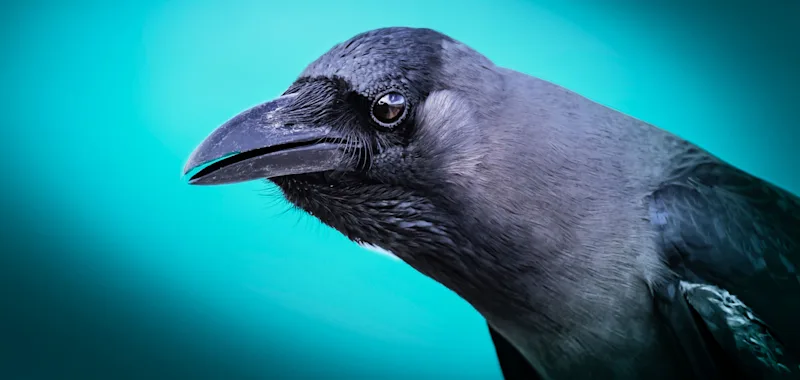
    The word birdbrain became a common slang term for a stupid person in the early 20th century. And while it’s still sometimes used as an insult, it’s a misnomer. In fact, the brains of birds are so large (relative to their body size) that scientists say they are practically braincases with beaks.

  • Conservation

    Saving Species from Extinction

    Sep 23, 2025 · Candice Gaukel Andrews

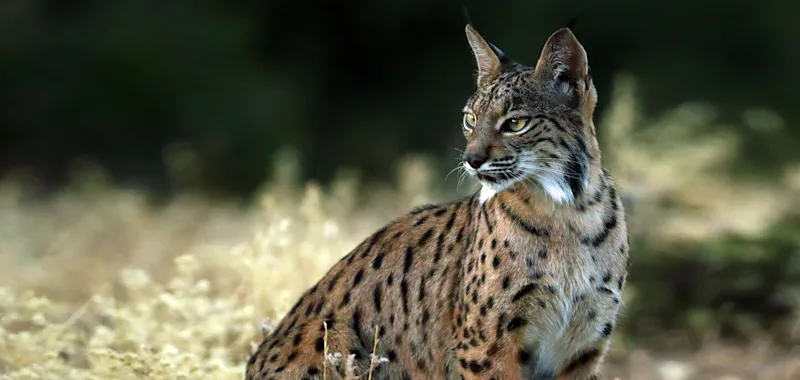
    Around the world, the variety of living things—defined as biodiversity—is declining, as increasing numbers of species face the risk of extinction.

  • Nature & Wildlife

    Fossils: Past Preservers and Future Forecasters

    Jun 17, 2025 · Candice Gaukel Andrews

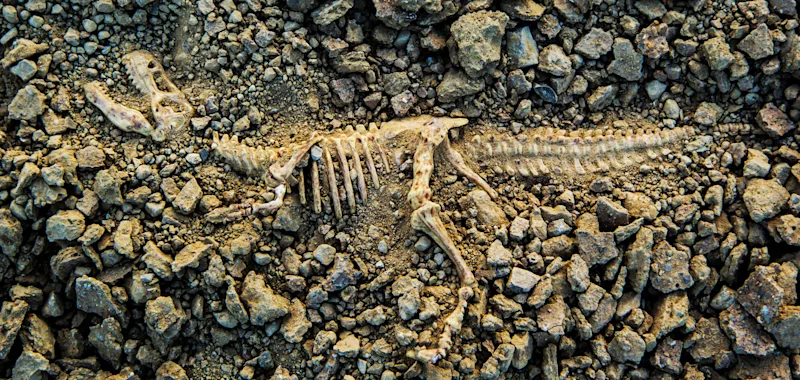
    Captivating remnants of ancient times, fossils offer a window into Earth’s history and the evolution of life. They document the past, providing clues about extinct species, vanished environments and the processes that shaped our planet.

  • News & More

    Giraffes Could Soon Be Listed as Endangered

    Jan 14, 2025 · Candice Gaukel Andrews

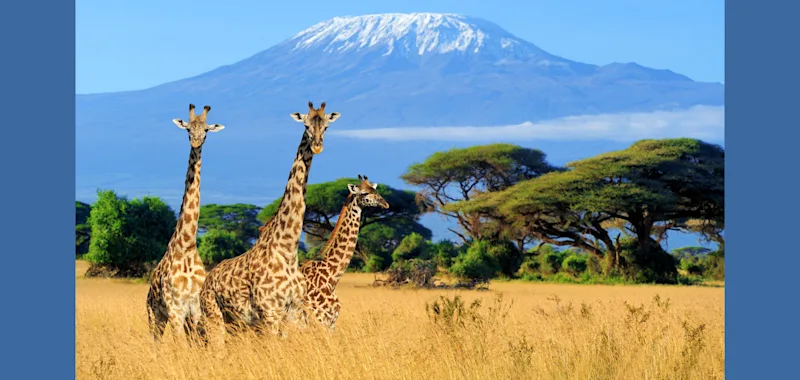
    The Earth’s tallest living land animals are in trouble. Giraffes, who reach heights of up to 18 feet, are declining at an alarming rate, and trade in wildlife body parts and anthropomorphic climate change are largely to blame. Surprisingly, though, it’s not the world’s rising temperatures that are putting giraffes in jeopardy.