

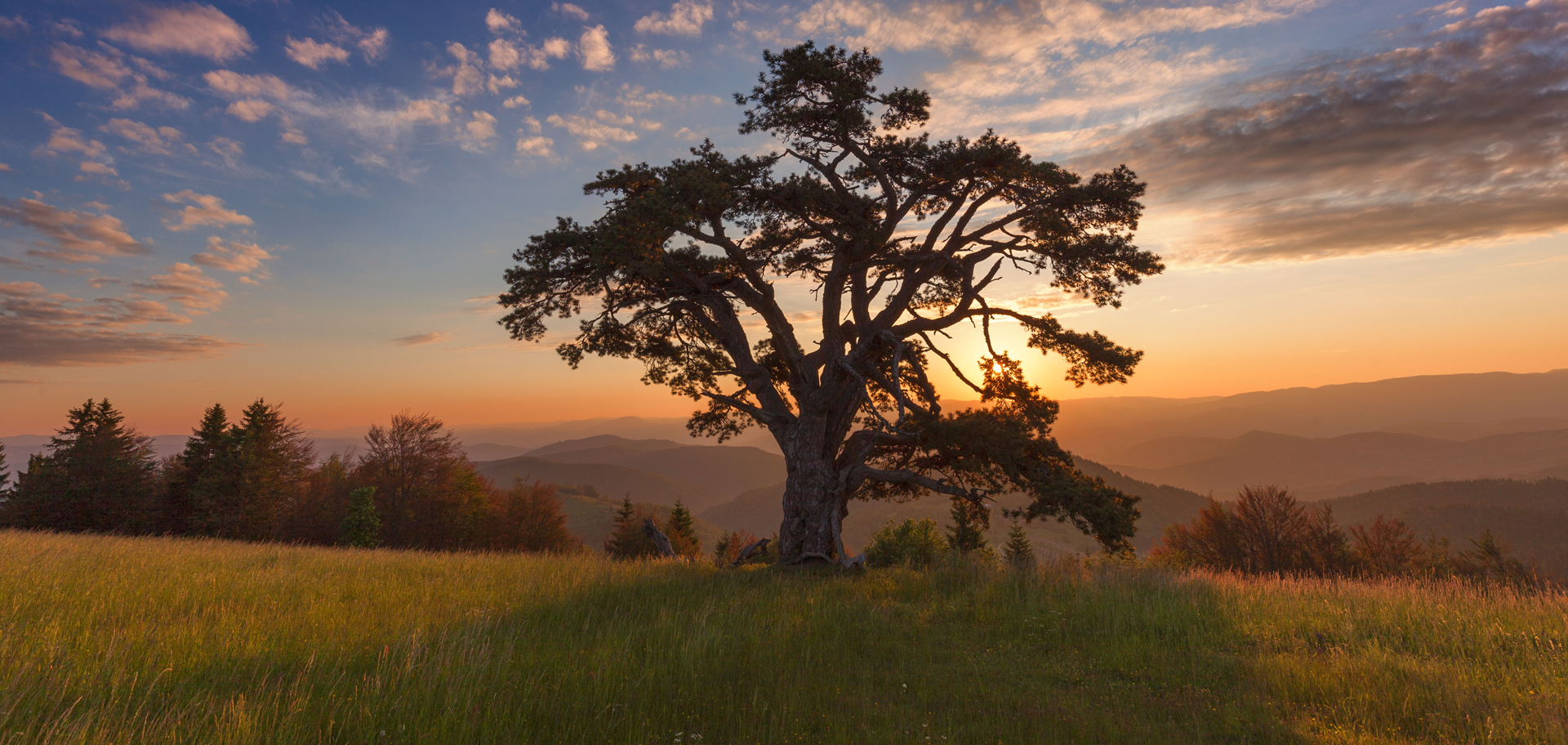
Individual trees are indispensable not only for their own population and species, but for their whole ecosystem. Longevity is one of the keys that explains the unique, ecological functions of trees, which makes it essential to protect older trees in the most isolated mountain regions.
On National Arbor Day—which this year is on April 24—we typically recognize forests and trees for their essential roles in conserving soils, providing oxygen, reducing energy consumption through shade and serving as wildlife habitats.
This year, however, I’d like to step away from the mental image of vast tracts of lush, green foliage and call attention to the darker and somewhat forgotten facets of forests and trees: those that are old, dead, logged, struck by lightning or fragmented.
These not-in-their-prime plants, however, still have some remarkable qualities. For example, the oldest trees in the forest—thanks to their characteristic and unique physiology—help to prevent the disappearance of endangered species in their natural habitats. Ecologists have long known that standing dead trees are important environmental elements for forest-dwellers and act as a driver of biodiversity. And even after getting zapped with millions of volts of electricity, some trees thrive. Logged rain forests, too, demonstrate an amazing power: while they can lose the ability to sustain themselves, it’s recently been discovered that there is a “threshold.” As long as it’s not overstepped, such forests can recover.
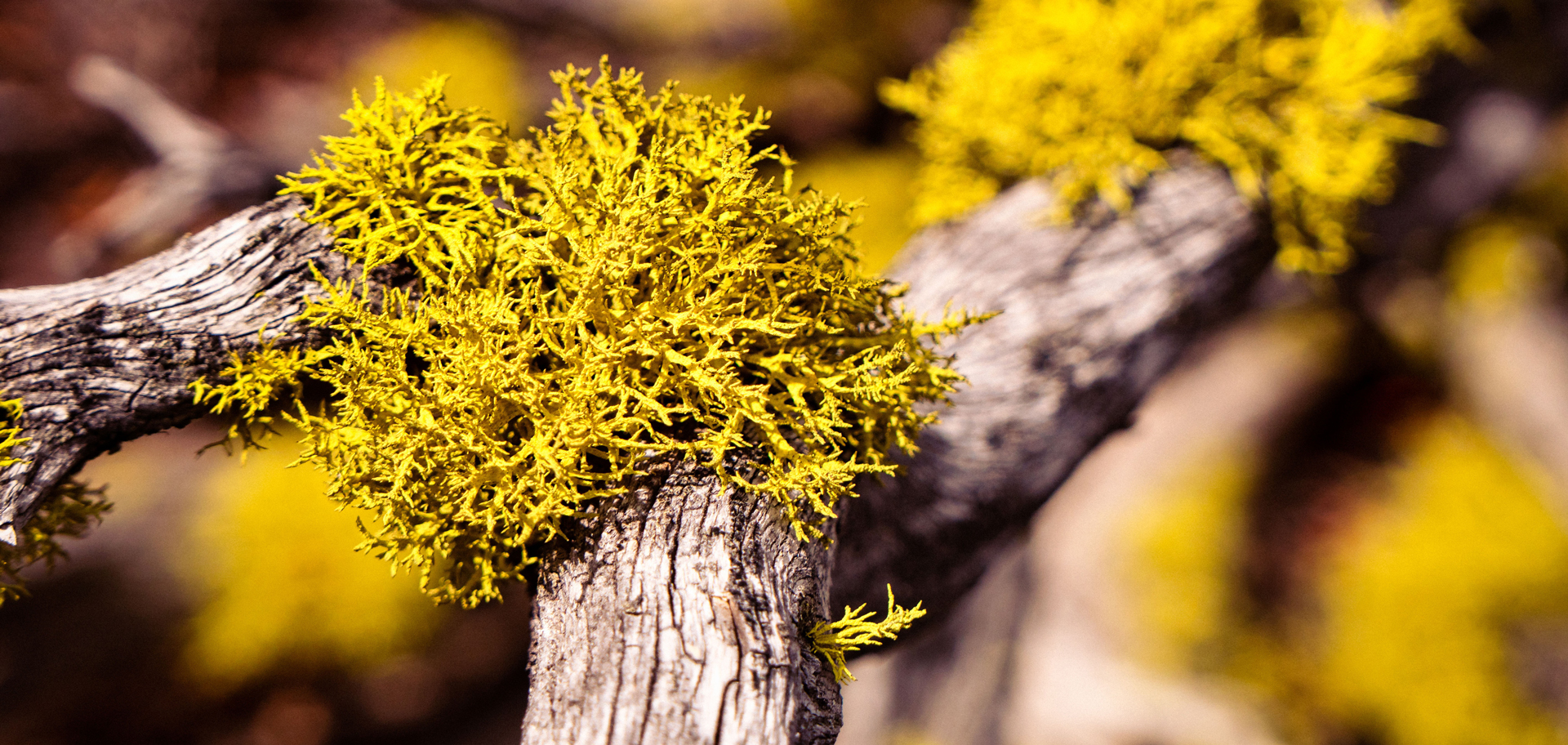
Wolf lichen is a fluorescent yellow-green, mosslike lichen that clings to the bark and wood of living and dead trees throughout the world, from sea level to timberline. It is highly toxic to meat-eating mammals. Some Indigenous peoples used wolf lichen to create dyes and medicinal poultices for the skin.
Old trees can shelter endangered species
While common in North America, wolf lichen (Letharia vulpina) is considered rare and endangered in many parts of Europe, where it is now largely confined to high-mountain, old-growth forests in places like the Alps, Norway and the Pyrenees. Its presence in the Pyrenees is associated with the longest-lived trees, specifically black pines (Pinus uncinata).
Such old trees are found in the most isolated places; they grow on rocks with very little substrate and show unique characteristics regarding composition and structure. Black pines can even live for more than a millennium; and their decay, say researchers from Spain’s University of Barcelona, would be the most important factor facilitating the presence of wolf lichen. Paradoxically, the worse off these trees are, the more useful they are for the lichen. In other words, the less important the black pines might seem as individuals because of their decline, the more important they are for the whole ecosystem.
Trees have survival limits in extreme conditions, but they can live with little water and nutrient resources, thanks to compartmentalization of the damage that can affect them and modular growth (a developmental process where the organism grows by repeating standardized units, or modules—such as shoots—rather than enlarging as a whole). Slow growth, which is associated with stress responses—such as the typical cold of high mountains or drought, which is increasingly frequent in the summer—also favors the longevity of these trees. Thus, say the University of Barcelona scientists in a study published in the journal Proceedings of the National Academy of Sciences in February 2024, conserving the oldest trees will be essential to protect biodiversity in forest ecosystems, which are increasingly affected by the impact of global climate change.
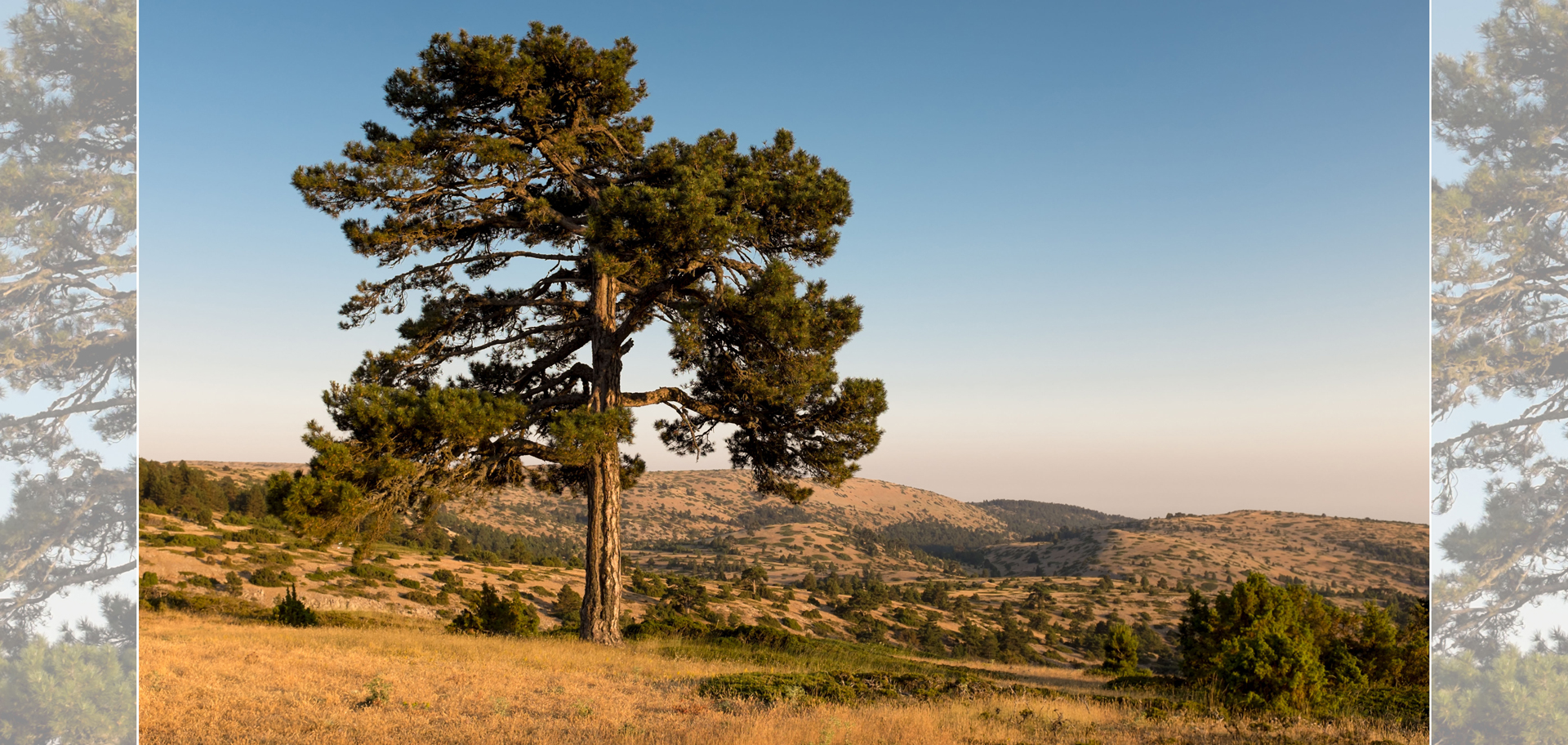
Black pines are hardy, long-lived, conifers native to the Western Alps and the Pyrenees. They are characterized by dark-green needles, dark-grey-brown bark and asymmetric, hook-shaped cones.
Environmental conditions are usually not a problem for old trees, conclude the scientists, but, unfortunately, we as a species are, especially when we fell them. Only with a deep respect for nature and the life of other living beings can we preserve the extraordinary longevity of these trees. And as this study demonstrates, this will also be decisive for the preservation of all biodiversity as we know it today.
Dead trees can create wildlife habitats
In wilderness areas, dead trees that are standing, known as snags, occur on their own as trees die from natural causes. Some remain standing for more than a century, supporting multiple functions within forest ecosystems. They provide vertical structure, serving as homes and feeding grounds for a host of vertebrate species. Snag-reliant woodpeckers are of particular importance among those species, acting as ecosystem engineers through their foraging and nesting activities. Woodpeckers help regulate insect pests, act as indicators of forest health and create nesting cavities that are used by a host of other species. Snags also contribute to nutrient flows and carbon cycling in addition to providing habitat for a diversity of organisms.
Despite snags’ ecological importance, standing dead trees—especially large-diameter snags—in managed forests are often removed for their commercial value or to avoid interfering with forestry operations, especially as it pertains to worker safety during timber harvesting. That’s why in some managed forests, snag creation is part of the conservation tool kit: crews sometimes convert a percentage of live trees into dead ones through techniques ranging from sawing off their tops to wounding their trunks to injecting them with disease-causing fungi.
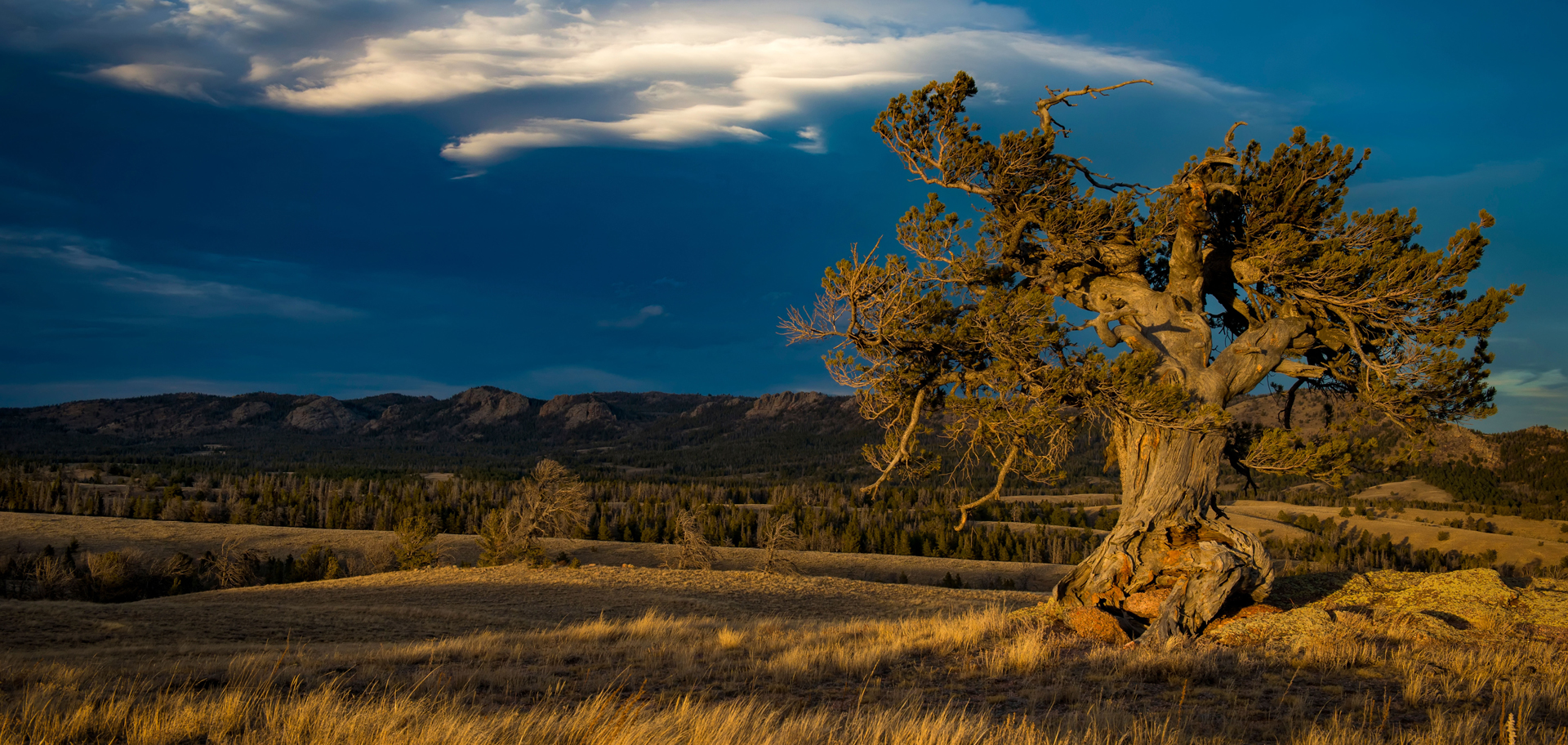
In wilderness areas, such as this one in Wyoming, a dead tree that is standing is known as a “snag.” Snags occur on their own as trees die from natural causes.
Until now, however, key questions had remained unanswered: how well do any of those techniques work over the long term? And which ones are cost-effective for land managers seeking to enhance habitat? To find out, researchers from the Oregon State University College of Forestry looked at nearly 800, large-diameter, Douglas fir trees that had been subjected to snag creation treatments in southwestern Oregon in the early 2000s.
In this research, snags near Coos Bay were examined in a pair of study sites that total 2.9 square miles in area. The two sites were about 2.4 miles apart. Results showed that there was a strong divergence among snag creation treatments in the extent of tree decay 18 to 20 years after treatment. All of the treatments resulted in some type of decay, but the markers of deterioration—such as whether a tree was broken, cracked along the bole or had peeling bark—were strongest on trees that had experienced chainsaw topping. Mechanical wounding, which is removing a section of the tree base to lead to a slow decline, and fungal inoculation showed limited ability to create snags and promote structural diversity in the forest. Chainsaw topping was the best way to have a rotting, standing dead tree after a couple of decades, especially if the topped tree had minimal live branches left in place. Adding fungal inoculation to trees that have been topped with chainsaws, however, did not appear to be worth the additional expense and time. It resulted in only small increases in the extent of decay relative to what topping alone could do.
This study, published in the journal Forest Ecology and Management in February 2024, also made it clear that when managers interested in snag creation are deciding which treatments to use, they should think in terms of time: how quickly do they want decay to occur in newly created snags. For example, if the goal is rapid decay—such as within five years, to quickly create snags in an area with few or none—chainsaw topping seems to be the best method. But if the goal is to promote slower decay over longer time frames such as decades, mechanical wounding may be more appropriate.
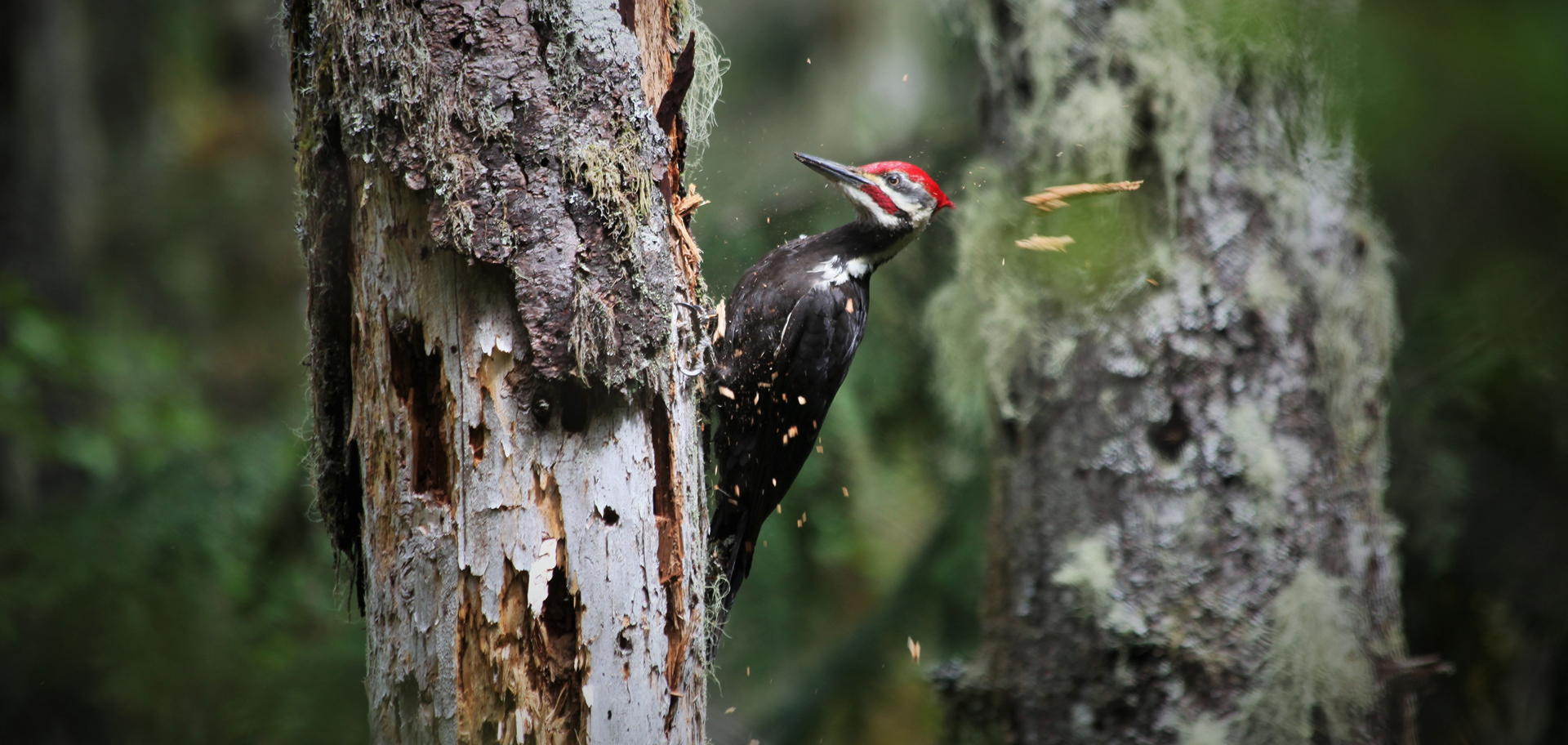
Woodpeckers rely on snags for survival, using them for roosting and territorial drumming. The softening wood is also ideal for excavating nest cavities, while the insect-rich decay provides a consistent food source.
In Oregon, there are no snag requirements on private or state lands. But the researchers say that concurrently implementing different treatments can extend the total period during which human-created snags are available to deadwood-dependent wildlife—and also cut costs by eliminating the need to get crews back into stands to do snag creation at multiple points in time.
Lightning strikes can be good for some tropical trees
Lightning kills hundreds of millions of trees per year. But in 2015, while working in Panama, forest ecologists from New York’s Cary Institute of Ecosystem Studies came across a Dipteryx oleifera tree that had survived a strike with little damage, even though the jolt had been strong enough to blast a parasitic vine out of its crown and kill more than a dozen neighboring trees. Over time, the team members encountered other Dipteryx oleifera trees thriving after getting hit, so they decided to take a closer look.
It was previously suspected that some trees evolved to tolerate lightning, but evidence to back it up was lacking. In 2022, the Cary Institute of Ecosystem Studies forest ecologists had demonstrated for the first time that trees differ in their ability to survive getting hit by lightning. But their new paper, published in the journal New Phytologist in May 2025, is the first to show that trees can benefit from these electric jolts.
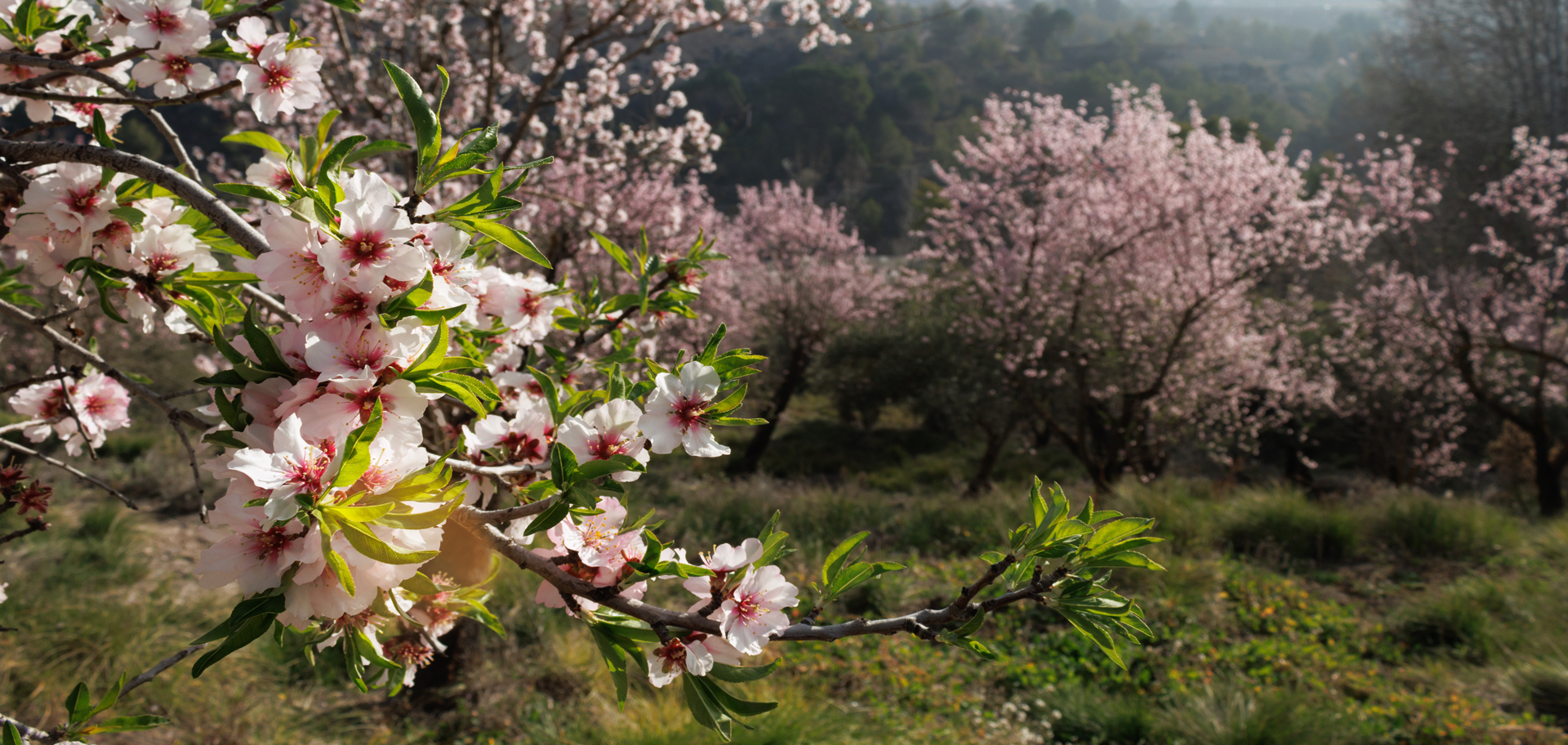
“Dipteryx oleifera” is a large, canopy-emergent tree in Central and South American rain forests. These trees thrive after being struck by lightning, using the energy to kill competing neighboring trees and to eradicate parasitic vines, which increases their own growth and survival rates.
Using a unique lightning location system, the team tracked the outcomes of 93 trees that had been struck by lightning in the Barro Colorado Nature Monument in central Panama. For two to six years after the strikes, the team measured tree survival rates, the conditions of the crowns and trunks, the number of parasitic vines—known as lianas—and neighboring tree mortality. The study included nine directly struck Dipteryx oleifera trees and compared them with 84 other trees that had been struck.
All nine Dipteryx trees survived direct lightning strikes with only minor damages. In contrast, directly struck trees of other species were badly damaged, losing 5.7 times more leaves from their crowns; and 64% of them died within two years.
When each Dipteryx tree was zapped, an average of 9.2 neighboring trees were killed as the electricity traveled between adjoining vines and touching branches or jumped across small gaps between trees. Lightning strikes also reduced Dipteryx liana infestations by 78%, freeing trees from some of the pressure these parasitic vines have on light and nutrient availability. These patterns also bore out across the broader population. The team found that Dipteryx trees tend to have fewer lianas. Analyzing trends in tree death over the past 40 years, the researchers found that the trees neighboring Dipteryx trees were 48% more apt to die than other trees in the forest, likely because of lightning.
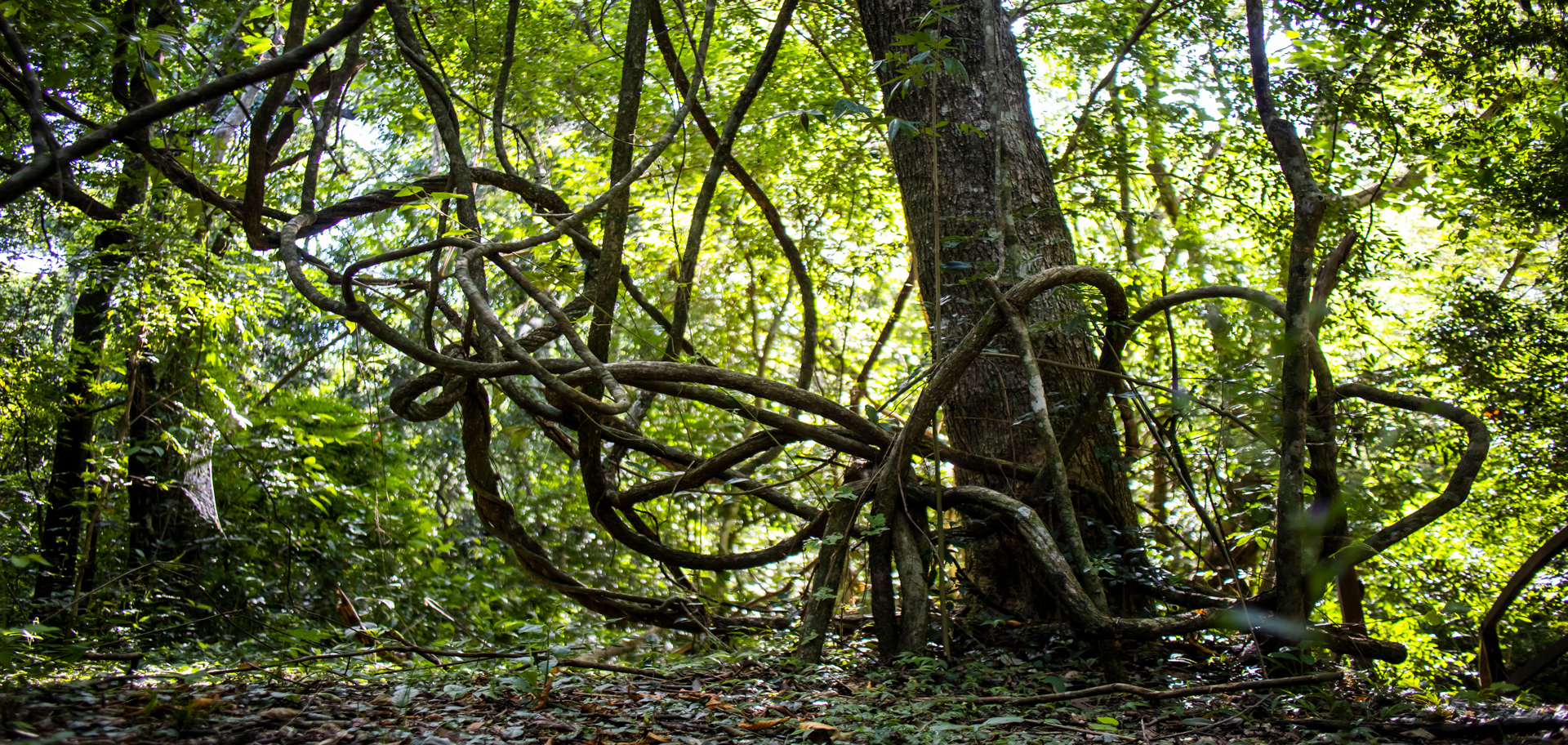
“Lianas” are any of various, usually woody vines—especially of tropical rain forests—that root in the ground. They use trees, as well as other means of vertical support, to climb up to the canopy in search of direct sunlight.
Using drones, the researchers created 3D models of canopy heights, which showed that Dipteryx trees tend to be about 13 feet taller than their nearest neighbors. That’s probably because lightning killed their taller neighbors, giving them an advantage in competing for light and space.
Because of all these benefits, Dipteryx oleifera trees may be specially adapted to attract lightning. With their distinctive height and unusually wide crowns, they may be up to 68% more prone to electrocution than other trees with average height and crowns, according to the team’s calculations. Estimates are that individual Dipteryx oleifera trees are directly hit by lightning every 56 years, on average. And since the trees can live for hundreds or possibly more than a thousand years, they are expected to survive these blasts many times throughout their lives. During the study, one of the Dipteryx trees was struck twice in just five years.
The remarkable ability to survive lightning strikes and benefit from the removal of lianas and competitors gives Dipteryx trees a major advantage over other trees: lightning tolerance boosts the species’ ability to produce offspring by 14 times. This fact makes it clear that lightning plays an underappreciated role in tree competition. And with lightning on the rise in many regions due to climate change, its influence may increase, potentially favoring lightning-tolerant species like Dipteryx oleifera. Thus, understanding lightning and its role in shaping forests may be important for predicting changes in biodiversity and carbon storage, and for informing tropical reforestation efforts.
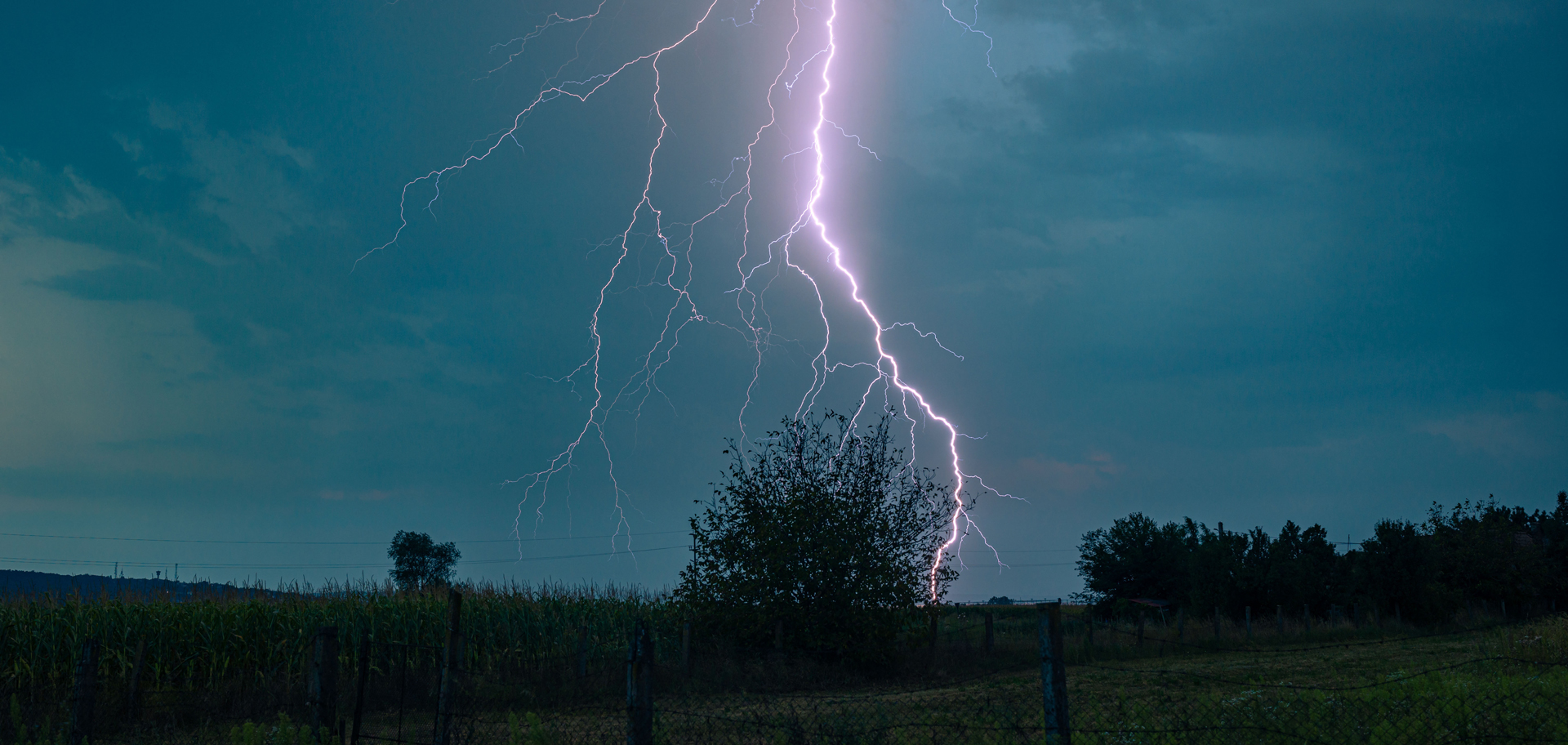
Understanding lightning and its role in shaping forests may help predict changes in biodiversity and carbon storage, and contribute to tropical reforestation efforts.
Next, the team aims to investigate what electrical or structural traits allow these trees to survive lightning strikes. They would also like to explore whether other species show lightning tolerance to better understand how common this phenomenon is.
Logged forests can still have ecological value
Governments and policymakers in different countries use various measures to assess the likelihood of logging causing serious harm to local ecosystems. However, these can be imprecise as there isn’t a universal definition for which environments can be classified as forests. But after analyzing data from 127 animal and plant surveys covering more than 10 years in the same site in Sabah, Malaysia, researchers recently revealed “thresholds” for when logged rain forests lose the ability to sustain themselves. The results could widen the scope of which forests are considered “worth” conserving, but they also show how much logging degrades forests beyond the point of no return.
The site for this first-of-its-kind study, led by researchers from the Department of Life Sciences at Imperial College London with collaborators from around the world, is named the Stability of Altered Forest Ecosystems (SAFE) Project. It includes a full gradient of landscapes, including unlogged primary forests, selectively logged forests, protected riverside “buffer” forests and forests converted into oil palm plantations that represent 99% of forest removal. The Malaysian SAFE Project surveys counted the occurrences of 590 plants (including grasses, herbs and woody trees), 42 amphibians, 161 birds, 26 fish, 88 mammals (including bats), nine reptiles, and 635 invertebrates (including 263 beetles, 199 butterflies and moths, 130 ants and 33 spiders), noting the impacts on each of the extent of the logging damage.
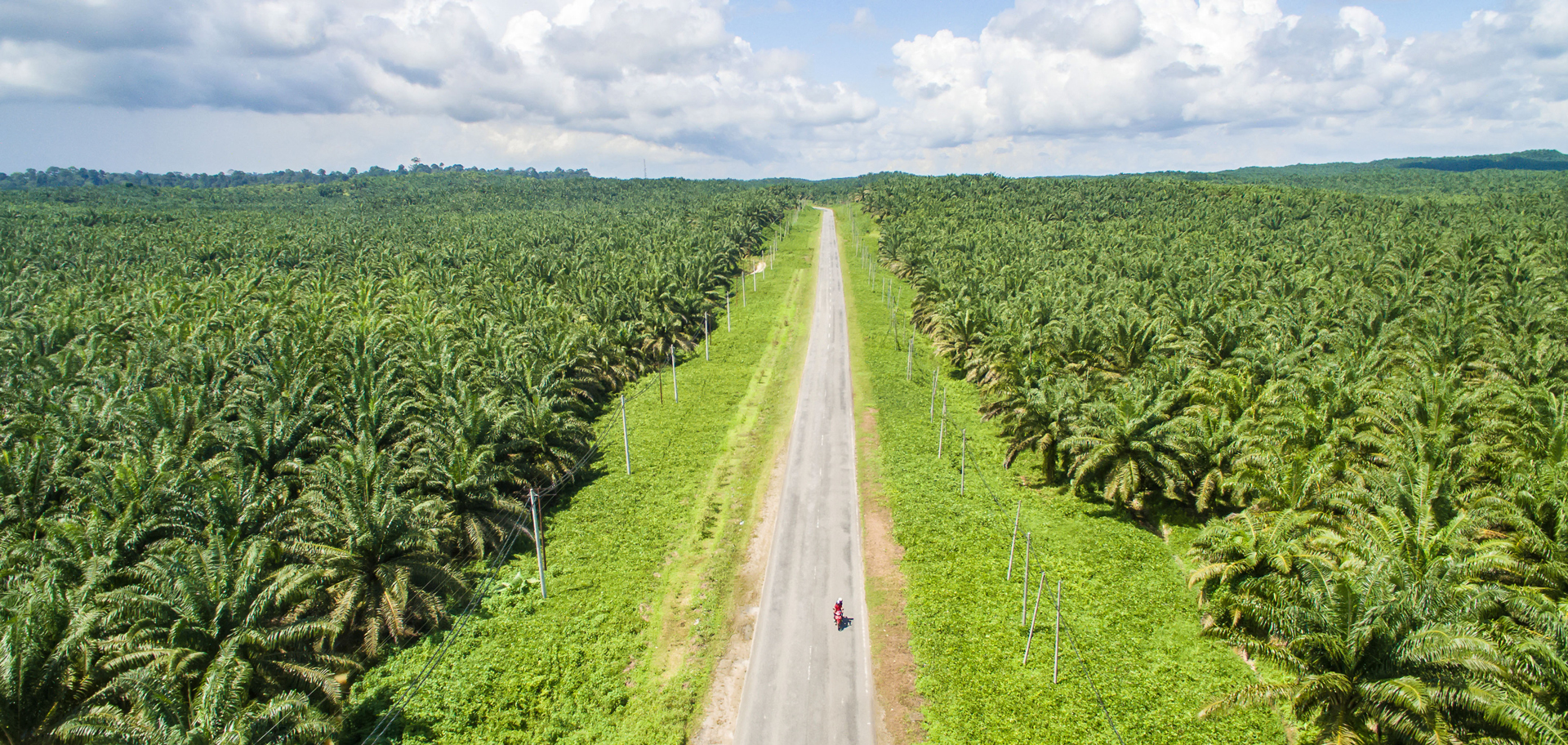
Sabah, Malaysia, has experienced significant deforestation, losing almost 4 million acres of tree cover between 2001 and 2024, driven primarily by industrial logging, timber plantations and oil palm expansion. Forest loss continues, causing severe degradation to formerly lush ecosystems, with only a small fraction remaining as intact forests.
While no level of forest degradation through logging was too low to have an impact on the ecosystem, the results showed that forests that had lost less than 29% of their biomass (total weight of organic matter) retained relatively high biodiversity and ecological value, and, if left alone, were likely to recover. Above 68% biomass removal, however, many types of animals and plants formed communities that were effectively “scrambled” by extinctions and invasive species. In these areas, serious proactive conservation would be needed to maintain biodiversity. Beyond this, the forests rapidly lost the ability to sustain themselves; to act as complete, functioning ecosystems.
The thresholds can also point to where restoration projects would get the best return on investment: changes in biodiversity are faster below 30% and above 70% biomass loss, which suggests that any improvement on habitat in these areas would lead to dramatic changes in biodiversity.
In their study, published in the journal Nature in July 2024, the scientists note that there has been a tendency in conservation to think of untouched forests as the only ones worth investing in—that logged forests were not worth looking at. But their work shows that the potential “conservation estate” is much larger than thought; and while pristine forests are shrinking worldwide, this doesn’t mean that all hope is lost. There are other forests we can protect to preserve biodiversity. This is hopeful news for conservation, giving us the tools to plot a course out of the extinction crisis more quickly.
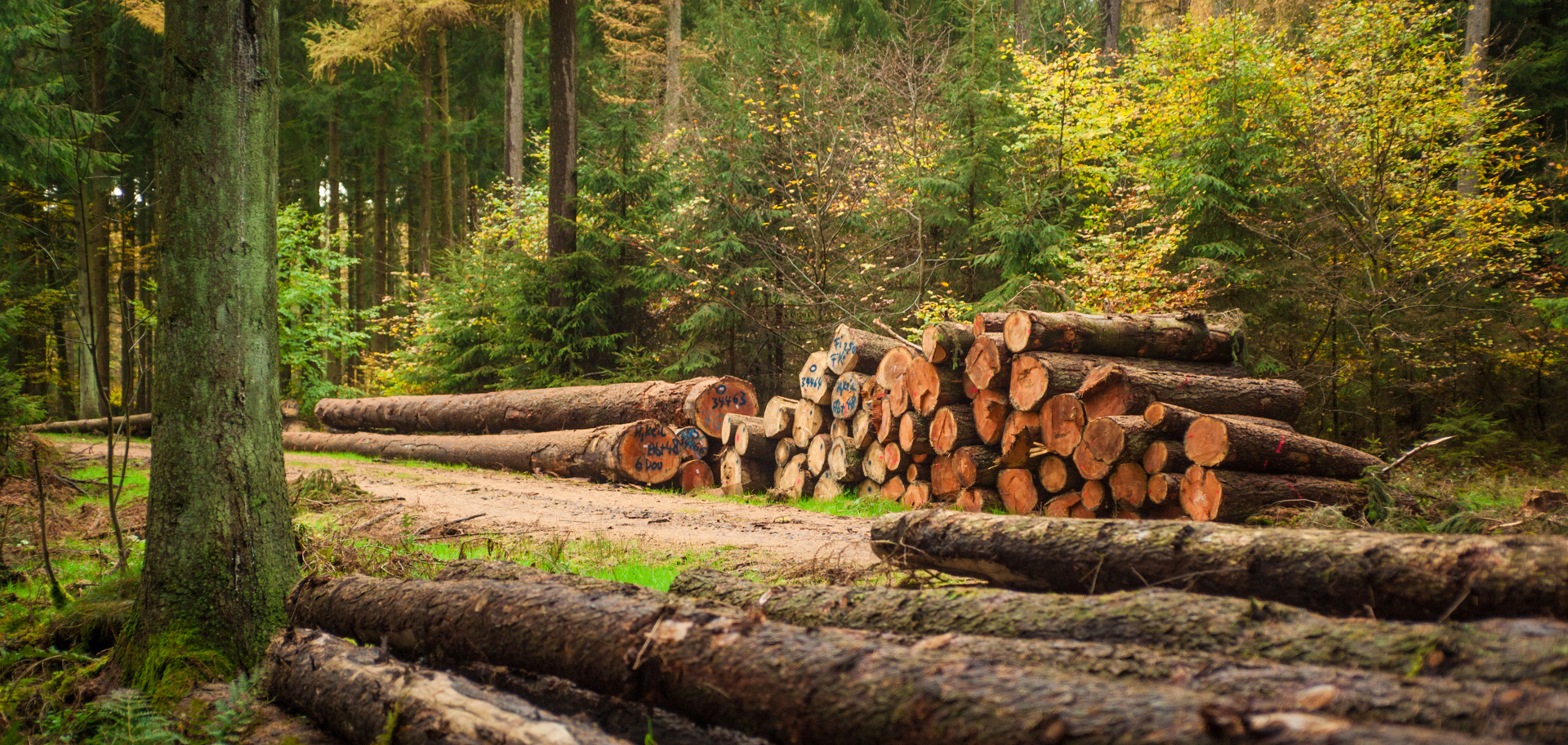
While having pristine forests is the ideal, there shouldn’t be a binary view of what’s worth preserving and what’s not. While partially logged forests are not the same as untouched ones, at certain thresholds they can still sustain themselves as functioning ecosystems.
The scientists say that while we’ve known about the impacts of logging on biodiversity for a long time, it’s been hard to pin down when that damage starts to bite. That’s partly because earlier studies tended to look at different taxa, such as birds or trees; here, however, they’ve been able to include much wider data from across the tree of life. And while the exact figures for forest destruction thresholds may vary across different environments, the study demonstrates that these can be found with the right data. There’s a myth that certain organisms and species will only be found in pristine forests, say the scientists, so nobody has looked for them in logged forests. But now that they have, they find that a lot of these “trashed” forests host a surprising amount of biodiversity.
The team is now constructing a Virtual Ecosystem that can track the birth, growth, reproduction and death of organisms within a changing ecosystem. The scientists plan to use the data from this study to generate a virtual model of a Bornean rain forest. This will allow researchers to address ecological questions that cannot be answered through field observations, such as how to optimize the ecological recovery of degraded tropical forests.
Big forests can preserve biodiversity
Ecologists agree that habitat loss and the fragmentation of forests reduce biodiversity in the remaining fragments. But ecologists don’t concur about whether it’s better to focus on preserving many smaller, fragmented tracts of land or larger, continuous landscapes. A new study, though, published in the journal Nature in March 2025 and led by researchers at the German Center for Integrative Biodiversity Research in Leipzig, Michigan State University and the University of Michigan, sheds light on the decades-long debate. Large, undisturbed forests are better for harboring biodiversity than fragmented landscapes.
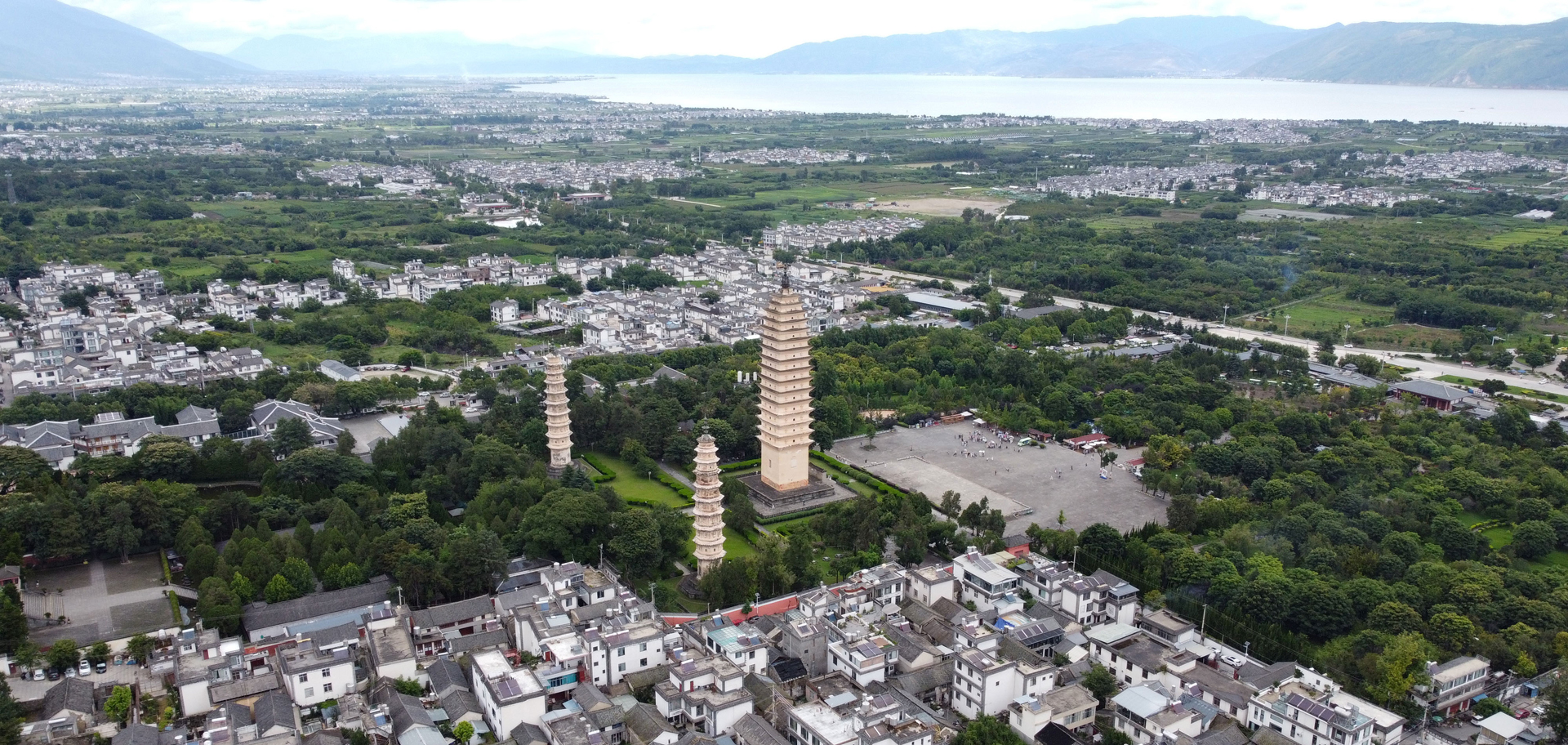
Fragmented landscapes—such as forests that are patched with urbanization—are not only going to affect biodiversity by decreasing alpha and gamma diversity, but they have implications for the carbon stock, as well.
The scientists examined 4,006 species of plants, invertebrates and vertebrates, sampled at 37 sites around the world to provide a global synthesis comparing biodiversity differences between continuous and fragmented landscapes. They found that, on average, fragmented landscapes had 13.6% fewer species at the patch scale, and 12.1% fewer species at the landscape scale. Additionally, the findings suggest that generalist species—those that are good at surviving in various environments—primarily live in the fragmented areas.
The scientists investigated what’s called alpha, beta and gamma diversity at these sites. Alpha diversity refers to the number of species in a patch, while beta diversity refers to how species composition differs between two areas. Gamma diversity refers to biodiversity over a whole landscape. Think of it like this: imagine you are driving through Ohio’s farm fields and encountering patches of forests between fields. Each patch of forest might contain a handful of bird species (alpha diversity), but each patch of forest will have different species of birds compared to the previous patch (beta diversity). The biodiversity of the entire landscape containing the fragmented patches—or likewise a continuous forest—is the area’s gamma diversity.
The heart of the debate is that people who argue that fragmentation isn’t so bad say that because you have isolated habitats, you have different species composition, which means at a large scale, it’s good. If they are different, we can assume that the gamma diversity is going to be higher. They say the opposite for large tracts of land: because they are continuous and homogeneous patches, the species composition is too similar. But previous research didn’t properly compare fragmented landscapes to large, continuous forests. For example, prior investigators may have looked at only one component of diversity or may have compared a few continuous forests to dozens of fragmented patches.
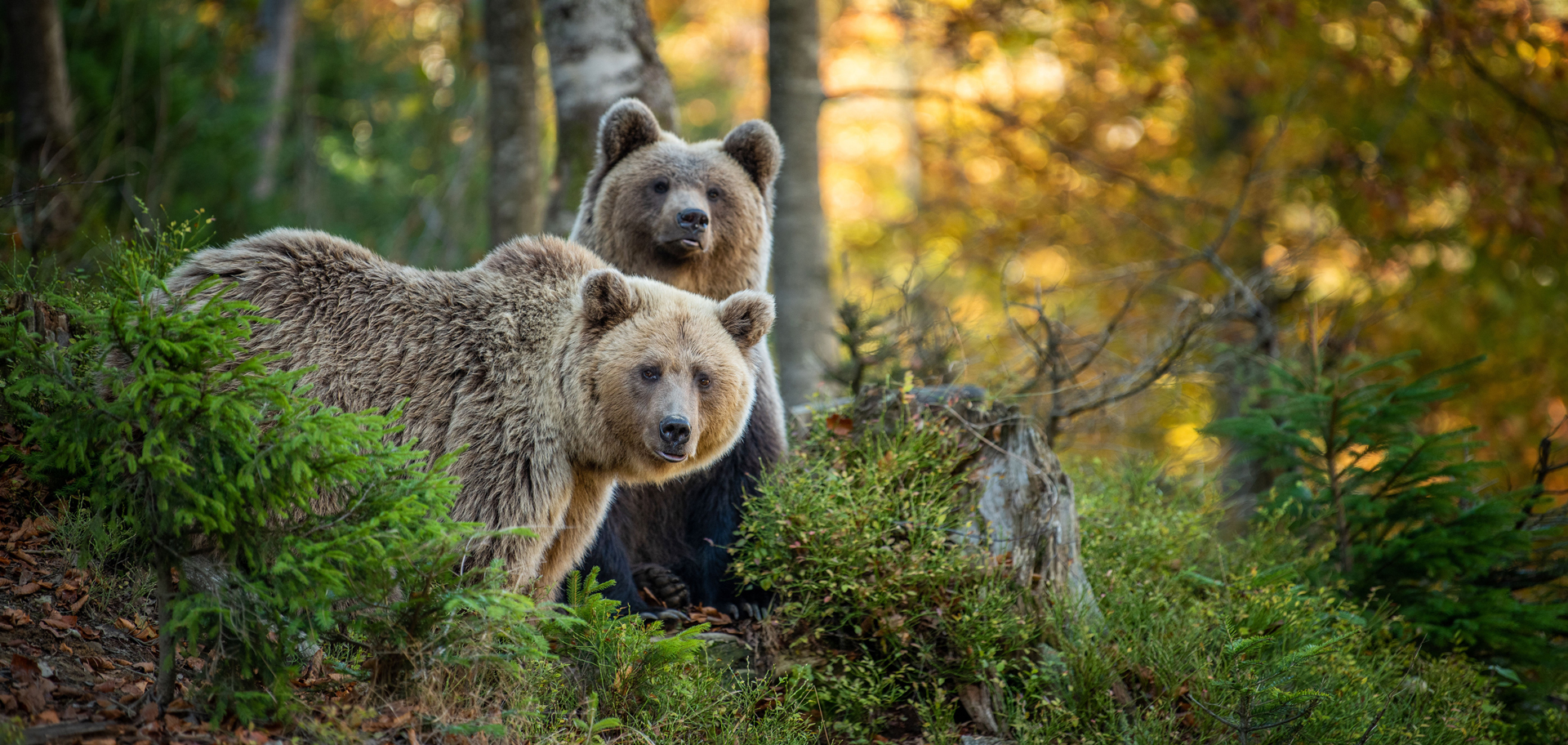
According to a 2025 study, large, undisturbed forests are superior for maintaining biodiversity compared to fragmented landscapes, which have 12.1% to 13.6% fewer species. This finding debunks the idea that high species turnover in fragments makes up for habitat loss.
One reason that this has been such a long-standing and unresolved debate is that we simply have not had the appropriate data and statistical tools to systematically evaluate the question at both smaller and larger scales, say the study’s authors. They instead constructed an analysis that corrected for differences in sampling across different landscapes. The group discovered that fragmentation decreased the number of species across all taxonomic groups, but the increase in beta diversity in fragmented landscapes did not compensate for species diversity loss at the landscape level. This paper resolves a half-century-old debate about how to conserve biodiversity in natural areas; one started by scientific luminaries including E. O. Wilson and Jared Diamond. Biodiversity, however, isn’t the only thing lost when landscapes become fragmented: the ability of the landscape to store carbon is compromised, as well.
The researchers say that their paper clearly shows that fragmentation has negative effects on biodiversity across scales. That doesn’t mean that we shouldn’t try to conserve small fragments when we can with our limited conservation dollars, but we need to be wise about conservation decisions.
Trees can inspire art
As a person who is definitely on “Team Tree,” I’m looking forward to this year’s National Arbor Day. I’m going to make sure that I think about all the trees I have loved throughout my life.
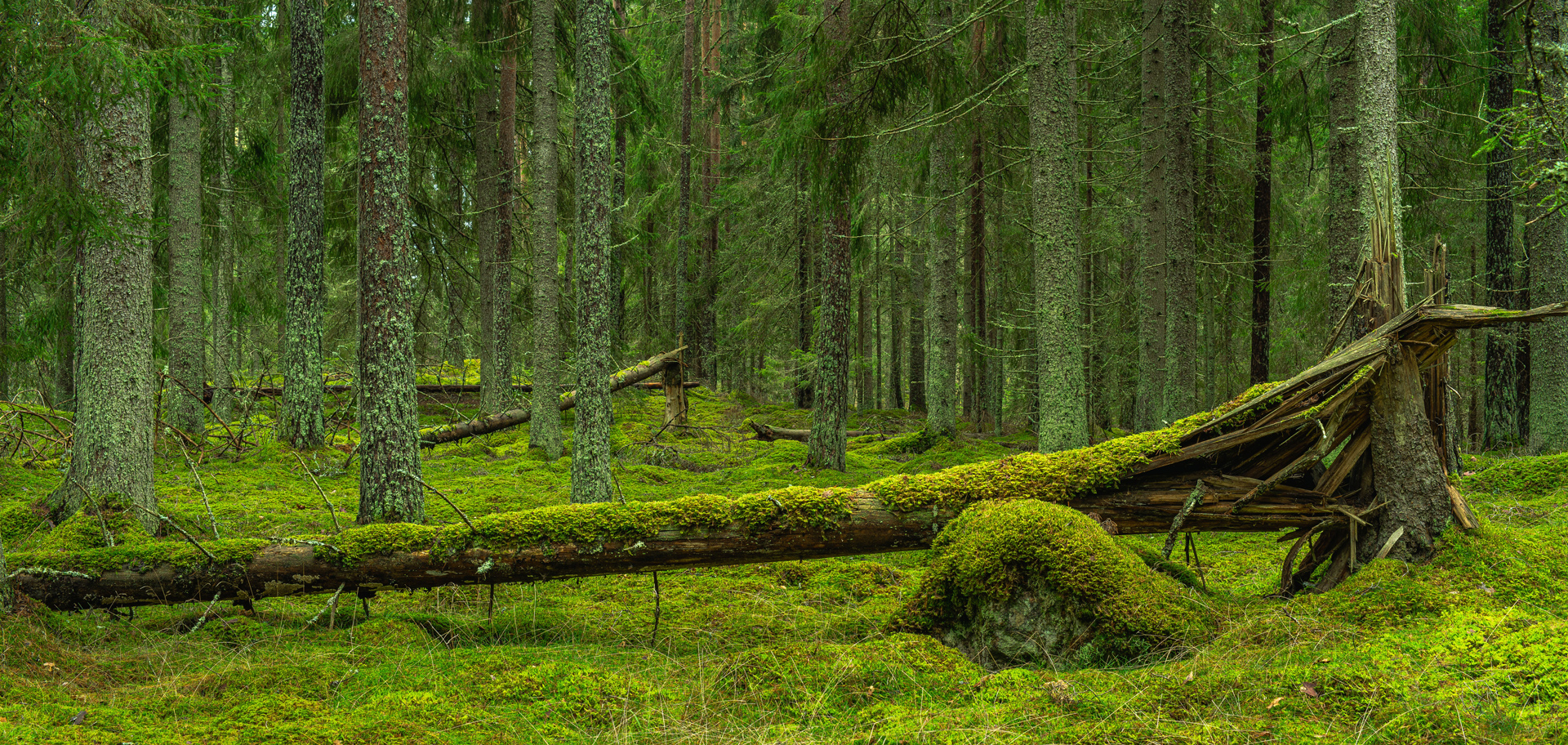
Everything in nature is closely interconnected, and even the decline and death of trees play an essential role in conserving biodiversity and ecosystems.
Although my reflections for National Arbor Day 2026 will also center on the old, dead, logged, struck by lightning or fragmented forests and trees, I’d like to leave you on a bit of a higher note. Below is a song written and sung by John Denver for a 1990 National Arbor Day promo. Wherever you are, John, I hope you’re still singing for the trees.
Here’s to finding your true places and natural habitats,
Candy