
—By Harvey Trop
For some people, there’s nothing better than a tropical beach vacation. The broad expanse of sand and surf, along with a pleasant breeze—especially appealing during the cold, rainy or snowy months in the U.S. and Canada—can be irresistible. Through the Tracking Turles in Costa Rica expedition, I’ve discovered an even more rewarding way to experience it: walking a quiet beach at night under the stars, accompanied only by a biologist and the sound of lapping waves, as we search for nesting sea turtles. For the last four years, I’ve spent part of January doing just that.
Where the Turtles Nest
Along several beaches in northwestern Costa Rica, three different species of sea turtles nest from October through March. Certain beaches are preferred by some species over others. One of the monitored beaches, Playa Cabuyal, is frequented by green sea turtles.
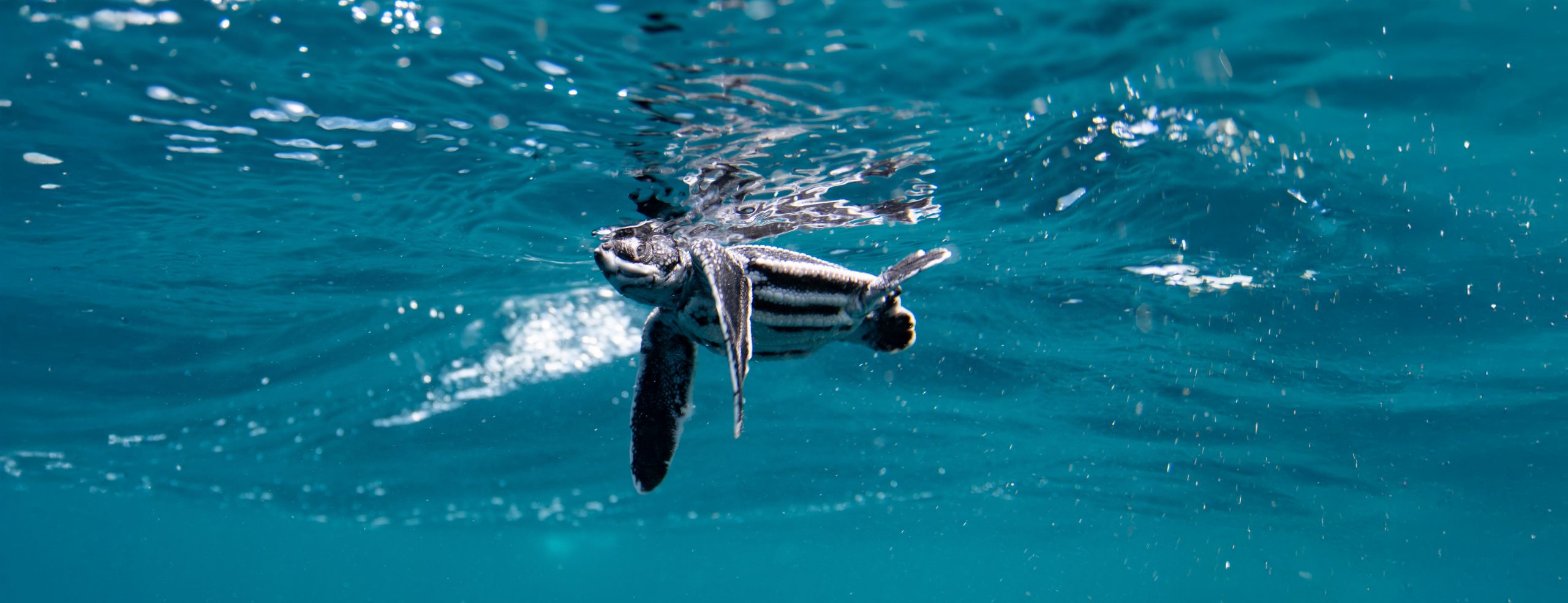
Another site, Las Baulas National Park, consists of two adjoining beaches—Playa Grande and Playa Ventanas. In the second half of the 20th century, thousands of leatherback turtles—the largest sea turtle species—nested on these beaches. However, overharvesting of their eggs for use in baked goods caused a dramatic population decline. Today, perhaps only five leatherbacks nest in a given season.
The park was established to protect this vital nesting area, now also used by green and olive ridley sea turtles.
Night Walks and Turtle Tracking
During night walks, which can last between four and six hours depending on the time of high tide, you walk up and down the beach, pausing at each end to scan the surf line for a dark shape or to spot tracks left in the sand. Over time, you learn to identify turtle species by the shape and size of the tracks.
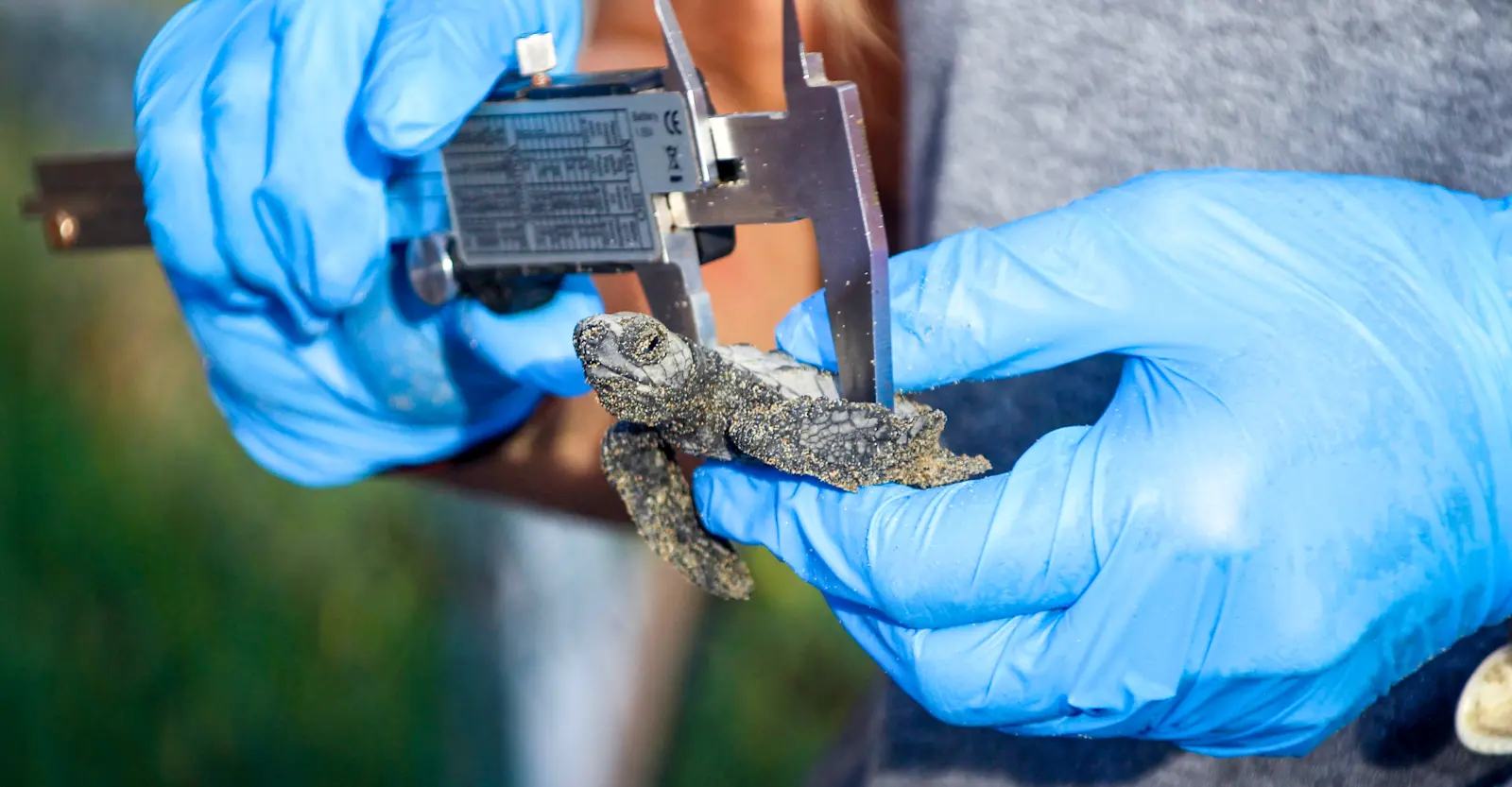
With a bit of luck, you may find a turtle digging her nesting pit. Once the pit is complete, she digs a nesting chamber and lays her eggs before covering it back up. Participants assist the biologist by counting the eggs and collecting dimensional data on the turtle. Either a metal tag or an internal RFID chip is used for identification; if neither is found, the turtle is tagged for future monitoring. You also help mark the nest location on the beach.
Relocating Nests for Safety
In some cases—especially earlier in the season at Playa Grande—nests are relocated to a protected nursery plot near the field station. Olive ridley nests, which are shallow and more vulnerable to raccoon predation, may also be moved.
If a turtle nests in a high-traffic area, the eggs are sometimes relocated for safety. At Playa Cabuyal, only nests laid below the high tide line are moved, and then only slightly higher up on the beach.
Witnessing the Hatchlings
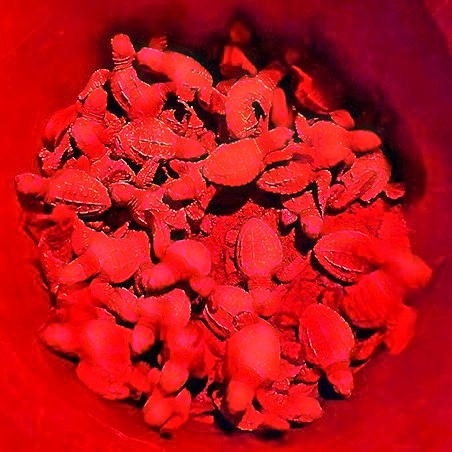
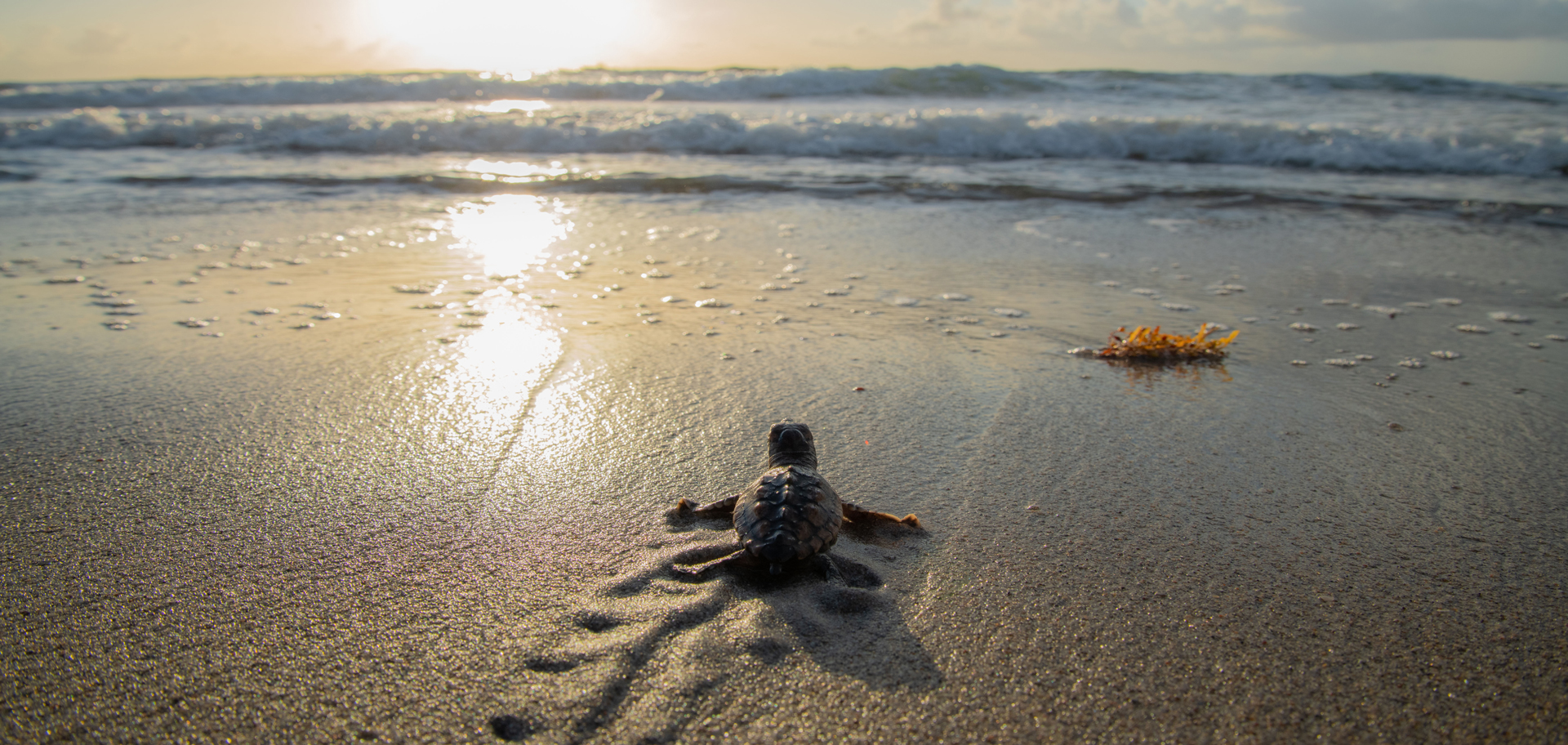
Thanks to the nursery, it’s sometimes possible to witness hatchlings emerge from the nest. Usually around sunset, they are released on the beach. Some head purposefully toward the surf, while others meander before finding their way.
Our presence can help protect the hatchlings, as predators such as shorebirds are less likely to approach when people are nearby. It is estimated that only one in a thousand hatchlings will survive to adulthood, so giving them even a small advantage can make a difference.
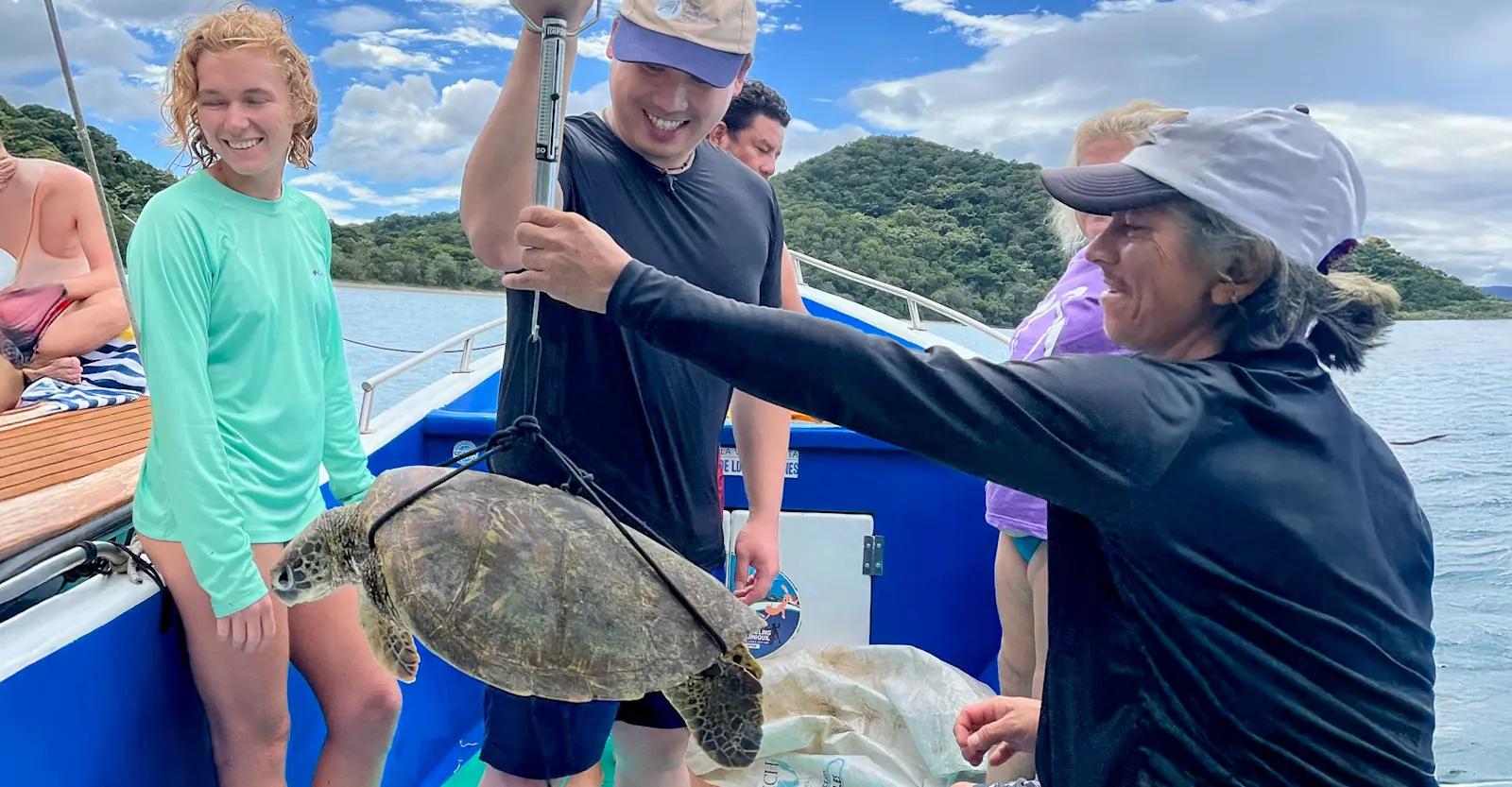
Bonus: Tagging Sea Turtles by Boat
In the past two years, we’ve enjoyed an added bonus: a day boat trip along the northwestern coast of Costa Rica’s Guanacaste Province. There, participants help scientists use turtle-safe nets to temporarily capture, measure and tag sea turtles in the bay.
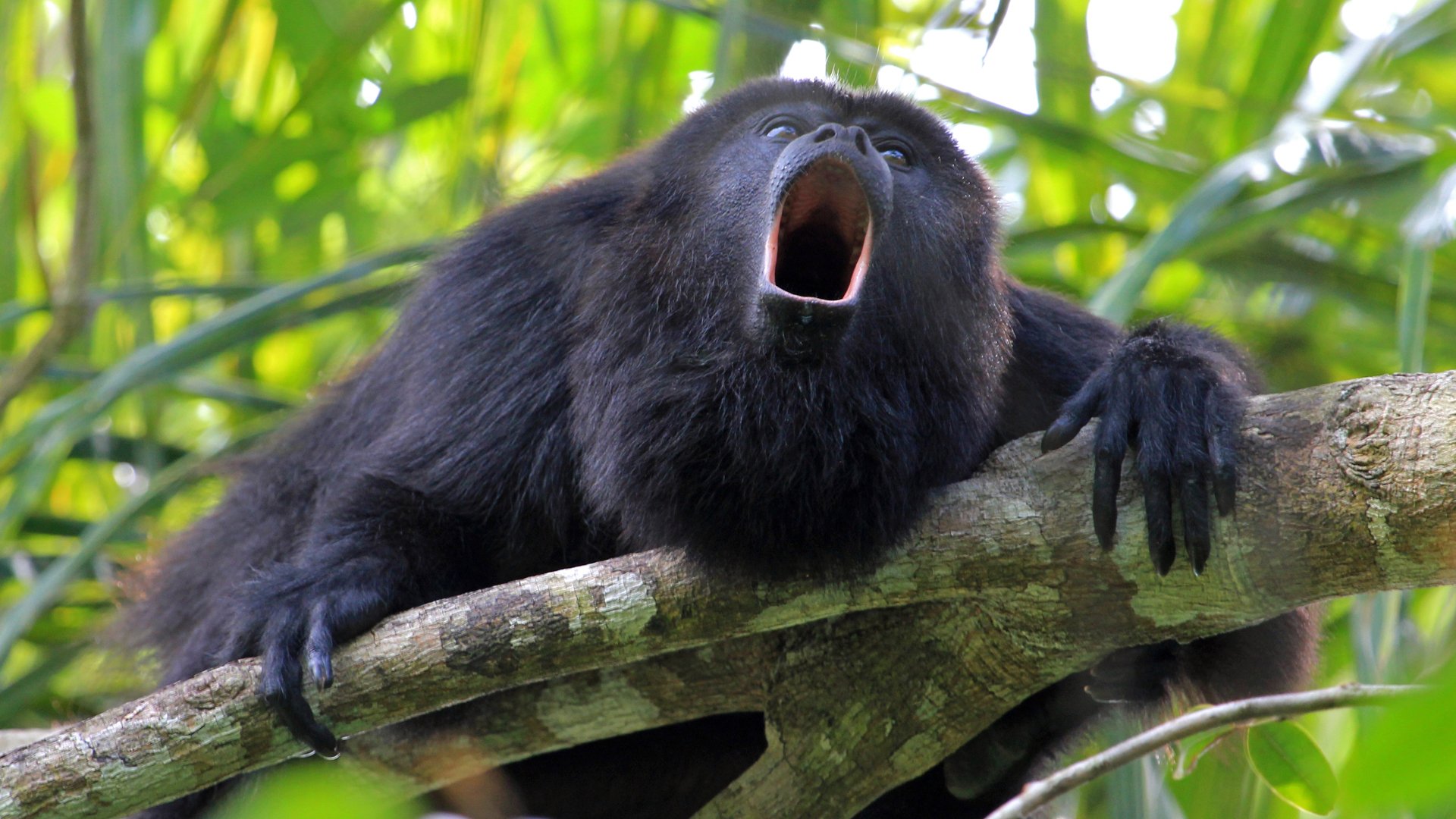
There’s also plenty of other wildlife to see in Costa Rica—birds, howler monkeys, iguanas and crocodiles among them.
I keep coming back for many reasons, but watching the hatchlings head for the sea is one of the highlights. I also feel like I’m making a difference while having a good time, which captures the spirit of an Earthwatch expedition.
Ready to Trade Your Typical Vacation for Sea Turtles and Stars?
If Harvey’s story has you thinking about starry nights, sandy beaches and the sight of sea turtle hatchlings making their way to the ocean, you can experience it for yourself.
Join Tracking Sea Turtles in Costa Rica and help protect these animals—or explore other expeditions to find your own field experience.