











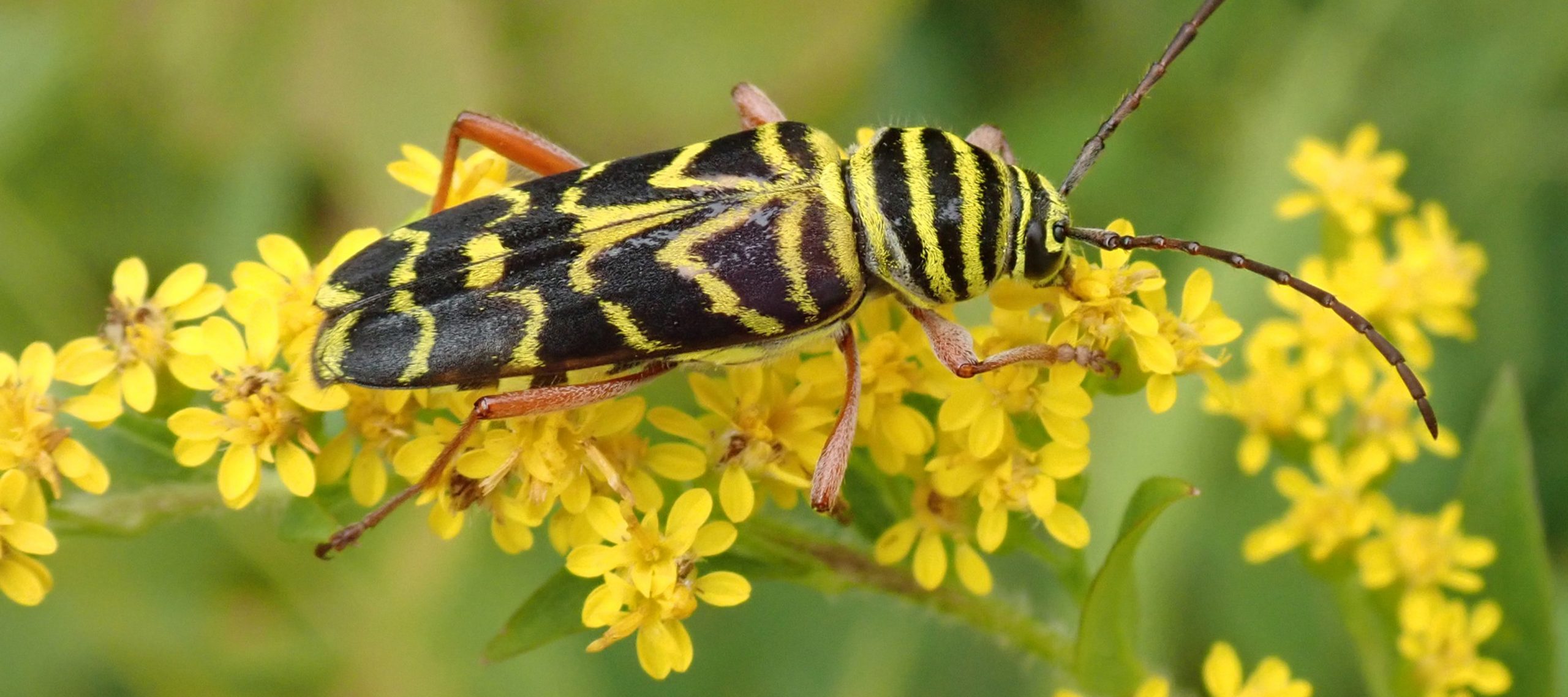
Insect populations are declining around the world, and the loss of pollinators is especially concerning. Bees, butterflies, beetles and other pollinating species play a critical role in food production, ecosystem health and biodiversity. The good news is that individuals can make a difference. Here are six ways to help support pollinators, from creating habitat at home to contributing valuable data that helps scientists better understand pollinator populations.
 Map Pollinator Diversity in Your Community
You can help researchers track pollinator activity and diversity through Earthwatch’s Global Pollinator Watch program. Participants around the world contribute observations that help scientists better understand pollinator populations and how they are changing over time.
Getting involved is simple. All you need is a camera or smartphone and access to the Internet. Join the project on iNaturalist to document interactions between pollinators and plants.

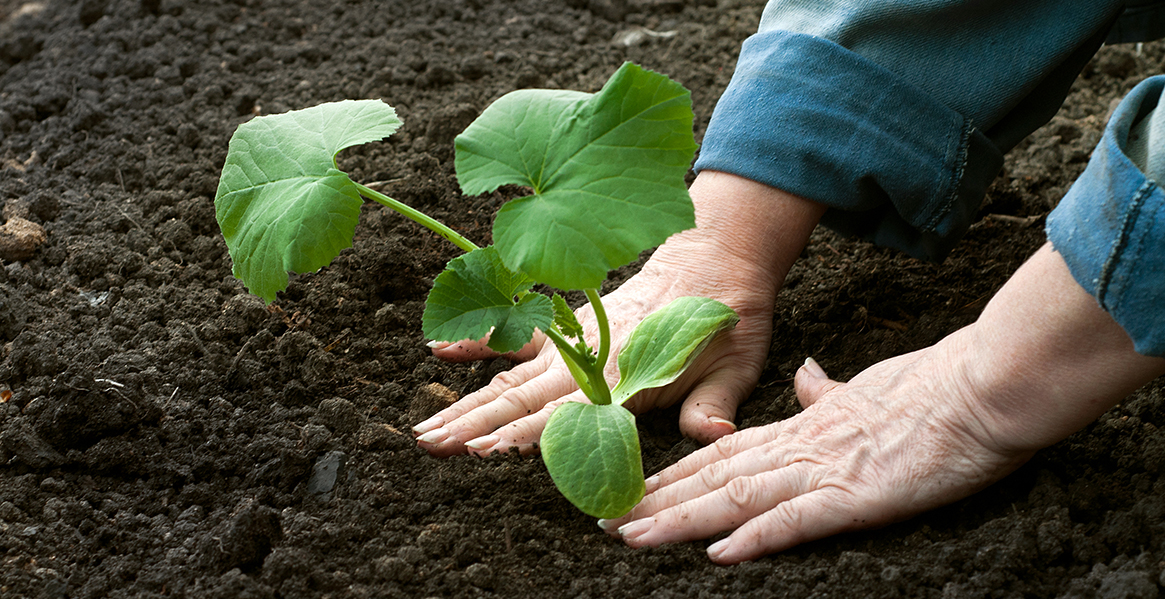
 Plant Native Species
As you plan your next garden or landscaping project, consider adding native plants that provide food and habitat for pollinators. Native flowers have evolved alongside local pollinator species and often offer the nectar and pollen they need to thrive.
The Pollinator Partnership provides regional planting guides that can help you identify species native to your area. Choosing native plants creates habitat for bees, butterflies, beetles and other pollinators while adding seasonal interest to your outdoor space.
 Become a Bee Innkeeper
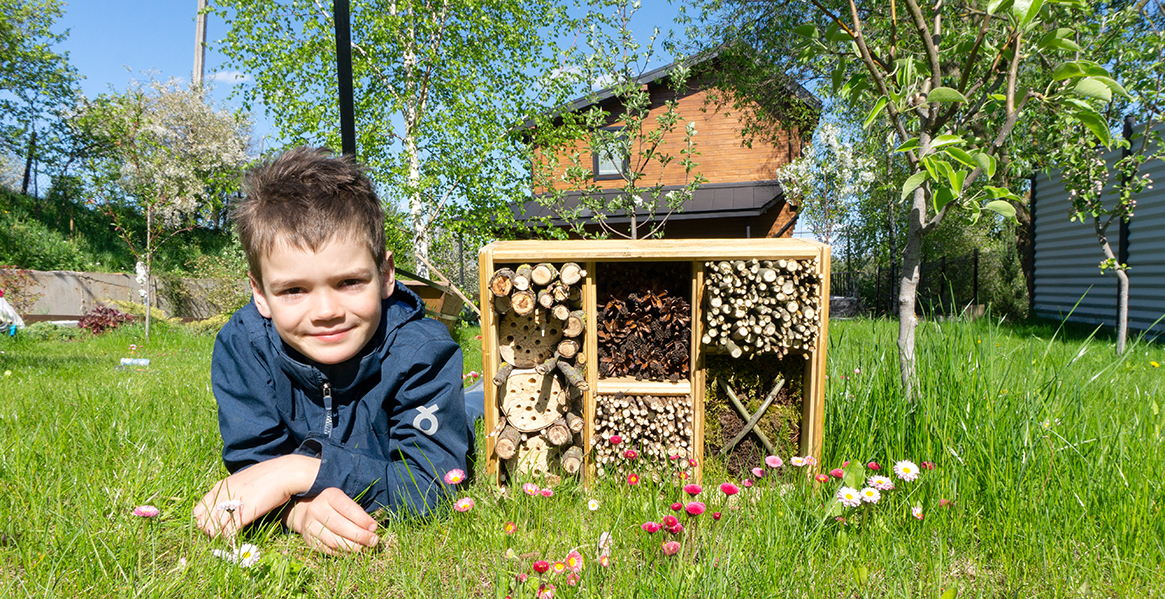
North America is home to more than 4,000 bee species, and most do not live in hives. Many native bees nest in tunnels within decaying wood or patches of bare ground. In developed areas, suitable nesting sites can be difficult to find.
You can help by installing or building a bee house. Providing nesting habitat gives solitary bees a place to raise their young and can support pollinator populations in your community.
 Support Pollinator Research
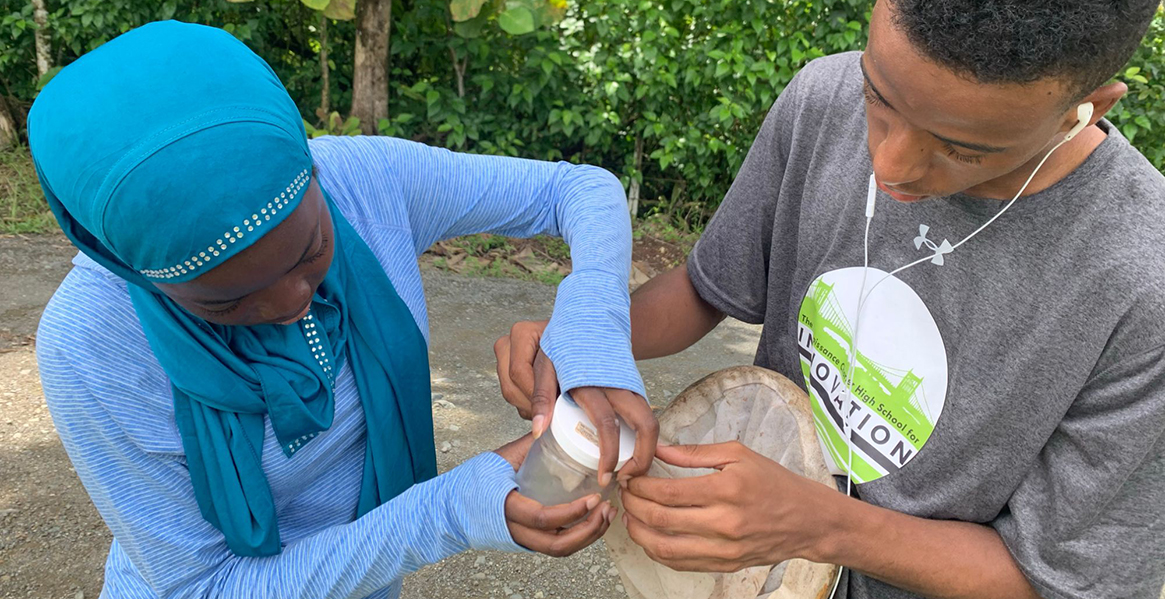
One of the most direct ways to help pollinators is by supporting the scientists who study them. Earthwatch’s Protecting Pollinators in Costa Rica’s Cloud Forest expedition gives participants the opportunity to work alongside researchers collecting data on pollinator diversity, behavior and habitat quality.
By contributing to field research, participants help scientists better understand the challenges pollinators face and identify strategies to conserve these essential species.
 Make Your Yard Pollinator-Friendly
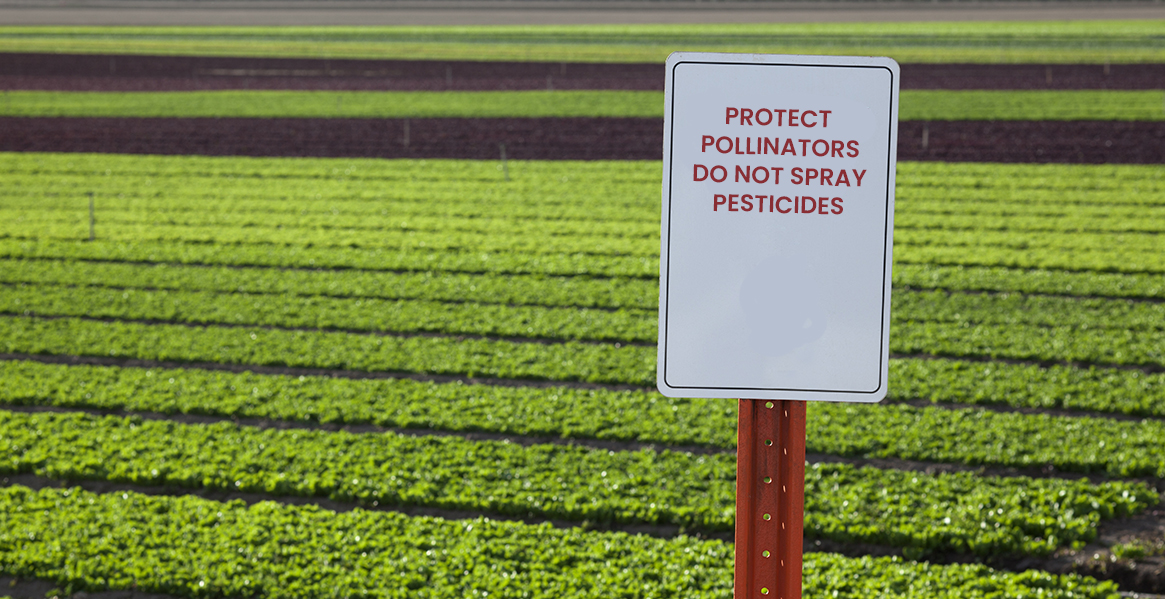
Insecticides can affect far more than the target pests. Many products also harm bees, butterflies and other beneficial insects.
Consider reducing or eliminating pesticide use in your yard and garden. Healthy soil, native plants and natural pest-management practices can help create an environment where pollinators can thrive.
 Support Organizations That Protect Pollinators
If you don’t have time to volunteer or participate in research, consider supporting organizations that protect pollinator habitat, conduct scientific research or advocate for pollinator-friendly policies.
Financial support helps fund habitat restoration, species monitoring and conservation initiatives that benefit pollinators and the ecosystems that depend on them.
Take Action Today
Pollinators support ecosystems, agriculture and biodiversity around the world. Whether you plant native flowers, create nesting habitat, contribute observations or support research, every action helps.
Learn more about our Protecting Pollinators in Costa Rica’s Cloud Forest expedition and discover how you can help protect these essential species.