


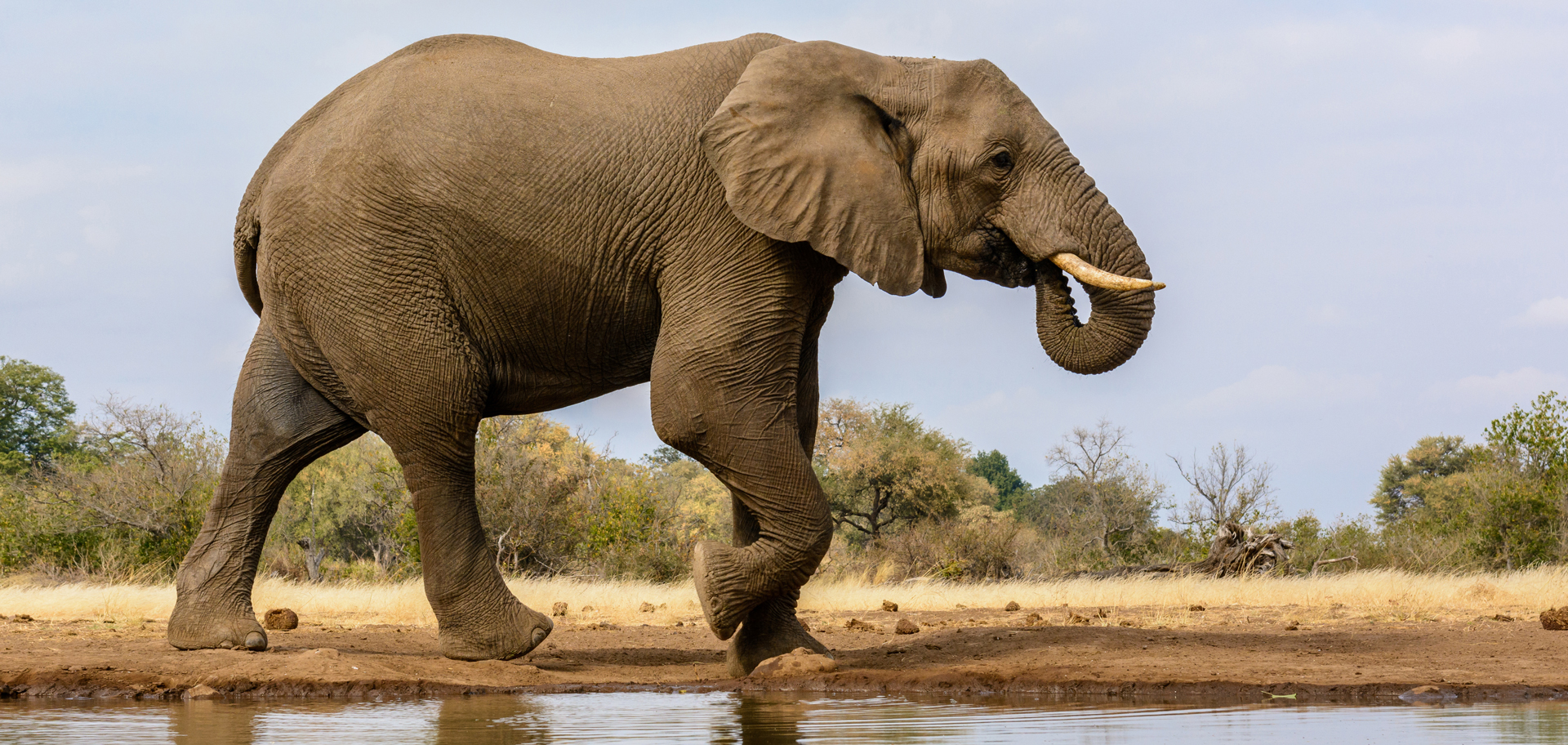
On the northern edge of Kenya’s Greater Maasai Mara, a powerful restoration effort is reshaping a once-degraded landscape. At Enarau Conservancy, eroded gullies are stabilizing, native trees are returning and wildlife is reappearing in areas where it has vanished. This recovery is driven by Monitoring Wildlife Recovery in Kenya’s Maasai Mara, an Earthwatch expedition grounded in community-led conservation, rigorous scientific research and hands-on support from participants.
Two local leaders stand at the center of this work: Field Team Leader Harrison Nabaala and Conservancy Manager Dalton Karia. Their combined expertise shows how science, community knowledge and local stewardship are restoring one of Kenya’s most important wildlife corridors.
HARRISON’S STORY: GROWING UP IN THE MARA
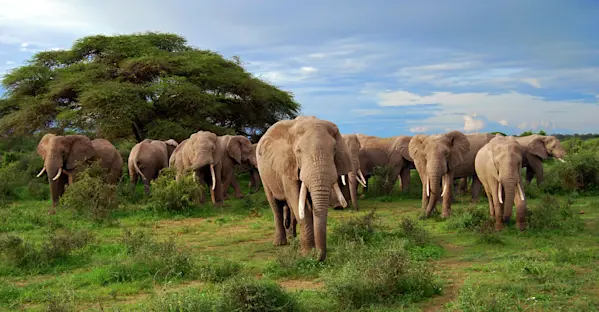
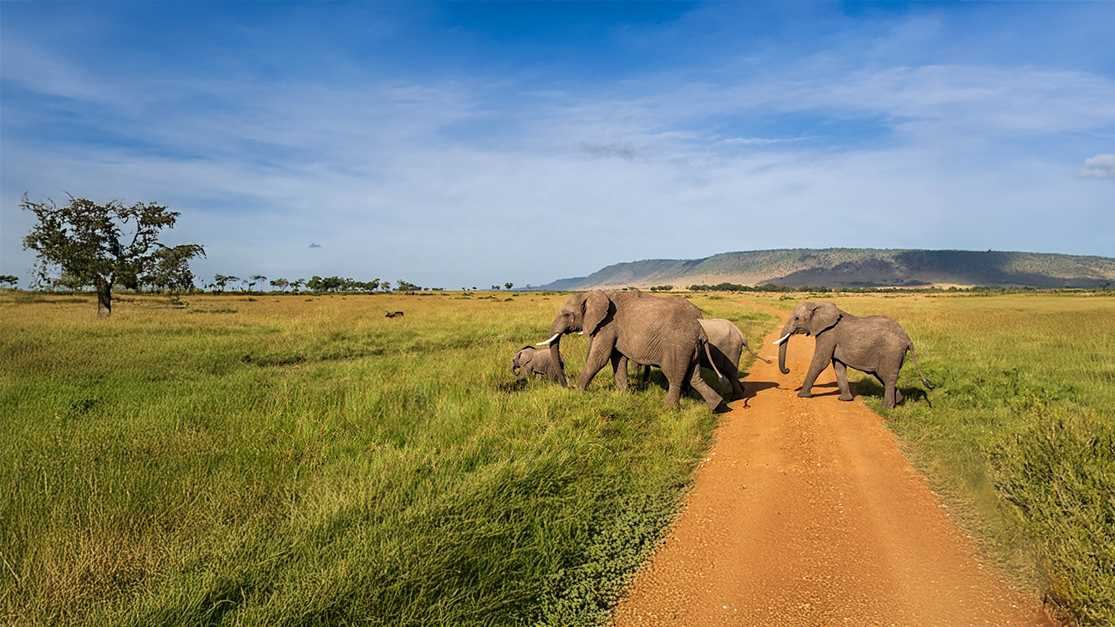
“I grew up in the Mara,” Harrison says. “On my way to school, I’d meet giraffes, zebras—even elephants—on the same paths we used.”
But years of illegal logging, charcoal burning and habitat loss pushed wildlife away and degraded the land he loved. Harrison, his father Mokona ole Nabaala and family friend Neil Anthony envisioned a different future—one where wildlife and the Maasai community could thrive together. That vision became Enarau Conservancy, now a key anchor for wildlife habitat in the northern Mara.
After earning a master’s degree in environmental engineering, Harrison returned home to help restore the land. When Earthwatch began developing a long-term research project at Enarau, he joined their team of scientists as a field team leader.
“This land raised me; restoring it is personal,” Harrison says.
DALTON’S PERSPECTIVE: CONSERVATION AND COMMUNITY IMPACT
Dalton ensures the project strengthens the community that depends on the land. “Enarau Conservancy has transformed our community,” he explains. “It has created income through land leases, stable jobs, access to clean water and training in conservation and leadership.”
As habitat improves, so does local well-being:
—healthy grasslands now support more wildlife
—native forests are returning
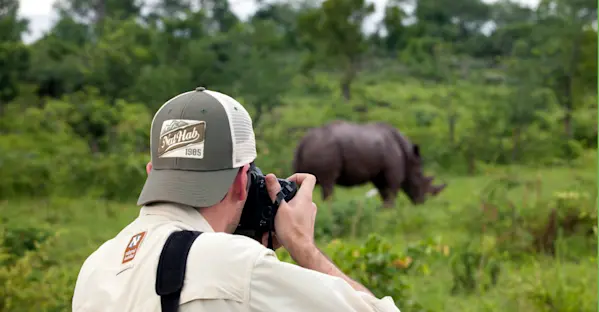
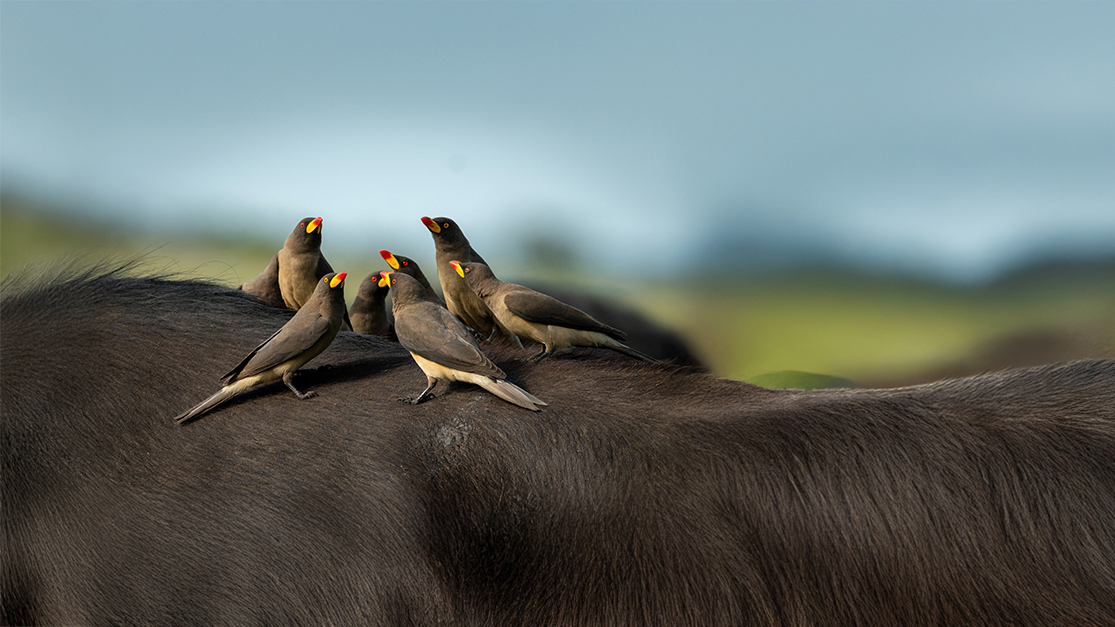
—buffalo, zebras, antelope, warthogs and rare caracals have reappeared
—illegal logging and charcoal production have sharply declined
“People now see wildlife and healthy ecosystems as assets. That shift alone is a victory,” remarks Dalton.
DAILY WORK: RESEARCH AND RESTORATION IN ACTION
Most field days begin before sunrise.
“By 6:30 am, we’re already conducting bird and vegetation surveys,” Harrison says. “Those mornings are magic—you hear species returning we haven’t heard in years.”
Afternoons focus on long-term ecological monitoring:
—wildlife camera trapping
—herbarium specimen collection
—mammal and butterfly counts
—ecological data entry and analysis
—managing thousands of native tree seedlings
“One memorable moment came during a nightly photo review. When a family of three caracals appeared on screen, the room erupted in cheers,” remarks Harrison.
HOW EARTHWATCH PARTICIPANTS DRIVE RESTORATION FORWARD
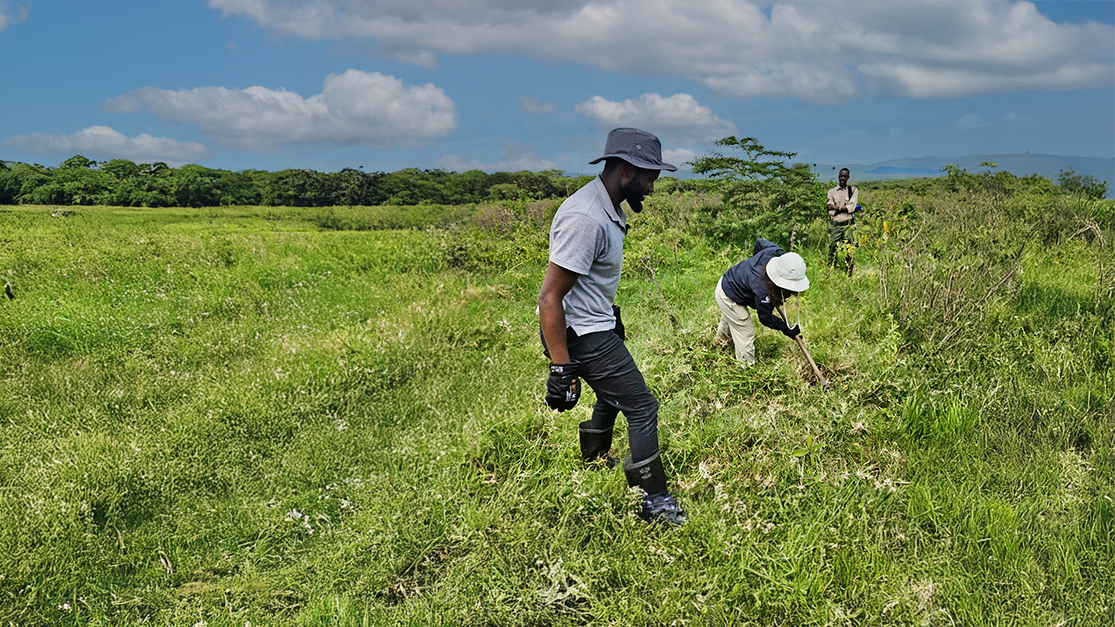
Earthwatch participants play an essential role in restoring Enarau Conservancy. Their work includes wildlife surveys, invasive plant removal, soil mixing, seed treatment and tree planting—all of which directly strengthen habitat recovery.
Participants also bring global visibility and boost community pride in what is being accomplished.
Dalton shares a story that illustrates this impact:
“A participant named Gabriella spent hours nipping seeds and potting seedlings while listening to gospel music. The 500+ seedlings she prepared are now thriving olive trees ready for planting. Her effort will restore entire sections of degraded land.”
VISIBLE RECOVERY: WILDLIFE AND HABITAT RETURNING
Restoration results are now clear across Enarau Conservancy:
—eroded gullies are regenerating
—indigenous trees are increasing
—wildlife sightings rise each season
—community members gain jobs and new skills
—cultural tourism during participant recreation days supports local artisans and youth
“It’s rewarding to watch animals return to places they had abandoned. It tells us restoration is working,” says Harrison.
Dalton adds, “It’s not just the land that’s healing—our community is gaining confidence and hope for future generations.”
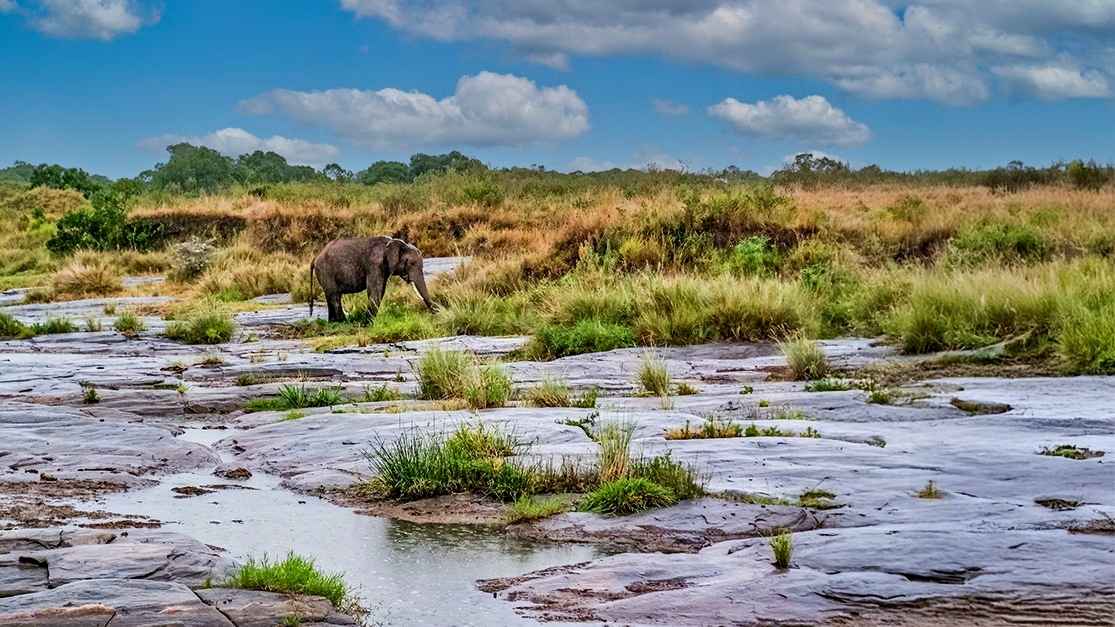
SHARED VISION: THE FUTURE OF ENARAU CONSERVANCY
For Harrison, each wildlife sighting honors the legacy of his father and the early leaders of Enarau: “To walk in their footsteps while charting my own path is deeply meaningful.”
For Dalton, success means long-term sustainability: “A self-sustaining conservancy where people and wildlife thrive together—where the community drives restoration.”
Together, they describe their mission as “research and restore with purpose.”
FOR FUTURE PARTICIPANTS: WHAT TO EXPECT IN THE FIELD
“Come ready to work with open eyes and open hands,” Harrison says. “Every bit of effort helps this landscape heal.”
And participants leave with more than photographs.
“You’ll remember the birds at first light, the surprise of a rare species on a camera trap and the pride of knowing you helped restore a vital ecosystem,” he says.
JOIN THE RESTORATION EFFORT IN KENYA’S GREATER MAASAI MARA
Restoration is working—but it depends on people willing to step in and help it continue.
If you want to support community-led conservation and strengthen wildlife habitat, join Monitoring Wildlife Recovery in Kenya’s Maasai Mara.