Good Nature Travel Blog

  • Nature & Wildlife

    Greenland Tipping Points: Past, Present and Future

    Sep 29, 2026 · Candice Gaukel Andrews

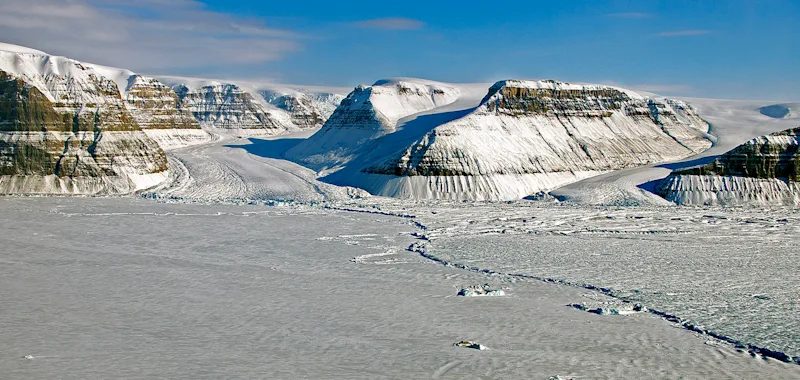
    On August 4, 2026, a Manhattan-sized ice island broke away from Greenland’s Petermann Glacier after years of progressing fractures had weakened its floating ice tongue. This Arctic iceberg will now be tracked as it drifts, breaks apart and potentially affects shipping routes.
  • Nature & Wildlife

    Butterfly Benefits and Insect Issues

    Sep 1, 2026 · Candice Gaukel Andrews

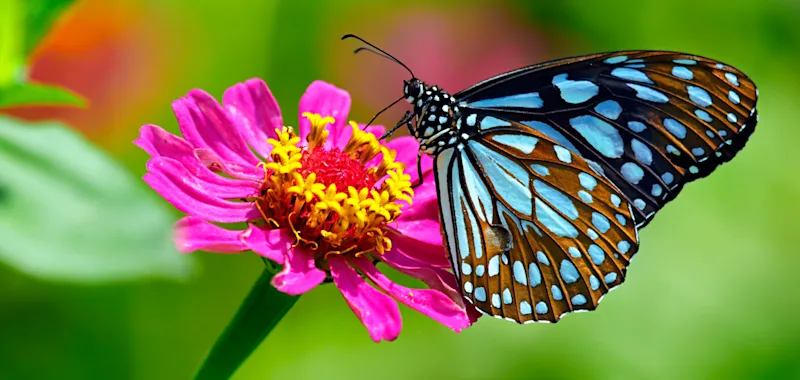
    While I have never considered insects my favorite category of fauna, I have to admit that some “fun facts” about them intrigue me. For example, ants can lift and carry more than 50 times their own weight. While gathering food, a bee may fly up to 60 miles in one day.

  • Nature & Wildlife

    Deserts: Energy, Evolution and Eventual Rain

    Aug 11, 2026 · Candice Gaukel Andrews

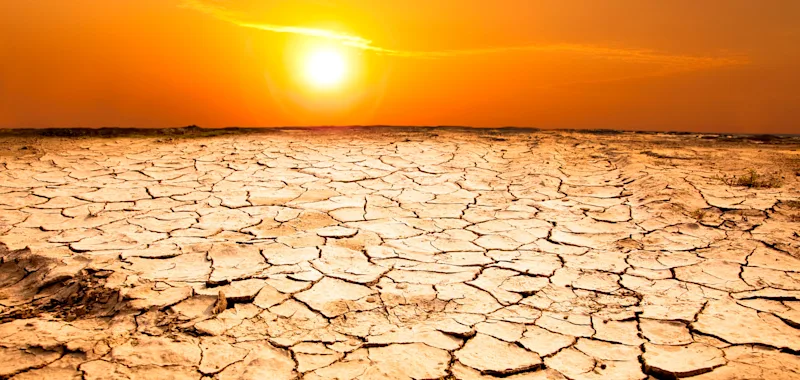
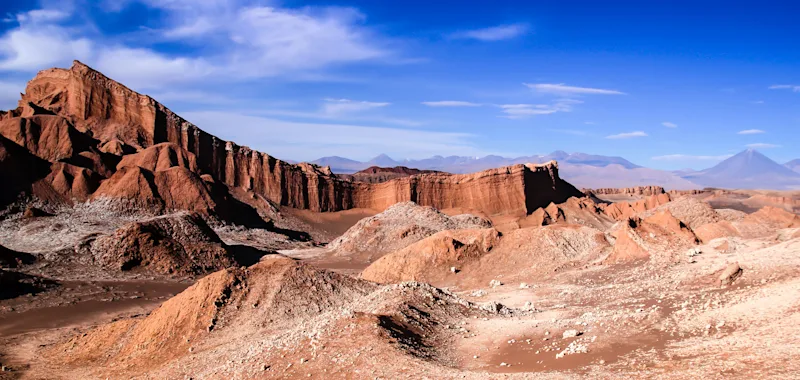
    Deserts are far from the lifeless, slow-growing and always arid places they’re often depicted to be. For example, even in Chile’s ultradry Atacama Desert, tiny soil-dwelling nematodes (roundworms) are thriving in surprising diversity.

  • Conservation

    Sustainability Goals and How We Can Achieve Them

    Jun 23, 2026 · Candice Gaukel Andrews

    We may already be living far beyond what the Earth can sustainably support, suggests the writers of a brand-new study, who analyzed more than 200 years of environmental and population data. They found that while population growth once fueled expansion and innovation, the trend shifted decades ago as the planet’s resources became increasingly strained.

  • Conservation

    Savoring and Saving Summer Beaches

    Jun 9, 2026 · Candice Gaukel Andrews

    Summer will arrive soon, and that means that a lot of you will be thinking about a sunny beach vacation.

  • Nature & Wildlife

    People Making Positive Change for the Planet

    May 19, 2026 · Candice Gaukel Andrews

    More-than-human animals predate humans on Earth by approximately 500 million to more than 800 million years. While modern humans (Homo sapiens) have existed for only about 300,000 years, the first animal life (likely sponges) appeared in the ocean hundreds of millions of years prior to the human lineage.

  • News & More

    2025 Is the Earth’s Third Hottest Year: Glaciers, Mountains and Oceans

    May 12, 2026 · Candice Gaukel Andrews

    The year 2025 finished as the third hottest globally (behind 2024 and 2023), according to reports from NASA (National Aeronautics and Space Administration), NOAA (National Oceanic and Atmospheric Administration) and WMO (World Meteorological Organization).

  • Conservation

    Earth Day 2026: Our Power, Our Planet

    Apr 14, 2026 · Candice Gaukel Andrews

    The theme for the 56th annual Earth Day, April 22, 2026, is “Our Power, Our Planet.” According to the official Earth Day website, “it emphasizes collective action, community mobilization and the role of individuals in defending environmental protections, accelerating the transition to clean energy and ensuring a sustainable future.”

  • Nature & Wildlife

    Rains and Renewable Energy

    Mar 31, 2026 · Candice Gaukel Andrews

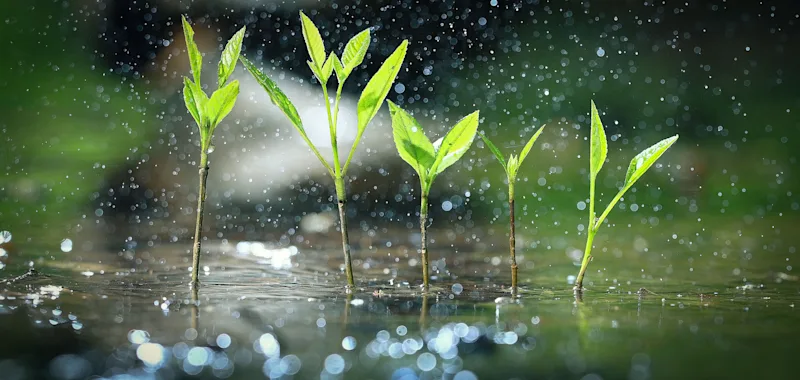
    Rain can be thought of as a common weather phenomenon, but it plays a vital role in keeping the Earth’s ecosystems running and our lives healthy. Whether it’s a mild drizzle or a heavy downpour, rain affects the environment, shapes landscapes and even influences our emotions. Rain, though, has some lesser-known and surprising facets.

  • Nature & Wildlife

    Life Goes On in Earth’s Most Extreme Environments

    Mar 24, 2026 · Candice Gaukel Andrews

    “Life finds a way.” That’s a now-famous statement from Dr. Ian Malcolm, a fictional character played by actor Jeff Goldblum in the 1993 movie Jurassic Park.

  • Conservation

    Coffee, a Climate-Change Fix and a Green Fuel

    Mar 10, 2026 · Candice Gaukel Andrews

    Do you crave a cup of coffee in the morning like I do? We’re not alone. Globally, people drink more than 2.2 billion cups daily. And someone has to grow all that joe: more than 100 million farmers worldwide produce coffee.

  • Nature & Wildlife

    Orangutans Show Us a Better Way of Eating

    Jan 20, 2026 · Candice Gaukel Andrews

    How are you progressing on your New Year’s resolutions? If you’re like most people, you gave up on them surprisingly fast, with the second Friday in January often called “Quitter’s Day,” because many abandon goals by then. By the second week of February, an estimated 80% of people have scrapped their ambitions.