

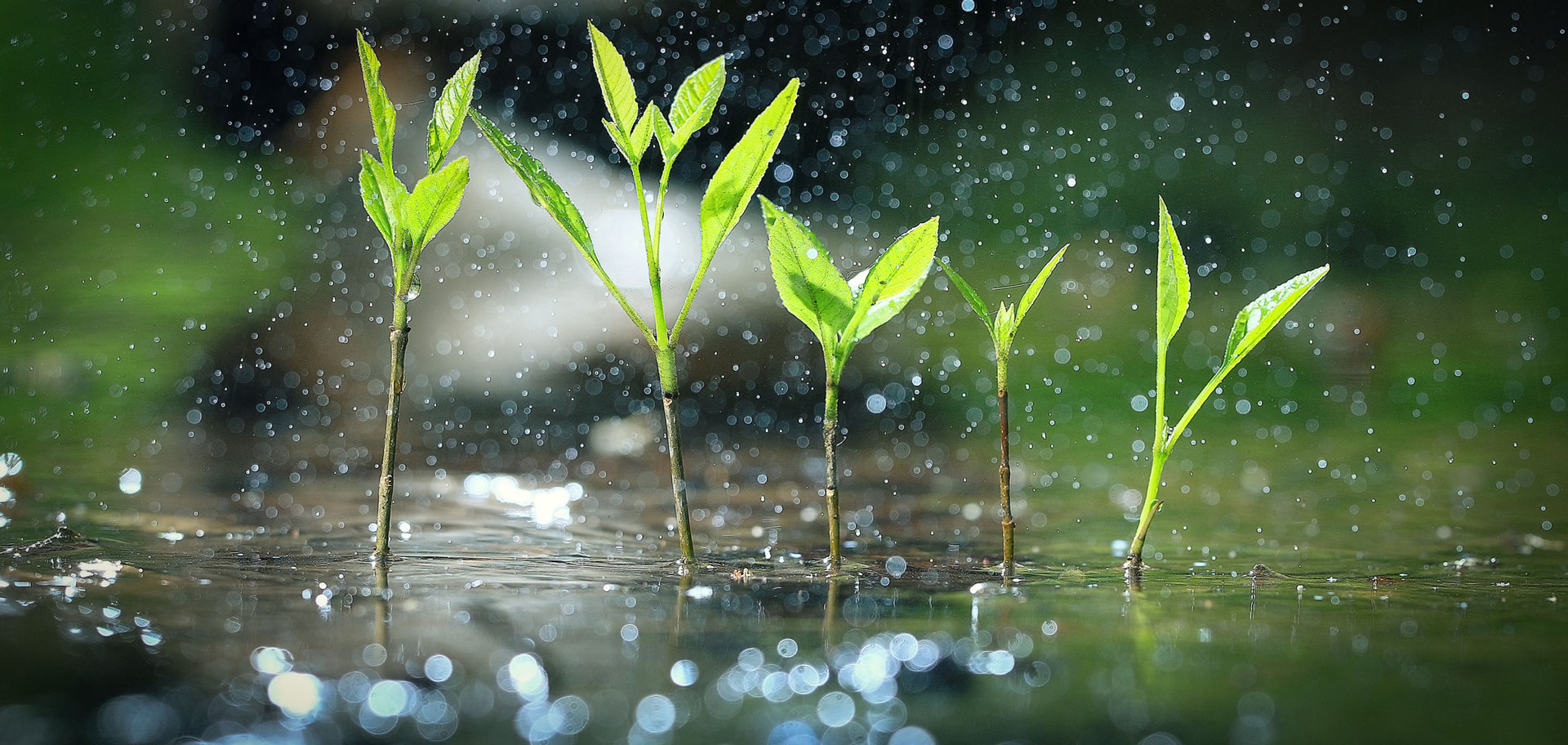
Whether it’s a mild drizzle or a heavy downpour, rain affects our environment in several ways, shaping landscapes, ecosystems and even human emotions.
Rain can be thought of as a common weather phenomenon, but it plays a vital role in keeping the Earth’s ecosystems running and our lives healthy. Whether it’s a mild drizzle or a heavy downpour, rain affects the environment, shapes landscapes and even influences our emotions.
Rain, though, has some lesser-known and surprising facets. For example, rainfall from tropical cyclones along the U.S. Gulf Coast and Florida has a close relationship with dust plumes transported from the Sahara Desert in Africa. And while reduced precipitation accounted for 39% of a recent drought in the American West, higher temperatures that resulted from anthropogenic climate change caused evaporation to be responsible for the lion’s share—61%—of the drought’s severity.
Rainfall is also now being seen as a way to create clean energy. When two materials come into contact, charged entities on their surfaces get a little nudge. This is how rubbing a balloon on the skin creates static electricity. Likewise, water flowing over some surfaces can gain or lose a charge. Now, researchers have harnessed this knowledge to generate electricity from rain-like droplets moving through a tube. And a novel, floating, droplet electricity generator is redefining how rain can be harvested as a clean power source by using the water itself as both an electrode and a structural support.

New research shows a previously unknown relationship between hurricane rainfall in the U.S. and Saharan dust plumes.
How Saharan dust regulates rainfall
Giant plumes of Sahara Desert dust that gust across the Atlantic can suppress hurricane formation over the ocean and affect weather in North America. But thick dust plumes can also lead to heavier rainfall—and potentially more destruction—from storms at landfall.
Hurricanes are among the most destructive weather phenomena on Earth, and even relatively weak hurricanes can produce heavy rains and flood areas hundreds of miles inland. Surprisingly, the leading factor controlling hurricane precipitation is not, as traditionally thought, humidity in the atmosphere or sea surface temperature. Instead, it’s Sahara dust.
While previous scientific studies have found that Saharan dust transport may decline dramatically in the coming decades, hurricane rainfall will likely increase due to human-caused climate change. However, uncertainty remains around the questions of how climate change will affect outflows of dust from the Sahara and how much more rainfall we should expect from future hurricanes. We also don’t fully understand the complex relationships among Saharan dust, ocean temperatures and hurricane formation, intensity and precipitation. Filling in those gaps will be critical to anticipating and mitigating the impacts of climate change.
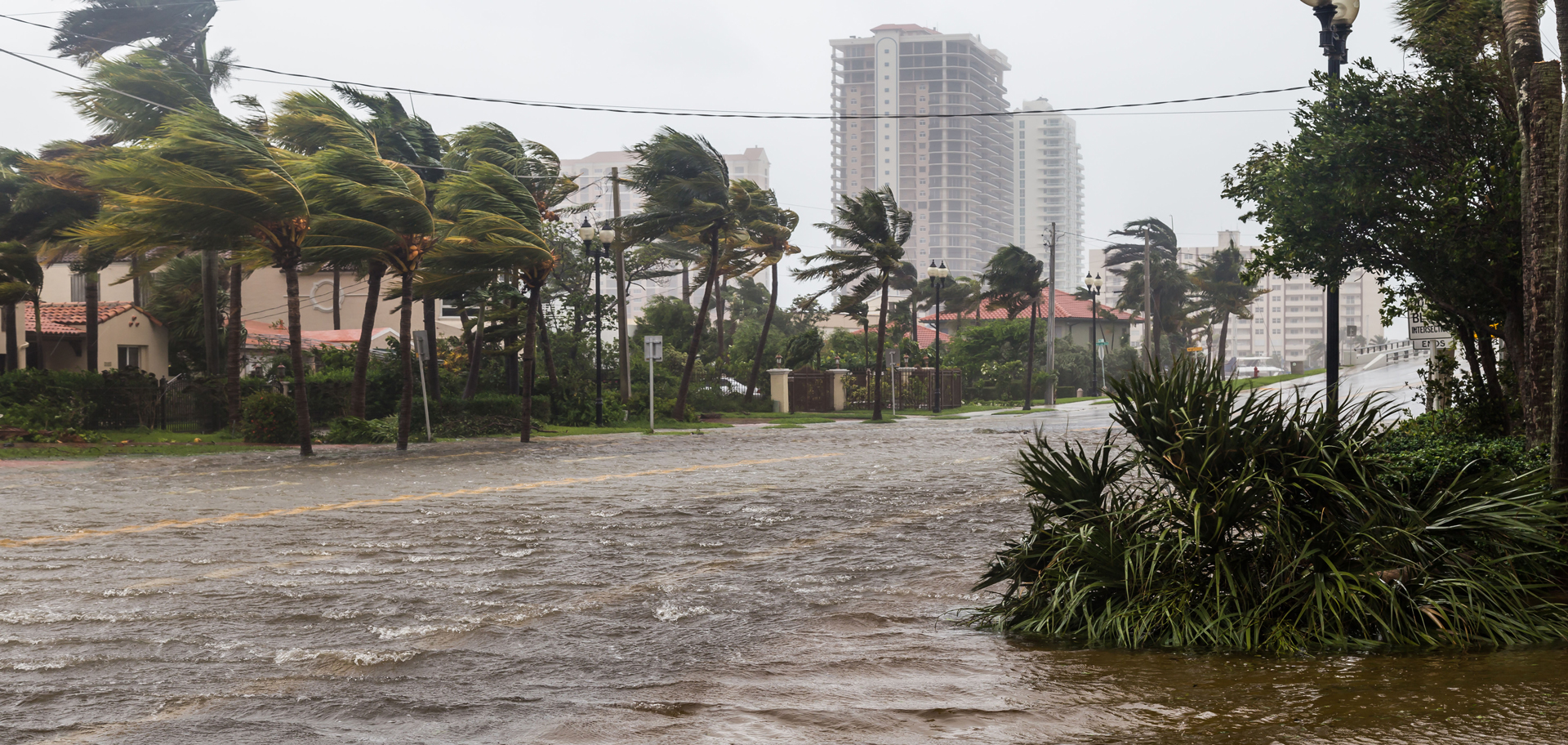
Hurricanes are among the most destructive weather phenomena on Earth, and even relatively weak hurricanes can produce heavy rains and floods hundreds of miles inland.
In a study published in the journal Science Advances in July 2024, scientists from California’s Stanford University explain that dust can have competing effects on tropical cyclones, which are classified as hurricanes in the North Atlantic, central North Pacific and eastern North Pacific when maximum sustained wind speeds reach 74 miles per hour or higher. A dust particle can make ice clouds form more efficiently in the core of the hurricane, which can produce more precipitation, an effect called “microphysical enhancement.” Dust can also block solar radiation and cool sea surface temperatures around a storm’s core, which weakens the tropical cyclone.
The researchers set out to first develop a machine-learning model capable of predicting hurricane rainfall and then identifying the underlying mathematical and physical relationships. They used 19 years of meteorological data and hourly satellite precipitation observations to predict rainfall from individual hurricanes. The results showed that a key predictor of rainfall is dust optical depth, a measure of how much light filters through a dusty plume. They revealed a boomerang-shaped relationship in which rainfall increases with dust optical depths between 0.03 and 0.06 and sharply decreases thereafter. In other words, at high concentrations, dust shifts from boosting to suppressing rainfall.
The Stanford University scientists conclude that for conventional weather predictions—especially hurricane predictions—dust hasn’t received sufficient attention.

The American West is currently experiencing a 23-year dry period, often called a “megadrought,” making it the driest period here in more than a millennium. As of 2025, roughly 65% of the region was in drought.
How even without rainfall deficits, the American West remains parched
From 2020 to 2022, higher temperatures caused by anthropogenic climate change made an ordinary drought into an exceptional one that parched the American West. In a study that was published in the journal Science Advances in November 2024 and conducted by National Oceanic and Atmospheric Administration (NOAA) and University of California, Los Angeles, (UCLA) climate scientists, it was found that evaporation accounted for 61% of the drought’s severity, while reduced precipitation only accounted for 39%. That means that evaporative demand has played a bigger role than reduced precipitation in droughts since 2000, suggesting that they will become more severe as the climate warms.
While former research has shown that warmer temperatures contribute to drought, it’s believed that this is the first study to indicate that moisture loss due to evaporative demand is greater than the moisture loss due to lack of rainfall. Historically, drought in the West has been caused by a lack of precipitation, and evaporative demand has played a small role. But climate change caused by the burning of fossil fuels has resulted in higher average temperatures that complicate this picture. While drought that’s induced by natural fluctuations in rainfall still exist, there’s now more heat to suck moisture from bodies of water, plants and soil.
A warmer atmosphere holds more water vapor before the air mass becomes saturated, allowing water to condense and precipitation to form. To rain, water molecules in the atmosphere need to come together. Heat keeps water molecules moving and bouncing off each other, preventing them from condensing. This creates a cycle in which the warmer the planet gets, the more water will evaporate into the atmosphere—but the smaller fraction will return as rain. Therefore, droughts will last longer, cover wider areas and be even drier with every little bit that the planet warms.
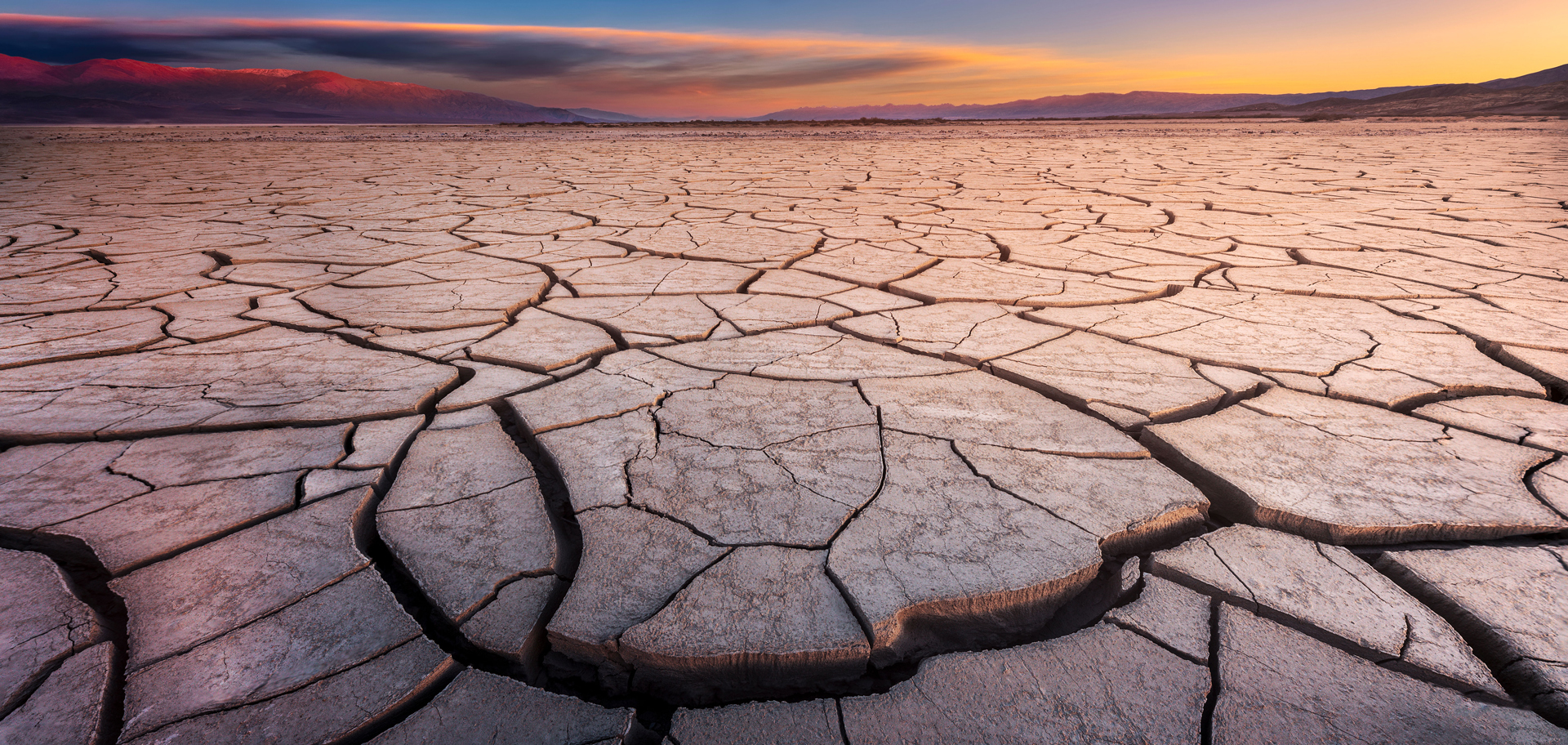
For generations, droughts had been associated with a lack of rains. But we’ve entered a new paradigm where rising temperatures are leading to intense droughts, with precipitation as a secondary factor.
To study the effects of higher temperatures on droughts, the researchers looked at observational data over a 70-year period and separated “natural” droughts due to changing weather patterns from those resulting from human-caused climate change. Previous studies have used climate models that incorporated increasing greenhouse gases to conclude that rising temperatures contribute to drought. But without observational data about real weather patterns, they could not pinpoint the role played by evaporative demand due to naturally varying weather patterns.
When these natural weather patterns were included, the researchers were surprised to find that climate change has accounted for 80% of the increase in evaporative demand since 2000. During the drought periods, that figure increased to more than 90%, making climate change the single biggest driver increasing drought severity and expansion of the drought area since 2000.
Compared to the 1948 to 1999 period, the average drought area from 2000 to 2022 increased 17% over the American West due to an increase in evaporative demand. Since 2000, in 66% of the historical and emerging drought-prone regions, high evaporative demand alone can cause drought, meaning drought can occur even without a precipitation deficit. Before 2000, that was only true for 26% of the area.
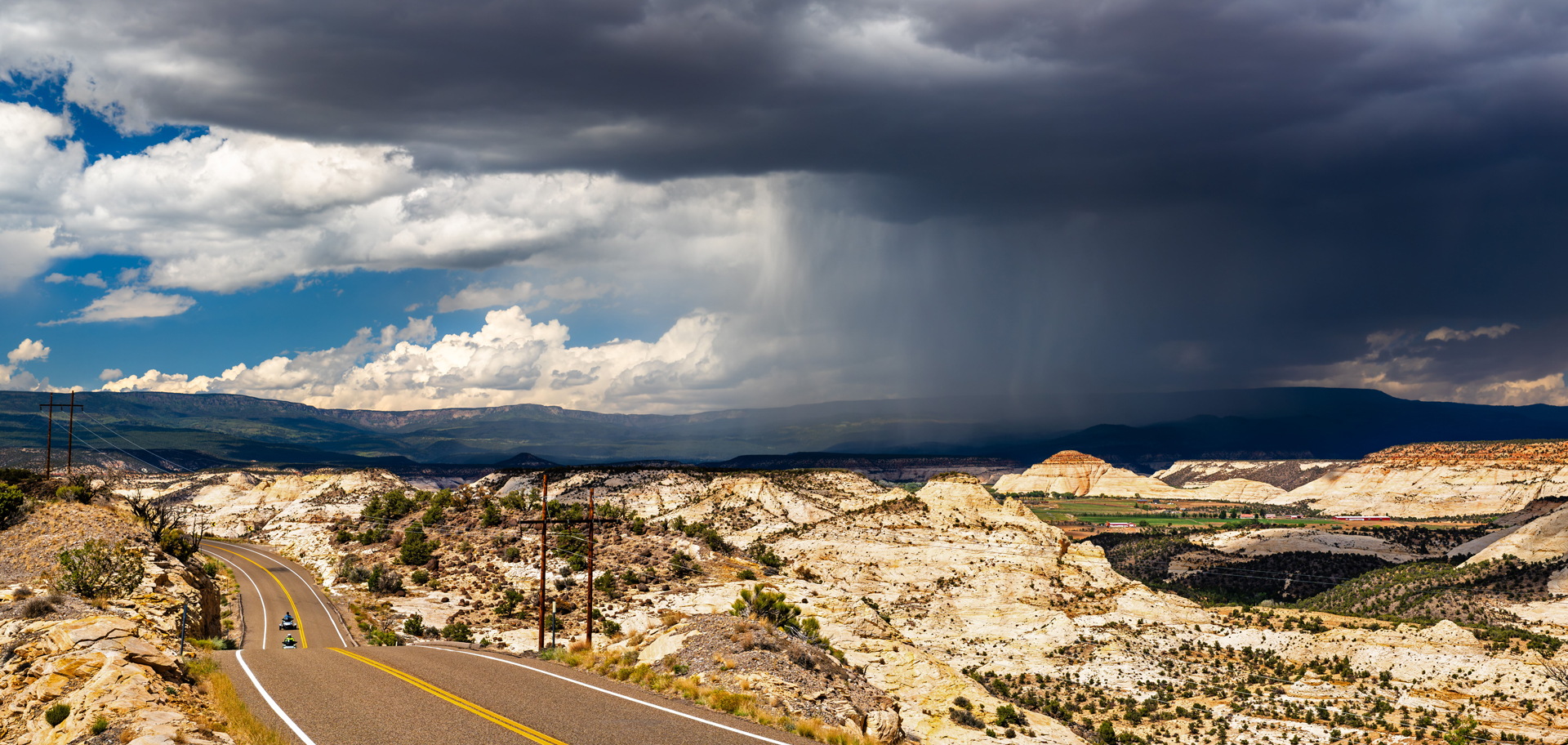
Even if precipitation is normal, we can still have droughts because increased temperatures have created a “thirstier” atmosphere, and there simply isn’t enough water to keep pace. Since 2000, evaporative demand has played a bigger role than reduced precipitation in droughts, which may worsen as the climate warms.
Further climate model simulations corroborated these findings. That leads to projections that greenhouse gases from burning fossil fuels will turn droughts like the one from 2020 to 2022 from exceedingly rare events occurring every 1,000 years to events that happen every 60 years by the mid-21st century and every six years by the late-21st century. The only way to prevent this, say the NOAA and UCLA scientists, is to stop temperatures from increasing, which means we must stop emitting greenhouse gases.
How falling rainwater could provide clean energy
When running water moves a turbine, it generates electricity. However, hydroelectricity is constrained to locations with large volumes of water, like rivers. For smaller and slower quantities of water, an alternative is to harness “charge separation,” a process that produces electrical charges as water moves through a channel with an electrically conductive inner surface.
But charge separation is extremely inefficient because it is restricted to the surface that the water moves over. Scientists have tried to improve its efficiency by making more surface area available through micro- or nanoscale channels for a continuous stream of water. However, water doesn’t naturally pass through such tiny channels; and if pumped, it requires more energy than what gets generated. So, researchers from the National University of Singapore attempted to produce electricity using larger channels that rainwater could pass through.
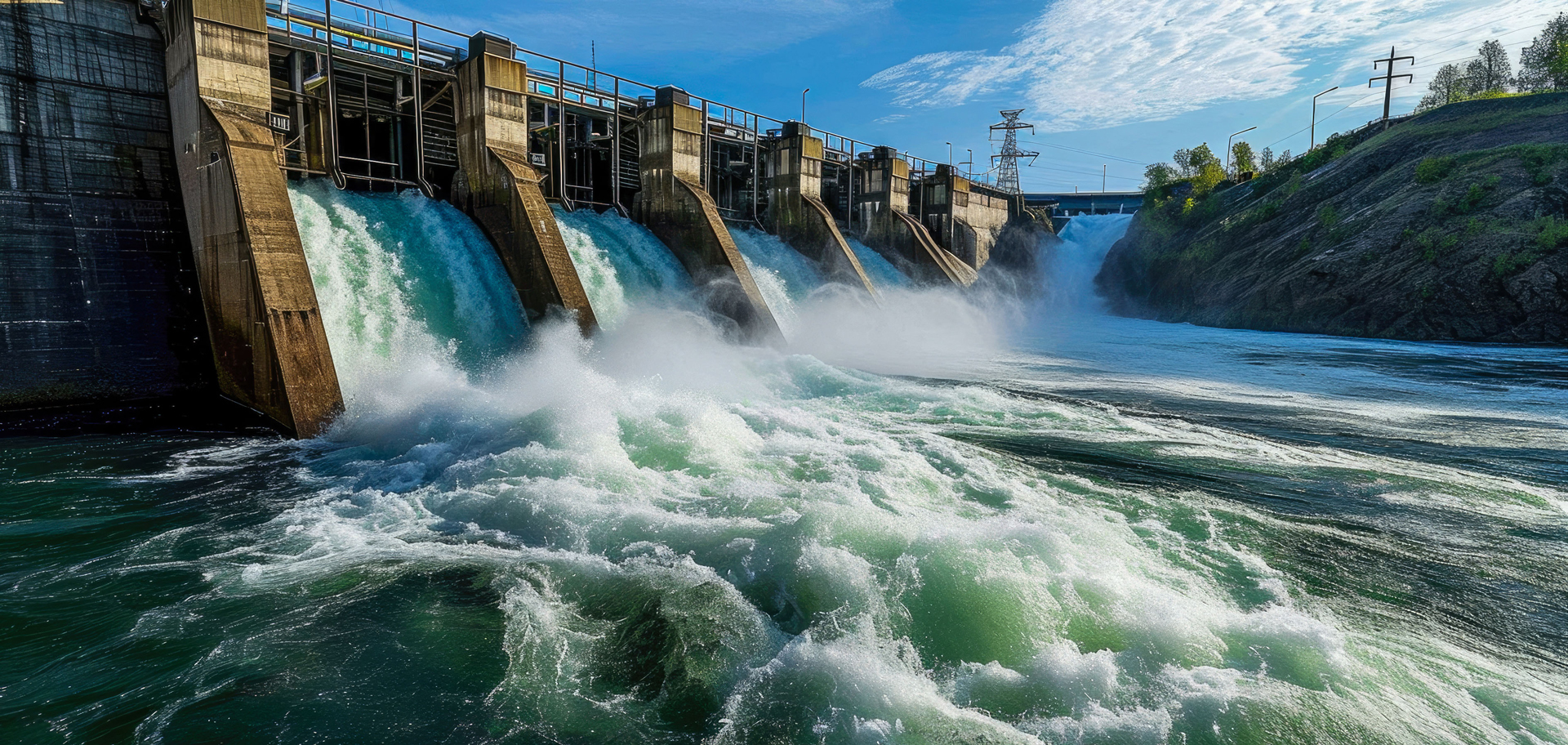
When running water moves a turbine, it generates electricity. However, hydroelectricity is constrained to locations with large volumes of water, like rivers.
The team designed a simple setup whereby water flowed out from the bottom of a tower through a metallic needle and spurted rain-sized droplets into the opening of a 12-inch-tall and 0.07-inch-wide, vertical, polymer tube. The head-on collision of the droplets at the top of the tube caused a “plug flow”: short columns of water interspersed with pockets of air. As water ran down the inside of the tube, electrical charges separated. The water was then collected in a cup below the tube. Wires placed at the top of the tube and in the cup harvested the electricity.
The plug flow system converted more than 10% of the energy of the water falling through the tubes into electricity. Compared to water flowing in a continuous stream, plug flow produced five times more electricity. And because the droplet speeds tested were much slower than rain, the researchers suggest the system could be used to capture electricity from falling raindrops.
In another experiment, the researchers observed that moving water through two tubes, either simultaneously or sequentially, generated double the energy. Using this information, they channeled water through four tubes, and the setup powered 12 LEDs (light-emitting diodes) continuously for 20 seconds. In their article published in the journal ACS Central Science in April 2025, the authors say that plug flow energy could be simpler to set up and maintain than hydroelectric power plants, and it could be convenient for urban spaces, such as rooftops.

A “plug flow system” converts water falling through tubes into electricity. Compared to water flowing in a continuous stream, plug flow produces five orders of magnitude more electricity. By channeling water through four tubes, researchers powered 12 LEDs continuously for 20 seconds.
How a raindrop generator could also monitor the environment
As we’ve seen, raindrops are more than a source of fresh water. They also carry mechanical energy that reaches the ground for free, and scientists have come up with another idea about how to turn that energy into electricity.
Droplet electricity generators (DEGs) are devices that convert the kinetic energy of impacting water droplets (like rain) into electrical power using a dielectric film to store charges. A dielectric film is a thin layer of an electrically insulating material—such as polymers, silicon dioxide or silicon nitride—used in electronics to prevent current flow, store charge in capacitors and passivate surfaces. Traditional DEGs, however, often struggle with heavy components, low efficiency and limited potential for scaling up. Now, a research team from China’s Nanjing University of Aeronautics and Astronautics has developed a solution: a floating droplet electricity generator that uses natural water as part of its structure. The result is a more affordable, lighter and more sustainable way to collect clean energy.
Most droplet electricity generators use a solid platform and a metal bottom electrode. When a raindrop hits the dielectric film on top, the impact produces an electrical signal. Although this approach can generate hundreds of volts, it relies on costly, rigid materials that limit widespread deployment. The new design takes a different approach by allowing the device to float on a water surface. In this setup, the water itself acts as the supporting base and as the conductive electrode. This nature-integrated configuration cuts the device’s weight by about 80% and lowers cost by about 50%, while maintaining similar electrical output compared to conventional systems.
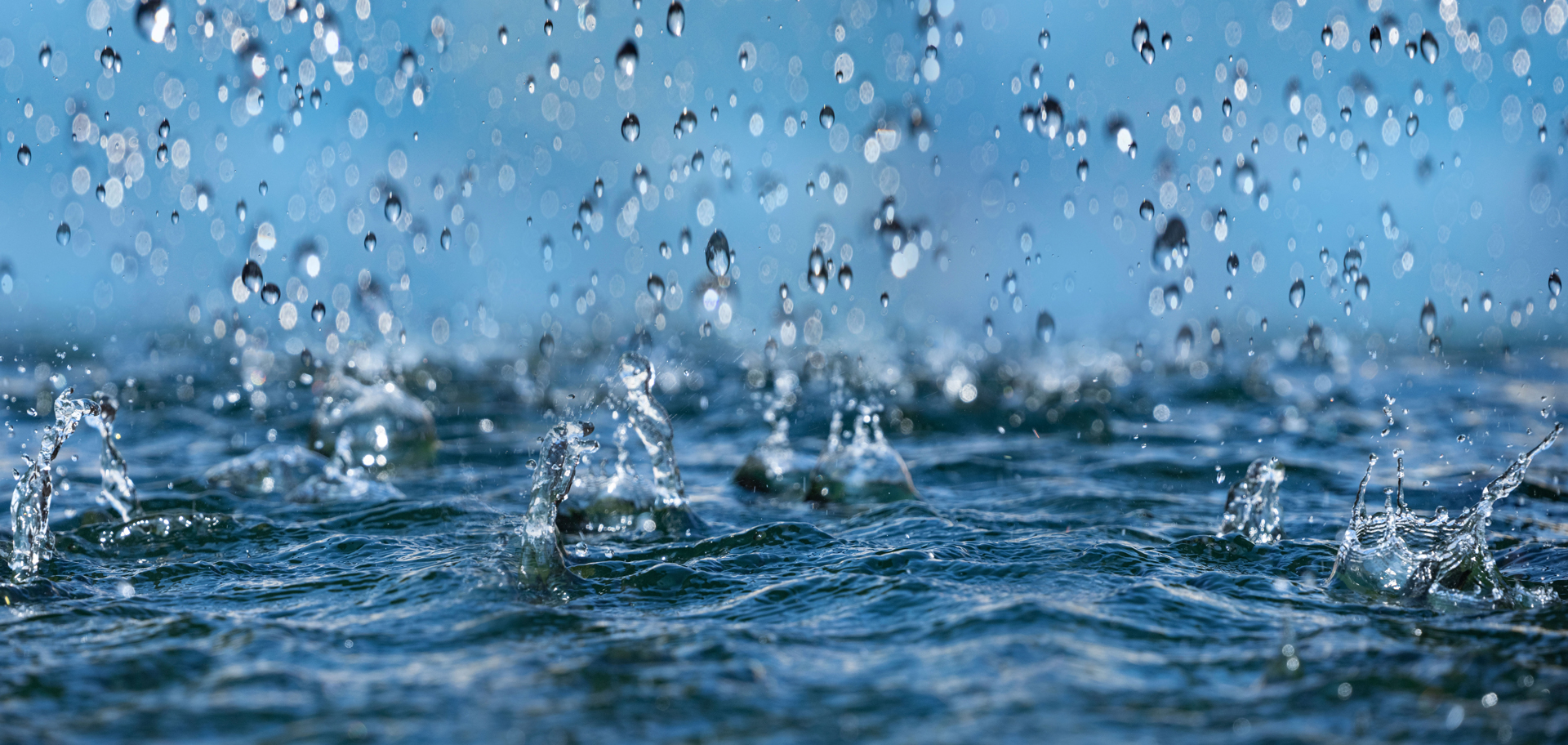
A raindrop that lands on dielectric film on a new, floating device spreads across the surface, while ions in the water act as charge carriers, allowing the water to operate as an electrode. Such a floating generator can deliver 250 volts per droplet, comparable to devices that rely on metal components and solid substrates.
When a raindrop lands on the floating dielectric film, the water beneath it provides the strength needed to absorb the impact because of its incompressibility and surface tension. This lets the droplet spread more effectively across the surface. At the same time, ions in the water act as charge carriers, allowing the water layer to operate as a dependable electrode. These combined effects enable the floating generator to deliver high peak voltages of around 250 volts per droplet, a performance level comparable to devices that rely on metal components and solid substrates.
Durability is a major advantage of the new system. Tests demonstrated that it continued to function under a wide range of salt levels, temperatures and even when exposed to natural lake water containing biofouling. Many energy-harvesting devices degrade in such environments, but this generator remained stable because its dielectric layer is chemically inert and its water-based structure is naturally resilient. To improve reliability further, the team used water’s strong surface tension to design drainage holes that let water move downward but not upward. This creates a self-regulating way to remove excess droplets and helps prevent water buildup that could interfere with performance.
Scalability is a promising aspect of this technology. The researchers created an integrated device measuring about three square feet and demonstrated that it could power 50 LEDs at the same time. The system also charged capacitors to useful voltages within minutes, showing its potential for powering small electronics and wireless sensors. With continued development, similar systems could be stationed on coastal waters, lakes or reservoirs, providing renewable electricity without using any land-based space.

A new hydrovoltaic system that integrates nature and floats naturally on water could also support environmental monitoring systems—sensors for pollution, salinity or water quality—in diverse aquatic settings.
The impact of this research goes beyond capturing energy from rainfall. Because the generator floats naturally on water, it could support environmental monitoring systems in diverse aquatic settings, including sensors for pollution, salinity or water quality. In areas with frequent rain, the technology could offer a distributed source of clean power for local grids or act as a resource for off-grid needs.
In their article published in the journal National Science Review in August 2025, the Nanjing University team states that although the laboratory results are encouraging, additional work is necessary before the technology can be used at large scales. Real raindrops vary in both size and speed, and these differences could influence power generation. Maintaining the durability of large dielectric films in dynamic outdoor conditions will also require further engineering. Even so, the successful demonstration of an efficient, scalable and stable prototype represents an important step toward practical applications.
How rain rejuvenates you
Rain is crucial for sustaining our existence on Earth. It supports vegetation and replenishes fresh water. Forests, grasslands and wetlands all depend upon rain to thrive. In agriculture, rainfall provides natural irrigation, introducing the moisture that plants need to develop. Farmers in many areas depend upon the seasonal cycle of rainfall for their livelihoods.
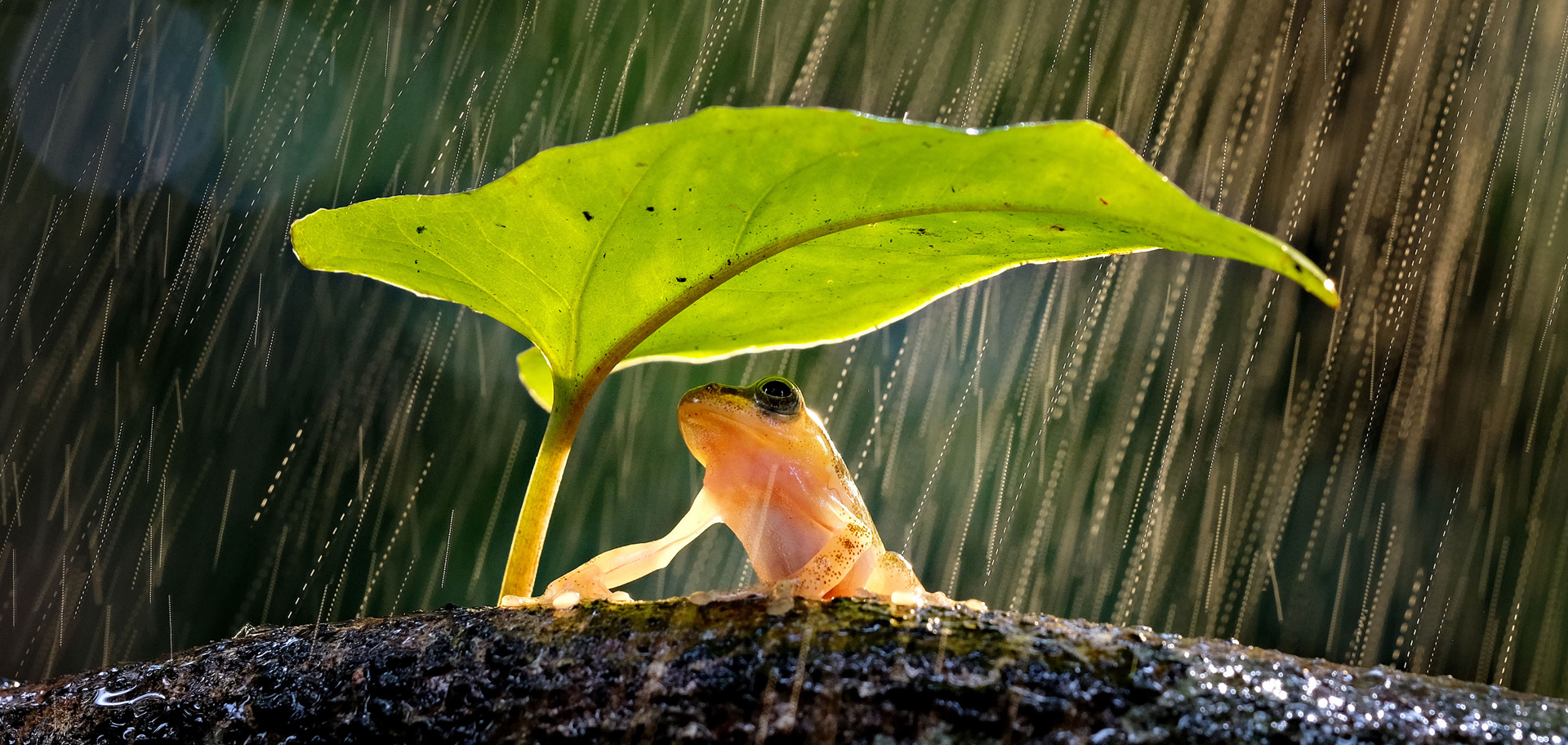
Rain is a vital force for sustaining life on Earth, driving the water cycle and providing the water necessary for agriculture, ecosystems and human consumption. Forests, grasslands and wetlands rely on regular rainfall to maintain their biodiversity, providing habitats for countless species.
Beyond those tangible benefits, however, rainy weather offers a reflective, serene and unique atmosphere that allows you to rest and rejuvenate. The soothing sounds and refreshing scents of rain provide a sense of cleansing, a fresh perspective and a feeling of deep connection to nature.
There’s not much else that can accomplish all of that.
Here’s to finding your true places and natural habitats,
Candy