

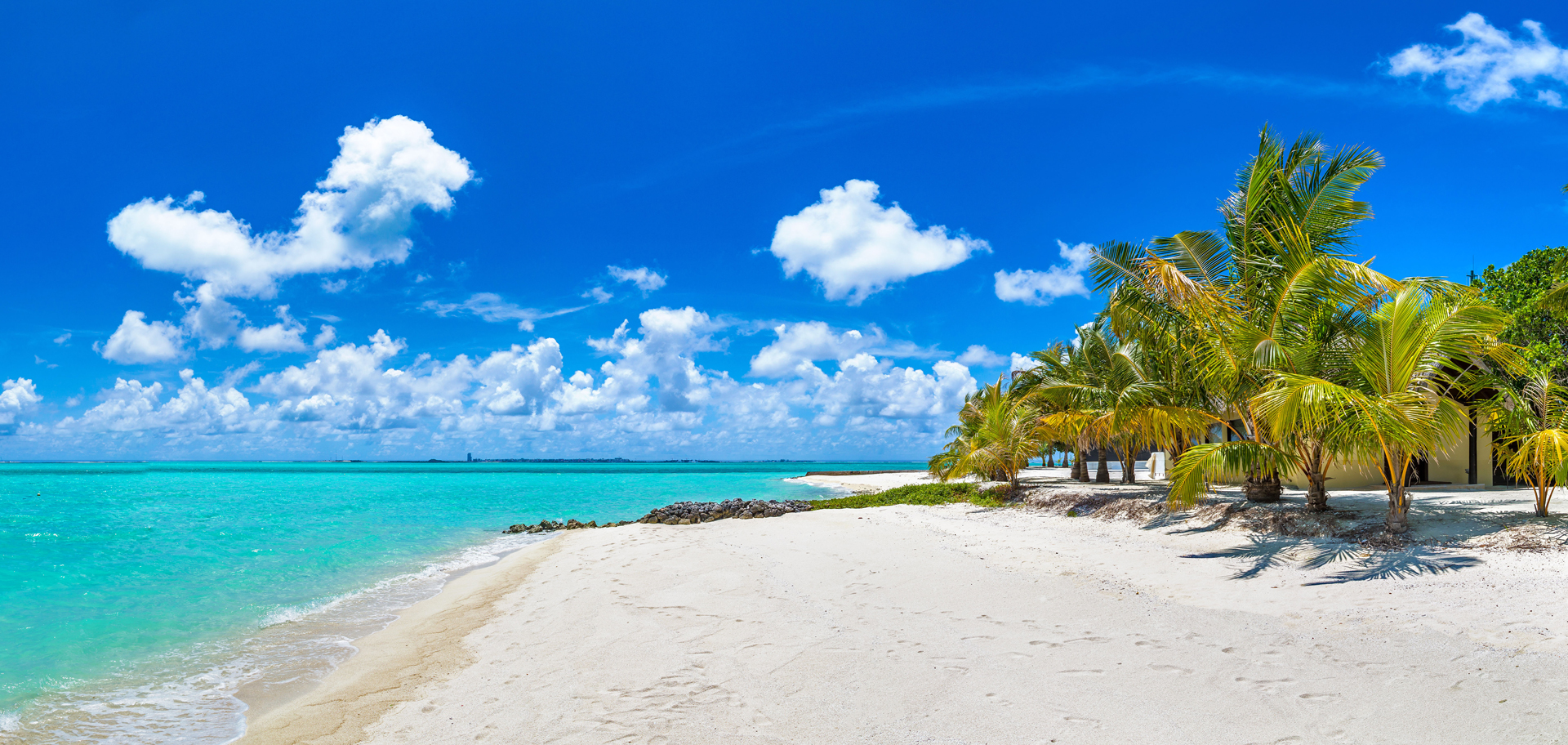
Beaches are vital, natural infrastructure that provide critical habitats for diverse wildlife, protect coastlines from storms and support coastal economies through tourism. We’re naturally drawn to beaches in summer for the sound of the waves and the warmth of the sun.
Summer will arrive soon, and that means that a lot of you will be thinking about a sunny beach vacation. Humans are instinctively drawn to the sun for its warmth and the natural production of mood-boosting vitamin D. Beaches also act as natural stress relievers; feeling the warmth of the sand, listening to the rhythmic crashing of waves and staring at the horizon can induce a mild, meditative state.
Unfortunately, beaches and coastlines are in trouble. They are becoming increasingly trapped between infrastructure and rising sea levels. Today, when dropped on a random beach anywhere in the world, you only need to walk 426 yards (on average) to find the nearest building or road. And while that short walking distance may seem convenient if you want to spend a day at the beach, it’s bad news for biodiversity, drinking water supplies and safe sea levels.
The beach walks of some of the others among us are also becoming more troublesome. Sargassum seaweed is creating major, new obstacles for sea turtle hatchlings, drastically slowing their crawls to the ocean and increasing their risks from heat and predators.
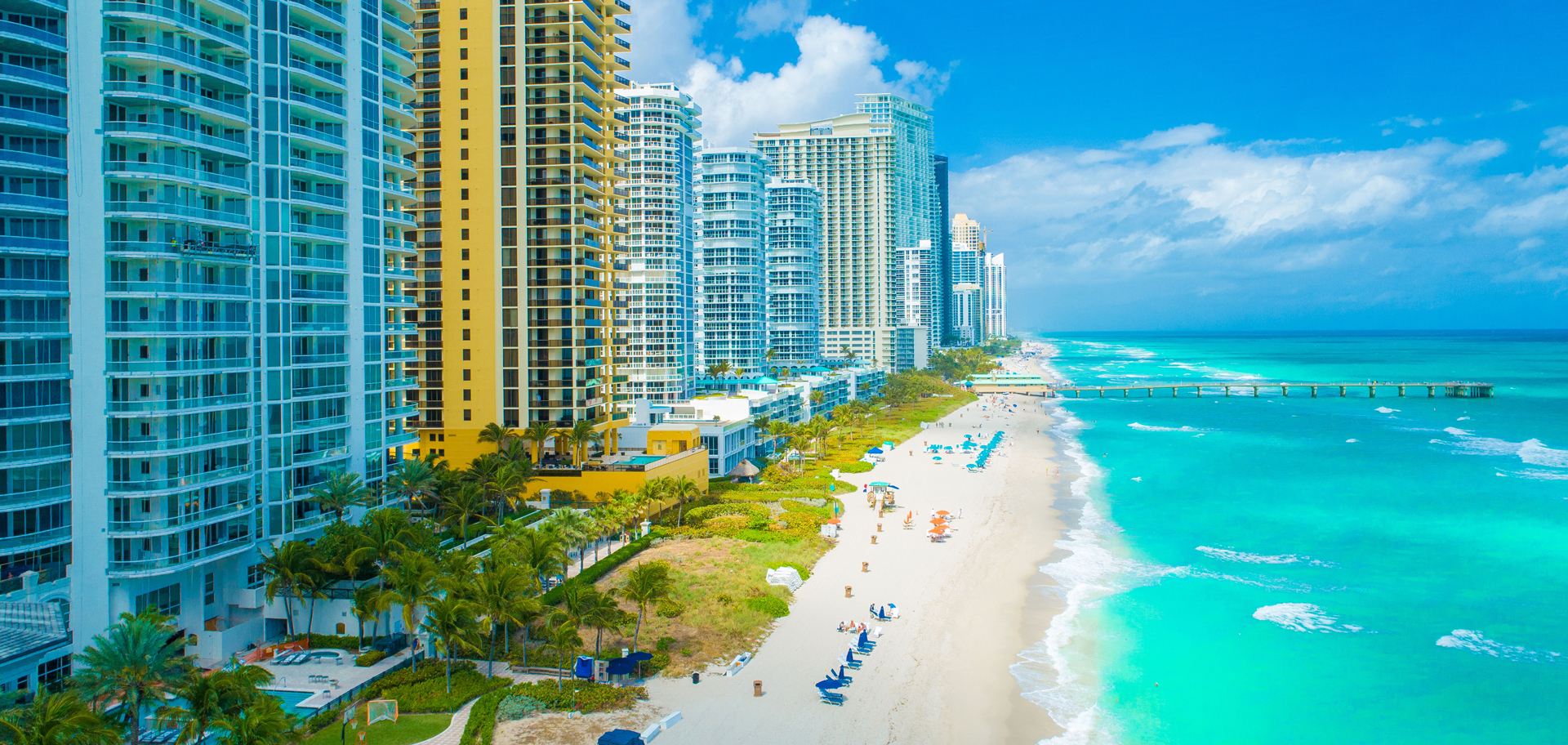
Beaches and dunes are becoming increasingly trapped between rising sea levels and developments.
We’re also just learning that beaches are potentially important but overlooked “sinks” in the global movement of plastic pollution. Plastic-coated fertilizers used on farms are emerging as a major but hidden source of ocean microplastics. Only a tiny fraction of plastic-coated fertilizers used on farms reaches beaches through rivers, while direct drainage from fields to the sea sends far more plastic back onto shore. Once there, waves and tides briefly trap the particles on beaches before many vanish again. This helps explain why so much plastic pollution seems to disappear after reaching the ocean.
Fortunately, nature-based solutions, like restoring mangroves, and hybrid solutions, such as some combination of hard structures and vegetation, protect vulnerable beaches and shorelines. And researchers are now proposing novel pathways through which coastal ecosystem restorations could permanently capture carbon dioxide (CO2) from the atmosphere and, in the process, generate monies for their upkeep.
Beaches are being squeezed by buildings and roads
Beaches and dunes are vital to society; they are an important source for our drinking water, protect us from flooding, act as critical habitats for numerous animal and plant species, and provide us with enjoyment and respite. When beaches and dunes are given enough space, they can fulfill all those functions. But, if dune areas become too narrow, drinking water extraction, natural flood protection and biodiversity become threatened. Yet beaches and dunes are increasingly squeezed by infrastructure on the one hand and rising sea levels on the other, write researchers from the Netherlands in the science journal Nature Communications in January 2024.
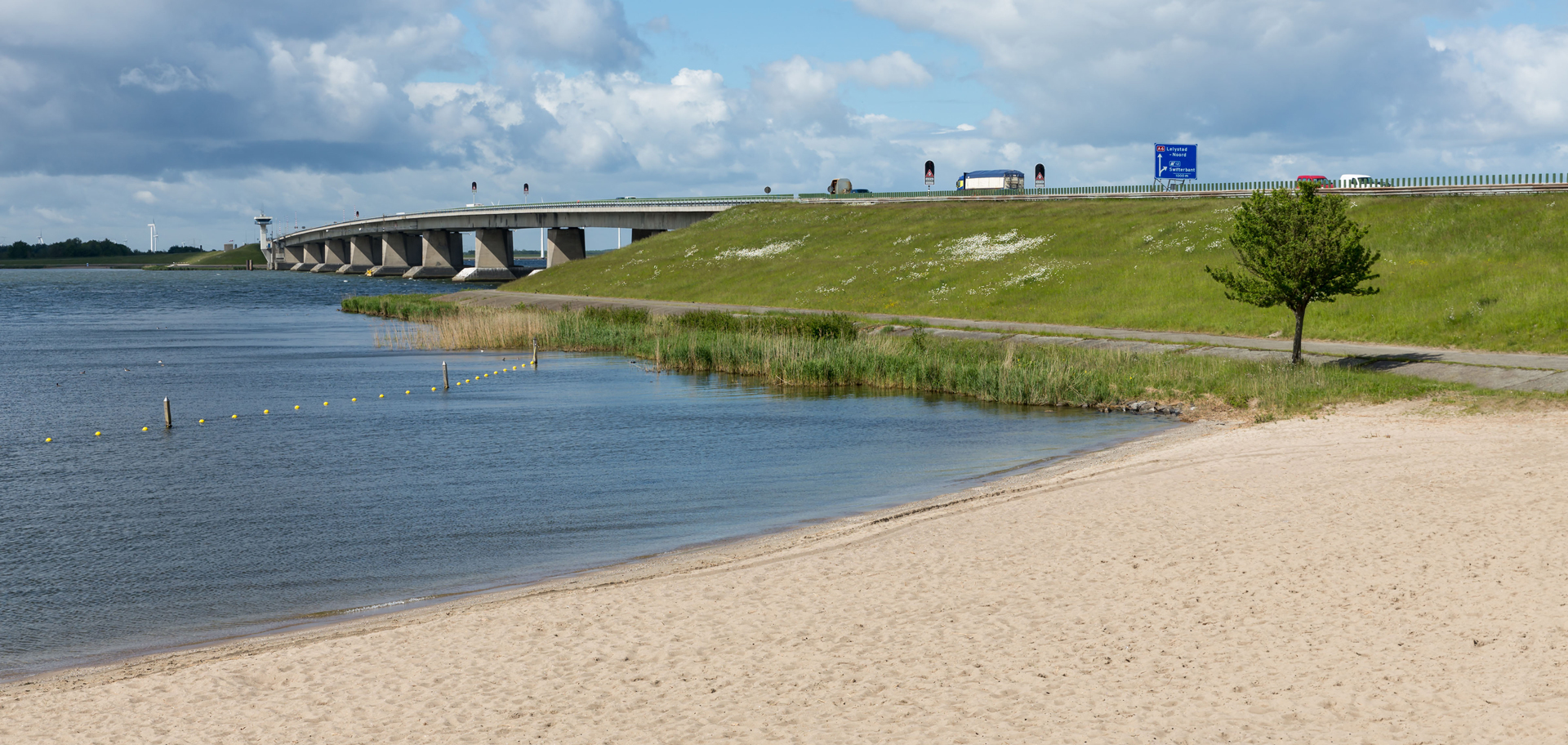
Human infrastructure is generally located very close to the sea. On average, the first building or paved road is found at 426 yards from the sea. In the densely populated Netherlands, the distance drops to 229 yards.
To map this coastal squeeze, the scientists combined measurement data from previous work with OpenStreetMap data. They then calculated the straight-line distance from the coastline to the nearest building or paved road. They took this measurement every mile, along all the sandy beaches in the world, yielding a total of 235,469 measurements. The results showed that human infrastructure is generally located very close to the sea; on average, the first building or paved road is found 426 yards away. In the densely populated Netherlands, it’s 229 yards; and in France, the space is even tighter with 32 yards from the sea. Of all continents, Europe appears to have the most trapped beaches and dunes with an average distance of 142 yards, while Oceania is the least squeezed with an average distance of 3,062 yards.
In the future, coastal squeeze is likely to increase worldwide. Rising sea levels will further narrow the space between buildings and the sea. In a natural situation, beaches and dunes would migrate inland, but buildings and roads impede this process. Therefore, researchers expect that 23% to 30% of beaches and dunes will be washed away or drowned by 2100.
However, safeguarding nature can be a game changer. The researchers found that when dune areas have a protected status, buildings and roads are likely to be four times more distant than in unprotected areas. Currently, though, only 16% of the world’s sandy coasts are reserved.
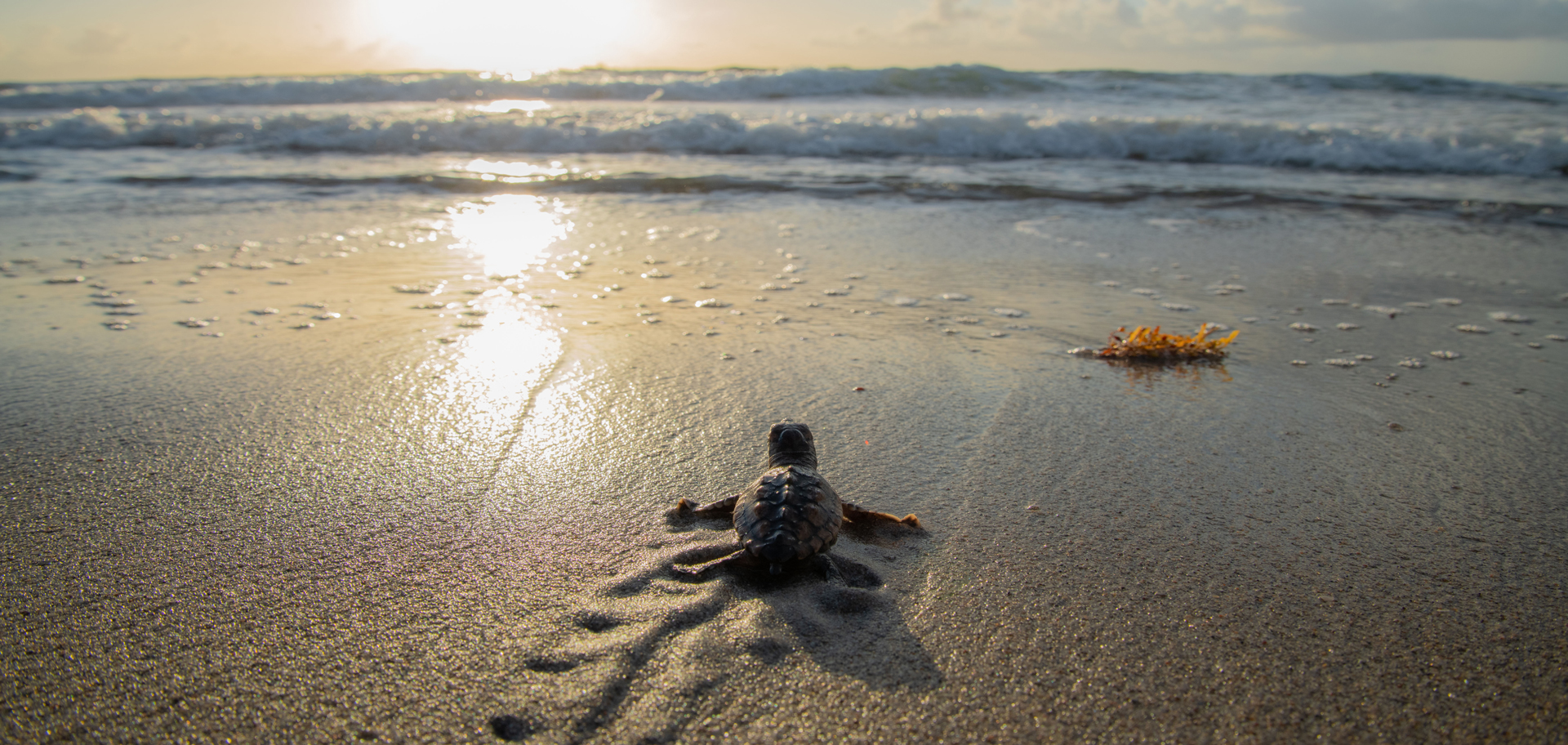
Every year, sea turtles emerge from nests on beaches and begin the difficult crawl from the sand to the sea; a journey that plays a major role in whether they survive.
Beach sargassum is trapping sea turtles
Every year, sea turtles emerge from nests on Florida’s beaches and begin the difficult crawl from the sand to the sea; a journey that plays a major role in whether they survive. Along the way, hatchlings must steer past artificial lighting, scattered debris, and predators such as birds and crabs. Now, another challenge has intensified: massive amounts of sargassum seaweed washing onto Florida’s coastline are not only affecting beachgoers, they are creating a new, serious barrier for young sea turtles.
Scientists have long known that anything blocking a hatchling’s route can slow it down and increase danger, but very little research has focused directly on the effects of sargassum. A recent study has started to provide that missing insight. A team from Florida Atlantic University investigated whether thick sargassum deposits make the trip to the water more physically demanding and whether that added strain could influence a hatchling’s chance of survival.
Their work examined three turtle species commonly found on Florida beaches: green turtles (Chelonia mydas), leatherbacks (Dermochelys coriacea) and loggerheads (Caretta caretta). Hatchlings were collected from the city of Boca Raton and the towns of Juno Beach and Jupiter. To evaluate the effect of sargassum, researchers built controlled crawlways on the sand that simulated each hatchling’s natural route. At the end of an almost 50-foot path, they placed loose piles of sargassum up to 7.5 inches high. A dim light several feet away guided the hatchlings forward, mimicking the glow over the ocean that turtles instinctively follow. This setup allowed the team to measure how much extra effort it took to cross sargassum while observing the turtles without disturbing their behavior.
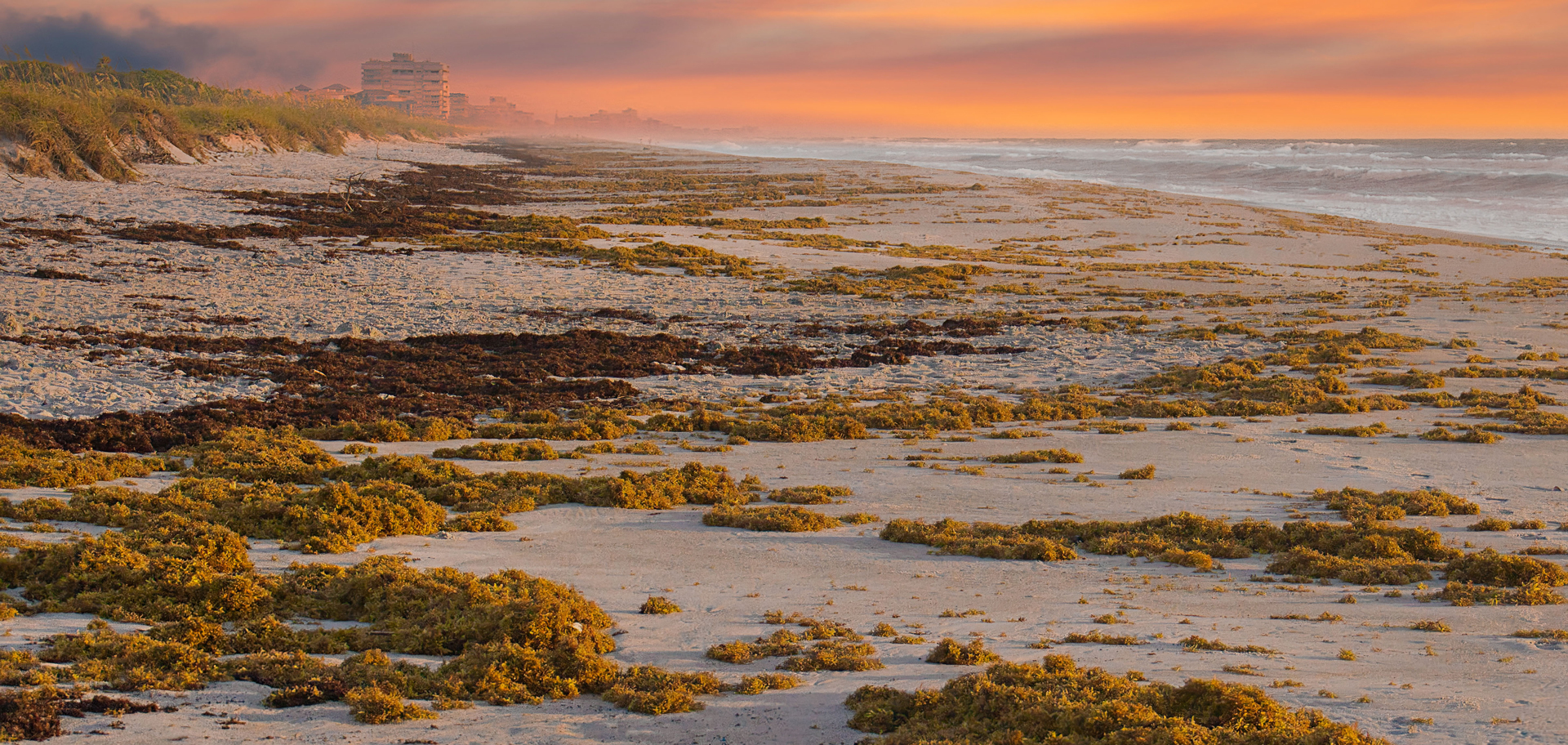
Sargassum is a genus of large, brown seaweed (a type of algae) that floats in island-like masses and never attaches to the seafloor. Huge amounts of it are washing onto Florida’s coastline.
Once the hatchlings finished their crawls, researchers checked blood glucose levels to estimate energy use. They also measured how quickly the turtles could right themselves when flipped upside down in water, which served as a simple indicator of physical condition. Sand temperature readings were taken at the start, middle and end of every crawl to document environmental conditions. The findings, published in the Journal of Coastal Research in June 2025, showed that hatchlings from all three species took much longer to complete their paths when sargassum was present. Most of this extra time came from having to climb up and over the seaweed piles. Even the lower sargassum heights tested in the study (2.75 to 3.54 inches) proved difficult, and some hatchlings from each species could not complete the climb within the time allowed.
Median results revealed clear slowdowns. Leatherbacks needed 54% more time to cross light sargassum and 158% more time to cross heavy sargassum. Green turtles experienced delays of 75% in light sargassum and 159% in heavy. Loggerheads slowed by 91% in light conditions and 175% in heavy ones. And the longer a hatchling stays on the beach, the more at risk it becomes—not just from predators, but also from dehydration and overheating, especially after sunrise.
The study also documented frequent inversions, where hatchlings flipped onto their backs while trying to scale the seaweed. These incidents were especially common in heavy sargassum trials. One hatchling overturned more than 20 times during a single attempt. Each inversion increased the amount of time the young turtles remained exposed on the beach, raising the chances for heat-related stress and predation.
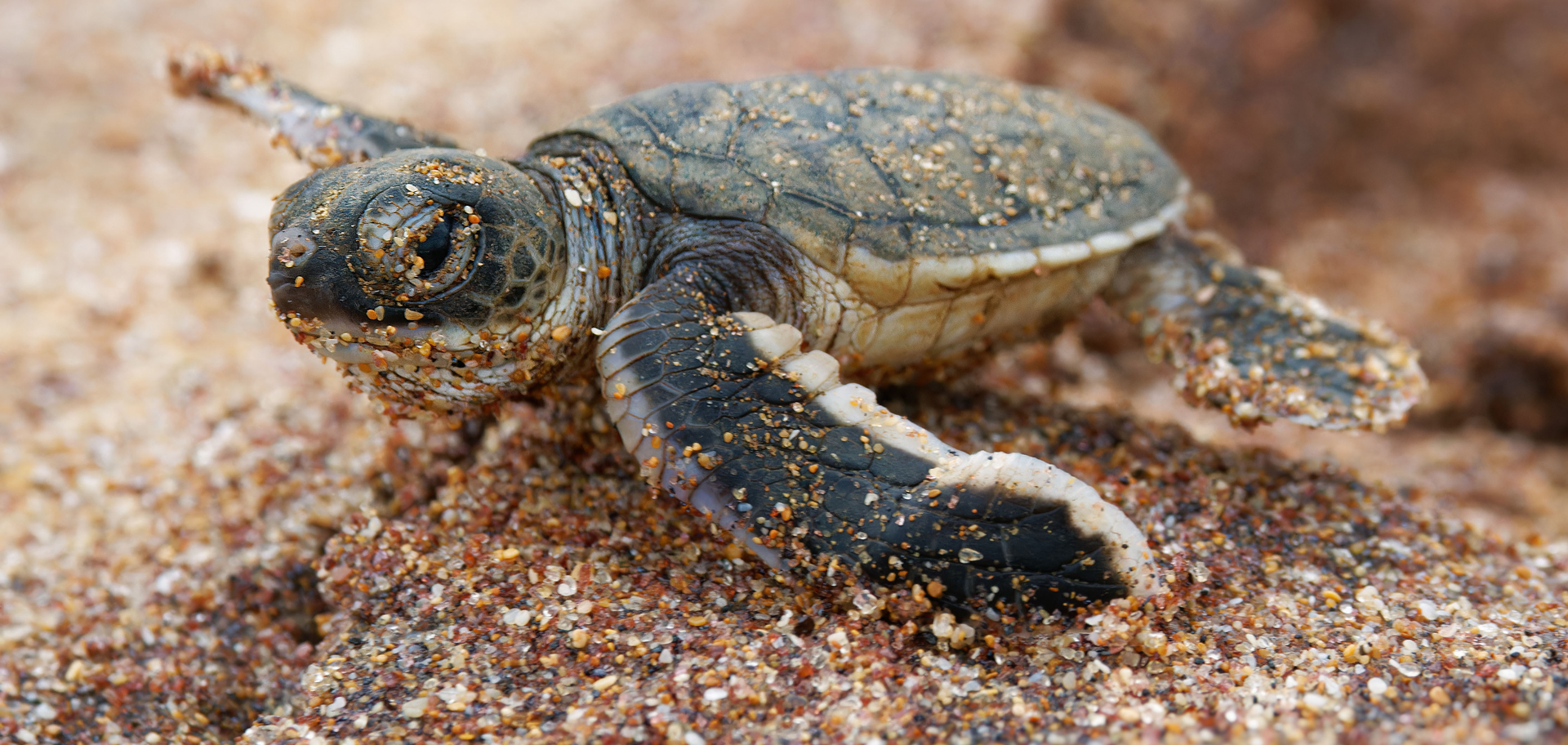
Sea turtle hatchlings begin their lives by clawing out of a buried nest and instinctively crawling toward the ocean, guided by natural light reflecting off the water. This frantic trek is a treacherous race against exhaustion and predators. Only an estimated one to 10 out of every 1,000 hatchlings survive to adulthood.
Despite the delays and the physical effort involved, researchers found no significant differences in blood glucose levels between the hatchlings that crossed sargassum and those that did not. Glucose levels remained within normal ranges for all three species. This suggests that although the seaweed slows hatchlings and increases their vulnerability, it does not immediately drain their measurable energy reserves. The act of crawling itself, rather than the seaweed, may have the stronger short-term physiological impact.
For sea turtle hatchlings, state the Florida Atlantic University scientists, reaching the ocean is already a race against time. Now, increasingly large mats of sargassum are adding new challenges to this critical journey. As these seaweed accumulations grow taller and more widespread, they risk blocking hatchlings entirely, leaving them stranded. Beyond impeding movement, sargassum may also reduce nesting space and alter incubation conditions.
Beaches are temporarily storing fertilizer microplastics
Plastic pollution in the ocean threatens marine life, ecosystems and human health. Scientists estimate that roughly 90% of the plastic that has entered the ocean is no longer visible at the surface. Much of it is believed to have settled on the seafloor or become trapped in various environmental “sinks.” To reduce the growing problem of plastic waste, researchers are trying to untangle how plastic travels from where it is used on land to where it ultimately ends up in the ocean—and beaches are the midpoint of the passage.

In Japan, when farmlands—such as this rice field—are connected to the ocean by canals, as much as 28% of polymer-coated fertilizer washes back onto ocean shores.
Polymer-coated fertilizer (PCF) has emerged as a significant contributor to microplastic pollution. These fertilizers are wrapped in a thin, plastic layer that slows the release of nutrients, allowing them to last longer in the soil. PCFs are commonly used for rice farming in China and Japan, and they’re also applied to crops such as corn and wheat in the United Kingdom, the United States and in Western Europe. Previous studies have shown that 50% to 90% of the plastic debris found on Japanese beaches originates from these fertilizer coatings. Despite this, scientists have had limited understanding of how PCFs move from farmland into waterways and how that journey influences where the plastic ultimately accumulates.
To fill this gap, researchers at Tokyo Metropolitan University conducted extensive surveys of fertilizer-plastic deposits in different coastal settings across Japan. They examined 147 survey plots from 17 beaches, focusing on locations near river mouths and areas where agricultural land drains directly into the sea.
Their findings, published in Marine Pollution Bulletin in March 2026, revealed sharp contrasts. Near river mouths, the amount of PCFs found on beaches accounted for less than 0.2% of the fertilizer used in surrounding fields. About 77% of the material remained on farmland, while the remaining 22.8% was carried out to sea. In areas with direct drainage from fields to the ocean, however, 28% of the fertilizer plastic ended up back on nearby beaches. The researchers concluded that tidal forces and waves play a key role in pushing these plastics ashore, turning beaches into temporary storage sites for microplastics. Since most PCFs that leave fields enter rivers, most of these plastic capsules ultimately go “missing.”
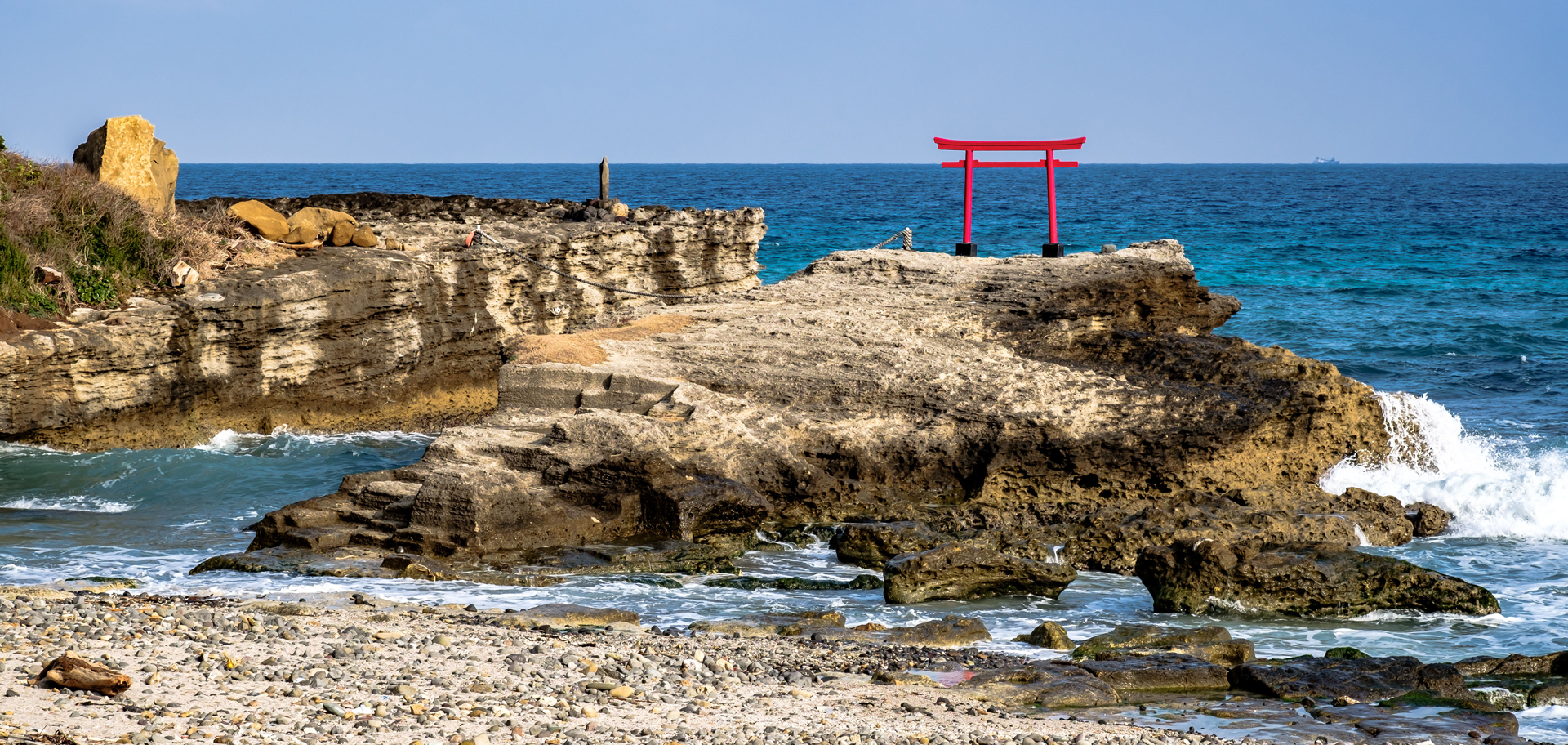
Tidal forces and waves play a key role in pushing polymer-coated fertilizer plastics ashore in Japan, turning beaches into temporary storage sites for microplastics.
Physical changes in many of the fertilizer microplastics collected on beaches were also observed. Many particles showed noticeable browning and reddening, and the researchers detected added layers of aluminum oxide and iron on the plastic surfaces. These materials may increase the weight of the capsules, making them less likely to be carried back to shore by waves.
Beach microplastics are being collected by citizen scientists
Germany, too, is monitoring its beaches for threats such as microplastic pollution. With the help of citizen scientists in a research project called “Microplastic Detectives,” a scientific team from the Alfred Wegener Institute (AWI) for Polar and Marine Research in Bremerhaven, Germany, was able to collect a total of 2.2 tons of sand from 71 locations along the German coast, covering a total area of 2.6 square miles. A total of 1,139 comparable samples were then combined into one, large dataset, which is the first to be big enough to make reliable estimates of the state of pollution along the entire German coastline. The samples were dried at AWI, sieved and analyzed under a microscope for plastic particles as small as one millimeter. The scientists deliberately focused on large microplastics (microplastics are defined as particles smaller than or equal to five millimeters) to rule out airborne contamination with small microplastic particles and to simplify sampling for the citizen scientists.
The results, published in the journal Frontiers in Environmental Science in September 2024, were surprising. Although plastic was found on 52 out of 71 beaches, the amount of large microplastics in the Baltic Sea and North Sea was lower than in other studies. However, if they had also analyzed smaller microplastic particles, state the scientists, they would certainly have found much higher concentrations. In previous AWI studies in the North Sea and the Arctic, microplastics smaller than one millimeter accounted for more than 90% of the microplastics found in sediments. They also randomly selected sampling sites on the beach, rather than focusing on accumulation areas such as drift lines, which may also explain differences.
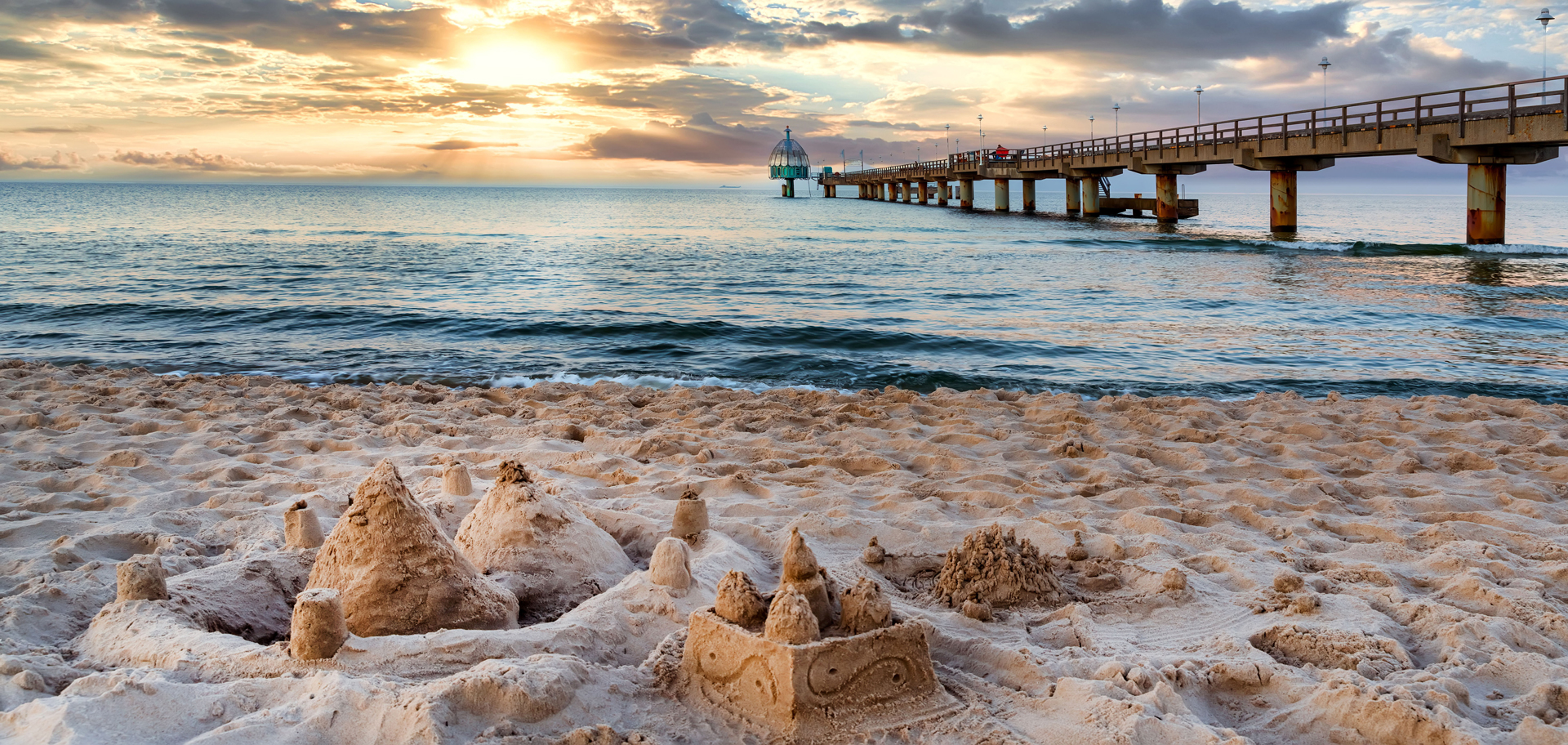
Worldwide, plastics have become ubiquitous in the environment. Because they are durable and degrade extremely slowly, they accumulate across all ecosystems. In Germany, “Microplastic Detectives” have collected sand samples from beaches along the entire German coast to be analyzed for microplastics.
Of the 1,139 samples analyzed, 177 contained a total of 260 plastic particles. This is an average of about four plastic particles per three feet. On a 0.03-square-mile beach, that would be 400,000 plastic particles. However, the analysis also shows that microplastic pollution varies greatly from place to place.
Providing such data on the large-scale distribution of plastic pollution along the entire German coast using standardized methods is necessary, for instance, to be able to map the status quo against the success of future policies to limit plastic pollution. For example, monitoring results suggest that legislative changes may have led to fewer plastic bags being found on the seafloor in Northwest Europe over the past 25 years. But stronger, science-based policies that set binding rules on how to avoid, reduce and recycle plastics is needed, conclude the scientists, such as measures to limit the production and use of plastics to essential applications, to ban hazardous ingredients and to increase degradability in nature.
Beaches can thrive with stabilization methods and carbon offsets
To protect beaches and dunes, we can first look to nature. Nature-based solutions, such as restoring coastal strands and mangroves, can help mitigate risks by stabilizing shorelines, improving ecosystems and enhancing resilience to flooding and hurricanes. These remedies, alongside hybrid approaches and “soft armoring”—which uses natural materials like plants, rocks or sand dunes to protect shorelines from erosion—offer effective, site-specific protection.
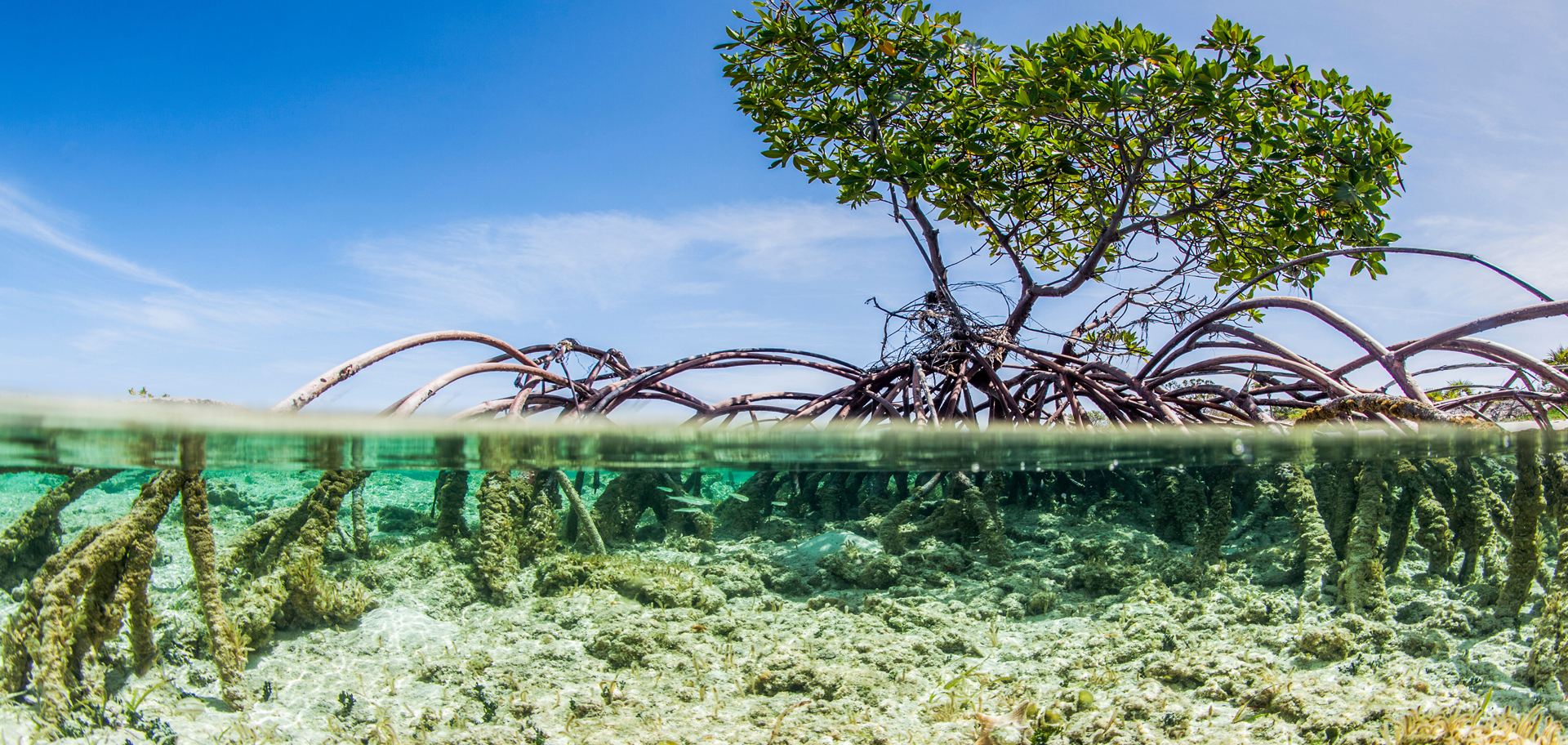
Mangroves offer nesting spots for many species and help the marine food chain by being a main source of small bits of organic matter. Their complex root systems keep soil in place, reduce water cloudiness, and collect debris and particles in the water.
Researchers from Florida Atlantic University, in collaboration with The Nature Conservancy, recently created a new tool to identify the most effective shoreline stabilization methods to prevent erosion and protect the Florida Keys from damage caused by natural forces like storms, tides and waves. Maintaining the shape and integrity of shorelines reduces the risk of further erosion while protecting ecosystems, infrastructure and properties.
In a study published in the Journal of Marine Science and Engineering in March 2025, the researchers revealed that nearly 8% of the approximately 1,584 miles of shoreline in the Florida Keys is suitable for nature-based solutions—creating oyster reefs and planting beach dune vegetation and mangroves—or hybrid solutions, some combination of hard structures and vegetation. Conversely, roughly 25.1% of the Florida Keys shoreline was deemed unsuitable for nature-based approaches, and approximately 67% is already vegetated or represents some other type of natural feature.
The data from this study can be accessed through The Nature Conservancy’s Coastal Resilience, an online tool that uses Geographic Information System (GIS) technology to help users visualize proposed shoreline stabilization methods tailored to their areas. It also allows users to overlay local data, like projected sea-level rise, coastal habitats and land use.
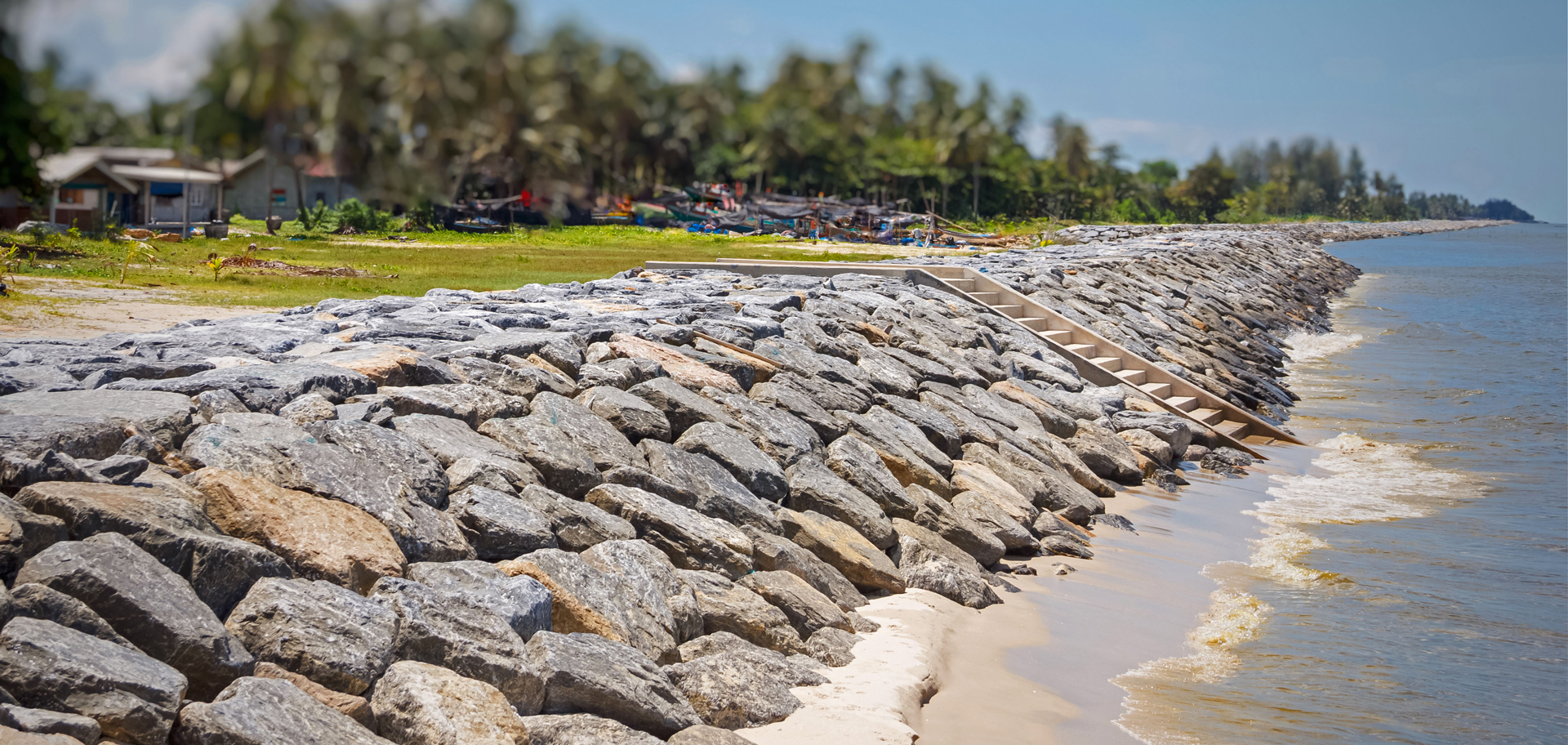
Soft armoring—which uses natural materials like rocks to protect shorelines from erosion—offer effective, site-specific protection.
In addition to nature-based solutions, incentivizing the restoration of degraded beach ecosystems as a new form of carbon offsets looks promising. One of the primary drivers of climate change is excess greenhouse gases, such as carbon dioxide, in the atmosphere. Mitigating climate change in the coming century will require both decarbonization—electrifying the power grid or reducing fossil-fuel-guzzling transportation—and removing already existing CO2 from the atmosphere. Researchers at the Georgia Institute of Technology and Connecticut’s Yale University proposed, in a paper published in the journal Nature Sustainability in May 2023, a fresh way through which coastal ecosystem restoration can permanently capture carbon dioxide from the atmosphere while combating increasing acidity in the ocean. Mangroves and seagrass—known as “blue carbon ecosystems”—naturally capture carbon dioxide through photosynthesis, which converts the CO2 into living tissue or buries it in sediments.
There are two major types of carbon that cycle through Earth’s system: organic carbon and inorganic carbon. Organic carbon is contained in living matter, such as algae, animals, plants and even humans. This form of carbon can remove CO2 from the atmosphere temporarily, but if it becomes buried in sediments at the seafloor, it can lead to permanent carbon dioxide removal. Inorganic carbon can also be found in many forms, including minerals and rocks, but is present as a significant dissolved component of ocean water. Roughly 30% of the carbon emitted by human activities since the industrial revolution is now stored as dissolved, inorganic carbon in the ocean. Although carbon dioxide stored as organic carbon can be disrupted, effectively redistributing CO2 back into the atmosphere, carbon dioxide removal by inorganic carbon is potentially much more durable.
Reinvigorating coastal ecosystems as a technique for mitigating carbon emissions is not a new idea, but past research has focused on carbon removal through organic carbon burial and has not explored the potential for carbon removal through the formation of inorganic carbon.
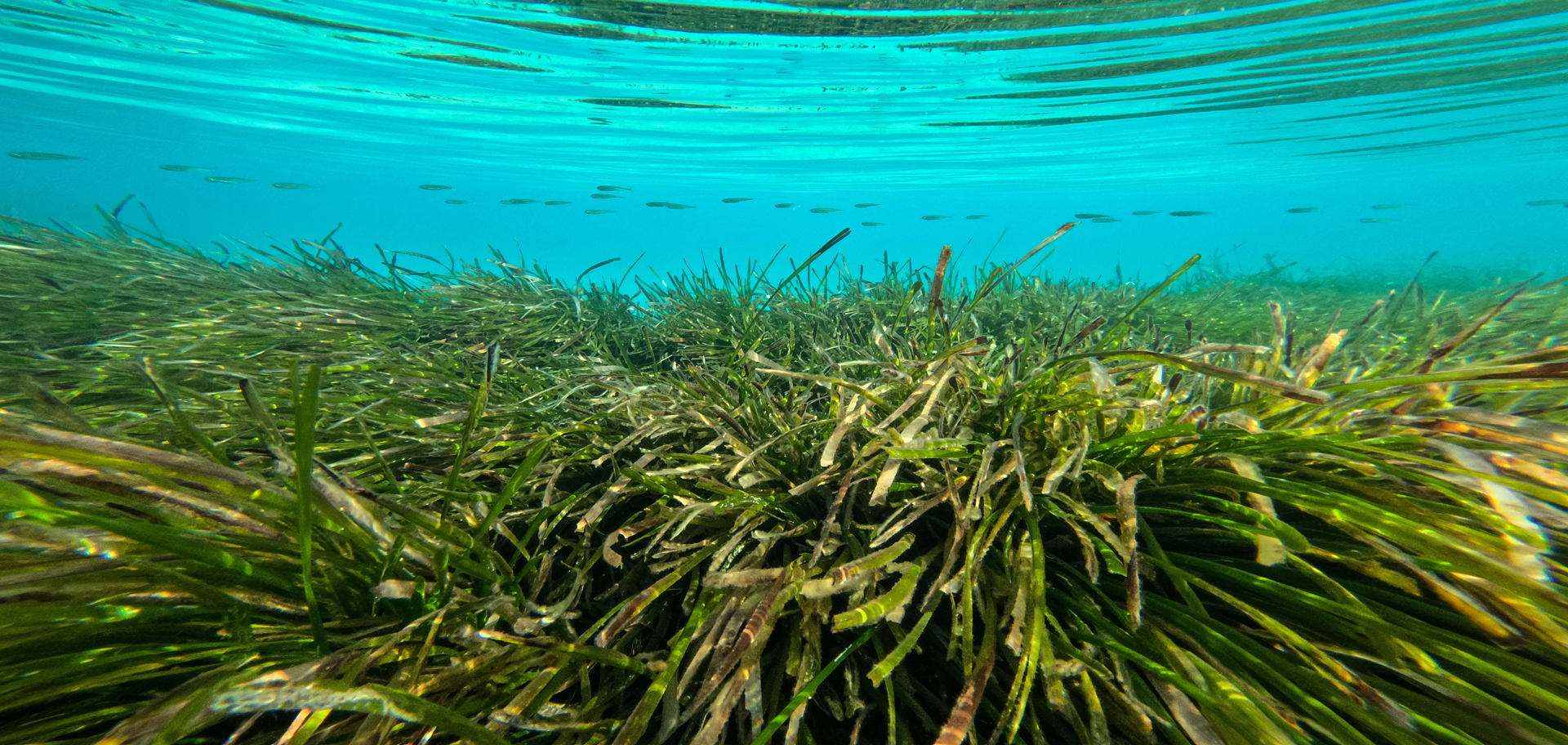
Seagrasses live fully submerged in shallow coastal and estuarine waters. Despite their name, they are more closely related to land-growing lilies than to true grass, and they are distinct from seaweed. They naturally capture CO2 through photosynthesis.
Another major result of human fossil-fuel use beyond climate change is ocean acidification from carbon dioxide in the atmosphere dissolving in the water and driving down the pH of the ocean, which can have severe, negative impacts on many organisms like corals. Storing carbon dioxide as inorganic carbon in the ocean could help mitigate this, because the chemical processes that lead to carbon capture as inorganic carbon involves alkalinizing ocean waters. The basic idea is that you are shifting the acid-base balance of the ocean to drive conversion of carbon dioxide in the atmosphere to inorganic carbon in the ocean. This means that the process can help to partially offset the negative ecological consequences of ocean acidification.
To explore how effective restoring coastal ecosystems could be for inorganic carbon capture, the researchers built a numerical model to represent the chemistry and physics of sedimentary systems, the complex mixture of solid particles, living organisms and seawater that accumulates at the seafloor. A key advantage of the model is that it specifically tracks the potential benefits of restored mangrove or seagrass ecosystems and their impacts on organic and inorganic carbon cycling. It also calculates the effects of other greenhouse gases, such as methane, that can sometimes be created in the process of restoring mangroves and seagrasses.
This model comes up with representations for the rates of carbon transformation in the sediment based on how much mangrove is growing above the sediment. Across an extremely large range of scenarios, restoration of blue carbon ecosystems leads to durable CO2 removal as dissolved inorganic carbon. The team hopes this research could provide an impetus to protect current coastal ecosystems by being a new form of carbon offset. Companies that are trying to offset their own emissions could potentially purchase carbon removal through funding restoration of coastal ecosystems, helping rebuild these ecosystems and all of the environmental benefits they provide, while leading to durable carbon dioxide removal from the atmosphere.
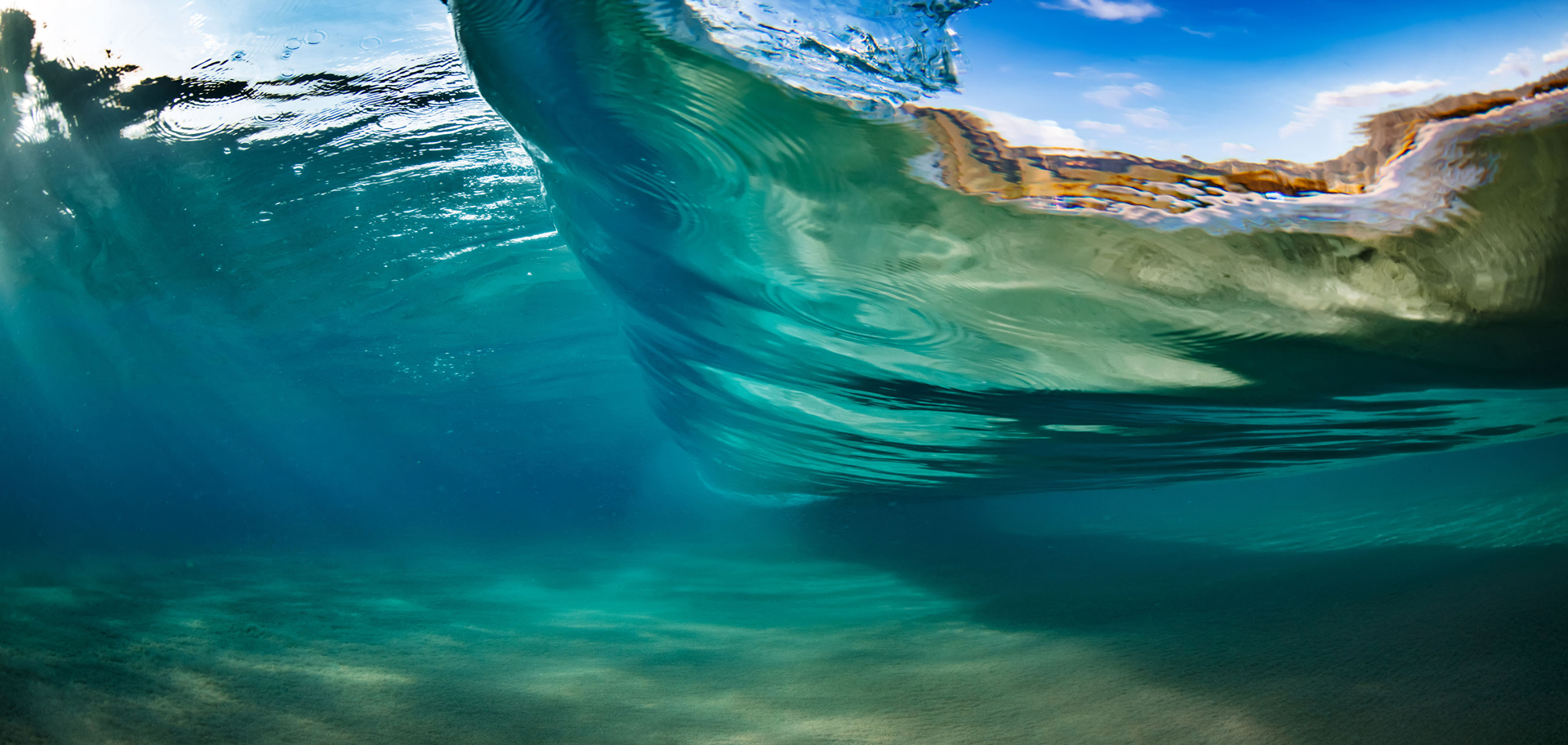
Inorganic carbon is present as a significant dissolved component of ocean water. Roughly 30% of the carbon emitted by human activities since the industrial revolution is now stored as dissolved inorganic carbon in the ocean.
Our need for beaches is mutual
The coastal system is made up of three, interconnected regions. The dune (postbeach) sits above the high-tide mark, where wind-driven sand builds mounds or “sand mountains.” Below it lies the beach (beach face), which is exposed during low tide and covered at high tide. Farther seaward is the submerged part (foreshore), stretching from the low-tide limit to the point where waves begin to break.
These zones form an integrated coastal ecosystem that’s essential for environmental balance. Disturbing any one of these three zones affects the entire ecosystem. The wind carries sand from the dry area to the surf zone (the submerged part); and when the waves advance, they bring the sediment back to the beach. This bidirectional movement generates a constant exchange in which one zone feeds the other. When a storm comes, the dune acts as a buffer. So, when urbanization eliminates the dune, the result can be the destruction of seaside homes.
On top of that, beaches speak to our natural rhythms. That’s a sentiment that’s deeply rooted in both psychology and science. The ocean’s ebb and flow mirrors our own internal cycles, creating a profound sense of connection and peace. The steady, predictable crash of waves mimics a slow, resting heartbeat, creating nature’s lullaby. This natural soundscape slows down racing thoughts and helps activate your parasympathetic nervous system—the network responsible for rest and recovery. Standing by the water noticeably lowers cortisol (the primary stress hormone), allowing a simple walk on the sand to act as a reset button for your nervous system. And vast, open horizons give your brain a chance to gently refocus; while fresh, negatively charged sea air boosts serotonin (the feel-good hormone), lifting your mood.
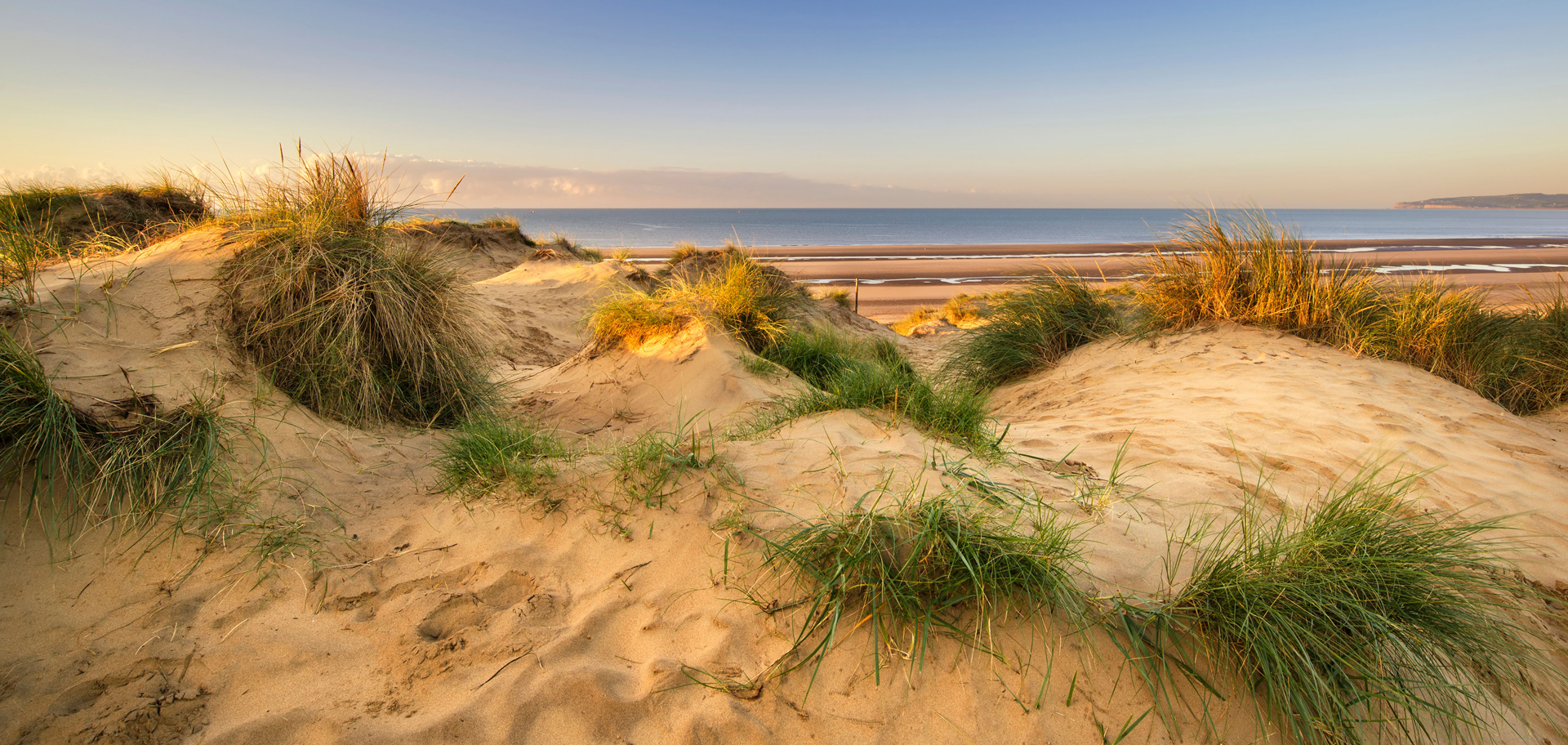
The coastal system is made up of three, interconnected regions. The dune (postbeach) sits above the high-tide mark, where wind-driven sand builds mounds.
We need our beaches, and they need us. This summer, let’s make that thought top of mind as we apply our sunscreen, don our sun hats and strap on our sandals.
Here’s to finding your true places and natural habitats,
Candy