

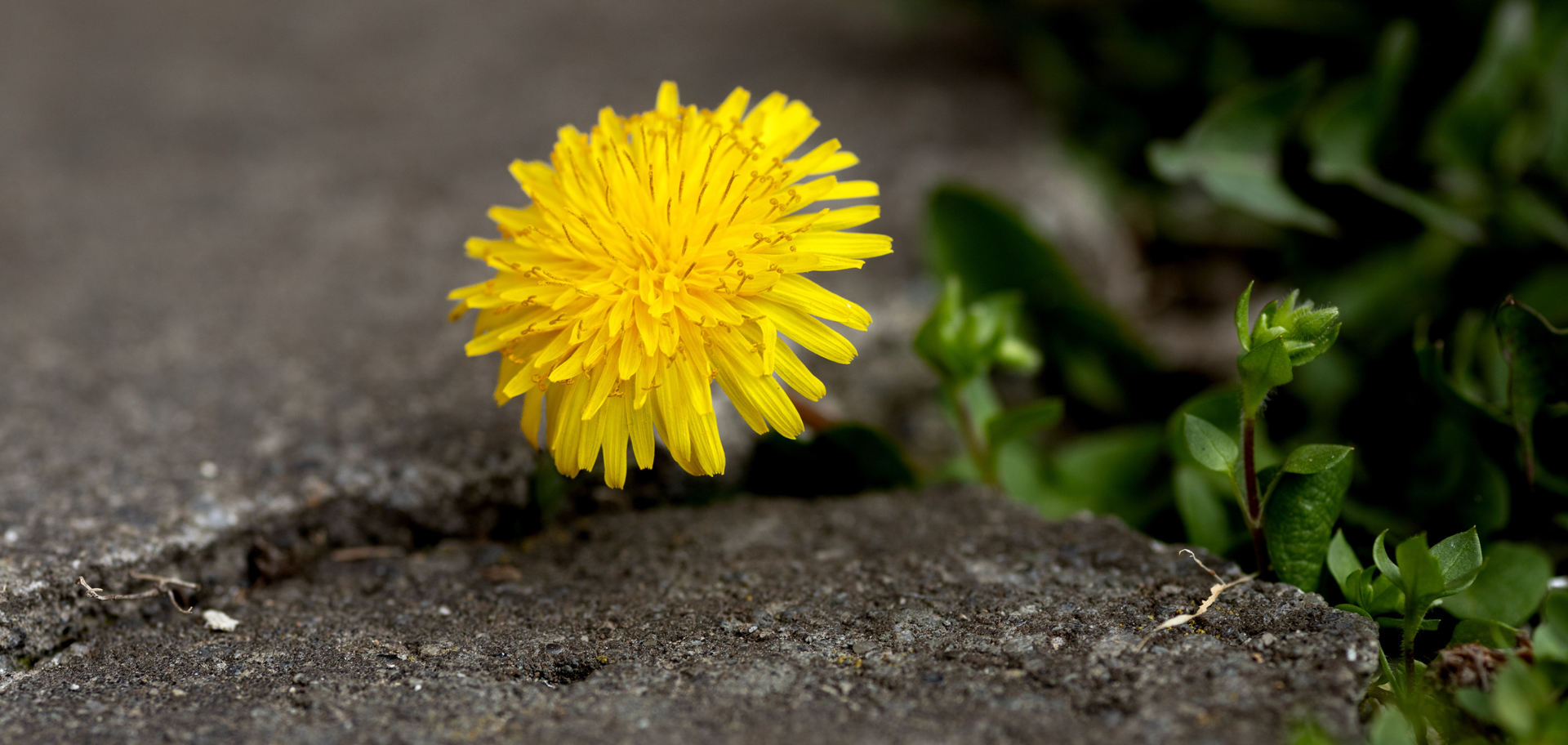
The common dandelion, native to Eurasia, is an example of a widely spread, alien plant that is “naturalized” rather than invasive. It behaves as an opportunistic, urban weed rather than an ecologically destructive force. Dandelions rarely push their way into healthy, established ecosystems like undisturbed old-growth forests.
Aliens are certainly in our midst, and invaders are running rampant across the planet. What I mean is, plants are spreading across the globe faster than ever, and the very same traits that make them thrive in their native lands also drive them to their successes abroad.
Who are these aliens and invaders? Most of them are non-native species that are expanding their ranges many orders of magnitude faster than native ones, in large part due to inadvertent human help. Even seemingly sedentary non-native plants are moving at three times the speed of their native counterparts in a race where, because of the rapid pace of climate change and its effect on habitats, speed matters. To survive this emergency, plants and animals need to be shifting their ranges by two miles per year just to keep up with the increasing temperatures and associated climactic shifts—a velocity that native species cannot manage without human help.
Some of these aliens and invaders, however, could have grave impacts on the habitats they colonize. For example, it’s predicted that climate change will lead to an increase in invasive spongy moth (Lymantria dispar) outbreaks, already causing widespread damage to North American trees. Computer models forecast hotter, drier conditions on the continent that will limit the growth of a fungus that normally curbs the spread of the spongy moth, meaning that millions of dollars in damages to forests is coming.
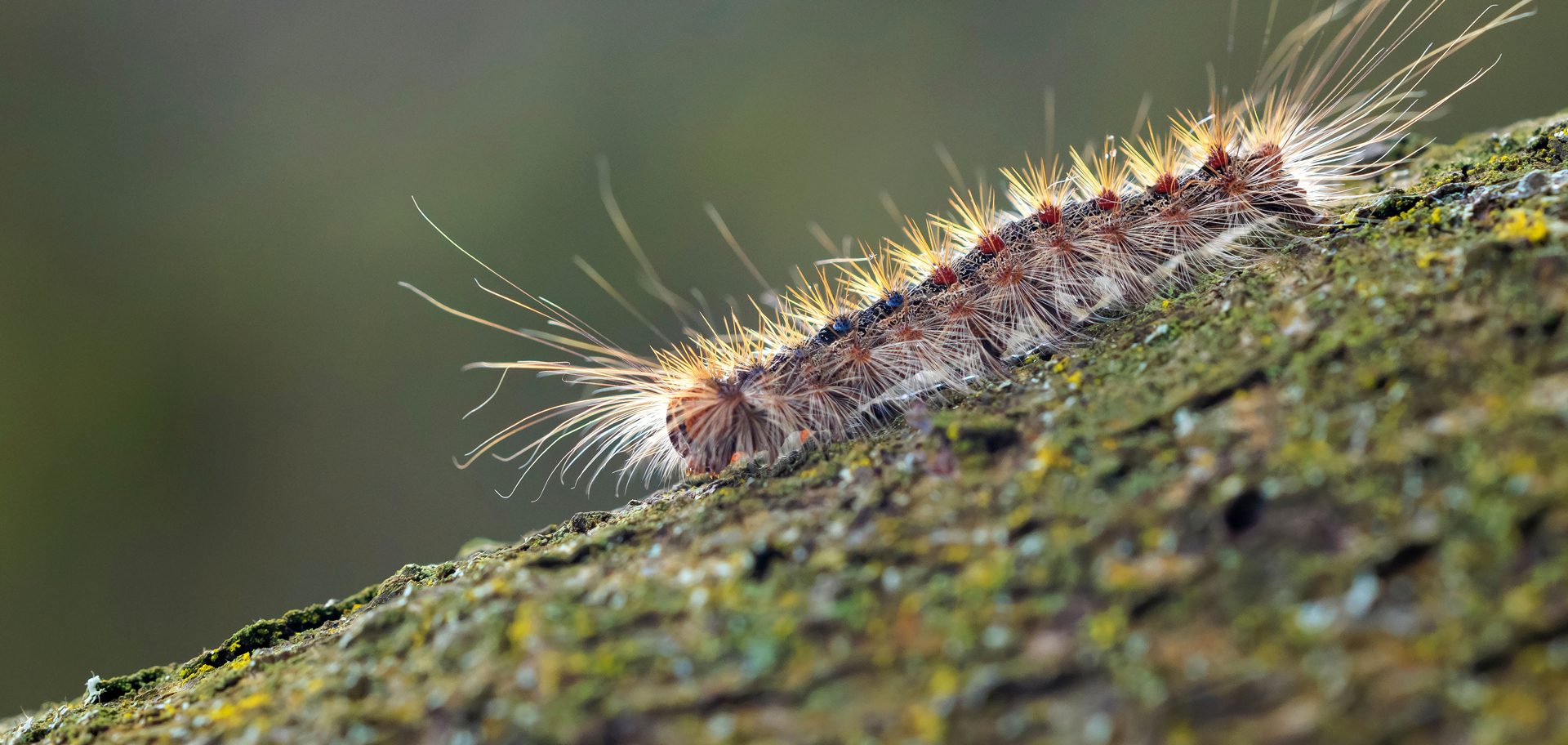
The spongy moth is a destructive, invasive insect that poses a danger to North America’s forests. The caterpillars feed on the leaves of more than 300 species of trees and shrubs, eventually killing them.
Luckily, however, some help in sorting out the beneficial and benign newcomers from the damaging ones may arrive in the form of a recently developed formula that can be used to predict what happens when a new species is introduced into an ecosystem: whether it will establish itself in the community or fail to gain a foothold and die out.
Why some plants are taking over the world
The spread of species beyond their native habitats is a human-made environmental change on a global scale. Among vascular plants, more than 16,000 species have now permanently settled in foreign countries. Surprisingly, the majority of these “naturalizations” has taken place since the 1950s and predominantly in regions with considerable human influence.
Naturalized alien plants, also known as neophytes, can have major impacts on the affected regions’ ecosystems. This is particularly evident in the case of invasive plants, which are spreading rapidly in new regions and outcompeting native flora. But what makes these plants so successful? Is it because they are exploiting an ecological gap in the foreign ecosystem, allowing them to thrive so easily? Or are they simply inherently good at expanding their ranges? In other words: do plant species that are on the rise in their native habitats also become globally widespread as naturalized aliens?
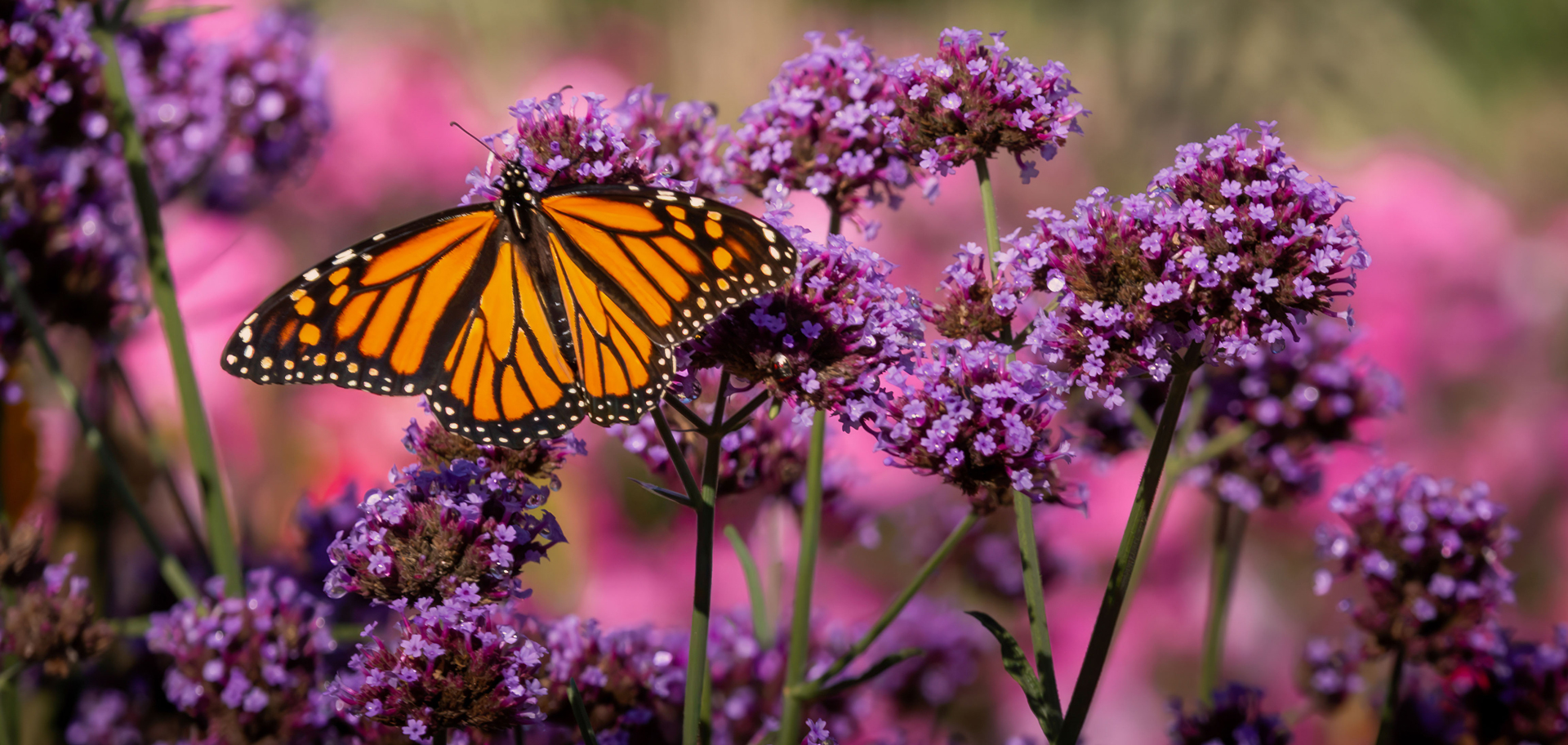
A neophyte is a non-native plant species introduced to a new region (typically after the year 1500) that has successfully established and naturalized in the wild. Butterfly bush, a popular garden shrub brought to Europe from Asia that often escapes into natural landscapes, is a highly invasive neophyte.
Now, there’s clear evidence supporting the latter theory. A study led by a research team at Germany’s University of Konstanz compared the spread of 3,920 native plant species in 10 European countries with how widely these species are naturalized globally. Europe is one of the world’s main exporters of naturalized plants. Many of the European plant species that successfully naturalize in foreign ecosystems are species that have expanded rapidly in their European home regions, as well. Plants that are declining in their natural ranges, on the other hand, rarely succeed in settling in foreign areas.
Publishing their results in the journal Nature Communications in September 2025, the University of Konstanz researchers say that the same characteristics that make plants successful in their homelands help them succeed in foreign regions. Those characteristics are: (1) in general, they are tall; (2) they are ecologically versatile generalists that are highly competitive; and (3) they prefer nutrient-rich habitats. If the plant species that are widespread and on the rise within their native habitats are essentially the same as those that spread successfully—and sometimes become invasive—in other regions of the world, then it stands to reason that both processes are at least based on similar biological mechanisms. It seems that the selective pressures that have made certain species common in their native regions also have preadapted them for success as invaders. In addition, such common species are more likely to be picked up, transported and introduced elsewhere.
Alien plants are expanding their ranges 100 times faster than natives
To survive in this age of anthropogenic climate change, the numbers of invasive plant species are increasing exponentially worldwide. Both animals and plants need to shift their ranges by two miles per year—a speed that native species cannot manage without human help—just to keep ahead of hotter temperatures and related climactic changes. To figure out how fast species are currently moving, researchers at the University of Massachusetts Amherst and colleagues from around the world comprehensively surveyed a vast trove of previously published papers and publicly available datasets on how far and how fast both native and non-native species—representing different taxa and various ecosystems—have been moving. An important subset of this search was to compile data showing how humans are helping to accelerate the spread of non-native species, either accidentally—such as when a particular species finds itself in a shipping container that travels between continents—or intentionally, as when home gardeners buy invasive ornamentals from a nursery and drive them back to their yards.
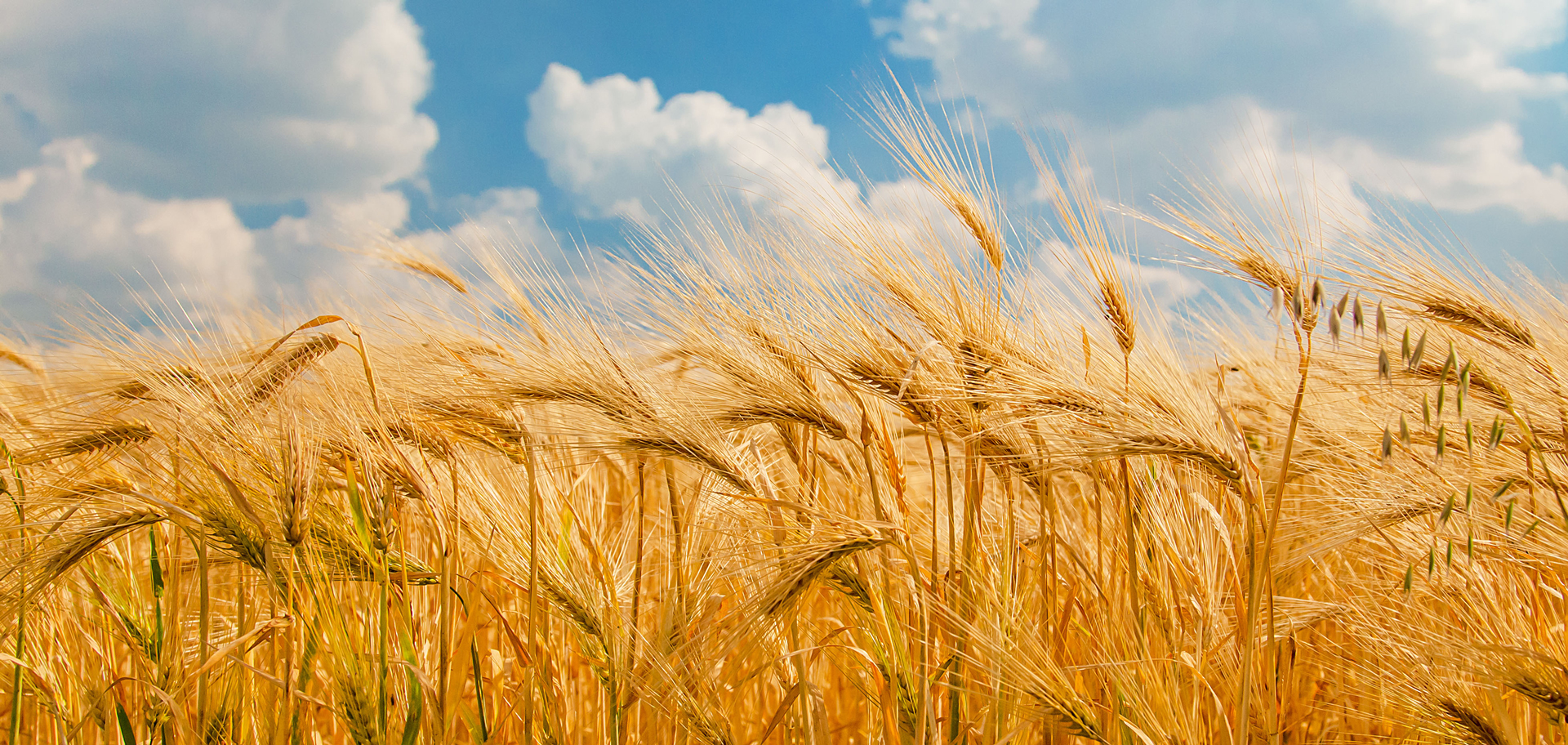
Wheat is an alien outside its original range in the Middle East, but it is not invasive. It has spread globally because humans intentionally plant and harvest it. Because it lacks natural defense mechanisms, seed-dispersal adaptations and the ability to outcompete native vegetation, wheat cannot survive or spread in the wild without human intervention.
The researchers’ conclusion, published in the journal Annual Reviews of Ecology, Evolution and Systematics in November 2024, is that while land-based species—including plants—need to be moving at the aforementioned speed of more than two miles per year if they want to stay ahead of climate change, marine species need to be moving at 1.7 miles per year. Unfortunately, native species are only managing to move an average of one mile per year.
Non-native species, however, are spreading at about 21.7 miles per year on their own. When the human role in spreading non-native species is considered, then the rate jumps to an astronomical 1,170 miles per year, which is almost 1,000 times faster than the rate at which native species are spreading. Essentially, there’s no chance for native species to keep up with climate change without human help.
For the second part of their research, the scientific team wanted to understand how far both native and non-native species might spread in a warming world, since not every ecosystem is suitable habitat. While there were fewer case studies for the researchers to analyze and synthesize, their investigations indicate that it is likely that non-native species will find more territory to their liking than native species. However, while this means that non-native species might have more territory to gain with climate change, it also means that they’ve got more territory to lose as some range margins become increasingly unsuitable.
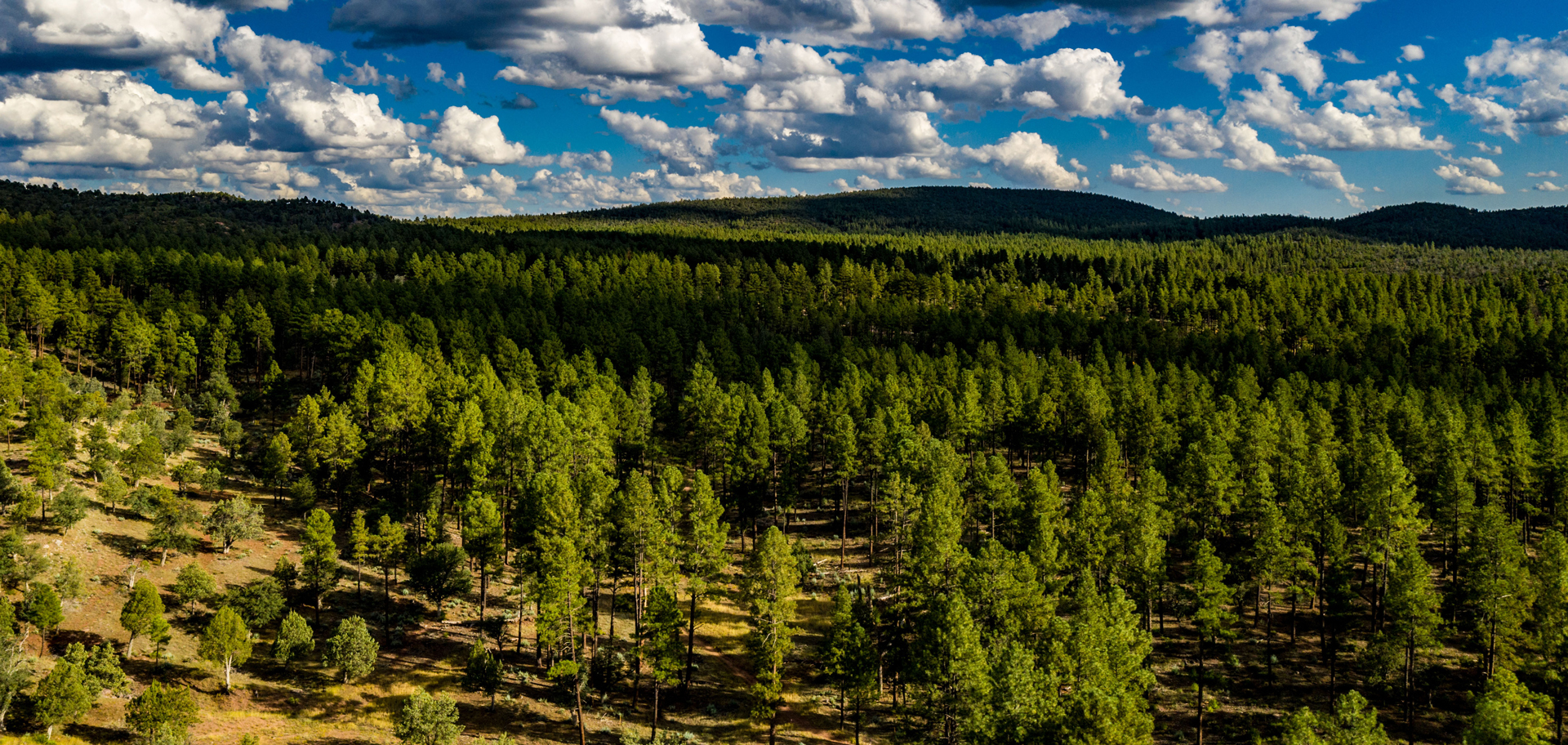
Ponderosa pines have been helped by assisted migration. Forest managers have cultivated Ponderosa pine seeds from warmer, lower-elevation climates (such as those in Oregon) and planted them upslope or farther north to give the species a head start in surviving the hotter, drier future conditions that will occur due to climate change.
What does this mean for the future? The scientists conclude that it’s clear that people are very good at moving species, and we need to seriously consider and begin implementing assisted migration (the practice of deliberately helping native species move to more suitable locations) if native animals and plants are to stand a chance.
Climate change is causing some invasive species to spread
Computer models developed by the Argonne National Laboratory in Illinois and The University of Chicago predict that hotter, drier conditions in North America will limit the growth of a fungus that normally curbs the spread of the spongy moth, an invasive species that has caused millions of dollars in damages to forests. The research, published in the journal Nature Climate Change in January 2025, emphasizes the importance of accounting for multiple organisms and their interactions when predicting the potential impacts of climate change, as warmer temperatures cause unexpected domino effects in ecosystems.
The spongy moth, native to Europe, was first introduced to the hardwood forests of New England in 1869. Female moths lay eggs on surfaces like branches, stacked firewood and outdoor furniture. The eggs tend to come with these objects when people move them, so the insect has spread far from where it was first accidentally released in Massachusetts. Spongy moth caterpillars feed on the leaves of shrubs and trees, especially oak trees. For decades after their introduction, the caterpillars carved a path of destruction through forests, defoliating and killing acres of trees.
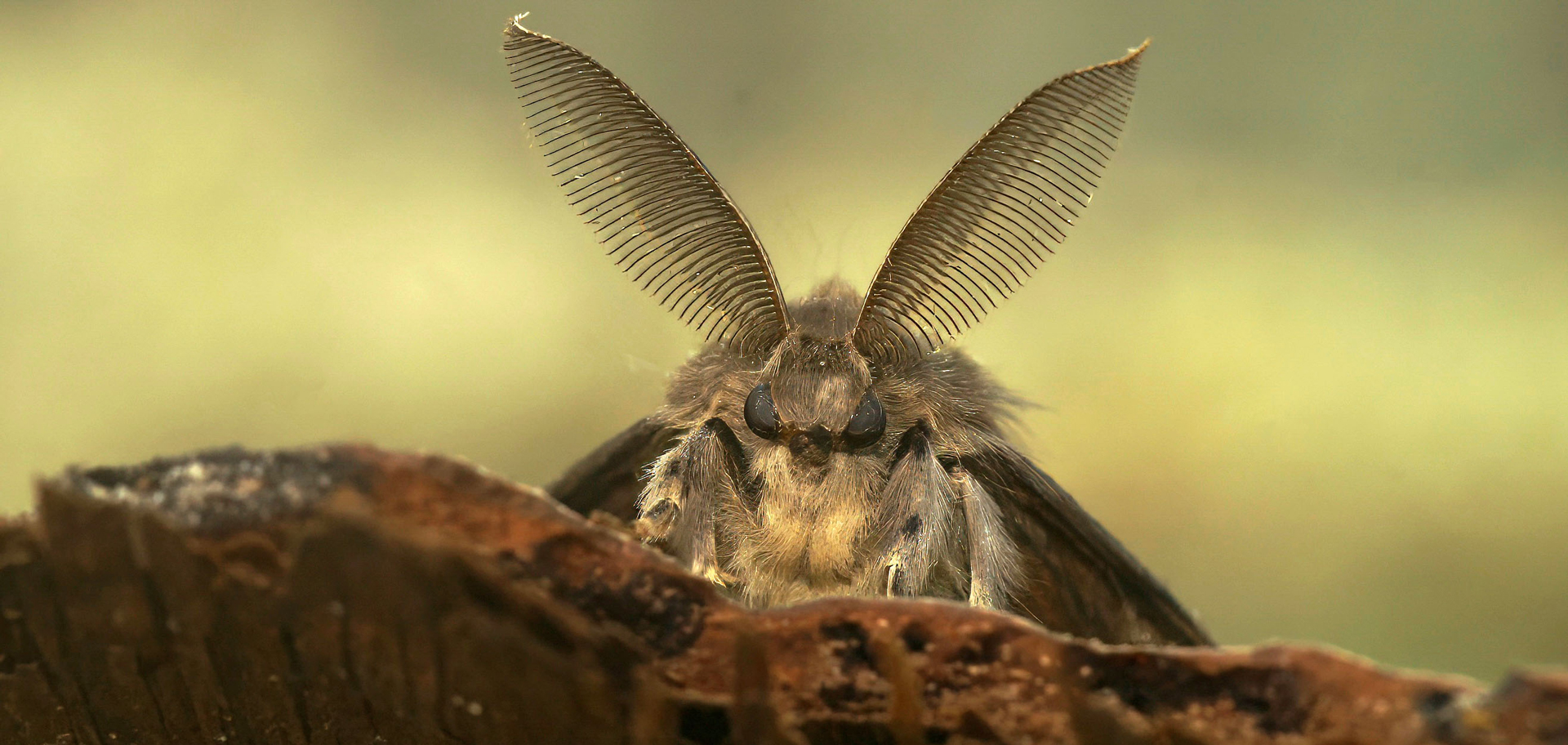
Eurasian natives, spongy moths defoliate hardwood trees. They were introduced accidently to North America near Boston in 1869. Female spongy moths lay eggs on surfaces like branches, stacked firewood and outdoor furniture. The eggs tend to come with these objects when people move them.
In 1989, a lethal infection caused by the fungus Entomophaga maimaiga began spreading among spongy moths. This fungus is also not native to North America, but no one knows for sure how and when it arrived. It might have been introduced deliberately to control the moths, or it may have been accidentally brought into the U.S. from Japan, where it originates. Nevertheless, it has managed to keep spongy moths in check ever since, sparing millions of trees.
The natural advantage of the fungus is that it can grow and infect moths in small numbers (unlike the pathogen nucleopolyhedrovirus, which can also keep the insect in check but needs large populations to spread) before too much damage has been done, but only if conditions are cool and moist. If the spongy moths don’t get killed off when they’re at low density one year, then the next year they’ll be back in much higher numbers.
As climate change brings hotter and drier conditions to forests, fungal infection rates over the next few decades will drop sharply, meaning that more moths will survive to destroy more trees. While that seems far in the future, below average rainfall and above average temperatures in recent years have already led to big spongy moth outbreaks, which the researchers say they didn’t expect to happen so soon. While that’s dispiriting, their research shows that computer models are crucial for understanding the effects of climate change on species interactions; and incorporating climate data produces far better predictions on what the future holds than models that don’t account for climate shifts.
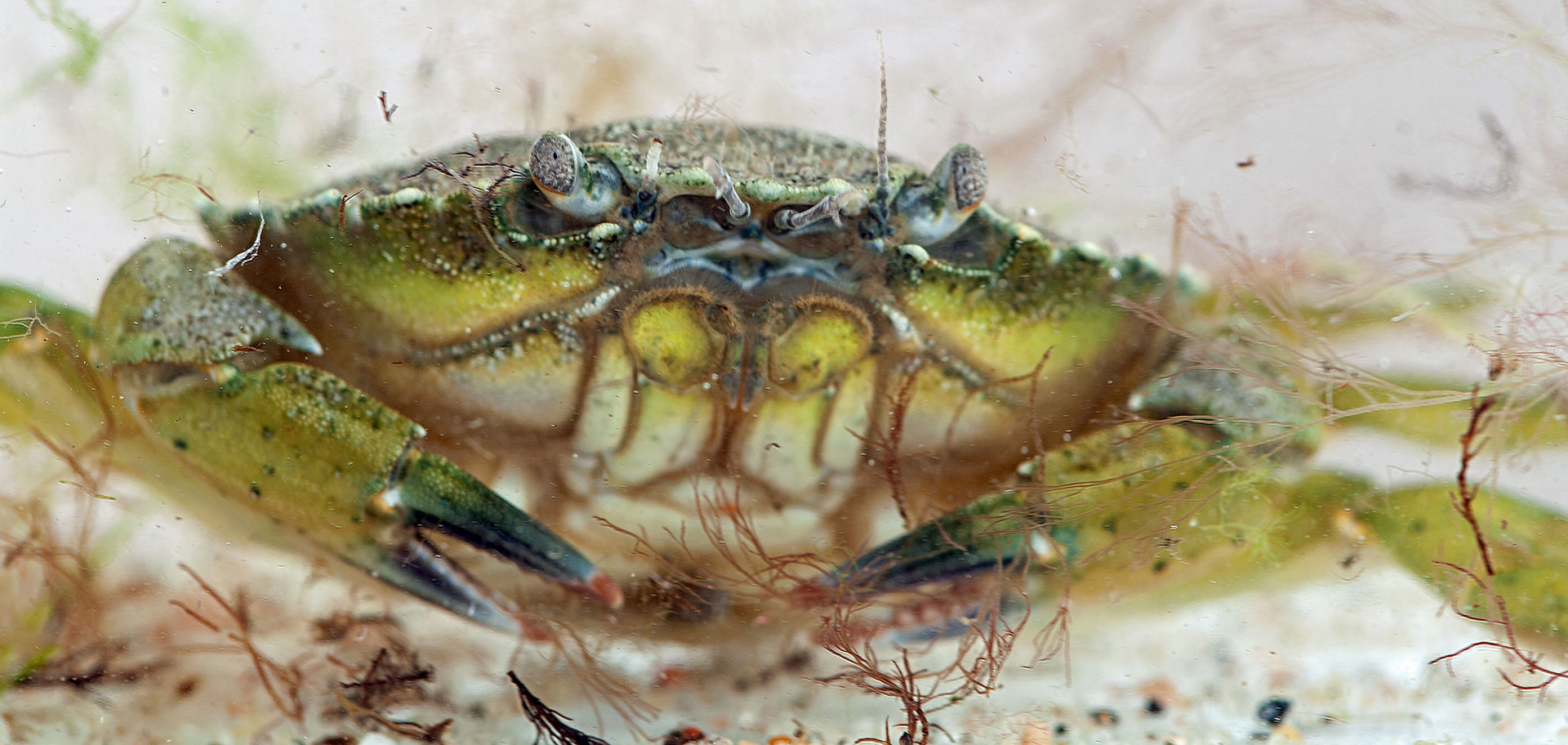
European green crabs are one of the most invasive species in the marine environment. They have few predators, aggressively hunt their prey, destroy seagrass, and outcompete local species for food and habitats. These crabs devour juvenile king crabs as well as young salmon. They also destroy eelgrass that larval fish use to hide from predators.
Invasive species play a key role in 60% of global animal and plant extinctions
A report released in September 2023 by the Intergovernmental Platform on Biodiversity and Ecosystem Services highlights the gravity of impacts from invasive alien species on our planet. Researchers have found that more than 37,000 alien species have been introduced by human activities over the centuries, and this conservative estimate is rising at unprecedented rates. Additionally, more than 3,500 of these are harmful invasive alien species, impacting animals—including humans—and plants. The report’s authors say with 13,000 references, this is the greatest collection of information ever created on the impacts of invasions, and these impacts are bigger than they expected. Alongside dramatic changes to biodiversity and ecosystems, the global economic cost of invasive alien species exceeded $423 billion in 2019, with costs having at least quadrupled every decade since 1970.
Invasive alien species have been a major factor in 60% and the only driver in 16% of global animal and plant extinctions that have been recorded. Invasive species affect food supplies, as evidenced by the negative impacts of the European green crab on commercial shellfish beds in New England and the damage caused by the Caribbean false mussel to fishery resources in India.
There also are impacts on human health, including diseases such as malaria, West Nile virus and Zika virus, spread by invasive alien mosquito species like Aedes albopictus and Aedes aegyptii. Invasive alien species also damage livelihoods; for example, in Lake Victoria in Africa, fisheries have declined due to the depletion of tilapia because of the spread of water hyacinth, the world’s most widespread, terrestrial, invasive alien species.
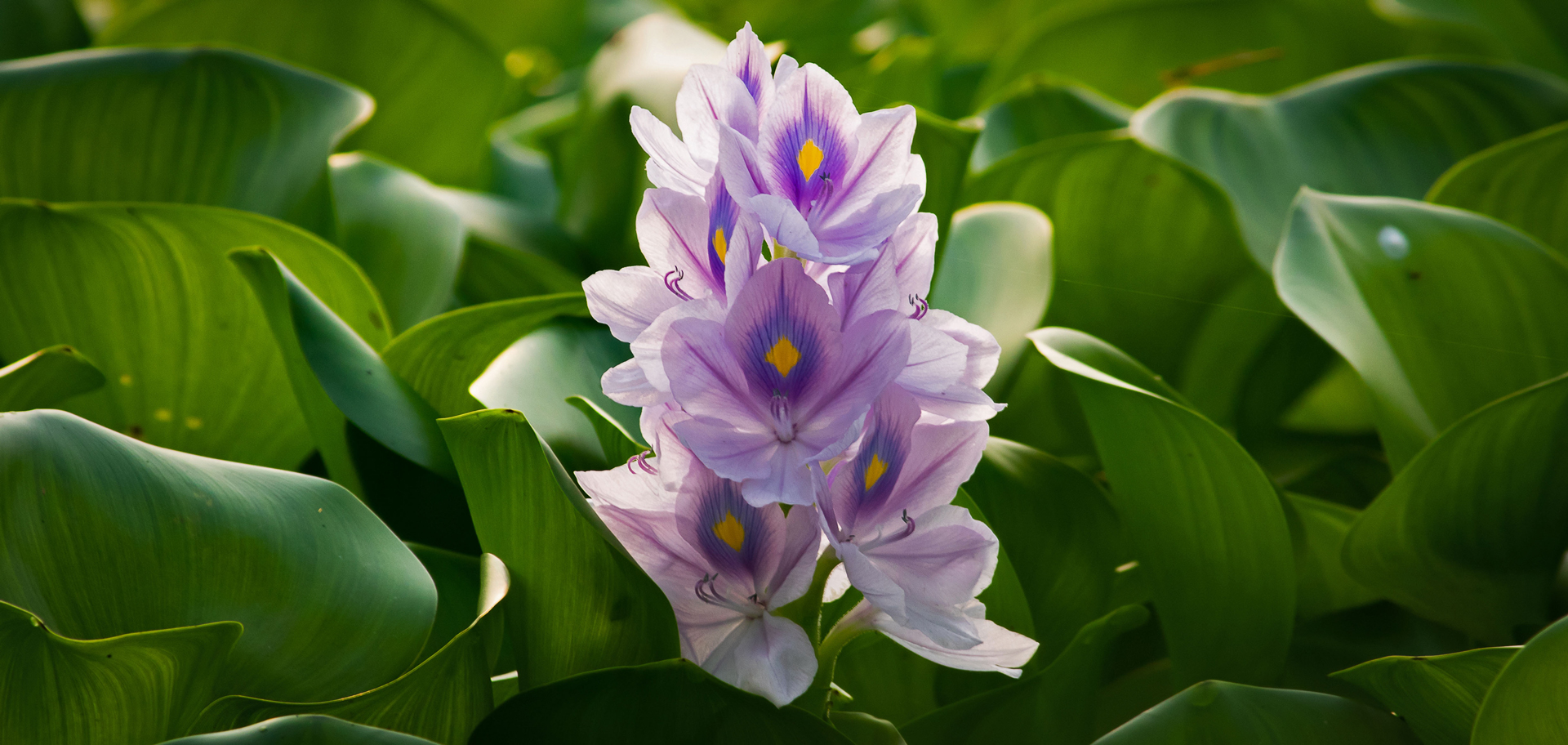
The water hyacinth is native to the Amazon Basin. On its own, it has spread to more than 50 countries across Africa, Asia and North America. It blankets lakes and ponds, doubling in size every two weeks. Because its bulbous, waxy leaves function as tiny sails, it easily migrates across waterways on water and wind currents.
The report shows that 34% of the impacts of biological invasions were reported from the Americas, 31% from Central Asia and Europe, 25% from Asia and the Pacific and about 7% from Africa. Most negative impacts are reported on land (about 75%), with considerably fewer reported in freshwater (14%) and marine (10%) habitats. Invasive alien species are most damaging on islands, with alien plants now exceeding native plants on more than 25% of all islands.
Prevention measures, such as border biosecurity and strictly enforced import controls, are identified in the report as having worked in many instances, such as the successes achieved in Australia, New Zealand and neighboring islands in reducing the spread of the brown marmorated stink bug.
Preparedness, early detection and rapid response are shown to be effective at reducing rates of alien species establishment. Eradication has been successful and cost-effective for some species, especially when their populations are small and slow spreading in isolated ecosystems, such as islands. For example, the black rat and rabbit have been successfully eradicated from French Polynesia.
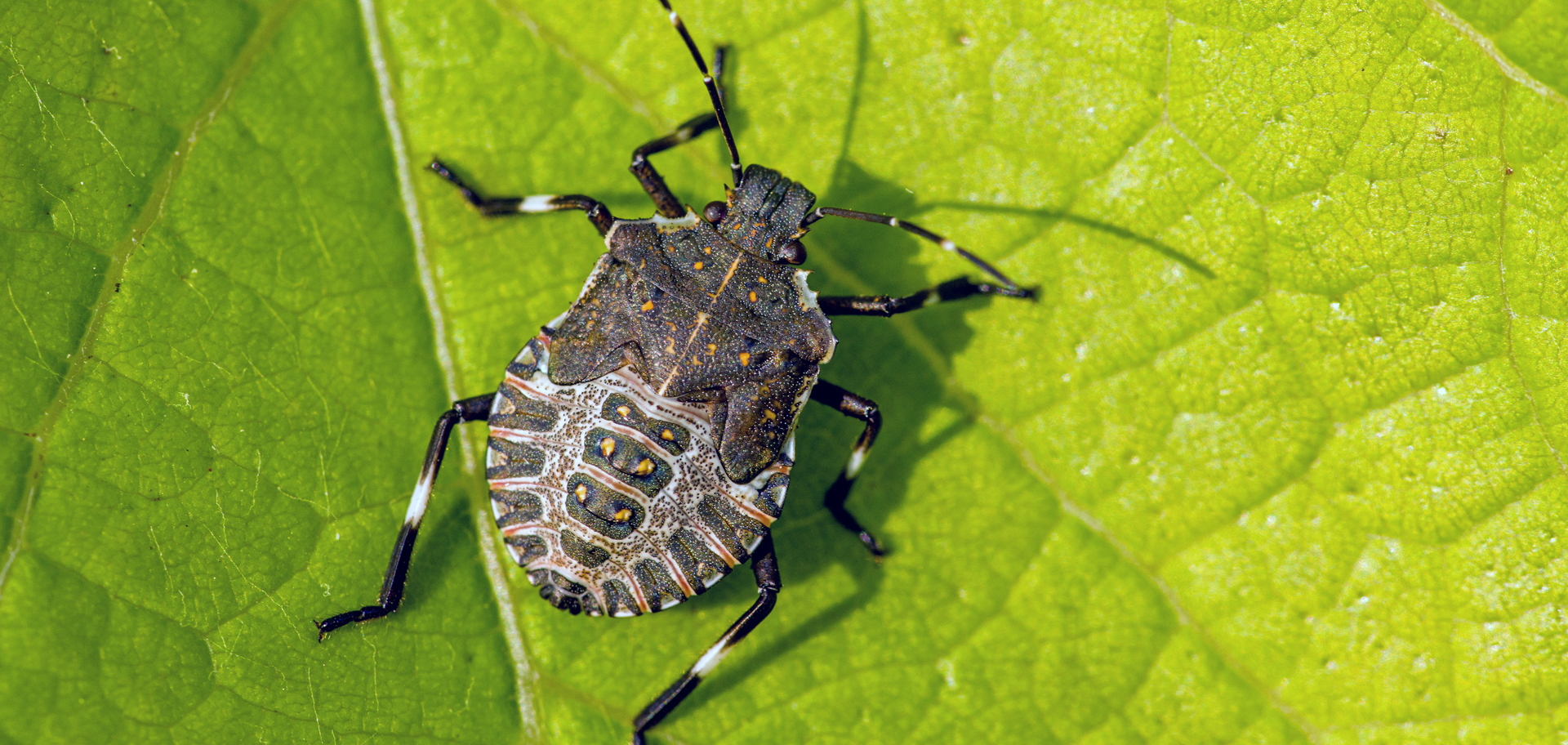
New Zealand maintains a highly effective biosecurity program that successfully intercepts hitchhiking brown marmorated stink bugs at the border. The strategy includes deploying pheromone traps and utilizing detector dogs at high-risk ports. Also, active public awareness campaigns encourage residents to catch and report suspected sightings immediately.
How to predict whether an invasive species will be successful
We know that when a new species is introduced into an ecosystem, it may succeed in establishing itself, or it may fail to gain a foothold and die out. Now, physicists at the Massachusetts Institute of Technology (MIT) have devised a formula, published in the journal Nature Ecology and Evolution in January 2025, that can predict which of those outcomes is most likely.
In natural communities, ecologists have hypothesized that the more diverse an ecosystem is, the more it will resist an invasion because most of the ecological niches will already have been occupied with few resources left for an invader. However, in both natural and experimental systems, scientists have observed that this is not consistently true: while some highly diverse populations are resistant to invasion, others are more likely to be invaded.
To explore why both of those outcomes can occur, the researchers set up more than 400 communities of soil bacteria, which were all native to the soil around MIT. They established communities of 12 to 20 species of bacteria; and six days later, they added one randomly chosen species as the invader. On the 12th day of the experiment, they sequenced the genomes of all the bacteria to determine if the invader had established itself in the ecosystem.
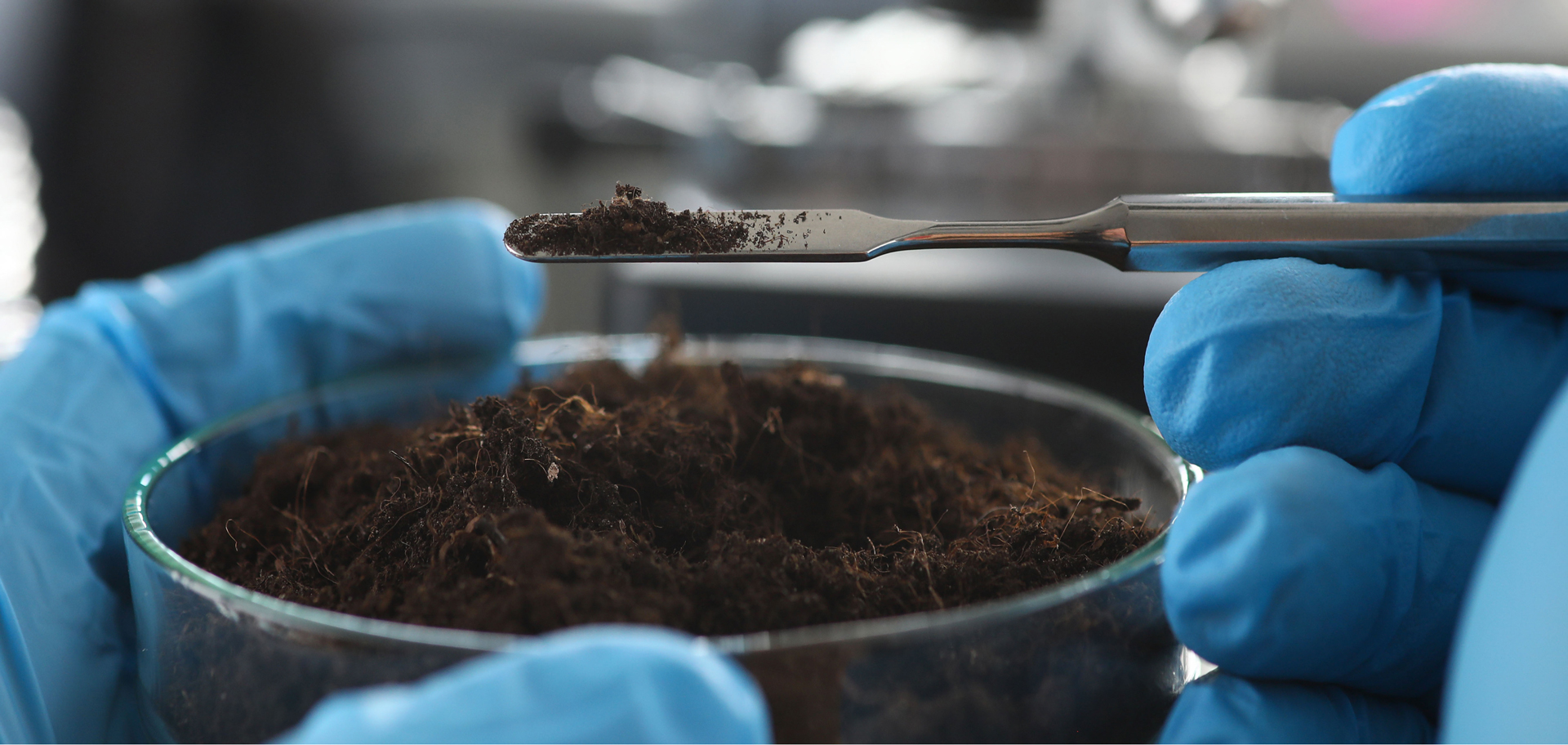
Soil bacteria are microscopic, single-celled organisms that form the foundation of terrestrial ecosystems, with up to a billion bacteria residing in just a single teaspoon of soil. They are the driving force behind soil fertility, nutrient cycling and plant health, making them essential for both agriculture and natural ecosystems.
In each community, the researchers also varied the nutrient levels in the culture mediums on which the bacteria were grown. When nutrient levels were high, the microbes displayed strong interactions, characterized by heightened competition for food and other resources, or mutual inhibition through mechanisms such as pH-mediated cross-toxin effects. Some of these populations formed stable states in which the fraction of each microbe did not vary much over time, while others formed communities in which most of the species fluctuated in number.
The researchers found that these fluctuations were the most important factor in the outcome of the invasion. Communities that had more fluctuations tended to be more diverse, but they were also more likely to be invaded successfully. The fluctuations weren’t driven by changes in the environment, but by species interactions. In some of the populations where the invader established itself, the other species remained, but in smaller numbers. In other populations, some of the resident species were outcompeted and disappeared completely. This displacement tended to happen more often in ecosystems when there were stronger competitive interactions between species. In ecosystems that had more stable, less diverse populations, with stronger interactions between species, invasions were more likely to fail.
Regardless of whether the community was stable or fluctuating, the researchers found that the fraction of the original species that survived in the community before invasion predicts the probability of invasion success. This “survival fraction” could be estimated in natural communities by taking the ratio of the diversity within a local community (measured by the number of species in that area) to the regional diversity (number of species found in the entire region).

Invasions can be harmful or good. In some cases, we want healthy species—like probiotics—to invade successfully. Probiotics are live bacteria and yeasts naturally found in the body and certain fermented foods, such as sauerkraut. Probiotics support digestive health, boost the immune system and ensure a healthy balance in the gut microbiome.
The researchers also found that under certain circumstances, the order in which species arrived in the ecosystem played a role in whether an invasion was successful. When the interactions between species were strong, the chances of a species becoming successfully incorporated went down when that species was introduced after other species had already become established. When the interactions were weak, this “priority effect” disappears and the same, stable equilibrium is reached no matter in what order the microbes arrive.
Invasions can be harmful or good depending on the context, state the researchers. In some cases, as with probiotics or efforts to protect soils, we want healthy species to invade successfully.
Aliens and good invaders welcome
An alien (or non-native) species is any organism introduced outside its natural past or present range. An invasive species is a specific subset of alien species that causes rapid ecological, economic or human-health harm because it lacks natural predators and outcompetes native fauna and flora. Most aliens are harmless or even beneficial. However, when an introduced species becomes invasive, it threatens biodiversity and infrastructure, costing billions of dollars globally each year due to disruptions like agricultural damage, clogged waterways and infrastructure deterioration.
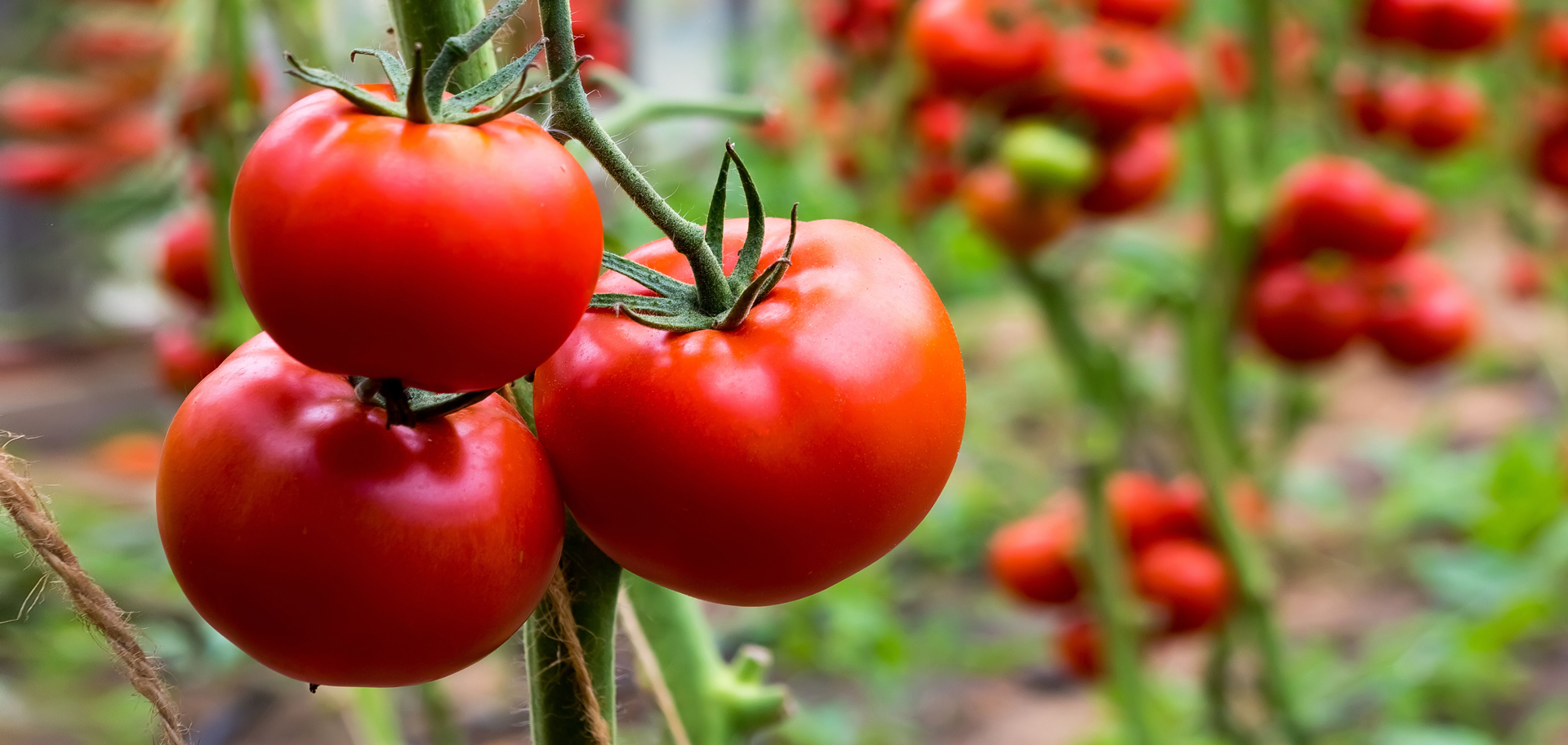
Most alien species are harmless or even beneficial. Tomatoes—now one of the most widely grown crops on Earth—are native only to the Andean region of South America. Everywhere else, they are an introduced, alien species, but a well-behaved one: if humans stop tending them, they quickly get outcompeted by local wild plants and die out.
To put a playful twist on William Cowper’s 1785 classic idiom, diversity is the spice of life. We should all embrace the aliens who keep things exciting in our regions, neighborhoods and backyards, and who help us see the worlds we live in from fresh perspectives.
The trick, though, is to distinguish the good aliens from the invader (or invasive) kind, the type that can cause the extinctions of our native animal and plant kin.
Here’s to finding your true places and natural habitats,
Candy