

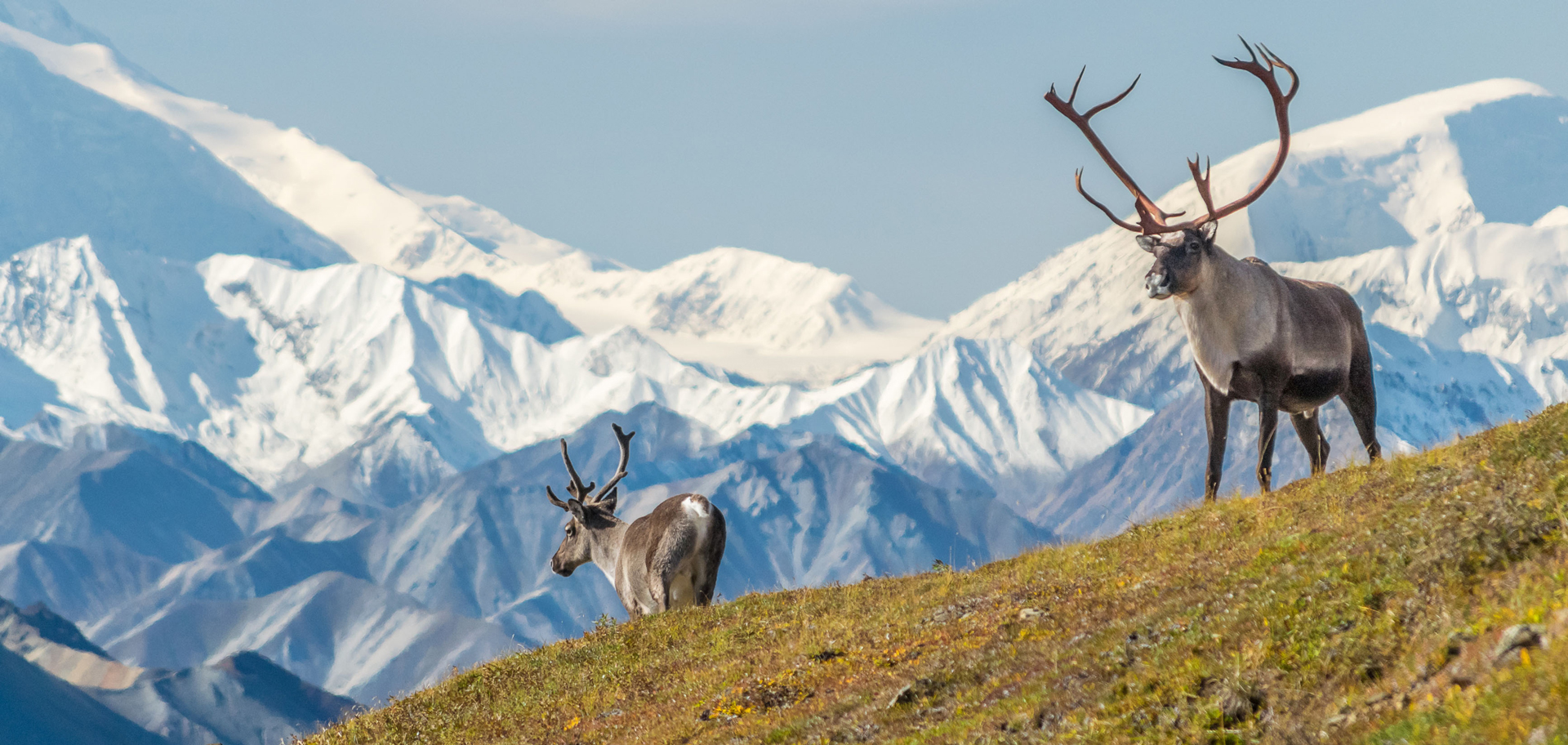
North American caribou may travel up to 1,800 miles round trip annually between calving and wintering grounds. They migrate to find food and escape insects, with pregnant females and the young heading to the tundra first in the spring. The entire herd moves to the boreal forest for the winter.
Migration is a wonderful word. It doesn’t merely mean a physical relocation but is an expression of strength, resilience, the universal desire for well-being and a movement toward hope. I have always thought of migrations as nature in motion. Whether they are the epic journeys of large animals, such as the wildebeest migrations in Africa, or the small-scale trips of tiny organisms in the ocean, migrations tell the stories of creatures who come together as one to move with a purpose.
Both migratory birds and caribou are examples of animals that undertake long-distance migrations to exploit a temporary abundance of resources, such as food, suitable habitats or safe breeding grounds. Both appear to have a built-in “compass” or navigational ability that likely involves the use of the Earth’s magnetic field, a sense for recognizing celestial cues or an “internal GPS” to travel through unfamiliar areas and return to the same, specific locations year after year. Birds take advantage of the Northern summer’s rich food bounty, while caribou migrate to areas with necessary forage, such as lichens or fresh, spring plant growth.
Recently, a new study showed that environmental conditions in migratory birds’ winter homes carry over to affect their ability to survive spring migration and the breeding season. And decades of data following the migratory patterns of endangered caribou show that migration areas have decreased significantly, and resource extraction is disturbing caribou habitats.
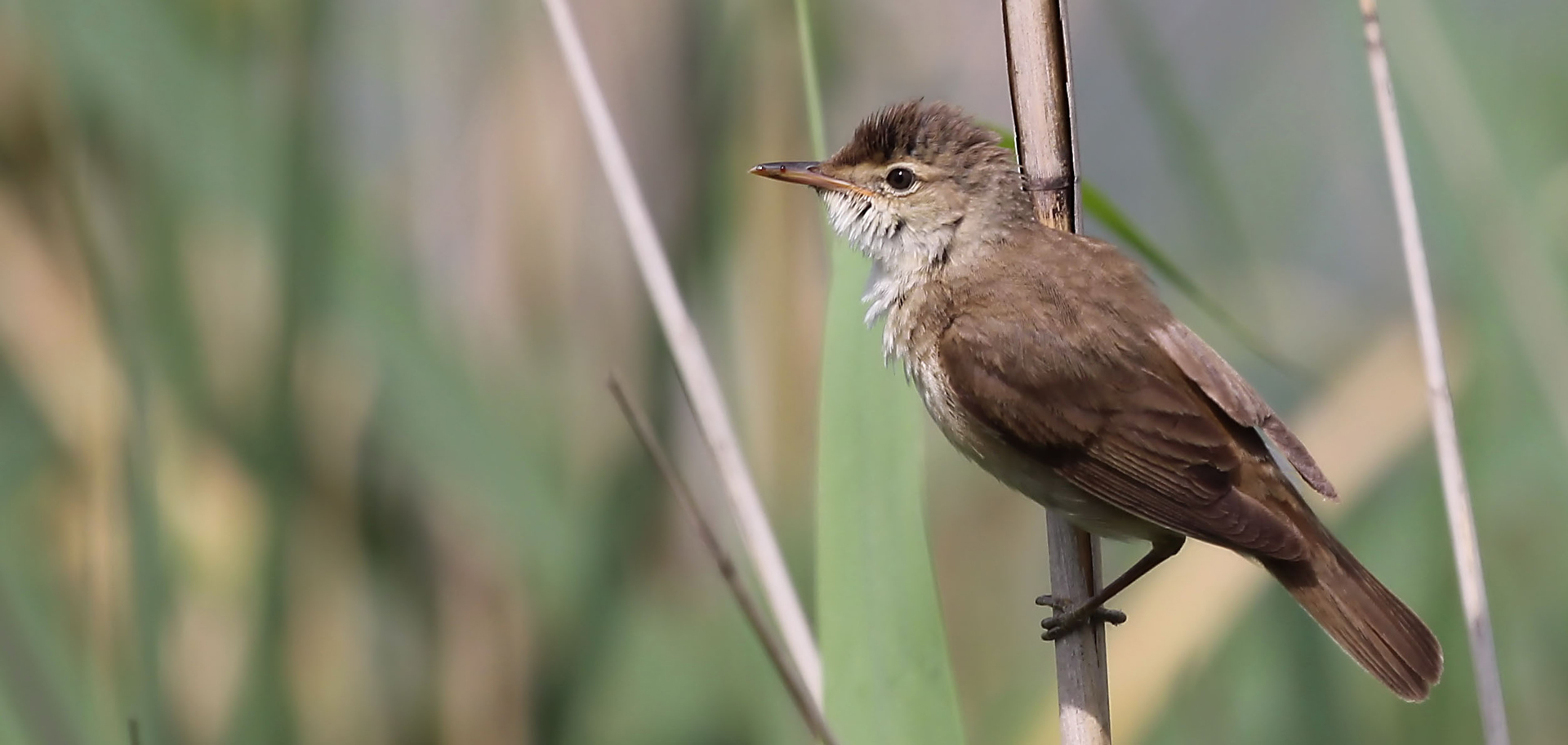
Eurasian reed warblers calculate their geographical position by drawing data from different angles and distances between magnetic fields and the Earth’s shape. They use magnetic information as a sort of “GPS” that tells them not only where to go, but where they are initially.
So, while caribou are land-based and birds are airborne, their fundamental shared trait is the extraordinary, large-scale movements they must make to survive the extreme seasonality of their environments—and how those necessary travels may be in jeopardy.
Drier winter habitats affect the survivability of songbird migrations
The 2025 U.S. State of the Birds report, produced by a coalition of leading conservation and science organizations, reveals continued widespread declines in American bird populations across all mainland and marine habitats, with 229 species requiring urgent conservation action. More than one-third of U.S. bird species are of high or moderate conservation concern, including 112 species that have lost more than 50% of their populations in the last 50 years. The report comes five years after the landmark 2019 report that documented the loss of 3 billion birds in North America over the last five decades.
As bird populations continue to decline, understanding the factors influencing their survival throughout the year is crucial. For example, the Caribbean—where many songbirds spend the winter—is expected to get drier in the coming decades due to climate change, suggesting migratory bird species, such as warblers, could face even greater challenges going forward.

Kirtland’s warblers are one of North America’s rarest and most range-restricted songbirds, breeding almost exclusively in northern Michigan and wintering primarily in the Bahamas. They nest on the ground and only breed in young jack pine forests that are five to 20 years old.
Seeking to investigate how environmental conditions on nonbreeding grounds affect survival during spring migration and on breeding grounds, researchers at the Smithsonian’s National Zoo and Conservation Biology Institute studied Kirtland’s warblers in Michigan. GPS tags, which can track individual birds continuously, are too heavy to attach to most songbirds; so instead, radio transmitters were used. While radio transmitters are lighter than GPS tags, they only reveal their location when a receiver is within six to 10 miles. Many species breed over large tracts of North America, making it all but impossible to correctly guess where an individual bird might end up breeding with enough precision to detect its radio transmitter. The Kirtland’s warblers offered the scientists a unique opportunity because nearly the entire population breeds in a relatively small part of Michigan. This made it feasible to track down the same individual birds tagged in their nonbreeding habitat in the Bahamas.
The Smithsonian team analyzed three years of radio-tracking data from 136 tagged Kirtland’s warblers to estimate their survival rate across their migration and its relation to environmental factors. In addition to directly estimating survival for Kirtland’s warblers, the team also indirectly estimated migratory survival rates for black-throated blue warblers using a statistical technique to analyze 14 years of capture-recapture data from the black-throated blue warblers’ New Hampshire breeding grounds and their nonbreeding grounds in Jamaica. The scientists then linked their survival to environmental conditions.
Despite the two different methodologies, both species showed lower survival rates during migration compared to stationary periods. The study, which was published in the journal Current Biology in November 2024, also revealed reduced rainfall and diminished vegetative productivity in the birds’ Caribbean, nonbreeding, winter habitats resulted in fewer birds surviving spring migration. For Kirtland’s warblers, poor quality winter habitat also reduced survival in the subsequent breeding season. This is the first direct evidence of this type of carryover effect on survival during migration.
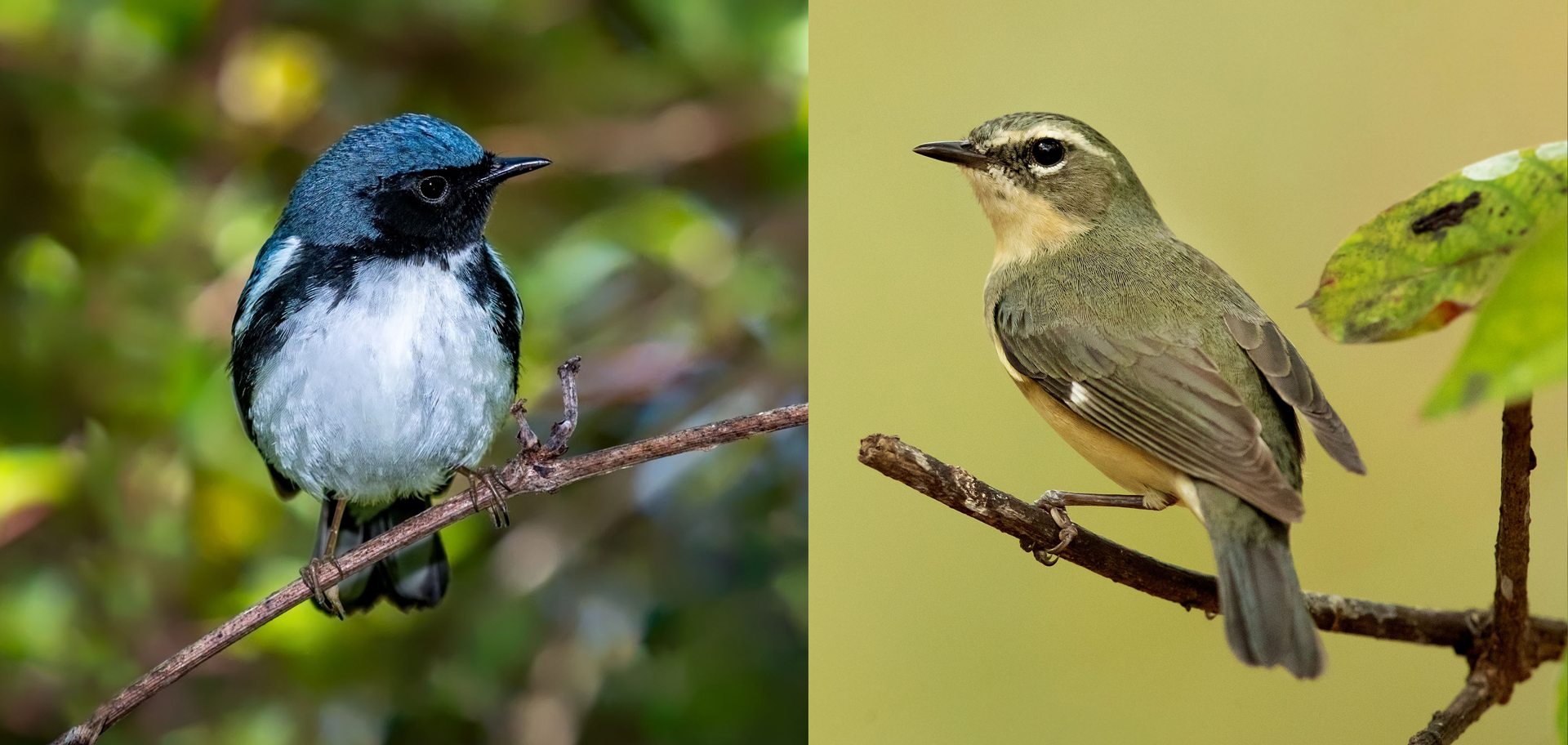
Male and female black-throated blue warblers look so unlike that they were originally thought to be two different species. On their wintering grounds, males and females use slightly different habitats. Males frequent forests at lower to middle elevations, while females use shrubbier habitat at higher elevations.
While scientists have long known that the quality of winter, or nonbreeding, habitat influences migratory birds’ migration timing and reproductive success, the study marks the first time researchers have linked winter conditions with migration survival. If winter habitat quality continues to degrade over the next half-century due to climate change, state the researchers, it will certainly reduce birds’ ability to survive spring migration. They hope that this knowledge will help prioritize conservation measures on the most drought-resistant, nonbreeding grounds.
Human disturbance causes the shrinking of caribou migrations
Another animal that is in danger due to its cyclical, purposeful movements is Santa’s reindeer (called caribou in North America). In fact, habitat loss in migratory ranges is a definite threat to caribou survival.
Both Western science and Indigenous knowledge recognize the critical role that migration plays in sustaining abundant wildlife populations, yet these movements are increasingly disrupted by human activity worldwide. That’s why a research team, which included representatives from Alberta Environment and Parks, British Columbia’s Ministry of Water, Land and Resource Stewardship, and Environment and Climate Change Canada, analyzed telemetry data for southern mountain caribou from 1987 to 2022.
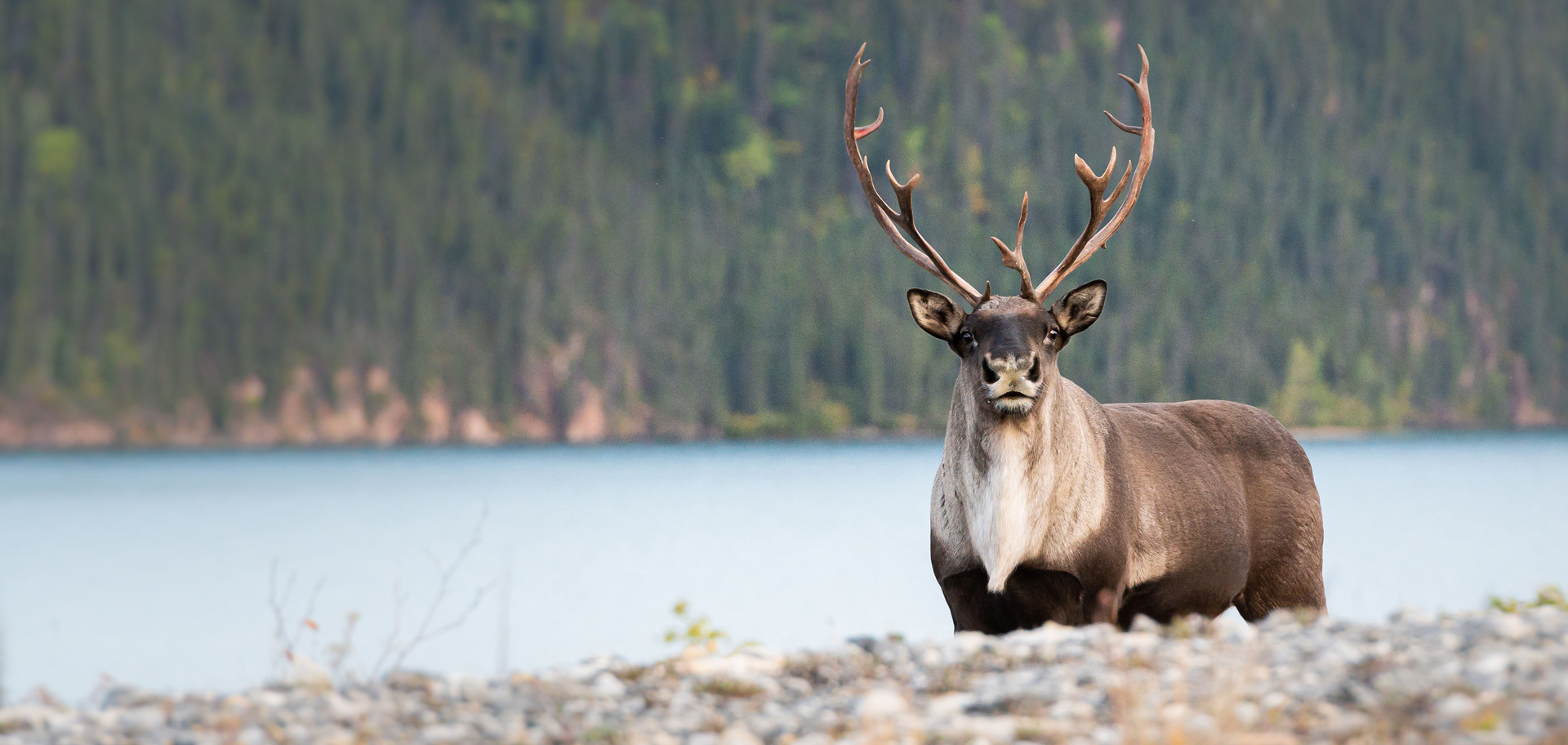
Southern mountain caribou are the only subpopulation with the potential to occur in the contiguous United States. Their migration has declined significantly over the past 40 years, correlated with human-caused disturbances, such as climate change and habitat loss. ©Ghost Bear/Shutterstock.com
Migrating ungulates, like caribou, follow seasonally available foods, tracking gradients in rainfall, safety from predators and snow depth. Barren-ground caribou in the North American Arctic are known to complete one of the most dramatic migrations, with herds numbering in the hundreds of thousands, including pregnant females, moving hundreds of miles each year between seasonal ranges. While not as dramatic, southern mountain caribou migrations historically occurred vertically, up and down mountains and horizontally between mountainous areas and lowland forests. But this appears to be changing.
Study data was collected from 1,704,842 caribou relocations of more than 800 animals across 27 southern mountain caribou subpopulations. It showed that over 35 years of radio-tag tracking using very high-frequency and GPS collars, the caribou herds had changed their migratory distance, duration or elevation. Most of the subpopulations remain migratory to some degree, but seasonal migrations appear to be shrinking in both duration and extent. In addition, during the observation period, researchers noted the near collapse of elevational migration for five southern caribou subpopulations.
The researchers say the findings, published in the journal Global Change Biology in March 2025, surprised them. Though their study spanned just 35 years—a blink of an eye compared to the millennia caribou have been migrating—they found migration eroding; not due to weather shifts, but alongside caribou population declines and expanding human disturbance. Even observations from government biologists, Indigenous community members and other local people indicated that southern mountain caribou migrations are changing or not happening at all.
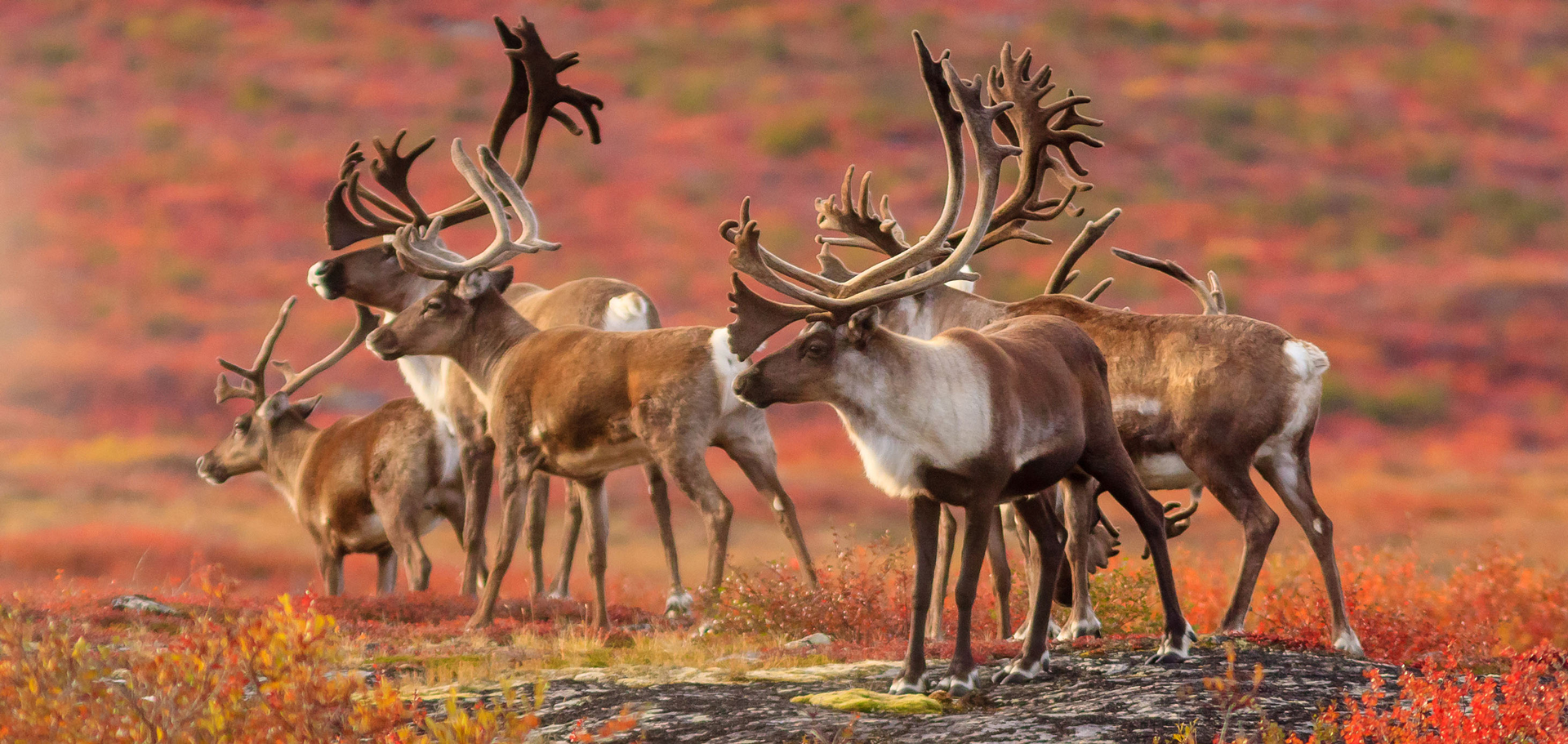
The global range of barren-ground caribou extends from Alaska to western Greenland and is continuous across northern continental Canada. The animals are characterized by long migrations and highly gregarious behavior, often traveling in groups of hundreds or thousands.
Due to their southern distribution, these caribou are exposed to higher levels of human-caused landscape disturbance and the associated habitat change and loss. Thirty-five years ago, the average percent of the landscape disturbed by human causes, including logging, oil and gas drilling, and reservoirs was about 5%, while natural disturbance from fire and pests was 0.3%. By 2020, however, more than 30% of that landscape was disturbed by human behavior.
That means that within the last three-and-a-half decades, human-caused disturbance increased nearly sixfold within the ranges of the caribou subpopulations. Beyond impacts to migration, habitat disturbance—which has disrupted predator-prey dynamics—is a primary cause of caribou population crashes. Southern mountain caribou numbers declined by more than 50% over the period of the investigation.
Sustaining caribou populations and their migratory behavior into the future will require a rapid change in managing the landscape, restoration and a reduction in ongoing human-caused disturbance, conclude the researchers. Creating a landscape with lower predator densities and suitable habitats that can once again nourish caribou is imperative to preserve their migratory behavior and support recovery efforts.
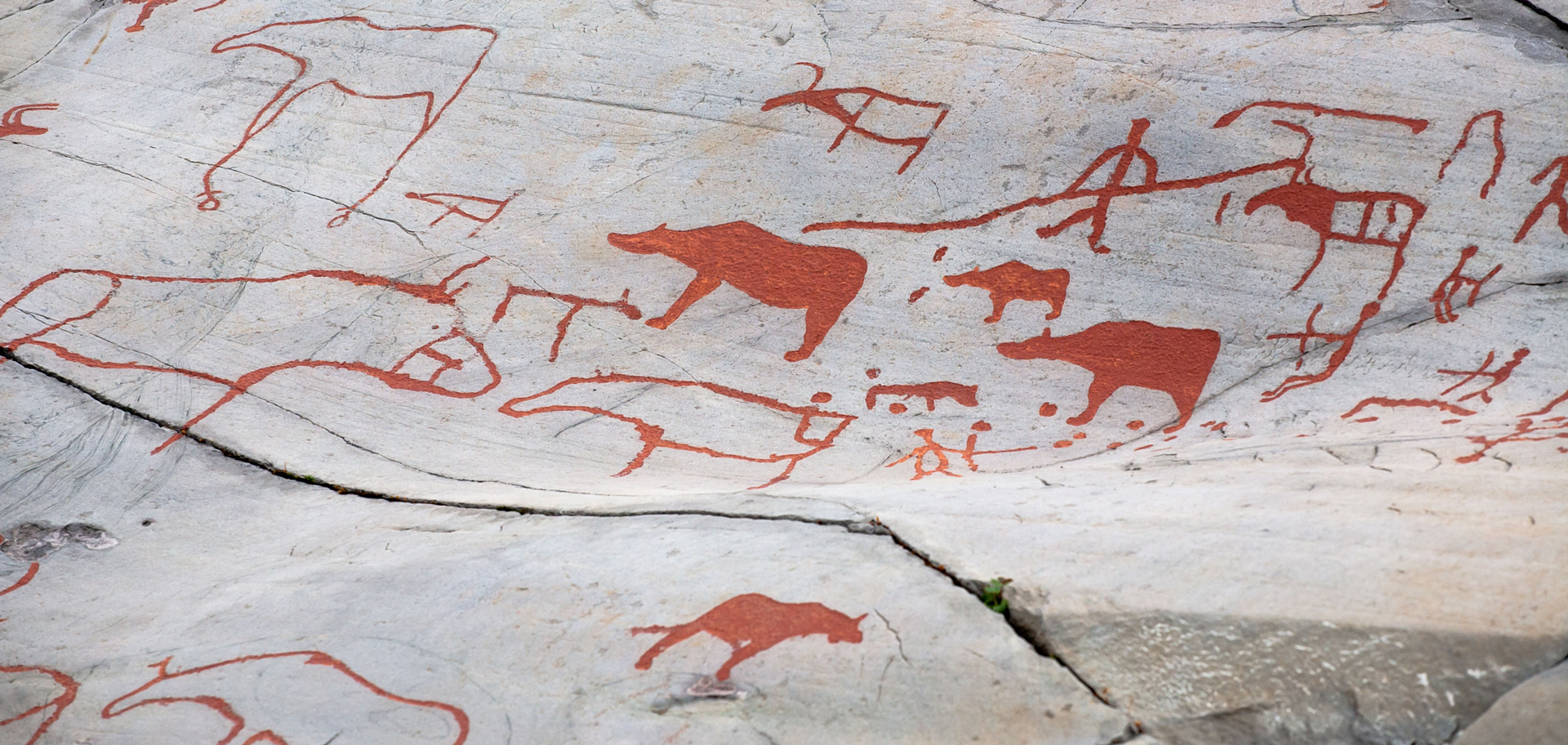
Barren-ground caribou are a keystone species, playing a major cultural and ecological role in Northern ecosystems. They have significant, direct economic value from harvest, primarily for subsistence use. They also contribute to the Northern economy through wildlife tourism and recreational hunting.
Intact ecosystems fuel the sustainability of nature’s migrations
Both caribou and migratory birds play crucial roles in their ecosystems. Migratory birds help link different habitats across hemispheres, while caribou cycle nutrients through their movements and waste, and are a valuable food source for predators, including humans, in Northern communities. Both are of significant cultural and nutritional importance to Indigenous peoples in the regions they inhabit.
However, both caribou and migratory birds also rely on specific, intact habitats (like the Arctic tundra and the boreal forest) at different times of the year, making them vulnerable to the impacts of habitat disturbance and a rapidly changing climate, which is altering their food availability, populations and traditional migration routes.
To protect the better-than-humans among us who undertake the most arduous and amazing travels, there’s a lot we can do. We can restore migration corridors, which includes safeguarding key habitats and creating safe passages like wildlife bridges and underpasses. We can address human-caused disruptions, such as habitat loss and fragmentation from fences and obstacles, such as roads. This can be achieved through land-use planning, modifying or removing barriers, managing human activities like hunting and fishing, and tackling broader issues like climate change and unsustainable development.
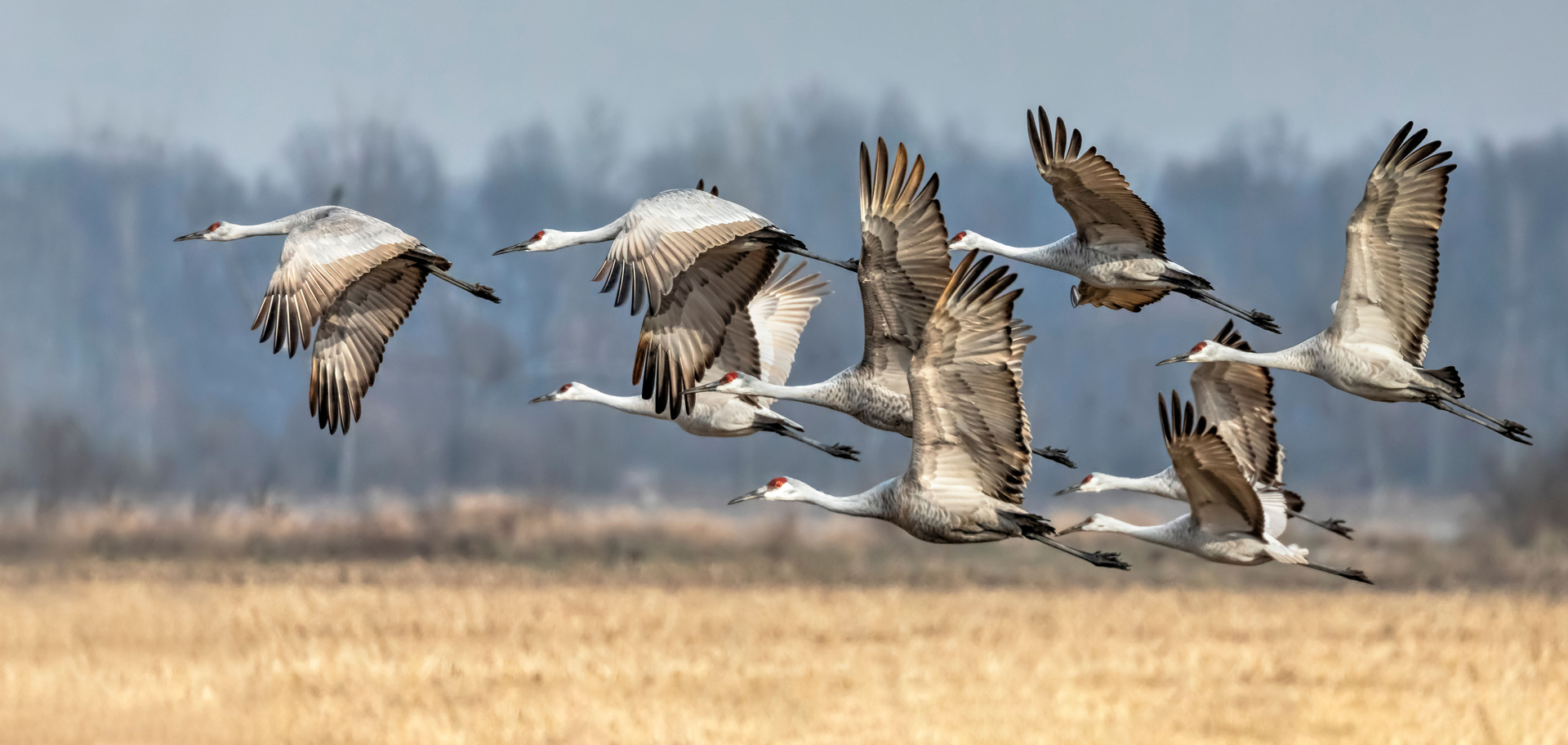
Nature is most often in motion. There’s a lot we can do to protect those among us who undertake the most arduous and amazing travels.
That beautiful word migration captures the instinctive, rhythmic journeys that connect different ecosystems and habitats, illustrating nature’s intricate balance and the drive for survival and reproduction. Stasis in nature, both in the natural world and within us, is not sustainable and can lead to negative outcomes. Nature needs to be kept in motion. Movement represents change, growth and the actualization of potential.
In the end, isn’t that what we all seek?
Here’s to finding your true places and natural habitats,
Candy