Great Migrations—from Small Creatures

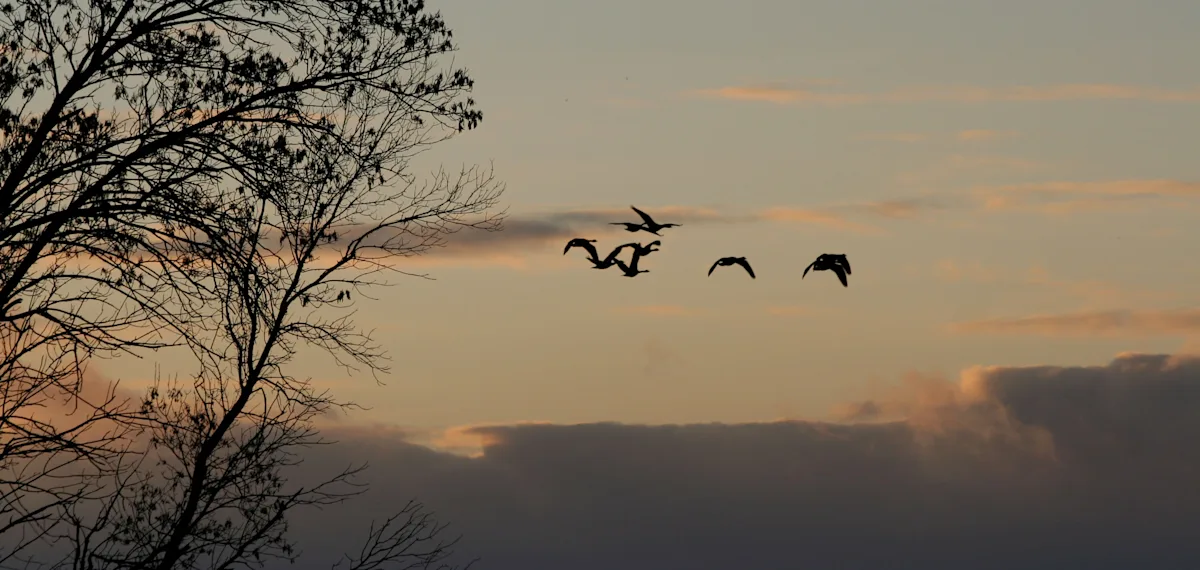
If you dread overseas flights because you always land intolerably tired and exceedingly hungry, I have some facts that might help you put such ordeals into perspective. It was recently discovered that a female bar-tailed godwit, opens in new tab flew 7,145 miles from Alaska to New Zealand—without taking a single break for food or drink. During the journey, the only way she “slept” was by shutting down one side of her brain at a time. Her trip took nine days to complete, and it is the longest nonstop bird migration ever measured.
And even more recently, a female purple martin, opens in new tabwas found to have averaged 360 miles a day on her 4,600-mile journey from her Amazonian wintering grounds to Pennsylvania—four times faster than the 90 to 95 miles a day that was long believed to be the standard for songbirds.
We now know these amazing facts because of a new animal-tracking device, called a “geolocator.” Unlike the clunky collars and heavy “backpacks” of the past, the new device has been scaled down to just .03 ounces—less than the weight of two M&Ms or a paper clip.
Traveling light
In the past few years, these new, lightweight geolocators have revolutionized the tracking of migratory birds on their worldwide adventures. Scientists have been able to document some astonishing records for distance and endurance., opens in new tab By recording maximum light intensity at 10-minute intervals, the devices, when retrieved, contain a year’s worth of light data that can then be computer-analyzed to trace a bird’s day-by-day location using the time of sunrise and sunset to determine latitude and longitude. The small, geolocators are accurate to within three to six miles.
Last year, in fact, an international team used geolocators to trace the migratory journey of an Arctic tern., opens in new tab The data confirmed that these birds migrate the longest distance of any animal: nearly 50,000 miles a year (with stops), which is the equivalent of three journeys to the moon and back over a tern’s 30-year lifetime.
But more important than learning about these amazing feats for their “wow factor” is that by being able to pinpoint where migratory birds go, we gain much-needed ammunition for conservationists’ efforts to protect crucial refueling and wintering habitats, many of which are rapidly disappearing due to development, logging and draining.
For example, it’s essential that migrating shorebirds have access to habitats such as mudflats that are rich with shellfish and other invertebrates. One such stopover is Delaware Bay, where every spring, red knots, opens in new tab land to gorge on horseshoe crab eggs. Unfortunately, today, the bay’s once-abundant horseshoe crab population is being overharvested as bait for commercial eel and conch traps.
As for the godwits, their numbers that make it to New Zealand each year have been falling, from around 155,000 in the mid-1990s to just 70,000 today. Researchers think that development along the Yellow Sea, located between China and North and South Korea, is to blame. As the wetlands are drained to make way for buildings, the natural habitats containing vital food sources for the birds are being destroyed.
Traveling long
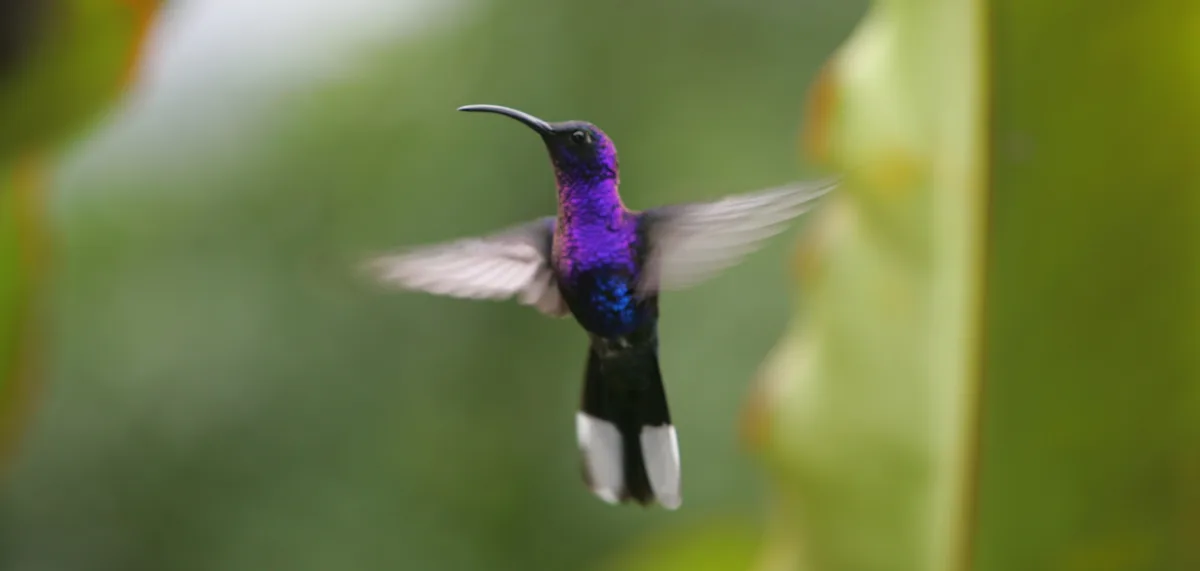
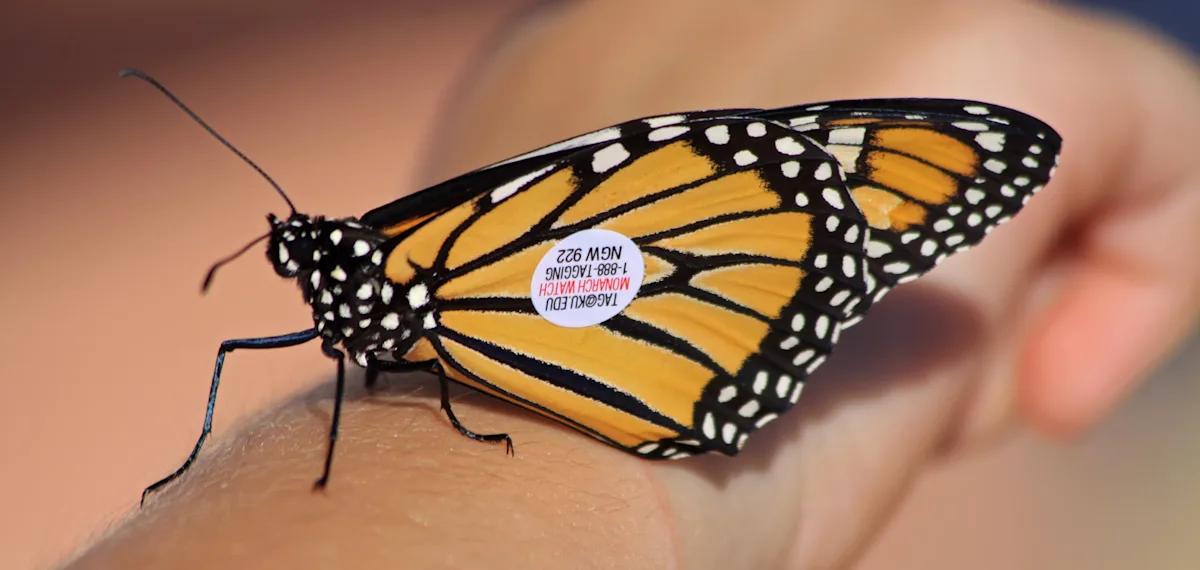
Tiny ruby-throated hummingbirds, opens in new tab make a 500-mile, nonstop flight from eastern North America across the Gulf of Mexico to Central America every year. And every fall, even tinier monarch butterflies in the United States and Canada make a 3,000-mile journey to Mexico. Because of some exciting, new technology, such as lightweight geolocators, we’re learning that, in nature, some of the grandest adventures are undertaken by the smallest of beings.
Here’s to finding your true places and natural habitats,
Candy