

Nature & Wildlife
5 Apex Predators and Where to Find Them
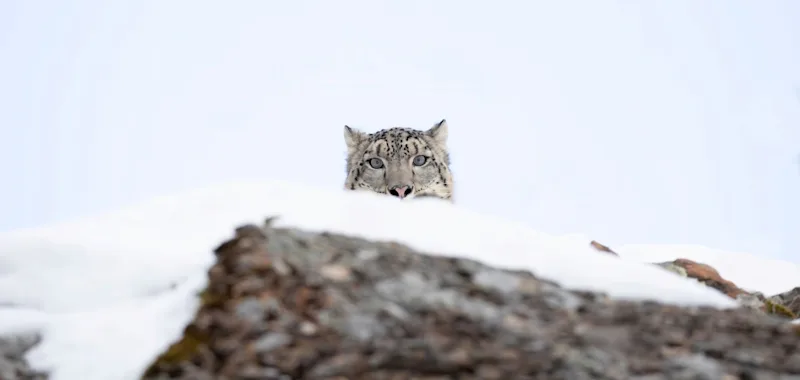
An apex predator is the hardcore animal at the top of its food chain, the baddest of the bad, with few or no natural predators in its ecosystem.
Nature & Wildlife
An apex predator is the hardcore animal at the top of its food chain, the baddest of the bad, with few or no natural predators in its ecosystem.
Alaska
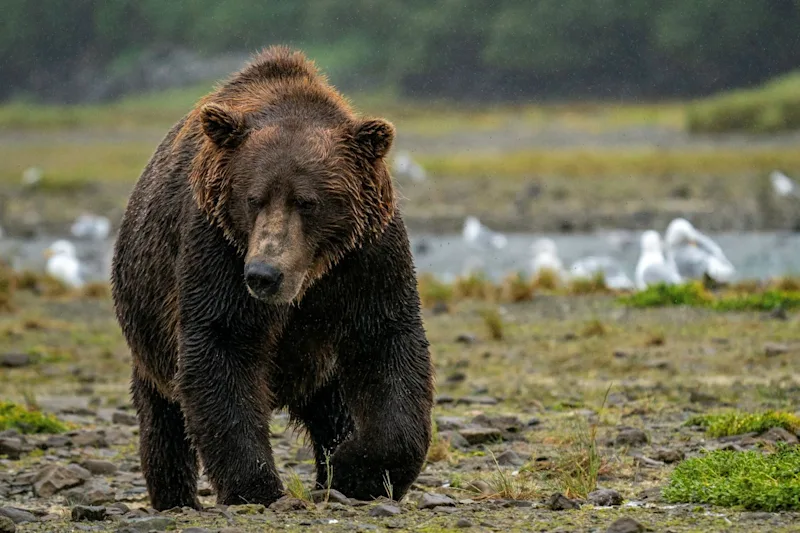
There’s a new “Big Five” in town. Well, in Alaska, that is. Go beyond the famous quintuplet of creatures found on an African safari and head north, instead, to the Great Land. There you’ll meet Alaska’s brown bears, moose, gray wolves, caribou and Dall sheep—the “other” Big Five.
Alaska
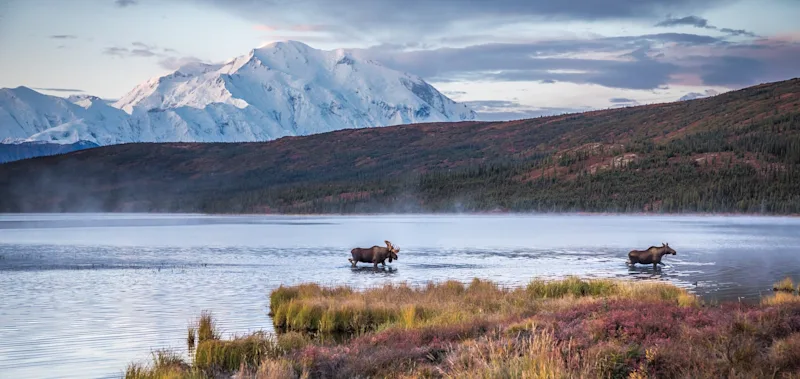
You think you know. You think you know how big and grand Alaska is before you go. It is jaw-droppingly huge and beautiful and fierce all at the same time.
Nature & Wildlife
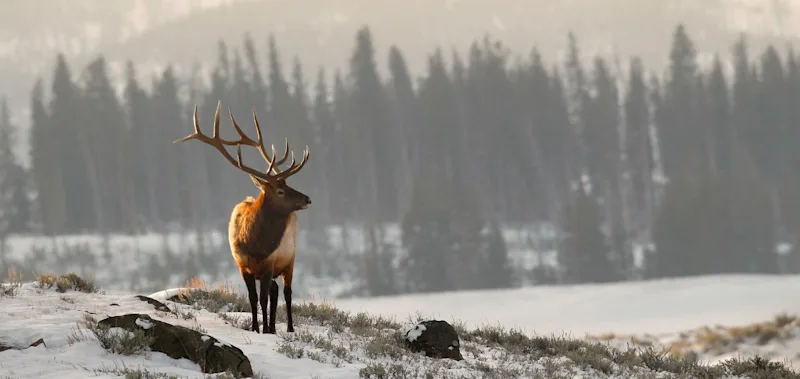
What, you may be asking, is an ungulate? You’ve actually known them all along, but perhaps just didn’t know them by their official moniker. Among the ungulates that are native to North America are bighorn sheep, bison, caribou, Dall sheep, mountain goats, moose and white-tailed deer. What do they all have in common?
Alaska
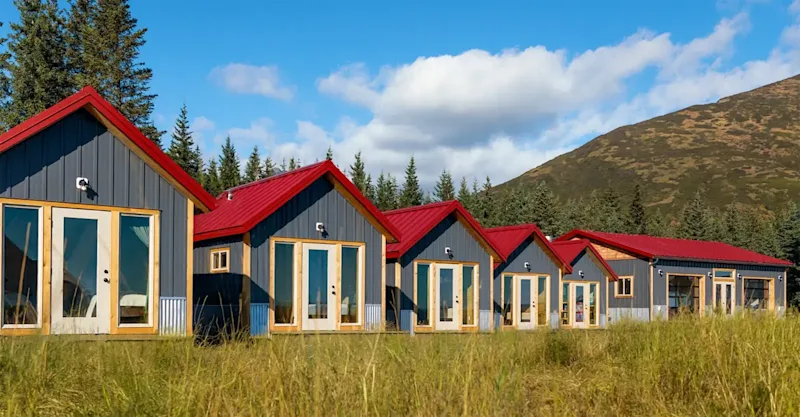
Alaska has always carried a certain mythos in my mind—its rugged wilderness, untamed landscapes and wildlife larger than life itself. For years, I heard tales of its vast beauty and isolation, as though it were a last frontier where nature still reigns supreme.
Nature & Wildlife
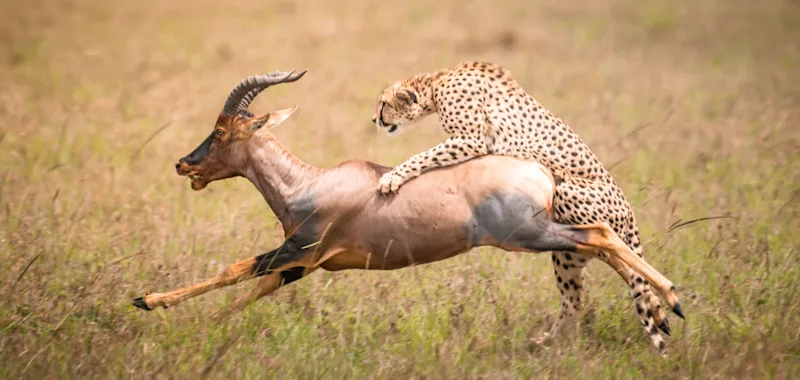
The predator/prey relationship is an age-old association. Despite that longevity, it can still mystify us. For example, on a remote Alaskan island, gray wolves are rewriting the rule book by hunting sea otters—a behavior few scientists ever expected to see.

Nature & Wildlife
Every February 14th, we celebrate Valentine’s Day, a time that has become synonymous with emotional connections and loving relationships. It’s often marked by romantic gestures, such as giving chocolates or flowers, writing a love letter, preparing a candlelight dinner, holding hands—or kissing.
Nature & Wildlife
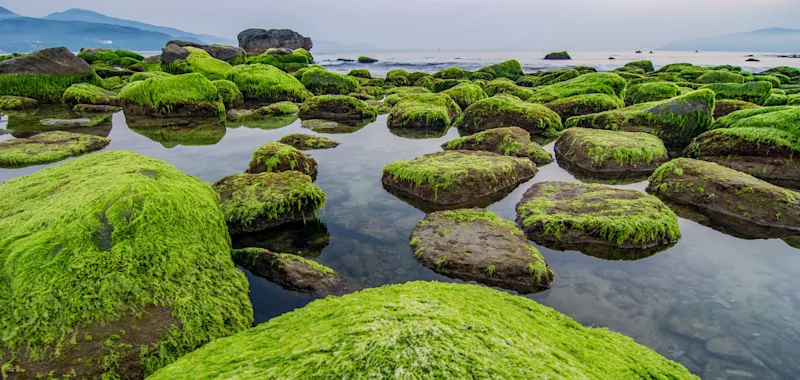
Small plants like mosses rarely draw our attention. Many moss species grow close to the ground in damp, shaded environments and are no wider than an eyelash. Despite their modest appearance, however, these plants have some formidable capabilities.
Nature & Wildlife
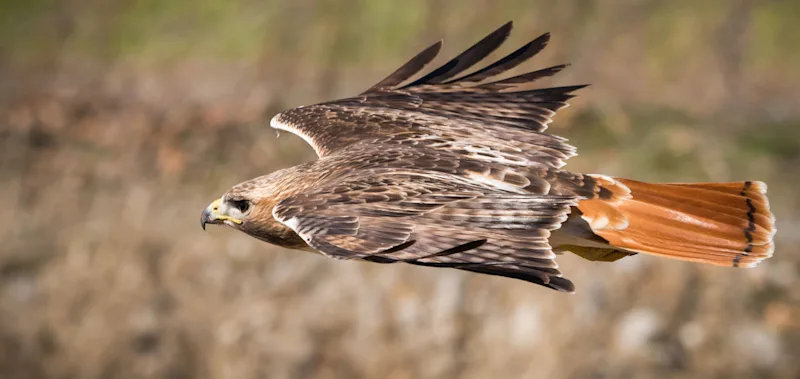
From birds to flowers, the majority of the Earth’s species stem from a few evolutionary “explosions,” where new habitats or traits sparked rapid diversification. These bursts, in fact, explain most of the planet’s biodiversity. Some of those new habitats were ignited by glaciers.
Alaska
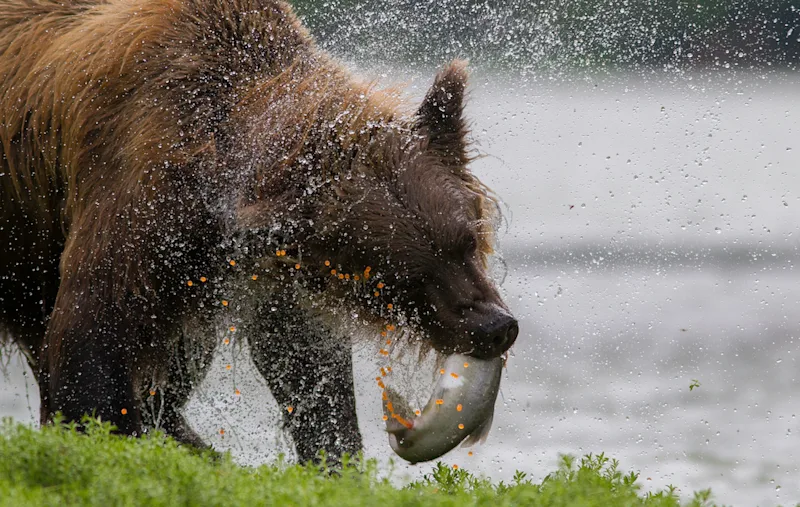
By Mac Mirabile, World Wildlife Fund Walking in Bear Country: A Thrilling Start Walking past fresh bear tracks in Katmai is an exhilarating experience. Each footstep brings us closer to that once-in-a-lifetime photograph—brown bears at close range.
Alaska
Our adventures in Katmai National Park and Preserve vary widely from month to month due to differences in bear behavior and activity. Find out the best time to visit based on your individual interests, whether it be June, July, August or September.
Nature & Wildlife
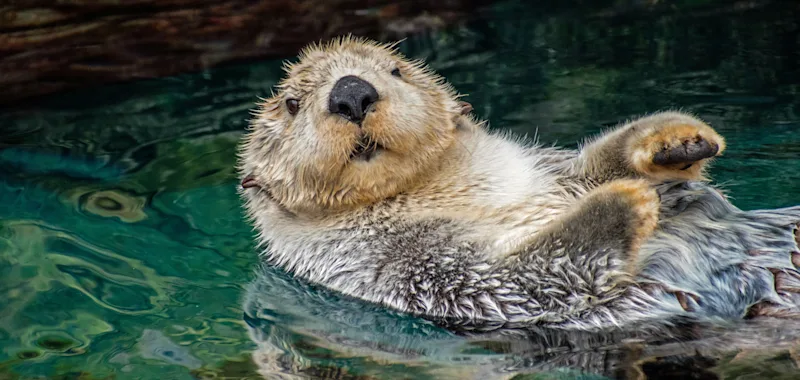
Sea otters can be a powerful ally in confronting climate change, according to the Monterey Bay Aquarium in California. In places where they’re thriving, they can maintain and restore kelp forests and coastal wetlands, strengthening our natural defenses against the worst impacts of a warming world.