


Mosses don’t need soil to grow and can thrive on rooftops, walls and rocks. Even more impressively, they absorb up to four times more carbon dioxide per square foot than trees, helping to clean the air and acting as a natural carbon sink.
Small plants like mosses rarely draw our attention. Many moss species grow close to the ground in damp, shaded environments and are no wider than an eyelash. Despite their modest appearance, however, these plants have some formidable capabilities.
For example, in Finland, a layer of moss rapidly grew on peatlands that had been restored 10 years earlier and helped boost the wetlands’ carbon sequestration rates up to those exceeding those of pristine bogs. And in what could represent a milestone in ecological restoration, researchers have implemented a method that’s capable of restoring peatlands at tens of thousands of gas and oil exploration sites in western Canada. The project involves lowering the surface of these decommissioned sites, known as “well pads,” and transplanting native mosses onto them to effectively recreate peatlands.
Here’s more proof of the talents of mosses: they carry a hidden, forensic fingerprint. Because different moss species thrive in very specific microenvironments, tiny fragments of them found on your clothes or person can reveal exactly where you’ve been. Researchers reviewing 150 years of legal records found that mosses have helped solve crimes across the world, prompting them to suggest that law enforcement officials should pay closer attention to these silent witnesses.
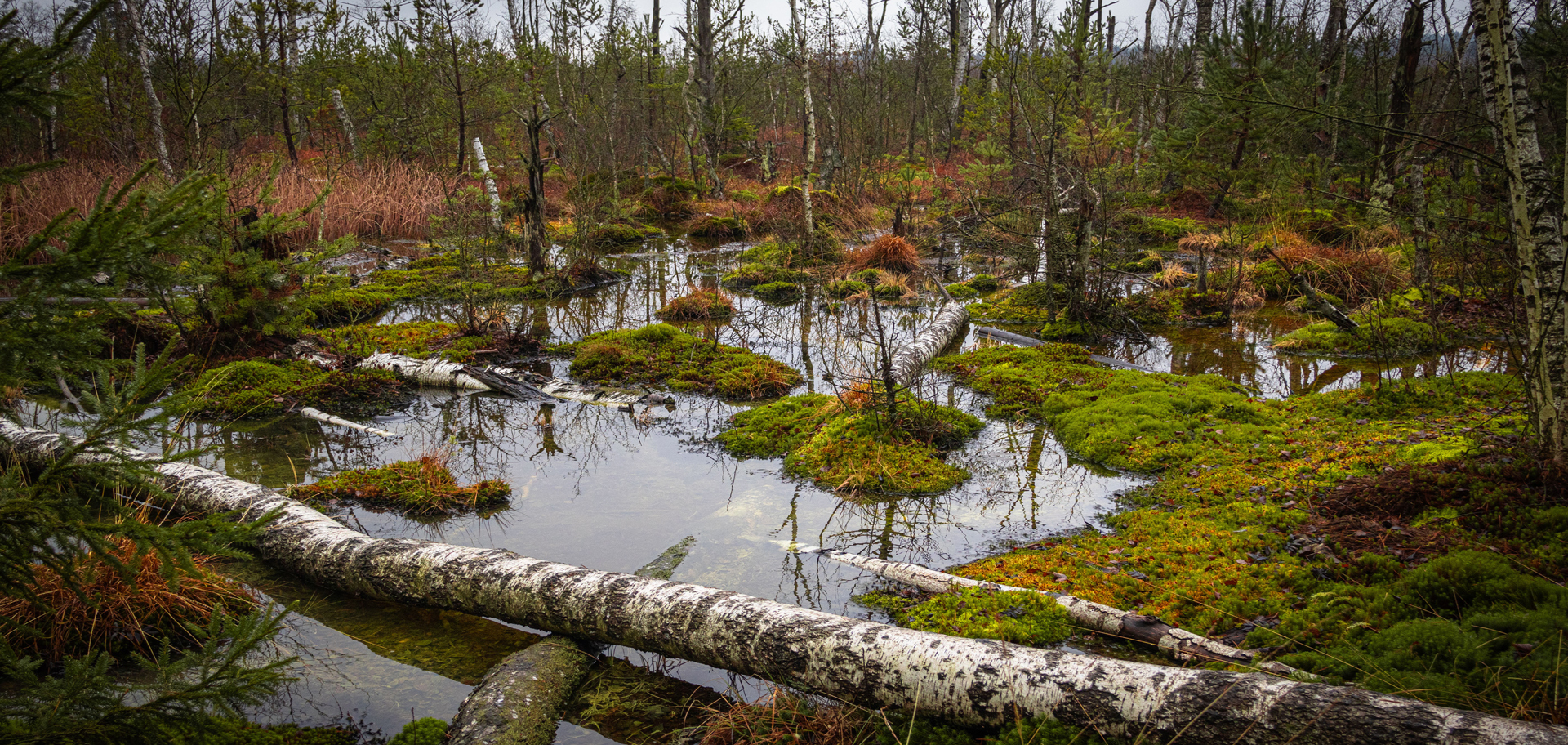
Preserving peatlands is critical because of the role they play in storing and supplying water in the landscape and because of the vast amounts of carbon dioxide that they store. Some say they’re our best choice for nature-based climate change solutions.
In restored peatlands, sphagnum moss growth improves carbon sequestration
Peatlands are unique wetland ecosystems characterized by a buildup of partially decayed plant matter, called “peat,” due to low-oxygen, waterlogged conditions that slow decomposition. Found globally, these carbon-rich areas (bogs, which are rain-fed, and fens, which receive nutrient-rich water from groundwater and runoff, are types of peatlands) support unique biodiversity, regulate water flow and store vast amounts of carbon, making them crucial for climate regulation. In fact, peatlands store nearly one-third of the world’s soil carbon, despite covering only about 3% of the land; and due to their large surface area and ability to grow in dense mats, mosses hold more carbon dioxide than trees. Sadly today, however, peatlands face threats from development and drainage. And although peatlands act as massive carbon sinks, they release carbon rapidly when disturbed or drained.
Restoring peatlands, then, is one of the most important things we can do to mitigate climate change. To provide proof of this premise, researchers from the University of Eastern Finland recently measured the sphagnum moss layer growth on 18 peatland sites in Finland 10 years after they had been restored.
In a paper published in the journal Restoration Ecology in February 2025, the scientists report that a sphagnum moss layer—with an average thickness of six inches—forms rapidly during the first 10 years after successful restoration of a peatland, with carbon sequestration rates of 48 tons of carbon dioxide per 2.5 acres, a number which usually exceeds those of pristine bogs.
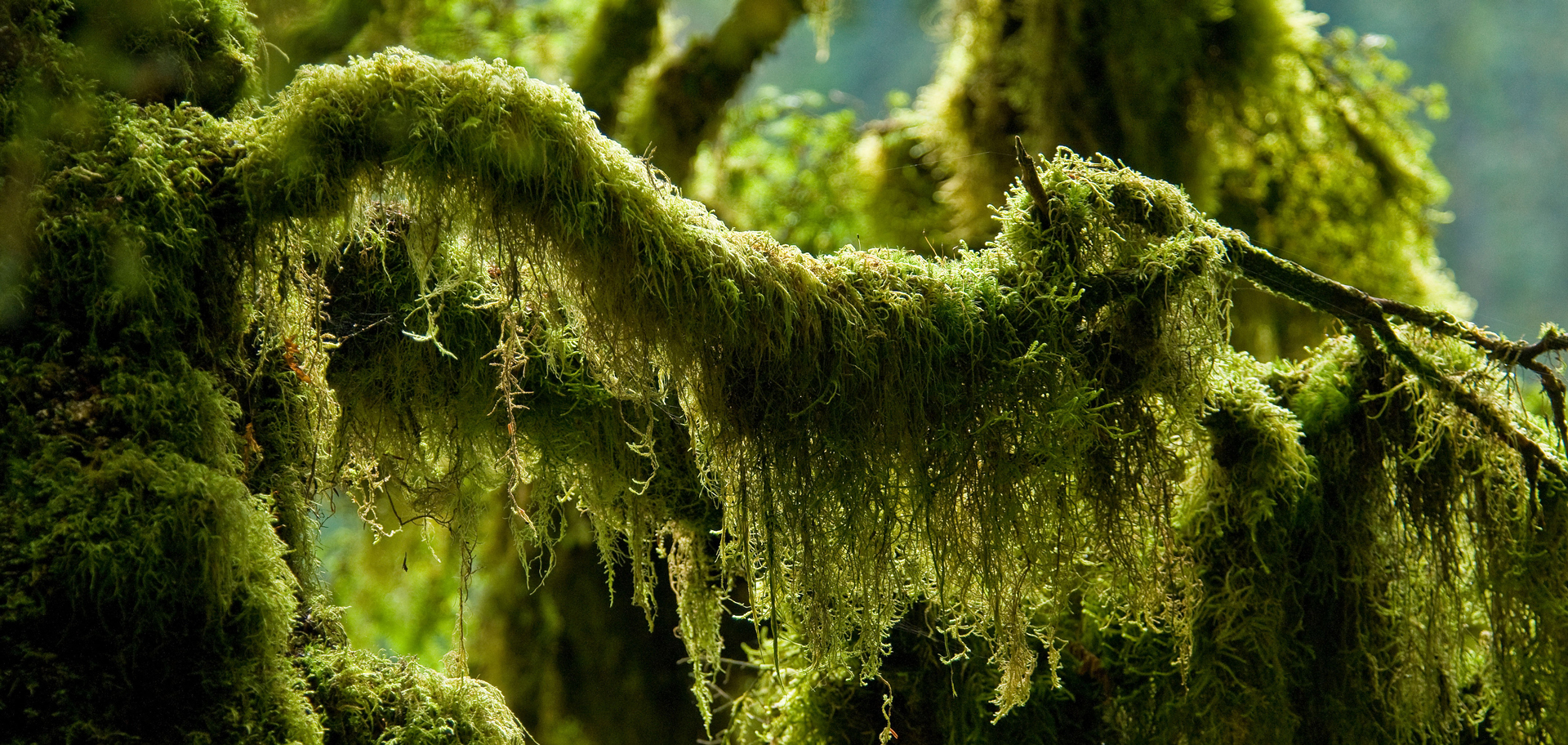
Sphagnum moss prefers shaded spots, like the darker north side of trees in the Northern Hemisphere. In Alaska, it often grows on black spruce trees and plays a huge role in forming peatlands by locking in water, creating bog environments that slow decomposition and build up organic matter—crucial for the boreal forest ecosystem and permafrost.
The best sphagnum moss growth was observed in nutrient-poor sites in southern Finland that had been restored to open bogs. Timber production on such peatlands is generally poor when they are drained, and they are the ones that are the most commonly selected for restoration. Another important observation was an increase in the water-table depth, which was caused by the thick growth of the sphagnum moss layer. This could possibly mitigate methane emissions from the restored peatlands.
These newly published results are promising in terms of a climate impact. Hopefully, conclude the researchers, they can motivate us to direct restoration efforts towards peatlands to achieve our desired climate goals.
On oil well pads, moss growth restores the landscape
Historically, restoration efforts on lands with oil wells involved planting grasses or trees to establish upland forests or grasslands. But a brand-new method returns well pads to their conditions before drilling occurred and supports the ongoing development of peatland restoration techniques.
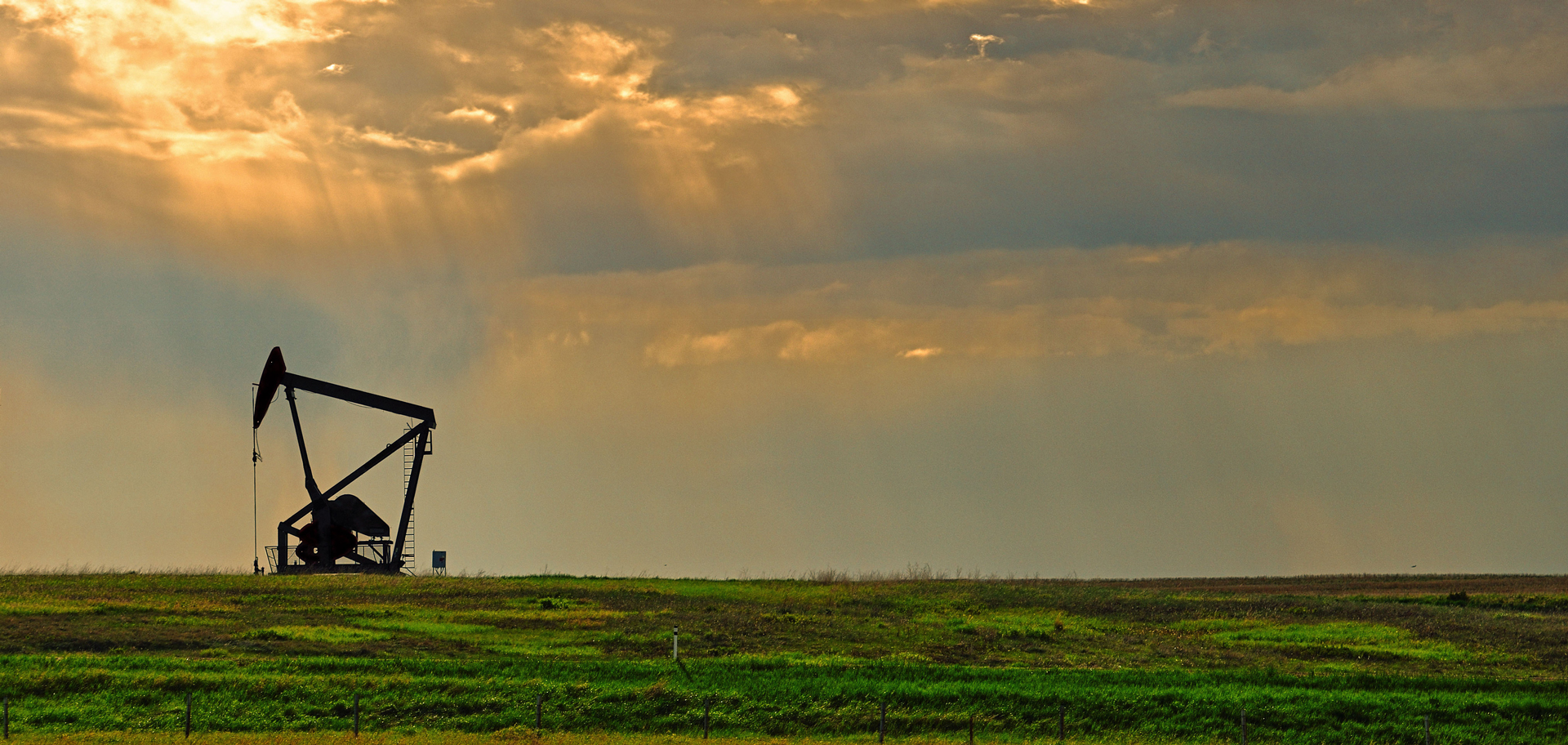
Well pads bury all of the native peatland vegetation under clay or sand, negatively impacting the ability of the peatland to sequester carbon and reducing the availability of habitat for wildlife.
In a study published in the journal Ecological Engineering in May 2025, researchers from the University of Waterloo in Ontario, Canada, describe their project involving lowering the surface of decommissioned oil sites and seeding them with native mosses to regenerate peatlands. This is the first time researchers have applied the method to scale on entire well pads.
In what could be a turning point in ecological restoration, the researchers found that the technique results in sufficient water for the growth of peatland mosses across large, well-pad sites. This discovery can help the gas and oil industry and its regulators better mitigate the long-term impacts of resource extraction on Canadian peatland ecosystems.
The University of Waterloo scientists plan to continue monitoring ecosystem development on their project’s well-pad sites to confirm that the transplanted mosses will be self-sustaining over the coming decades. Partners at the Northern Alberta Institute of Technology’s Center for Boreal Research are now applying some of the study’s recommendations at sites across northern Alberta.

The dense, mat-like growth of mosses creates a unique microhabitat that is critical for the survival of a wide variety of insects and numerous other small creatures and organisms.
In crime-fighting, tiny mosses play a huge role
Mosses belong to a group of plants known as bryophytes. These plants are among the simplest on Earth and lack true leaves, roots, seeds or stems. Their structure allows them to absorb nutrients and water directly from their surroundings. This ability helps them survive in shaded, wet and bog-like environments where many other plants struggle to grow.
Certain bryophyte species are especially sensitive to their environments, and each tends to thrive under very specific conditions. Because they’re so small, they have all sorts of microhabitats; and even if an area overall seems to be one sort of niche, they can find distinct spots in the canopy, in the shade or even under the grasses that work for them. In addition, different types of even smaller organisms can live on those mosses, which can give even further clues as to where they’re from. This means that mosses can be a valuable tool for forensic scientists looking to confirm the details of where a crime took place.
Scientists experienced this firsthand in 2013, when they were asked to analyze tiny fragments of moss to help determine where a body had been buried. That experience later led a scientific team from the Field Museum in Chicago to publish a review in the journal Forensic Sciences Research in November 2025 that brings together known cases in which mosses and related plants played a role in solving crimes.

Mosses thrive on the Arctic tundra, forming extensive carpets, adapting to harsh conditions like cold, little light, permafrost and wind by absorbing water like sponges, growing low and often living in wet areas like bogs and lake beds. Tiny fragments of them found on your feet (or paws!) can reveal exactly where you’ve been.
The researchers examined 150 years of scientific literature to see how often these plants had appeared in criminal investigations. It turns out, not that often. The earliest documented case was in 1929. In that instance, moss growth on a decomposing skeleton helped investigators estimate how long the individual had been dead. Since then, at least 10 additional cases have been reported across China, Finland, Italy, Sweden and the United States. In each case, bryophytes contributed information about the circumstances, location or timing of a crime.
The report also includes the first detailed, scientific account of a case several of the report’s authors had worked on more than 10 years ago. In 2011, a baby girl named Kate was killed by her father, and her body couldn’t be immediately located. The father provided police with only a rough idea of where he had buried her in northern Michigan. But investigators had noticed small plant fragments on his shoes. In 2013, a team of botanists and volunteers surveyed the region, cataloging grasses, mosses and trees in search of a location that matched the plant material found on the shoes. Although there were hundreds of species of mosses and dozens of species of grasses and trees living in that area, the team knew what sort of microhabitat they were looking for based on the bits of mosses. They narrowed the search from seven counties to a small area of roughly 50 square feet. During a police interview, the father later confirmed that this was the exact location where he had buried his daughter.
The researchers hope that their work will encourage greater use of bryophytes and forensic botany in criminal investigations and help bring closure to families affected by violence.

Japanese moss gardens are serene landscapes featuring lush, carpet-like mosses covering ground, rocks and trees, creating a sense of harmony, tranquility and “wabi-sabi” (the beauty in imperfection).
In our lives, mosses are beautiful
Mosses are ancient, primitive organisms that thrive on just sunlight and water. There is much beauty in them: in their deep, diverse shades of green; in their intricate textures and plush, velvety surfaces; and in their ability to create a sense of tranquility. They embody aesthetics such as random growth and slow, persistent covering of surfaces, which represents the beauty found in imperfection (the Japanese wabi-sabi), transience and the natural passage of time. Mosses also symbolize harmony with nature, longevity and resilience. They are a cherished element in gardens designed for calmness and timeless appeal.
There’s another, more practical side to the beauty of mosses, though. They clean the air, support biodiversity, retain moisture and stabilize the soil.
And sometimes, in the worst of circumstances, they can bring closure and peace.
Here’s to finding your true places and natural habitats,
Candy