

Nature & Wildlife
The Heroic Age of Exploration and Our Not-So-Gutsy Times
Big dreams of adventure were not uncommon in the late 1800s and early 1900s, a time known as the Heroic Age of Polar Exploration.
Nature & Wildlife
Big dreams of adventure were not uncommon in the late 1800s and early 1900s, a time known as the Heroic Age of Polar Exploration.

News & More
For a food that has been around at least since the Middle Ages, fruitcakes certainly have their share of detractors.

Travel Tips
Instead of just following the crowd, these adventures take you to the top of snow-capped mountains, along the shores of winding rivers and practically to the ends of the Earth. Of course adventure isn’t just about moving your physical body, with WWF & Nat Hab adventure also expands your mental capacity–for wonder and learning.
News & More
Antibacterial soaps, alcohol wipes and bleach in our everyday cleaning products have made us focused on eliminating all the germs that we possibly can from our lives. And when it comes to our children, it seems that focus turns into an obsession. It’s here, though, where we soon become at odds with nature.
Videos
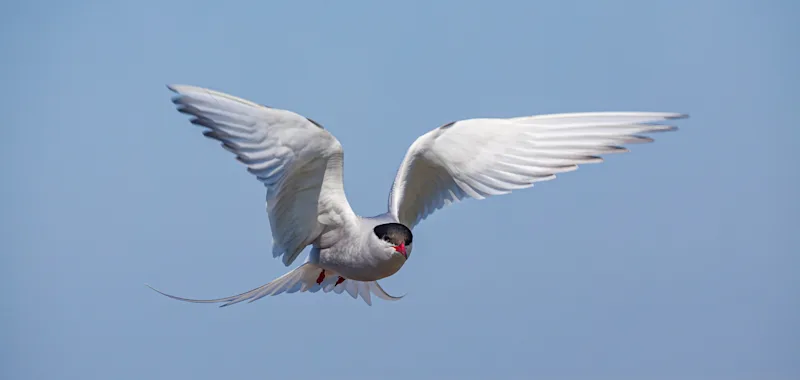
When you hear about the great journeys undertaken by some of nature’s smallest creatures, you can’t help but feel inspired to step into adventures of your own that may be outside your comfort zone. And no odyssey is greater than that of the Arctic tern (Sterna paradisaea).
Nature & Wildlife
British explorer and Royal Navy officer Robert Falcon Scott reached the South Pole on January 17, 1912. A hundred years later, on January 17, 2012, in honor of this historic adventure, the National Geographic Society exhibited some rare photos of the expedition, taken by Herbert Ponting.
Conservation
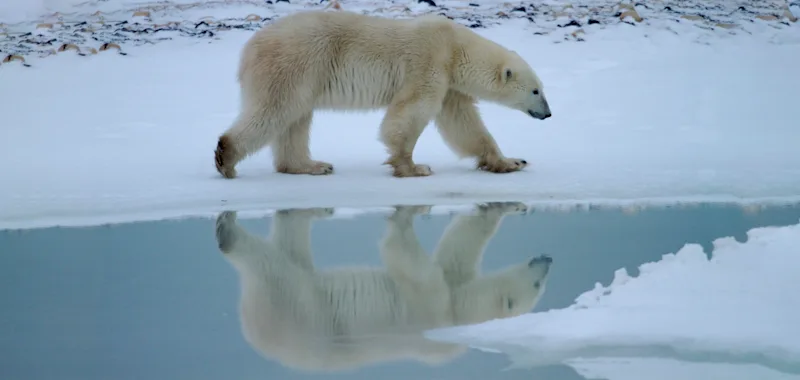
Cute, adorable animals are often used to garner support for environmental causes in places that are remote. After all, it’s hard to have concern for an area that is at the opposite end of the Earth from where you live and for which you have no plans to ever see.
Conservation
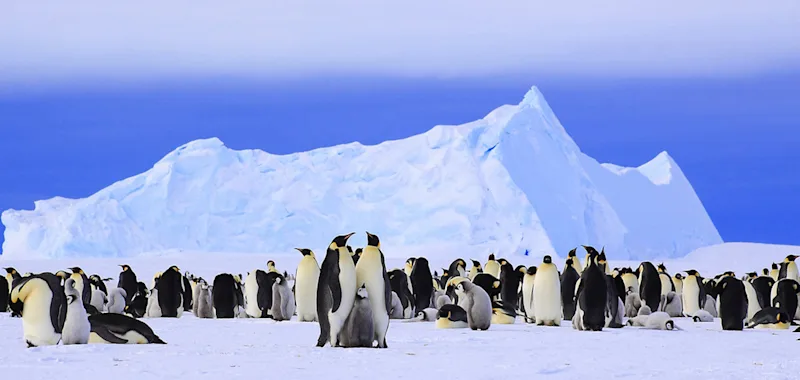
There are twice as many emperor penguins in Antarctica than previously thought, stated the National Science Foundation in mid April. That’s certainly good news, as concerns about the effects of global warming on penguin colonies rise.
News & More
In 1719, when cartographer John Senex was drawing a map of the English empire in America, there was still a lot that was unknown. The little information about this “new land” that he did have came from the accounts of various Jesuit and French explorers, and not much of it matched.
Antarctica & Arctic
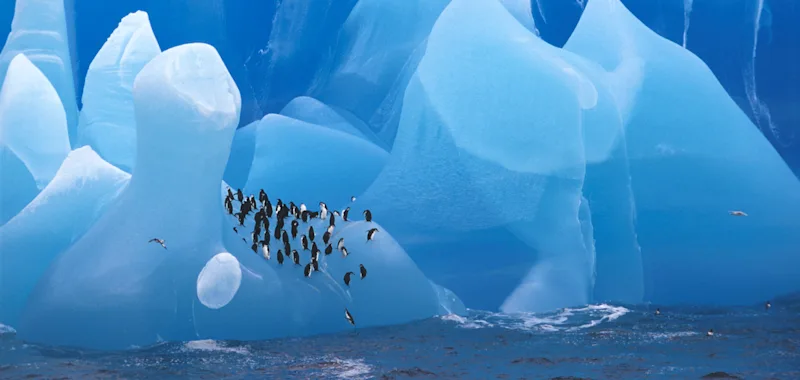
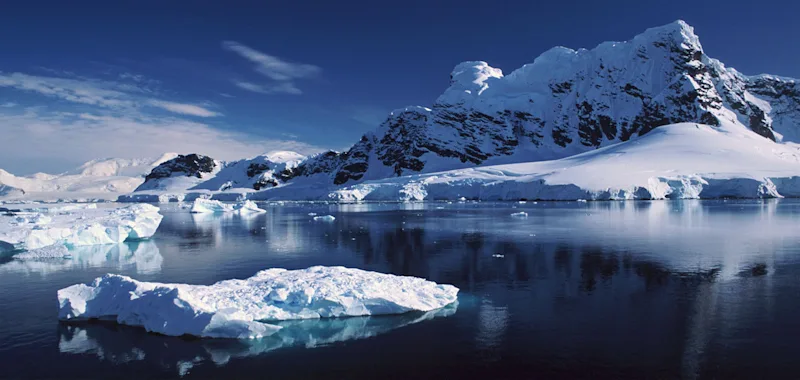
Big dreams of exploration were not uncommon in the late 1800s and early 1900s. But one explorer may have taken such aspirations to the next level: in 1895, at a London conference on polar exploration, a Swedish engineer named Salomon August Andree declared his intention to reach the North Pole via hot-air balloon.
Travel Tales
Ever since the explorers of old used oral storytelling, flyers and published journals to spread word of streets lined with gold, fountains of youth or rich silks and spices, people have been using mass media to motivate others to go on adventures.
News & More
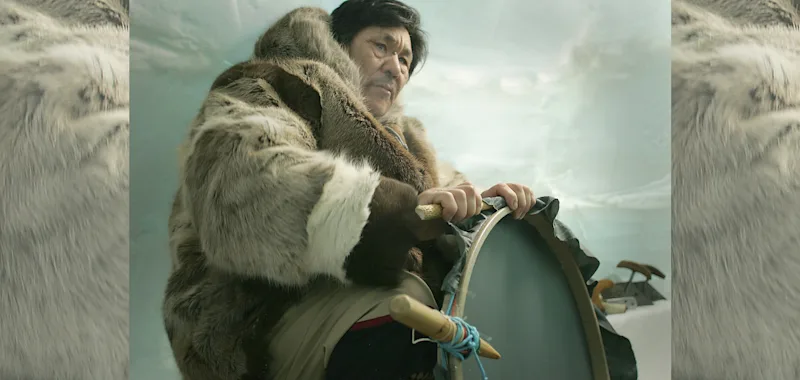
When early, intrepid European explorers first began trekking through the New World in the late 1400s, they were awed by the strikingly different cultures they encountered. But they also came to notice something else: remarkable physical similarities between the Asian peoples they had seen during their many travels and these new, soon-to-be-known-as “Native Americans.”