

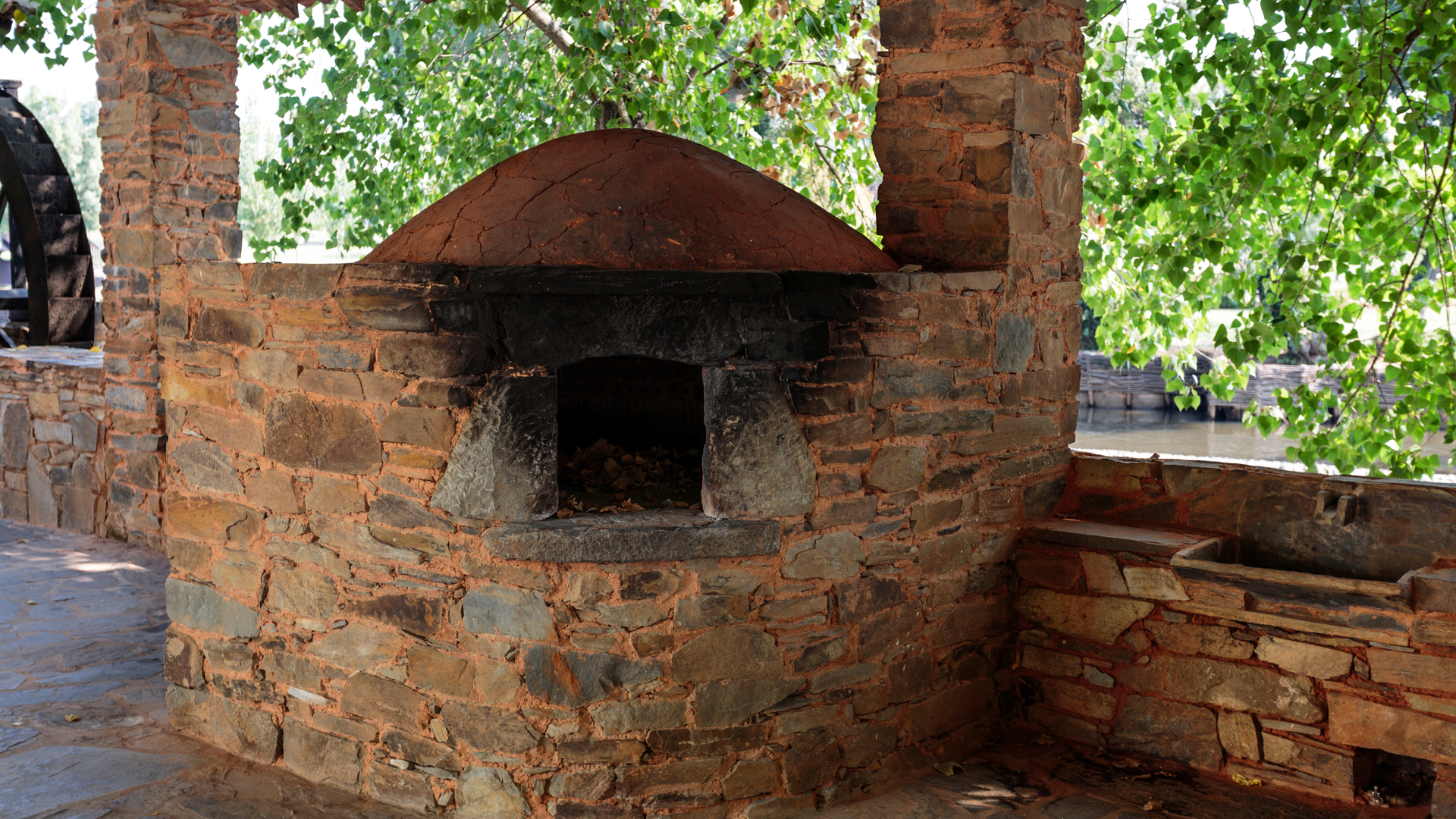
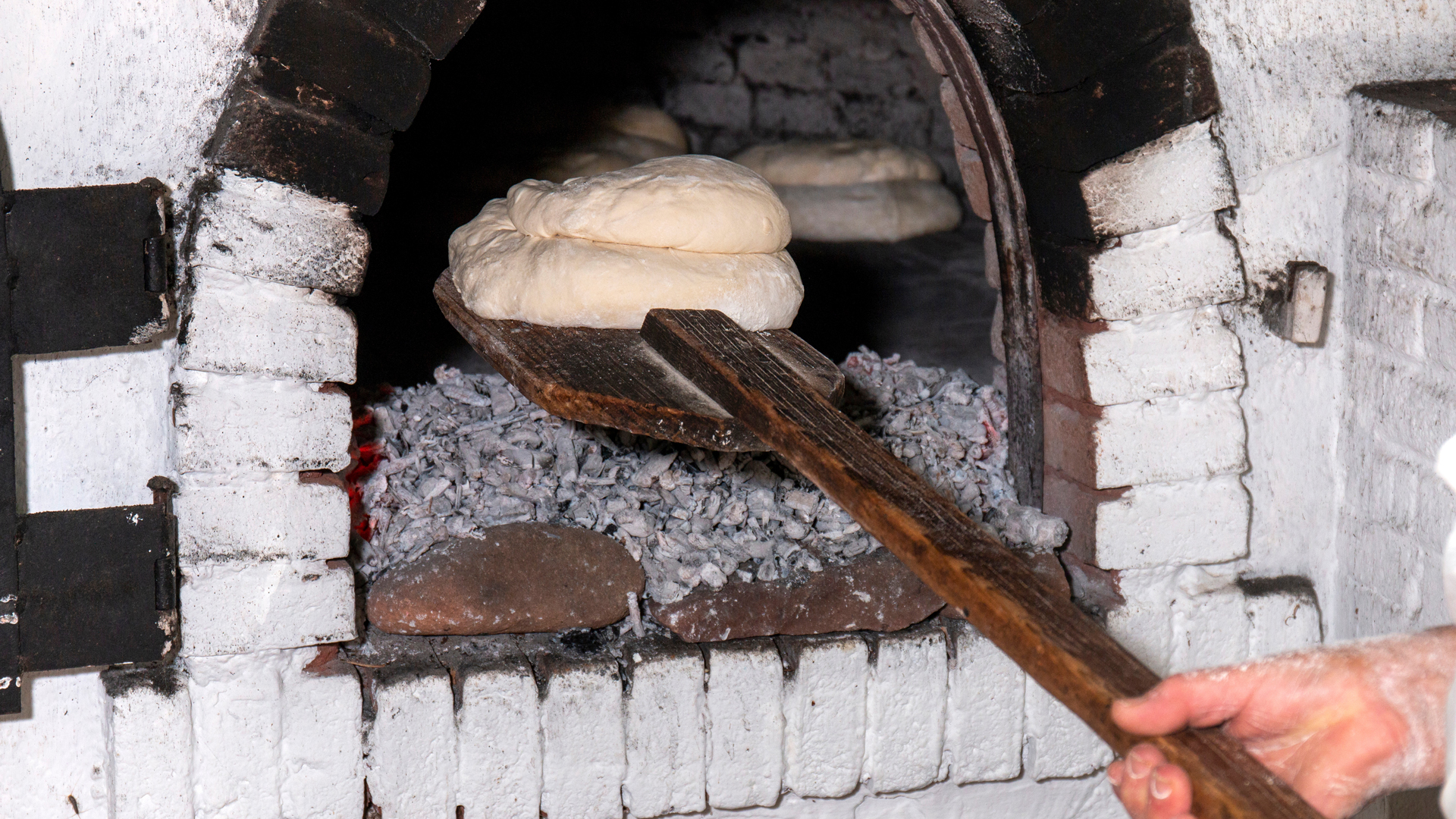
In the Portuguese village of Videmonte, a tradition exists that’s lived on for centuries. The ancient art of breadmaking, using sourdough recipes and family techniques that have been passed down through multiple generations, remains a prominent part of this small mountain town as much as cheesemaking and cultivating chestnuts. Everything from growing and harvesting the rye to milling the flour and baking the loaves takes place in and around Videmonte: on its sloped fields, at its annual Festival Pão Nosso (Our Bread Festival) and in a large communal oven—one that’s wood-fired and made of granite stone from the surrounding Serra da Estrela mountains.
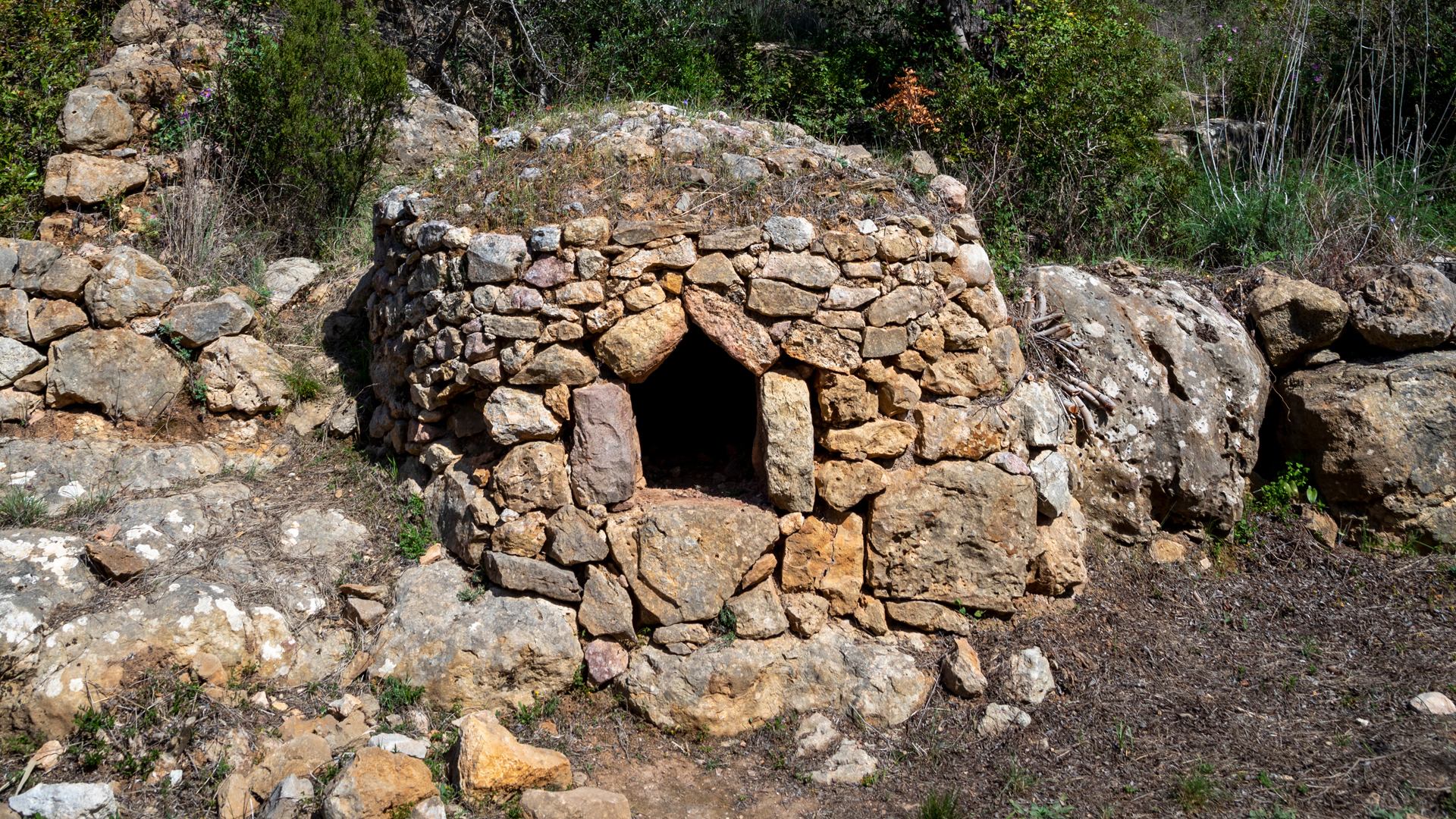
Breadmaking is a culinary tradition throughout Portugal, with each region employing its own variations and preparation methods. There’s broa de Avintes, a dense and bittersweet bread made from a mix of rye and corn flours that’s prevalent in Portugal’s north, and pão de Gimonde, an artisanal sourdough bread from the country’s rugged Trás-os-Montes region. The Serra da Estrela mountains are best known for producing pão de centeio, a rye bread—often made with a sourdough starter—with a robust crust that’s considered a staple of central Portugal’s Beira Interior cuisine. For centuries, these breads were baked in communal ovens specific to each rural village. They were open to all local residents and played a central role in public life. And in places like Videmonte, these ancient vestiges of cultural heritage are thriving once again.
The History of Communal Ovens
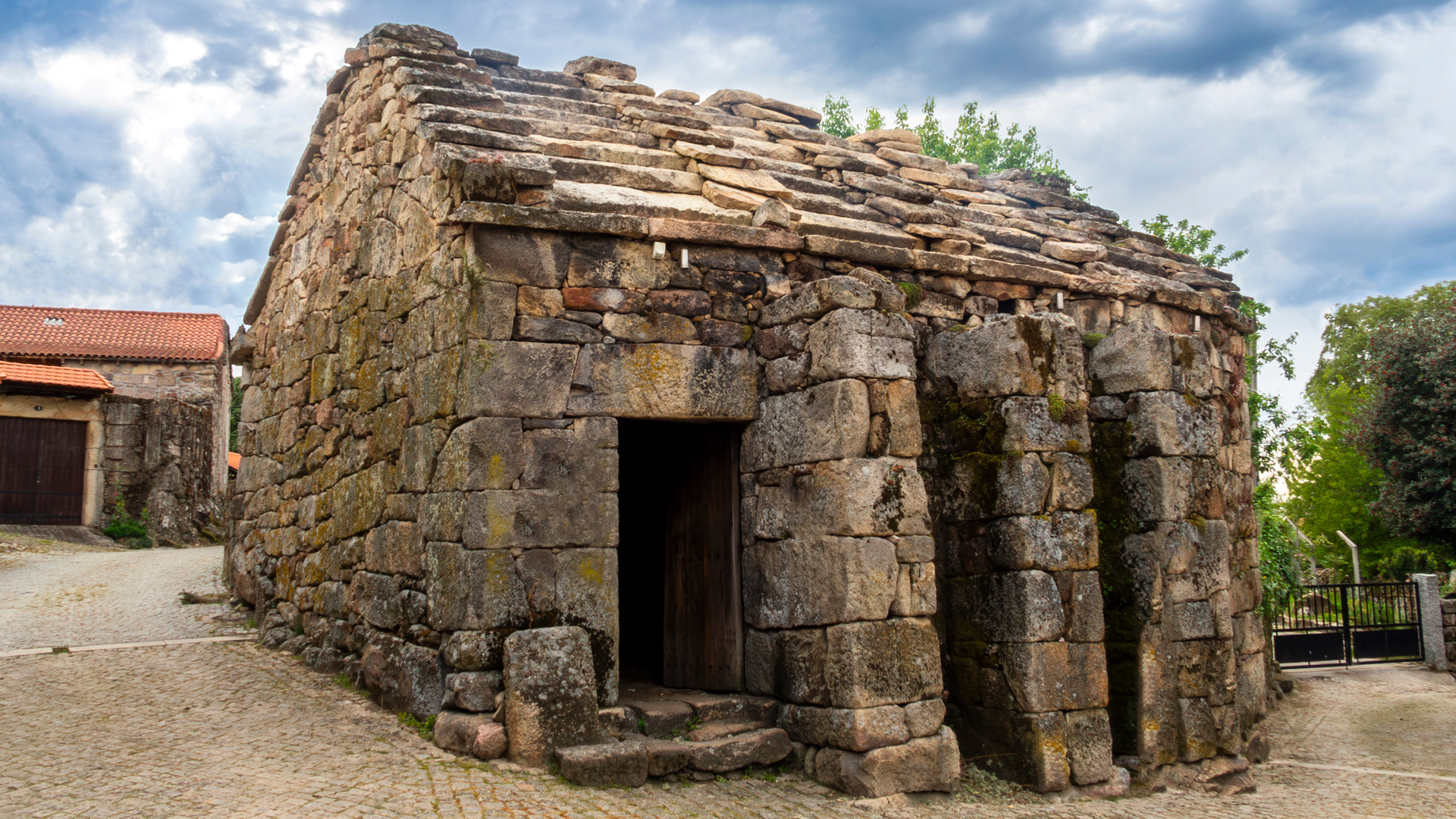
Home ovens were a rarity in medieval times. Instead, many rural European villages in places like France, Italy and Portugal depended on large wood-fired communal ovens for their breadmaking needs. Most often, villagers would prepare their breads at home and then score each loaf with a unique pattern or family symbol before carrying them down to the oven to bake. This way they could identify their breads, since communal ovens were designed to hold dozens of loaves at a time and numerous families could bake their goods simultaneously. As the village residents waited for their loaves and other foods to cook, they’d often socialize, sharing news, swapping recipes and engaging in a little gossip. While the ovens were a necessity for feeding families, they also became a central part of village life. In Portugal especially, the ovens were typically owned by the community rather than feudal lords (as in France), making them an even more essential hub.
Not only did communal ovens serve as village gathering spots, but they also helped conserve scarce resources like fuel and firewood. The baking capacity of each oven varied from village to village, with larger villages typically having more sizable ovens. Some ovens could bake more than 100 loaves at once. Communal ovens were a common feature throughout medieval Portuguese villages like Tourém, an enclave surrounded by Spanish territory in the country’s far north, and Castelo Mendo, a walled community in the rolling hills of northeastern Portugal, and in many cases their remnants can still be visited.
The Revival of Communal Breadmaking in Portugal
With the advent and spread of private electric and gas ovens in the mid-20th century, the use of Portugal’s communal ovens began to become obsolete. However, these centuries-old relics remain an important symbol of the country’s cultural and culinary heritage, and many of them are being revitalized. This includes communal ovens throughout Serra da Estrela, in villages such as Cabeça—where villagers bake traditional breads during their annual Cabeça Christmas Village celebration—and Sabugueiro, which hosts annual events like A Noite das Caçoilas (The Night of the Clay Pots), celebrating traditional mountain flavors and food cooked in communal ovens, including torresmos (a type of pork crackling) and oven-baked chicken.
There’s also Videmonte’s annual Festival Pão Nosso, a weekend celebration of all things bread, which takes place each August. The festival honors Serra da Estrela traditions through everything from breadmaking workshops to rye harvesting and threshing. It also features a “Route of the Ovens” connecting the wood-fired ovens of the region, many of which are still baking up loaves.
Serra da Estrela’s Breadmaking Museum
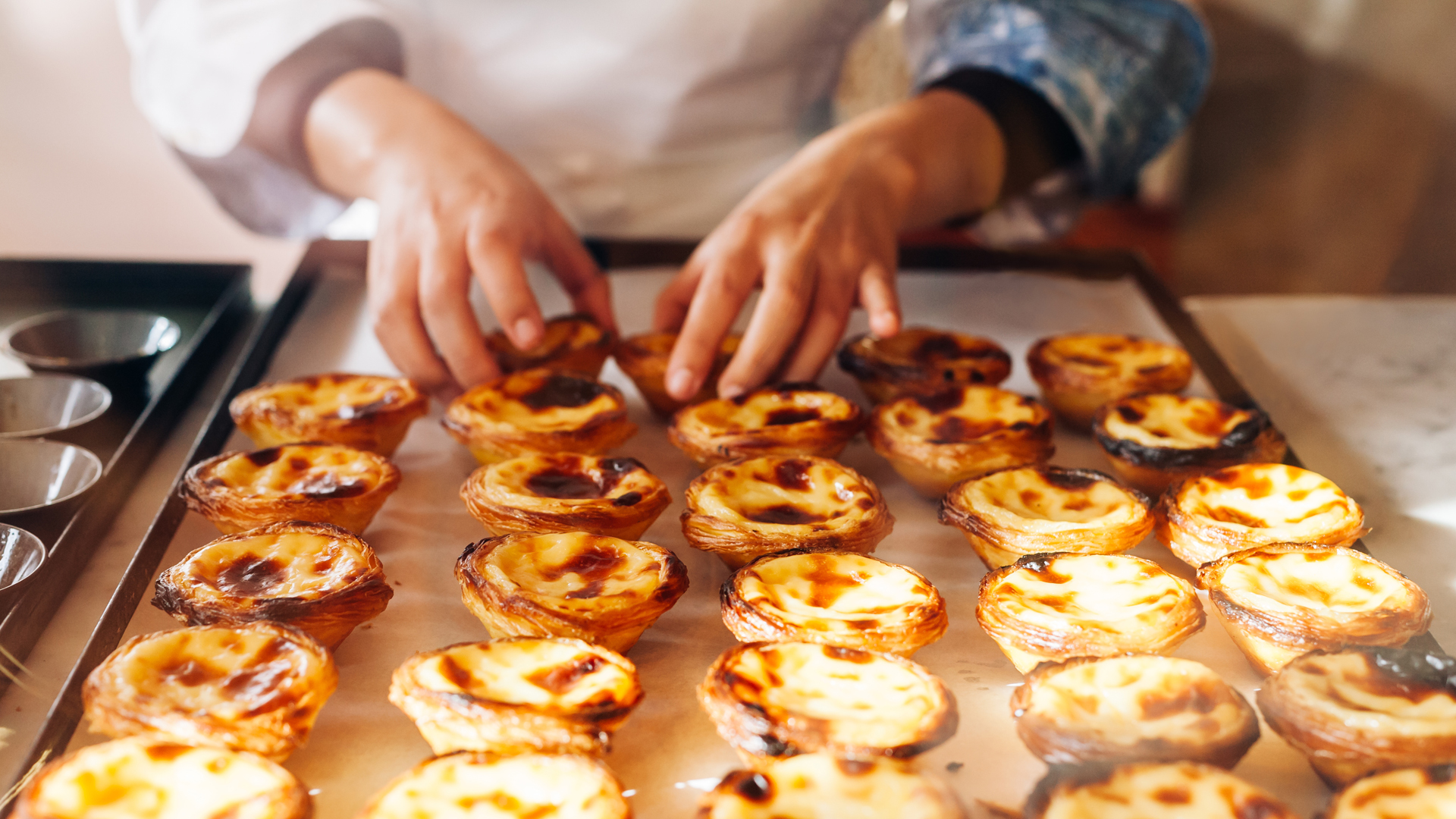
Want an even deeper delve into central Portugal’s breadmaking traditions? Situated at the foot of the Serra da Estrela, the market town of Seia is home to the Museu do Pão (Bread Museum), an expansive complex that chronicles the history and importance of breadmaking throughout the region. Opened in 2002, this private museum chronicles the bread cycle from grain to loaf and encompasses 12,000 years of human history. Browse among artworks dedicated to (and utilizing) bread, learn about bread’s social impact throughout Portugal and discover the entire breadmaking process—from cultivation to final loaf—at a working onsite bakery. There’s even a traditional-style market where you can purchase bread and other local specialties such as jams, cheeses and cured meats, and a restaurant serving up traditional Portuguese cuisine buffet-style. The museum also offers guided tours.
Experience Communal Breadmaking Firsthand
If you’d like to try traditional breadmaking in Portugal firsthand, don’t miss Portugal: The Douro & Mountain Villages, an intimate encounter with Old World Portugal that includes a journey through the Serra da Estrela, visits to centuries-old sheep-herding communities and two nights in Videmonte. In this historic village of schist and granite houses and red-tile roofs, the saying goes that “no one goes hungry or thirsty.” You’ll bed down in a quiet retreat among lavender fields where goats, chickens and donkeys reside, engage in a cheesemaking workshop and have the opportunity to try local breadmaking for yourself with the use of Videmonte’s communal oven. Here, the bread is known as bolas de água, fluffy and delicious “balls of water” that call to mind the more than 20 watermills that once surrounded the town.
In the End
The Portuguese art of breadmaking has withstood the test of time, as have the country’s communal ovens, which remain a prominent symbol of Portugal’s cultural heritage. Their revival is not only a way to preserve history but also a way to reunite local communities and allow travelers to share in the traditions of these rural villages and towns.