

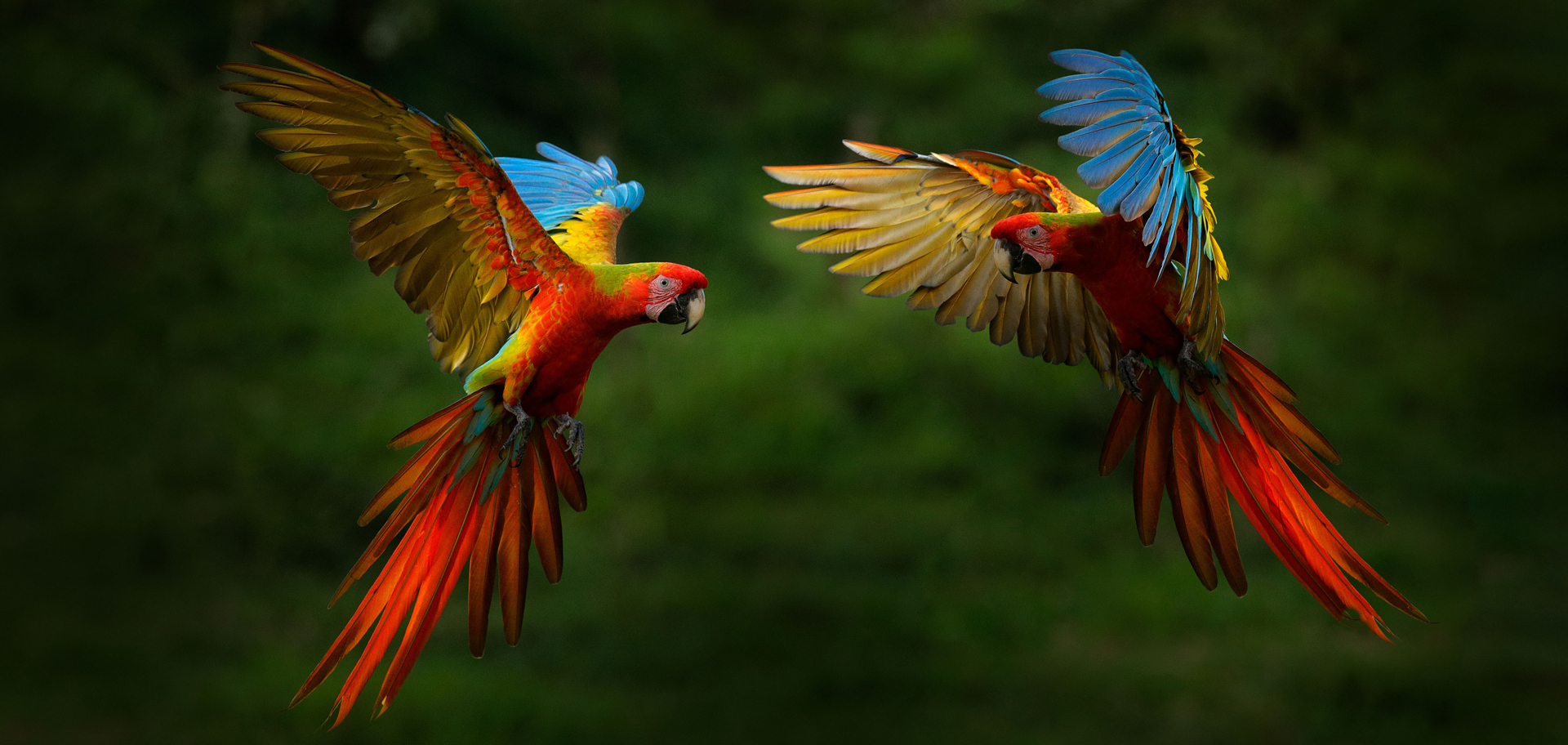
Parrots are famous for their ability to imitate human speech. But when it comes to the names of their friends, they aren’t just mimicking; they’re using specific names to identify particular animals, people and even individual companions.
In the United States, we celebrate the annual Friendship Day on the first Sunday in August, which this year is August 2. (The globally recognized date established by the United Nations is July 30.) This designated day is meant to honor the bonds that enrich our lives and to promote peace, solidarity and cross-cultural understanding.
In the vein of “promoting cross-cultural understanding,” let’s look at some friendships in cultures other than our own—those in nonhuman animals. Friendships in this realm aren’t talked about a lot, but the facts may astound you. Monk parakeets, for example, ease into new friendships by slowly approaching strangers to avoid aggressive encounters. The birds share space, groom each other and escalate to deeper social bonds over time. Parrots may be using specific names to identify particular people, animals and even individual companions. Great apes such as bonobos and chimpanzees form close inner circles along with wider networks of weaker social connections. Apes can also recognize photos of group mates they haven’t seen for more than 25 years, and they respond even more enthusiastically to pictures of their friends. Baboons’ marching lines aren’t about leadership or protection as once thought; the animals simply walk with their friends. And female chimpanzees who forge strong, grooming-rich friendships with other females dramatically boost their infants’ odds of making it past the perilous first year—no kin required. In the oceans, bull sharks may have a reputation as being lone hunters, but they actually form social bonds and even have preferred “friends.”
We humans certainly don’t have a monopoly on friendships. Throughout the animal kingdom—and even across different species—incredibly strong companionships and friendships are the norm.
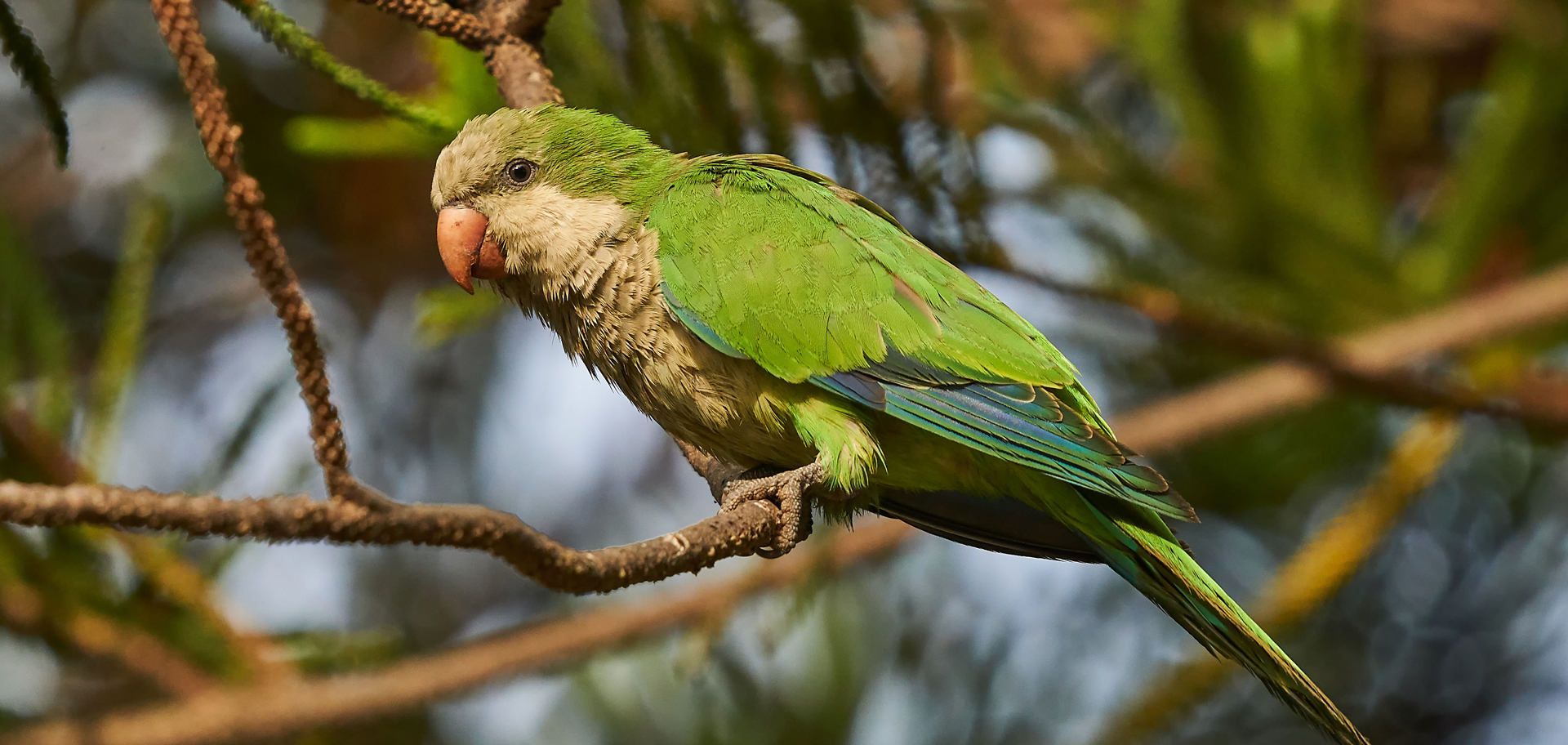
Monk parakeets are native to southern Brazil south to central Argentina. Imported into the U.S. for the pet trade in the 1960s, the birds have become established in the wild through both accidental and purposeful introductions.
Monk parakeets make new friends in a surprisingly human way
Forming new social connections is not always easy, even for animals known for their communication skills and intelligence. When meeting unfamiliar birds, monk parakeets tend to “test the waters” before deciding whether a potential partner is safe to approach. Instead of rushing in, the parakeets move gradually toward newcomers, taking time to observe and adjust before engaging in more daring interactions that could carry a higher risk of injury.
Many parrot species develop strong, lasting relationships with one or two partners. These close companions often groom each other, spend much of their time together or even form reproductive alliances. Strong bonds like these are often linked to reduced stress and improved reproductive success. But despite the advantages of close relationships, approaching a stranger can be dangerous. Birds uninterested in a newcomer’s attention may respond aggressively, creating a real possibility of injury.
To better understand how these initial interactions unfold, researchers at Ohio’s University of Cincinnati placed groups of wild-caught monk parakeets together in a spacious flight pen. Some individuals had never encountered each other before. The team recorded when new connections formed by tracking how close the birds allowed each other to come and identified which pairs engaged in grooming or other friendly behaviors over time.
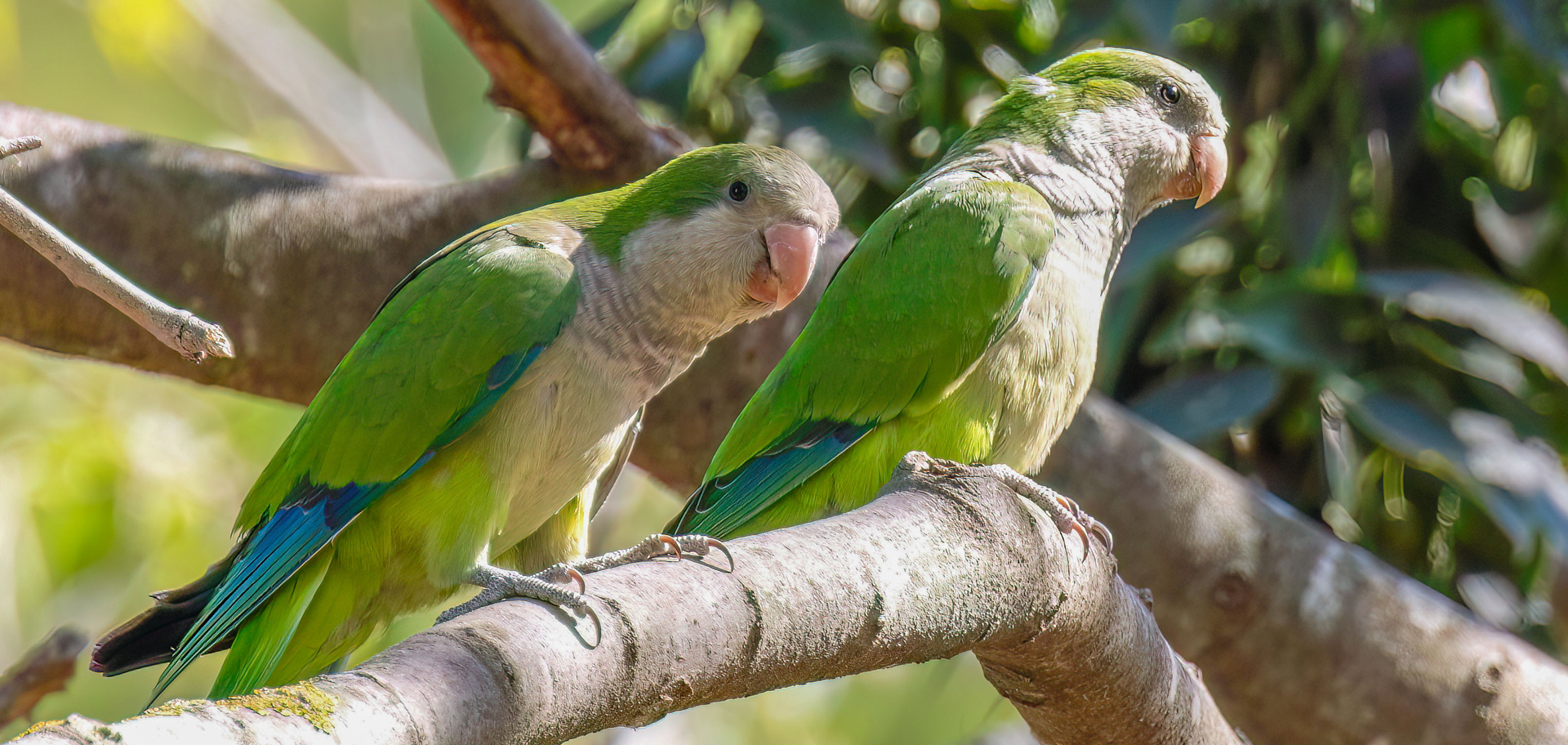
When making friends, monk parakeets “test the waters” before deciding whether another bird is safe to approach. They demonstrate a clear pattern of cautious exploration, echoing friendship-making in many other species.
More than 179 relationships were analyzed with computational tools and statistical models. The goal was to determine whether the progression of new social ties matched expectations from earlier work on the idea of testing the waters. The data revealed that unfamiliar birds were far more cautious when approaching each other than when interacting with birds they already knew. Over time, however, many of the stranger pairs began sharing space more comfortably; and eventually they perched together, touched beaks or groomed each other. A few pairs progressed even further, sharing food or mating.
The results, published in the journal Biology Letters in November 2025 mirrored a 2020 study of vampire bats showing that newcomers also test the waters, slowly progressing from grooming relationships to more substantial food-sharing partnerships with trusted companions. What’s fascinating about this, note the University of Cincinnati researchers, is how intuitive this feels to us.
Parrots use names for their friends
Using names for our friends helps us navigate and organize complex social relationships. Many other animals also produce sounds that may serve a similar purpose, helping them address or recognize specific individuals. But could they also be using names in the same way that people do?
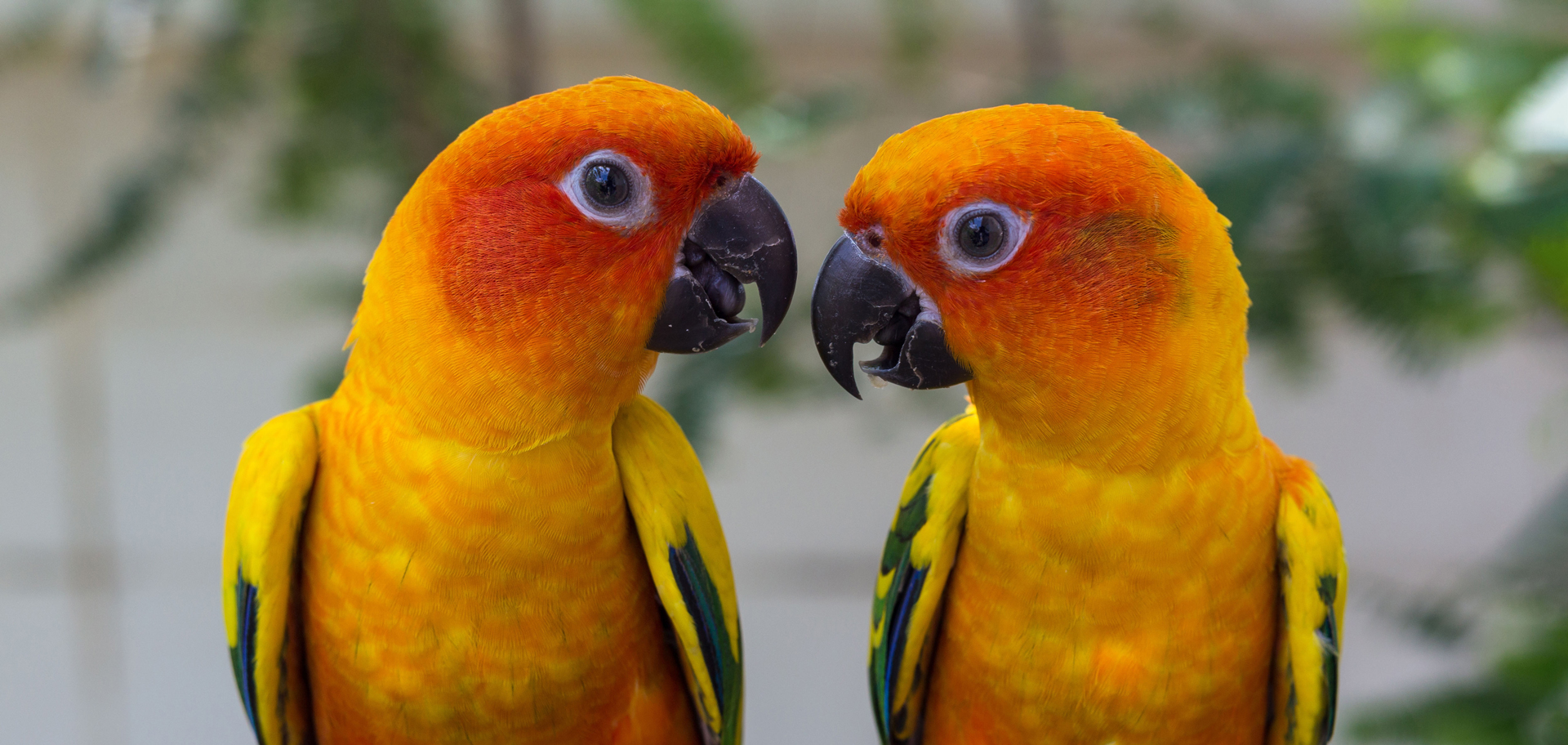
According to PBS LearningMedia, parrots are among the most sophisticated communicators in the animal kingdom. Highly social by nature, they use regional dialects, maintain strict syntactic rules and demonstrate remarkable cognitive abilities, even understanding the abstract concepts of the words they speak.
To explore this question, researchers from the University of Northern Colorado turned to data from the Many Parrots project, a collaborative network that studies parrot cognition, learning and vocal behavior through audio recordings and surveys. Nearly half of the 884 survey participants submitted examples of parrots saying names. Among the 413 recordings that included name use, 88 appeared to show parrots using names as labels for particular animals or people. The researchers also found strong evidence that showed that some parrots were not simply applying names to broad groups such as “people.” Instead, they seemed to associate certain names with a specific individual.
The recordings also revealed that parrots do not always use names the way humans do. For example, some birds repeatedly say their own names as a way of attracting attention. This suggests that parrots may adapt and use names for different social purposes depending on the situation.
The researchers state that their findings, published in the journal PLOS One in April 2026, indicate that parrots possess both the cognitive abilities and vocal skills needed to use names in a variety of ways. These uses may include communicating directly with people and even referring to someone who is not currently present.
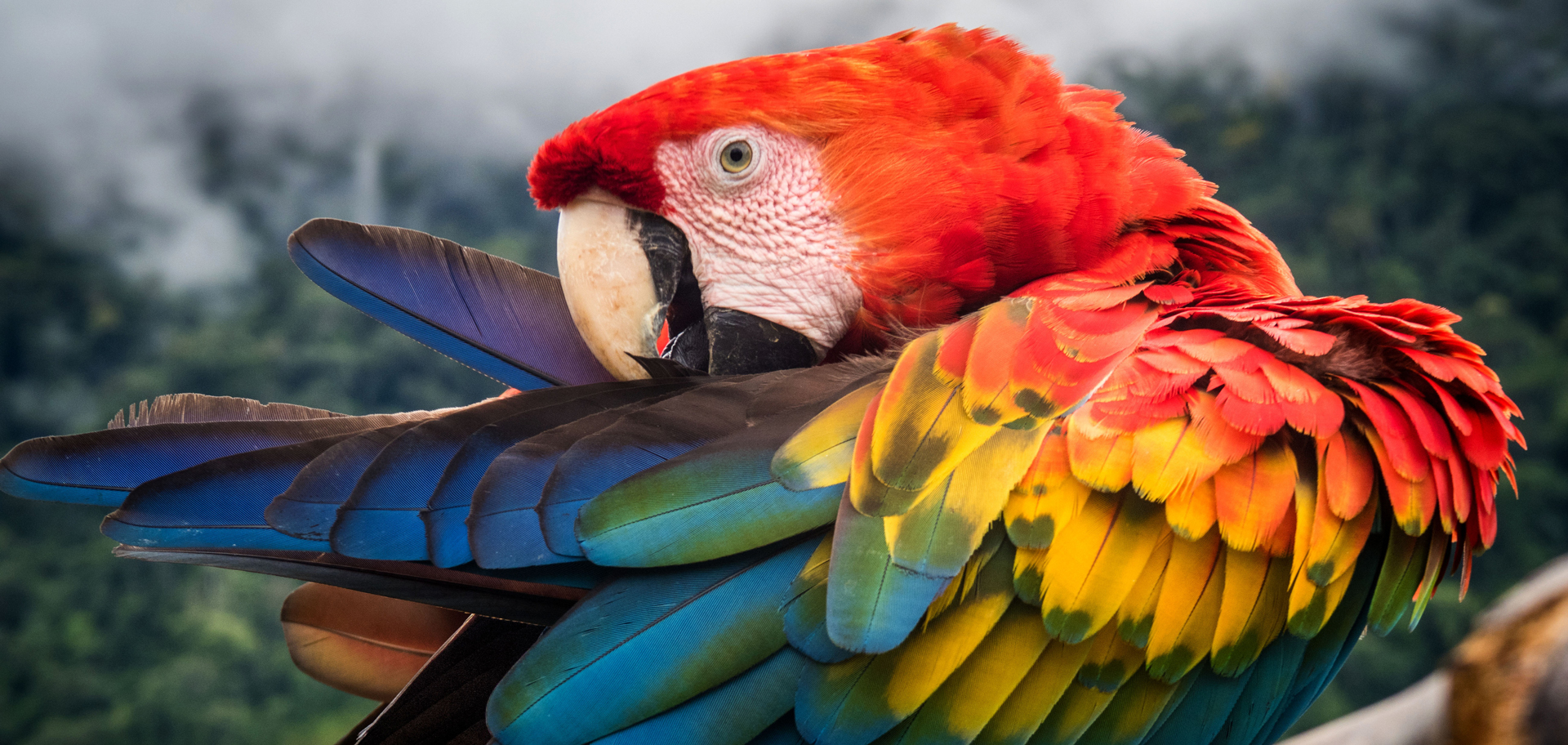
Parrots, however, do not always use names in the same way that humans do. For example, some birds repeatedly say their own names as a way of attracting attention.
Bonobos and chimpanzees have humanlike friend circles
Humans often organize their relationships into layers, spending the most time with a small group of family members and close friends while maintaining weaker connections with a larger number of acquaintances. This pattern, however, is not unique to people. Researchers from Utrecht University in the Netherlands and Spain’s Universidad Carlos III de Madrid found that bonobos and chimpanzees, our closest living relatives, also form social networks that resemble human friendship circles.
To investigate how great apes manage their social lives, the researchers examined social grooming behavior in 24 groups of bonobos and chimpanzees. Grooming is one of the most important social activities among apes, helping to strengthen bonds and maintain relationships. Using a mathematical model, the team analyzed how individuals distributed their limited time and social effort among other members of their groups.
The results revealed a familiar pattern. Most apes devoted a large share of their grooming time to a small number of preferred partners while maintaining less intensive relationships with many others. This layered structure closely resembles the way human social circles are organized. The scientists also found that apes living in larger groups tended to be more selective about where they invested their social attention, a trend that has also been observed in human social networks.
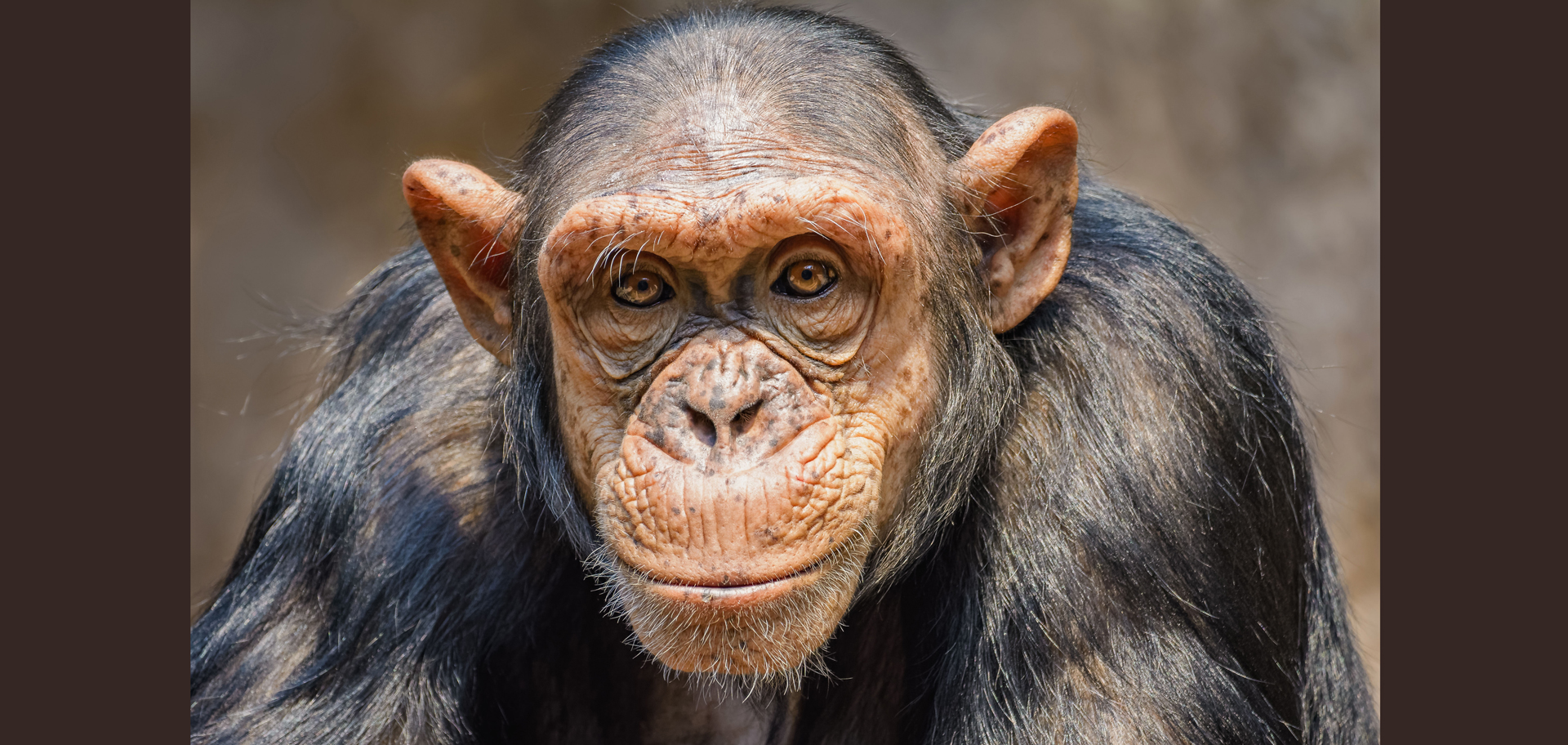
Bonobos and chimpanzees (like the one pictured here) are our closest living relatives. They belong to the same genus (“Pan”) and share approximately 98.8% of their DNA with humans. Our common ancestor lived roughly 6 to 8 million years ago.
Although both species showed humanlike social structures, they did not manage their relationships in exactly the same way. Bonobos distributed their grooming time more evenly among group members, creating a more egalitarian social network. They appear to live together in more fluid relationships, with social bonds that transcend group boundaries, something rarely seen in chimpanzees.
On the other hand, chimpanzees concentrated more of their efforts on a smaller number of favored companions. As they aged, they increasingly invested in fewer social partners. Humans, too, often become more selective about their relationships as they grow older, focusing more attention on an inner circle of close connections. Bonobos, however, did not show this same narrowing of their social circles over time.
The results of this study, published in the journal iScience in November 2025, suggest that the fundamental rules that guide how individuals allocate social effort apply across multiple species, revealing continuity in how complex societies are organized. At the same time, the differences between bonobos and chimpanzees indicate that there is more than one evolutionary strategy for managing social connections. Understanding these patterns could improve scientists’ understanding of cooperation, emotional well-being and social learning in both humans and other animals.
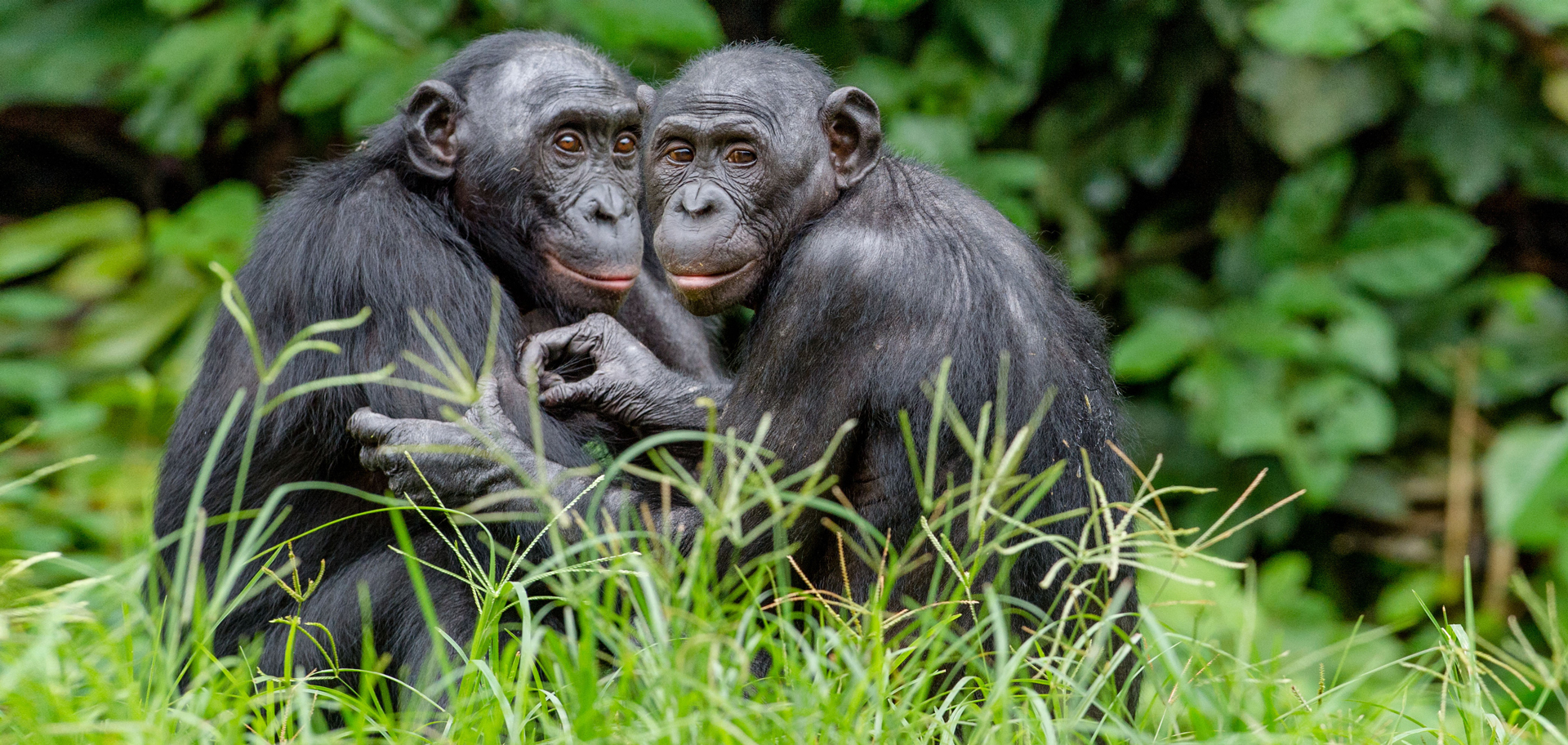
Bonobos (like these) and chimpanzees build humanlike social circles—but chimpanzees get pickier with age while bonobos stay more socially inclusive.
Apes remember friends they haven’t seen for decades
Another recent study underscores how human culture evolved from the common ancestors we share with apes and demonstrates the longest-lasting social memory ever documented outside of humans.
Apes recognize photos of group mates they haven’t seen for more than 25 years and respond even more enthusiastically to pictures of their friends. Added to that, they pay greater attention to individuals with whom they’ve had more positive relationships. It implies that this is more than just familiarity; that they’re keeping track of aspects of the quality of these social relationships.
A research team that included scientists from Belgium’s Odisee University; Germany’s Max Planck Institute of Animal Behavior and the University of Gottingen; Scotland’s University of St Andrews; and Harvard University, Johns Hopkins University and the University of California, Berkeley, in the United States was inspired by their own experiences working with apes—having the sense that the animals recognized them when they’d visit, even if they’d been away for a long time—to pursue the question of how long apes remember their peers. The goal was to learn if they really have a robust, lasting memory for familiar social partners.
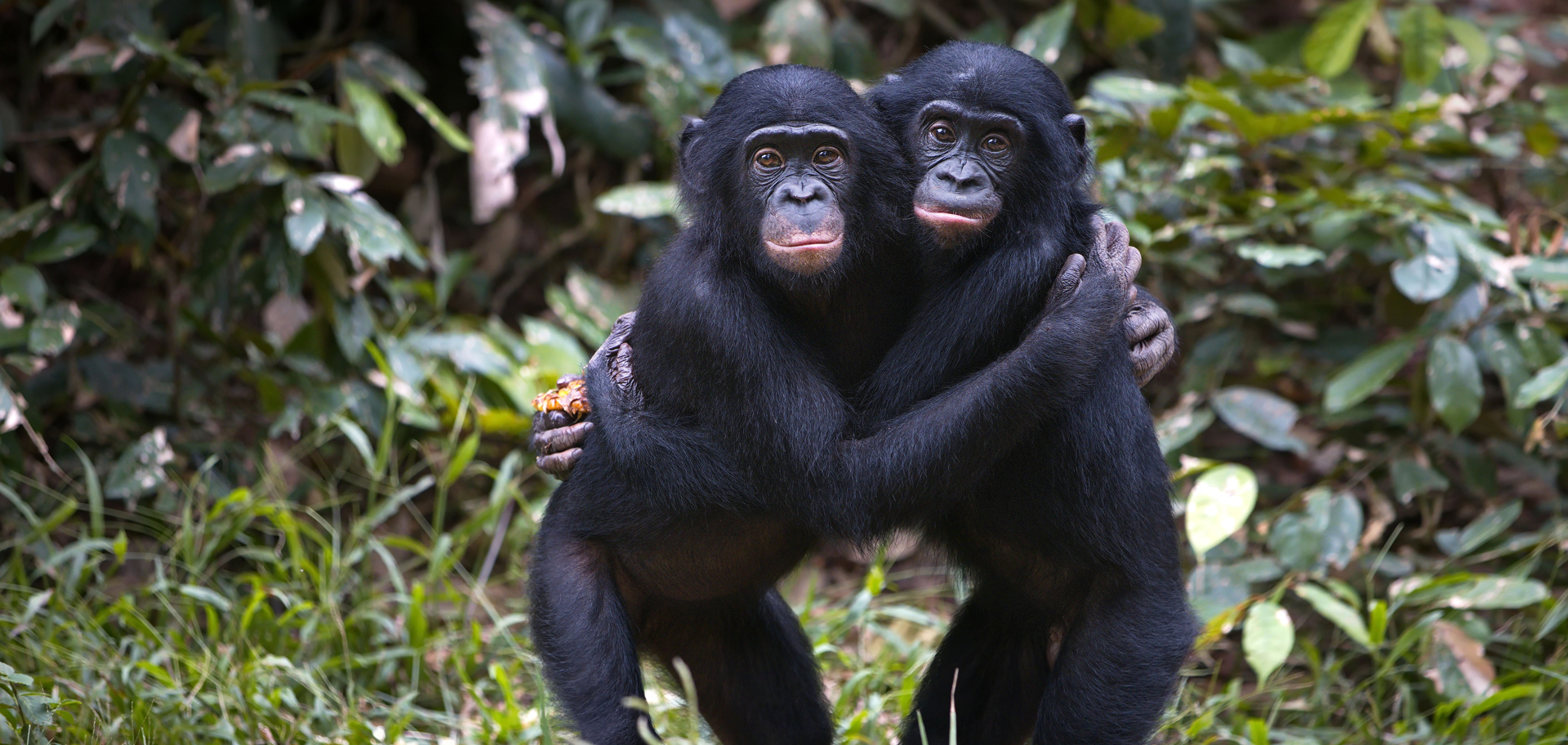
Great apes (like these bonobos) recognize photos of group mates they haven’t seen for more than 25 years and respond even more enthusiastically to pictures of their friends. Added to that, they pay greater attention toward individuals with whom they’ve had more positive relationships.
The team worked with bonobos and chimpanzees at the Planckendael Zoo in Belgium, the Kumamoto Sanctuary in Japan and the Edinburgh Zoo in Scotland. Photographs were collected of apes that had either left the zoos or had died, individuals that participants hadn’t seen for at least nine months and, in some cases, for as long as 26 years. The researchers also collected information about the relationships each participant had with former group mates, such as if there had been positive or negative interactions between them.
The scientists invited the apes to participate in the experiment by offering them juice; and while they sipped it, they were shown two side-by-side photographs: apes they’d once known and total strangers. Using a noninvasive eye-tracking device, the scientists measured where the apes looked and for how long, speculating they’d look longer at apes they recognized.
The apes looked significantly longer at former group mates, no matter how long they’d been apart. And they looked longer still at their former friends, those they’d had more positive interactions with. In the most extreme case during the experiment, bonobo Louise had not seen her sister Loretta nor nephew Erin for more than 26 years at the time of testing. She showed a vigorous looking-bias toward both of them over eight trials.
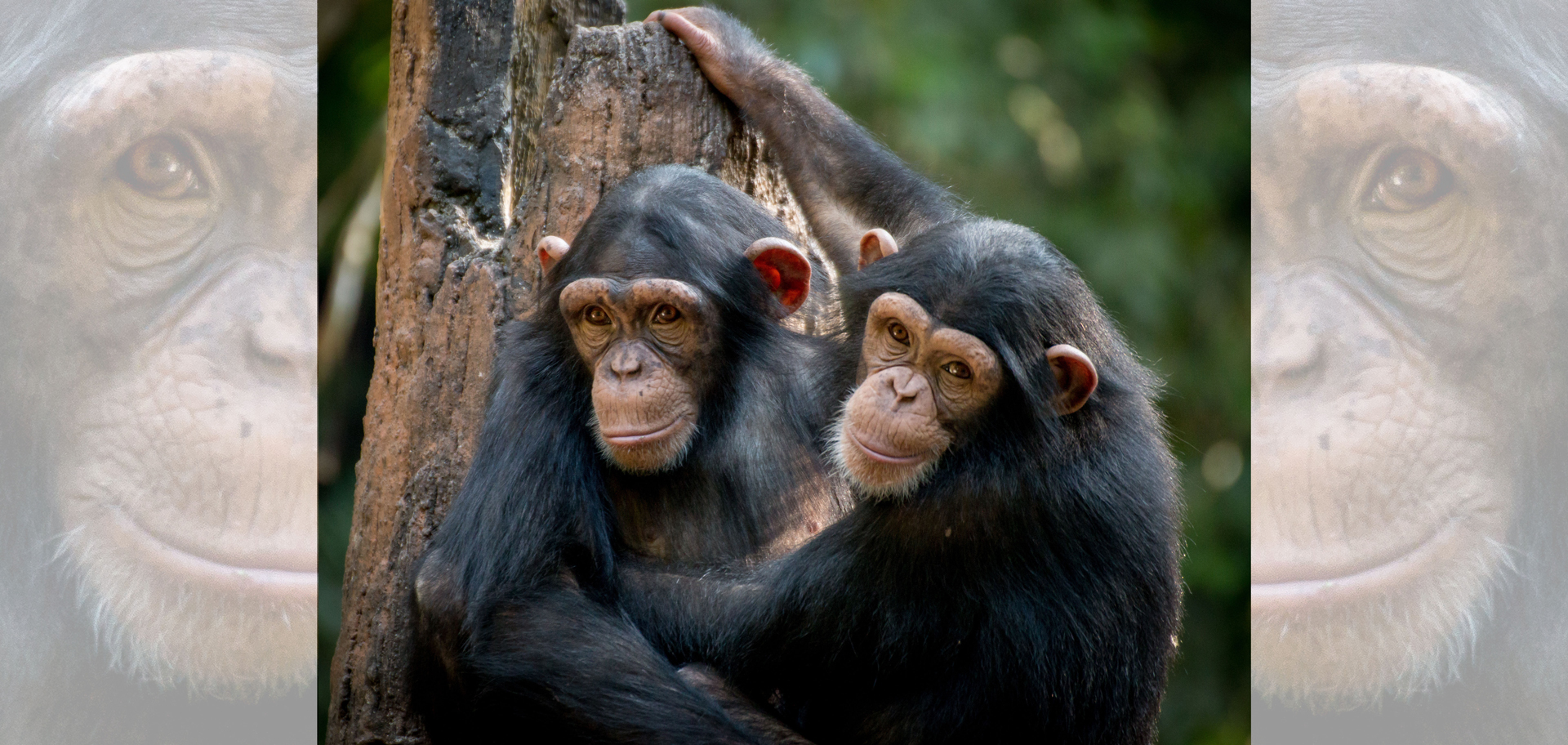
Great apes now hold the record for the longest-lasting social memory ever documented outside of humans.
This means, say the researchers, that great-ape social memory could last beyond 26 years, the majority of their 40- to 60-year average lifespans; and could be comparable to that of humans, which begins to decline after 15 years but can persist as long as 48 years after separation. Such long-lasting social memory in both humans and our closest relatives suggests that this kind of memory was likely already present millions of years ago in our common evolutionary ancestors. It likely forged a foundation for the evolution of human culture and enabled the emergence of uniquely human forms of interaction, such as intergroup trade where relationships are maintained over many years of separation.
The work also raises the question of whether apes miss individuals they’re no longer with, especially their family members and friends—something that’s typically thought of as uniquely human. Hopefully, the findings, published in the journal Proceedings of the National Academy of Sciences in December 2023, will deepen our understanding of great apes, all of which are endangered species, while shedding new light on how profoundly they could be affected when deforestation and poaching separate them from their group mates.
Baboons walk in line not for survival but for friendship
Baboons often travel in structured line formations known as “progressions” as they move through their home ranges. Previous studies offered conflicting explanations for this behavior; some proposed that the order was random, while others argued that baboons strategically positioned themselves, with vulnerable individuals walking in the center to reduce their risk of attack.
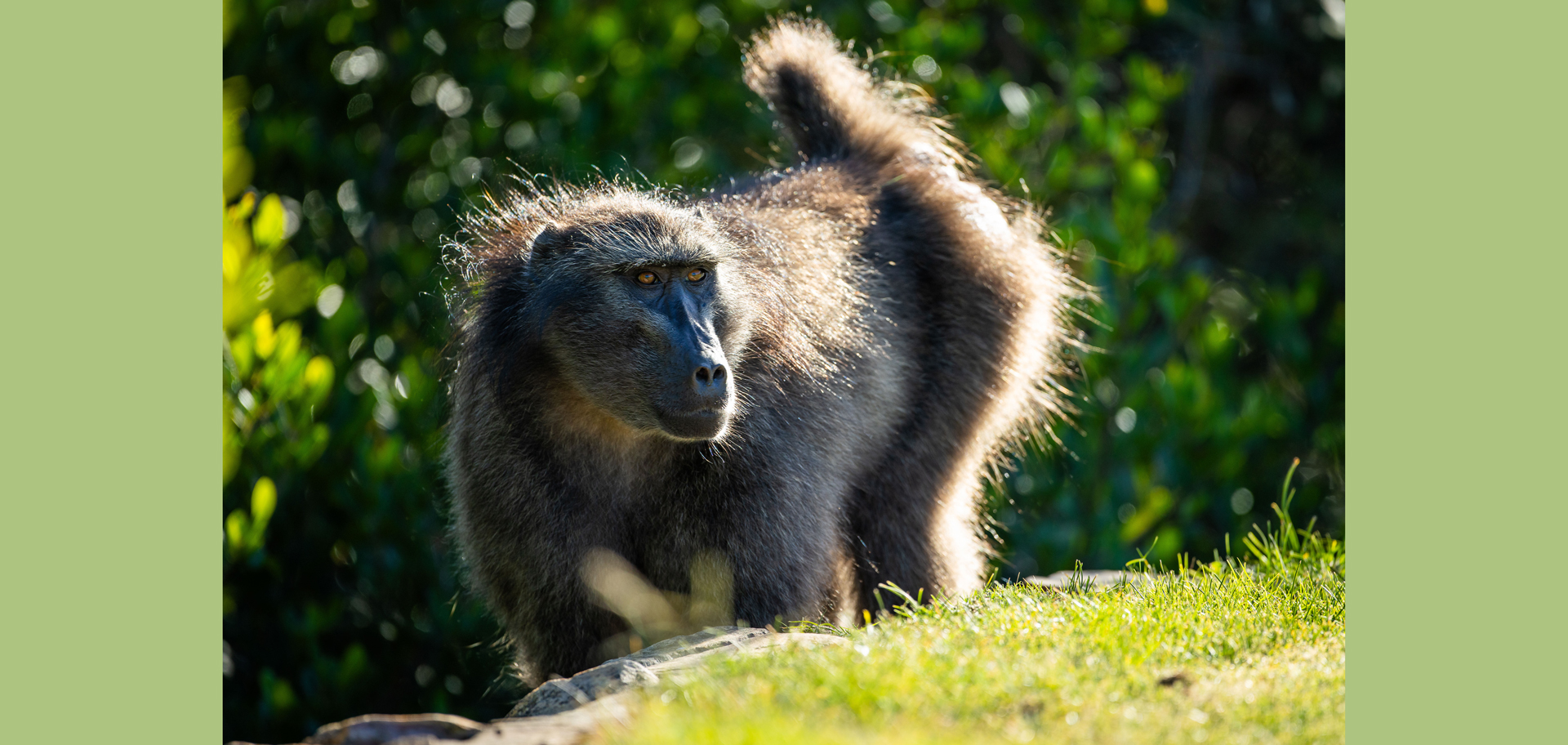
Chacma baboons are one of the largest monkeys in the world. Their scientific name (“Papio ursinus”) is a reference to their bearlike features and swagger. In adult males, powerful canines can grow to 1.6 inches, similar in size to those of a leopard, and are used in battles for dominance and defense of the troop.
Now, using high-resolution GPS tracking, researchers from Swansea University in Wales have reexamined this behavior in a group of wild chacma baboons (Papio ursinus) on South Africa’s Cape Peninsula. Their findings, published in the journal Behavioral Ecology in March 2025, reveal that baboon movement patterns are driven by social bonds rather than survival strategies.
The researchers analyzed 78 travel progressions over 36 days and showed that the order in which the individual baboons traveled was not random. They tested four potential explanations for the baboon progression order:
1. Protecting the vulnerable (risk hypothesis);
2. Competing for resources (competition hypothesis);
3. Following leaders (group decision-making hypothesis);
4. Patterns emerging from social relationships (social spandrel hypothesis).
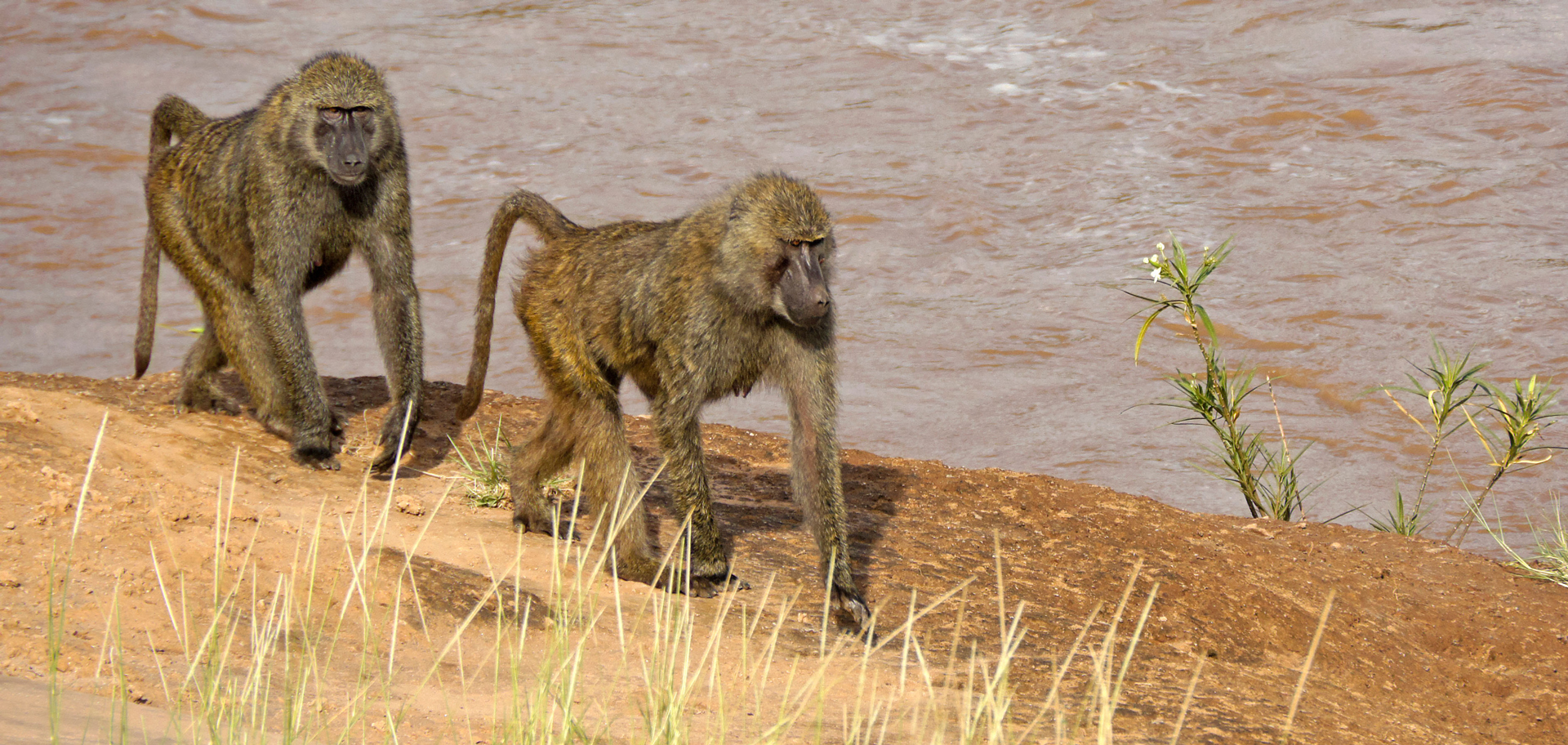
Baboons walk in lines—not for safety or strategy, but simply to stay close to their friends.
They found that the baboons’ movement patterns were driven solely by their social relationships: who they’re socially bonded with.
In the baboon group the scientists studied, the more socially connected, higher-ranking individuals usually walked in the middle of the group, while lower-ranking baboons were often out in front or at the rear. During group movements—like heading to a familiar sleeping spot—it’s likely that the group already knows where it’s going, so the baboons at the front aren’t really leading; they’re just out ahead.
This finding introduces the concept of a “social spandrel.” In buildings, spandrels are the triangular spaces that emerge as by-products when arches are placed side by side. In biology, a spandrel refers to a trait that arises not because it was directly selected for, but as a side effect of something else. In this case, the consistent travel patterns among baboons emerge naturally from their social affiliations with each other and not as an evolved strategy for safety or success.

Located on the steep, forested shores of Tanzania’s Lake Tanganyika, Gombe Stream National Park is known as the site where Dr. Jane Goodall conducted her 1960, groundbreaking research on chimpanzees. She witnessed the animals stripping leaves from twigs to fish for termites, marking the first recorded instance of nonhuman tool use in the wild.
Female friendships help chimpanzee infants survive
For chimpanzees, strong social ties can be a matter of life and death—not just for the adults who form them, but for their young, too. A study of wild eastern chimpanzees (Pan troglodytes schweinfurthii) from Gombe Stream National Park in Tanzania shows that female chimpanzees who were more socially integrated with other females in the year before giving birth were more likely to raise surviving offspring.
These survival benefits hold for females even in the absence of close family members. Contrary to many other species, chimpanzee females are the dispersing sex, usually leaving their maternal group at sexual maturity and establishing themselves in a new social group away from their kin. In species where females live in groups with their sisters and mothers, it’s less surprising that female sociality is beneficial. But female chimps are also less gregarious than males, so the fact that forming strong social connections still matters is striking.
To test the connection between friendships and offspring survival, researchers from North Carolina’s Duke University analyzed more than three decades of behavioral data from 37 chimpanzee mothers and their 110 offspring. They focused on association and grooming in the year before birth. They found that females who were more socially connected had a considerably better chance of raising their babies through to their first year, the period of highest infant mortality. A female with a sociality score twice the community average had a 95% chance that her infant would survive the first year. One who was halfway below average saw that chance drop to 75%. The effect persisted through age five, which is roughly the age of weaning.
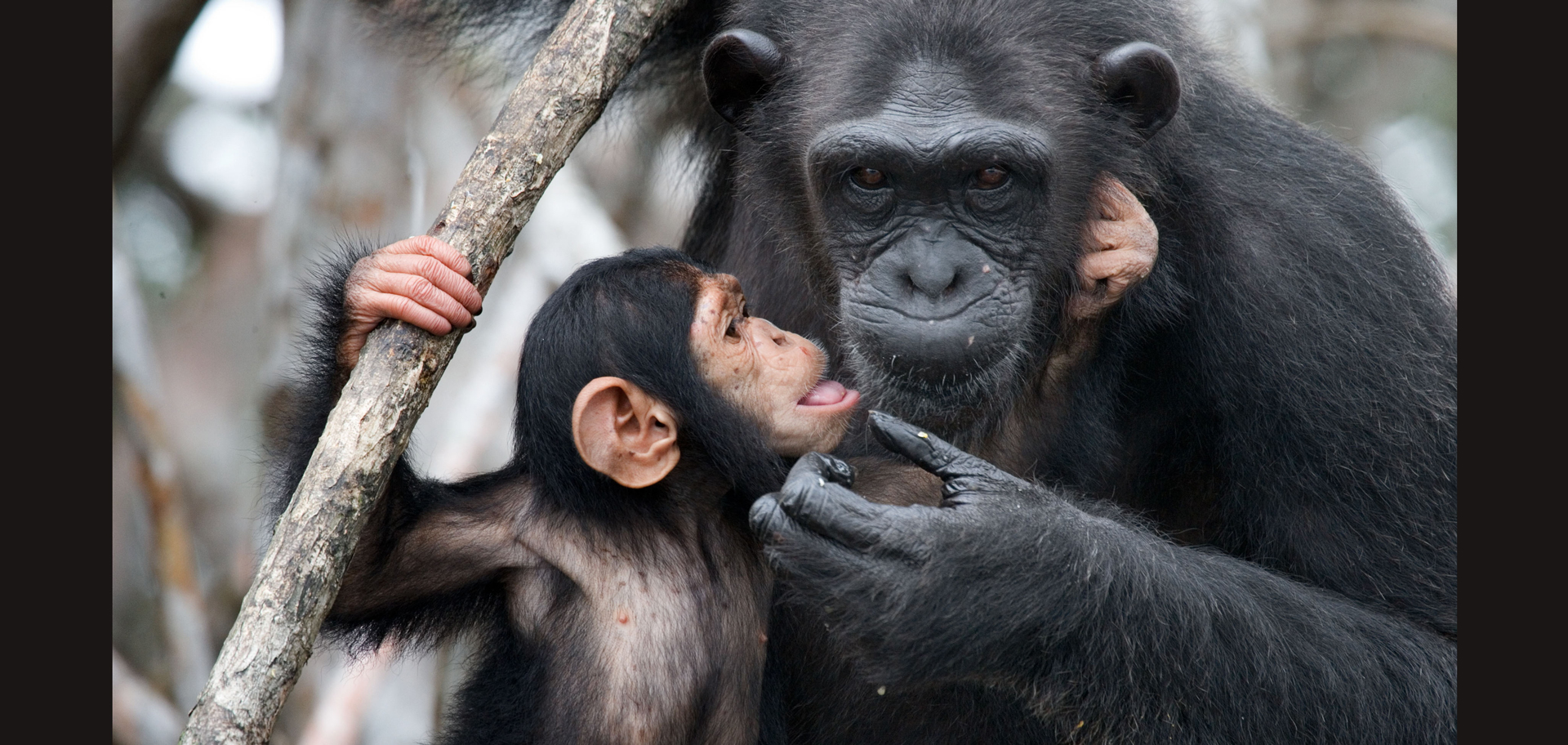
Well-integrated chimpanzee mothers enjoy a survival rate of up to 95% for their young, regardless of male allies or sisters. The payoff may come from shared defense, reduced stress or better access to food, hinting that such alliances laid the early groundwork for humanity’s extraordinary cooperative spirit.
The research team then tested whether having close female kin in the group—like a mother or a sister—accounted for the survival benefit. The answer was no. They also tested if the key was having bonds with males, who could potentially offer protection. The answer was also no. What mattered the most was having social connections with other females, regardless of kinship.
The authors note in their study, published in the journal iScience in July 2025, that the mechanism of the survival benefit remains unresolved, although there are several possibilities. Social females might receive less harassment from other females, perhaps there’s more help defending food patches or protecting their young, or their offspring could be less likely to be killed by another group member. Social connections might also have helped these females stay in better condition—maybe better fed and less stressed—through pregnancy, giving their offspring a better chance from the get-go. And it’s not just about the year before birth. Social females stayed social after their babies were born, a sign of stable relationships and not short-term alliances.
The researchers state that their results point to the value of being surrounded by others who support you or at least tolerate you. Humans, too, are remarkably collaborative; we cooperate at scales that are pretty much unique in the animal kingdom. Human females who don’t have access to kin—for example, because they move to new cities—are still able to form strong bonds that can benefit them. Studying these social dynamics in chimpanzees can help us understand how we evolved to be the social, cooperative species we are today.

The Shark Reef Marine Reserve in Fiji is a protected area where large numbers of sharks gather year-round, giving scientists the ability to study individual sharks repeatedly over time.
Bull sharks have friends
As humans, we cultivate a range of social relationships, from casual acquaintances to our best friends, but we also actively avoid certain people. It turns out that bull sharks do, too.
A study involving researchers at England’s University of Exeter and Landcaster University, and Beqa Adventure Divers and the Fiji Shark Lab in the Republic of Fiji, and conducted at the nation’s Shark Reef Marine Reserve has found that bull sharks do not simply mix randomly. Instead, they display “active social preferences,” choosing certain individuals to spend time with while avoiding others.
This finding, published in the journal Animal Behavior in April 2026, is based on six years of tracking 184 bull sharks across three age groups: subadult (not yet sexually mature), adult and advanced adult (post-reproductive age). The scientists analyzed both broad patterns of association—defined by sharks staying within one body length of each other—and more detailed interactions, such as “lead-follow” behavior and parallel swimming. Adult sharks were the most socially connected, frequently forming bonds with others of similar size.

Just like other animals, bull sharks likely gain benefits from being social. This may include learning new skills, obtaining food and finding potential mates while avoiding confrontations.
Both male and female bull sharks tended to associate more often with females. At the same time, males generally had a greater number of social connections overall. Male bull sharks are physically smaller than females, thus one potential benefit they may gain by being more socially integrated is that they are buffered from aggressive confrontations with larger individuals. Adult sharks formed the central core of the network, while advanced adult and subadult sharks were typically less socially connected. The researchers postulate that older individuals have many years of experience honing their hunting and mating skill sets, and sociality may not be as integral to their survival as it is for sharks in their prime.
We are only just beginning to truly understand the social lives of many shark species, write the study’s authors. Understanding how sharks interact socially could play an important role in conservation planning and management strategies. The Fiji Shark Lab is already collaborating with Fiji’s Ministry of Fisheries to apply these insights to ongoing protection efforts.
Our best friends
It’s often said that dogs are our best friends. I think, in large part, that’s true. But there’s another canid we need to consider on this year’s Friendship Day.
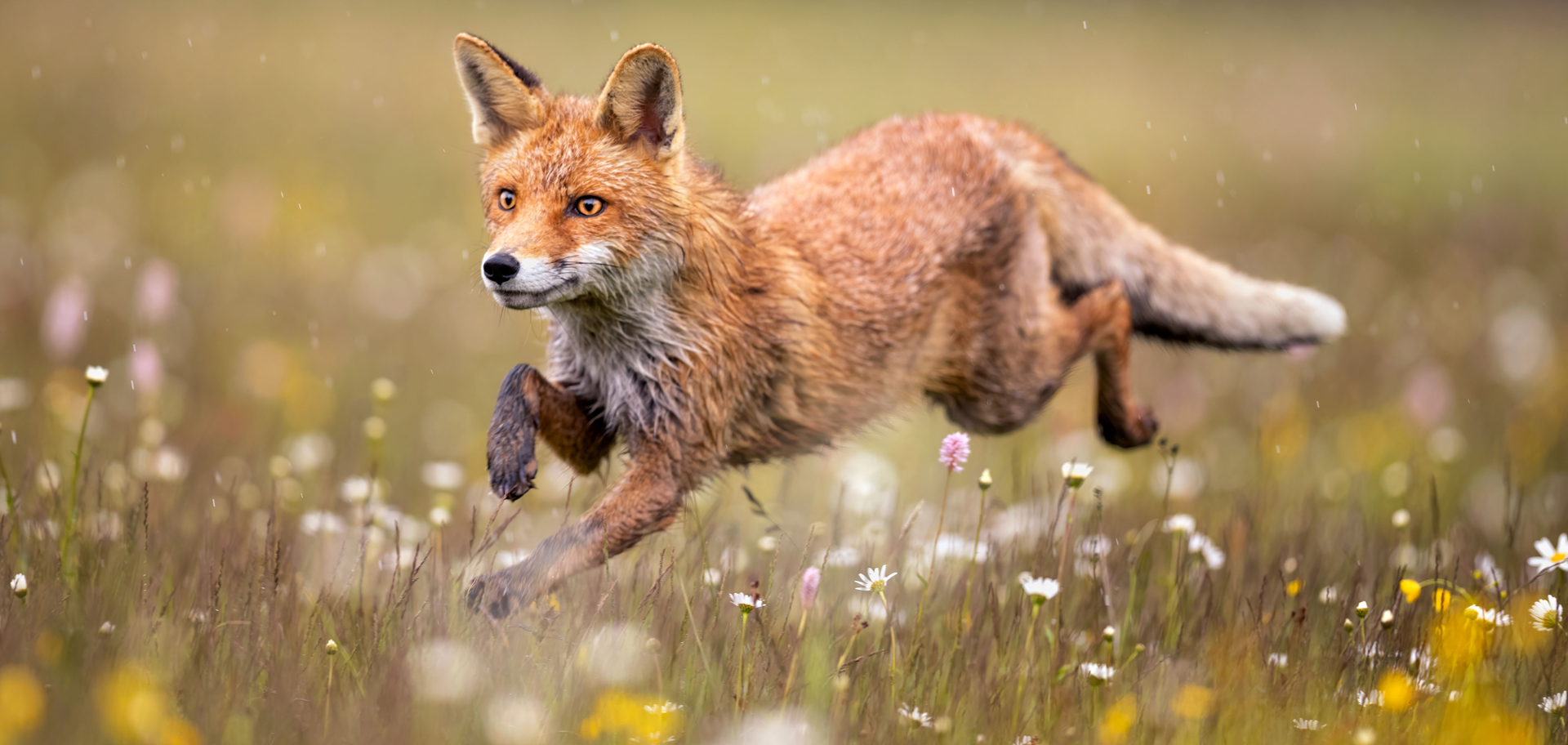
Ancient burial sites on several continents signify that foxes from a large, extinct species were tamed by humans for companionship. Unfortunately, no living foxes are descended from “Dusicyon avus.” The ancient ancestors (“Vulpes alopecoides”) of today’s red foxes (“Vulpes vulpes”) originated in Eurasia 400,000 years ago and spread globally.
In an ancient grave in what is now Patagonia, a person was buried with a canid companion. However, this animal wasn’t a dog. It was a type of animal that may have once competed with dogs for human affection: a fox.
Archaeologists originally uncovered the near-complete Dusicyon avus skeleton buried alongside a human in the town of Canada Seca, a site in Argentina, in 1991. There were no cut marks on the bones, so the fox hadn’t been eaten. An in-depth analysis of DNA and radiocarbon dating confirmed the fox’s age and species, and examination of collagen in the fox’s remains revealed that it ate the same food that this group of hunter-gatherers in South America did. Along with the skeleton’s placement in the grave, the animal’s diet suggests that the fox was tame and may have been kept as a pet.
D. avus lived from the Pleistocene Epoch (about 2.6 million to 11,700 years ago) into the Holocene Epoch (about 11,700 years ago to the Anthropocene, which the Anthropocene Working Group proposes began in 1950), becoming extinct about 500 years ago. It was roughly the size of a modern German shepherd but far less bulky, weighing up to 33 pounds.
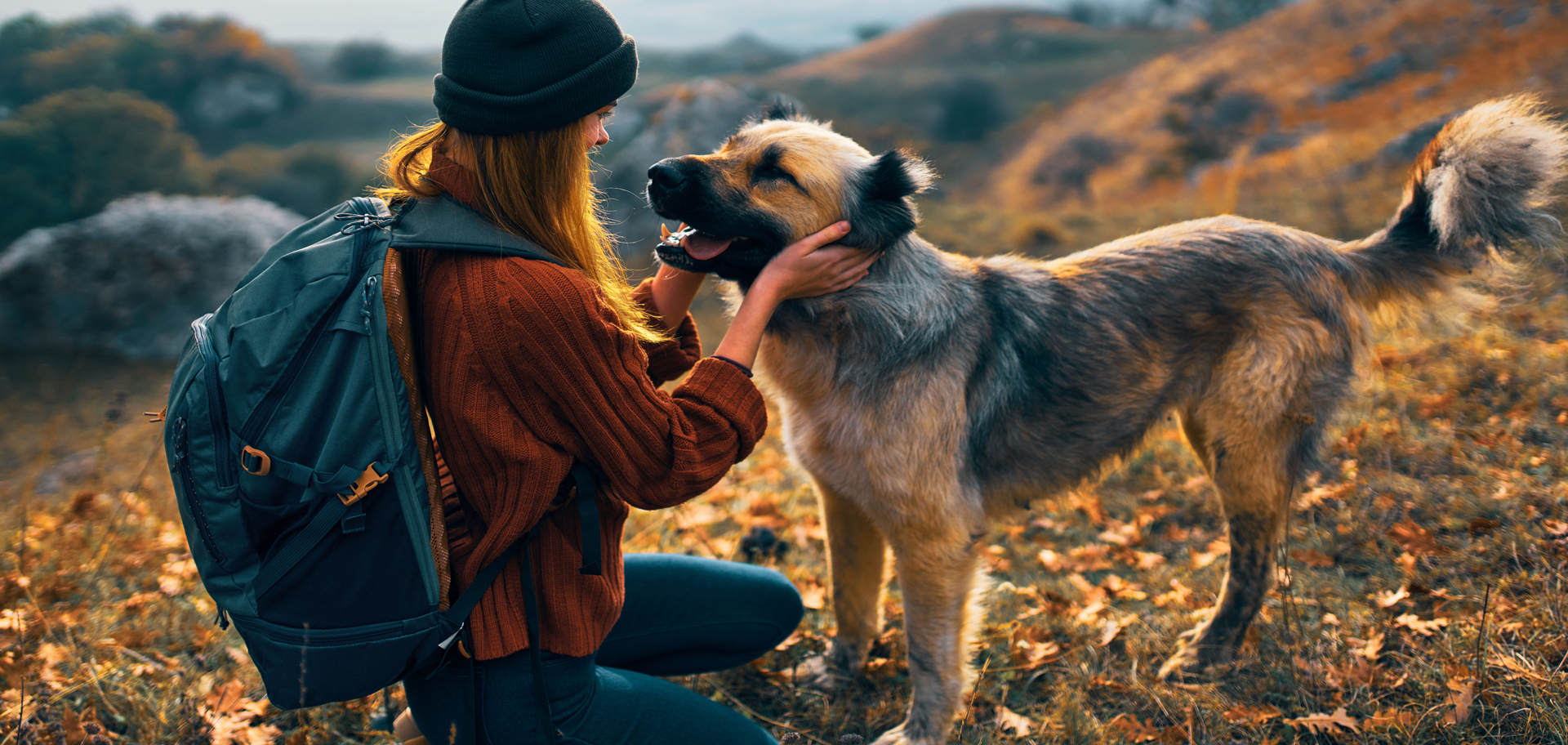
The proliferation of canids of different species in close relationship with humans indicates that it was a connection of affection and friendship. Because we find them in so many different societies and on different continents, it seems that keeping animals for companionship—and not only as meat or working animals—is an ancestral trait in humans.
No one knows what drove these foxes to extinction. With a similar diet to D. avus, dogs may have outcompeted them. Dogs may also have carried and transmitted diseases that sickened the foxes.
Experts often explain dog domestication as something that happened because humans realized that they could put dogs to work as herders or hunters. But the D. avus skeleton at Canada Seca and other fox burials hint that an animal didn’t need to be a useful worker to be nurtured by humans—all it simply had to be was a friend.
Here’s to finding your true places and natural habitats,
Candy