Good Nature Travel Blog

  • African Safaris

    Why Botswana Is a Model for Ecotourism Around the World

    Aug 3, 2026 · Michelle Peters

    Conservation Through Travel: How Botswana Leads in Sustainable Safaris In today’s world of mindful travel, more explorers are asking how their journeys impact wildlife, ecosystems and communities. The term “sustainable tourism” is everywhere—but not every trip that claims to be conservation-focused delivers on its promises. That’s why researching your travel company matters. The good news?
  • Nature & Wildlife

    Celebrating Friendship Day: Buddies in the Wild

    Jul 28, 2026 · Candice Gaukel Andrews

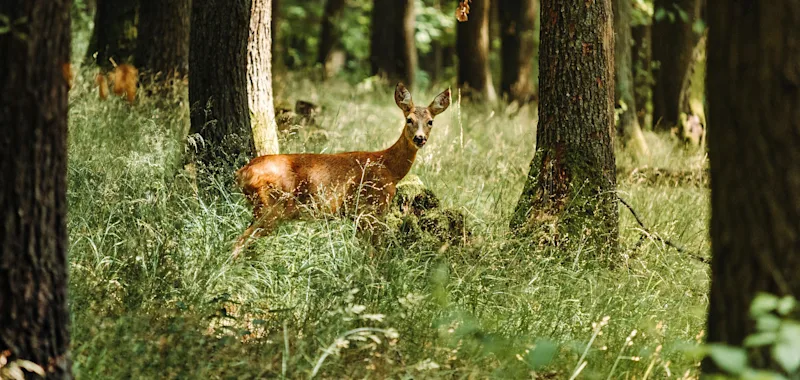
    In the United States, we celebrate the annual Friendship Day on the first Sunday in August, which this year is August 2. (The globally recognized date established by the United Nations is July 30.) This designated day is meant to honor the bonds that enrich our lives and to promote peace, solidarity and cross-cultural understanding.

  • Nature & Wildlife

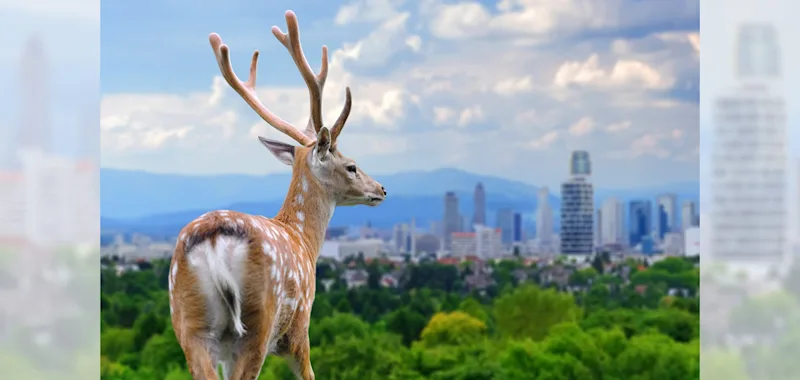
    For Some Wildlife, Living Near Us Is Hard. Others Thrive.

    Feb 13, 2024 · Candice Gaukel Andrews

    Sometimes, the divide between us and wildlife seems wide and deep. Animals live far “out there,” we typically think, while we reside in cities, suburbs, towns and semirural areas. But more and more, we find ourselves in the lands and vicinities of wild animals.

  • Conservation

    Want to Fight Climate Change? Don’t Poach Wildlife.

    Sep 19, 2023 · Candice Gaukel Andrews

    When you walk through a forest, you surround yourself with carbon. Every branch, every leaf, every tendril of unseen root and every inch of trunk contains carbon pulled from the atmosphere through photosynthesis.

  • African Safaris

    Privately Caring for Rhinos and Publicly Tolerating Tigers

    Mar 14, 2023 · Candice Gaukel Andrews

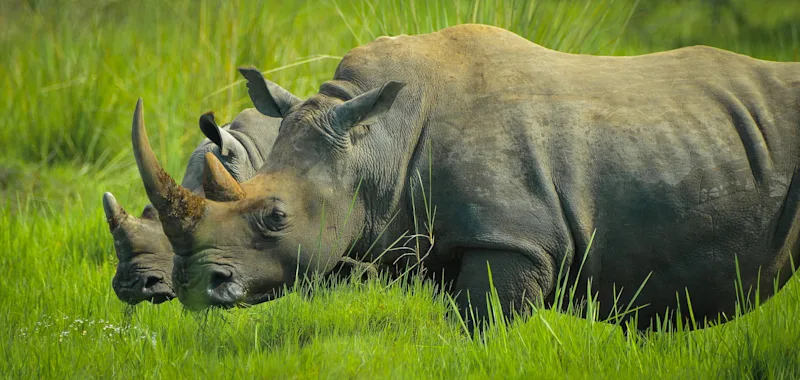
    Often, the numbers seem to look bad for African rhinos. Right now, the statistics show that these animals are rapidly declining in core, state-run reserves, such as South Africa’s Kruger National Park. Currently—much like with tigers—more than half of the continent’s remaining rhinoceroses are now on private lands.

  • Conservation

    Wildlife Crime Technology: Nowhere to Hide

    Feb 23, 2023 · Madison Mitchell

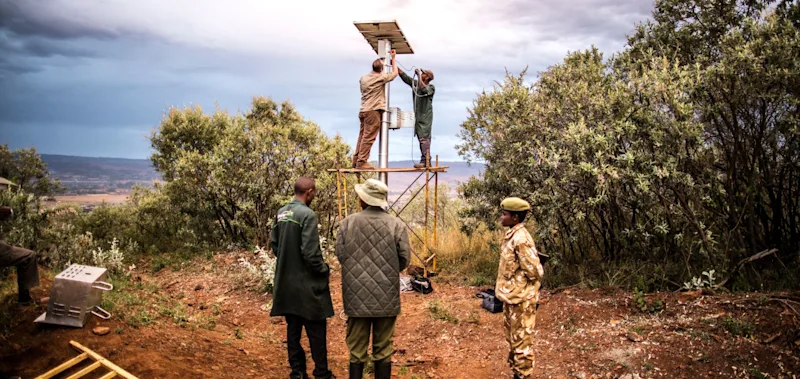
    A growing problem Over the last decade, an estimated $23 billion global black market economy for illegal wildlife products has emerged, accelerating the problem into a race against extinction. Some products leading this rising market are rhino horns and elephant ivory, among others like pangolin scales and even live animals.

  • African Safaris

    Lion Teeth Tell Tales

    Oct 18, 2022 · Candice Gaukel Andrews

    Staggering natural wonders—such as Victoria Falls, considered to be the world’s biggest curtain of falling water (not because of a singular dimension, such as height or width, but because of all dimensions taken into account, including flow rate)—and a massive network of remote national parks where you can encounter most of Africa’s iconic wildlife…

  • Conservation

    Black Rhinos and White Rhinos: Counts, COVID and Conservation

    Sep 6, 2022 · Candice Gaukel Andrews

    As caregivers, parents and teachers of children, we try to encourage and respect every youngster’s individuality. We tell them that they are each unique and that every one of them has something separate to give, something different to learn and something distinct to create.

  • Asia & The Pacific

    Studies of Extinct Ibex Could Save Today’s Tigers

    Aug 2, 2022 · Candice Gaukel Andrews

    The Pyrenean ibex (Capra pyrenaica pyrenaica) officially became extinct in January 2000, when a falling tree landed on Celia, the world’s last wild Pyrenean ibex. Unfortunately, what led up to that unhappy incident was a sad history for this wild mountain goat. Several species of ibex once lived across Africa, Asia and Europe.

  • Conservation

    A Road Map for Curbing the Illegal Wildlife Trade

    Mar 22, 2022 · Candice Gaukel Andrews

    Just hearing the term “wildlife trade” brings to mind heart-wrenching photos of elephants who have been stripped of their tusks or pictures of rhinos without their horns. Actually, the definition of “wildlife trade” is more benign; it denotes any sale or exchange of wild animal and plant resources by people.