Good Nature Travel Blog

  • Galapagos Islands

    A Wild Day in the Galapagos: Whales, Sharks & an Erupting Volcano

    Sep 6, 2026 · WWF

    First, whales. One morning in September, we woke up earlier than usual. We had been navigating overnight toward Bartolome Island, and our guides, Roberto and Giancarlo, had prepared us for possible whale sightings on the final leg of our voyage. We bundled up and stood on the top deck, hot cups of coffee in hand.
  • Nature & Wildlife

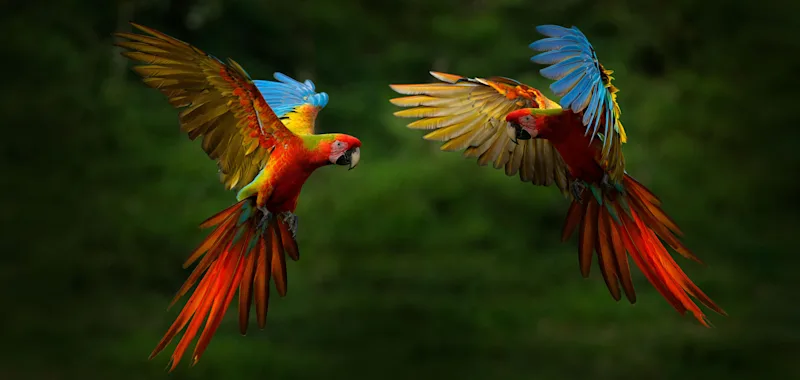
    Celebrating Friendship Day: Buddies in the Wild

    Jul 28, 2026 · Candice Gaukel Andrews

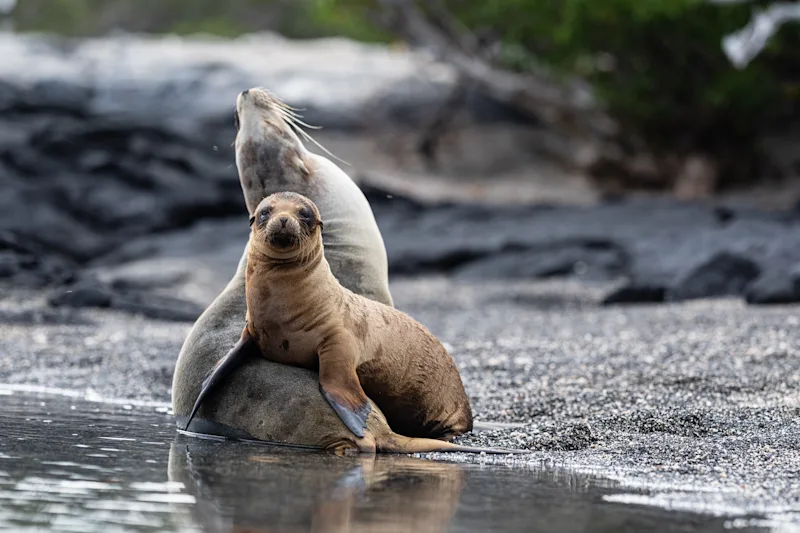
    In the United States, we celebrate the annual Friendship Day on the first Sunday in August, which this year is August 2. (The globally recognized date established by the United Nations is July 30.) This designated day is meant to honor the bonds that enrich our lives and to promote peace, solidarity and cross-cultural understanding.

  • News & More

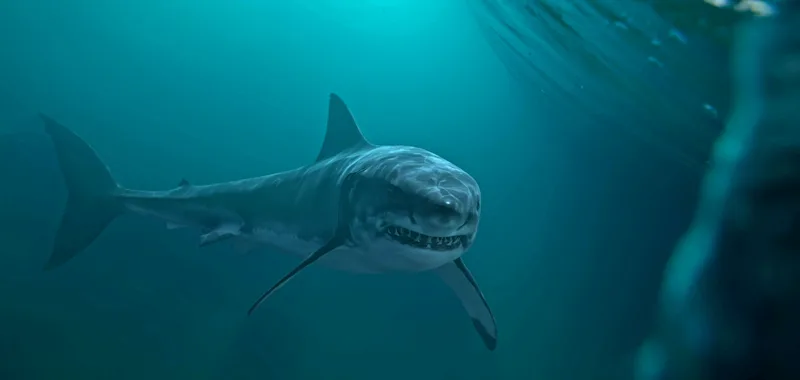
    Surprising Sharks and Shipwrecks Saving Seas

    Feb 20, 2024 · Candice Gaukel Andrews

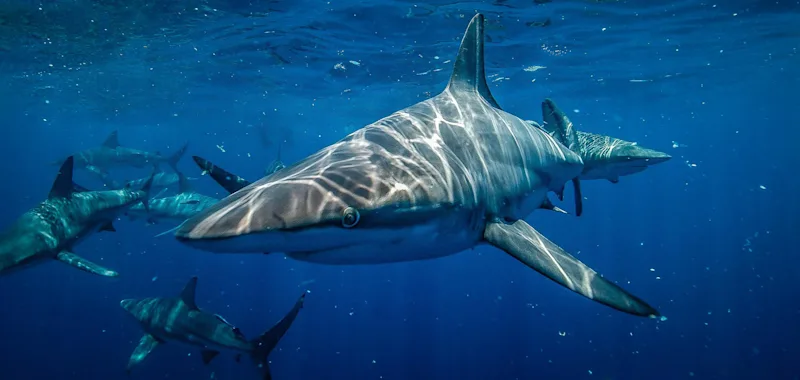
    In the popular and now iconic 1975 movie Jaws, directed by Steven Spielberg, a great white shark attacks swimmers during one summer in the fictional beach town of Amity Island, New York. Because of the film, many people came to fear great whites—with good reason.

  • Nature & Wildlife

    How Animals Perceive Time

    Jan 24, 2023 · Candice Gaukel Andrews

    How we humans perceive time is a fascinating and intriguing topic. We know that we can see colors, hear sounds, smell odors, taste flavors and feel textures. Some aspects of the world, then, can be perceived through one of our five, basic senses.

  • News & More

    Whale Sharks Top Kodiak Bears for World’s Largest Omnivore

    Oct 11, 2022 · Candice Gaukel Andrews

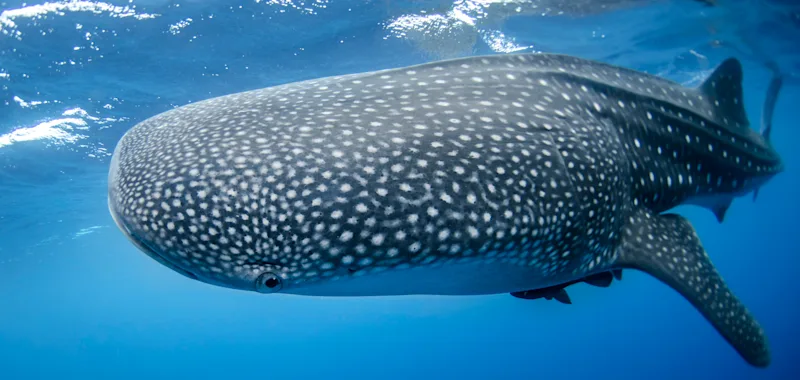
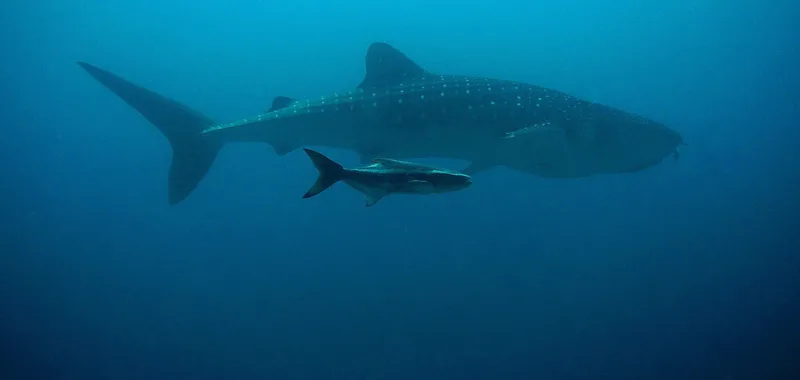
    Whale sharks are the biggest fish and shark in the world. Adults can weigh 41,000 pounds and average about 40 feet long, but they may grow as large as 65 feet. According to World Wildlife Fund (WWF), these gentle giants roam all the planet’s tropical oceans, generally alone.

  • Travel Tales

    Ugo in Shark City | Olaf’s Corner

    Nov 12, 2018 · Olaf Malver

    “Cool, man—shark city!” bellowed Ugo while chumming the waters 30 feet away. We listened to him from the boat deck high above while hanging on to the long bow-line. As if out of nowhere, a bunch of black-tipped reef sharks appeared and began a feeding frenzy.

  • Antarctica & Arctic

    Video Encounters with Mystifying Greenland Sharks

    Apr 26, 2018 · Candice Gaukel Andrews

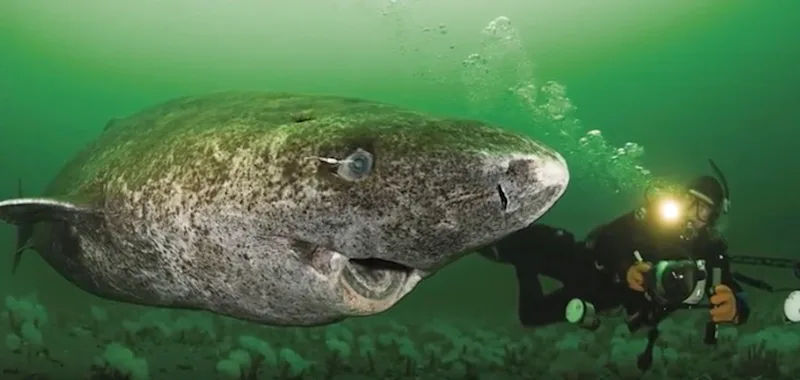
    Deepwater, mythic and prehistoric creatures, Greenland sharks inhabit the Atlantic Ocean, from Canada to Norway and off the coast of Scotland. When it comes to legends, some have suggested a Greenland shark may actually be the Loch Ness Monster. As for its prehistoric characterization, this fish can live up to 500 years or more.

  • Nature & Wildlife

    Mysterious Sharks: Great Gatherings and Long Lives

    Apr 24, 2018 · Candice Gaukel Andrews

    More than 400 shark species inhabit our planet. And while facts about some of them may be well-known to researchers and the rest of us, there are many shark species whose behaviors remain mysterious and secretive. In mid-April 2018, we learned that the actions of basking sharks fell into that latter category.

  • News & More

    New Year’s 2017: Should “Auld” Acquaintance Be Forgot? I Think Not.

    Dec 27, 2016 · Candice Gaukel Andrews

    Traditionally, throughout the world on New Year’s Eve, we all join in the singing of “Auld Lang Syne.” The song, whose title roughly translates as “for old times’ sake,” is appropriate for the end of the year because it evokes nostalgia for the past and a longing to preserve longtime friendships.

  • News & More

    Attitudes Toward Wildlife: the Right Kind of Caring?

    Oct 11, 2016 · Candice Gaukel Andrews

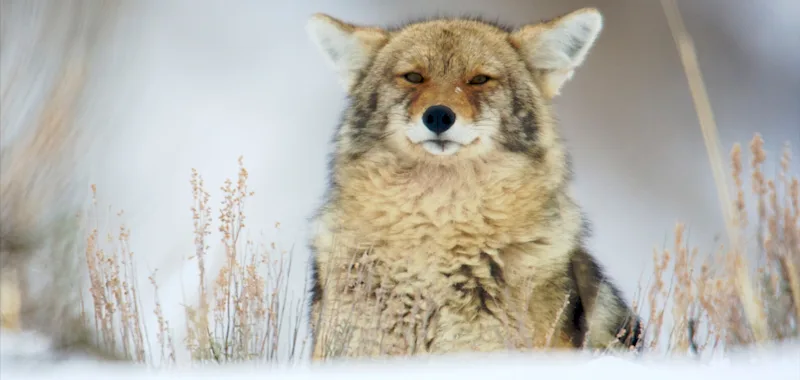
    American attitudes toward wild animals are growing more positive, according to a new study published just last month in the international journal Biological Conservation. Between 1978 and 2014, our thinking about eight historically stigmatized species—including bats, coyotes, vultures, sharks and wolves—were found to be significantly more favorable. On the surface, that sounds like good news.