Good Nature Travel Blog

  • Nature & Wildlife

    Celebrating Friendship Day: Buddies in the Wild

    Jul 28, 2026 · Candice Gaukel Andrews

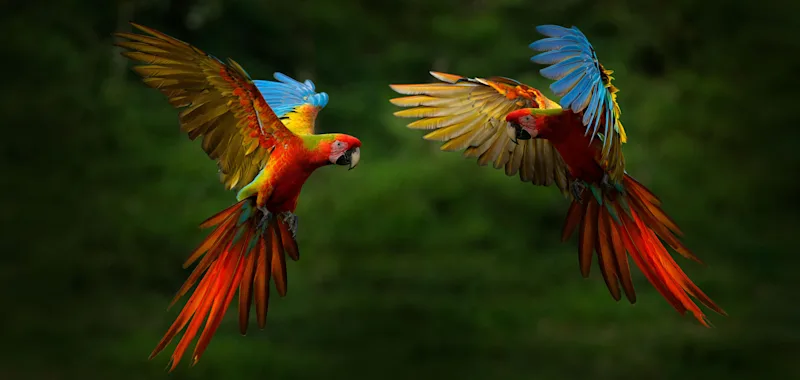
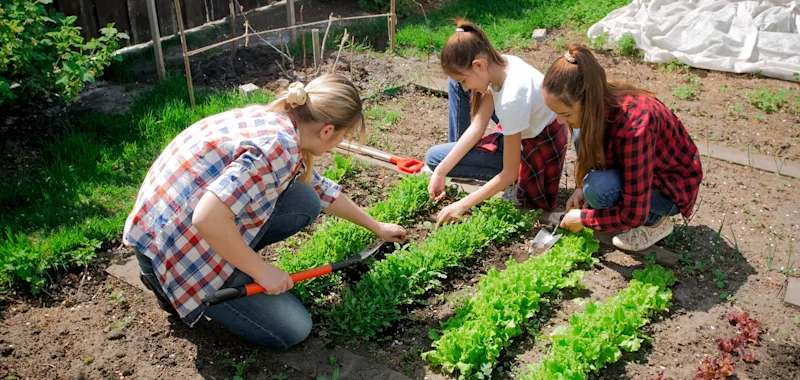
    In the United States, we celebrate the annual Friendship Day on the first Sunday in August, which this year is August 2. (The globally recognized date established by the United Nations is July 30.) This designated day is meant to honor the bonds that enrich our lives and to promote peace, solidarity and cross-cultural understanding.
  • Nature & Wildlife

    Aliens on the Rise and Invaders on the Run

    Jun 30, 2026 · Candice Gaukel Andrews

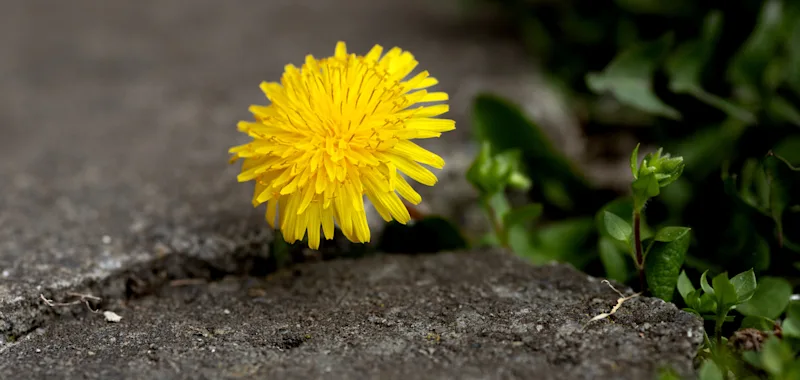
    Aliens are certainly in our midst, and invaders are running rampant across the planet. What I mean is, plants are spreading across the globe faster than ever, and the very same traits that make them thrive in their native lands also drive them to their successes abroad. Who are these aliens and invaders?

  • Conservation

    Sustainability Goals and How We Can Achieve Them

    Jun 23, 2026 · Candice Gaukel Andrews

    We may already be living far beyond what the Earth can sustainably support, suggests the writers of a brand-new study, who analyzed more than 200 years of environmental and population data. They found that while population growth once fueled expansion and innovation, the trend shifted decades ago as the planet’s resources became increasingly strained.

  • Nature & Wildlife

    People Making Positive Change for the Planet

    May 19, 2026 · Candice Gaukel Andrews

    More-than-human animals predate humans on Earth by approximately 500 million to more than 800 million years. While modern humans (Homo sapiens) have existed for only about 300,000 years, the first animal life (likely sponges) appeared in the ocean hundreds of millions of years prior to the human lineage.

  • Nature & Wildlife

    The Colors of Earth Are Changing

    Oct 22, 2024 · Candice Gaukel Andrews

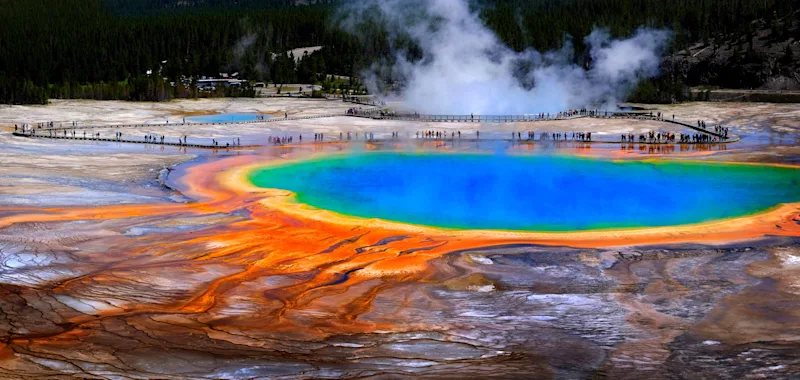
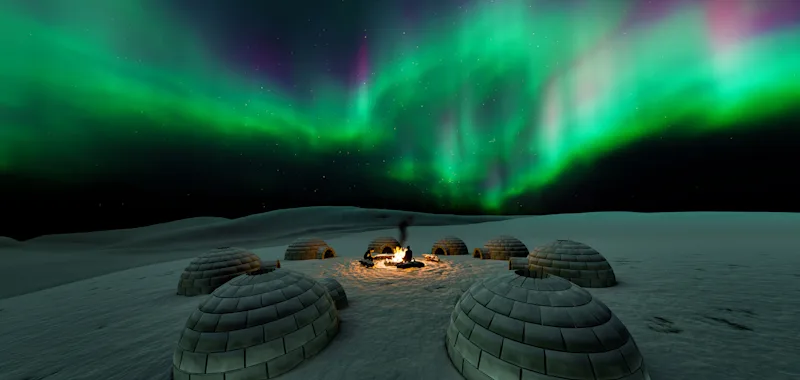
    Our world is a colorful place. Just think of the vivid blues, greens, oranges, reds and yellows of Grand Prismatic Spring in Yellowstone National Park, the rainbow-hued mountains of Zhangye National Geopark in China or the shimmering green and purple bands of light in the aurora borealis above the tundra in Churchill, Manitoba, Canada.

  • Nature & Wildlife

    Caring for Glaciers: Glacier Loss Day

    May 28, 2024 · Candice Gaukel Andrews

    Glaciers are tremendous accumulations of snow, compacted by weight and turned to ice. They move with gravity due to their own mass, often carrying rocks and sediment debris with them.

  • Nature & Wildlife

    Earth Day 2024: Planet vs. Plastics

    Apr 16, 2024 · Candice Gaukel Andrews

    As someone who cares deeply about the Earth and the natural habitats that it provides, you’ve heard a lot about the 30 x 30 idea—which aims to protect 30% of the planet by 2030—and the similar America the Beautiful plan, with the objective of conserving and restoring 30% of U.S. lands and waters by 2030.

  • Nature & Wildlife

    “New” Northern Lights and a Novel Moon Era

    Feb 27, 2024 · Candice Gaukel Andrews

    I think of February and March as a miniseason, that of northern lights. This time of year provides an opportune moment to turn your gaze to winter’s night skies.

  • News & More

    Defining—and Redefining—the Anthropocene

    Aug 22, 2023 · Candice Gaukel Andrews

    Quiet, small-but-deep Crawford Lake in Canada’s Niagara Escarpment in Ontario may soon become the symbolic starting point for a radical new chapter in Earth’s official history: the Anthropocene, or the Age of Humans.

  • News & More

    2022 Fifth Warmest Year on Record, But We’re Making Strides

    Jun 13, 2023 · Candice Gaukel Andrews

    Wherever you live, if you remember last summer, this probably won’t surprise you. Earth’s average surface temperature in 2022 tied with 2015 as the fifth warmest on record, according to a recent analysis by NASA.

  • Nature & Wildlife

    Crisis Couple: Biodiversity Loss and Climate Change

    May 16, 2023 · Candice Gaukel Andrews

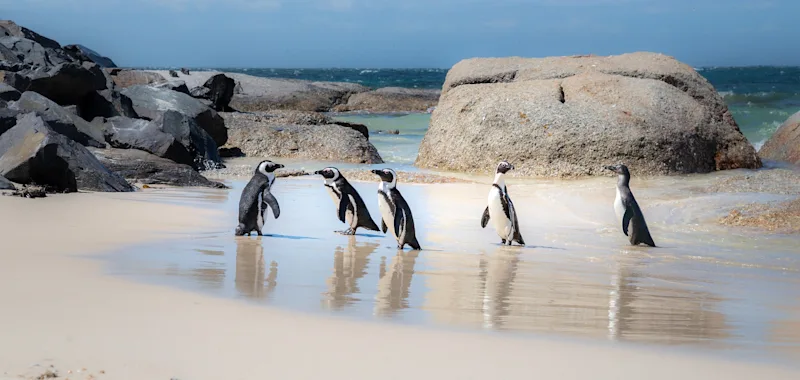
    Highly social and very vocal, African penguins are native to the waters of South Africa. But these endangered birds are now struggling to survive the human impacts and the unfolding climate crisis of the Anthropocene. However, their climate story goes back much further than our modern epoch.