Good Nature Travel Blog

  • Nature & Wildlife

    Deserts: Energy, Evolution and Eventual Rain

    Aug 11, 2026 · Candice Gaukel Andrews

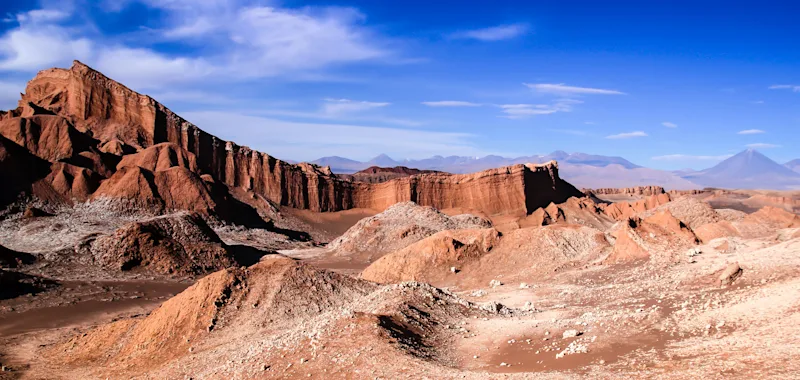
    Deserts are far from the lifeless, slow-growing and always arid places they’re often depicted to be. For example, even in Chile’s ultradry Atacama Desert, tiny soil-dwelling nematodes (roundworms) are thriving in surprising diversity.
  • Galapagos Islands

    Galapagos: Fit Birds and Darwin’s Fine Books

    Mar 12, 2026 · Candice Gaukel Andrews

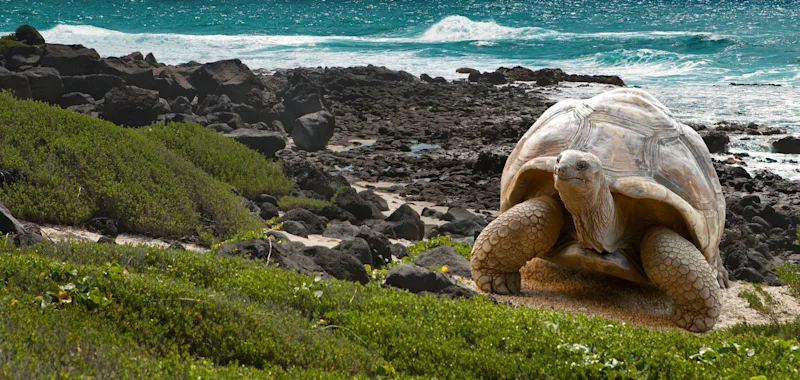
    If you’re a lover of books (or a bibliophile) like me, you’ll appreciate Charles Darwin, the biologist famous for his Theory of Evolution that was formulated while visiting the Galapagos Islands. Arguably the most influential man of science in history, Darwin accumulated a vast personal library throughout his working life.

  • Nature & Wildlife

    Biodiversity Comes in Bursts and Goes with Glaciers

    Dec 2, 2025 · Candice Gaukel Andrews

    From birds to flowers, the majority of the Earth’s species stem from a few evolutionary “explosions,” where new habitats or traits sparked rapid diversification. These bursts, in fact, explain most of the planet’s biodiversity. Some of those new habitats were ignited by glaciers.

  • Conservation

    Kelp: Coastal Sea Otter Help and Patagonia Cold Comfort

    Aug 13, 2024 · Candice Gaukel Andrews

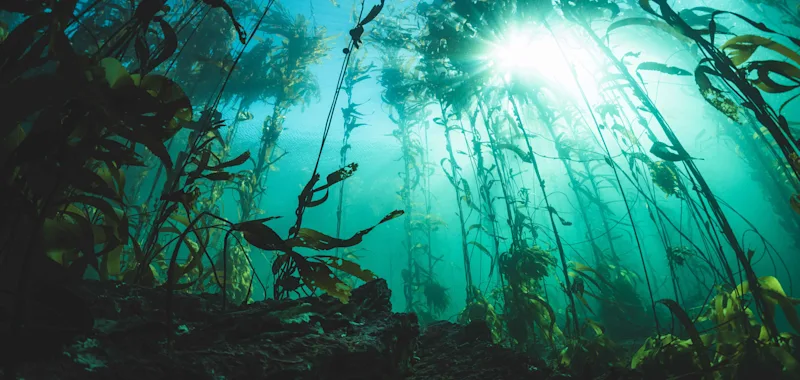
    Found along 25% to 30% of the world’s coastlines, kelp forests are the most extensive marine vegetated ecosystems in the world. A type of seaweed, kelp attaches to rocky surfaces on the ocean floor and—like terrestrial plants and trees—grows upward toward the sunlight. Some experts even call kelp “the sequoias of the sea.”

  • Conservation

    Species-Rich Places and the “Robin Hood” Conservation Strategy

    Nov 21, 2023 · Candice Gaukel Andrews

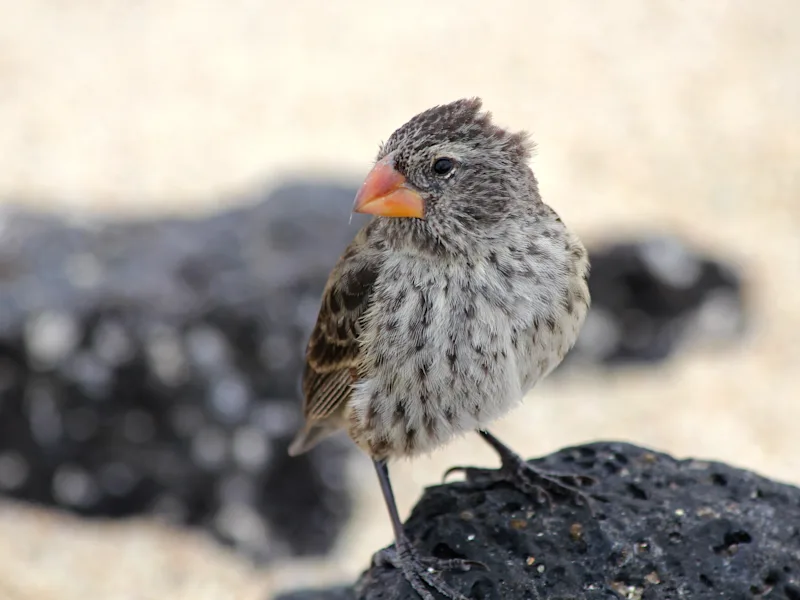
    Ever since the HMS Beagle arrived in the Galapagos Islands with a young Charles Darwin aboard—who was soon to meet a fateful family of finches—ecologists have struggled to understand a particularly perplexing question: Why is there such a ridiculous abundance of species in some places on Earth and a scarcity in others?

  • Nature & Wildlife

    Holidays 2022: Tree Revelations and Reindeer Rebound

    Dec 13, 2022 · Candice Gaukel Andrews

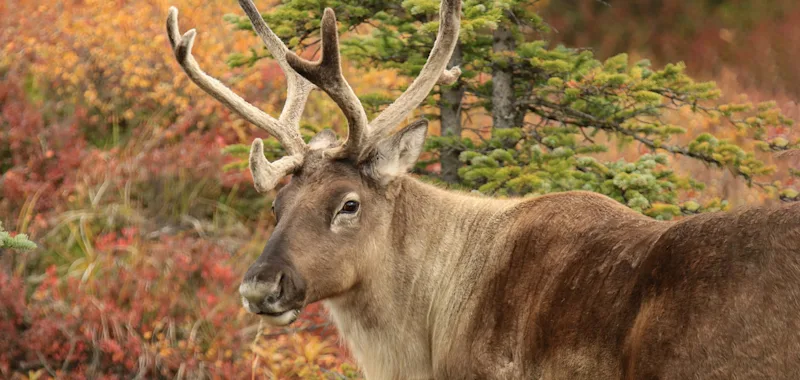
    Throughout time, reindeer have been used for economic purposes by various circumpolar peoples, including the Chukchi, Evenks, Khants, Nenets and Sami. Long heralded for their dependable and docile natures and their dexterity in a range of tasks, reindeer were even widely used during World War II by the Soviet forces to help transport injured soldiers.

  • Conservation

    New Year 2022: The Other Lives That Live Alongside

    Dec 28, 2021 · Candice Gaukel Andrews

    As we begin to close out the days of 2021, it’s only natural to take a look back at the year that’s about to end and dream of what we’d like to see change and what we hope will happen in 2022.

  • Conservation

    Charles Darwin, Natural History & the Galapagos Islands

    May 5, 2017 · About Galapagos

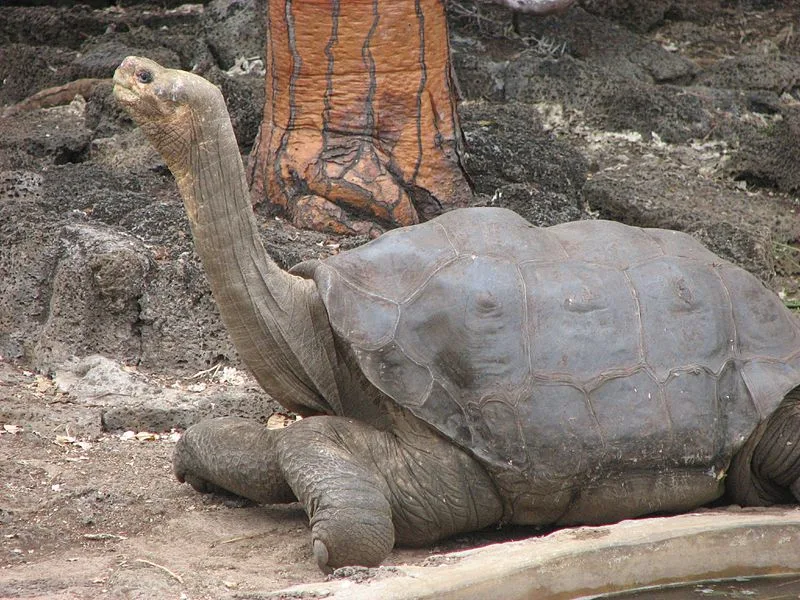
    [Excerpts from Adventure Guide to Ecuador & the Galapagos Islands, by Peter D. Krahenbuhl] One of the most amazing and interesting facts about the Galapagos Islands is their role in influencing our understanding of the evolution of life on Earth.