Research & Impact
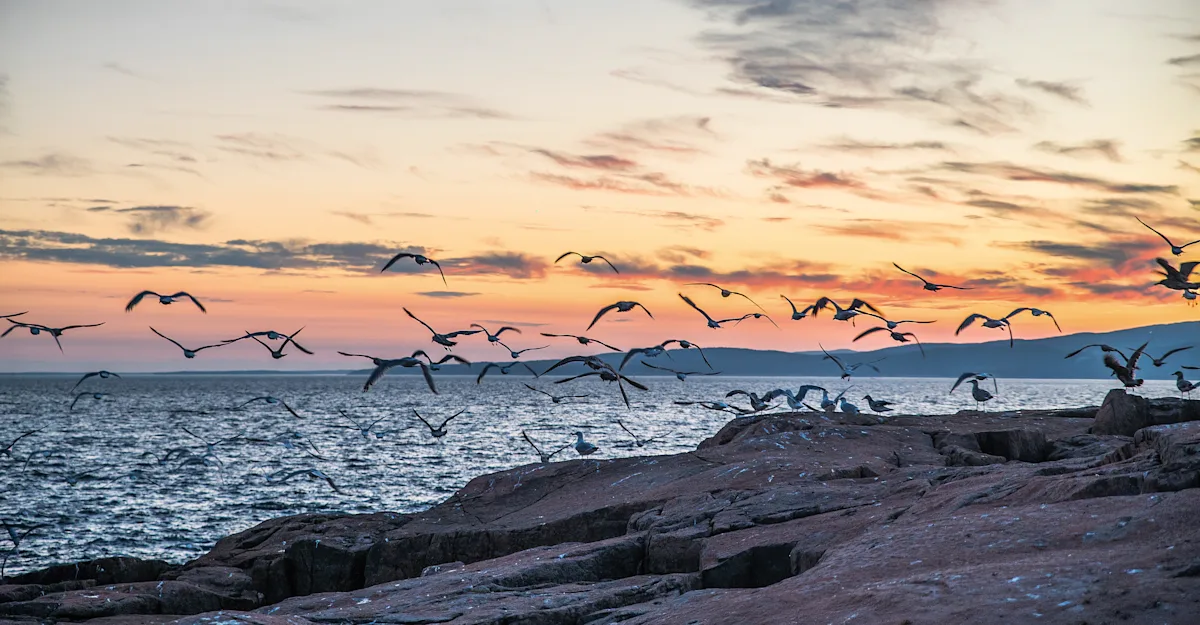
For more than a century, Acadia National Park has provided scientists with a valuable window into ecological change. Researchers here are contributing to decades of accumulated data as they investigate how climate change is altering connections between the Gulf of Maine, coastal forests and vulnerable plant communities. Through long-term monitoring, wildlife surveys and habitat assessments, this research is helping scientists understand how ecosystems respond to climate change while identifying habitats that may help protect biodiversity in the future.
What You'll Do in the Field
Click a photo to expand details
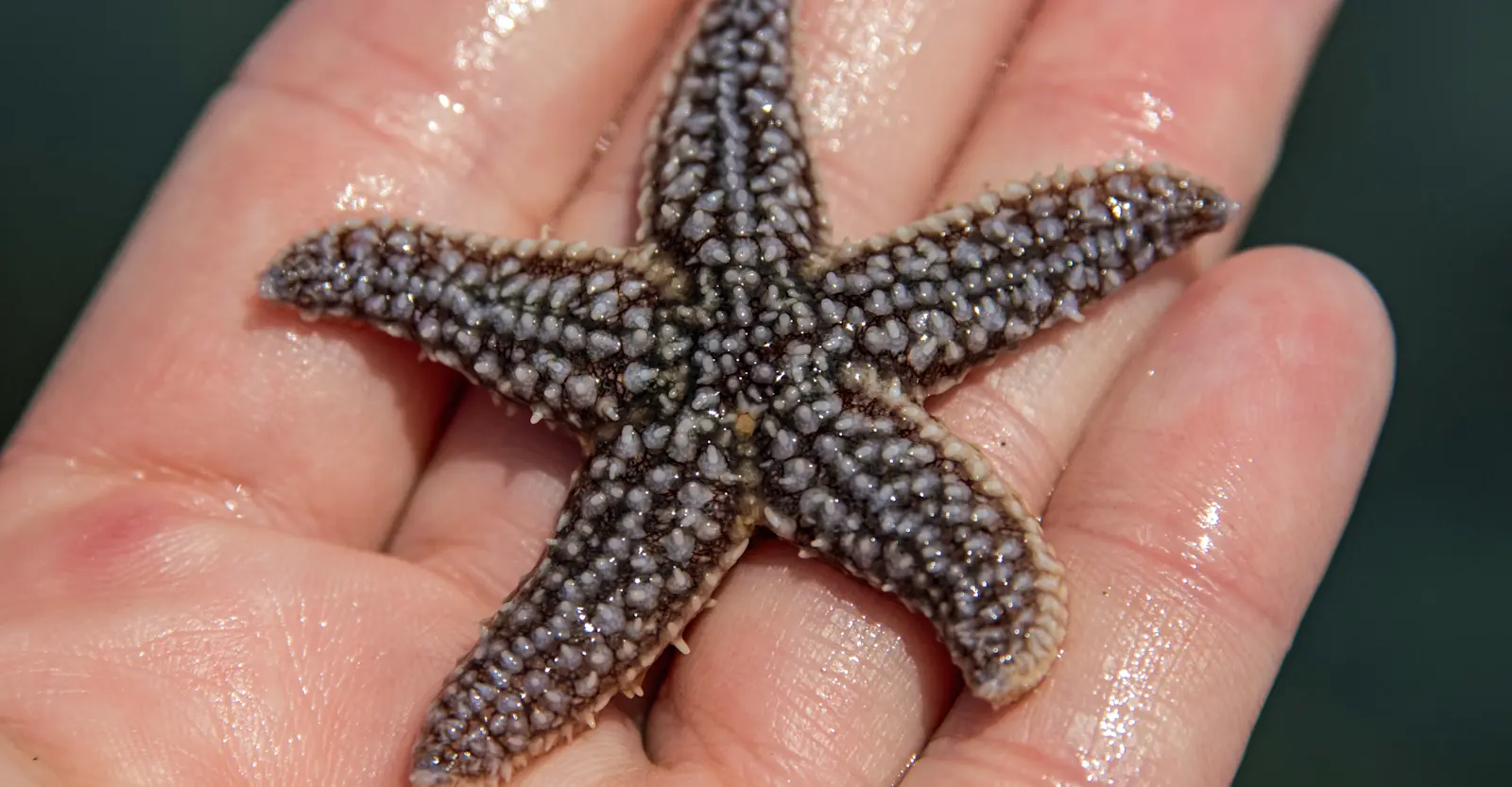
Survey Wildlife Populations
Document plants and animals across Acadia’s coastal habitats, from spruce forests to rocky shorelines. You may identify arctic-alpine plants, record flowering and berry production, and help scientists track species living near the edge of their range.
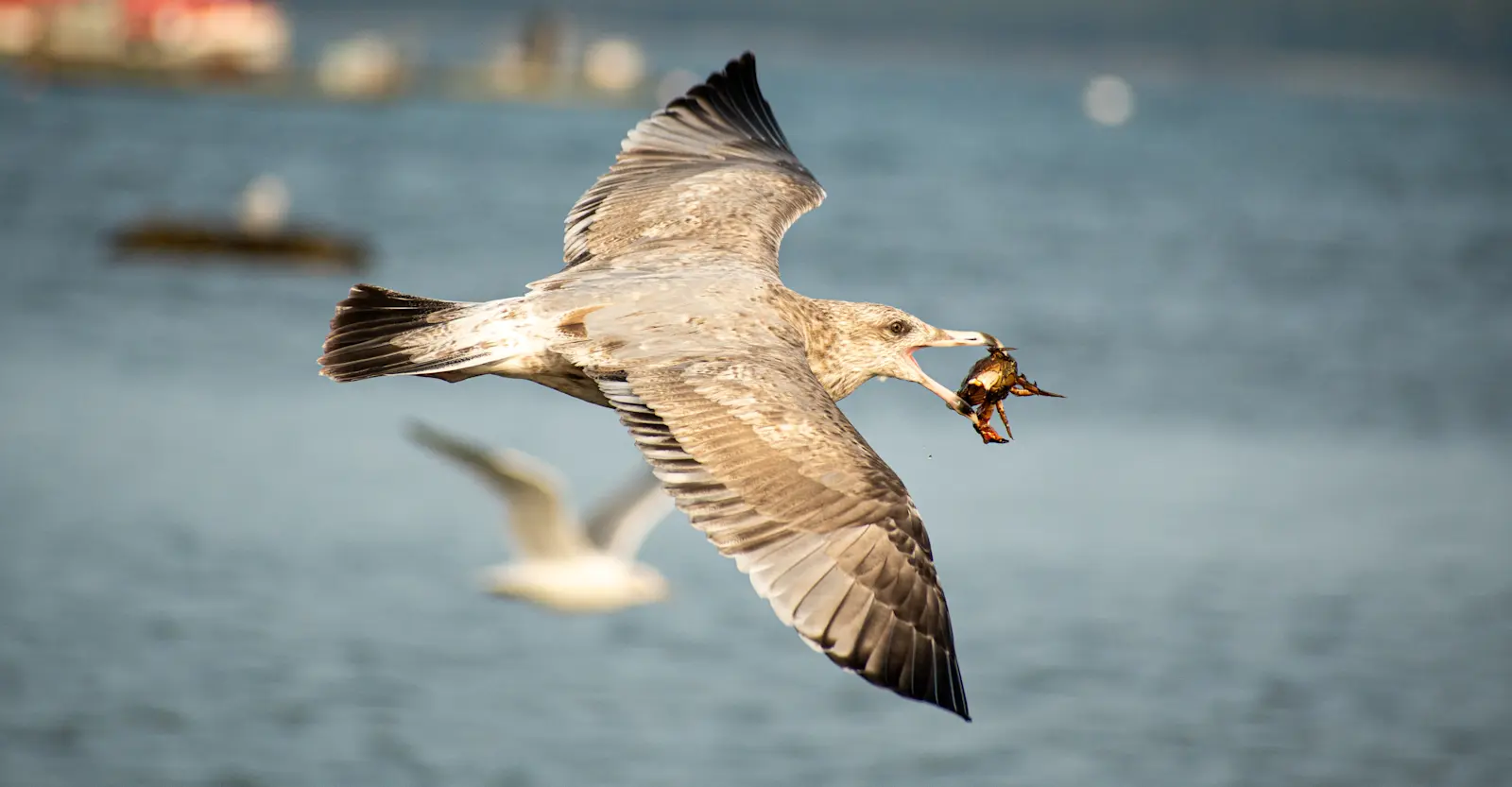
Observe Animal Behavior
Search for evidence of river otters, mink, foxes and crows carrying marine prey inland. By documenting shells, crab claws and sea urchin remains, you’ll help researchers understand how wildlife links Acadia’s ocean and forest ecosystems.
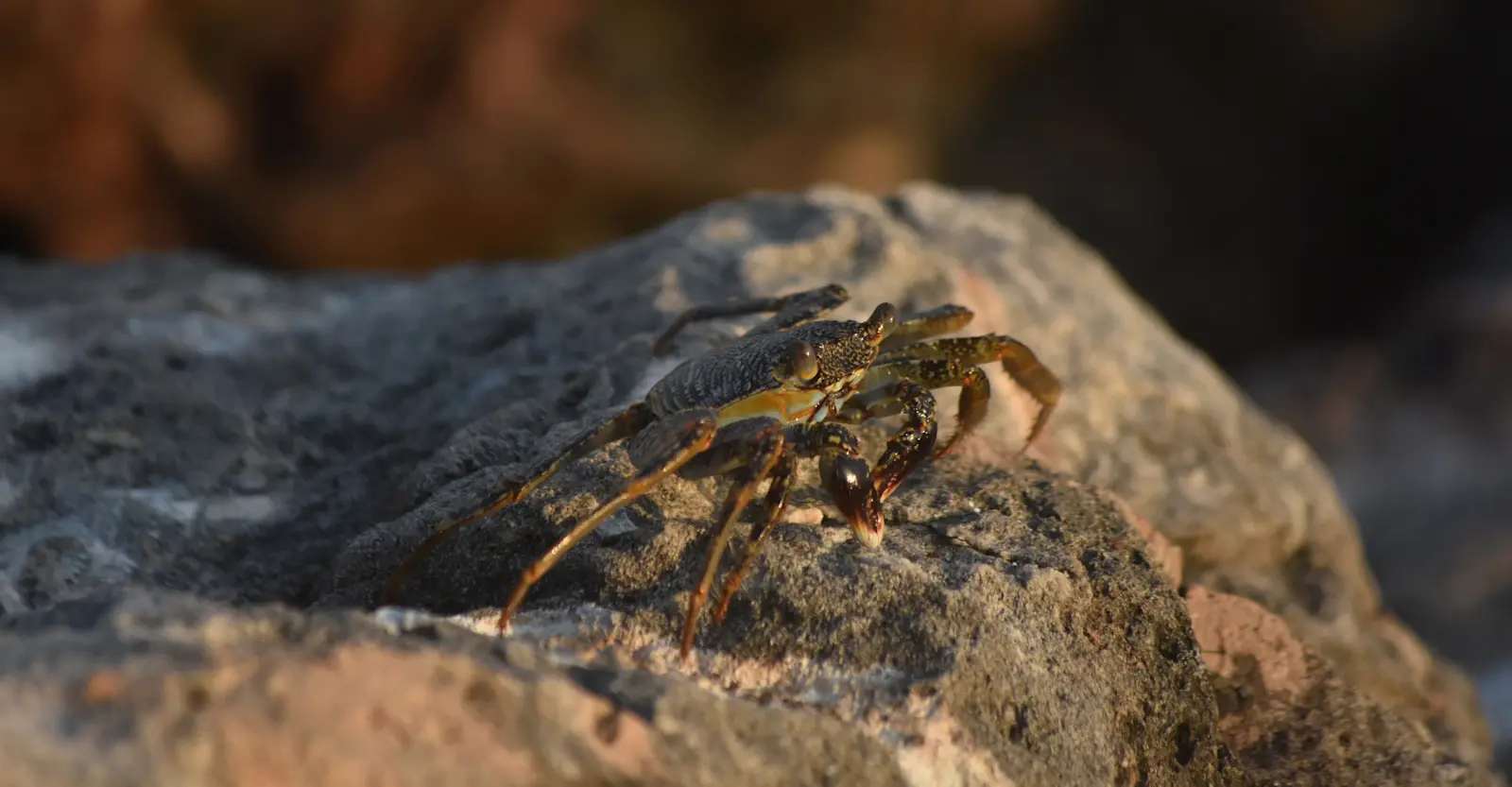
Assess Habitats & Ecosystems
Work in permanent monitoring plots to measure plant cover, record habitat conditions and compare research sites. These surveys help scientists evaluate which cool coastal and alpine areas may provide refuge for climate-sensitive species.
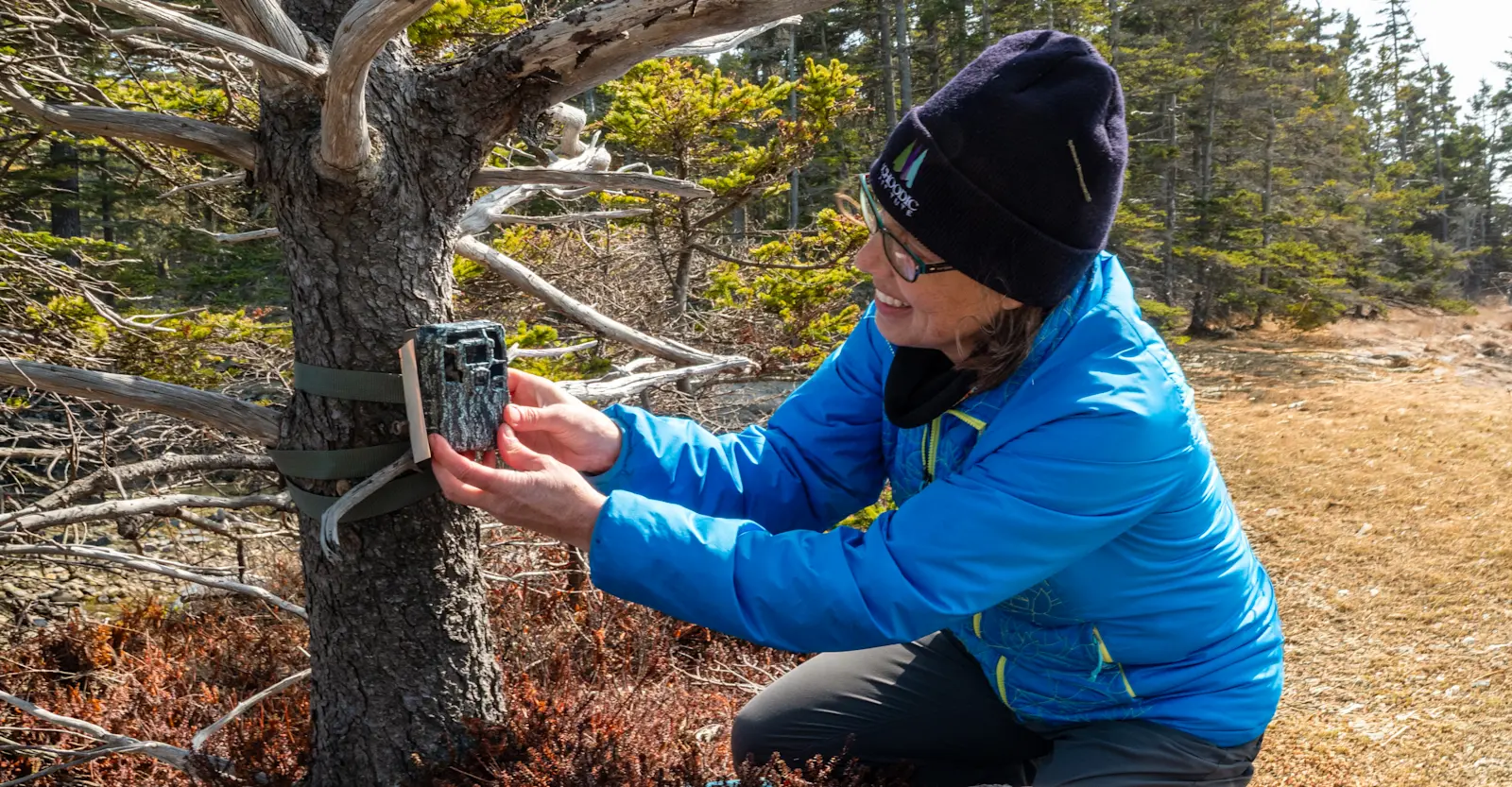
Deploy Camera Traps
Help install or retrieve trail cameras, then review images back at the research station. By identifying animals and documenting prey transport, you’ll help scientists reveal how wildlife moves through Acadia’s coastal forests.
Meet Your Lead Scientist

Hannah Webber, Ph.D.
Dr. Hannah Webber studies coastal ecosystems in Acadia National Park, focusing on how marine communities respond to climate change and human use of the land and sea. Her work helps guide long-term management of intertidal environments along the Maine coast.
Read moreResearch Focus
Climate change affects more than individual species. It can alter the relationships that connect entire ecosystems, changing how wildlife moves across the landscape, where species are able to survive, and how nutrients flow through natural communities. This project has two complementary focus areas. Together, these projects help scientists identify which ecological connections remain strong, which habitats may become increasingly important for conservation, and how Acadia's ecosystems are responding to a changing climate:
One focus concentrates on the connections between the ocean and Acadia's coastal forests, looking at how marine prey in the Gulf of Maine—including mussels, crabs, sea urchins, lobsters and many other species of sealife—are transported inland by wild animals such as red foxes, mink, river otters and corvids. By documenting these movements, researchers can better understand how ocean resources influence forest ecosystems and how those relationships may change in the future.
The other focus investigates climate refugia—areas that remain cooler than the surrounding landscape and may help vulnerable species persist as temperatures rise. Researchers monitor rare northern and arctic-alpine plants in permanent plots throughout Acadia to evaluate whether these habitats provide meaningful protection from climate-related change.
-
Mapping Resilience in a Changing Climate
By studying connections between ocean and forest, and potential climate refugia, scientists are identifying the habitats and ecological relationships most likely to support biodiversity in a warmer future.
Conservation Impact
Acadia's ocean coast, forests and mountain habitats are deeply interconnected. This research program is helping scientists understand how those connections are changing in a warmer world, and which species and habitats may be most vulnerable—or most resilient—in the future.
Research has already revealed:
Evidence that marine prey such as mussels, crabs, sea urchins and lobsters are transported far inland by wildlife, creating links with the Gulf of Maine with Acadia's coastal forests
Hundreds of wildlife-camera observations that help identify species moving marine resources across the landscape
New data on rare northern and arctic-alpine plants that may depend on cooler habitats for long-term survival
Long-term records that help scientists evaluate whether climate refugia can protect vulnerable species as temperatures rise
Research findings are being used to:
Understand how marine and terrestrial ecosystems are connected
Design similar climate refugia monitoring strategies across the U.S. National Park System
Monitor biodiversity across changing coastal habitats
Identify and evaluate potential climate refugia
Test predictive models used in conservation planning
Inform restoration efforts on mountain summits and other sensitive landscapes
Support biodiversity monitoring before and after habitat restoration projects
Guide climate adaptation and resource-management decisions throughout Acadia National Park
Taken together, this work is helping scientists understand how climate change is affecting Acadia from sea to summit and providing information that supports future conservation and management decisions.
Your Role in the Research
As a participant scientist, you become part of an ongoing research effort to understand how climate change is influencing Acadia National Park. The observations you collect contribute to long-term monitoring projects that extend far beyond a single field season. Whether documenting marine prey in coastal forests, helping to identify wildlife captured on camera, or monitoring rare plant populations, your work helps build datasets that scientists use to track ecological change over time. In 2024 alone, Earthwatch travelers contributed more than 6,200 hours of research and training, helping scientists collect data that would otherwise be difficult to gather at this scale.
Life in the Field
Research takes place in coastal forests, rocky shorelines, mountain summits and coastal barrens. Approximately half our mornings focus on Earthwatch research activities, while the remainder start with recreational excursions to experience Acadia's landscapes, wildlife and local history. Lunch is often enjoyed outdoors near research sites before an afternoon of continued fieldwork, data collection or presentations from scientists involved in the project. Evenings alternate between meals at Schoodic Institute and visits to local restaurants. After dinner, guests can relax on the institute campus, explore the shoreline, or take advantage of the Schoodic Peninsula's exceptional dark skies for stargazing.
Field Conditions
Research takes place across a remarkable range of coastal habitats, from spruce-fir forests and rocky shorelines to windswept mountaintops and coastal barrens. Depending on the day's project, participants may work in permanent forest monitoring plots, survey vegetation on exposed summits, or visit remote coastal sites along the Schoodic Peninsula. Terrain is often uneven and can include roots, rocks, dense vegetation, wet ground and exposed bedrock. Along the coast, conditions are influenced by tides, wind and weather, while mountain and shoreline environments can feel significantly cooler than inland areas. Summer weather in Maine is highly variable. Participants should be prepared for sunshine, fog, wind, rain and rapidly changing conditions, sometimes all within the same day.