- May–Jun, Sep–Nov
- 10 Days
- Limited to 7 Participants
From $15658
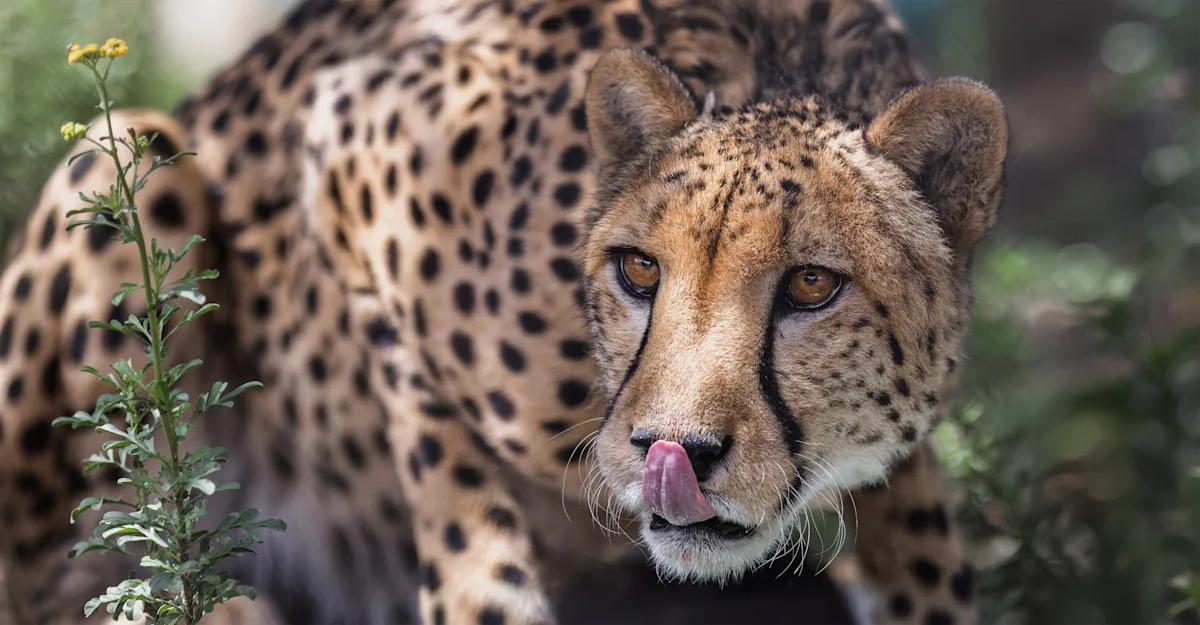
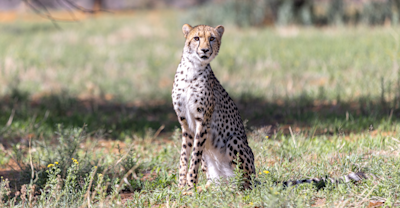
Among Namibia’s sunbaked savannas, granite mountains and dry riverbeds, unique desert-adapted wildlife roams the vast, sparsely settled landscapes—including cheetahs. With the largest free-roaming cheetah population on Earth, Namibia is home to about 1,500 of these stealthy predators. But dense thornbush is overtaking the open terrain these fleet felines need to pursue prey. At the Cheetah Conservation Fund’s field research center, join top scientists dedicated to protecting the cat’s future. Under their direction, count wildlife, check camera traps and compare restored and overgrown habitat to test whether thinning thornbush can give cheetahs and their prey more room to roam. Watch cheetahs sprint at close range, and gain access to specialists in genetics, veterinary care and human-wildlife coexistence. Expand your horizons to explore more of Namibia’s stunning wilderness on safari, tracking desert rhinos and scouting for elephant, lion, leopard and more on private conservancies.
Photo gallery
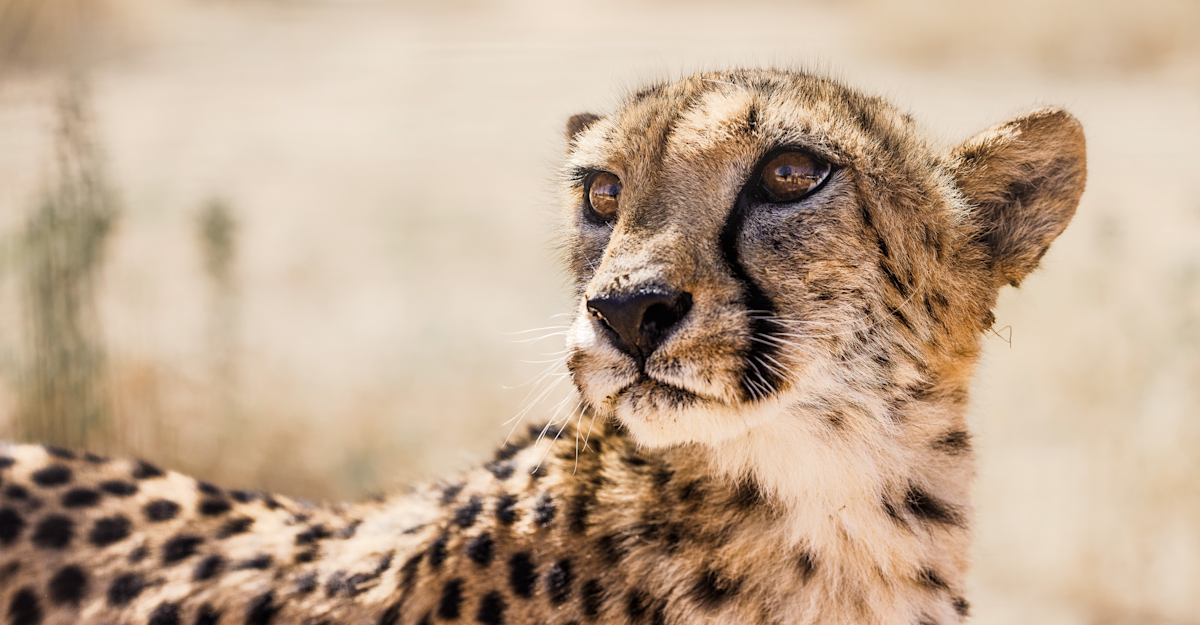
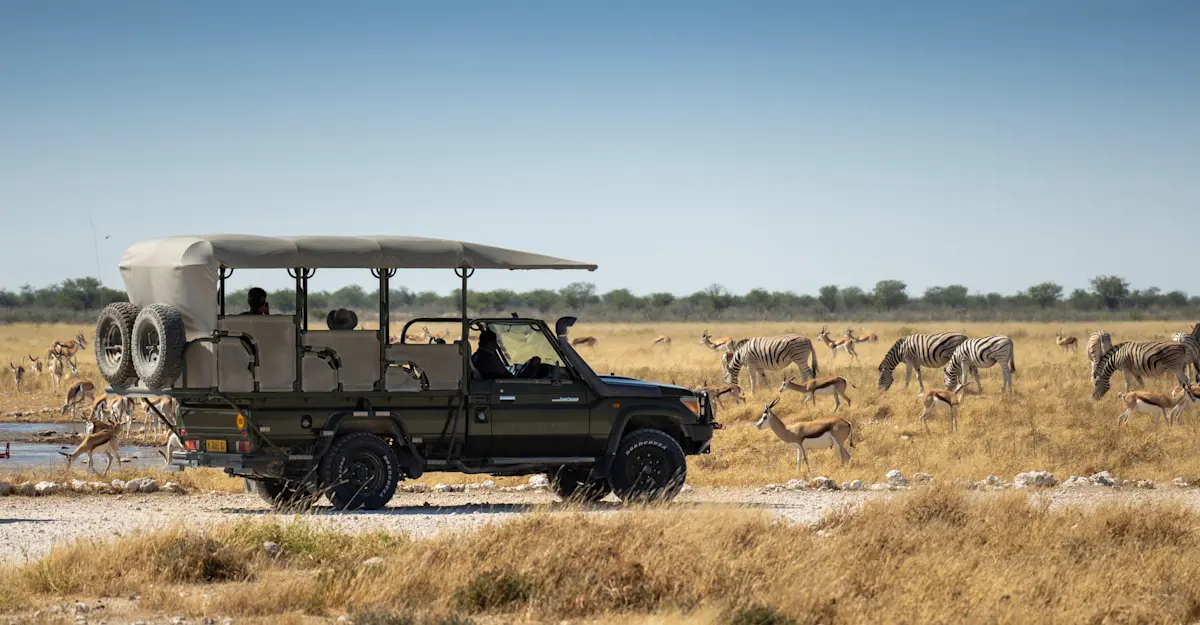
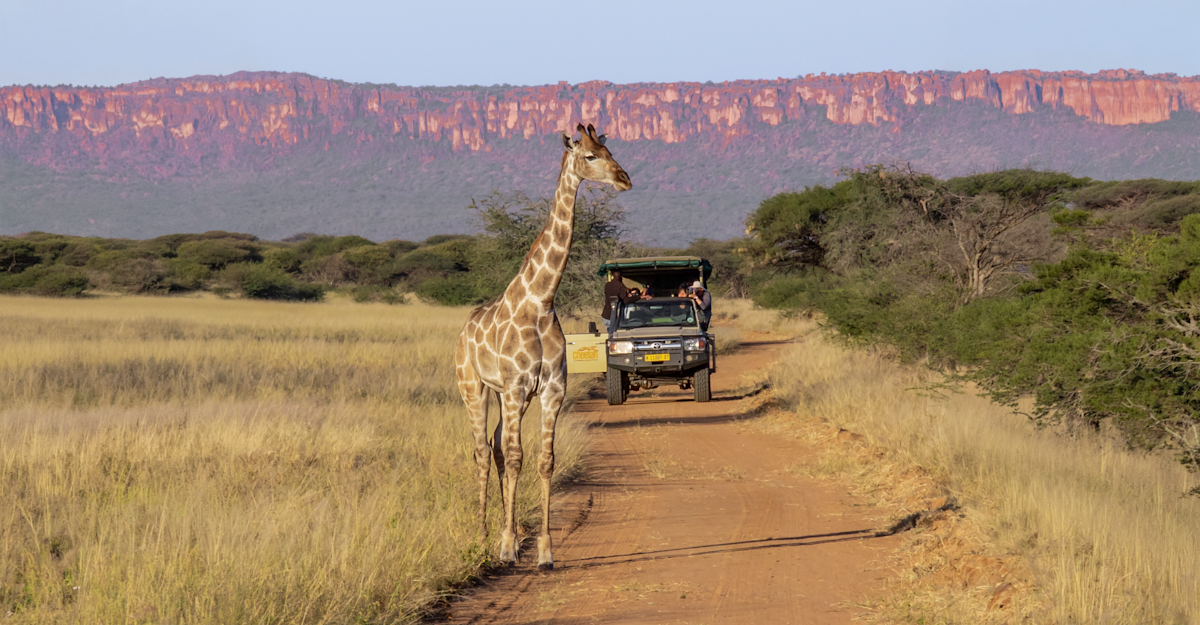
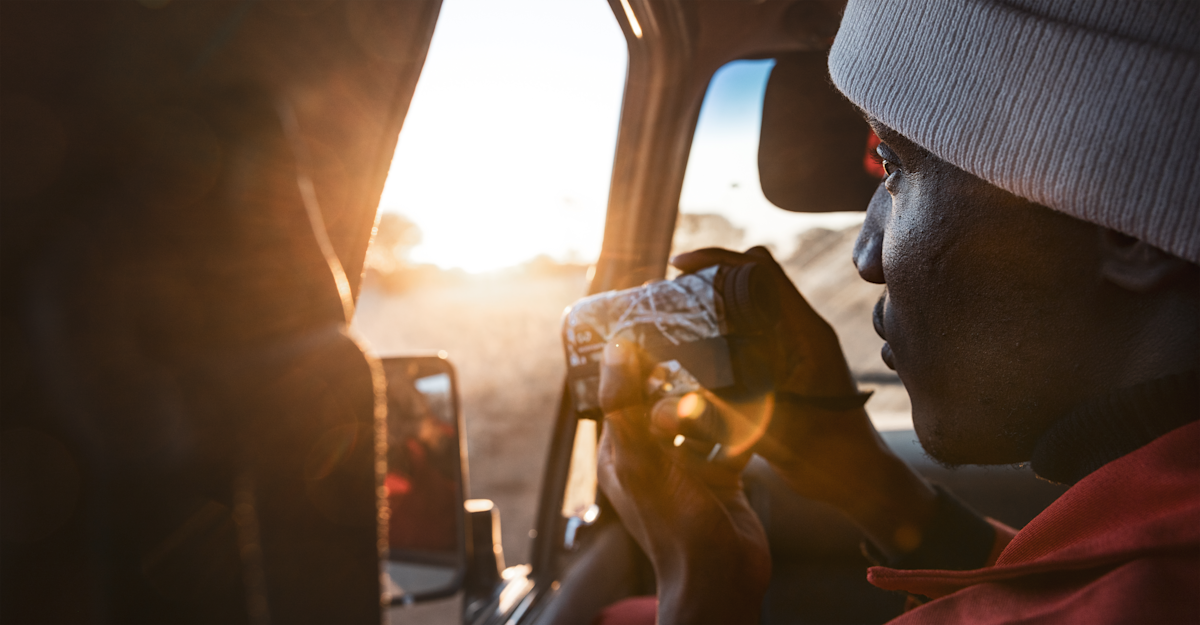
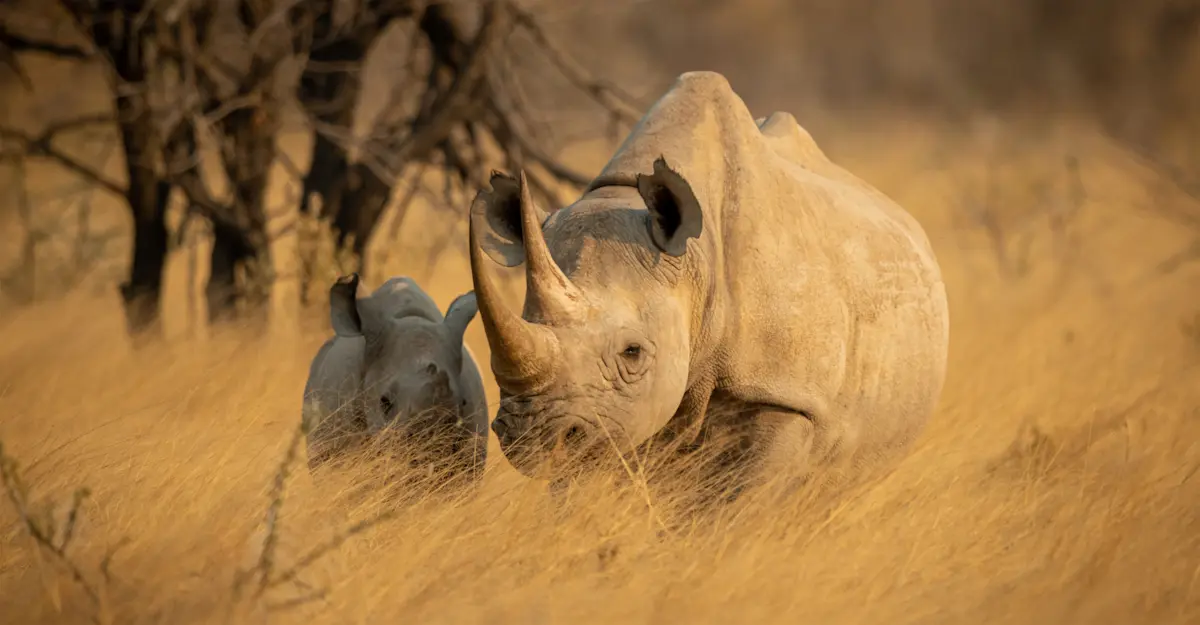
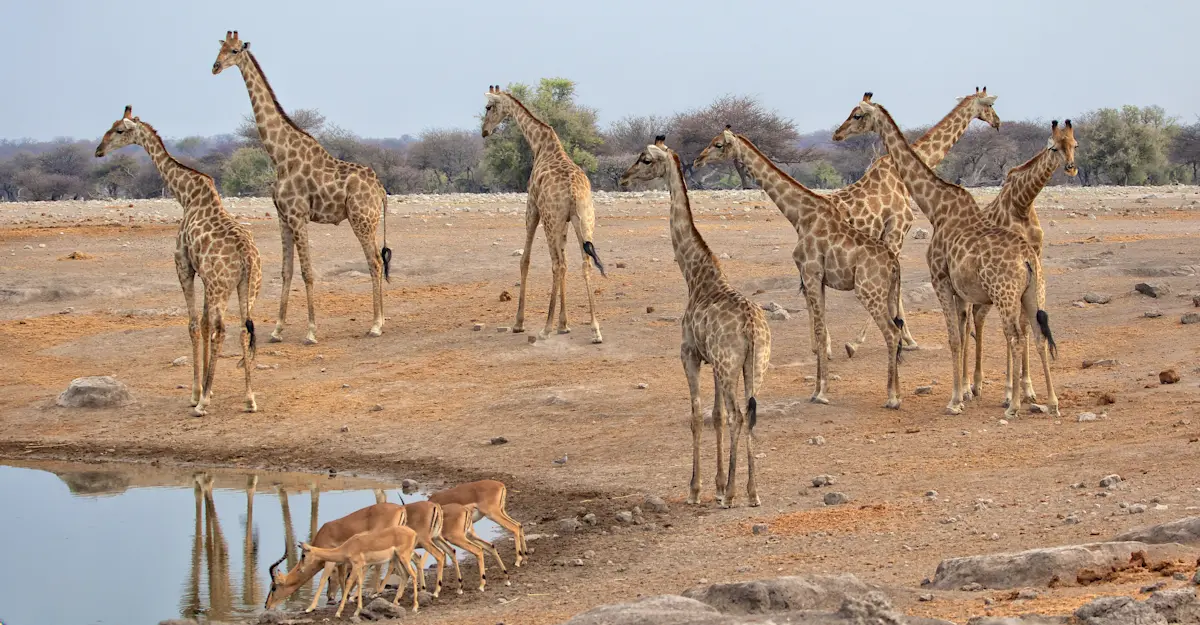
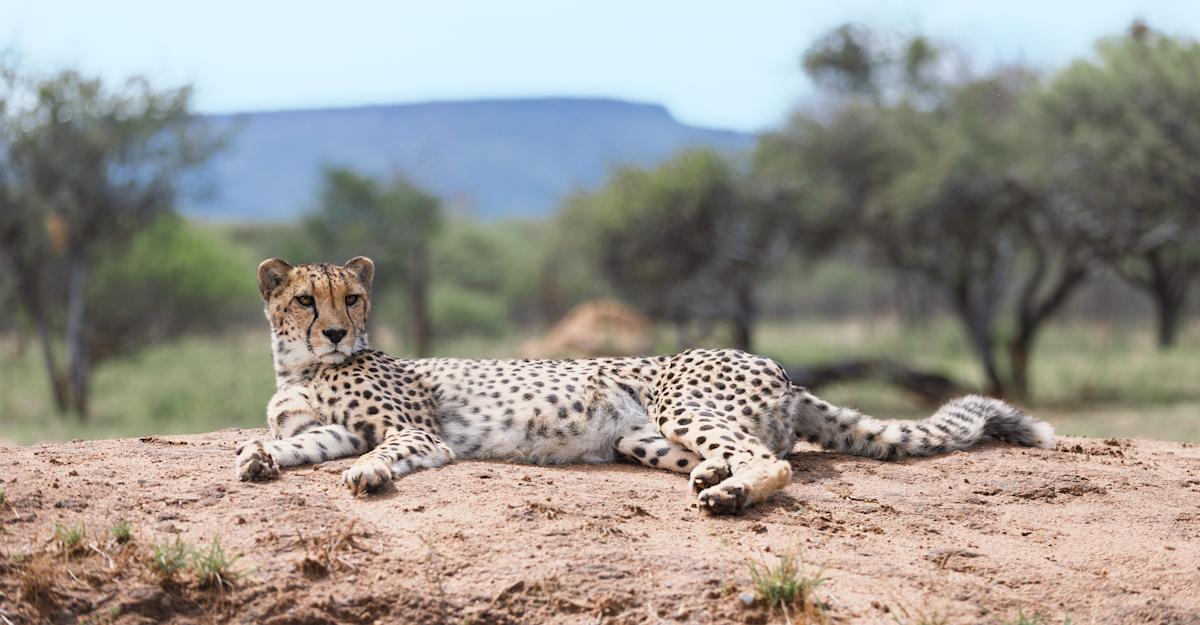
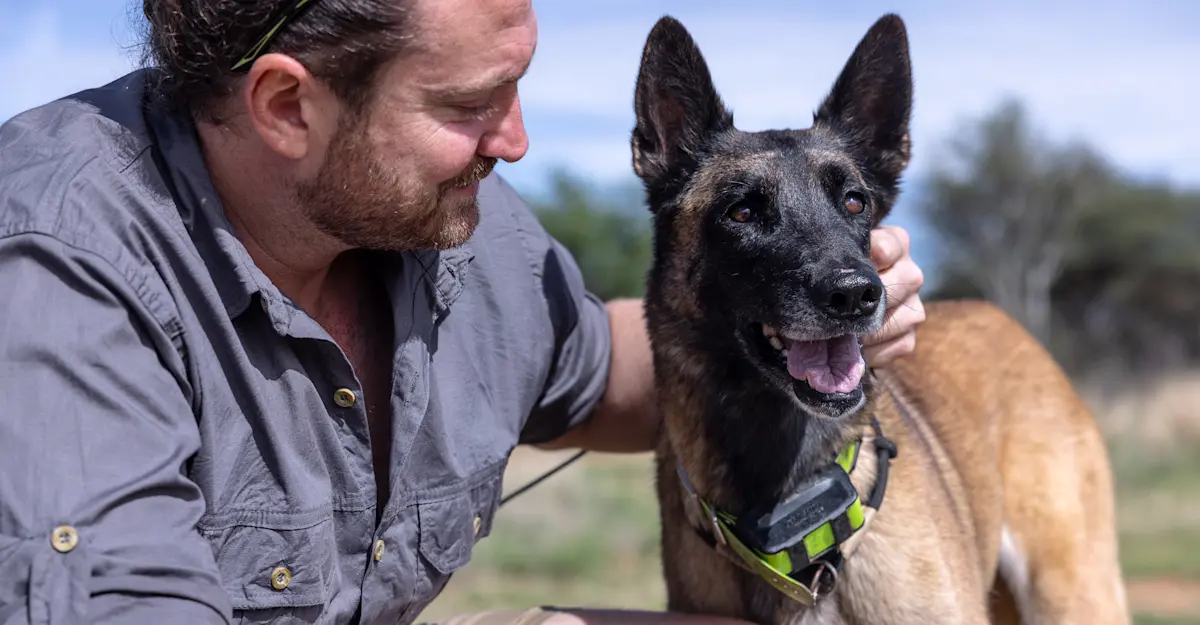
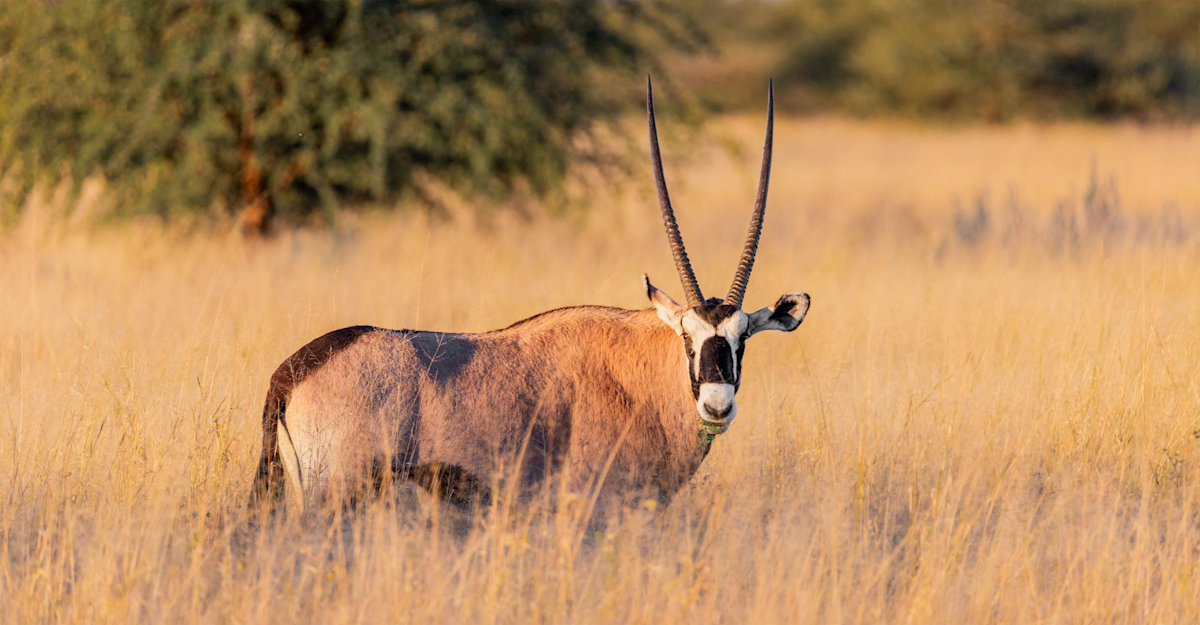
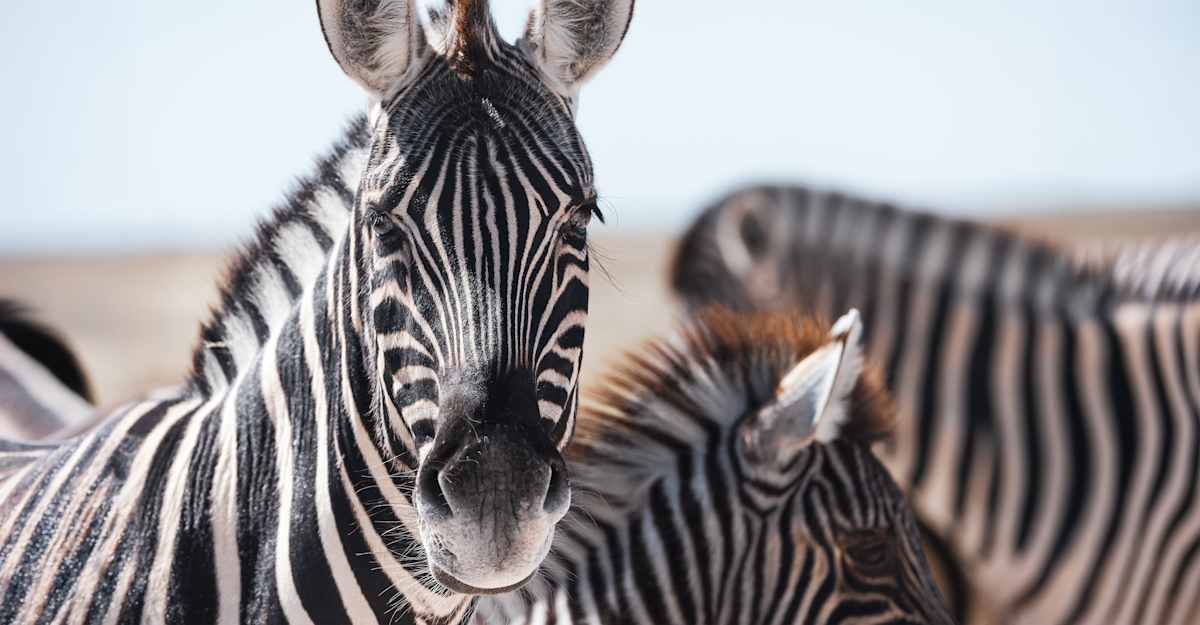
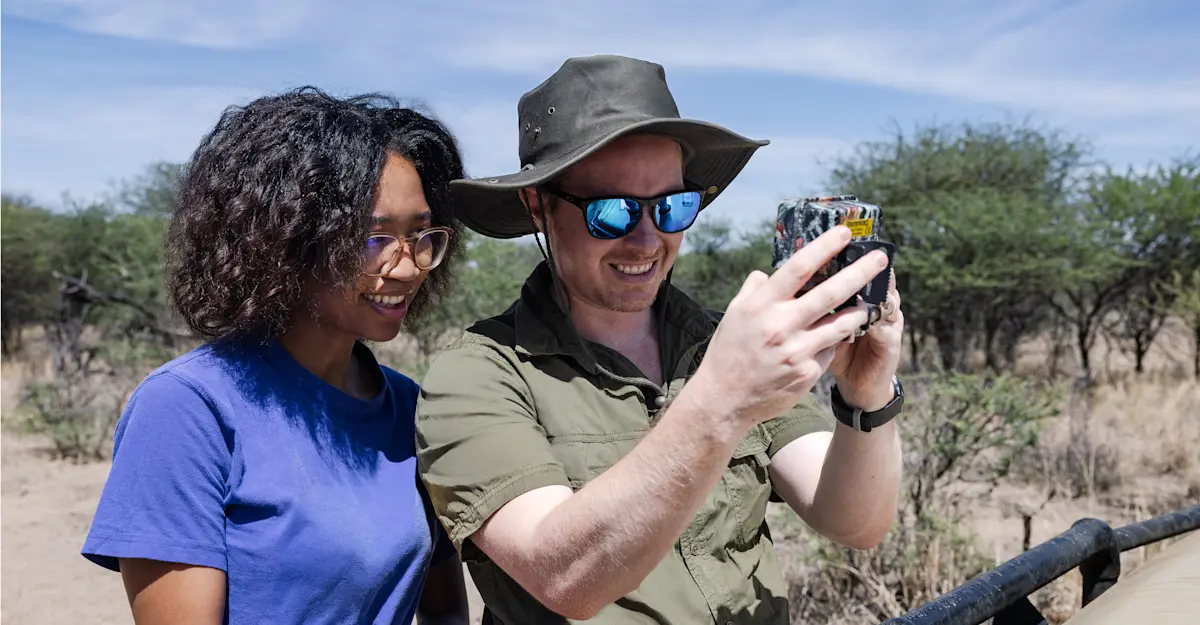
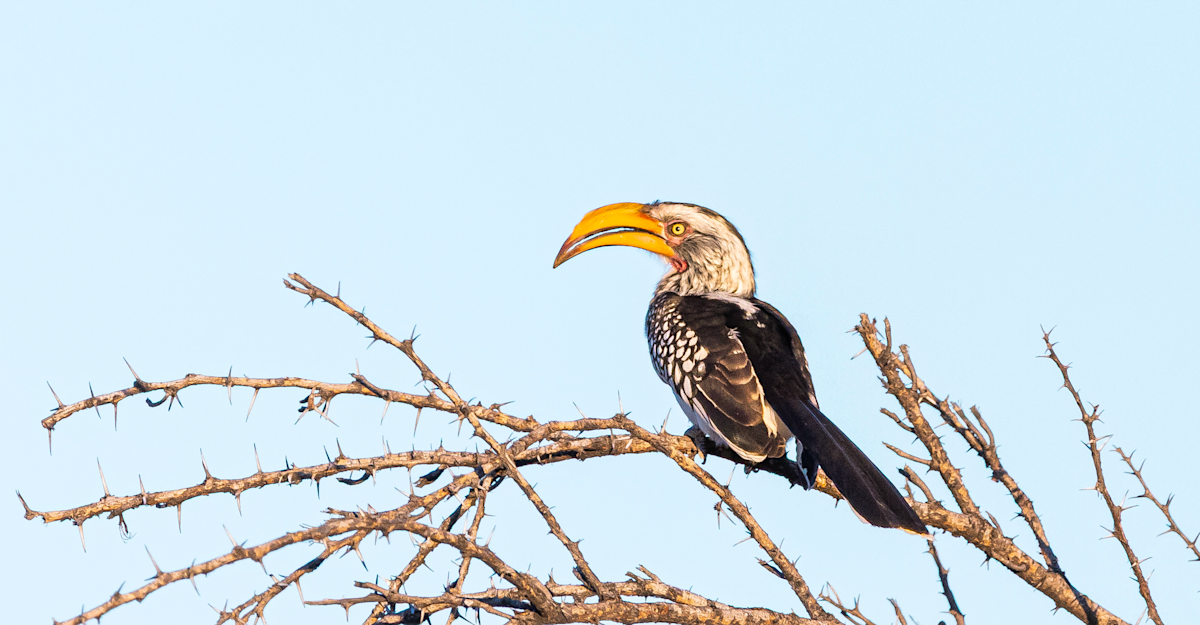
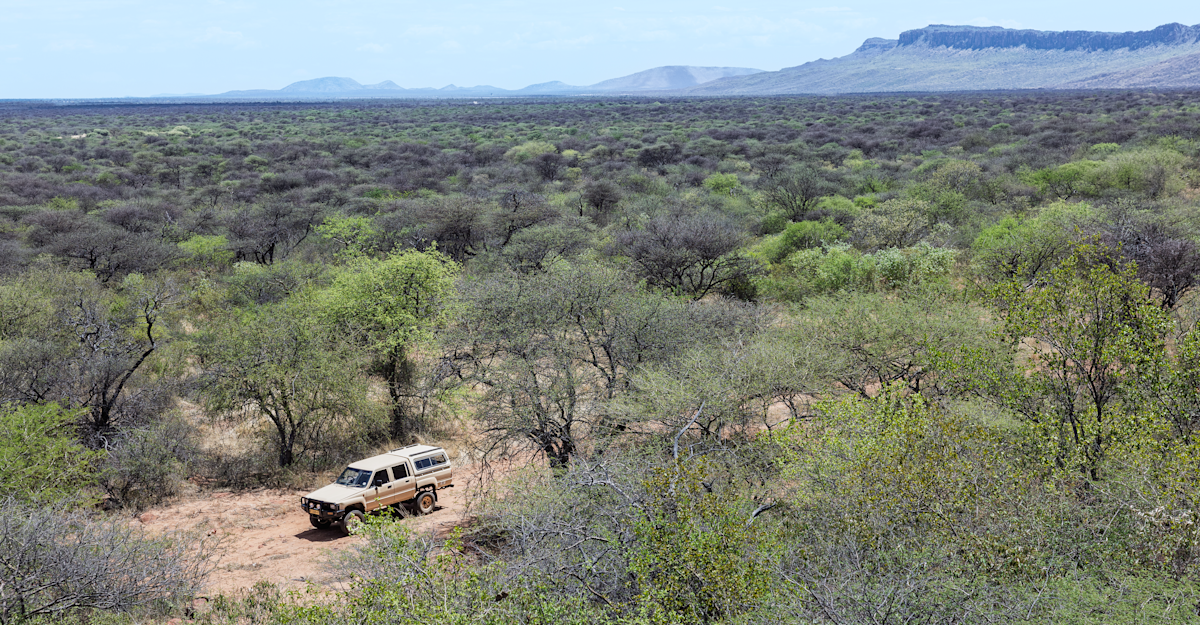
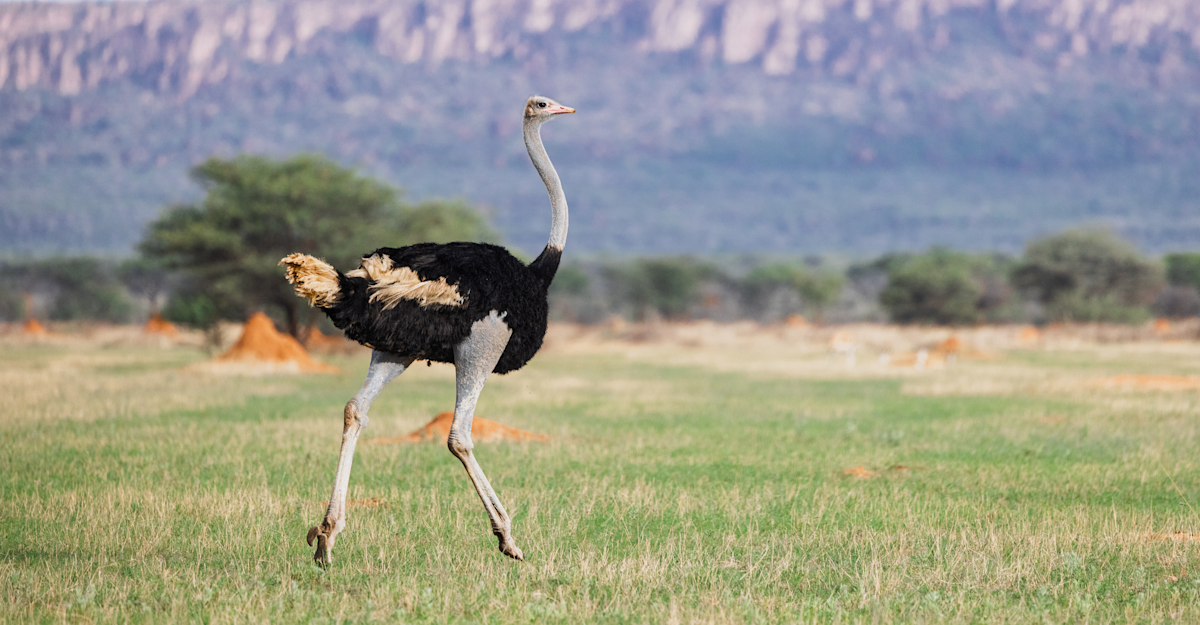
Photo 1 of 14
Research at a Glance
-
The Research Focus
Study how cheetahs, their prey and other wildlife respond when dense thornbush is thinned to restore Namibia’s open grassland habitat.
-
What You'll Do
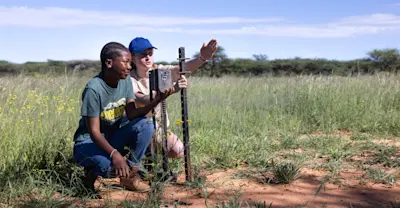
Count wildlife, monitor waterholes, check camera traps and compare restored and overgrown plots, adding your observations to the research team’s long-term dataset.
-
Why It Matters
Your data helps scientists determine where habitat restoration and wildlife corridors can improve prey availability, biodiversity and movement for Namibia’s cheetahs.
Expedition Highlights
-
Join a Cheetah Research Team
Become part of the research team at one of the world’s leading cheetah conservation centers, venturing into a private reserve to gather field data that scientists use to understand—and protect—the habitat wild cheetahs need to survive.
-
Track Endangered Desert Rhinos in the Wild
Journey into remote northwest Namibia, home to the world’s last free-roaming population of desert-adapted black rhinos. Search ancient riverbeds, rocky plains and mopane groves with Rhino Rangers for these critically endangered animals as they roam an unfenced wilderness.
-
Meet and Help Care for Rescued Cheetahs
Assist with feeding sessions for cheetahs that can no longer live in the wild and witness them at full speed during their morning exercise—a rare chance to see the world’s fastest land mammal accelerate and maneuver at close range.
Meet Your Lead Scientist

Laurie Marker, Ph.D.
Dr. Laurie Marker founded the Cheetah Conservation Fund in Namibia in 1990. Her research and community-based conservation programs help reduce human-cheetah conflict while advancing the long-term survival of wild cheetahs.
Read more
Stay on a Working Cheetah Research Center
Live on site at the top center devoted to cheetah research, surrounded by cheetahs and the scientists focused on their future. Join wildlife surveys across the reserve, visit the veterinary clinic and genetics lab, and witness how field research, animal care and habitat management work together to protect wild cheetahs.Safari Where Wildlife Has Made a Comeback
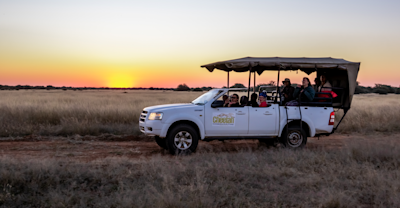
Explore a portion of nearly 150,000 acres of restored wilderness at Etosha Heights, a private reserve bordering Etosha National Park, where growing populations of rhino, elephant, giraffe, lion and other wildlife offer excellent game viewing.Uncover the Science Hidden in Scat
Watch trained detection dogs demonstrate how they locate cheetah scat, then learn how these samples can reveal a cat’s sex, diet, origin and genetic profile without capturing the animal.Discover Wildlife Hidden from View
Check camera traps in the field, then help sort and review the images they capture to identify species moving through the reserve.Learn How Farmers and Predators Can Coexist
Visit a working kraal—a traditional livestock enclosure—and see how specially trained guarding dogs deter predators from herds, reducing livestock losses and helping farmers coexist with cheetahs and other carnivores.Connect With the People Behind the Research
Spend focused time with scientists and conservation staff in a small-group setting, sharing observations from the field and gaining a deeper understanding of what they’re learning.Discover How Thornbush Becomes Part of the Solution
See how dense thornbush cleared from cheetah habitat is processed and compressed into clean-burning Bushblok fuel logs, turning a barrier to wildlife into a useful resource while supporting grassland restoration.Stay Deep in Prime Namibia Wildlife Country
While on safari, sleep in intimate camps surrounded by wilderness, from a private tented retreat overlooking a dry riverbed in desert-rhino habitat to a secluded lodge perched above a waterhole where animals frequently congregate.Experience Conservation from Every Angle
Explore the challenges facing wild cheetahs, from shrinking open habitat and reduced prey availability to conflict with livestock farmers, and contribute to the research helping conservationists protect cheetahs across Namibia.