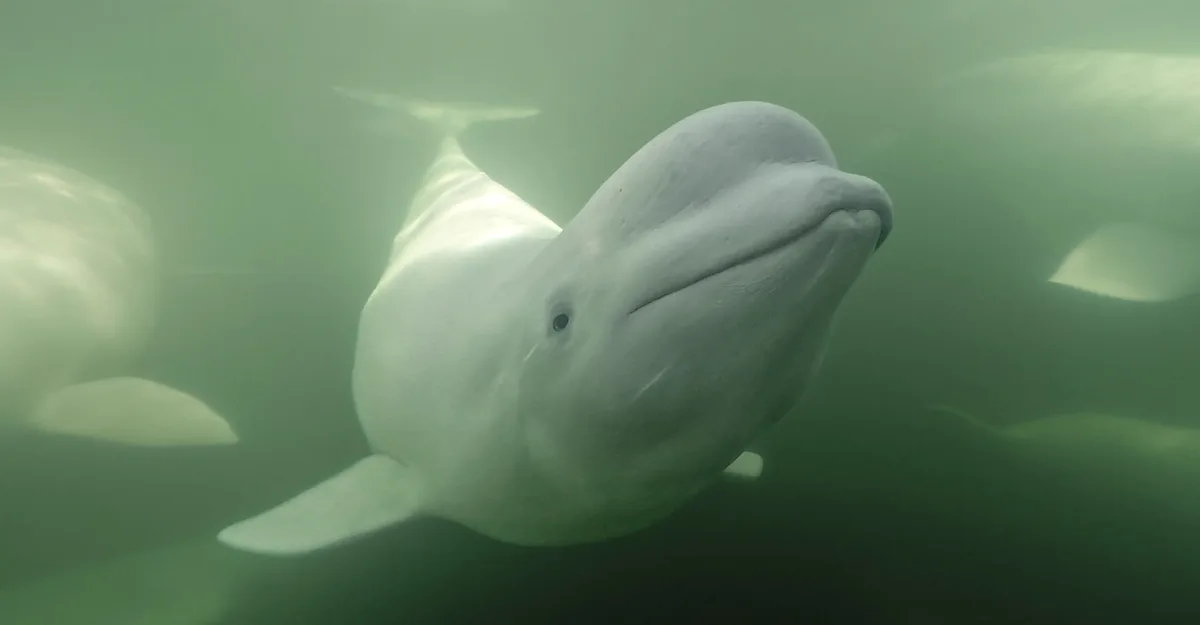
Each summer, some 3,000 beluga whales gather in the Churchill River estuary, filling the waters of western Hudson Bay with whistles, clicks and calls. Head out by Zodiac to meet these curious, vocal whales, watching mothers and calves swim together and photographing individuals as they surface beside the boat. Listen to the lively chorus beneath the surface, discovering a hidden dimension of life among these famously talkative whales.
Join researchers investigating how belugas communicate, interact and use their summer habitat. Your photographs, behavior observations and environmental measurements contribute to a growing scientific record that helps track this population across successive Arctic summers.
Beyond the research, explore Churchill's sweeping tundra, boreal forest and rugged coastline in search of polar bears, Arctic foxes and migratory birds. Discover the region's Indigenous heritage at the Itsanitaq Museum and ride through the forest by dog cart with a local musher. Stay at a working Arctic research station, where conversations over dinner turn to whale sightings, field notes and the next day's explorations.
Research at a Glance
Your Role in Research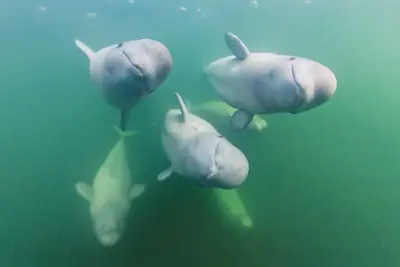
The Research Focus
Discover how belugas communicate, interact and use the Churchill River estuary each summer. Through photography, underwater recordings and environmental observations, investigate their social groups, individual characteristics and habitat conditions.
What You'll Do
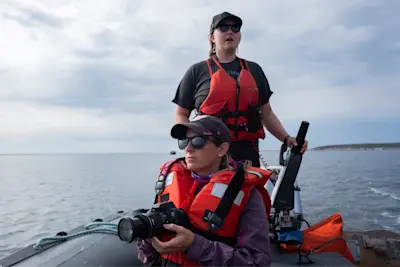
Set out by Zodiac to photograph individual belugas, observe mothers and calves and record social behavior. Measure water conditions, help collect underwater recordings and contribute to photo identification and data analysis back at the research station.
Why It Matters
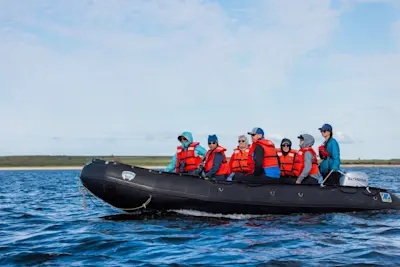
Your observations help build a long-term record of Churchill's belugas, giving scientists a clearer picture of their health, social lives and summer habitat as warming Arctic waters and increasing human activity bring new challenges.
Photo gallery
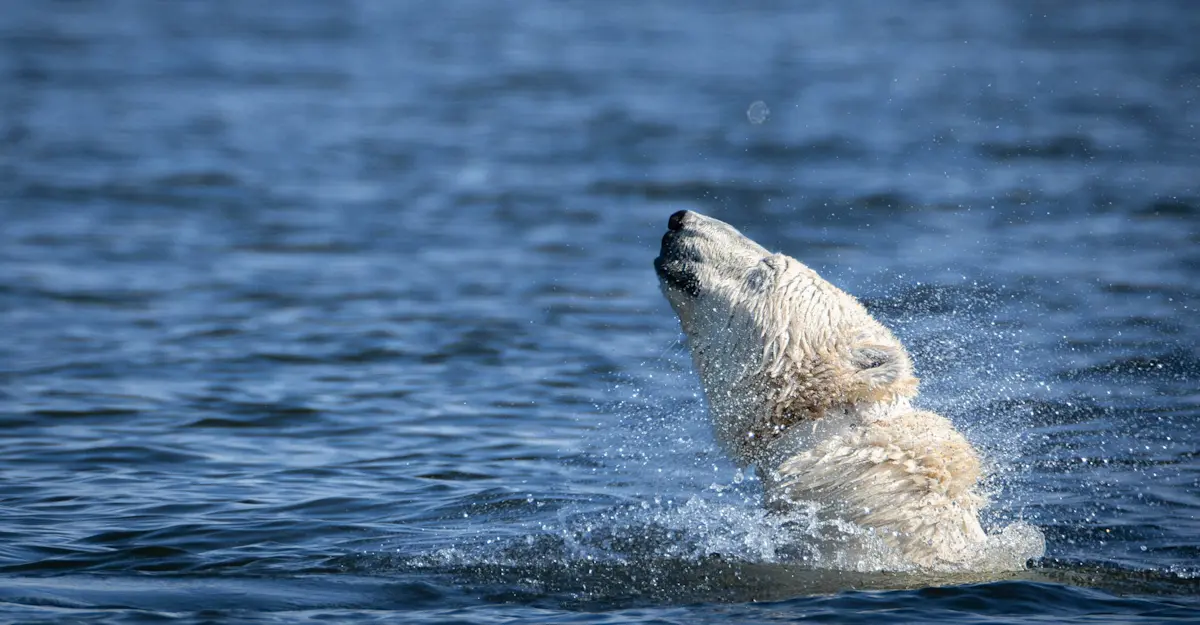
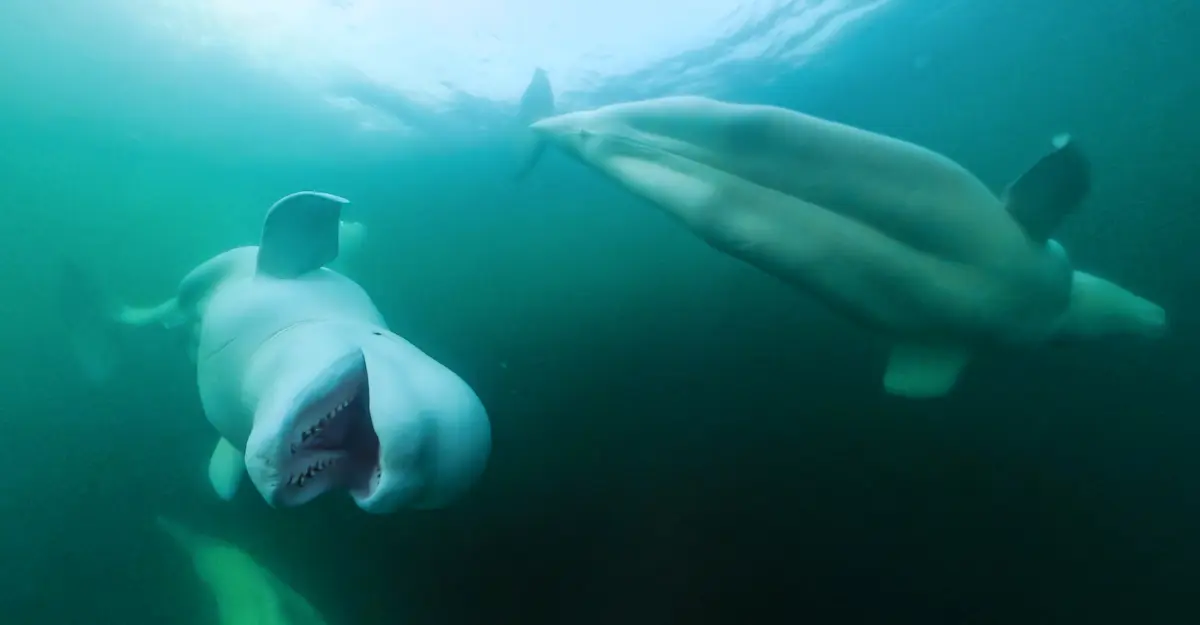
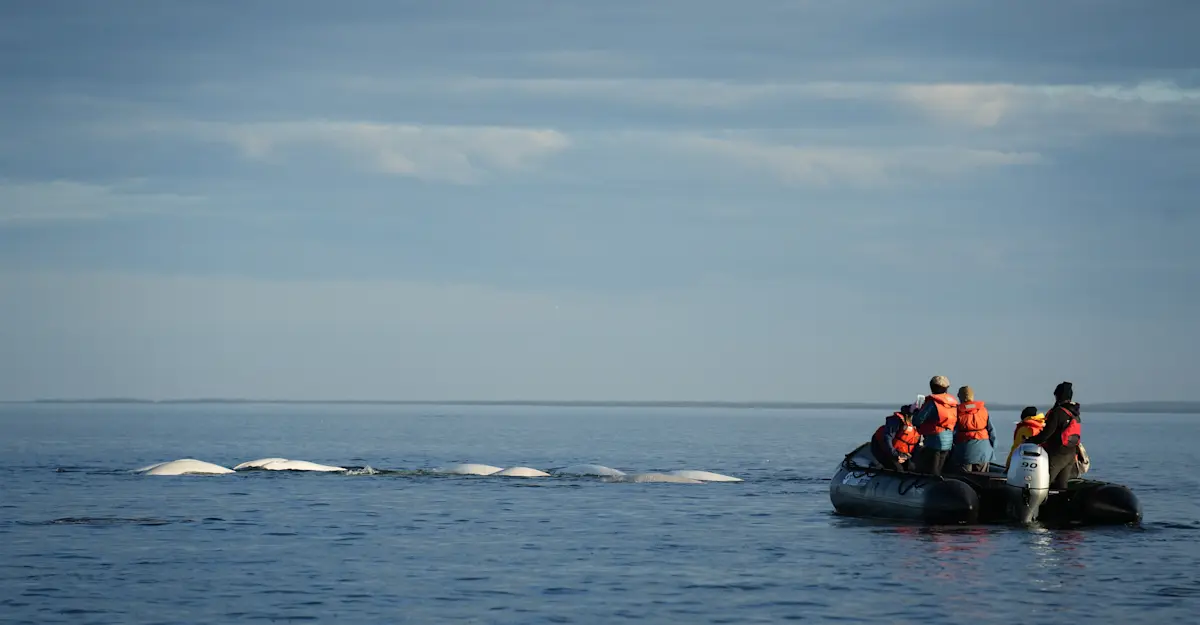
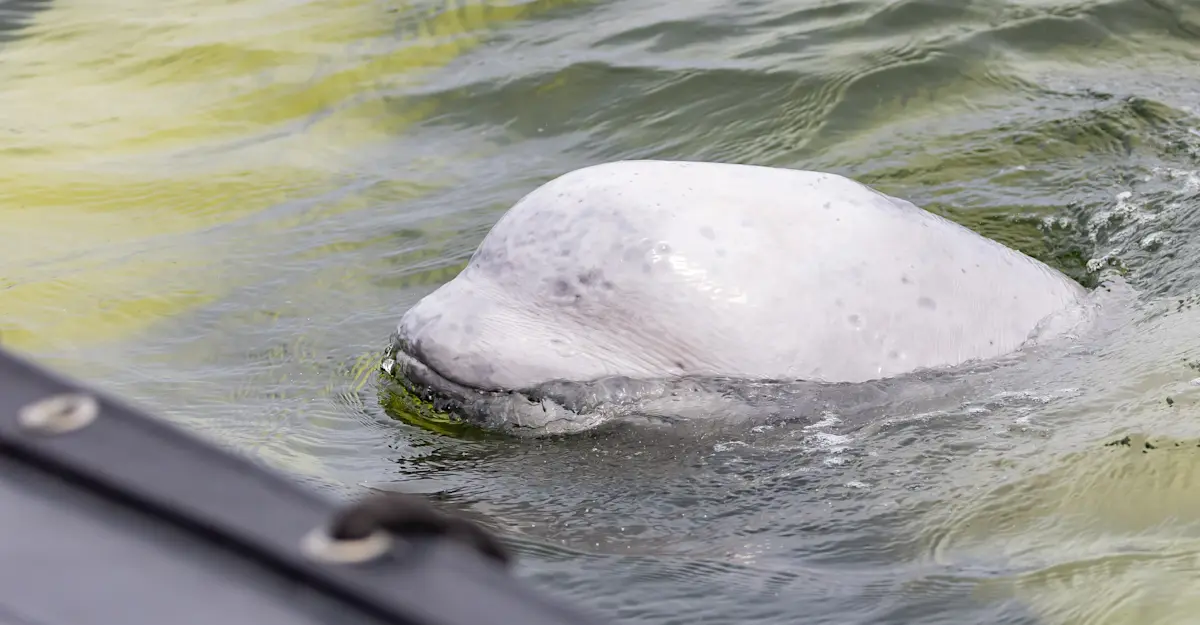
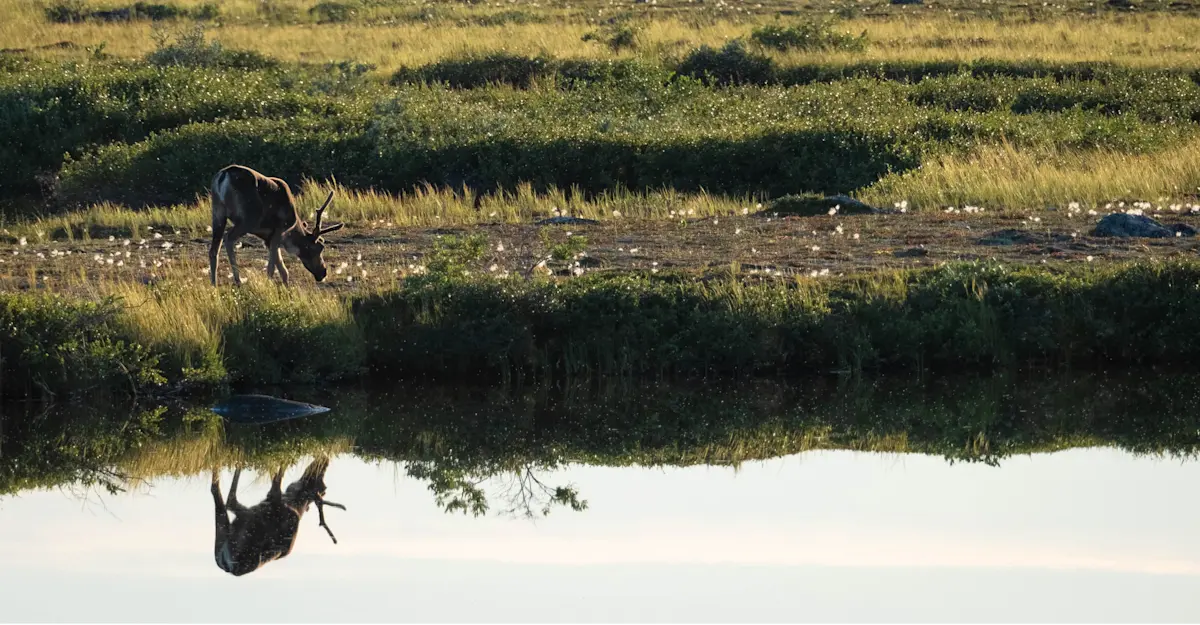
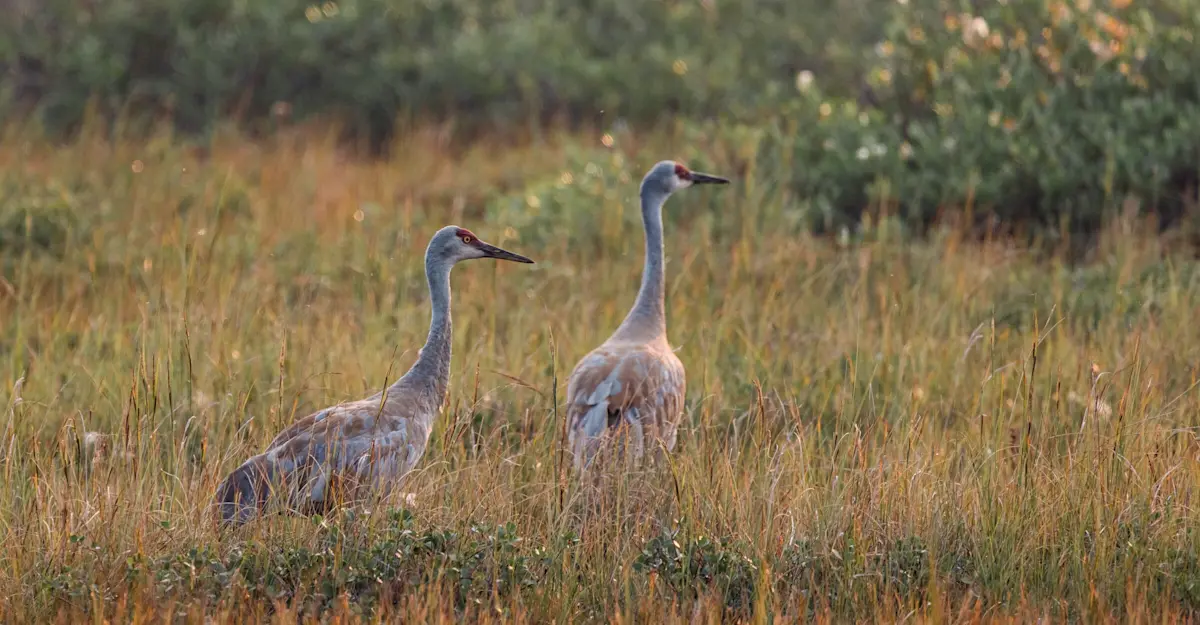
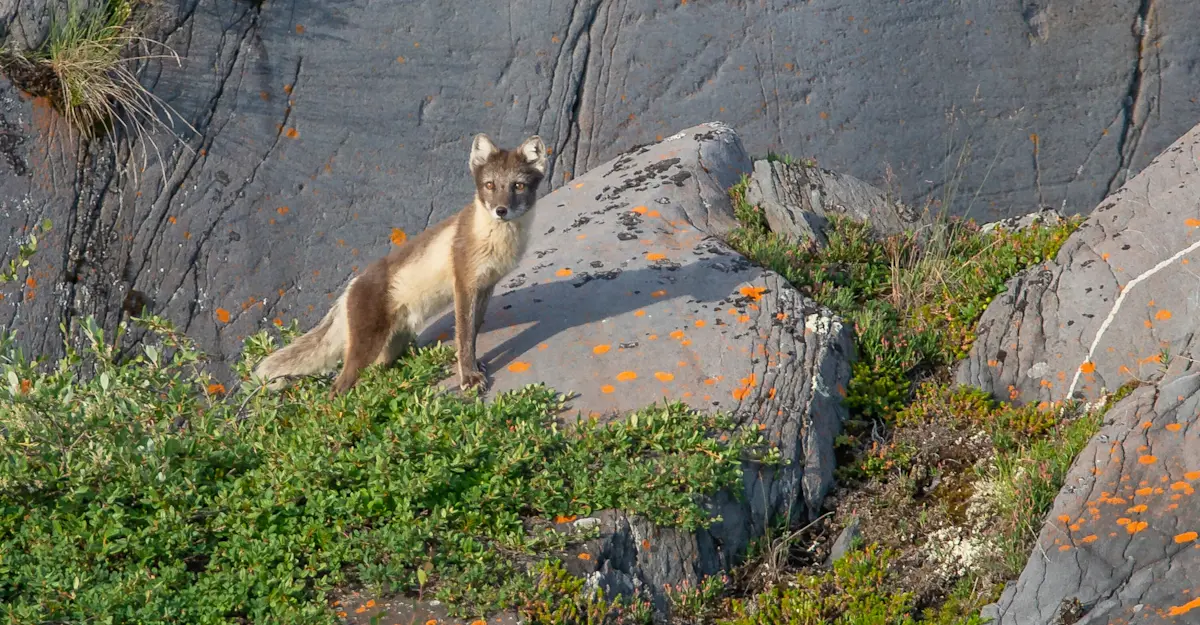
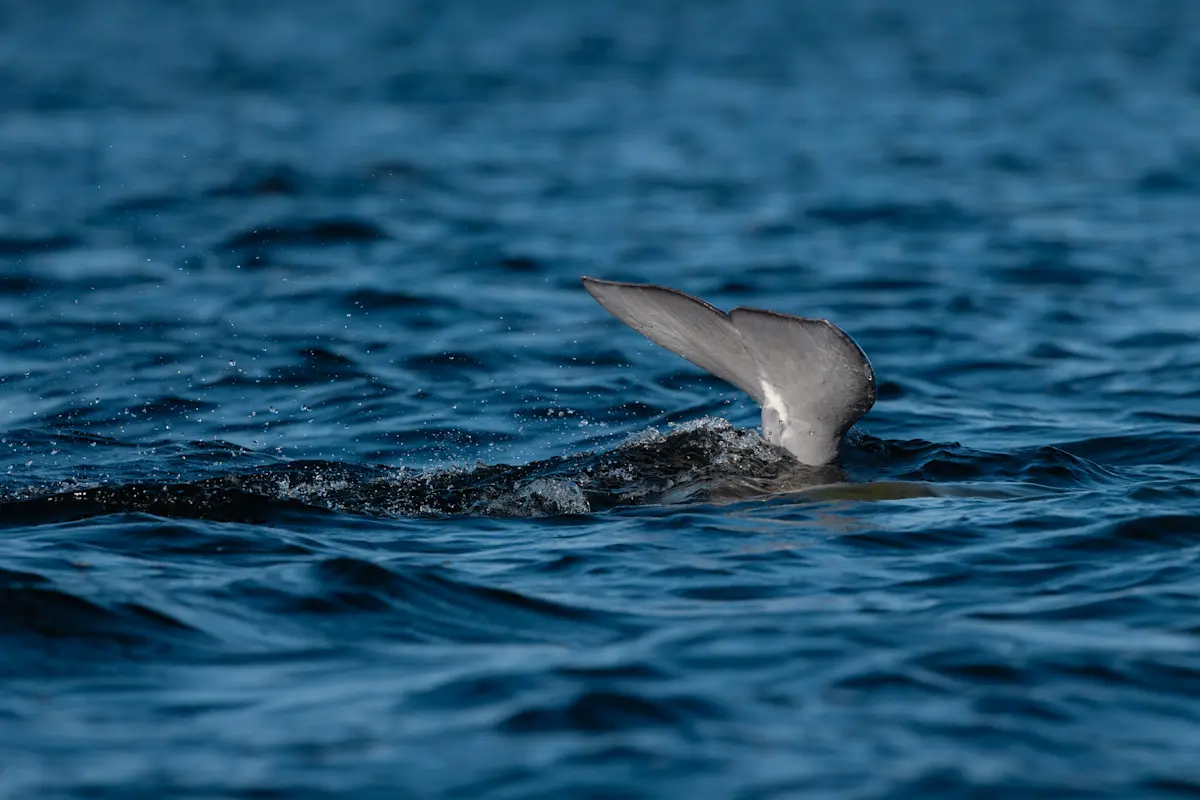
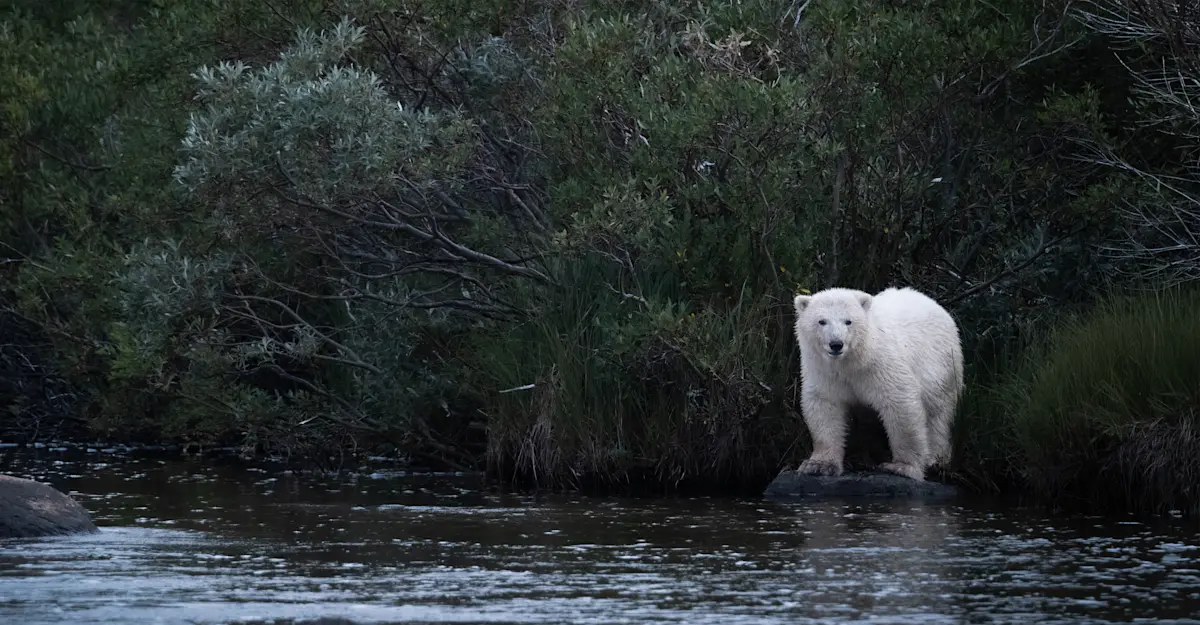
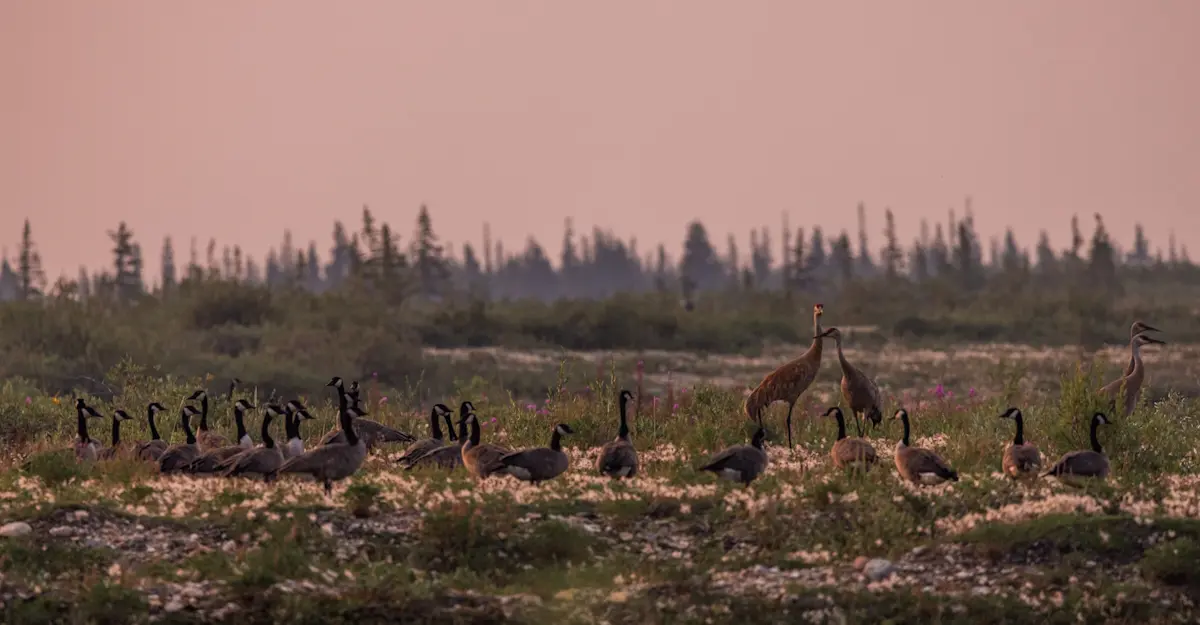
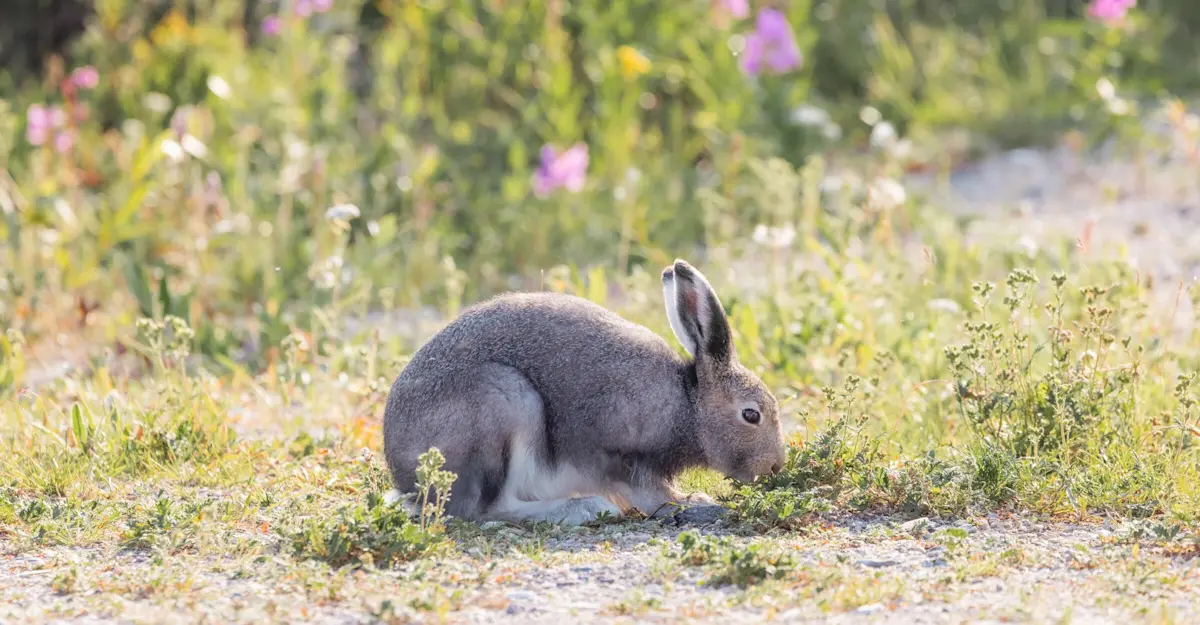
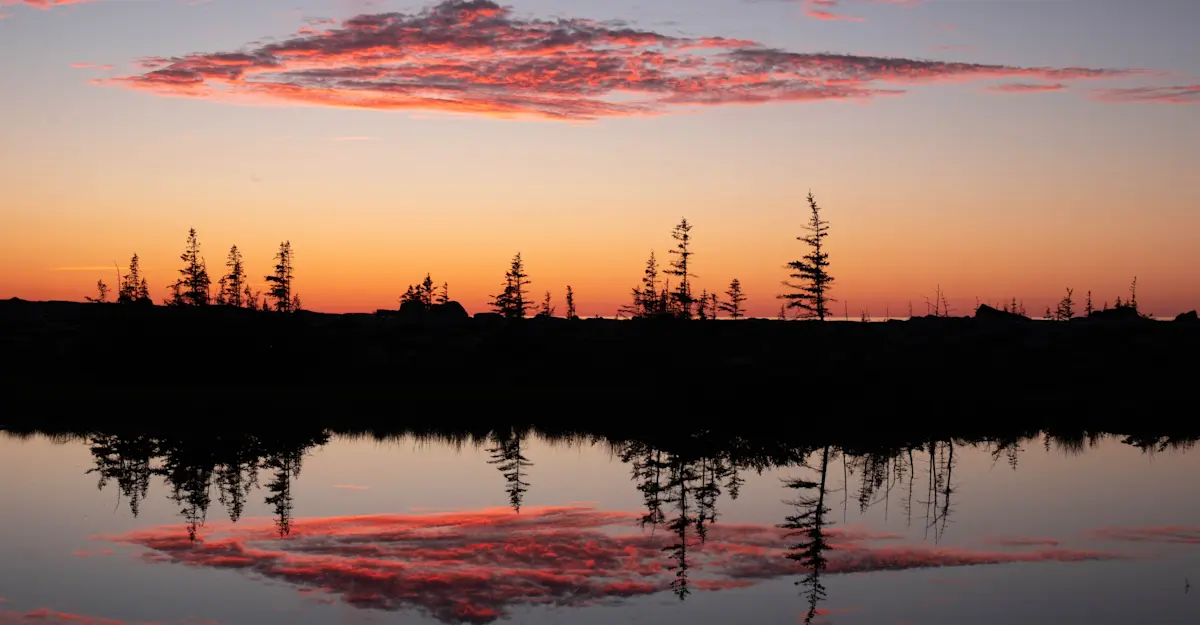
Photo 1 of 12
Meet Your Lead Scientists

Courtney Shuert, Ph.D.
Ph.D. Conservation Programs Manager, Assiniboine Park Conservancy
Marine Mammal Ecology, Canadian Arctic

Stephen Peterson, Ph.D.
Director of Conservation and Research, Assiniboine Park Zoo
Arctic Wildlife Conservation, Canada
Expedition Highlights
-
Meet Churchill's Playful Belugas
Cruise the Churchill River estuary by Zodiac, where thousands of belugas gather each summer. Watch their white backs break the surface around the boat, spot their rounded foreheads emerging from the waves and see for yourself why these inquisitive whales are such captivating company.
-
Discover the Secret Lives of Belugas
Photograph individual belugas to help researchers identify whales by their distinctive markings and scars. Document their social behavior and listen to the underwater calls that reveal another dimension of life in the Churchill River estuary.
-
Explore the Wilds of Hudson Bay
Search Churchill's sweeping tundra, boreal forest and rugged coastline for polar bears, Arctic foxes and migratory birds. Follow expert naturalists through this meeting place of land and sea, where a polar bear sighting could become the day's biggest surprise.

Get Up Close to Churchill's Belugas
Head out by Zodiac among thousands of belugas gathered in the Churchill River estuary. Watch these famously inquisitive whales surface around the boat, sometimes close enough to hear their breaths above the waves.Photograph Whales for Scientific Discovery
Look for distinctive scars, markings and skin patterns as you photograph individual belugas. Your images help researchers identify whales and build a long-term record of their health, behavior and return visits to the estuary.Listen to the Underwater World of Belugas
Discover why belugas are nicknamed the “canaries of the sea.” When conditions allow, help lower a hydrophone beneath the boat and hear the whistles, clicks and calls these remarkably vocal whales use to communicate.Search the Hudson Bay Coast for Polar Bears
Explore Churchill's tundra, boreal forest and rugged coastline with expert naturalists, scanning for polar bears, Arctic foxes, caribou and migratory birds. From open tundra to the shores of Hudson Bay, keep your eyes on the horizon for movement.Kayak Among Curious Belugas
When conditions allow, slip into a kayak and paddle through the Churchill River estuary, watching white belugas surface against the dark Arctic waters. At eye level with the whales, every breath, splash and sudden appearance feels that much closer.Discover Churchill's Northern Heritage
Visit the Itsanitaq Museum to explore the region's Indigenous heritage, then meet a local dog musher and experience a dog cart ride through the boreal forest, conditions permitting.Experience Life at an Arctic Research Station
Stay at the Churchill Northern Studies Center, a working field station where scientists investigate the northern environment. Return from the estuary to compare photographs, review observations and swap stories from a day among the whales.Go Beyond the Tourist Trail with Just 12 Travelers
With no more than 12 travelers, there's room to ask questions, learn field techniques and take an active role in collecting data. Spend time with the research team, examining photographs and discussing the day's sightings rather than simply watching from the sidelines.