Research & Impact
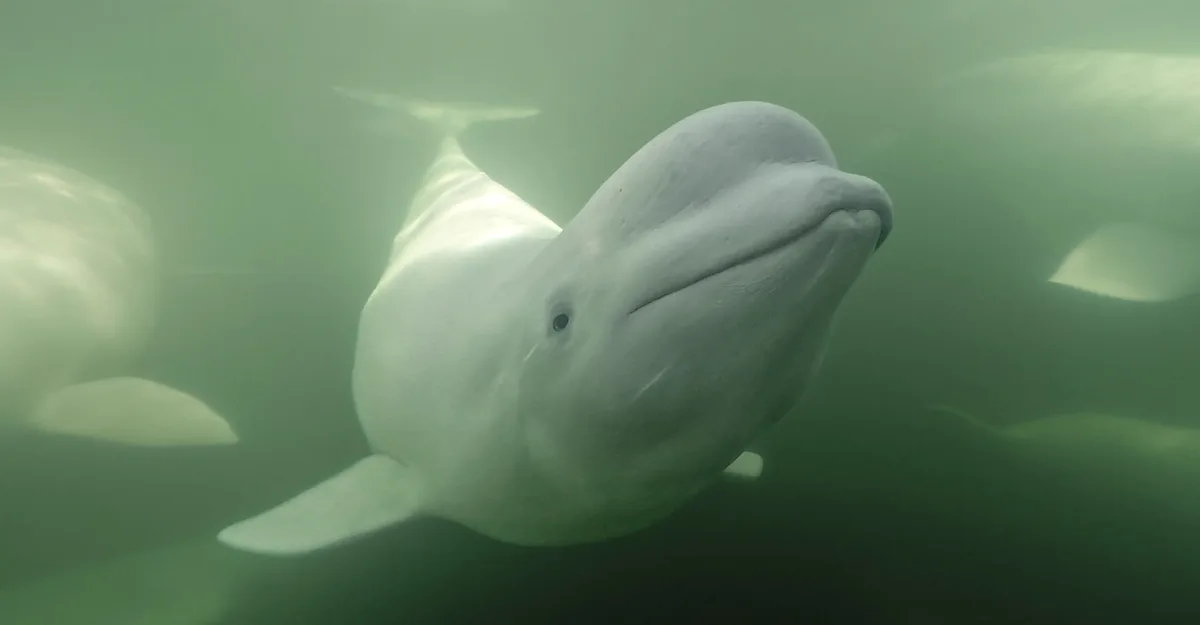
How do scientists recognize a beluga from one summer to the next? What can its scars, social interactions and underwater calls reveal about its life? In the Churchill River estuary, researchers are piecing together these stories through photographs, acoustic recordings and close observation. Take your place aboard the research vessel, camera ready, and learn to see beyond the spectacle of thousands of whales. A distinctive marking, a calf swimming beside its mother or a change in water conditions may hold a clue. Here, the smallest details can become the most revealing discoveries.
What You'll Do in the Field
Click a photo to expand details
Observe Animal Behavior
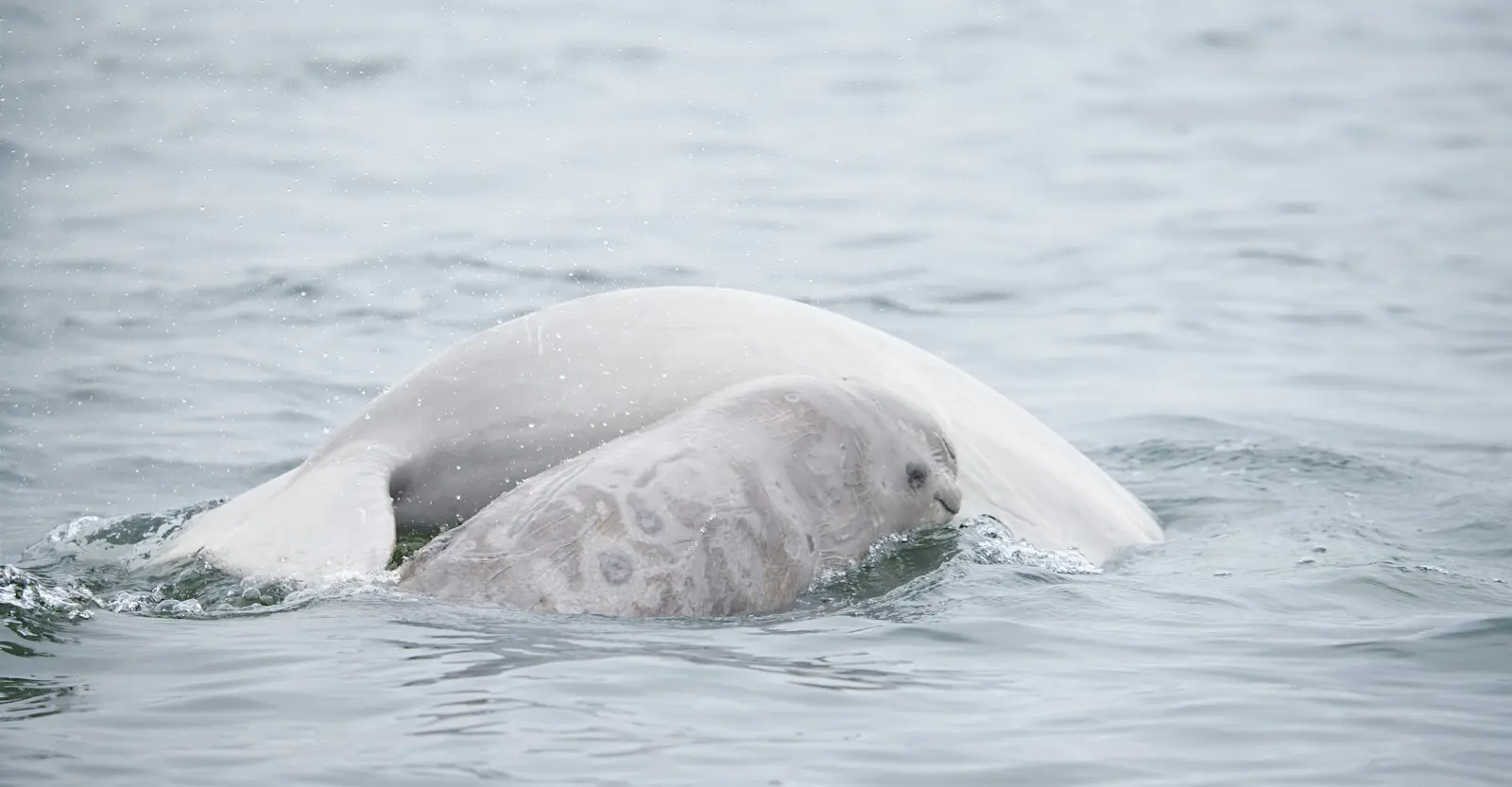
Watch mothers and calves, track group sizes and document interactions among belugas. Record how whales socialize and use different parts of the Churchill River estuary.
Assess Habitats & Ecosystems
Measure water temperature, clarity and other conditions at survey locations. Help researchers investigate how the estuary's physical characteristics relate to beluga activity.
Survey Wildlife Populations
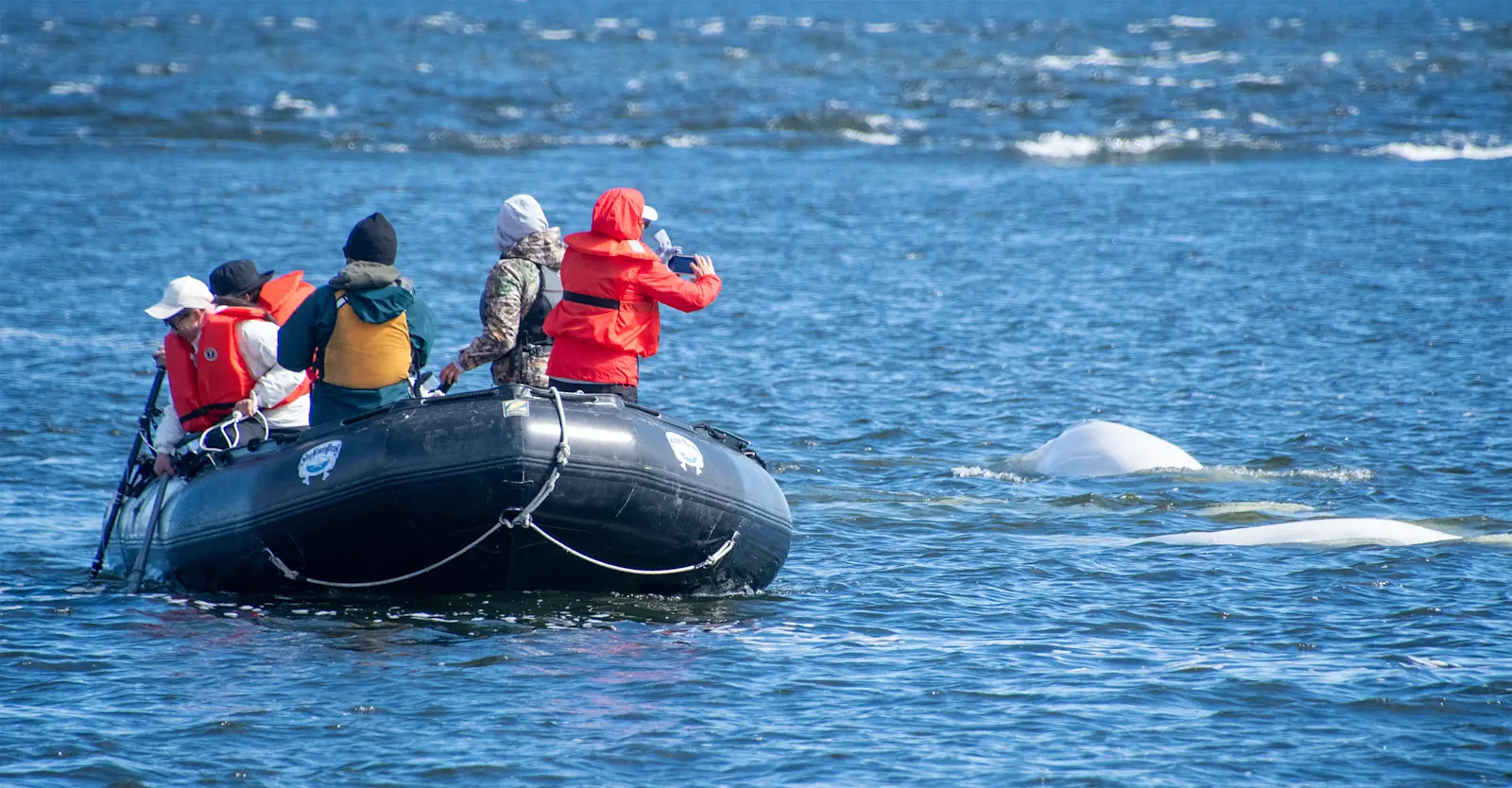
Photograph belugas, focusing on distinctive scars, markings and skin patterns that help identify individuals. Compare sightings to investigate which whales return across summers.
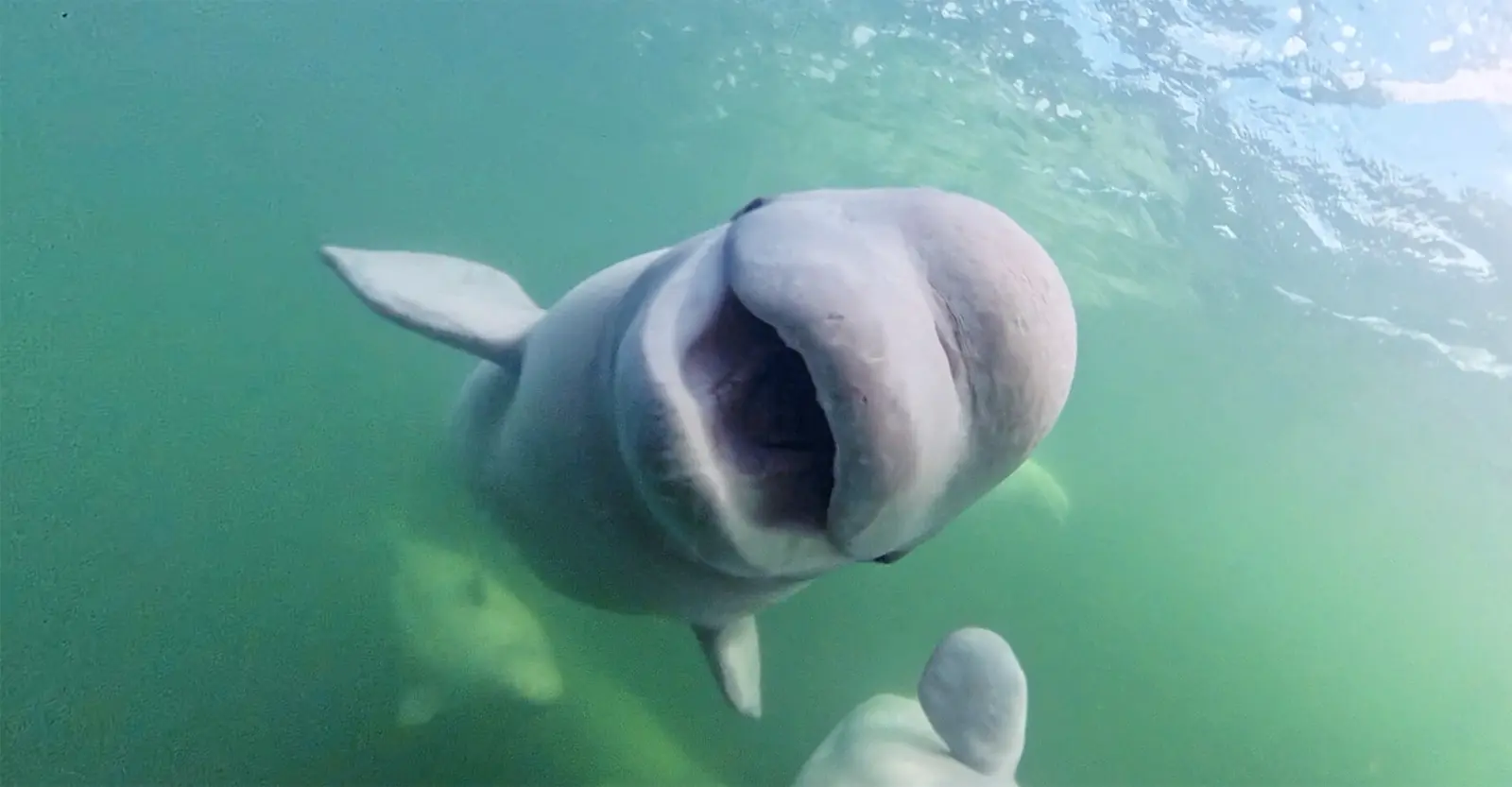
Deploy Camera Traps & Acoustic Recorders
Help collect underwater imagery and, when conditions allow, lower a hydrophone to capture beluga whistles, clicks and calls. Discover a hidden world of movement and sound beneath the boat.
The Churchill River estuary offers researchers a rare opportunity to study belugas during their summer gathering, when mothers tend calves, whales socialize and individuals shed their outer skin. This seasonal concentration allows scientists to observe individual whales, document social relationships and investigate how they use different parts of the estuary.
Researchers at Assiniboine Park Conservancy combine photo identification, underwater imagery, acoustic monitoring and environmental measurements to investigate these questions. By comparing observations across field seasons, they can begin to distinguish individual histories from broader patterns in whale behavior, visible health indicators and habitat use.
-
Trace a Beluga's Story Across Summers
A distinctive scar can turn an anonymous white whale into a recognizable individual. Discover how scientists search past photographs for a match, connecting today's encounter with an earlier sighting and adding another chapter to that whale's history.
Conservation Impact
The Churchill River estuary is an important summer gathering place for belugas, but warming Arctic waters and increasing marine activity bring new pressures. Long-term research helps scientists track the whales' behavior and habitat use, making it easier to recognize changes that warrant closer investigation.
Individual identification records that document repeat sightings and patterns of estuary use
Behavioral observations that reveal group composition and interactions among mothers, calves and other whales
Visible health indicators captured in photographs of scars, skin patterns and skin condition
Environmental measurements that provide context for where and when belugas gather
Acoustic and underwater imagery records that reveal aspects of communication and behavior otherwise hidden from view
Findings contribute to scientific publications, student research and discussions with community and government partners. Each field season strengthens the evidence available to researchers and wildlife managers working to understand and protect Churchill's belugas.
Your Role in the Research
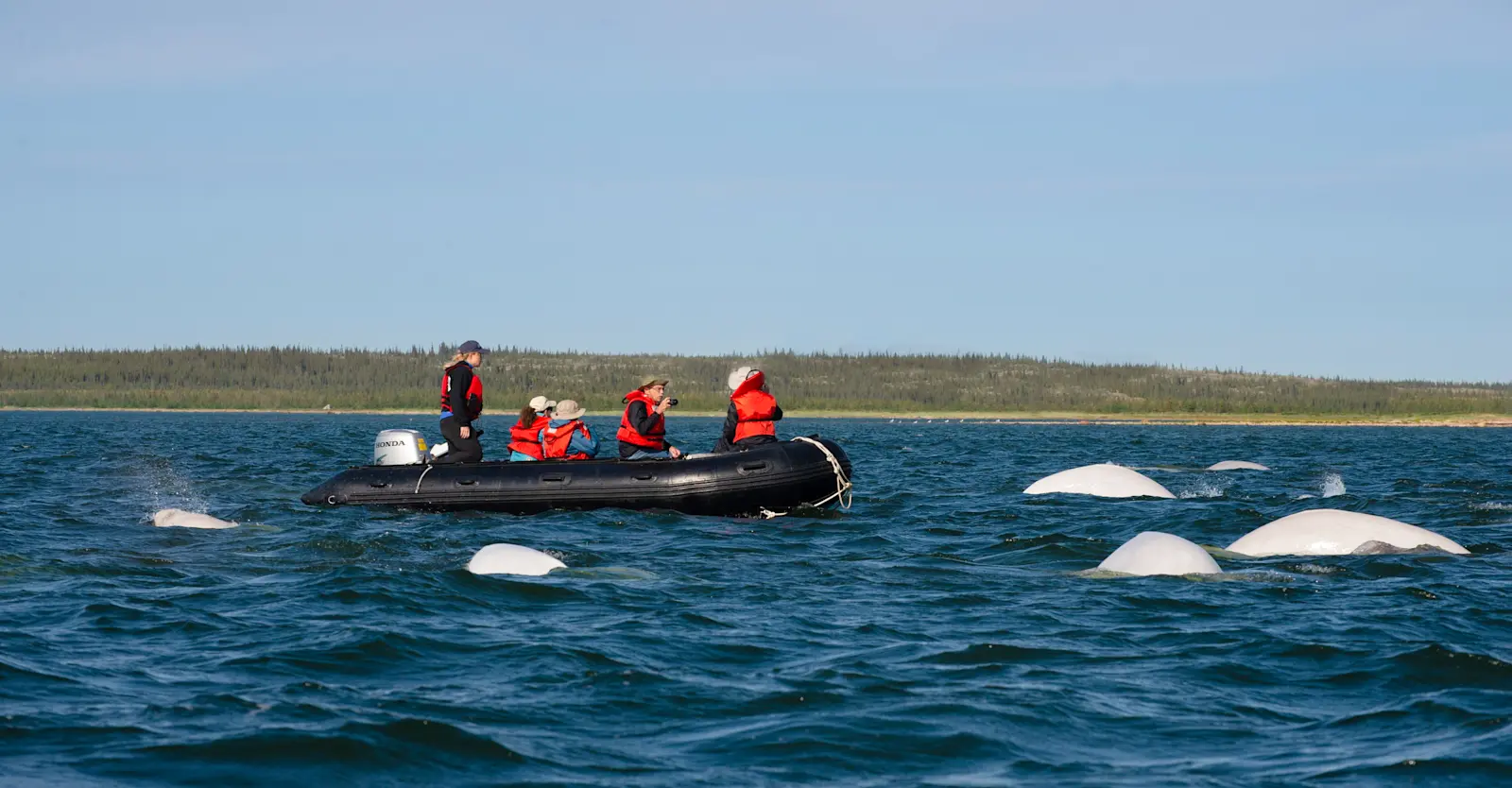
Trade the role of wildlife spectator for a place on the research team. From a Zodiac or research vessel, learn to make careful observations that scientists can use. Watch groups form and separate, note calves traveling alongside adults and record details that might escape a casual observer. Every sighting becomes an opportunity to look closer.
You'll also help document water conditions and may assist with underwater recordings or imagery, depending on the day's research plan. Back at the Churchill Northern Studies Center, examine photographs and organize field notes, seeing how observations made on the water become part of a larger scientific record.
Life in the Field
Field days begin with a weather briefing and a plan for the day's surveys. Head onto the estuary with cameras and research equipment, ready for whatever the whales reveal. Some outings may bring curious belugas close to the Zodiac; others call for patient searching, careful observation and a sharp eye for identifying features.
Beyond the boat, explore Churchill's tundra and Hudson Bay coastline on short guided excursions. Scan for polar bears, Arctic foxes, caribou and migratory birds. When conditions and paddling proficiency permit, kayaking offers the possibility of watching belugas surface at eye level.
Evenings at the Churchill Northern Studies Center bring you into the rhythms of a working Arctic field station. Share dinner with fellow travelers, trade stories of unexpected sightings and hear what other researchers are investigating in this remote northern landscape.
Field Conditions
This is an active expedition in a remote subarctic setting. Summer days can be cool and windy, with spray and rapidly shifting conditions on the Churchill River estuary. Research outings involve boarding small boats, spending extended periods outdoors and handling cameras or field equipment aboard a moving vessel.
Guided walks may cover approximately 1–2.5 miles over tundra and coastal terrain. All land activities follow strict wildlife safety procedures in polar bear country. Kayaking requires suitable conditions and adequate paddling proficiency.
Weather, wildlife activity and research priorities guide the daily schedule. Expect plans to shift with conditions on the estuary and the needs of the research team.