Know Before You Go
Whether you're preparing for your upcoming expedition or simply want to learn more about Churchill's beluga whales and Arctic conservation efforts, these resources offer a closer look at the wildlife, landscapes and research that define this experience. Discover why thousands of belugas gather in the Churchill River estuary each summer, learn how scientists identify individual whales and study their underwater communication, and explore how long-term research is helping us better understand these remarkable marine mammals and their changing Arctic habitat.
Why Is Churchill One of the Best Places in the World to Study Beluga Whales?
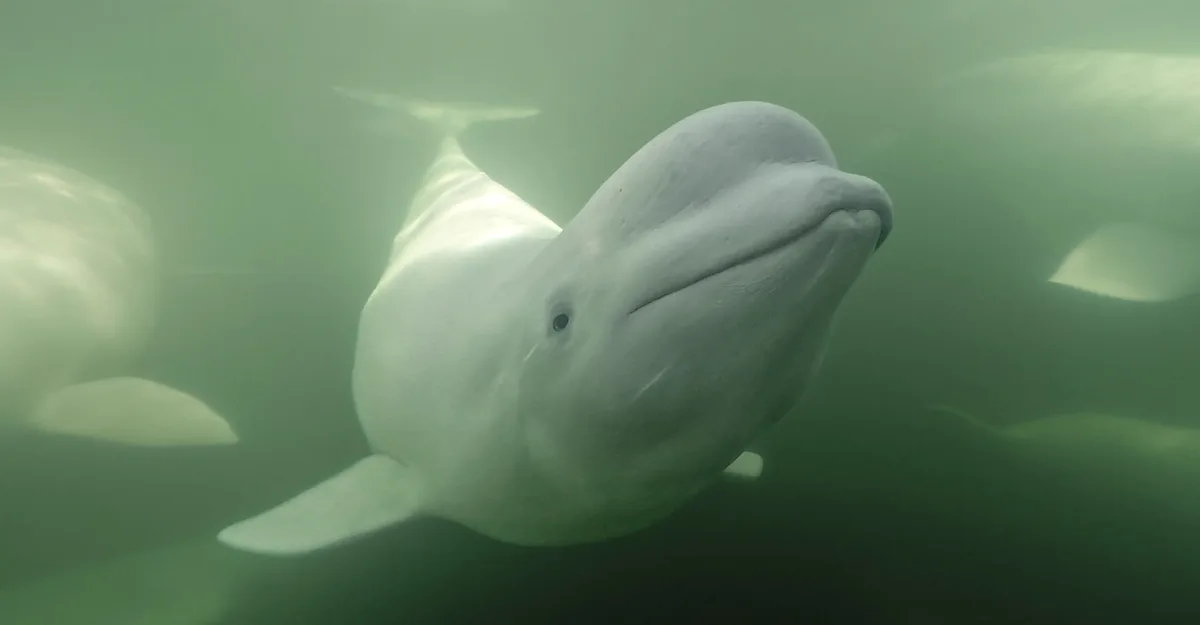
Each summer, some 3,000 beluga whales gather in the Churchill River estuary along the western shore of Hudson Bay, transforming its cold northern waters into one of the Arctic's great wildlife spectacles. Drawn to the estuary's warmer, shallow waters to molt, socialize and tend to their young, these famously vocal whales offer researchers an extraordinary opportunity to observe their behavior, social relationships and seasonal habitat use.
Scientists at Assiniboine Park Conservancy are investigating how individual belugas interact, communicate and return to the estuary across successive summers. Through photo identification, underwater imagery, acoustic recordings and environmental measurements, researchers are building a clearer picture of the whales' social lives, visible health indicators and movements. Distinctive scars and markings help identify individual whales, while underwater recordings reveal the whistles, clicks and calls that earned belugas the nickname "canaries of the sea."
By participating in this long-term research, travelers help scientists document how belugas use their summer habitat and respond to changing environmental conditions. These observations contribute to a growing scientific record that can inform conservation efforts as warming Arctic waters and increasing marine activity bring new challenges to Hudson Bay's belugas.
Quick Facts: Churchill's Beluga Whales
Location: Churchill River estuary, Manitoba, Canada
Research partner: Assiniboine Park Conservancy
Primary species: Beluga whales
Key activity: Beluga photo identification, behavioral observations, acoustic monitoring and environmental measurements
Conservation focus: Beluga health, social behavior, communication, seasonal habitat use and long-term Arctic conservation
What Wildlife Will I See on My Churchill Beluga Expedition?
Beluga whales are the signature wildlife of Churchill's summer season, with thousands gathering in the Churchill River estuary during July and August. From a Zodiac or research vessel, travelers may watch these curious whales surface beside the boat, observe mothers swimming with calves and listen to their remarkable underwater vocalizations. Beyond the estuary, Churchill's tundra, boreal forest and Hudson Bay coastline provide opportunities to encounter an array of Arctic and subarctic wildlife.
Participants may encounter:
Beluga whales gathering in the Churchill River estuary, including mothers and calves, social groups and individuals identifiable by distinctive scars and markings
Polar bears along the Hudson Bay coastline or occasionally from the water
Ringed seals in the cold waters of Hudson Bay and surrounding coastal areas
Caribou roaming Churchill's tundra and open northern landscapes
Arctic foxes and red foxes inhabiting the tundra and boreal forest
Arctic hare in the region's northern habitats
Tundra swans in wetlands and coastal areas
Willow ptarmigan among tundra vegetation and low-growing shrubs
Peregrine falcons and other birds of prey
Seabirds and shorebirds along the coast, estuary and surrounding wetlands
Wildlife sightings and activity vary with weather, water conditions and animal movements. Although belugas gather in large numbers during summer, no wildlife encounters are guaranteed, including sightings of polar bears.
Late-season departures may also offer a chance to see the northern lights as darkness returns to the subarctic sky. However, July and early August bring very long daylight hours, and aurora sightings are never guaranteed.
What Is the Climate Like During This Expedition?
Churchill has a subarctic climate characterized by cool summers, frequent wind and rapidly changing weather. During July and August, daytime temperatures typically reach the low to mid-60s°F, while overnight temperatures average in the upper 40s°F. Unseasonably warm weather can occasionally bring temperatures into the 80s–90s°F, though conditions are generally much cooler on the water.
Period | What to Expect |
|---|---|
July | Average daytime highs of 65°F and overnight lows of 46°F. Cool to mild conditions, with approximately 2.5–2.6 inches of monthly precipitation. |
August | Average daytime highs of 62°F and overnight lows of 47°F. Generally cool, with approximately 3.0–3.1 inches of monthly precipitation. |
Wind & Water Conditions | Hudson Bay and the Churchill River remain very cold year-round. Wind and spray can make conditions on the water feel considerably colder than on land. |
Daylight | Approximately 18 hours of daylight in early July, decreasing to 16.5 hours in early August and around 14 hours by late August. |
Overall Conditions | Strong seasonal daylight, cool nights, frequent wind and the possibility of rain at any time. Weather can change quickly, especially during boat excursions. |
Weather patterns vary from year to year, and temperatures may be significantly warmer or colder than average. Participants should bring insulating layers, a waterproof and windproof outer layer, warm hat and gloves, and sturdy footwear with good traction. Warm, weatherproof clothing is especially important for extended research outings on the water, even when conditions on land feel relatively mild.
Frequently Asked Questions
Do I need research experience?
No prior research experience is required. Scientists and field staff provide training and guidance in beluga photo identification, behavioral observations, environmental monitoring and other research techniques used during the expedition. Participants learn how to collect observations that contribute to the ongoing study of Churchill's belugas.
What type of research will I assist with?
Participants assist researchers investigating how belugas communicate, interact and use the Churchill River estuary during their summer gathering. Activities may include photographing individual whales, recording group sizes and social behavior, observing mothers and calves, measuring water temperature and clarity, and reviewing photographs to identify distinctive scars and markings. When conditions allow, participants may also help collect underwater imagery and acoustic recordings using a hydrophone.
What is the conservation impact of this research?
Data collected by participants contributes to a long-term record of individual belugas, their social relationships, visible health indicators and seasonal habitat use. Photographs help researchers identify whales across successive summers, while behavioral observations, acoustic recordings and environmental measurements provide insight into how belugas interact with one another and their surroundings. These findings support scientific research and discussions with community and government partners working to understand and protect Churchill's belugas as Arctic conditions change.
How physically demanding is the expedition?
Research activities involve boarding small boats, spending extended periods outdoors and handling cameras or field equipment aboard moving vessels. Participants should be comfortable with cool, windy conditions, occasional spray and potentially rough or bumpy boat travel. Guided walks may cover approximately 1–2.5 miles over tundra and coastal terrain, where footing can be uneven. Optional kayaking is dependent on suitable conditions and adequate paddling proficiency.
Can weather affect research activities?
Yes. Wind, rain, changing water conditions and wildlife activity can affect boat excursions, kayaking and research schedules. Field staff adjust daily plans based on weather, safety considerations and research priorities. Hydrophone recordings, underwater imagery and kayaking are undertaken only when conditions permit.
What happens in case of an emergency?
Participant safety is a priority on all expeditions. Field staff follow established safety procedures during boat outings and guided land activities, including strict wildlife safety protocols in polar bear country. If medical care is required, staff coordinate appropriate assistance and transportation.
Do I need travel insurance?
Travel insurance is strongly recommended and should include coverage for trip cancellation, interruption, medical expenses and emergency evacuation. Earthwatch provides travel medical insurance for participants.
What immunizations & travel vaccinations do I need?
Participants should consult a healthcare provider before travel and ensure routine vaccinations are up to date before visiting northern Canada. Travelers should also prepare for extended outdoor activity in cool, wet conditions and take precautions against mosquitoes and black flies, which may be present during summer.
What Should I Pack for My Churchill Beluga Expedition?
Participants should pack for cool, windy conditions, unpredictable summer weather and extended periods on the Churchill River estuary. Although daytime temperatures are typically in the 40s–60s°F, conditions can feel considerably colder on the water, particularly when wind and spray are present. Clothing should be suitable for both boat-based research and short walks over uneven tundra and coastal terrain.
Recommended items include:
Lightweight, breathable shirts and pants for layering
Long-sleeved shirts for sun and insect protection
Warm insulating layers, such as fleece or wool
Waterproof and windproof outer jacket
Waterproof or water-resistant pants for boat excursions
Warm hat and gloves
Sturdy, comfortable walking shoes or boots with good traction
Warm socks
Brimmed hat for sun protection
Sunglasses
Sunscreen and SPF lip balm
Insect repellent
Protective clothing for mosquitoes and black flies
Refillable water bottle
Small daypack
Binoculars
Camera and protective waterproof storage for electronics
Because Churchill's summer weather can range from cold and wet to unexpectedly warm, layers are essential. Prioritize warm, waterproof and windproof clothing for research outings, when conditions on the estuary may be significantly colder than those experienced on land.
What Will I Experience During My Churchill Beluga Expedition?
This expedition combines remarkable encounters with thousands of beluga whales and the opportunity to contribute directly to Arctic marine mammal research. Cruise the Churchill River estuary by Zodiac or research vessel, watching mothers and calves swim together, photographing individual whales and listening to the whistles, clicks and calls that reveal a hidden dimension of their underwater world.
Beyond the research, explore Churchill's sweeping tundra, boreal forest and rugged Hudson Bay coastline in search of polar bears, Arctic foxes, caribou and migratory birds. Visit the Itsanitaq Museum to discover the region's Indigenous heritage, meet a local dog musher and, conditions permitting, experience a dog-cart ride through the boreal forest. When weather and paddling proficiency allow, kayaking offers another perspective on belugas as they surface at eye level.
Stay at the Churchill Northern Studies Center, a working Arctic field station where researchers investigate the northern environment. Here, you'll examine photographs, review observations and discover how careful fieldwork contributes to a deeper understanding of beluga behavior, communication and conservation.
What Does Daily Fieldwork Look Like?
Research days begin with a weather briefing and a plan for the day's surveys. Head onto the Churchill River estuary aboard a Zodiac or research vessel, where participants photograph individual belugas, record group sizes and social interactions, and observe mothers swimming alongside calves. Researchers also measure water conditions and, when conditions permit, collect underwater imagery and acoustic recordings to investigate how belugas communicate and use their summer habitat.
Back at the Churchill Northern Studies Center, participants examine photographs, compare distinctive markings and scars, and organize field observations. Matching an individual whale to an earlier sighting can reveal clues about its movements, social relationships and return visits to the estuary. Between research sessions, guided excursions offer opportunities to explore the surrounding tundra and Hudson Bay coastline in search of Arctic wildlife.
Research schedules vary with weather, whale activity and project priorities, providing a firsthand look at how scientists gather the long-term data used to understand Churchill's belugas and support their conservation.


