- May–Oct
- 10 days
- Limited to 14 Participants
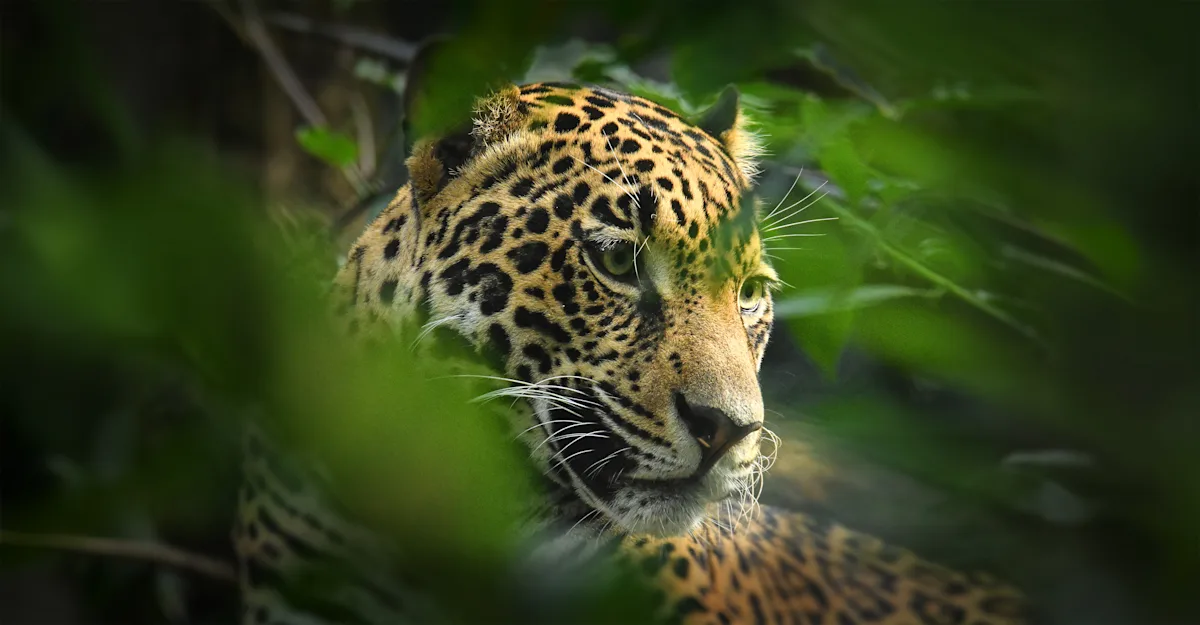
Seeing a wild jaguar at close range was once an elusive ambition. But in Brazil’s Pantanal, years of conservation efforts have been so successful that sightings are now common. Go beyond sheer observation on this intimate research expedition, offering a rare window into the lives of these powerful cats. Join field scientists studying individuals and the greater population to better understand what these apex predators need to thrive—and how to combat escalating threats from fire, habitat loss and human conflicts.
Protecting jaguars has a wide-ranging ripple effect on the prey and connected habitats that sustain a much larger community of wildlife here in the Pantanal, one of the most biodiverse realms in the world. Explore northern grasslands and forest islands, navigate Porto Jofre’s rivers by open skiff and spend days with the research team in the southern Pantanal. Giant otters, anteaters, tapirs and hyacinth macaws enrich an expedition that combines the thrill of wild jaguar encounters with access to the scientific work behind its protection.
Please Note: This new expedition combines close encounters with wild jaguars and access to researchers studying the species. We’re refining the field program with the scientific team, including opportunities for guest participation. The itinerary is preliminary, and specific activities, accommodations and travel arrangements may evolve as plans are finalized.
Photo gallery
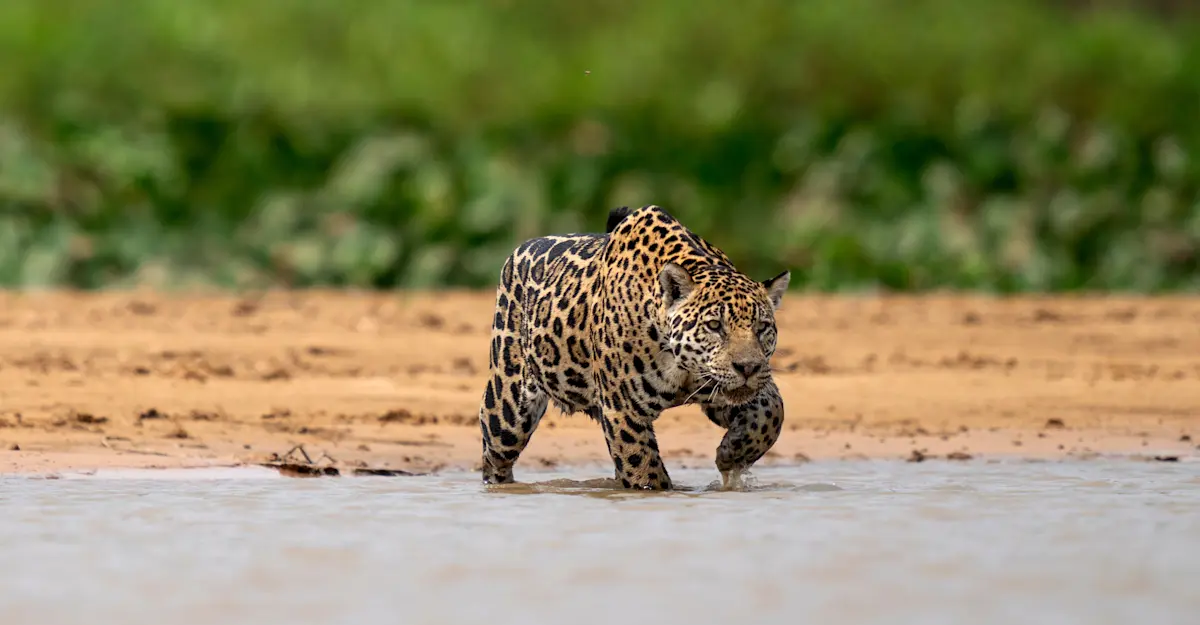
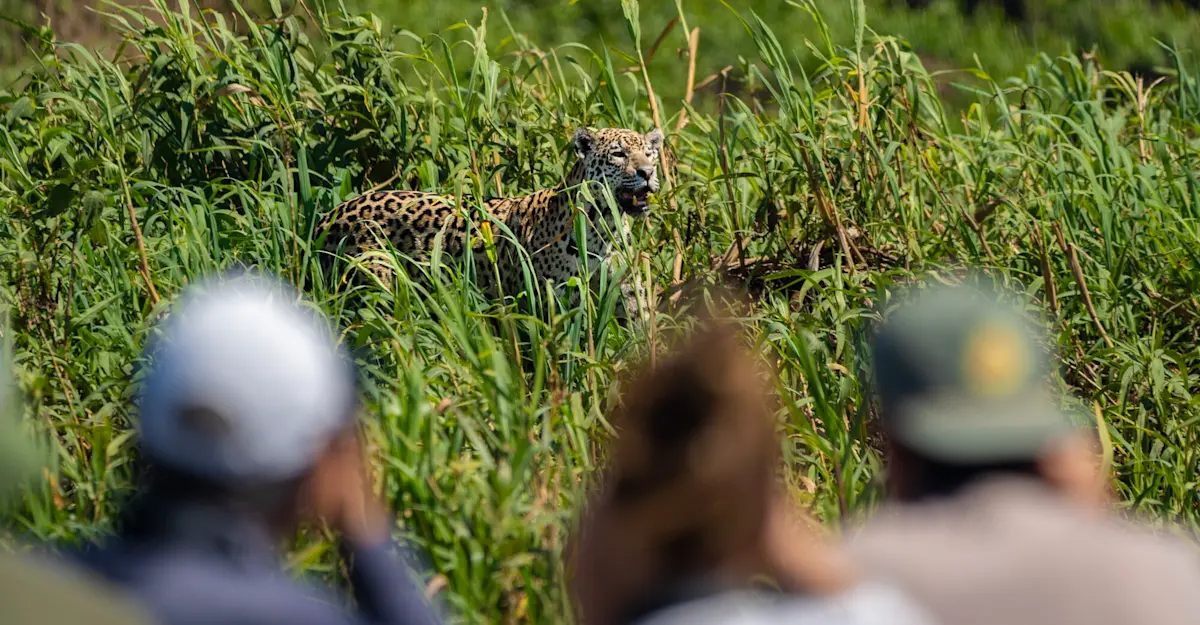
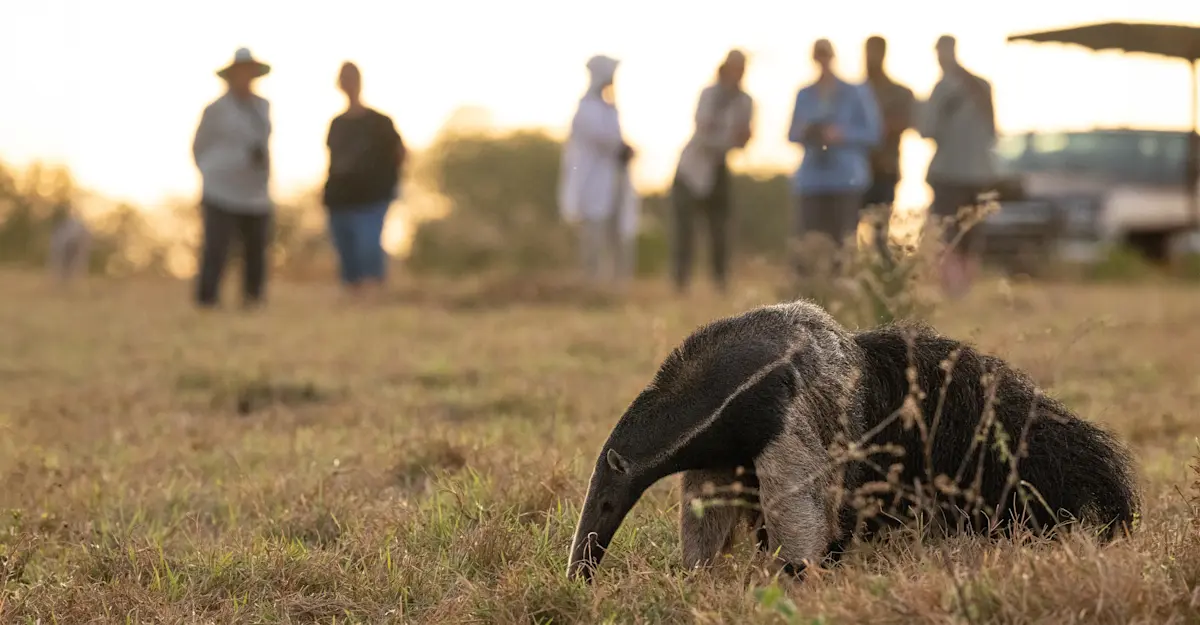
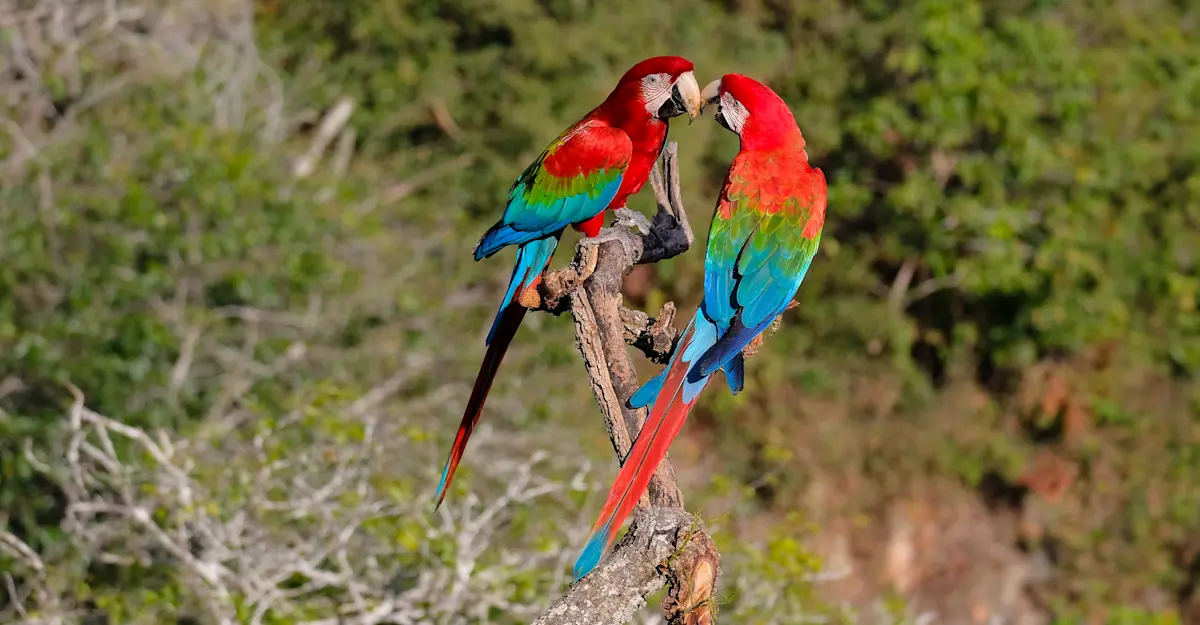
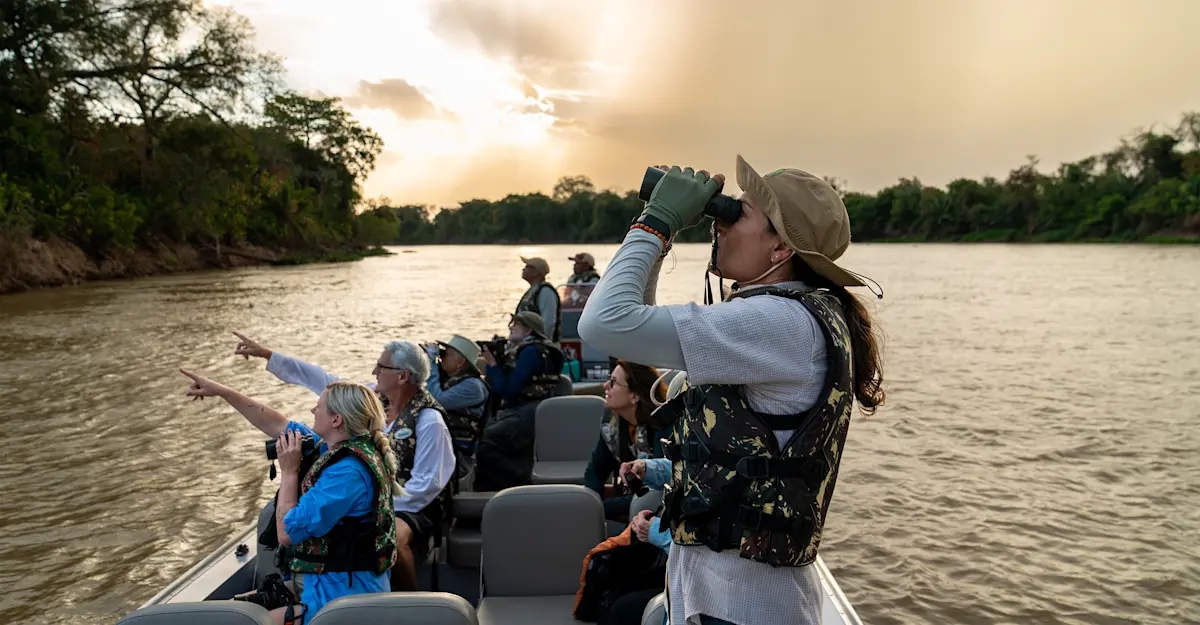
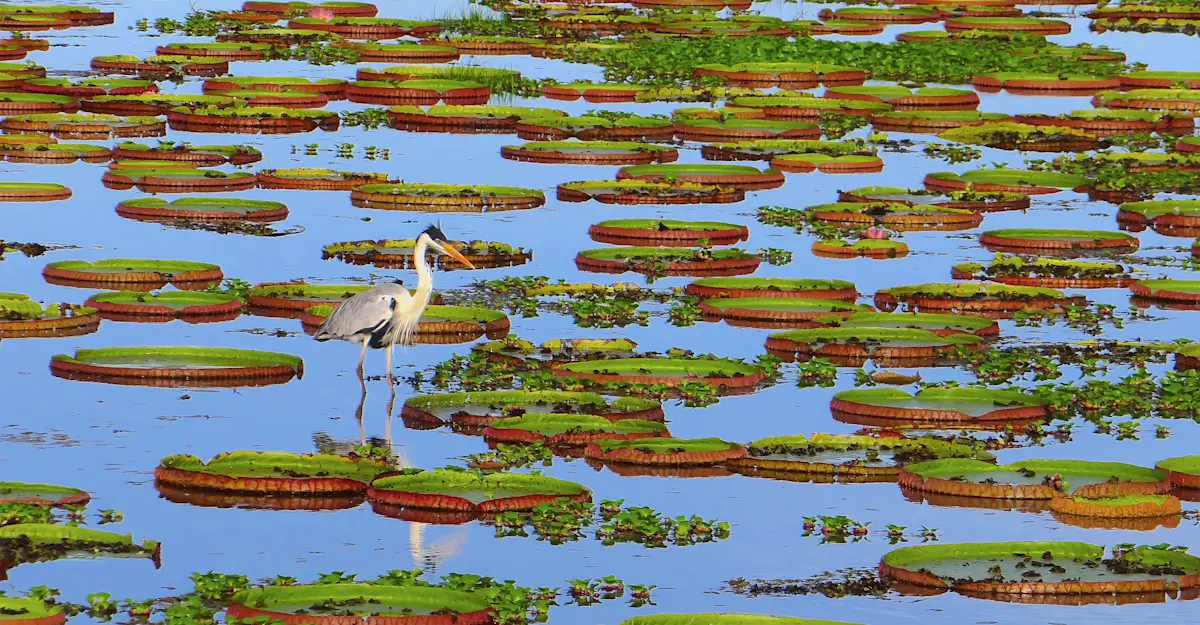
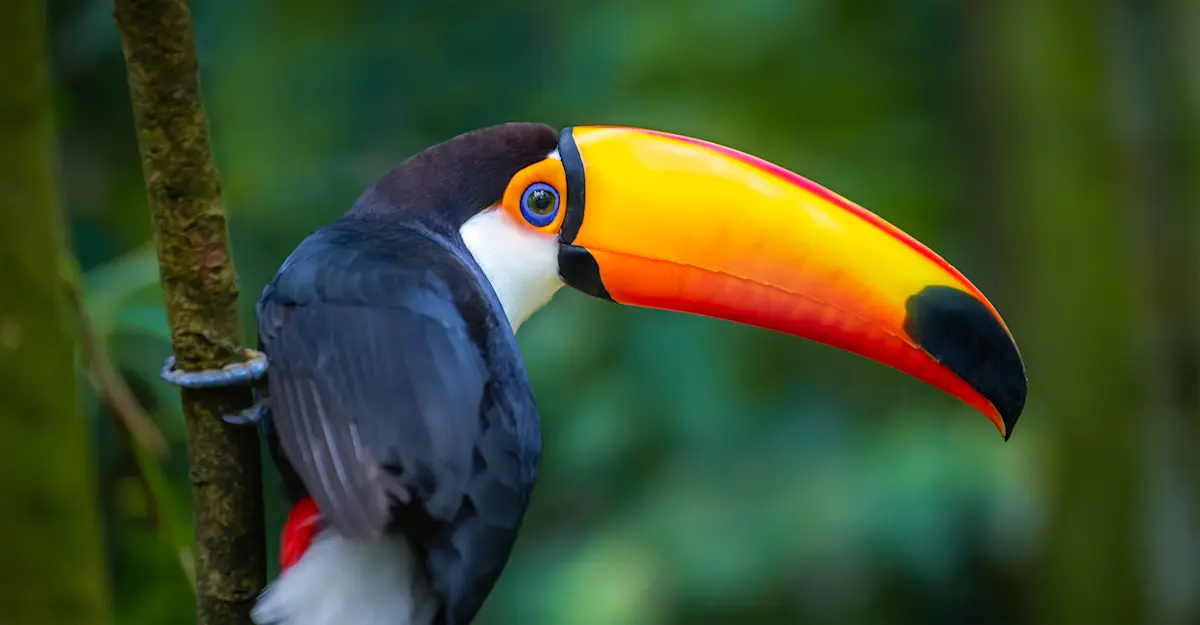
Photo 1 of 9
Expedition Highlights
-
Search the Rivers for Wild Jaguars
Explore Porto Jofre’s waterways by open skiff, where riverbanks offer opportunities for sustained encounters with cats resting, traveling or hunting. Spend time watching and photographing jaguars in a landscape that supports extraordinary wildlife.
-
Follow Jaguars with Researchers Who Know Them
A sighting becomes more compelling when the cat has a known history. Search with scientists who recognize individuals, document their relationships and can explain what your observations add to years of research.
-
Discover the Pantanal’s Full Abundance
Seek giant otters among river channels, anteaters in grassland and hyacinth macaws in the trees. Walk, boat and drive through contrasting habitats, extending your searches after dark for animals rarely encountered by day.

Recognize the Jaguar Behind the Photograph
A distinctive pattern of rosettes can identify the cat in front of you. With researchers, examine the markings used to distinguish individuals and discover how photographs connect sightings across years, revealing family relationships, cub development and movements.Join Researchers as They Study Jaguars Up Close
Researchers gradually accustom wild jaguars to vehicles through a process called habituation. As cats become less wary, scientists can spend longer observing them resting, hunting and interacting—gathering details about their lives that fleeting sightings rarely reveal.Explore a Conservation Model with Real Stakes
On ranching lands, jaguars can threaten livestock; wildlife tourism can make living cats economically valuable. Discover how conservationists work with these competing realities, and why local benefits and responsible viewing matter to lasting protection.Experience the Wetland at Walking Pace
Follow trails through woodland and wetland margins, with time to listen for birds, examine tracks and watch movement in the vegetation. Local guides help you find the smaller discoveries that give this immense landscape its texture.Seek the Pantanal’s Most Striking Birds
Look for hyacinth macaws, toucans, parrots and jabiru storks across forest, grassland and marsh. Exploring several habitats offers opportunities to encounter different species and watch how they feed, travel and use the surrounding landscape.Venture Out After Dark
Night drives reveal activity concealed during daylight hours. Search with local guides for mammals emerging to feed or travel, adding another set of possibilities to habitats you’ve already explored on foot and by safari vehicle.Travel in a Small, Curious Group
Share field days with travelers who want to stay with a sighting and understand what they’re seeing. A small group allows direct conversation with researchers, time for questions and opportunities to compare discoveries throughout the expedition.Explore with Purpose
Contribute approved observations to ongoing jaguar research. Each reliable record can extend what scientists know about an individual animal, helping connect the excitement of your encounter with the evidence needed to understand and protect a population.