- May–Oct
- 10 Days
- Limited to 6 Participants
From $22936 (+air)
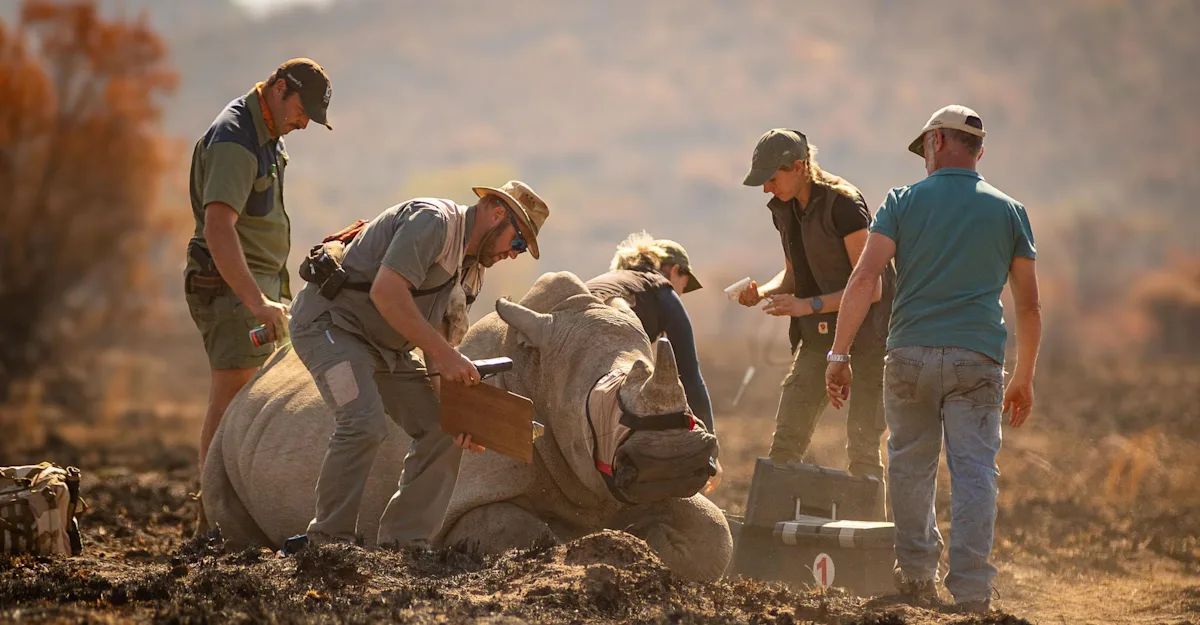
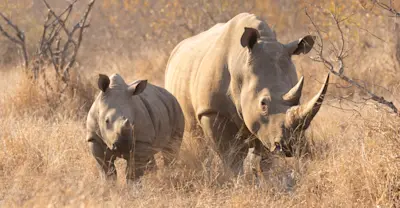
Spend days in the world of wild rhinos in South Africa’s Greater Kruger wilderness, where protecting them from poachers demands constant vigilance. Track individual animals with researchers, observe their behavior and document how they use their habitat, gaining an intimate understanding of their lives. Then join a veterinarian-led horn trimming operation, getting close to a wild rhino while taking action aimed at reducing its value to poachers. These powerful herbivores help maintain the vegetation other wildlife depends on, making their survival consequential far beyond a single species.
Between research outings, explore Greater Kruger’s savanna in search of the Big Five, seeing the wider community of wildlife that shares the rhinos’ habitat. Your safari continues west at Tswalu Kalahari Reserve, where red dunes, open grasslands and rocky hills shelter desert-adapted black rhinos, cheetahs and meerkats. Venture out after dark to search for aardvarks and brown hyenas.
Photo gallery
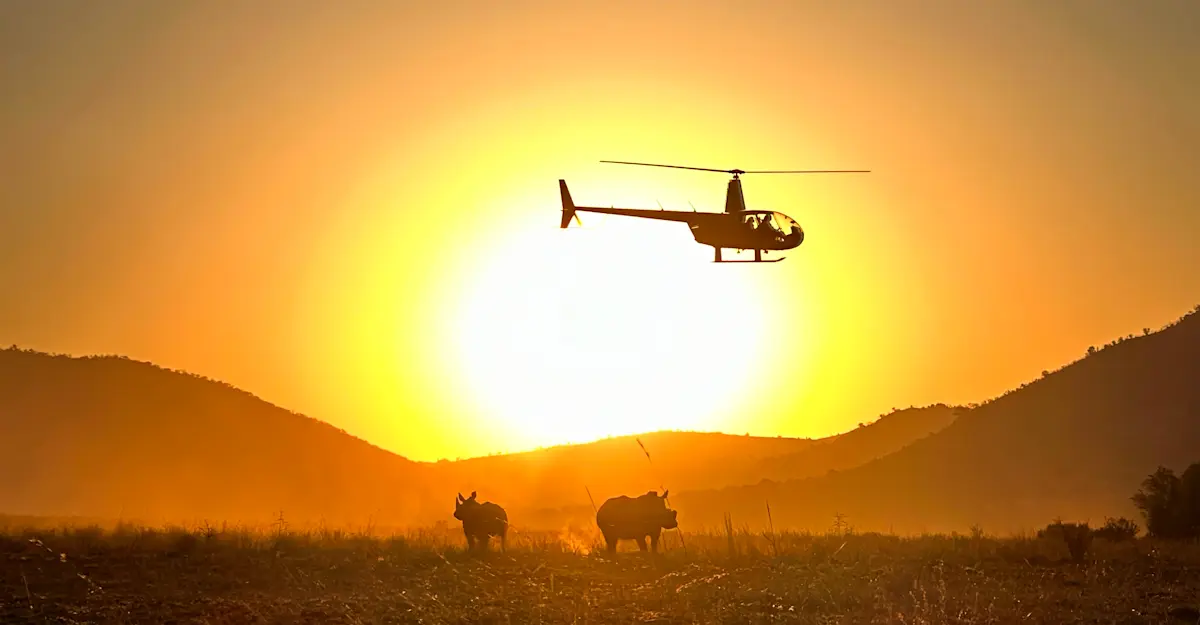
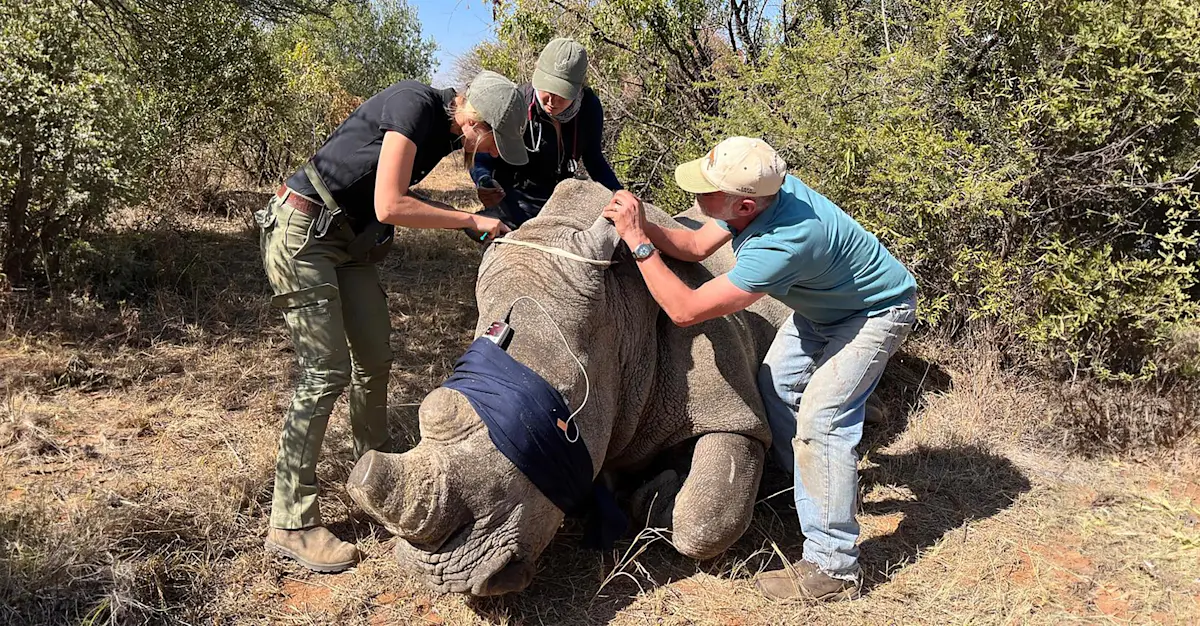
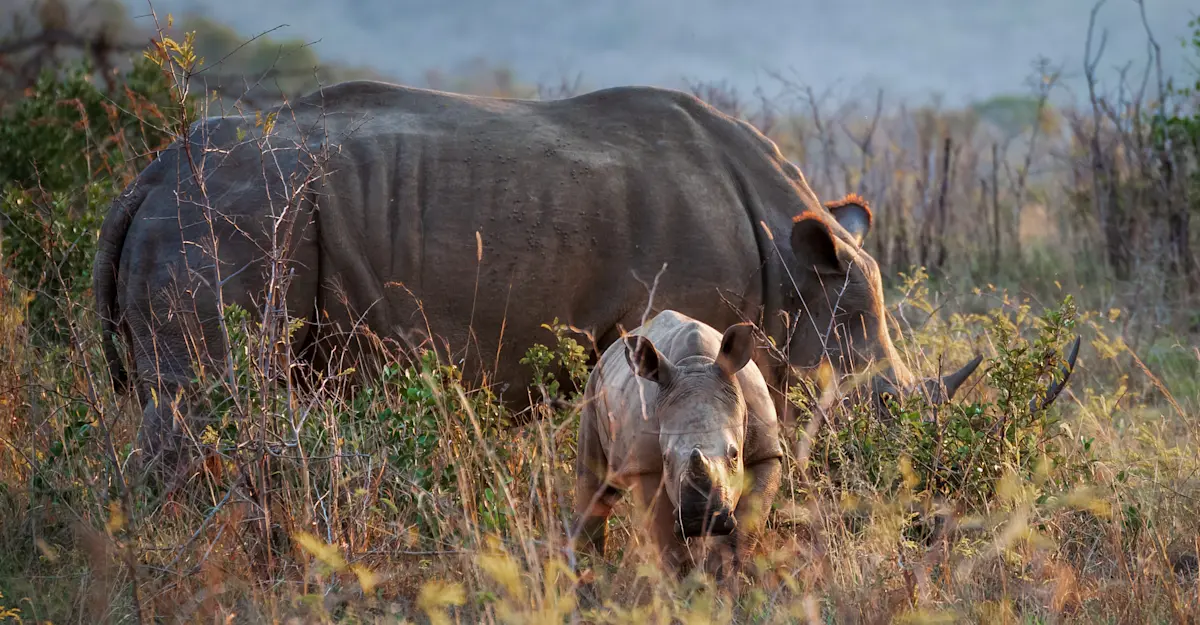
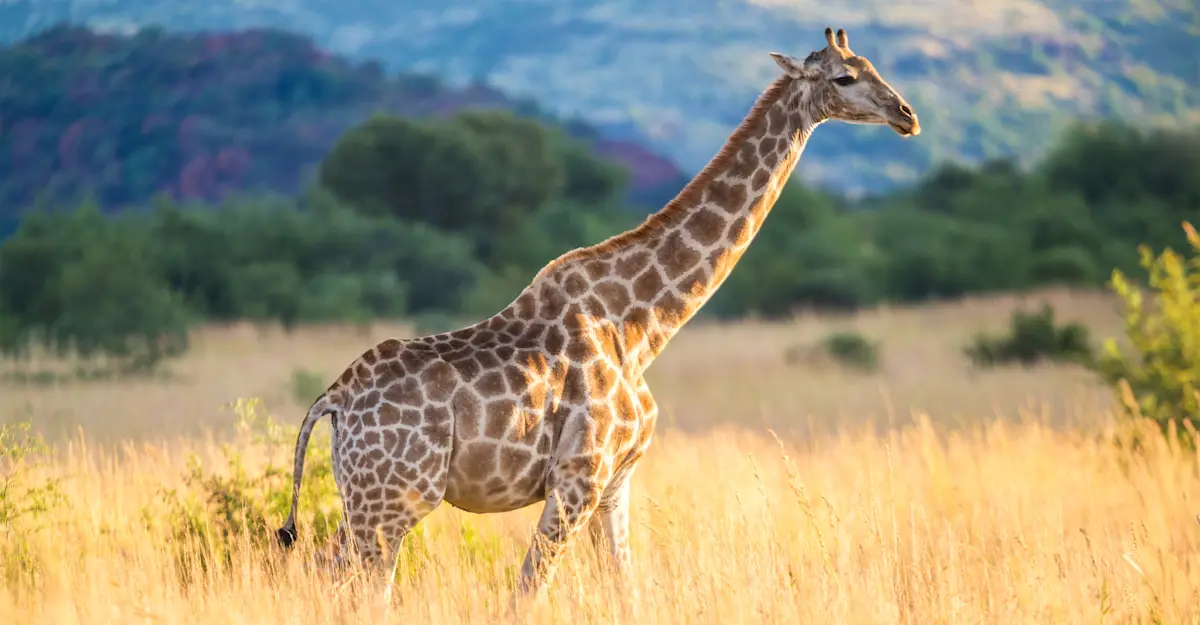
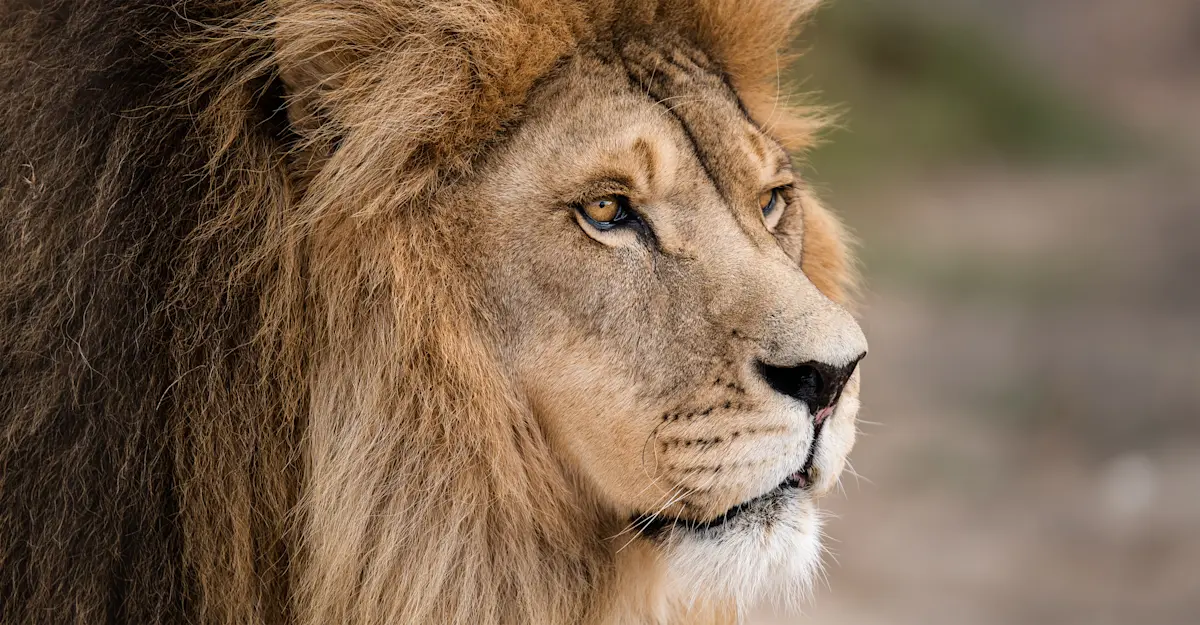
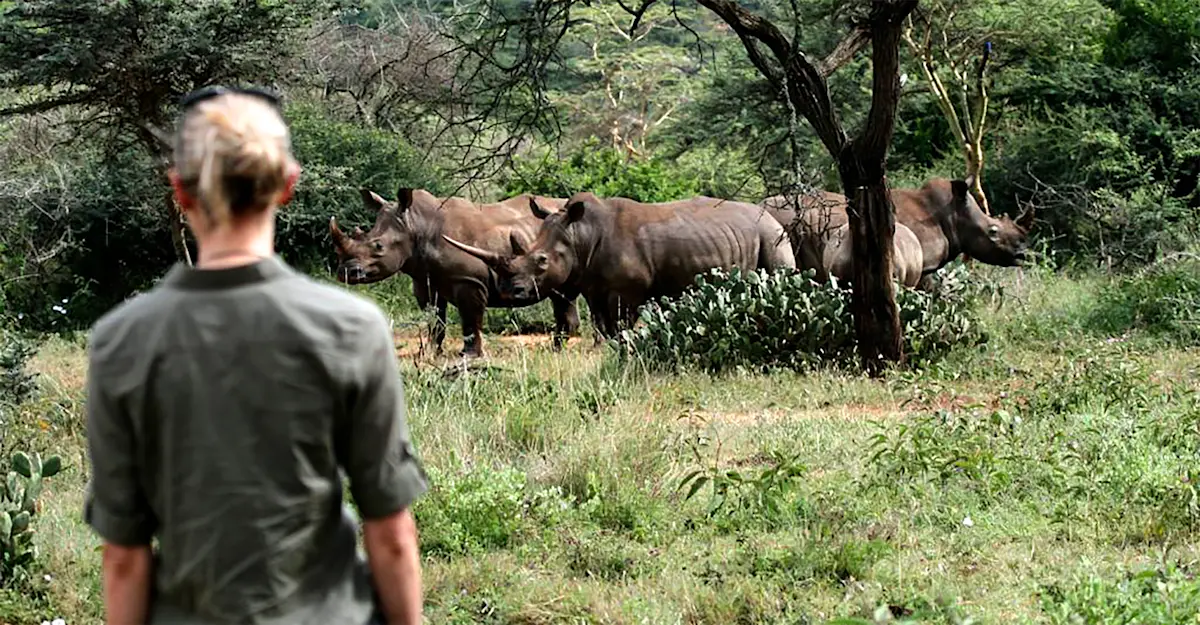
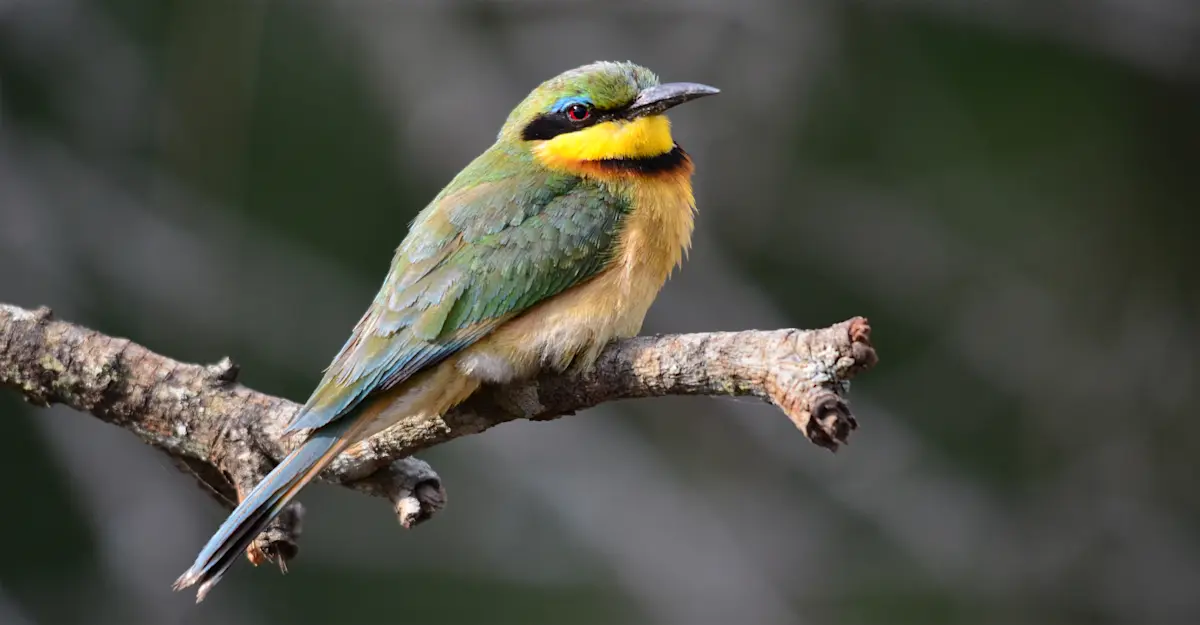
Photo 1 of 9
Research at a Glance
-
The Research Focus
Understand wild rhino behavior and evaluate how conservation strategies, including horn trimming, can help protect rhinos from poaching in Greater Kruger.
-
What You'll Do
Track wild rhinos, record behavior and movements and participate in veterinarian-led horn trimming, assisting with approved biological measurements under professional supervision.
-
Why It Matters
Your observations provide data researchers use to refine protection strategies, balancing rhino welfare, poaching prevention and the survival of wild populations.
Meet Your Lead Scientist

Ellie Milnes, Ph.D.
Wildlife veterinarian, National Geographic Explorer and zoological medicine specialist Dr. Ellie Milnes studies rhino health and anesthesia, developing safer ways to immobilize these massive animals for veterinary care, research and conservation. Her fieldwork in Africa combines hands-on veterinary techniques with research into the physiological and health challenges facing endangered rhinos.
Read moreExpedition Highlights
-
Go Inside Wild Rhino Conservation
Spend sustained time in the field with researchers, learning to read rhino behavior and contribute useful observations. Discover the daily challenges and decisions behind protecting an animal prized by poachers.
-
Take Part in a Rhino Horn Trimming
Experience the sheer scale of a wild rhino during a veterinary field operation. Participate under professional supervision in a precise procedure with an urgent purpose—reducing the incentive to kill for its horn.
-
Safari Across Two Distinct South African Wildernesses
Seek lions, leopards, elephants, buffalo and rhinos in Greater Kruger before exploring Tswalu’s Kalahari terrain. Desert-adapted species and nocturnal searches extend your safari from Big Five encounters to South Africa’s less familiar wildlife.

Take Part in a Veterinary Field Operation
Experience the scale of a wild rhino at close range during a horn trimming operation. Assist with approved biological measurements under professional supervision, learning how the veterinary team cares for the animal during an intervention designed to discourage poaching.Follow the Details of a Rhino’s Day
Spend time watching an individual rhino feed, rest and interact with other animals. Record its activities and location, learning how patient observation reveals patterns in daily life and produces data researchers can use to inform its protection.Investigate Conservation’s Difficult Decisions
Horn trimming can reduce poaching risk, but how might it affect a rhino’s movements or social behavior? Explore the questions researchers are investigating and how conservation teams weigh the procedure’s benefits against its potential consequences for the animal.Search Greater Kruger for the Big Five
Morning and afternoon game drives take you deeper into the bushveld in search of lions, leopards, elephants, buffalo and rhinos. Expert local guides help you interpret encounters, from an animal’s behavior to its relationships with the surrounding habitat.Discover How Wildlife Survives in the Kalahari
Explore Tswalu’s red dunes, open grasslands and rocky foothills for desert-adapted black rhinos, cheetahs, oryx and springbok. Learn how these animals meet the demands of scarce water, unpredictable rainfall and extreme temperatures in this striking southern Kalahari landscape.Seek Wildlife After Dark
Venture out when the heat subsides and nocturnal animals emerge to forage. Search for aardvarks, aardwolves, brown hyenas and bat-eared foxes, watching for behavior daylight drives rarely reveal. With considerable luck, a pangolin may also appear.Read the Kalahari on Foot
Step onto the sand with a local guide to examine tracks, native plants and signs of life easily overlooked from a vehicle. Conditions and scheduling permitting, visit a habituated meerkat colony for an intimate look at its members’ social behavior.Explore the Landscape’s Human History
A protected rock art site reveals a human history that wildlife sightings alone cannot tell. If conditions and scheduling allow, examine markings left by earlier inhabitants and learn about their connection to the Kalahari landscape you’re exploring.Understand the Fight Against Rhino Poaching
Meet conservation professionals working to protect South Africa's remaining rhinos. Learn how field monitoring, security operations, veterinary care and horn trimming contribute to a coordinated protection strategy and explore the challenges of safeguarding large wild animals across extensive protected areas.Gain a Rare Perspective on Wildlife Conservation
See how conservation decisions are made in the field, where researchers, veterinarians and reserve managers must consider animal welfare, scientific evidence and poaching threats. Return from the expedition with firsthand knowledge of the complexities of protecting rhinos and the people working to secure their future.