Research & Impact
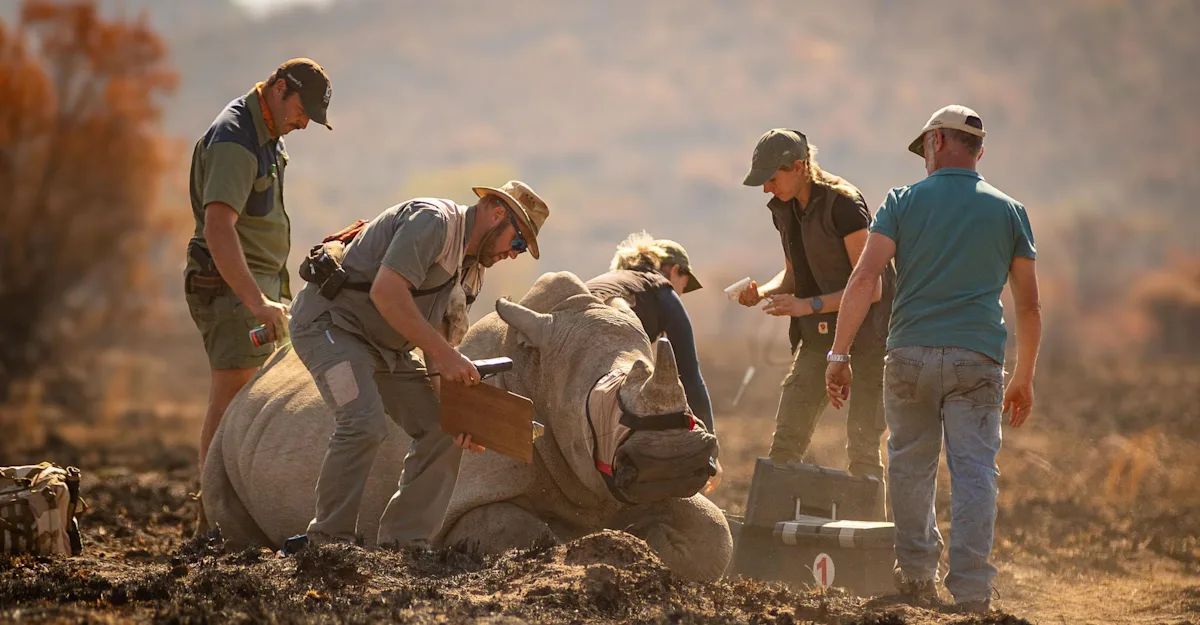
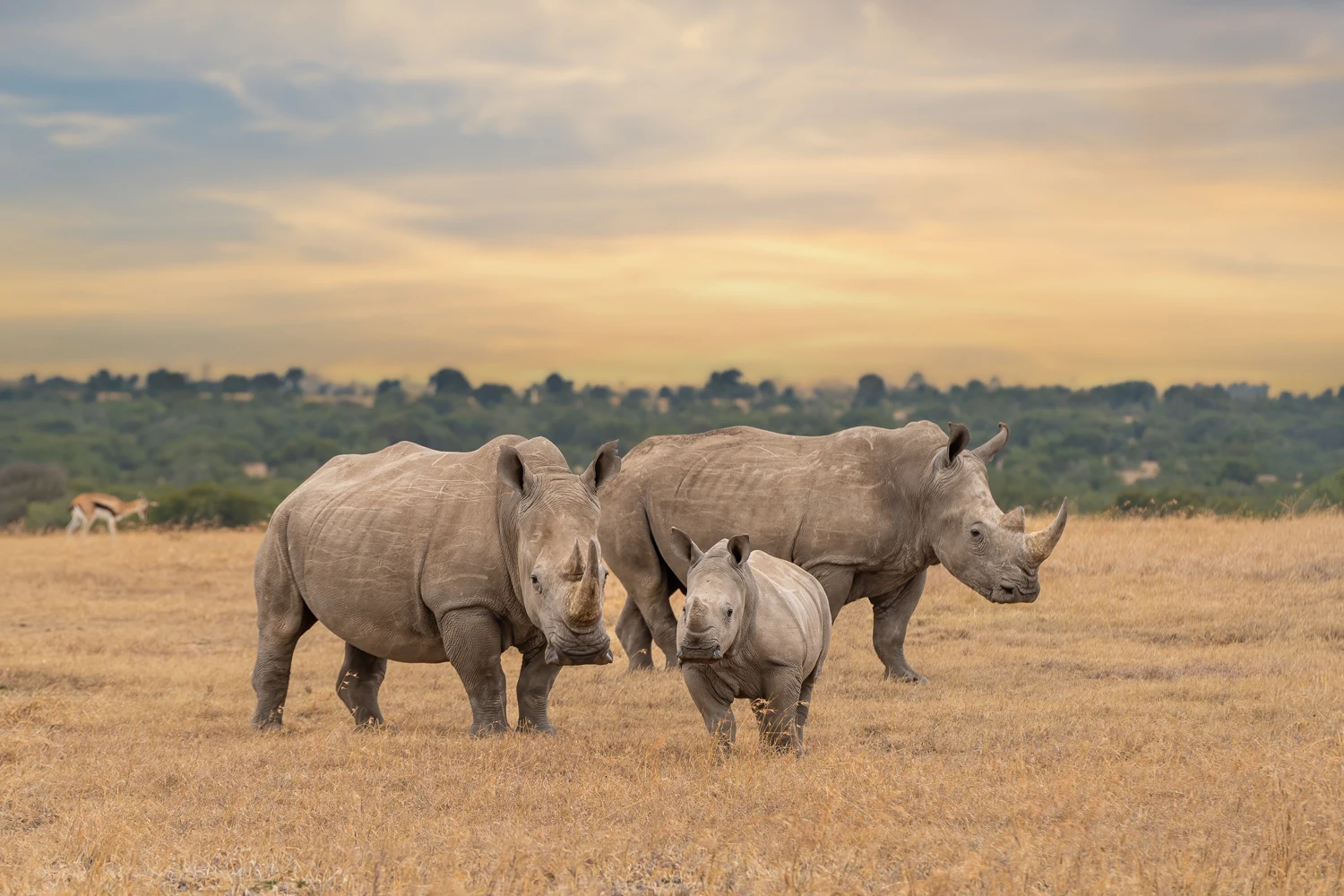
In South Africa's Greater Kruger wilderness, a rhino sighting is only the beginning. Spend hours observing wild rhinos as they graze, rest and travel through the bush, recording their behavior, movements and habitat use to help researchers understand their lives. Then join a wildlife veterinary team for a planned horn-trimming operation, observing the procedure at close range as specialists carefully monitor the animal and remove the feature that makes it a target for poachers. Few safari experiences offer such an intimate look at these powerful animals and the complex decisions involved in protecting their future.
What You'll Do in the Field
Click a photo to expand details
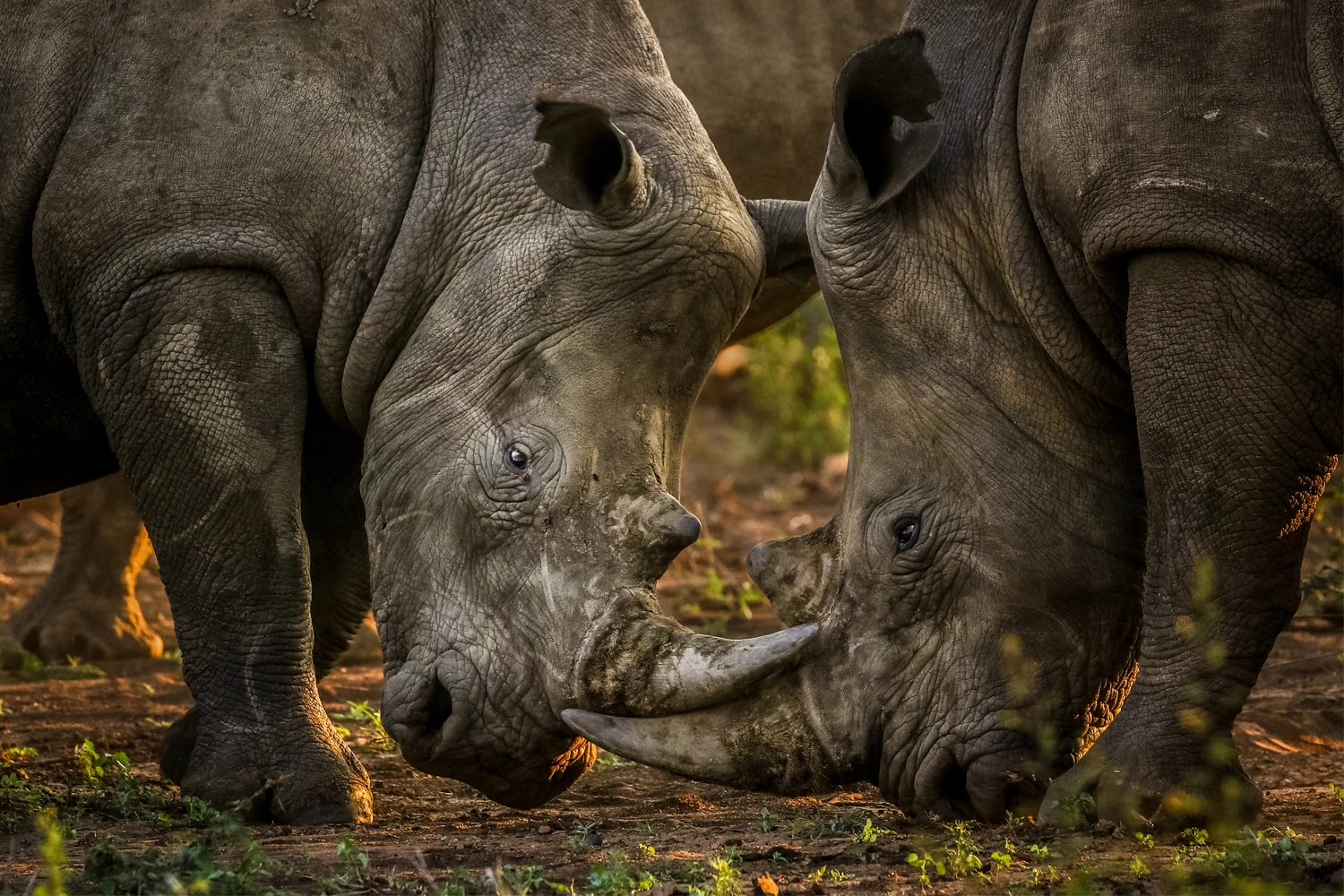
Observe Animal Behavior
Spend extended time with wild rhinos, watching them feed, rest, travel and interact. Record their activities to help researchers understand their daily routines and how they respond to their surroundings.
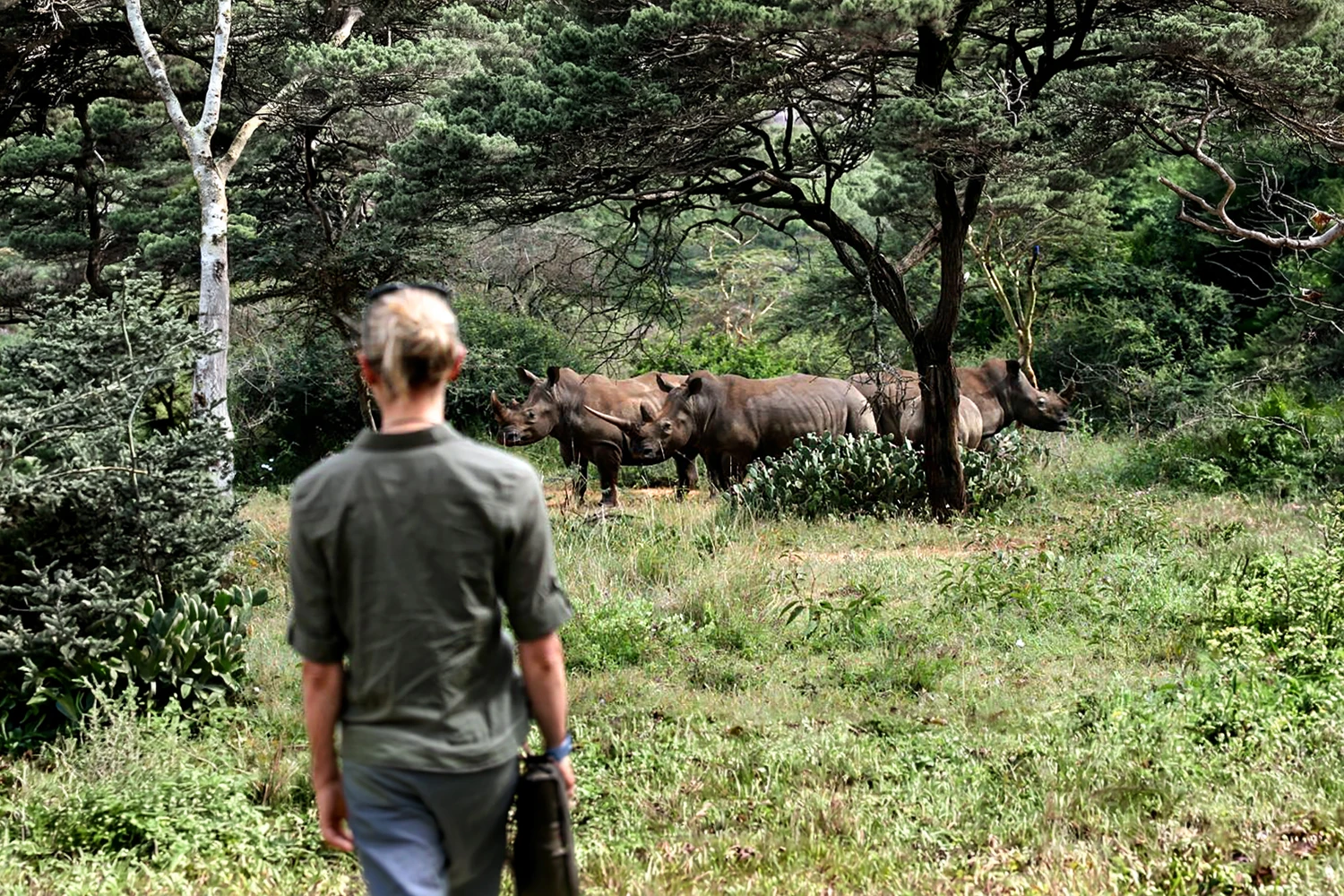
Assess Habitats & Ecosystems
Explore the grasslands and wooded areas where rhinos roam. Document their locations and activities, helping researchers investigate how habitat, available resources and animal behavior are connected.
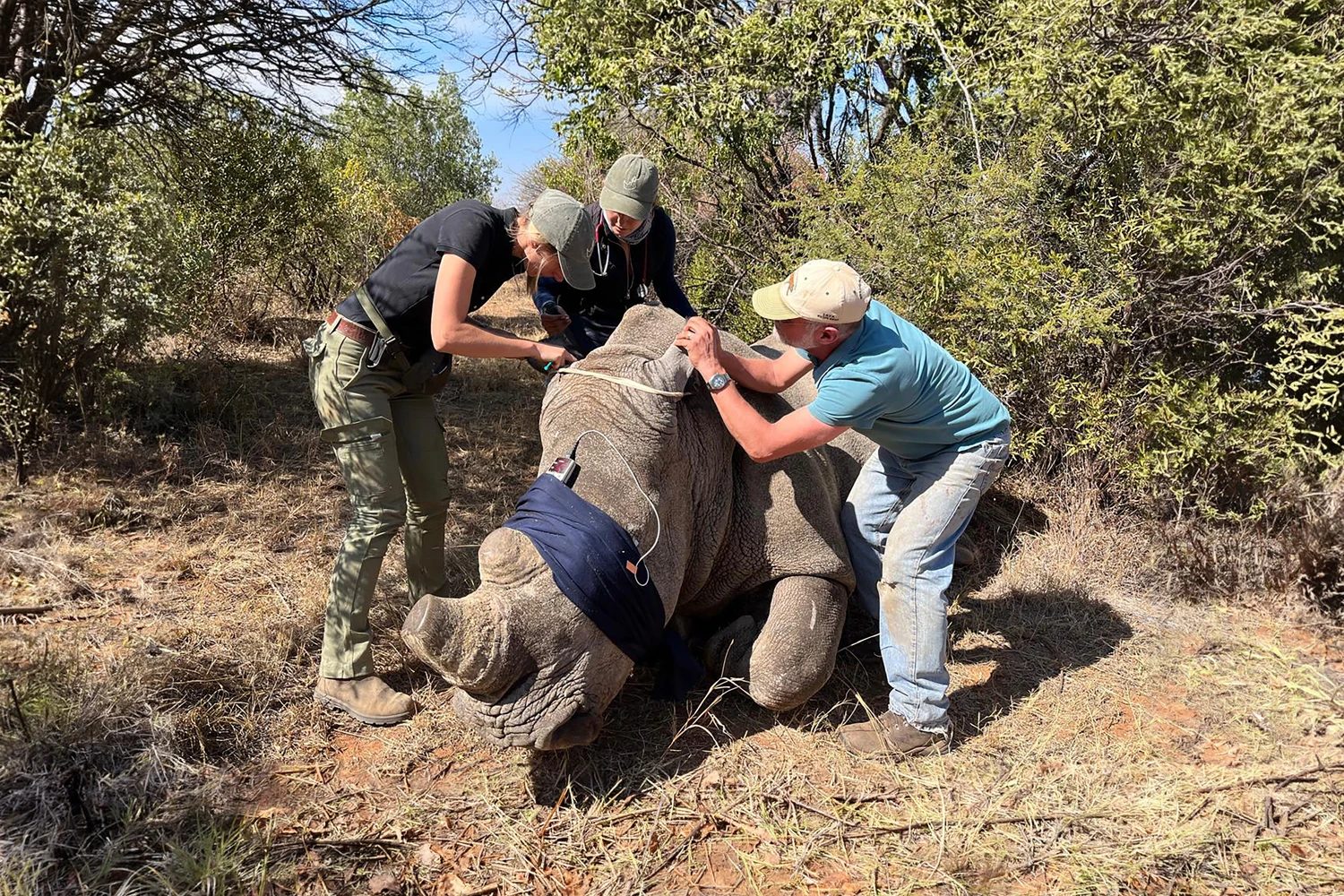
Tag & Measure Wildlife
During a planned horn-trimming operation, get close to a wild rhino under veterinary care. Observe biological monitoring and, when invited, assist with approved measurements under the team's supervision.
Survey Wildlife Populations
Search Greater Kruger's savanna for rhinos and other large mammals, recording sightings and locations. These observations help reveal where animals occur and how they use protected landscapes.
Meet Your Lead Scientist

Ellie Milnes, Ph.D.
Wildlife veterinarian, National Geographic Explorer and zoological medicine specialist Dr. Ellie Milnes studies rhino health and anesthesia, developing safer ways to immobilize these massive animals for veterinary care, research and conservation. Her fieldwork in Africa combines hands-on veterinary techniques with research into the physiological and health challenges facing endangered rhinos.
Read moreResearch Focus
A rhino's horn can make it a target for poachers, but removing it raises questions that go beyond security. Does horn trimming change an animal's territory or social relationships? What are the potential consequences for its welfare? And how can conservation teams balance immediate protection with the long-term needs of wild populations?
In Greater Kruger, researchers are examining these questions while building a clearer picture of rhino ecology. Their findings can help reserve managers evaluate horn trimming alongside other anti-poaching measures, weighing the benefits of reducing poaching risk against potential effects on individual animals and the wider population.
-
Look Beyond the Horn
Horn trimming may deter poachers, but what happens afterward matters, too. Researchers are investigating how the procedure affects rhinos' daily lives, helping conservation teams refine strategies that protect both their welfare and survival.
Conservation Impact
Horn trimming has become an important tool in South Africa's fight against rhino poaching. Research in Greater Kruger has linked horn removal to substantial reductions in poaching, demonstrating its potential when combined with security, wildlife monitoring and other protective measures.
Field research and veterinary expertise help conservation teams refine their approach in five key areas:
Poaching prevention: Horn trimming reduces the incentive to kill rhinos for their horns, complementing patrols and other security measures.
Animal welfare: Veterinary monitoring helps safeguard rhinos during horn-trimming procedures and informs decisions about their care.
Behavioral research: Long-term observations help scientists assess whether horn removal affects rhino movements, territories or social relationships.
Habitat management: Wildlife sightings and location records reveal which areas rhinos use, informing decisions about habitat protection and management.
Long-term protection: Combining field evidence with veterinary and security expertise helps reserve managers evaluate conservation strategies and adapt them as new findings emerge.
Together, these approaches aim to reduce poaching while accounting for the welfare and long-term survival of wild rhino populations.
Your Role in the Research
Set out into Greater Kruger's savanna with local guides and researchers, scanning the bush for rhinos. Once you find one, settle in and watch. Follow its movements, observe how it feeds or rests and record the details of its surroundings. These extended encounters offer something a typical safari rarely does: time to look beyond the initial sighting and understand an individual animal's behavior.
A planned veterinary-led horn trimming brings you close to another side of rhino conservation. If the operation proceeds during your departure, observe how the team prepares, monitors the rhino under veterinary care and carries out the procedure. You may also be invited to assist with approved biological measurements and monitoring.
Together, these experiences reveal the complexity of protecting wild rhinos, from the quiet patience of field observation to the carefully coordinated work of a veterinary team.
Note: Horn-trimming operations depend on veterinary and reserve management needs, weather and animal welfare, so they cannot be guaranteed on every departure.
Life in the Field
Research days in Greater Kruger begin early, when the air is cool and wildlife is active. Travel by 4x4 through grasslands and wooded savanna, watching for rhinos, elephants, lions, leopards and buffalo. Some encounters call for a longer stop, giving you time to follow an animal's behavior rather than simply photograph it and move on.
Field plans follow wildlife movements and the priorities of the research and veterinary teams. One day may be devoted to locating rhinos and documenting their activities. Another may bring the opportunity to participate in a horn-trimming operation. Between outings, return to your safari lodge to rest, compare observations and discuss what you've seen with the people responsible for protecting these animals.
The expedition continues at Tswalu Kalahari Reserve, where red dunes, open grasslands and rocky hills replace Greater Kruger's wooded savanna. Search for desert-adapted black rhinos, cheetahs and meerkats, and venture out after dark for a chance to encounter elusive nocturnal wildlife. The contrast between these two wildernesses offers a memorable look at the different landscapes rhinos inhabit.
Field Conditions
Expect early starts, full research days and time outdoors in South Africa's bush. Travel is primarily by 4x4 safari vehicle on rough tracks, with drives lasting up to two hours at a time and occasional longer journeys. Some activities may involve walking over uneven, grassy or rugged terrain, standing for extended periods and bending or kneeling to assist with approved research tasks.
Research outings may involve walking up to 3–4 miles at a slow pace. Participants should be comfortable carrying personal field equipment, negotiating uneven ground and getting in and out of safari vehicles without assistance.
Winter mornings in Greater Kruger can be cold, particularly on pre-dawn drives, while afternoons may become warm or hot. The itinerary also includes flights aboard small aircraft between wilderness areas. Flexibility is essential, as wildlife movements, weather and veterinary priorities determine how each field day unfolds.