- May–Oct
- 11 days
- Limited to 6 Participants
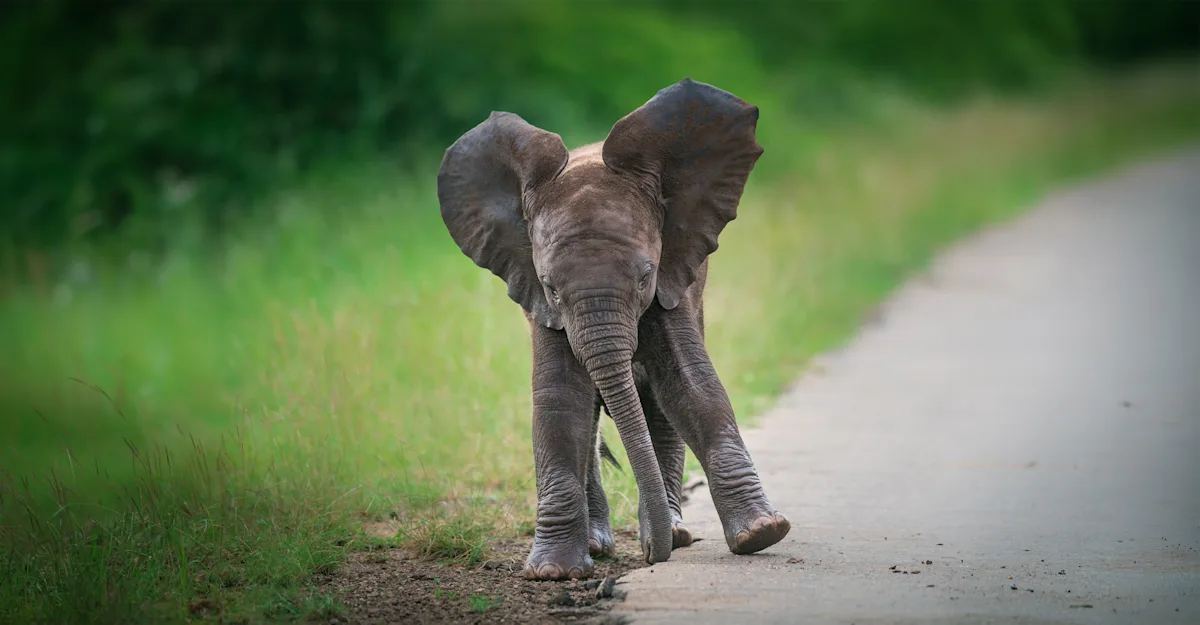
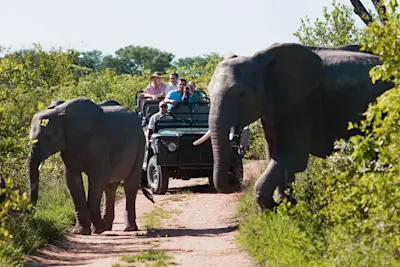
Spend hours with wild elephant herds in South Africa's legendary Hluhluwe-iMfolozi Park, watching calves trail their mothers, bulls roam the savanna and family groups gather. As you get to know these animals, subtle differences emerge: The shape of an ear, a scar or the curve of a tusk can reveal an elephant's identity. With wildlife researchers, photograph and track individual animals, use thermal cameras and rangefinders, and uncover the relationships that connect these extraordinary giants.
From Hluhluwe-iMfolozi's wooded savannas to the sweeping landscapes of the Greater Kruger Ecosystem, search for lions, leopards, rhinos, buffalo and other iconic wildlife on classic African safaris. There, you'll also have a rare opportunity to witness an elephant collaring and assist wildlife veterinarians, helping reserve managers track herd movements and reduce conflict between elephants and nearby communities.
Photo gallery
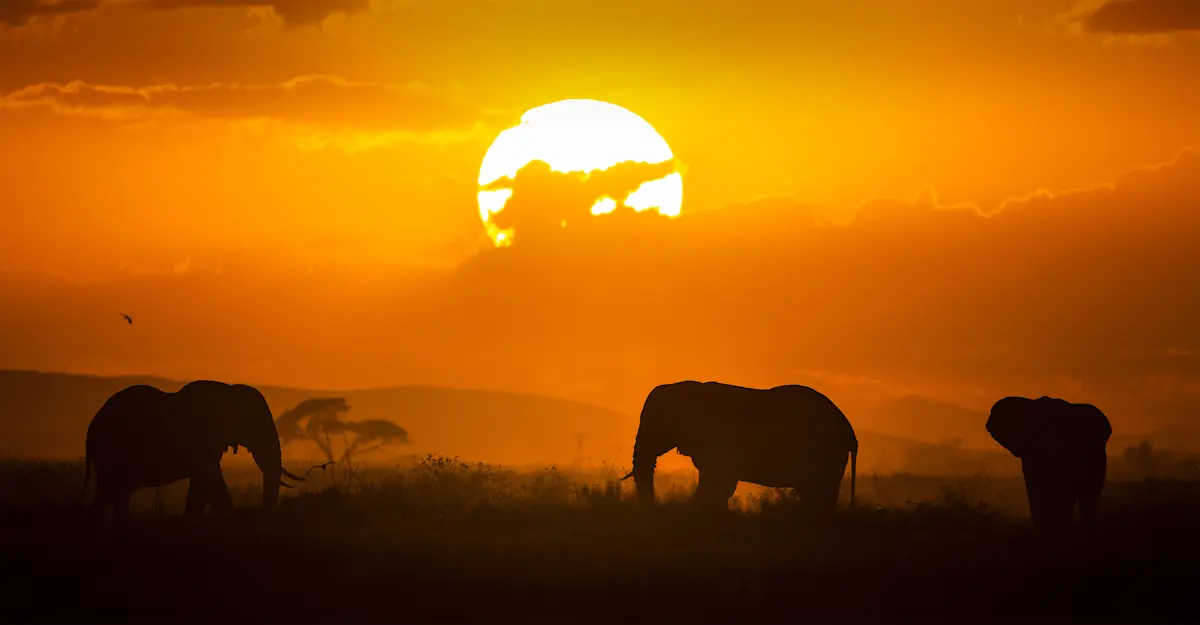
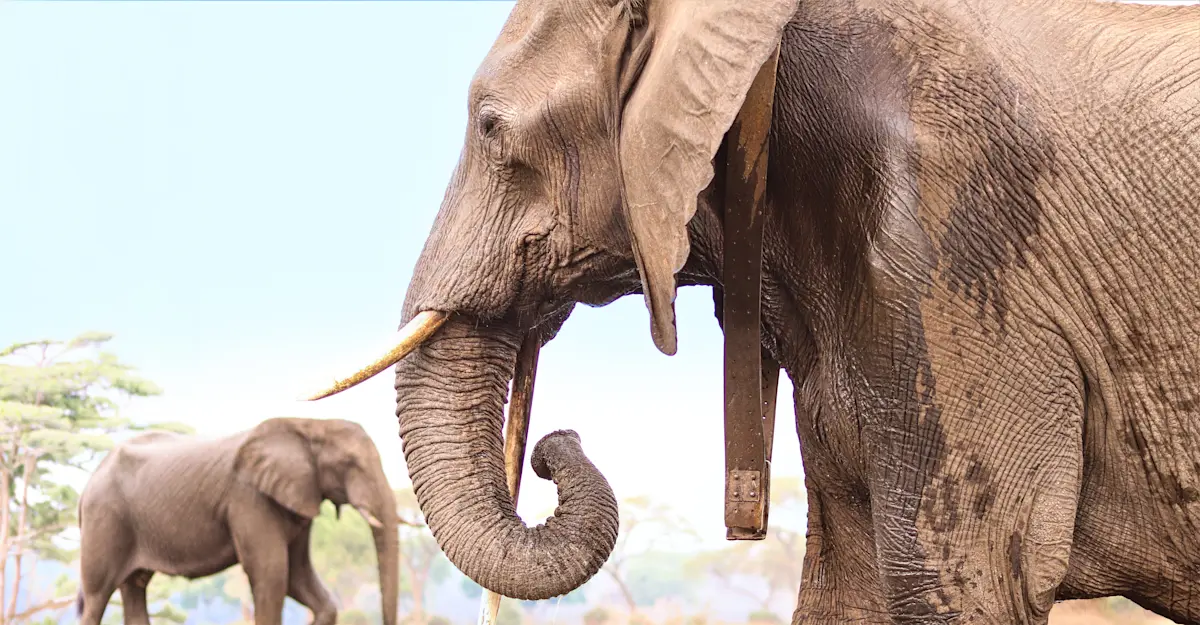
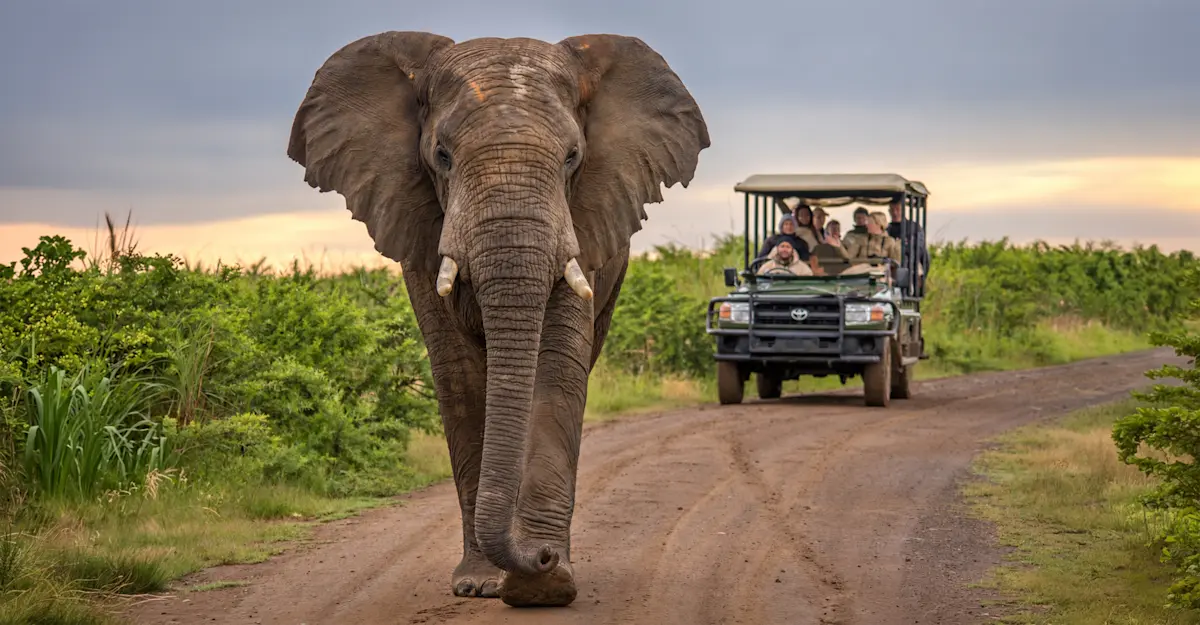
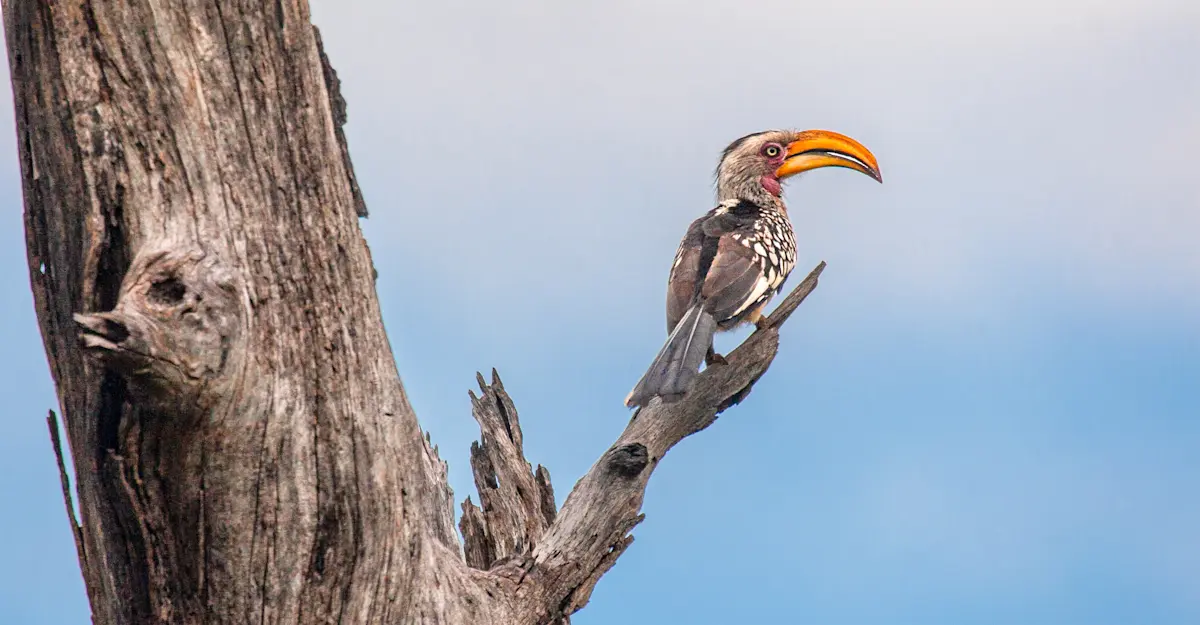
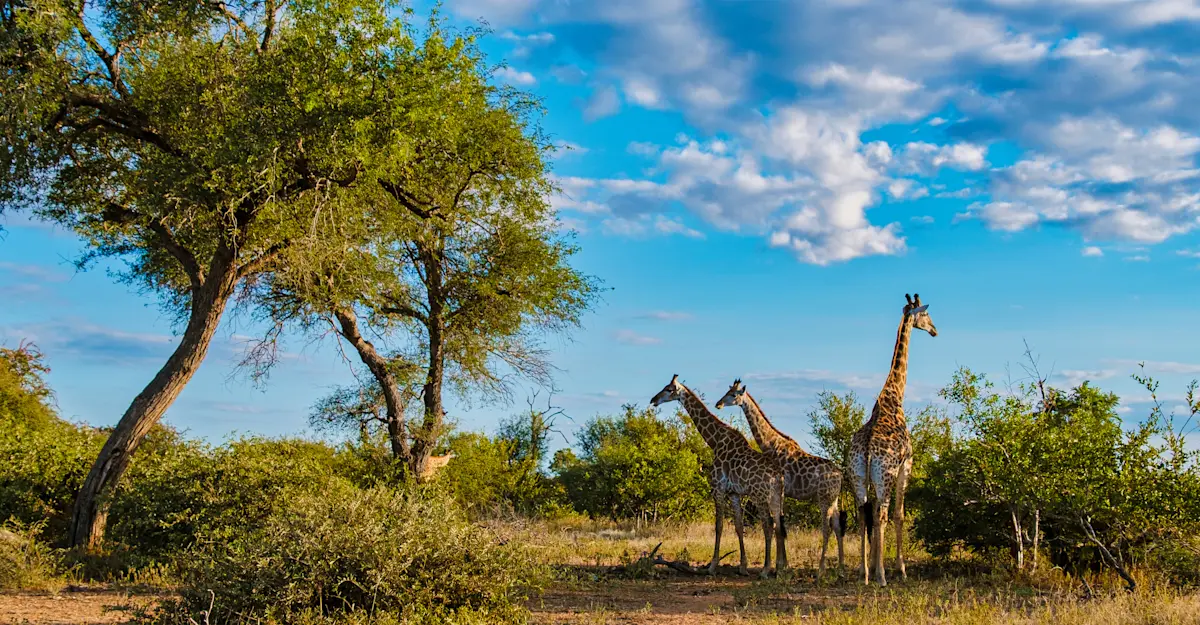
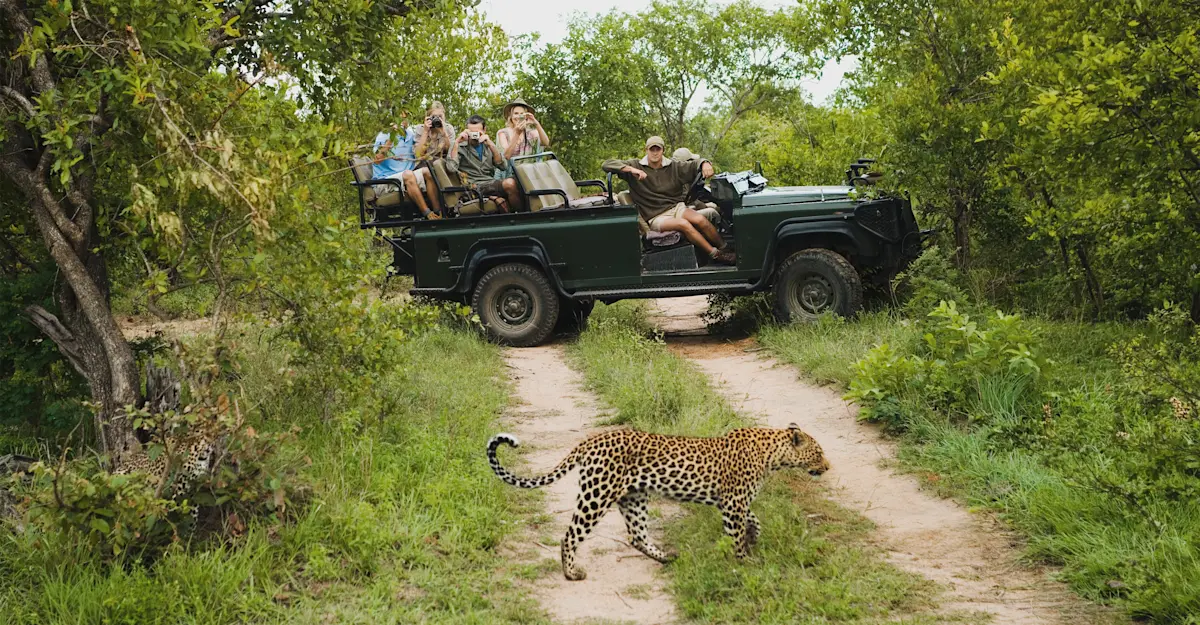
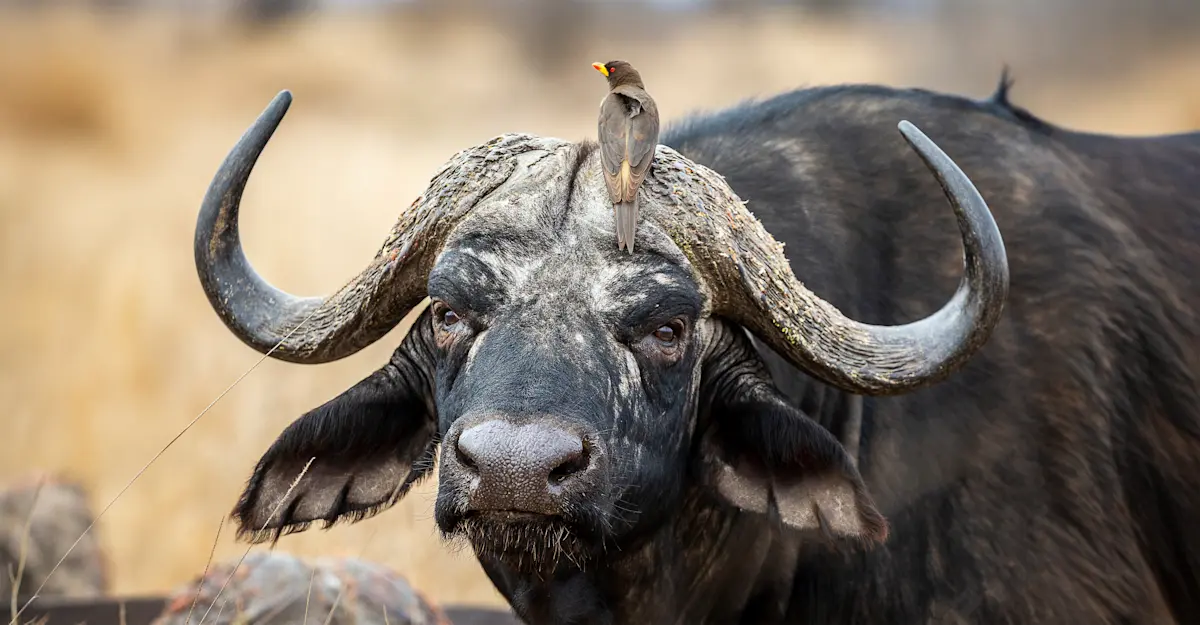
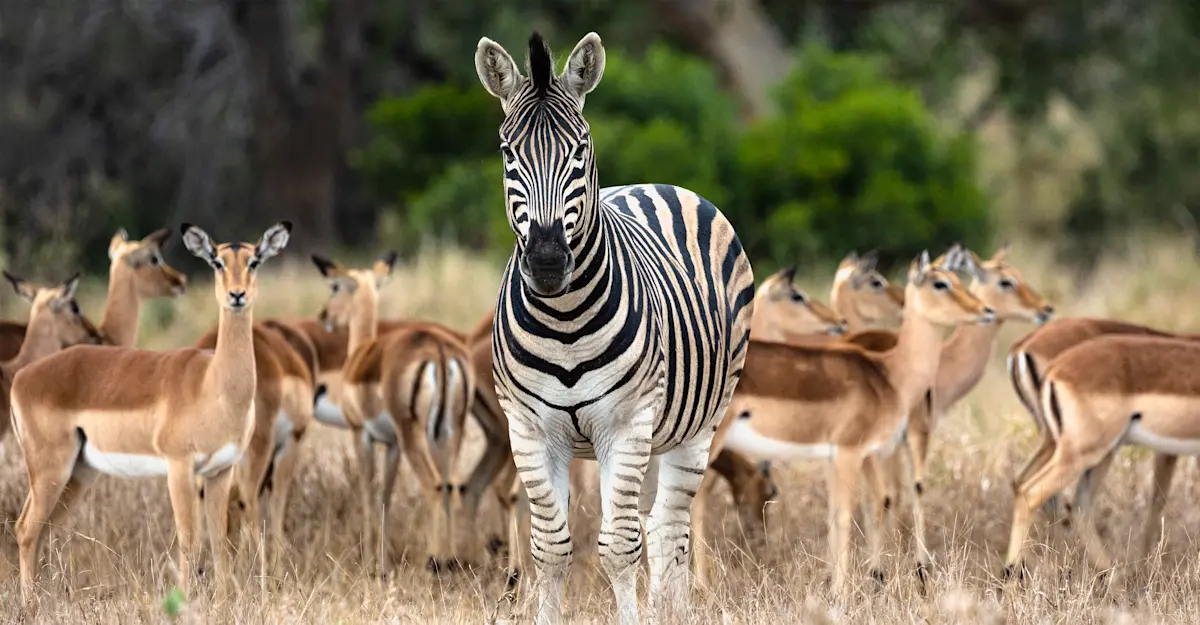
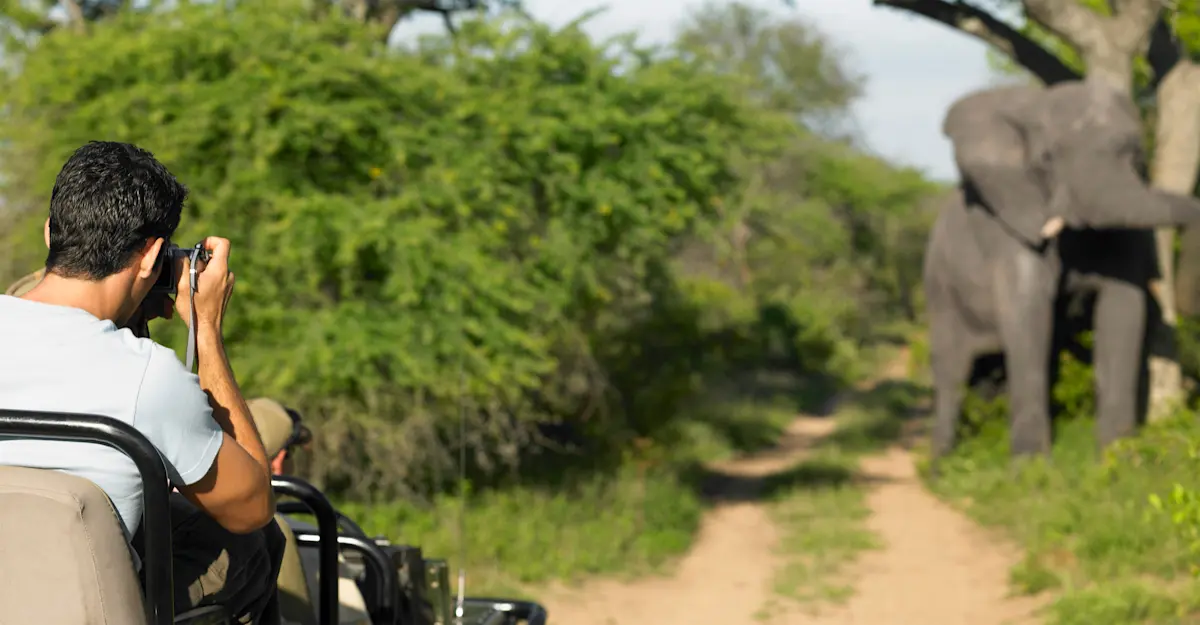
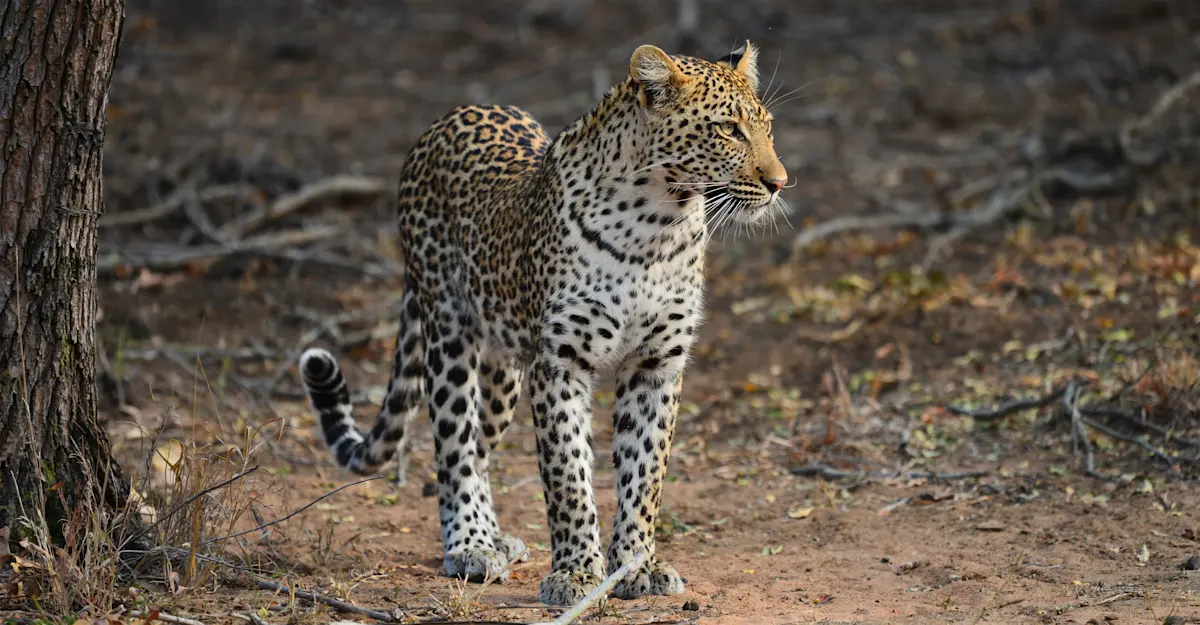
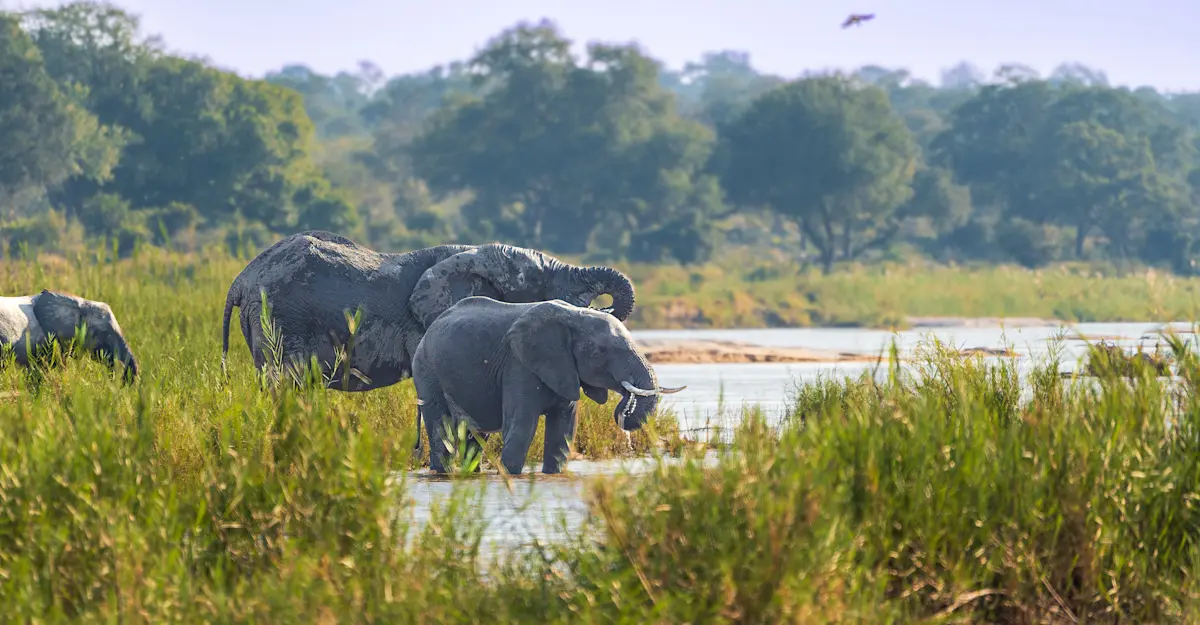
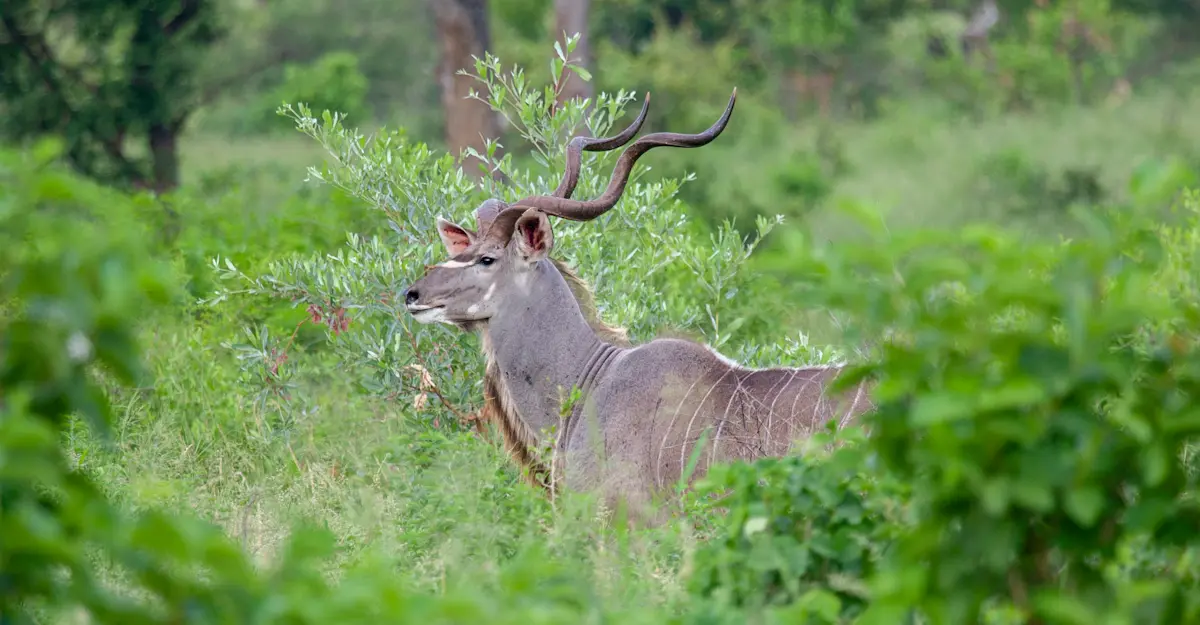
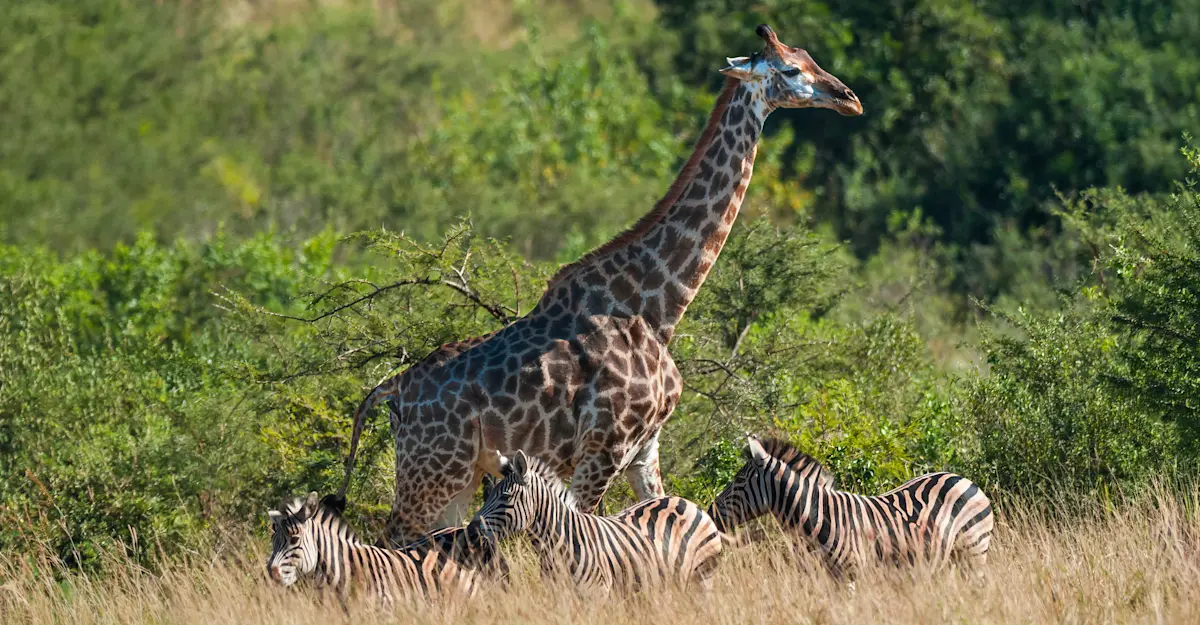
Photo 1 of 13
Research at a Glance
-
The Research Focus
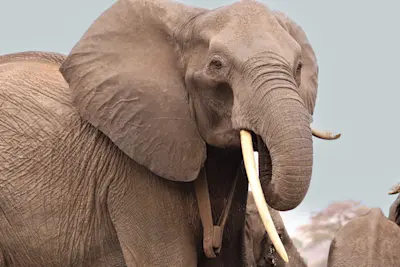
Investigate how elephants use Hluhluwe-iMfolozi Park by identifying individuals, documenting family relationships and tracking behavior and habitat use. Help researchers test new ways to recognize elephants using their unique physical features.
-
What You'll Do
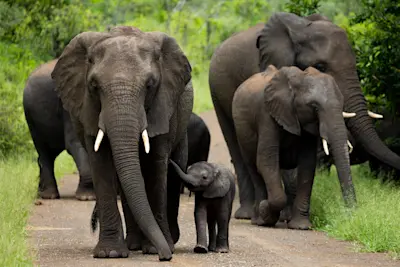
Spend hours observing elephant herds from safari vehicles. Photograph distinctive ears, tusks and scars, record calf interactions and social behavior, and use thermal cameras, rangefinders and GPS to collect detailed field observations.
-
Why It Matters
Following individual elephants reveals how family groups interact, where they travel and which habitats they favor. These records help wildlife managers make targeted decisions about elephant populations and their protection.
Meet Your Lead Scientists

Elizabeth le Roux, Ph.D.
Park Ecologist, Hluhluwe-iMfolozi Park, South Africa
Large Mammal Ecology, South Africa
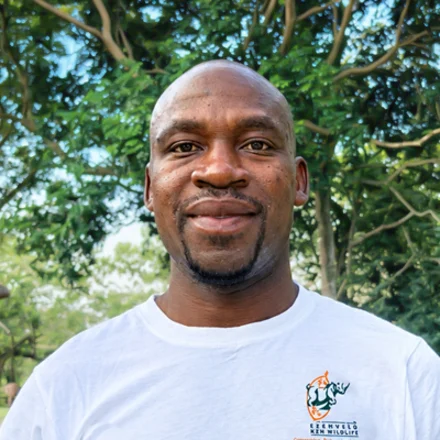
Siphesihle "Sphe" Mbongwa, MSc, PGDPM
Control Technician and Acting Park Ecologist, Hluhluwe-iMfolozi Park, South Africa
Wildlife Monitoring, South Africa
Expedition Highlights
-
Get to Know South Africa's Wild Elephants
Spend hours observing elephant families in Hluhluwe-iMfolozi Park, learning to recognize individuals by their ears, tusks and scars. Photograph these distinctive features, record interactions between mothers and calves, and help researchers piece together the lives of elephants across generations.
-
Assist With an Elephant Collaring
Venture into the Greater Kruger Ecosystem for a rare behind-the-scenes wildlife encounter. Watch veterinarians fit an elephant with a tracking collar and help with essential tasks right alongside them, from monitoring vital signs to keeping the animal cool, as conditions allow.
-
Search for Africa's Big Five
Explore two of South Africa's celebrated wildlife regions on safari, from Hluhluwe-iMfolozi's wooded savannas to the Greater Kruger Ecosystem. Watch for lions, leopards, rhinos and buffalo alongside the elephants, with opportunities to encounter giraffes and other iconic African wildlife.

Spend Hours with Wild Elephant Herds
Follow elephant families through Hluhluwe-iMfolozi Park, watching calves, mothers and bulls as their daily routines unfold across the savannaLearn to Recognize Individual Elephants
Look beyond the herd to identify elephants by the shape of their ears, the curve of their tusks and distinctive scars, building a deeper connection to the animals you encounterCapture Clues with Field Research Tools
Use cameras, rangefinders and GPS to document elephant behavior, locations and family relationships, contributing observations to a growing database of individual animalsExperience the Rhythm of an African Safari
Set out on early morning drives, scan wooded hillsides for movement and watch the savanna come alive with wildlife beyond the elephant herds you're studyingExplore Hluhluwe-iMfolozi's Wild Landscapes
Discover wooded savannas, open grasslands and rolling hills in Africa's oldest formally protected area, where elephant research unfolds amid a diversity of wildlifeDiscover the Science Behind Elephant Families
Observe how mothers, calves and other herd members interact, helping researchers build individual life histories and understand the bonds that connect elephant familiesWitness Wildlife Tracking Technology in Action
Observe an elephant collaring with wildlife veterinarians, assist with supportive tasks as conditions allow and discover how GPS collars and emerging AI identification methods help researchers follow individual elephantsWake Up in the Heart of Elephant Country
Stay at safari lodges within Hluhluwe-iMfolozi Park, where observation decks offer opportunities to watch passing wildlife, then continue to a comfortable lodge in the Greater Kruger Ecosystem with private bush stands and easy access to the collaring operationTravel with an Experienced Expedition Leader
Benefit from the guidance of an Expedition Leader who helps connect the wildlife encounters, research activities and daily discoveries throughout your journeyJoin a Group of Just Six Guests
Travel with no more than six like-minded guests, allowing more time and flexibility for field observations, questions and conversations while building connections with fellow travelers and researchers through shared discoveries