Research & Impact
Spend days immersed in the lives of wild elephant herds in South Africa's Hluhluwe-iMfolozi Park, learning to recognize individual animals and uncover the family bonds and relationships that most safari travelers glimpse only briefly. Capture detailed photographs for a pioneering identification project, using thermal cameras and rangefinders to help researchers piece together the lives of elephants roaming this historic reserve. Then venture into the Greater Kruger region for a rare opportunity to assist wildlife veterinarians during an elephant collaring operation, witnessing the precision and care involved in fitting a wild elephant with a tracking collar.
What You'll Do in the Field
Click a photo to expand details
Observe Animal Behavior
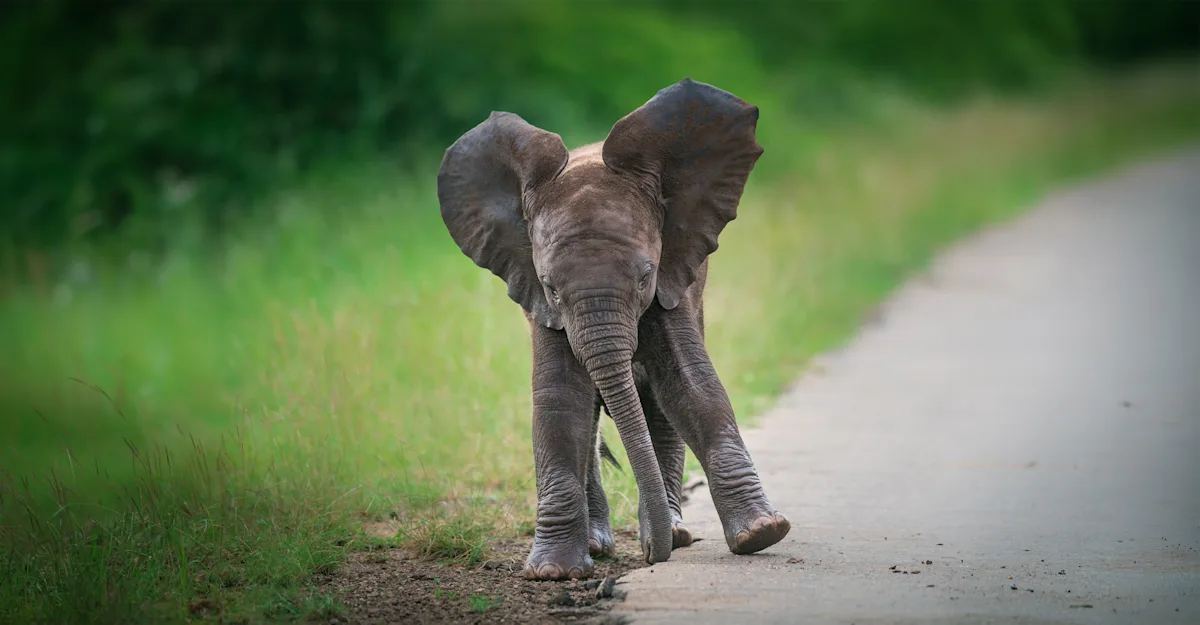
Stay with elephant herds for extended periods, documenting feeding, movement and social interactions. Identify mothers and calves, note family bonds and watch how elephants respond to one another.
Survey Wildlife Populations
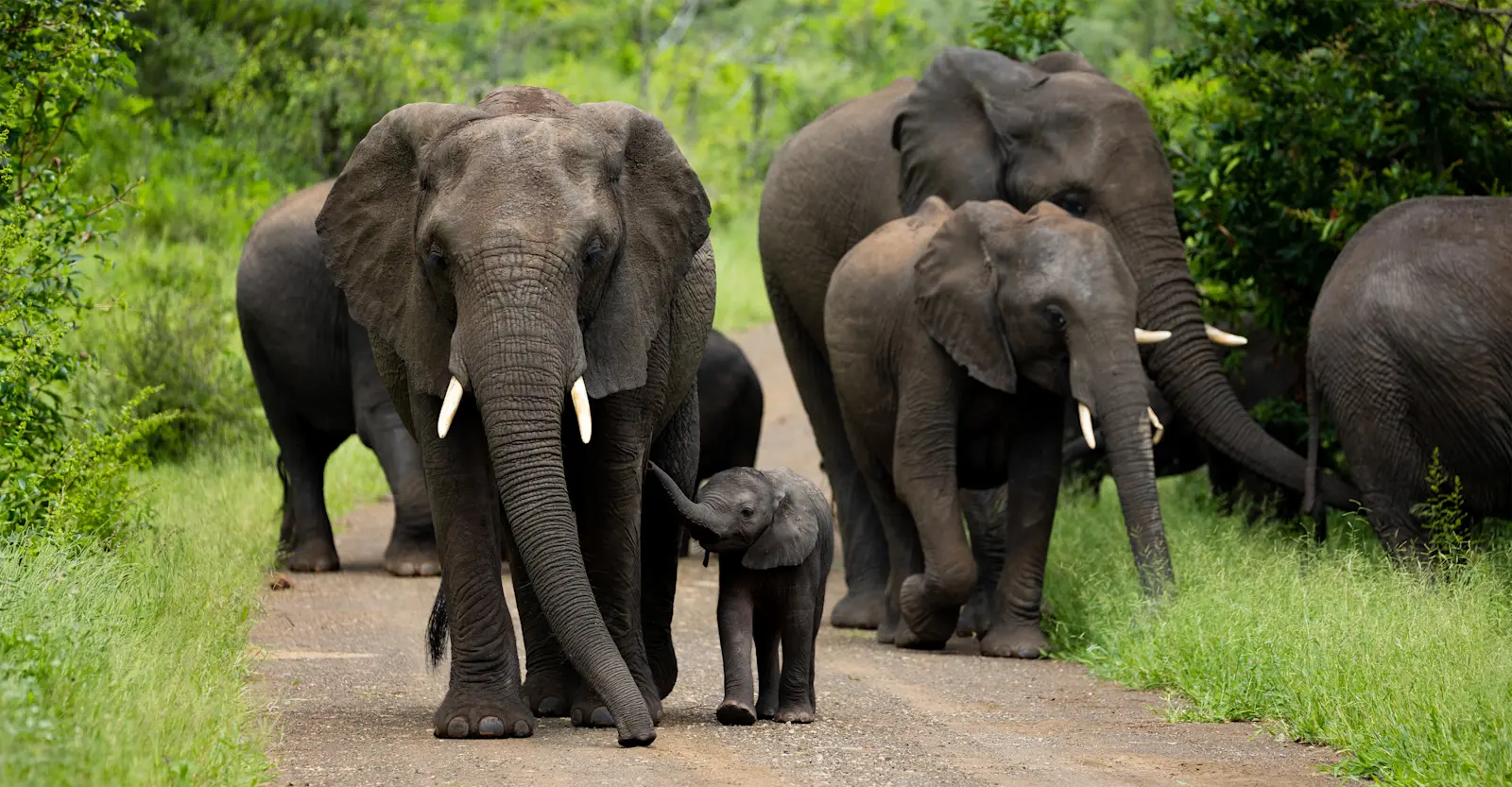
Search for elephant herds along research routes, recording group size, age classes and sex composition. Use thermal imaging and rangefinders to improve counts and estimate elephant size from a distance.
Assess Habitats & Ecosystems
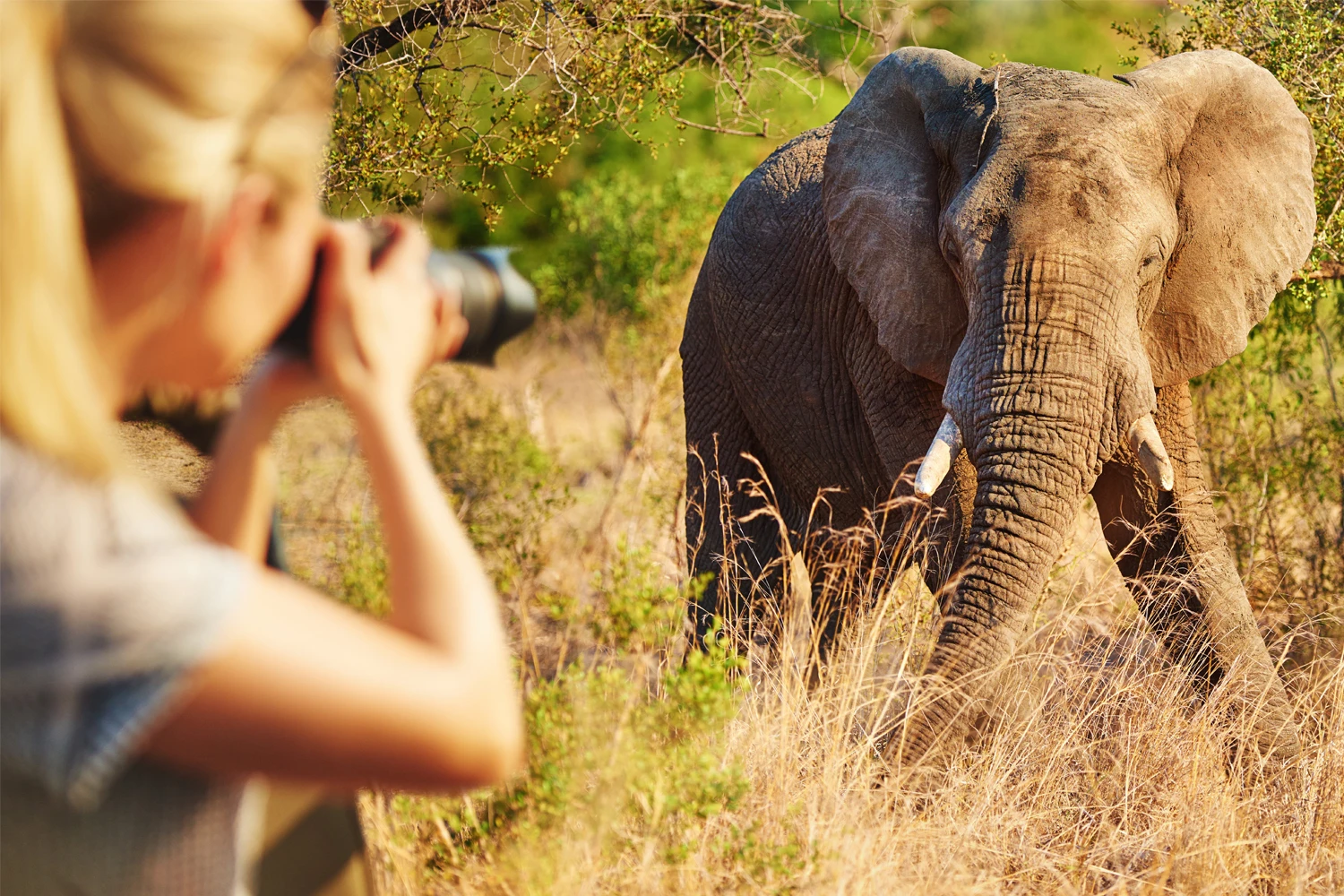
Explore Hluhluwe-iMfolozi's wooded savannas and grasslands, noting vegetation, water sources and habitat conditions where elephants gather. Record GPS locations to investigate how different animals use the landscape.
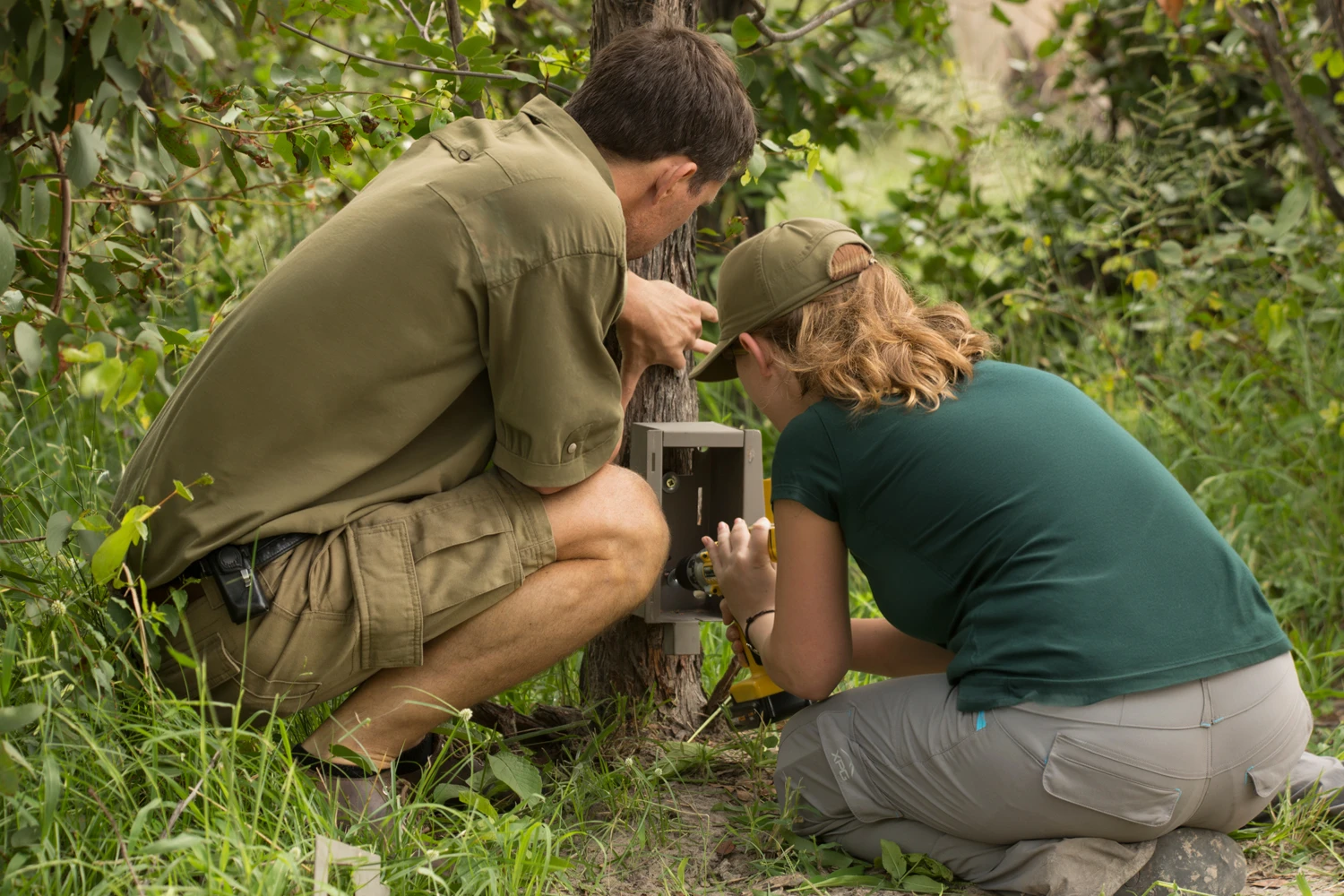
Deploy Camera Traps & Acoustic Recorders
Capture standardized photographs of identifying features, including ears, tusks, eyes and skin patterns. Review images and match them with field observations to expand a database supporting AI-assisted elephant identification.
Meet Your Lead Scientist
Elizabeth le Roux, Ph.D.
Dr. Elizabeth le Roux has extensive experience studying how grazing mammals shape savanna ecosystems, with research spanning biodiversity, nutrient cycles and fire behavior. Her work helps guide conservation approaches that protect ecological processes while supporting the pastoral communities that share these landscapes.
Research Focus
Most elephant monitoring focuses on entire populations because recognizing the same animal across large, free-ranging herds is difficult. In Hluhluwe-iMfolozi Park, researchers are developing another approach: combining standardized photographs, natural markings and social associations with emerging AI technology to recognize elephants across repeated encounters.
Over time, these records could reveal how elephants form friendships, raise calves, travel through the reserve and respond to different habitats. Connecting identity with behavior and movement could help conservation managers tailor decisions to particular animals rather than relying solely on population-wide measures.
-
See the Individual Behind the Herd
Imagine recognizing an elephant you photographed days earlier, then discovering where it has traveled or which companions have joined it. Each new sighting adds detail to an emerging life history, helping scientists understand the relationships and movements that a single safari encounter could never reveal.
Conservation Impact
Elephant populations are often managed using broad measures, but the animals within them have distinct histories, social bonds and habitat preferences. This project aims to give conservation teams a closer understanding of those differences.
Build individual life histories: Add field observations to a growing catalog designed to follow elephants across years.
Reveal social networks: Document recurring associations and family bonds to understand how herds are organized.
Advance AI identification: Supply photographs that could help train computer-vision systems to recognize natural markings.
Map habitat use: Log sighting locations and environmental conditions to trace where different animals travel.
Strengthen wildlife monitoring: Support research and collaring efforts that inform conservation decisions.
As the catalog grows, researchers hope to connect the lives of individual elephants with broader patterns of movement and habitat use, creating a stronger foundation for wildlife management.
Your Role in the Research
Become part of a six-person field team gathering the details that allow researchers to recognize wild elephants across repeated encounters. After training in scientific observation techniques, take turns using rangefinders, thermal cameras and specialized photography to identify animals, estimate their size and document herd composition. Record GPS locations, habitat conditions and social associations, building a detailed picture of each encounter. Your photographs and observations expand a growing identification database and support research into whether AI can distinguish elephants by subtle physical features. It's an opportunity to contribute to a new approach to elephant monitoring, one that could eventually follow individuals throughout their lives. In the Greater Kruger region, take on a different kind of fieldwork during a planned elephant collaring operation. Under the direction of wildlife veterinarians, you may assist with measurements, vital-sign monitoring and weather observations, gaining firsthand experience of the procedures used to support elephant tracking and management.
Life in the Field
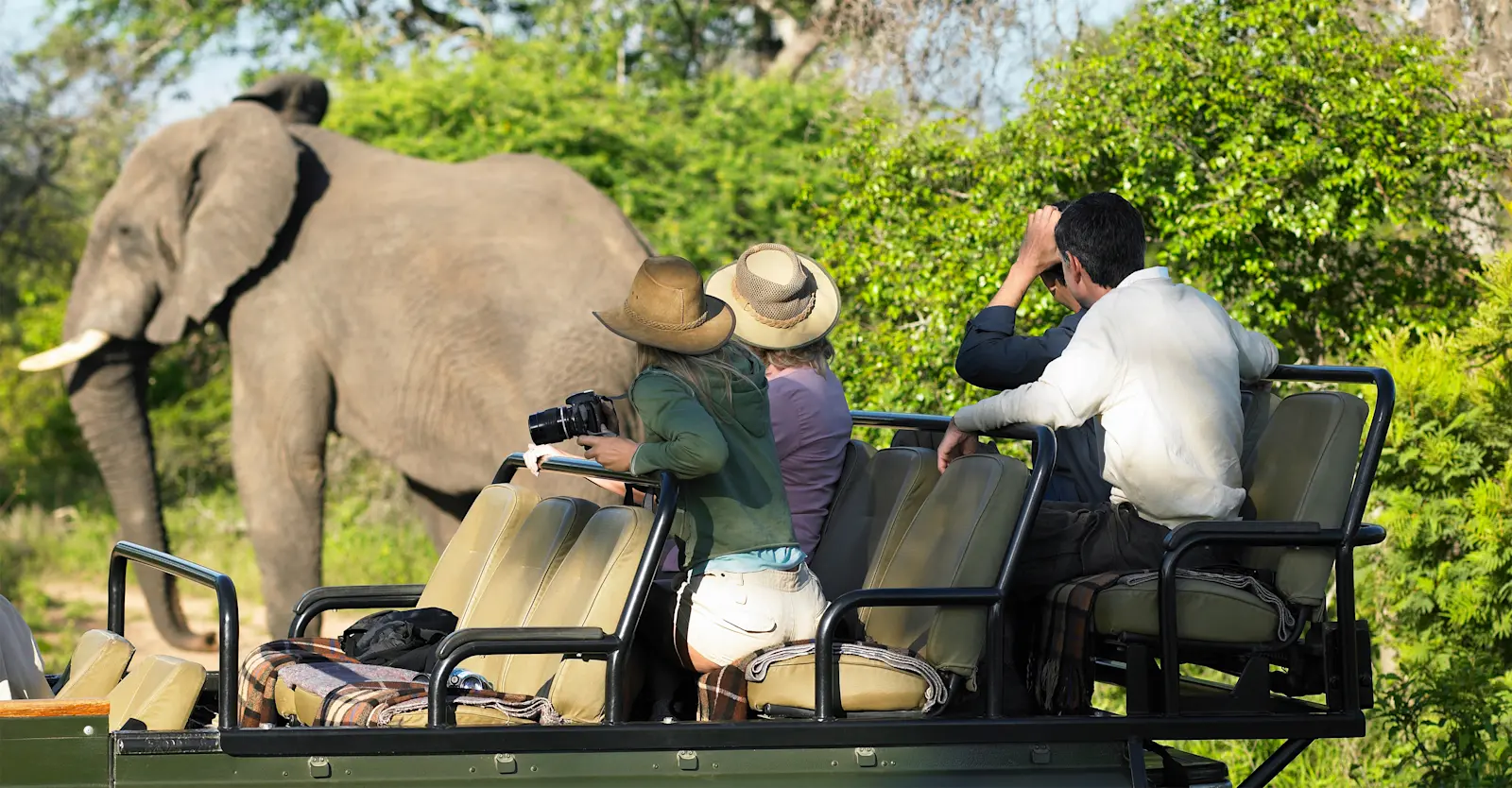
Head into Hluhluwe-iMfolozi Park around dawn, when the bush is stirring and the first light reaches the wooded hills. A herd may appear around a bend in the road or emerge from the trees near a water source. Instead of moving on after a few photographs, settle in for an extended encounter, watching calves weave between adults and elephants greet familiar companions. The pace is dictated by the animals. Some mornings bring hours with a single herd; others unfold as a search through grasslands and wooded savanna. Along the way, watch for white rhinos, giraffes, buffalo and the possibility of lions, leopards or African wild dogs. With only six travelers, the expedition retains the feel of a small field team. Stay in both the northern and southern sections of the park, returning from the bush for sundowners, locally catered meals and evenings at the lodges. The final days take you to the Greater Kruger region, where sweeping savannas set the stage for classic safari drives. Search for the Big Five across this celebrated wildlife landscape, with the chance to encounter lions, leopards and other iconic animals beyond the elephant herds you've come to know so well.
Field Conditions
Most research takes place from safari vehicles, with occasional work on foot. Expect early starts, full days outdoors and extended periods observing wildlife. The expedition is rated moderate in difficulty.
Walking & Terrain: Be prepared to walk up to 1 mile over uneven, rocky ground. Some activities may require bending, kneeling, standing for extended periods or getting down to ground level and standing up without assistance.
Vehicles & Travel: Research and game drives involve long periods in open safari vehicles on bumpy, often unpaved roads. Travelers must be comfortable climbing into elevated vehicles. Transfers between regions may involve small aircraft.
Weather & Temperature: In Hluhluwe-iMfolozi, average daytime temperatures range from approximately 73–79°F, with nights around 52–63°F during May–October. In the Greater Kruger region, days generally range from 75–79°F in cooler months to 86–91°F by October, with nights around 41–66°F. Rain is uncommon from May through August, though showers become more possible in September and October.
Wildlife Safety & Flexibility: Research routes and schedules depend on elephant movements, weather and field priorities. Travelers must be able to follow safety instructions promptly and move quickly back to a vehicle if necessary. The collaring operation is subject to animal welfare, veterinary and operational considerations.