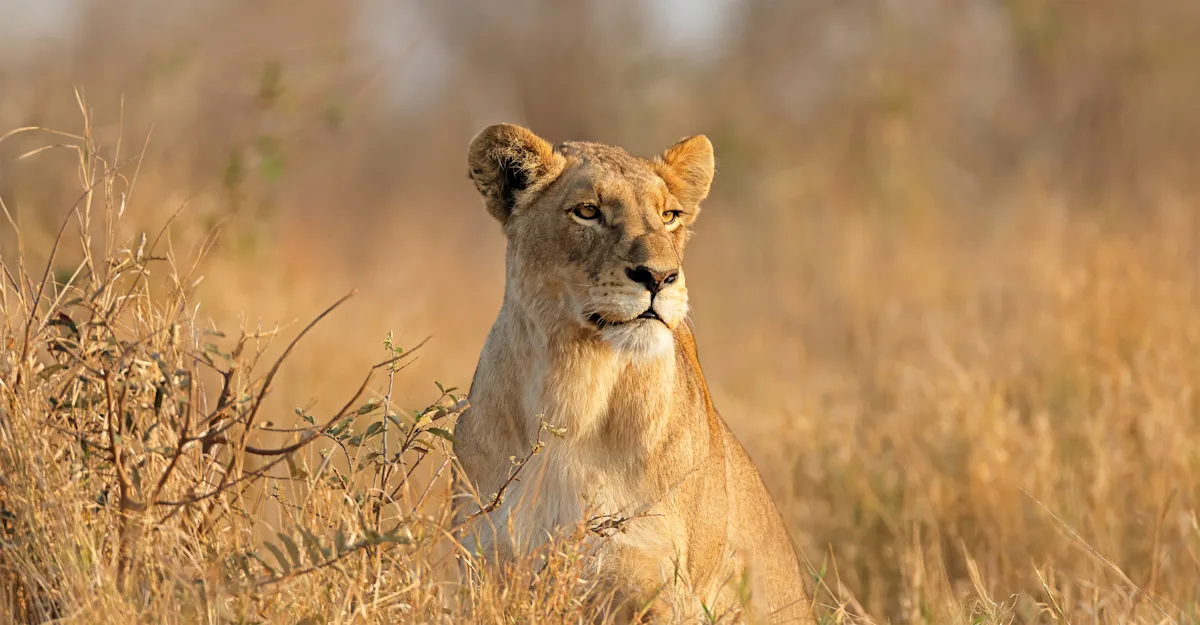
Africa's oldest game reserve, Hluhluwe-iMfolozi Park is a landmark of rhino conservation, renowned for helping bring the southern white rhino back from the brink of extinction. Today, this storied South African wilderness remains an important stronghold for endangered black rhinos, sheltering both rhino species alongside elephants, buffalo and giraffes. Lions, leopards, cheetahs, spotted hyenas and endangered African wild dogs also roam the reserve, making it one of the continent's most compelling wildlife destinations.
Experience the park from every angle, venturing out on foot with your own dedicated armed field ranger and heading deeper into Big Five country on safari drives. Follow routes closed to regular visitors, read tracks and watch for wildlife among rolling grasslands, wooded hills and river valleys. When animals appear, observe their behavior and record sightings for the park's long-running wildlife census. Here, you're not just watching wildlife from a distance—you're helping researchers understand the animals you've come to see.
Photo gallery
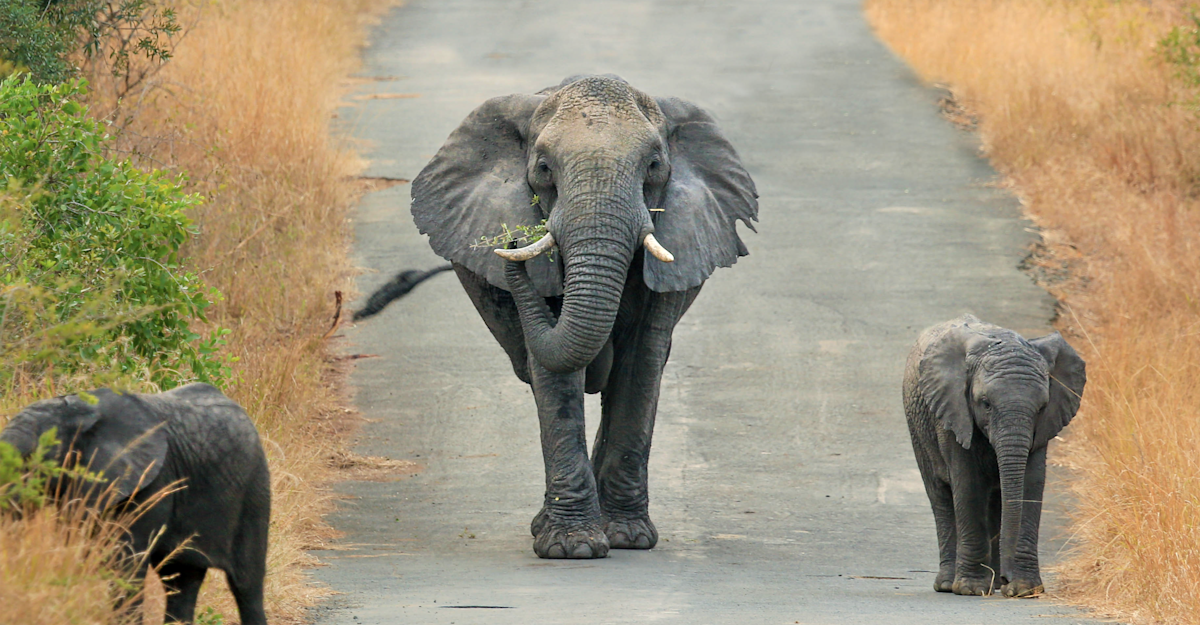

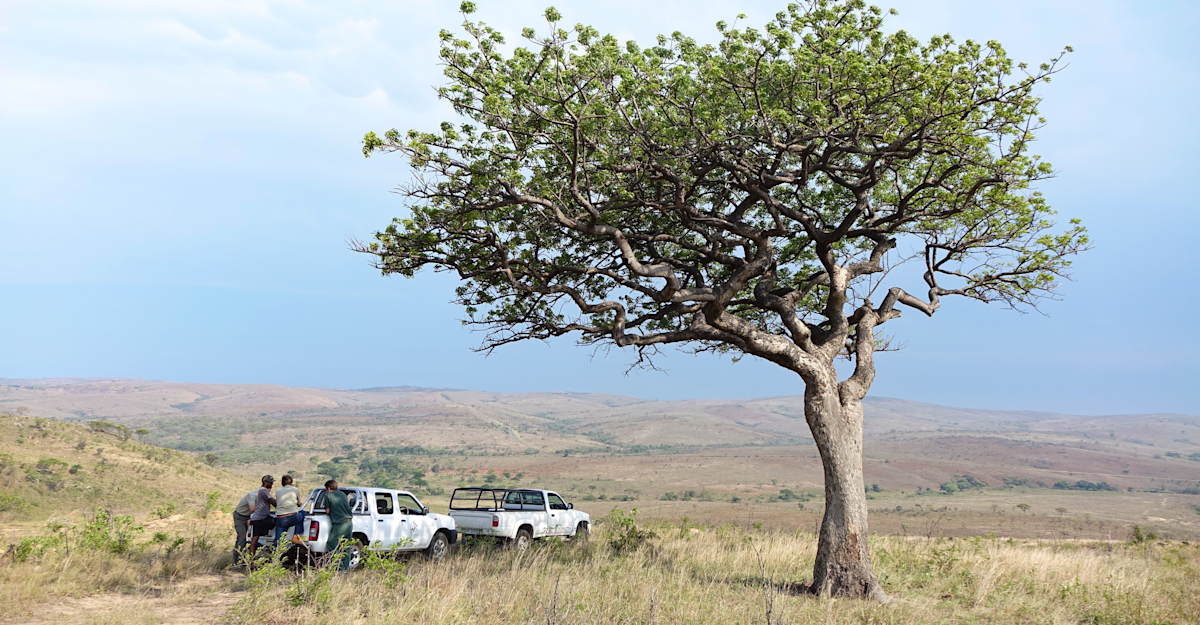
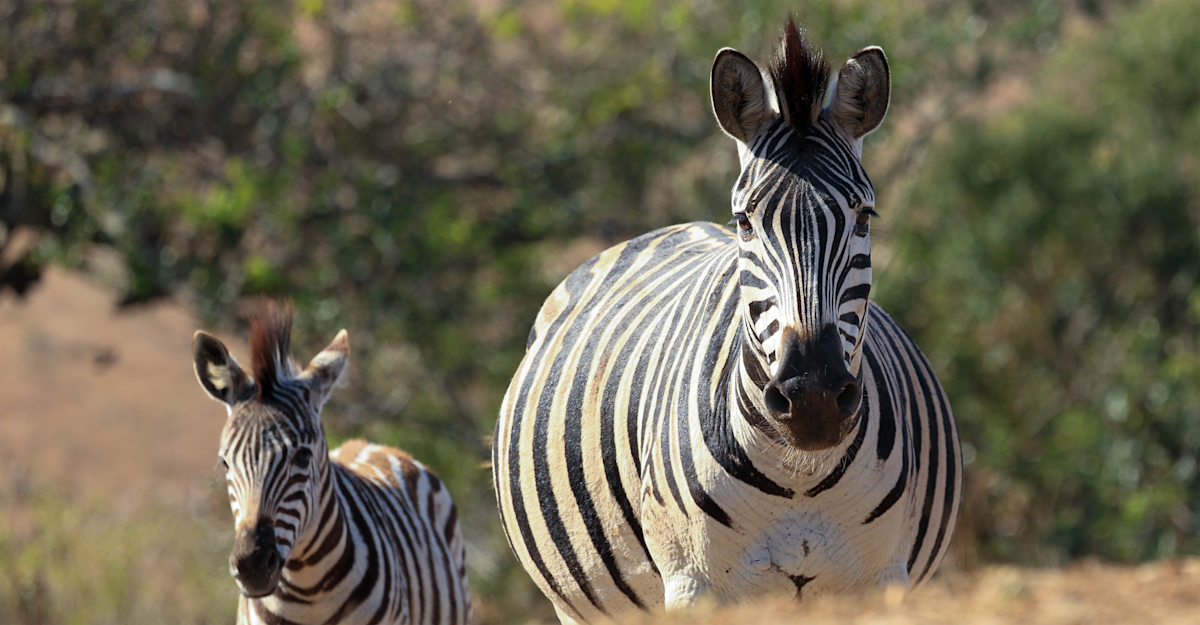
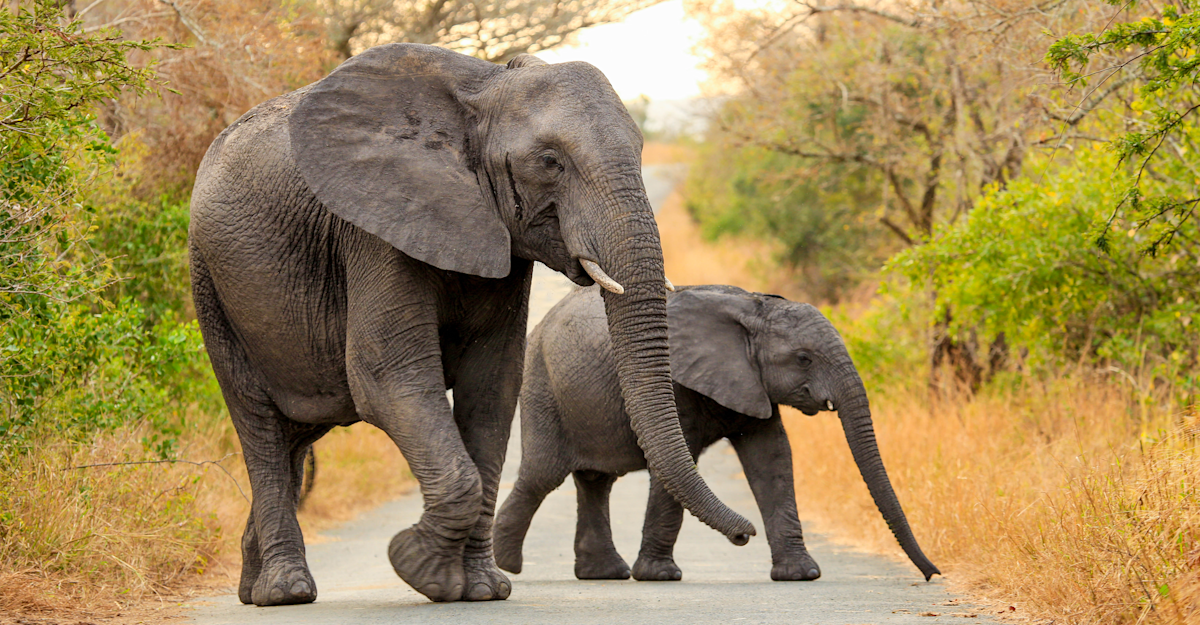
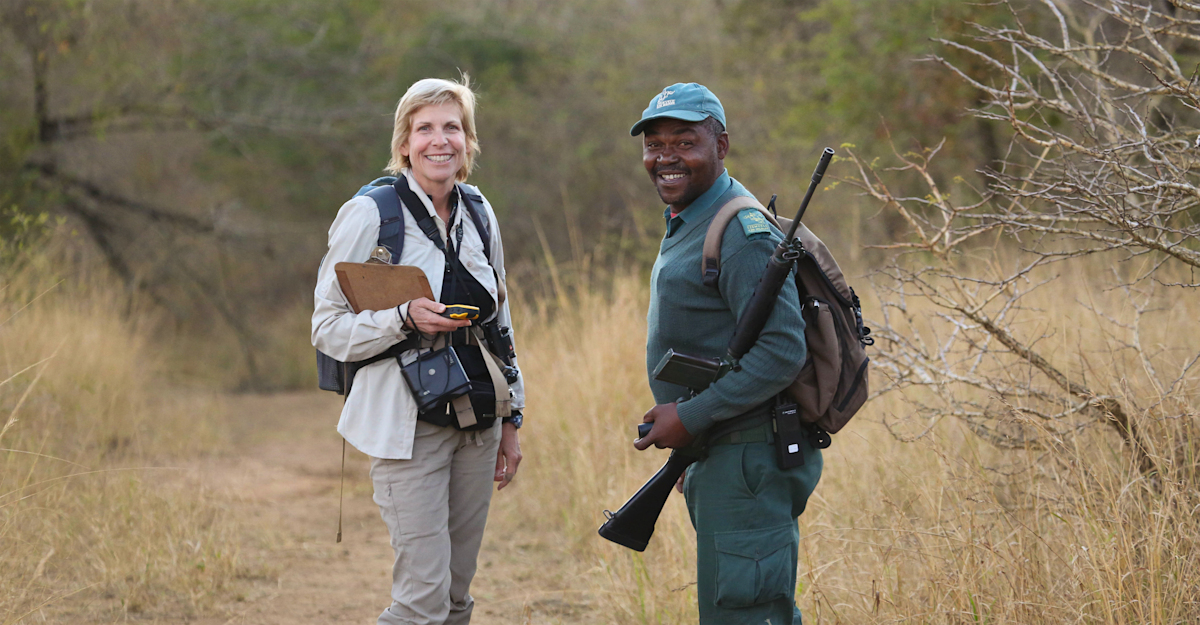
Photo 1 of 11
Research at a Glance
Your Role in Research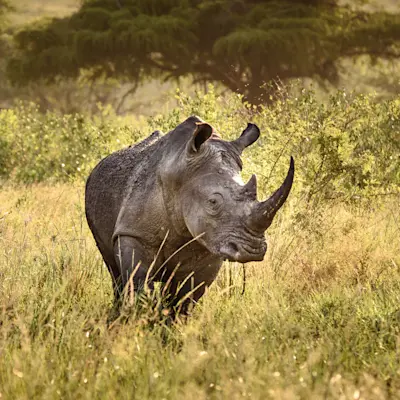
The Research Focus
Track wildlife across Hluhluwe-iMfolozi Park, from rhinos and antelope to lions and other predators, helping researchers understand population trends and how animals use the landscape.
What You'll Do
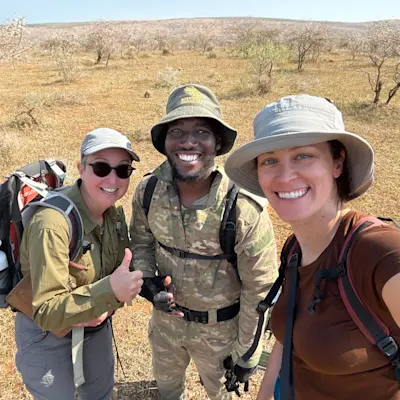
Travel remote survey routes on foot, identifying wildlife and recording species, herd size, behavior and location, along with vegetation and weather conditions at each sighting.
Why It Matters
Your observations contribute to the park’s wildlife census, helping ecologists monitor endangered black rhinos and other mega herbivores, understand predator-prey relationships and make wildlife management decisions.
Expedition Highlights
-
Explore Big Five Country on Foot
Enter the bush with expert field rangers, following tracks, listening for animal calls and watching for wildlife ahead. Traveling at ground level heightens your awareness of every sign and sound as you learn to read the same clues your rangers use in the field.
-
Search for Rhinos, Elephants & Predators
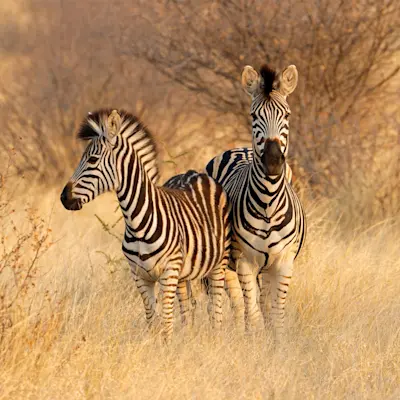
Discover Hluhluwe-iMfolozi on foot and by safari vehicle, looking for white and black rhinos, elephants, giraffes, buffalo and zebra. Keep watch for lions, leopards, cheetahs, spotted hyenas and endangered African wild dogs as you travel through one of South Africa’s richest wildlife areas.
-
Venture Beyond the Usual Safari Routes
Follow research routes into sections of the park closed to regular visitors, exploring grasslands, thornveld, forest patches and river valleys far from the usual safari circuit. Traveling these routes on foot gives you access to parts of Hluhluwe-iMfolozi few visitors experience.

Walk Where Rhinos, Elephants & Lions Roam
Explore Big Five habitat on foot with your own dedicated armed field ranger, alert to tracks, animal calls and movement in the bush. With just six travelers, there's ample opportunity to ask questions, learn to interpret wildlife behavior and discover what makes this landscape extraordinary.
Turn Wildlife Encounters Into Vital Data
Spot a rhino on a distant hillside or come upon a herd of buffalo, giraffes or antelope, then take a closer look. Record species, herd size, location and behavior, adding each sighting to Hluhluwe-iMfolozi’s official wildlife census.
Search for Africa’s Elusive Predators
Scan the bush for lions, leopards, cheetahs, spotted hyenas and endangered African wild dogs, watching for tracks and other signs when the animals themselves stay hidden. Each clue adds to the anticipation—and your observations help researchers study predator-prey relationships within the park.
Learn to Read the African Bush
Train with field rangers to identify wildlife by appearance, tracks, signs and behavior, then put those skills to use each morning. Learn how to scan the terrain, spot subtle signs of wildlife and travel safely through habitat shared with large mammals and predators.
Map Wildlife as You Find It
When animals appear, pinpoint their location with GPS, measure their distance with a rangefinder and record details about the surrounding habitat. Combined with sightings gathered throughout the park, your observations help researchers track where wildlife is found and how populations change over time.Safari Through Rhino Country
Set out by safari vehicle to cover more of Hluhluwe-iMfolozi, photographing wildlife among wooded hills, open grasslands and water sources. The dry winter season brings thinner vegetation and animals gathering near permanent water, creating prime conditions for searching out the park’s rhinos, elephants, predators and herds.
See Rhino Conservation Where History Was Made
Search for white and black rhinos in a reserve renowned for helping save the southern white rhino from near-extinction. See how wildlife monitoring continues that legacy today, helping managers protect black rhinos and make decisions about the park’s wildlife populations.
Stay Deep Inside the Reserve
Make Hluhluwe-iMfolozi your home, sleeping within the protected wilderness you explore each day. Take in sweeping views of the Black Umfolozi River valley from Hilltop Camp, then stay at secluded, unfenced Gqoyeni Bush Lodge, reserved for your group, with elephants, buffalo and other wildlife sometimes roaming nearby.