Research & Impact
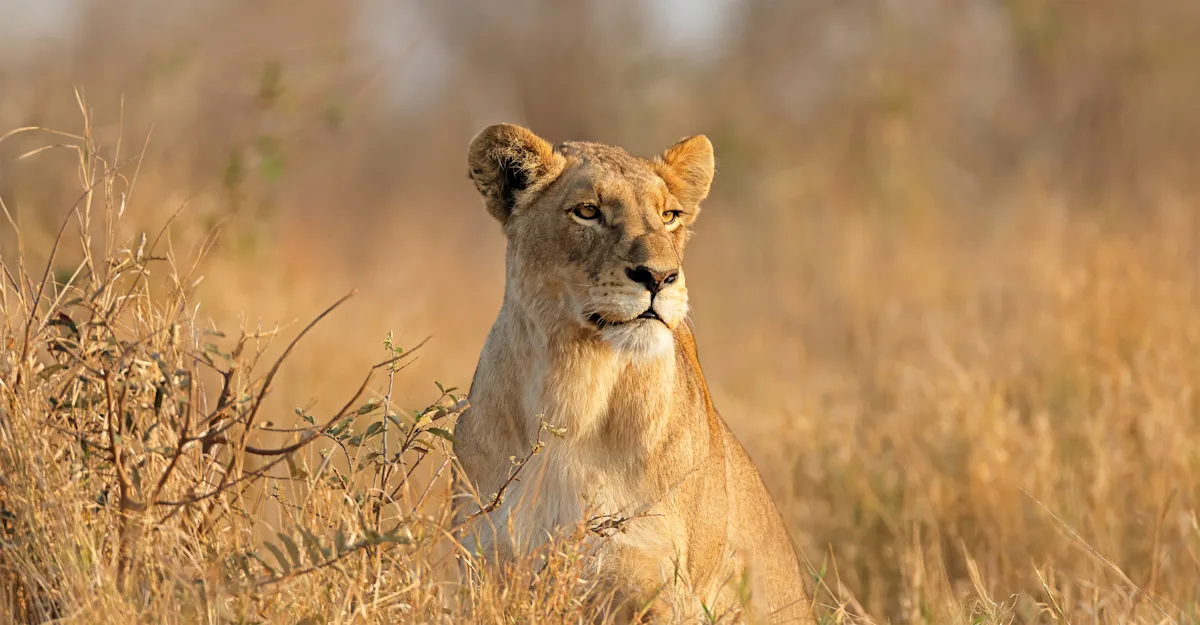
In South Africa's Hluhluwe-iMfolozi Park, leave the safari vehicle behind and enter Big Five habitat on foot, with a dedicated field ranger by your side. Follow research transects closed to regular visitors as you search grasslands, wooded hills and thornveld for rhinos, elephants, buffalo, antelope and elusive predators. Every sighting is a chance to look closer, record what you see and contribute to the park's official wildlife census. Here, in a reserve that helped save the southern white rhino from near-extinction, your observations become part of a continuing conservation story and inform species and landscape management within the park.
What You'll Do in the Field
Click a photo to expand details
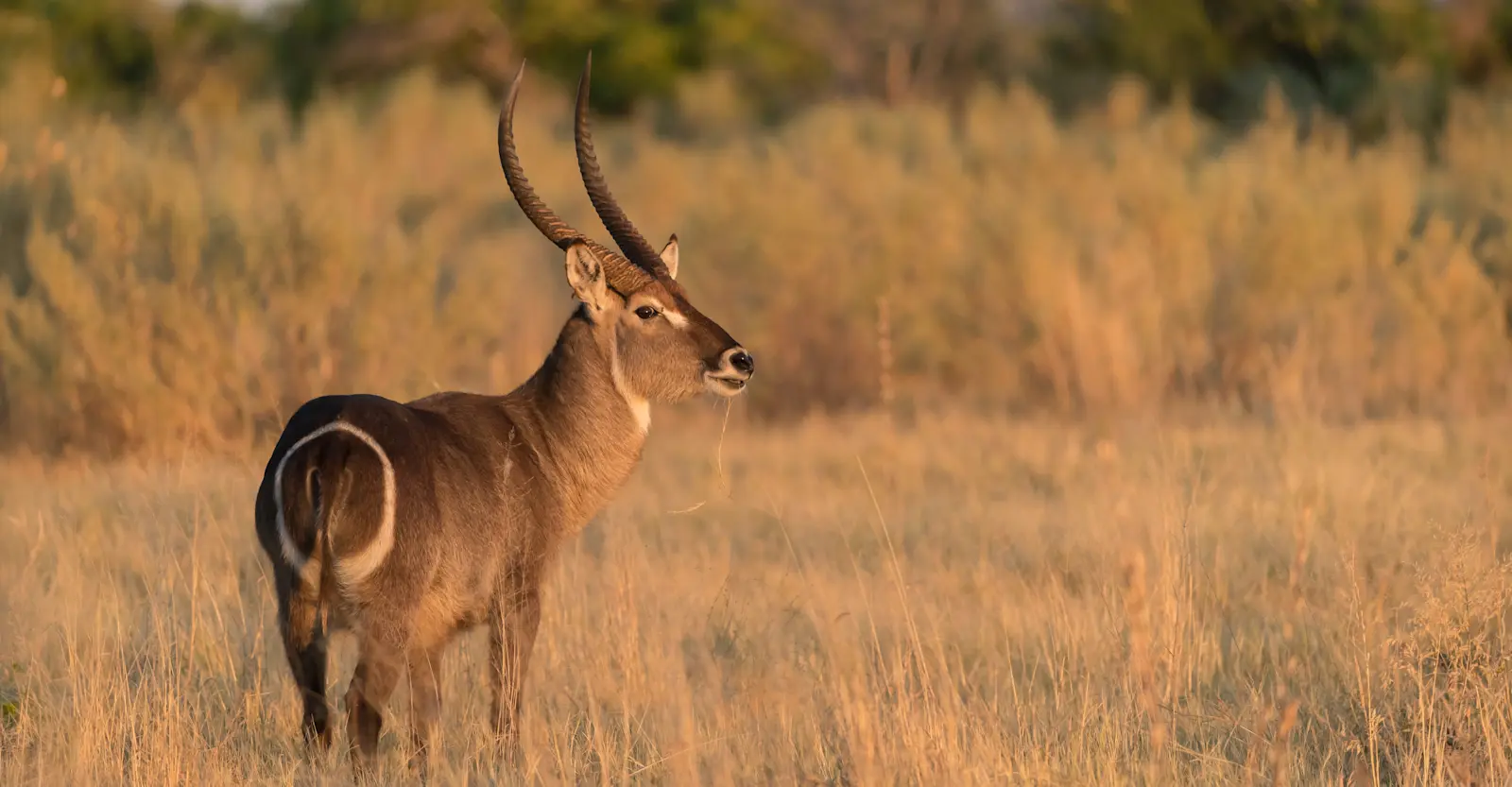
Survey Wildlife Populations
Follow restricted research routes on foot, scanning grasslands and wooded hills for rhinos, elephants, buffalo and antelope. Count individuals and herd sizes for the park's wildlife census.
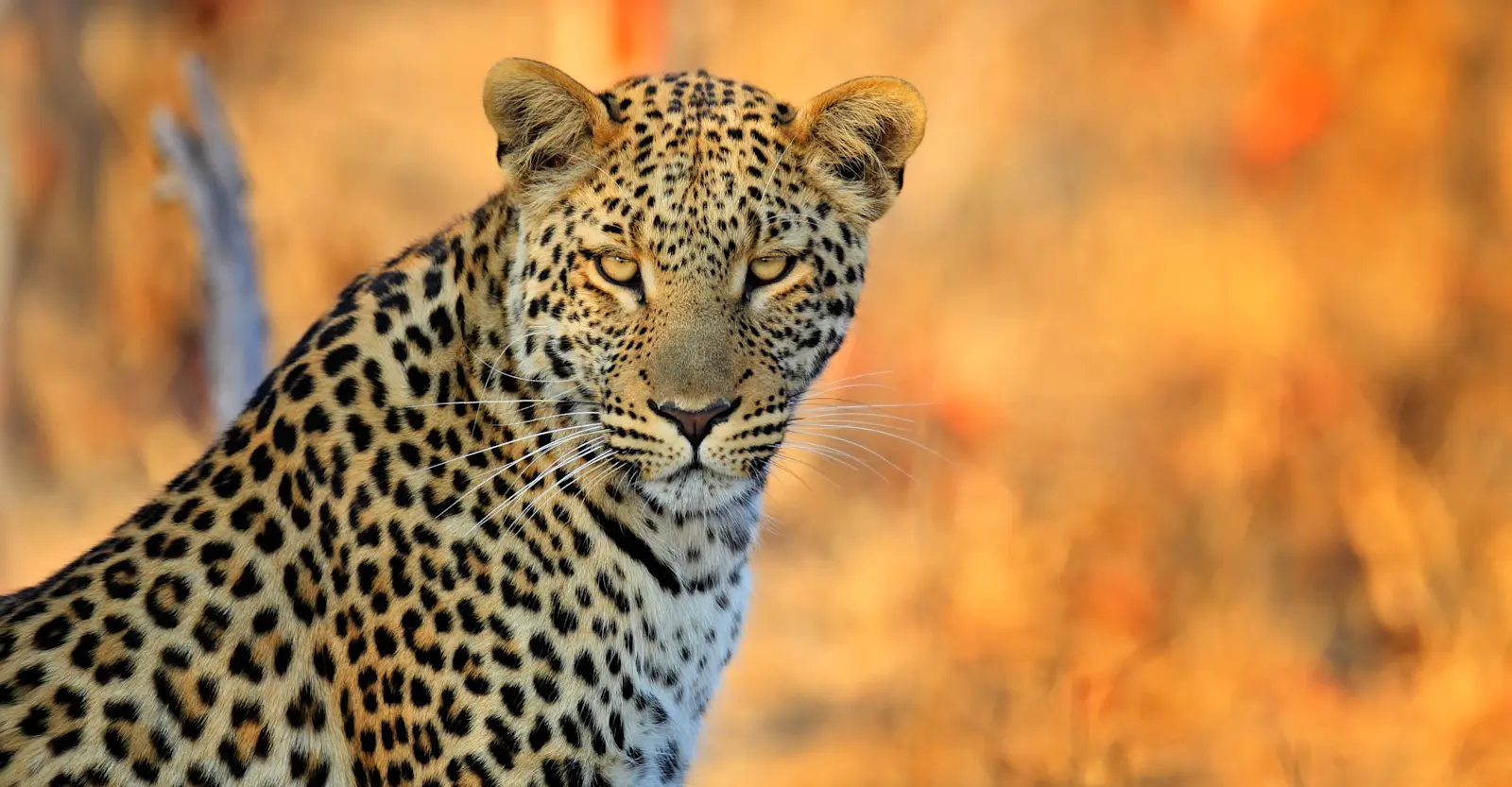
Observe Animal Behavior
Watch for feeding, movement and interactions among wildlife, from grazing antelope to elusive predators. Record behavior and signs of predator activity to help researchers investigate predator-prey relationships.

Assess Habitats & Ecosystems
Document vegetation and weather conditions at wildlife sightings, from open grasslands to dense thornveld, helping ecologists understand where different species occur throughout the reserve.
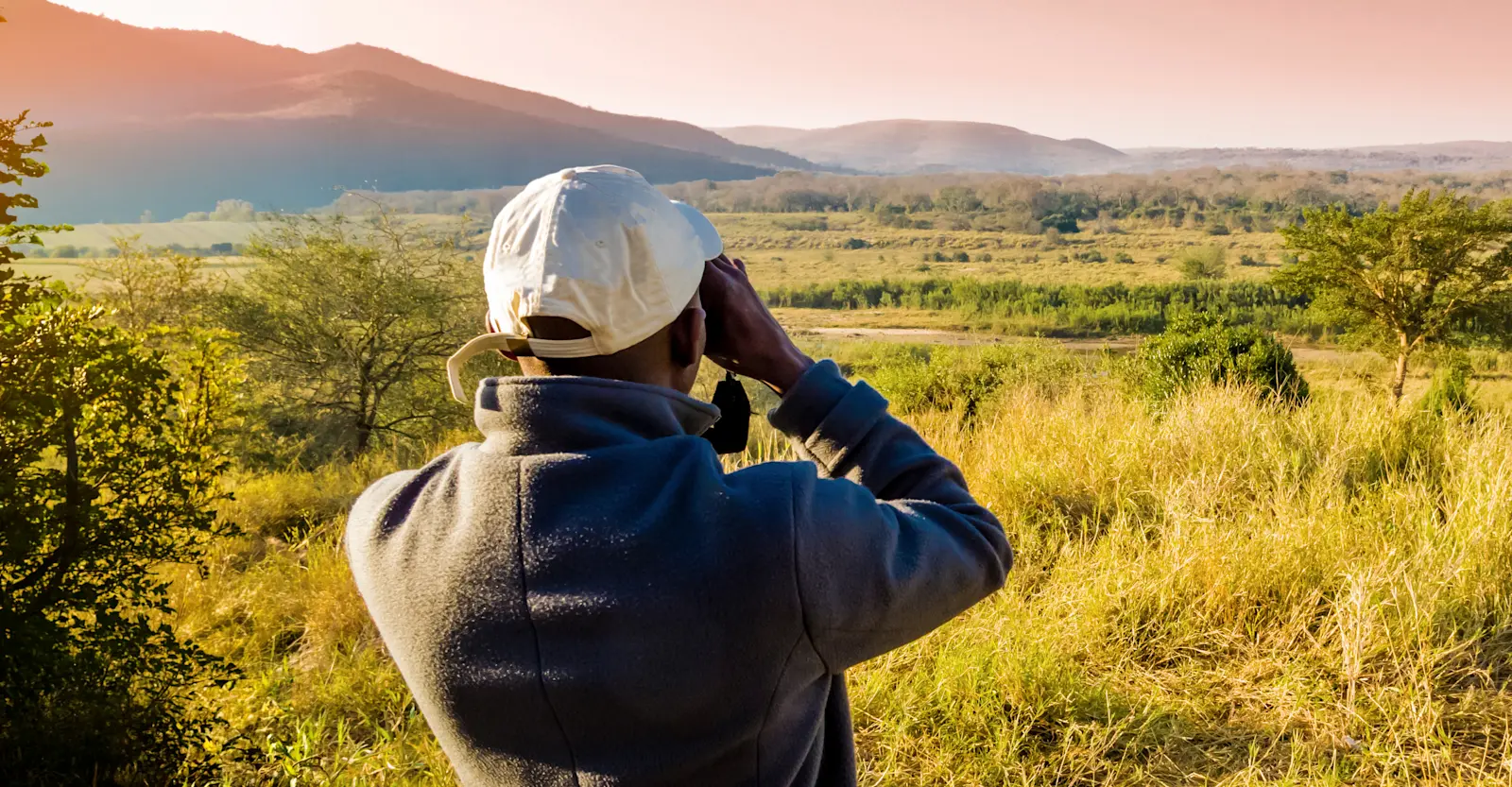
Tag & Measure Wildlife
Measure distances to wildlife using a rangefinder and record GPS locations, collecting the observations ecologists need to estimate animal densities across the reserve.
Research Focus
Hluhluwe-iMfolozi Park helped bring the southern white rhino back from the brink of extinction. Today, it remains an important stronghold for endangered black rhinos, while its ongoing wildlife research helps ecologists understand and manage the many species that call the reserve home.
The park's long-running wildlife census tracks the numbers and distribution of rhinos, elephants, buffalo, antelope and other species. Repeated surveys help ecologists identify population trends, investigate predator-prey relationships and assess how many animals the reserve can support. The findings inform wildlife management decisions, including potential animal translocations.
-
Uncover the Wildlife Stories Behind the Numbers
Discover how a herd count or a fleeting predator sighting becomes part of a larger picture of wildlife populations, revealing patterns that help park ecologists make decisions about the reserve's wildlife.
Conservation Impact
Hluhluwe-iMfolozi's biennial wildlife census provides a long-term record of the reserve's animal populations. By comparing surveys across years, park ecologists can detect changes, assess factors that might be influencing those changes, monitor endangered species and assess options for managing wildlife.
Long-term population data on rhinos, elephants, buffalo, antelope and other large mammals
Closer monitoring of endangered black rhinos, including where they're sighted throughout the reserve
Evidence to inform wildlife management, including decisions about potential animal translocations
Insight into predator-prey relationships through observations of carnivores, herbivores and their behavior
A clearer picture of wildlife distribution across grasslands, wooded hills and river valleys
Each new survey adds to a record that helps ecologists understand how wildlife populations are faring and what management actions may be needed.
Your Role in the Research
With your own experienced armed field ranger, walk quietly through the bush, alert to movement, animal calls and tracks in the vegetation. Unlike a conventional safari, you're here to observe wildlife systematically, gathering information that becomes part of a long-running scientific record.
When you spot wildlife, identify the species, count individuals and note their behavior. Measure the distance with a rangefinder, record the GPS location and document the surrounding habitat and weather. Back at camp, review your observations and enter the day's findings into the park's wildlife census database.
Life in the Field
Head into the field early, when temperatures are cooler and wildlife is often most active. Some mornings may bring a distant rhino or a herd of antelope. Others require hours of patient searching, listening and watching for movement as you follow a roughly cut route through the bush.
After returning to camp, compare observations, enter field data and discuss the day's discoveries. On selected afternoons, set out on guided game drives for another perspective on the reserve's wildlife, with opportunities for photography and sundowners. Each day brings a different combination of hard work, anticipation and unexpected encounters.
Field Conditions
This is an active expedition through Big Five habitat, with eight research days that may involve hiking up to 9 miles over roughly cut transects. Expect rocky ground, steep slopes, deep ravines, thorny vegetation and occasional river crossings. Good hiking fitness, balance and the ability to remain alert over long distances are essential.
Experienced armed field rangers lead the surveys, and guests must follow safety instructions immediately. July through September generally brings mild, dry conditions, with cool mornings and evenings. Wildlife activity, weather and research priorities may alter daily plans, so come prepared for both demanding terrain and the unexpected.