- Oct–Nov
- 7 Days
- Limited to 14 Participants
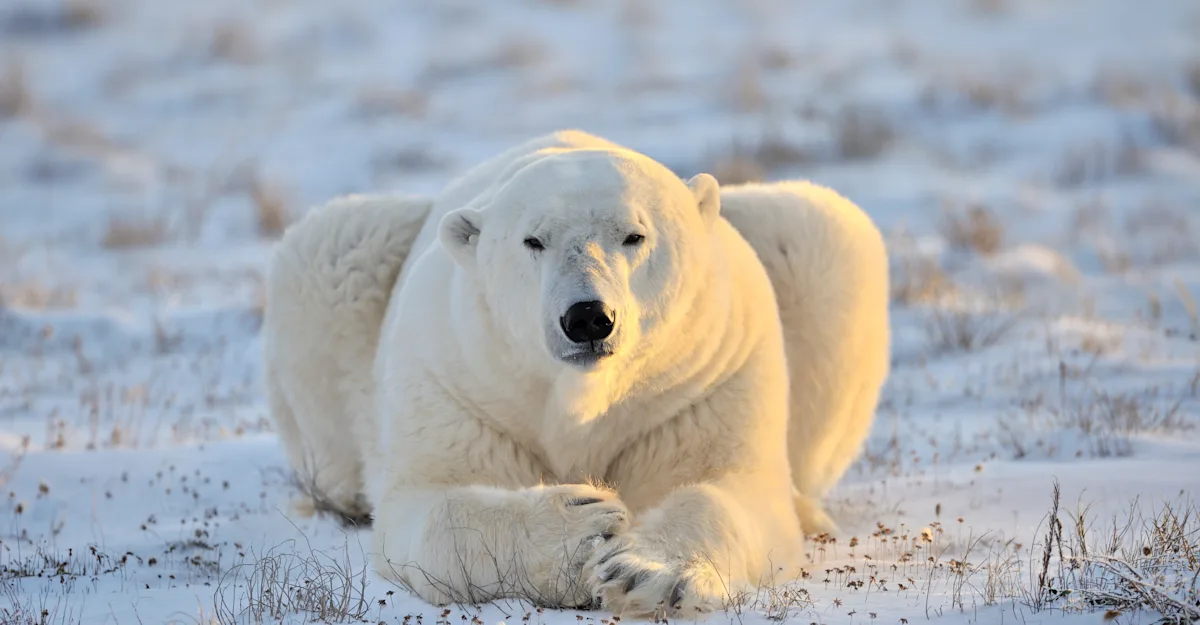
Each autumn, polar bears gather along western Hudson Bay, waiting for the sea to freeze so they can return to hunting seals. Travel to Churchill during this seasonal gathering for close bear encounters and participation in the vital science contributing to their conservation. Explore the tundra by Polar Rover, learning about polar bear behavior from researchers who connect field observations to the bigger picture of the species health—and the dangers imperiling survival.
Field experiences, scientist presentations and a visit to the Churchill Northern Studies Centre showcase the important link between science and conservation in a region undergoing profound change. Your small group allows time for questions, conversation and sustained observation out in the field. Our home base of Churchill offers a unique immersion in this remote community, where you’ll meet residents, head out with a dog musher and discover Inuit art, with the possibility of northern lights illuminating the dark night sky.
Photo gallery
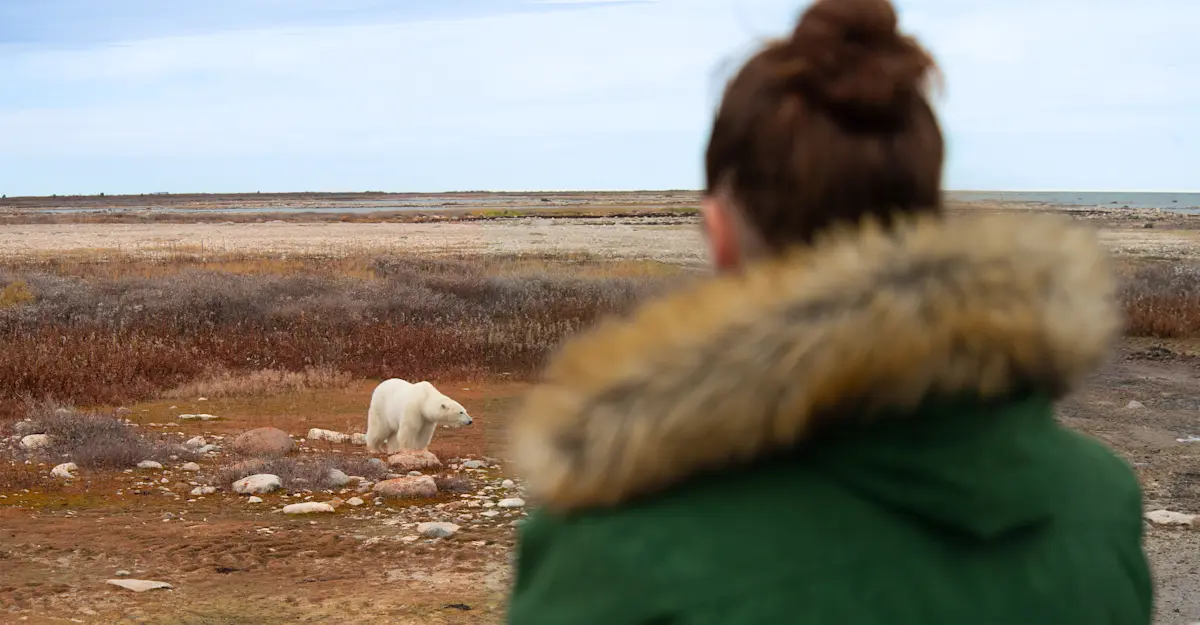
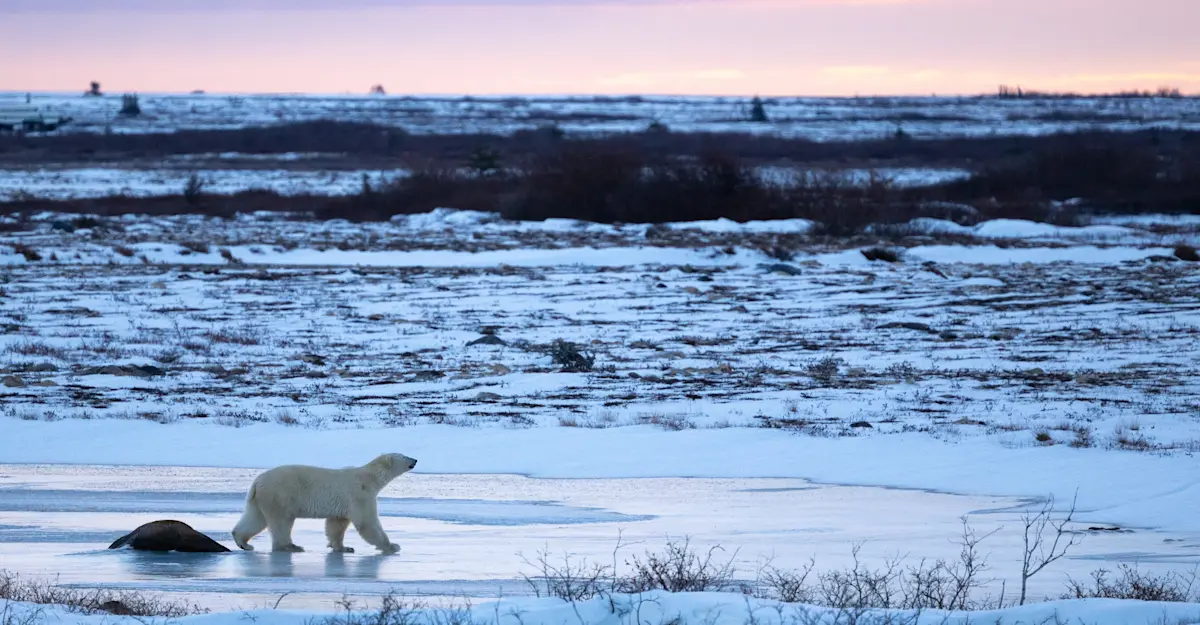
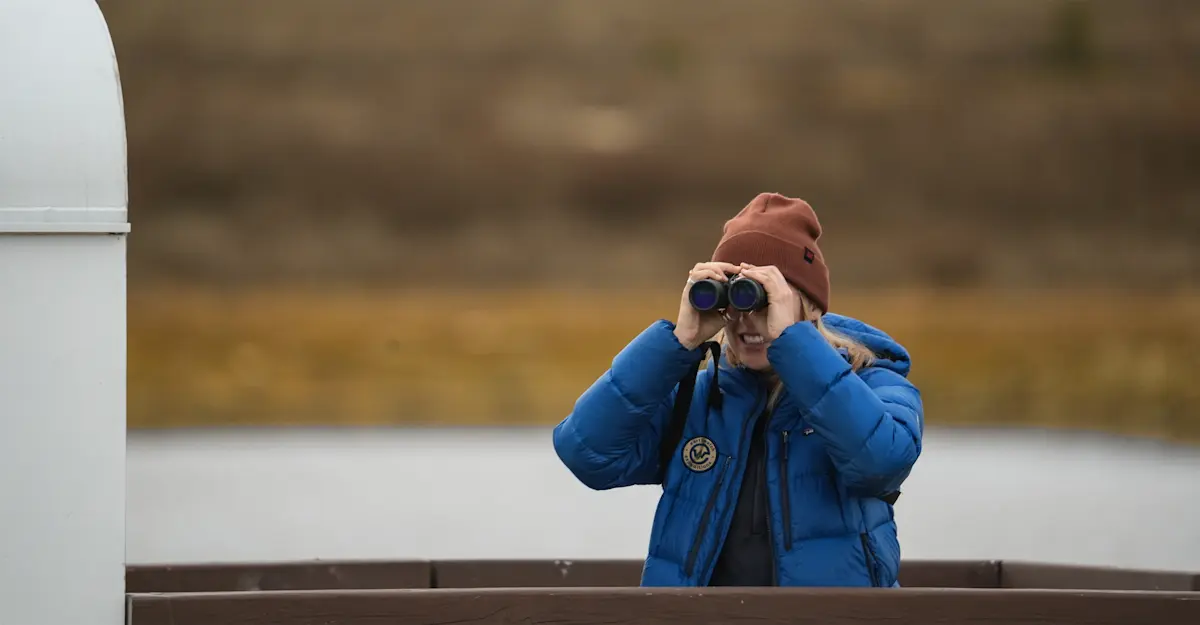
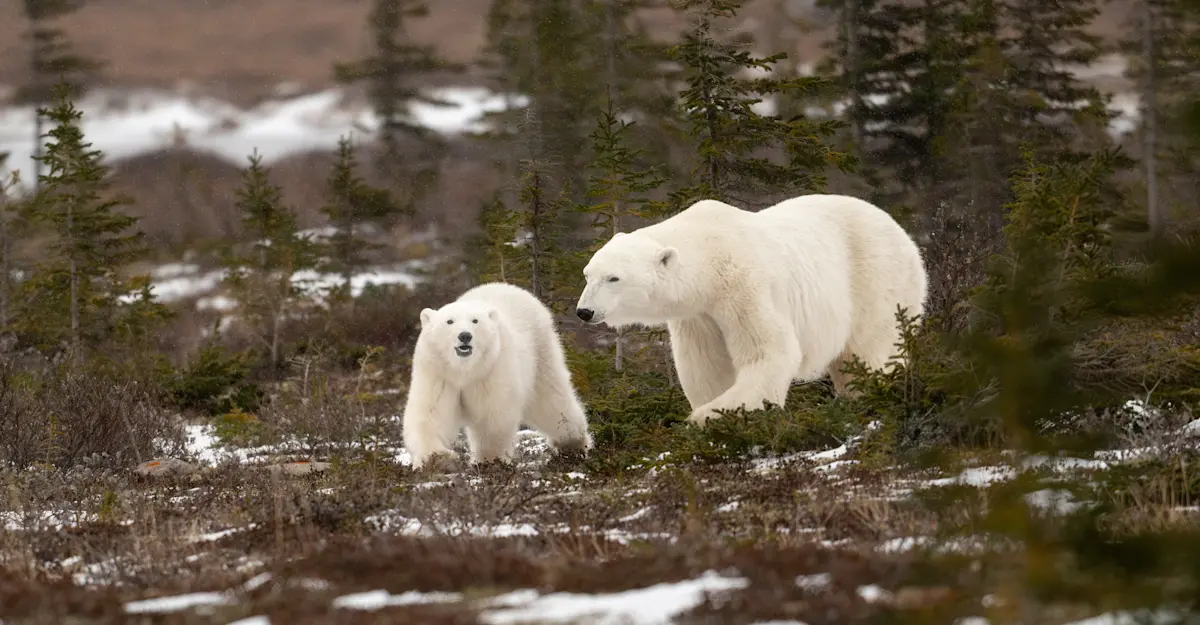
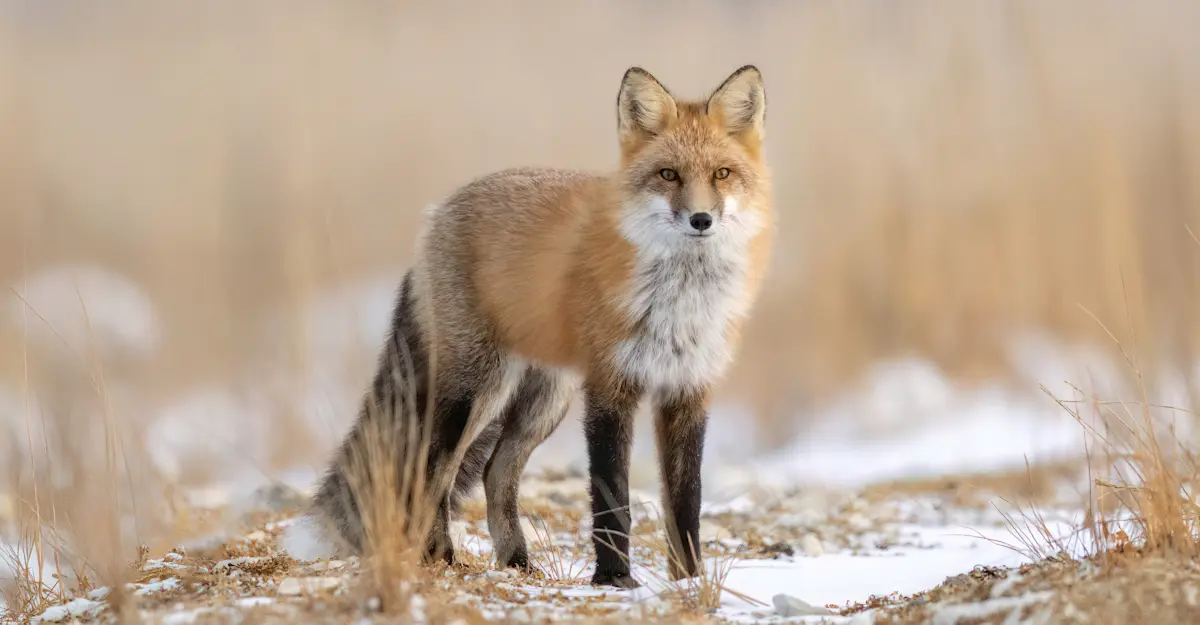
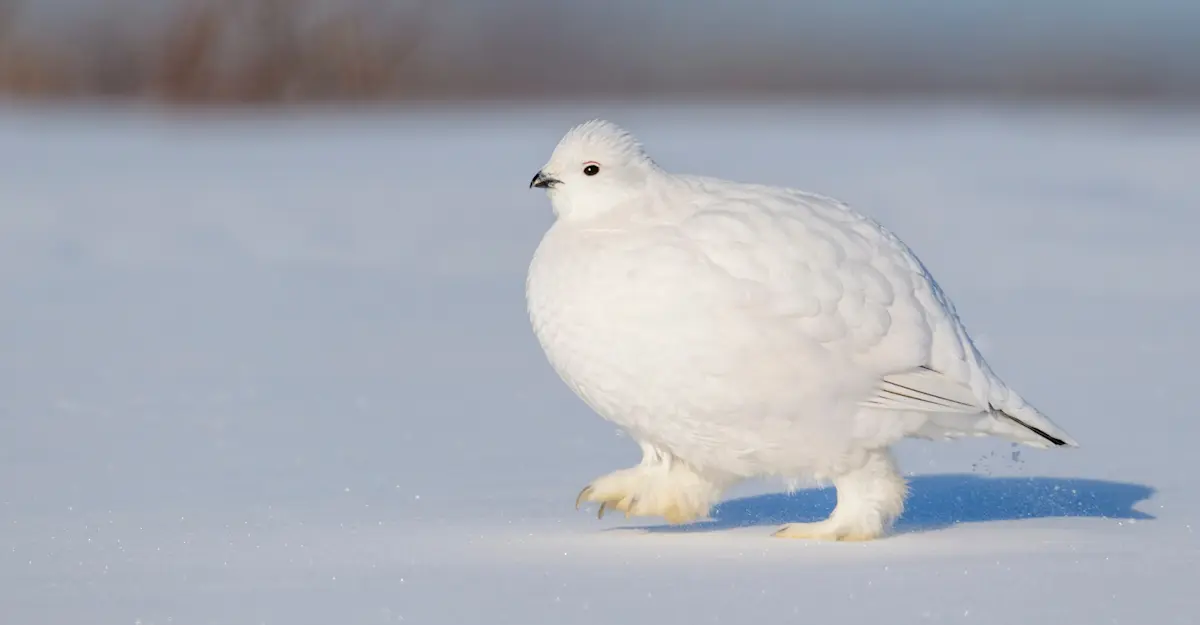
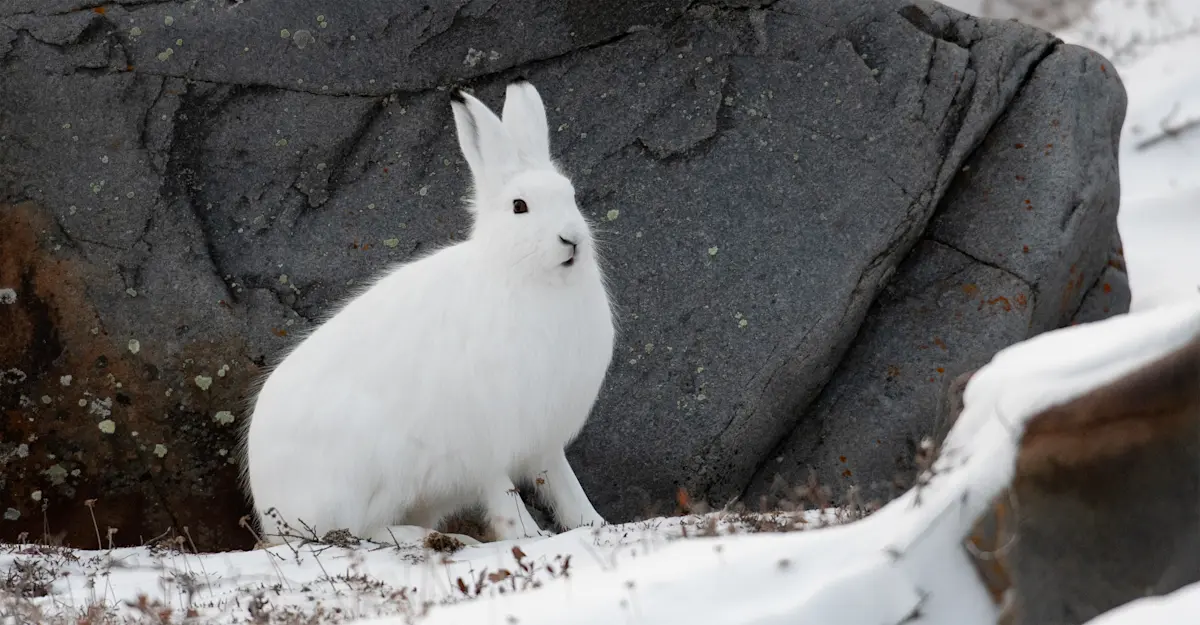
Photo 1 of 8
Expedition Highlights
-
Encounter Polar Bears at the Edge of Freeze-Up
Search the coastal tundra by Polar Rover as bears await the return of sea ice. Watch, photograph and explore their behavior with researchers who know the significance of this season.
-
Go Inside the Science of Polar Bear Conservation
Spend time in the field with scientists investigating bears and their environment. Discover how observations become evidence, and how that evidence helps guide efforts to protect wildlife in a changing North.
-
Experience Churchill Through Its People
Hear local perspectives on living alongside polar bears, head out with a dog musher and explore Inuit art. A hotel in town keeps you connected to this distinctive Hudson Bay community.

Observe Bears with a Researcher’s Eye
From a specialized Polar Rover, watch wild bears with researchers who bring scientific depth to each encounter. Their insights connect the behavior before you to the larger questions of how these animals live, adapt and survive as sea ice changes.Explore the Connection Between Sea Ice & Survival
For polar bears, the return of sea ice means access to seals. Discuss how scientists study that relationship and what changing ice conditions mean for the animals you’ve come to see. Encounters on land gain depth through an understanding of life offshore.Visit a Working Subarctic Field Station
At the Churchill Northern Studies Centre, explore the science taking place where tundra, boreal forest and marine environments meet. Research here extends from wildlife to vegetation and climate, revealing connections that matter to the future of this entire region.Travel in a Small, Engaged Group
Ask the follow-up question, compare observations and get to know the people behind the research. A deliberately small group creates room for those exchanges, while a window seat for every guest makes Polar Rover outings rewarding for viewing and photography.Meet the People Who Know Churchill Best
Conversations with residents and evening presentations by scientists or community members deepen your experience and understanding of this subarctic environment and its wildlife. Hear about life beside polar bears, explore the challenges of coexistence and follow up on discoveries made during the day.Experience Northern Travel & Inuit Art
Head out with a local musher for a dog-sledding experience, then visit the Itsanitaq Museum. Its collection of Inuit carvings and artifacts introduces histories and artistic traditions that deepen your understanding of the North.Watch the Sky After Dark
When clear skies, auroral activity and the schedule align, an optional evening outing offers a chance to look for the northern lights. Their unpredictable appearance brings its own anticipation to a night outside in Churchill.Travel with Purpose
Inulge your curiosity while contributing to the science helping drive polar bear conservation. Time with scientists and planned hands-on research activities connects your wildlife encounters with ongoing efforts to understand these animals, their changing habitat and what their protection requires.