Please note: This itinerary is preliminary. Guest research activities, accommodations and some travel arrangements are being refined with the field team.
Itinerary
Day 1: Meet Your Fellow Explorers in Sao Paulo
Arrive at your hotel in the leafy Jardins district
Gather for a welcome dinner with your Expedition Leader and fellow travelers
Preview the route from northern waterways to southern jaguar research country
Arrive in Sao Paulo and transfer to Tivoli Mofarrej in Jardins, a leafy neighborhood in the heart of the city.
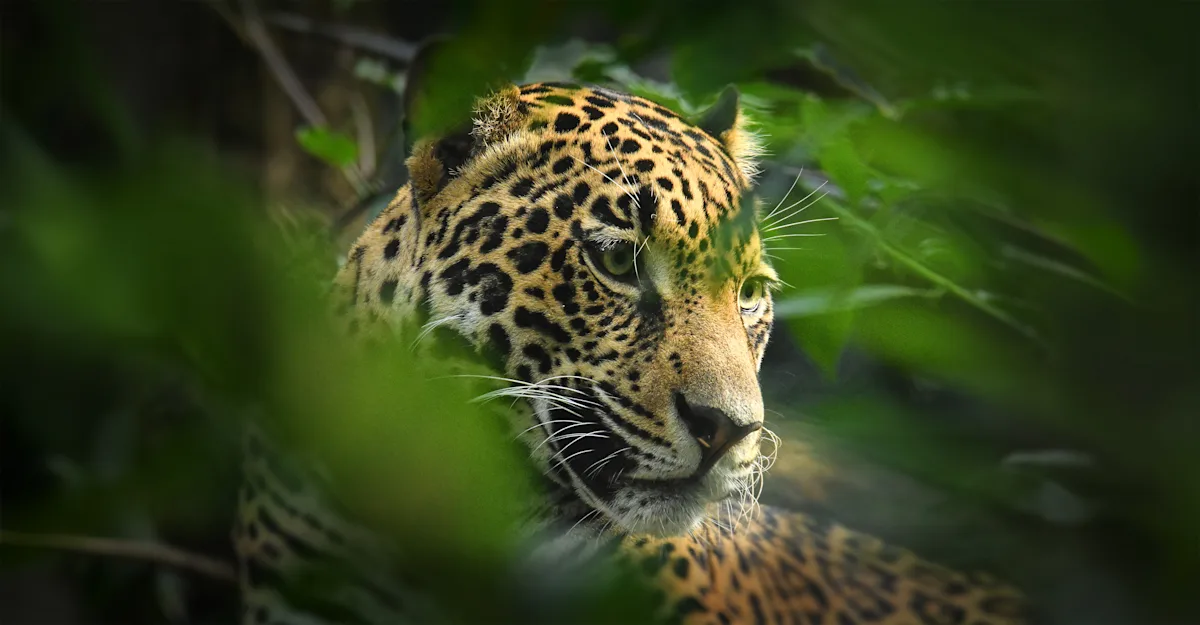
Meet your Expedition Leader and fellow travelers over a welcome dinner. Ahead lie ten days exploring the Pantanal’s wildlife, from searches for jaguars along riverbanks to field outings with scientists who follow individual cats over years.
Your route connects three distinct settings: northern lodge country, the waterways around Porto Jofre and a southern research area. Each offers a different way to experience the wetland—and to understand what makes it such important jaguar habitat.
Day 2: Enter Brazil’s Great Wildlife Floodplain
Fly to Cuiaba and continue by road into northern Pantanal lodge country
Look for wildlife where marshes, open grassland and woodland meet
Take a first nature walk near the lodge if arrival timing allow
Fly to Cuiaba, then travel overland into the northern Pantanal. Beyond the city, grasslands, marshes and forest islands introduce a landscape whose wildlife is unusually accessible across varied habitats. Seasonal flooding is the force behind this abundance. Water spreads across the lowlands during the rains, then retreats into pools, channels and marshes. Animals gather around the food, water and shelter that remain.
If arrival timing allows, explore nearby trails on foot. Walking gives you time to follow a bird call, examine a track or stay with an animal feeding beside the vegetation. Local guides help bring the surroundings into focus, beginning your acquaintance with the wetland before tomorrow’s wider exploration.
Day 3: Explore from Woodland Trails to Nighttime Savanna
Walk with local guides for capybaras, birdlife and animal tracks
Search grasslands and woodland by safari vehicle for anteaters, tapirs and other mammals
Return to the field after dinner to look for nocturnal wildlife
Begin on foot with your Expedition Leader and local guides. Along woodland and wetland trails, the slower pace allows time to listen, watch and investigate. A call overhead or movement beside the water may draw attention to wildlife you would pass by in a vehicle. Later, explore farther across savanna and woodland by safari vehicle. Giant anteaters, tapirs and other mammals inhabit this varied country, while macaws, parrots and wetland birds add activity in the trees and shallows.
After dinner, head out again for a night drive. Darkness brings a different search, with opportunities to find animals emerging to feed or travel. These outings expand your understanding of a landscape whose wildlife changes with both habitat and hour.
Day 4: Reach the Rivers of Jaguar Country
Enjoy a dawn walk among bird calls and possible monkey sightings
Search wildlife-rich wetlands on the drive to Porto Jofre
Begin your first boat-based jaguar search on the Cuiaba River
An early walk offers time to listen for birds and monkeys before breakfast. Then follow the Transpantaneira, the road through the northern Pantanal that ends at Porto Jofre. Wetlands and forest edges make the drive a wildlife excursion, with opportunities to spot caiman, capybaras, jabiru storks and macaws along the way.
At Porto Jofre, exploration shifts to the water. Rivers and channels wind through jaguar habitat, allowing boats to approach stretches of bank otherwise difficult to reach. After lunch, board an open skiff on the Cuiaba River for your first search. Local guides scan shaded vegetation and exposed banks for cats, while giant otters add another compelling possibility. When a jaguar is found, the boat offers a vantage for watching and photographing its activity along the river.
Day 5: Search the Waterways for Wild Cats
Take morning and afternoon boat excursions through rivers, channels and lagoons
Spend time observing and photographing jaguars when encountered
Examine identifying markings and behavior with your Expedition Leader
Spend the day exploring Porto Jofre’s waterways by open skiff. Morning and afternoon excursions provide repeated opportunities to search for jaguars and giant otters, with routes chosen according to conditions and recent sightings. From the river, stretches of bank and forest edge become visible that would be difficult to approach overland. Patient scanning can lead to an encounter with a cat resting in shade, traveling beside the water or hunting. When wildlife is found, there’s time to watch and photograph its activity.
Your Expedition Leader introduces the details that give a jaguar encounter scientific value. Distinctive markings can establish which animal you’re seeing, while its behavior and location add to the record. These conversations prepare you for your time with the research team in the south. Caiman, capybaras, monkeys and waterbirds occupy the surrounding banks and forest. Their abundance helps explain why these waterways support such powerful predators.
Day 6: Join the Researchers Who Know These Jaguars
Travel into southern jaguar country, where wetlands and woodland meet working ranches
Meet scientists who can connect a cat’s distinctive markings with years of encounters
Discover your role in the research, with a first field outing if timing allows
The expedition continues into the southern Pantanal, where your next days bring access to wild jaguars through the people who study them. Grasslands, woodland and wetlands extend across a landscape shared with cattle ranches—a place where the future of these predators depends on both protected habitat and human tolerance. Meet the researchers whose field records hold years of discoveries. A photograph may identify a female they have watched raise cubs or a young cat now ranging independently. These histories give the searches ahead a compelling dimension: the possibility of encountering an animal well-known to the research team, so you can learn about the individual and the species.
Over an introduction to field methods, discover how you’ll recognize individuals and contribute approved observations. The researchers also explain how they gradually accustom jaguars to vehicles, opening opportunities to observe behavior that a fleeting sighting would never reveal. If timing and conditions allow, head out with the team for your first search in this southern research landscape.
Days 7 to 8: Search for Wild Jaguars & Contribute to Their Conservation
Search with researchers using tracks, recent sightings and knowledge of individual cats
Observe jaguars resting, traveling, hunting or interacting when encounters allow
Help document behavior and habitat use, adding to the project’s long-term records
Spend two days searching for wild jaguars with scientists who have followed individual cats over years. Their knowledge brings purpose to each outing, combining tracks and recent sightings with an understanding of where particular animals spend time. When a jaguar is located, conditions may allow an extended period of observation. There’s time to appreciate the animal’s presence and notice details beyond the photograph: how it chooses a resting place, responds to another cat or moves through its surroundings. Researchers explain what they recognize and what warrants closer attention.
Under the team’s direction, contribute approved observations of behavior, location and associations. Connected with earlier records, these details can help document a young cat’s growing independence, a female’s relationships or an animal’s use of habitat. Longer observations are possible partly because researchers have gradually accustomed some jaguars to vehicles. The cats remain wild, and their responses determine the vehicle’s position, viewing distance and duration of each encounter. These days offer the excitement of searching for an elusive predator and the satisfaction of helping investigate its life. The questions are active, the outcomes uncertain, and every reliable observation has the potential to add to what the team knows.
Day 9: Search for Jaguars & Help Safeguard Their Future
Head out with researchers for a final day of jaguar searches and field observations
Explore how protecting jaguar territory benefits the Pantanal’s wider wildlife
Hear how living cats can become an economic asset for people sharing their habitat
Spend a final day searching for jaguars with the research team and recording observations as directed. Along the way, explore how the cats find food, reach water and move between habitats. Protecting the large areas they need also preserves space for the Pantanal’s many other animals, from giant anteaters and tapirs to macaws and river otters.
On working ranches, that protection depends on people as well as habitat. A jaguar may threaten livestock yet attract travelers willing to come across the world to see it. Researchers share how tourism can help turn that interest into an incentive for conservation—and why benefits for local residents are essential. These conversations draw on the animals and places you’ve come to know, offering an inside perspective on the choices that will determine their future.
Day 10: Say Farewell to the Pantanal
Travel from the southern research area to Campo Grande
Connect with your onward flight
Leave with memories of jaguars along riverbanks, wildlife-filled wetlands and days spent in the field with scientists. Your contribution to their work adds something lasting to the experience: observations that become part of the continuing record of wild jaguar lives. Transfer to Campo Grande for your onward flight.