Research & Impact
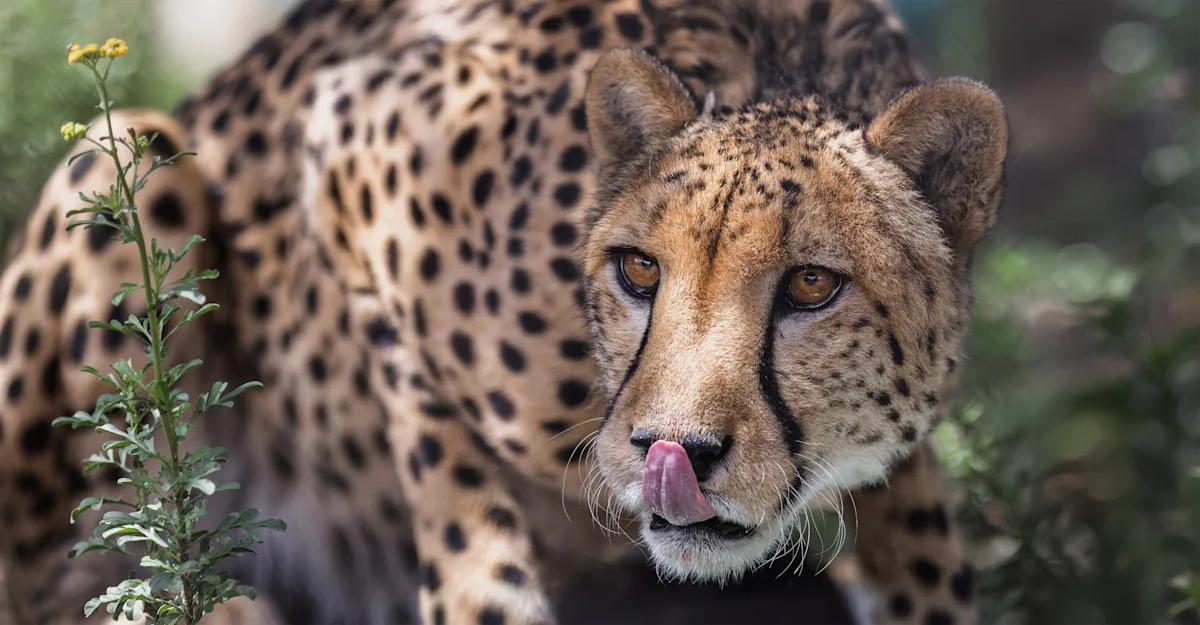
Namibia is a global stronghold for wild cheetahs, yet most live outside protected areas on livestock farms, sharing the land with people, cattle, sheep and goats. Their future depends on finding ways for predators, humans and livestock to coexist while maintaining healthy habitat and prey populations. The Cheetah Conservation Fund tackles these interconnected challenges in different ways, including restoring grasslands, putting cleared thornbush to productive use as fuel, and protecting livestock with guardian dogs. On this immersion in the cheetah's world, you’ll contribute to long-term research investigating how habitat restoration can support wild cheetahs and their prey.
What You'll Do in the Field
Click a photo to expand details
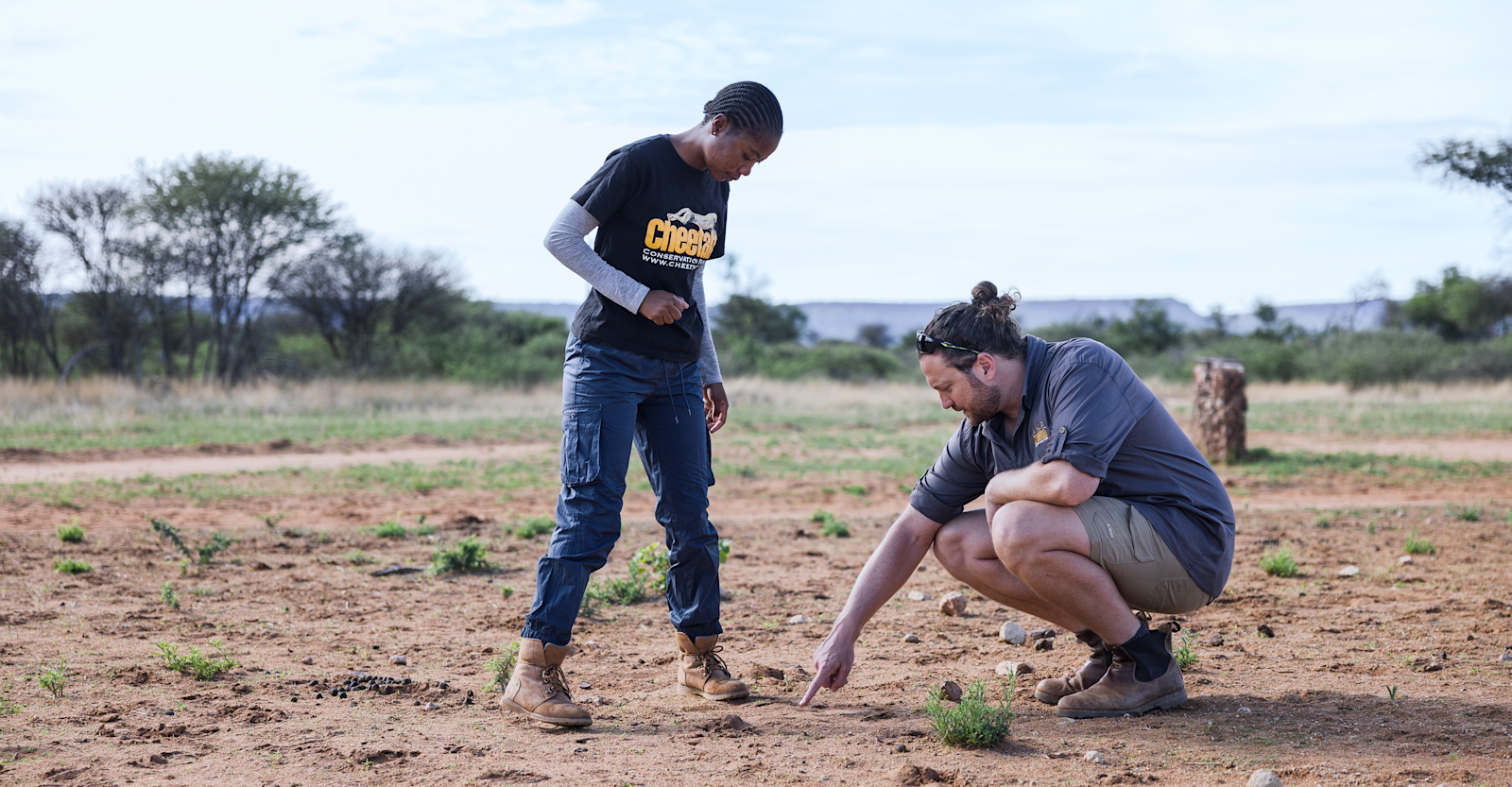
Survey Wildlife Populations
Conduct vehicle-based wildlife counts and monitor waterholes, recording species, numbers and locations to help researchers track cheetahs, their prey and other animals across the reserve.
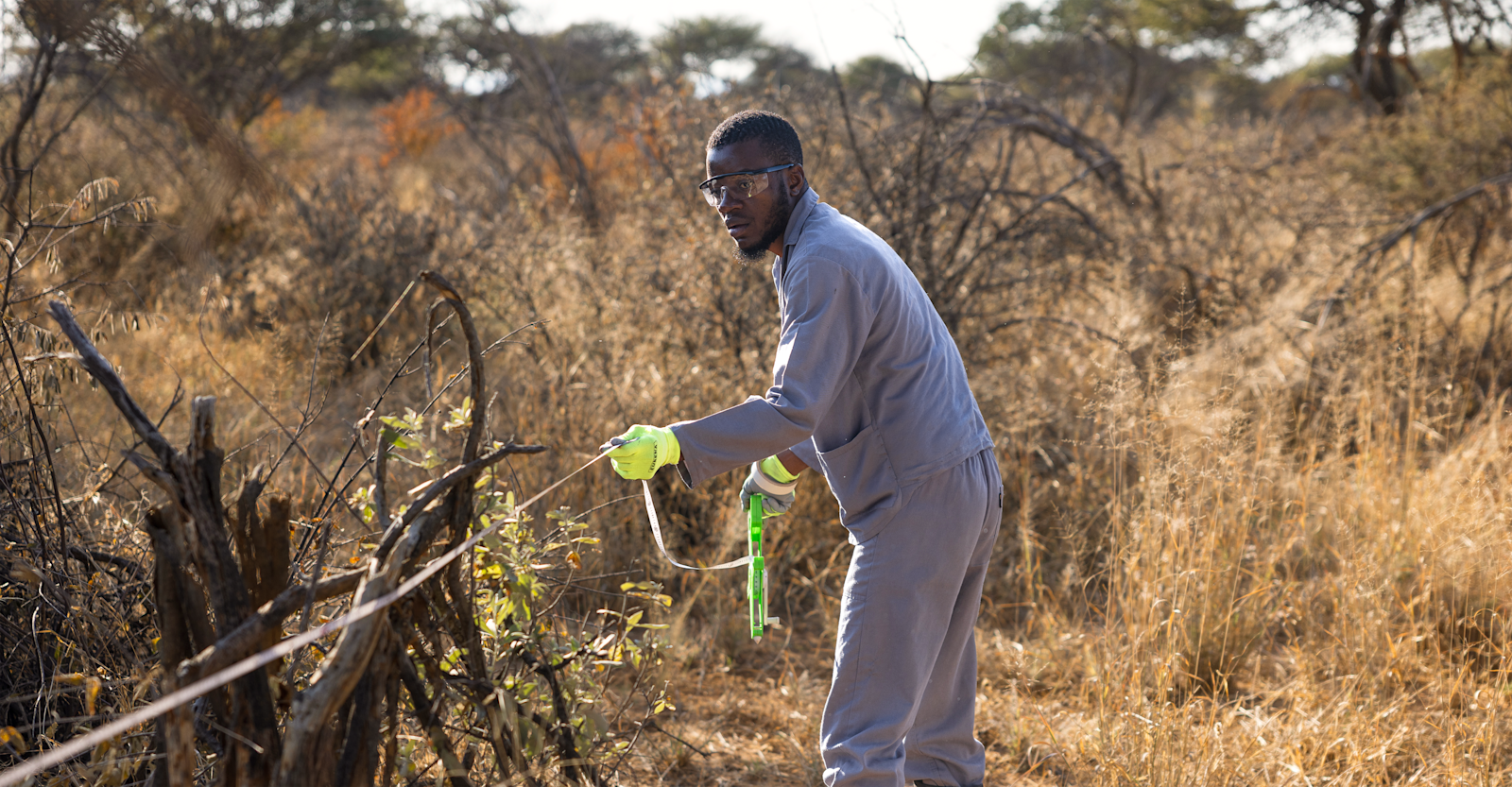
Assess Habitats & Ecosystems
Survey vegetation, documenting plant cover, density and other habitat conditions to measure how the landscape changes as dense thornbush is cleared.
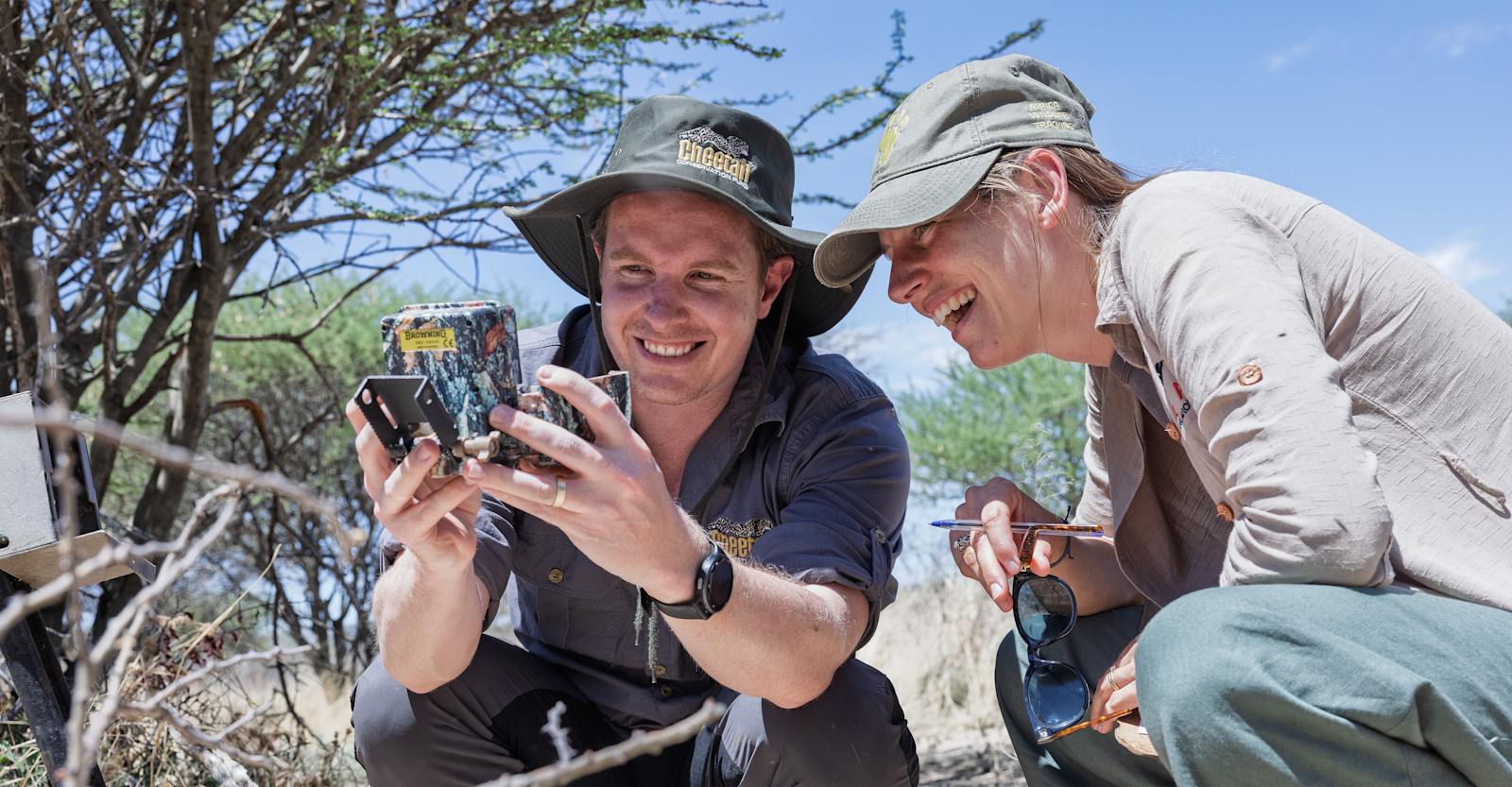
Deploy Camera Traps
Check and maintain remote camera traps, then review the images to document which species—and how many animals—pass through the reserve when researchers aren’t there to see them.
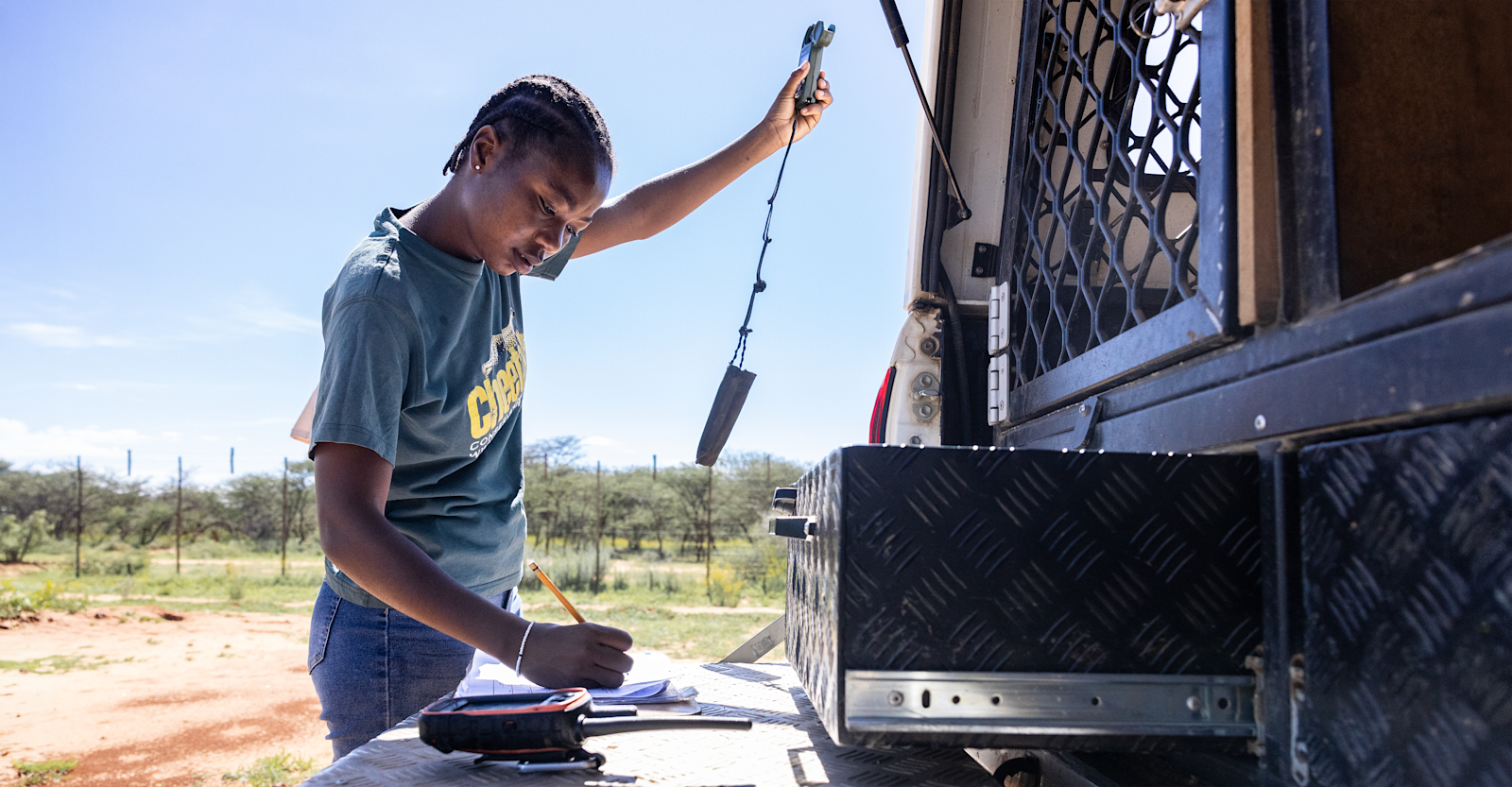
Restore Habitats & Run Field Experiments
Compare data from restored grasslands and areas still covered by dense thornbush to test how restoration affects prey availability and wildlife use—evidence that can guide future restoration efforts.
Meet Your Lead Scientist

Laurie Marker, Ph.D.
Dr. Laurie Marker founded the Cheetah Conservation Fund in Namibia in 1990. Her research and community-based conservation programs help reduce human-cheetah conflict while advancing the long-term survival of wild cheetahs.
Read moreResearch Focus
Across Namibia’s cheetah range, encroaching thornbush is replacing open grasslands with dense scrub, limiting hunting habitat and reducing grazing areas for prey. Since 2023, researchers have been studying whether thinning this bush can restore healthier, more connected habitat for wild cheetahs. Wildlife counts, waterhole surveys and camera traps document which animals use restored and bush-encroached areas, while vegetation surveys measure changes in the landscape. By comparing these habitats over time, scientists can determine whether restoration increases prey availability, biodiversity and wildlife movement. Your fieldwork adds to this long-term dataset, helping researchers identify where future bush thinning and wildlife corridors can give cheetahs more open, connected space to hunt and move.
-
Restoring Grasslands for Namibia’s Cheetahs
Cheetahs need open ground to hunt, while their prey depends on healthy grasslands for grazing. Scientists are studying how best to thin encroaching thornbush and restore this shared habitat, helping one of the world’s largest remaining cheetah populations thrive alongside people and livestock.
Conservation Impact
Decades of research in Namibia are helping scientists restore cheetah habitat and reduce conflict between these wild predators and the livestock farmers who share their range.
Bush thinning has helped restore open grassland habitat while improving grazing for wild prey and livestock and increasing connectivity between habitats
Research has refined how thornbush is selectively thinned, retaining trees and shrubs that provide food, shade and shelter for wildlife
Livestock-guarding dogs have reduced livestock losses for 91% of participating farmers, protecting herds while reducing pressure to kill cheetahs and other predators
Camera traps and wildlife counts show how animals respond to bush thinning, providing evidence to guide future habitat restoration
Harvested thornbush becomes Bushblok fuel logs, linking habitat restoration with jobs and economic opportunity
Together, these approaches support the future of Namibia’s cheetahs across the working lands and wild spaces they depend on.
Your Role in the Research
Join researchers on fixed survey routes, recording wildlife sightings and helping monitor how cheetahs, their prey and other species use the landscape. You’ll also check camera traps, review images and organize field data collected during your stay. Your observations become part of a long-term dataset comparing wildlife activity in restored and bush-encroached habitat, helping scientists determine whether thinning thornbush creates more open hunting habitat for cheetahs, improves grazing for their prey, reduces conflict between cheetahs and farmers and allows wildlife to move more freely. The findings can help guide habitat management in a country where conserving cheetahs depends on maintaining healthy landscapes shared by wildlife, people and livestock.
Life in the Field
Research days start early, with cooler mornings spent conducting wildlife counts along established survey routes. Between morning and late-afternoon field sessions, you’ll check camera traps, review images and spend time with scientists and specialists learning about other areas of cheetah conservation—from genetics and veterinary care to livestock guarding dogs and habitat restoration. Meals and breaks take place on site, and one evening includes a night drive through the reserve after dark in search of nocturnal wildlife.
Field Conditions
Most research is vehicle-based, with travel in high-clearance 4x4s over gravel roads and uneven farm tracks. Expect early starts, warm and dry conditions, strong sun and dust, plus rough or bumpy drives lasting up to two or three hours. Walking is generally limited to short distances around camera-trap sites and research facilities over sand, gravel, grass and uneven ground. You may need to stand, bend or reach while checking equipment, but no strenuous hiking or heavy lifting is required.