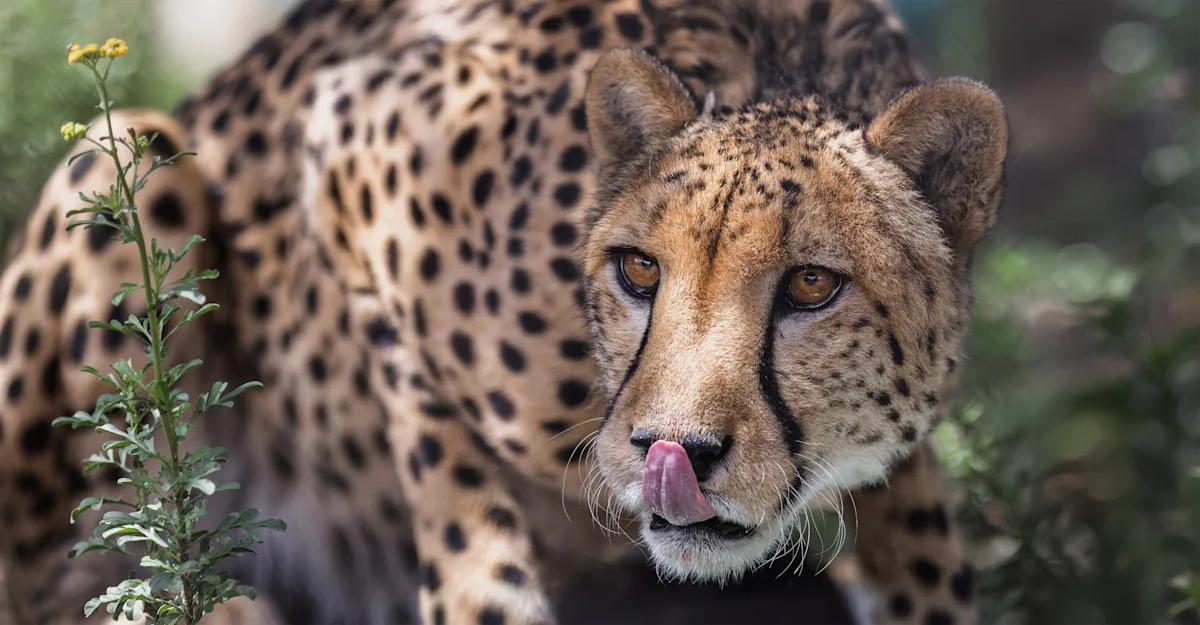
Know Before You Go
Whether you're preparing for your upcoming expedition or simply want to learn more about Namibia's wildlife and conservation efforts, these resources offer a closer look at the species, landscapes and research that define this experience. Learn about wild cheetahs and the challenges they face, discover the wildlife that shares their savanna habitat and explore how scientists are restoring grasslands and helping predators, people and livestock coexist.
Why Is Namibia One of the Best Places in the World to Study Cheetahs?
Across Namibia's sunbaked savannas, cheetahs range over vast landscapes shared with antelope, livestock and people. Most of the country's wild cheetahs live outside protected areas on working farmland, making Namibia an important place to understand not only how these predators survive, but how people and wildlife can share the same landscape.
One of the most visible threats is dense thornbush overtaking open savanna, reducing grazing habitat for prey and making it more difficult for cheetahs to hunt. At the Cheetah Conservation Fund, researchers are comparing restored grasslands with bush-encroached areas to understand how selective thinning affects prey availability, biodiversity and wildlife movement.
By joining this long-term research, participants help scientists investigate how habitat restoration and improved connectivity can give cheetahs and their prey more room to roam while supporting conservation across Namibia's working lands.
Quick Facts: Namibia’s Cheetahs at Close Range
Location: Otjiwarongo, Namibia
Research partner: Cheetah Conservation Fund
Primary species: Cheetahs and their prey
Key activity: Wildlife surveys, camera-trap monitoring and habitat assessments
Conservation focus: Cheetah habitat restoration, wildlife connectivity and human-wildlife coexistence
What Wildlife Will I See on a Cheetah Conservation Expedition in Namibia?
Cheetahs are at the heart of this expedition, but the journey crosses some of Namibia's richest wildlife landscapes, from the arid northwest to the savannas around Etosha and the Cheetah Conservation Fund. Wildlife sightings vary by location and conditions, with opportunities to encounter predators, rhinos, elephants, antelope and an exceptional diversity of birds.
Participants may encounter:
Cheetahs across Namibia's open savannas and at the Cheetah Conservation Fund
Desert-adapted black rhinos ranging through the remote wilderness of Damaraland
White rhinos on the plains and around waterholes at Etosha Heights
Lions and leopards hunting across savanna and woodland habitats
Caracals and servals
Brown hyenas and other carnivores
Savanna elephants
Southern giraffes
Gemsbok, greater kudu, common eland, hartebeest, impala, springbok and steenbok
Mountain zebras in the rocky landscapes of Damaraland
Ostriches and more than 200 other bird species
White-backed and lappet-faced vultures at Etosha Heights
Nocturnal wildlife such as aardvarks, aardwolves and bat-eared foxes during night drives
Together, these species reveal the diversity of the landscapes cheetahs inhabit and the importance of maintaining healthy, connected ecosystems for predators and prey alike.
What Is the Climate Like During This Expedition?
Namibia has a semi-desert climate characterized by abundant sunshine, low humidity and significant differences between daytime and nighttime temperatures. Conditions vary by departure date, with cool, dry weather in May and June and much hotter conditions from September through November.
Period | What to Expect |
May | Around 80–81°F during the day / 47–53°F at night. Sunny, dry and increasingly cool after sunset, with about 0.1 inches of rain for the month. |
June | Around 77°F during the day / 42–47°F at night. Clear, dry winter conditions with cold mornings and evenings and virtually no rainfall. |
September | Around 88°F during the day / 53–58°F at night. Sunny, warm and very dry, with about 0.1 inches of rain. |
October | Around 90°F during the day / 57–63°F at night. Hot and sunny, with occasional showers possible as the rainy season approaches. Monthly rainfall averages about 0.4 inches. |
November | Around 90°F during the day / 59–64°F at night. Hot and mostly sunny, with a greater chance of showers. Monthly rainfall averages about 0.9–1.0 inches. |
Overall Conditions | Strong sun and generally low humidity. May and June are cool and extremely dry, while temperatures and the chance of rain increase later in the year. |
Weather patterns vary from year to year, and rain may arrive earlier or later than expected. Participants should bring layers for warm days and cooler mornings and evenings, with warmer clothing especially important for May and June departures.
Frequently Asked Questions
Do I need research experience?
No prior research experience is required. Scientists and field staff provide training and guidance in wildlife surveys, camera-trap monitoring, habitat assessment and other field research techniques used during the expedition.
What type of research will I assist with?
Participants assist researchers investigating how cheetahs, their prey and other wildlife respond when dense thornbush is selectively thinned to restore open savanna habitat. Activities may include vehicle-based wildlife counts, waterhole monitoring, camera-trap checks, image review and vegetation surveys comparing restored and bush-encroached areas.
What is the conservation impact of this research?
Data collected by participants contributes to a long-term study of how habitat restoration affects prey availability, biodiversity and wildlife movement. The findings can help researchers determine where future bush thinning and wildlife corridors may improve habitat for cheetahs while supporting healthier landscapes shared by wildlife, people and livestock.
How physically demanding is the expedition?
Most research is vehicle-based, with travel in high-clearance 4x4s over gravel roads and uneven farm tracks. Walking is generally limited to short distances around camera-trap sites and research facilities over sand, gravel, grass and uneven ground. Participants should be comfortable with warm, dry conditions, strong sun and rough or bumpy vehicle travel. Some overland transfers between accommodations may total 4–5.5 hours, typically broken into 2–3-hour driving segments with stops or breaks in between.
Can weather affect research activities?
Yes. Heat, rain and changing field conditions can affect wildlife activity and research schedules. Researchers adjust daily plans as needed based on weather, wildlife movements and research priorities.
What happens in case of an emergency?
Participant safety is a priority on all expeditions. Field staff follow established safety procedures and maintain communication during field activities. If medical care is required, staff coordinate transportation to the nearest appropriate medical facility.
Do I need travel insurance?
Travel insurance is strongly recommended and should include coverage for trip cancellation, interruption, medical expenses and emergency evacuation. Earthwatch provides travel medical insurance for participants.
What immunizations & travel vaccinations do I need?
Participants should consult a healthcare provider before travel and ensure routine vaccinations are up to date before visiting Namibia. Participants should also take precautions against insect bites and prepare for extended outdoor activity in warm, dry conditions.
What Should I Pack for Namibia’s Cheetahs at Close Range?
Participants should pack for warm, dry conditions, strong sun and changing temperatures between daytime and early morning or evening activities. Fieldwork is primarily vehicle-based, but clothing and footwear should also be suitable for short walks over uneven terrain.
Recommended items include:
Lightweight, breathable shirts and pants
Long-sleeved shirts for sun protection
Comfortable closed-toe walking shoes
Lightweight layers for cooler mornings and evenings
Warm jacket or fleece
Lightweight rain jacket
Wide-brimmed hat
Sunglasses
Sunscreen
Insect repellent
Refillable water bottle
Small daypack
Binoculars
Camera
Temperatures can vary considerably throughout the expedition, so layers are important even during Namibia's warmer months.
What Will I Experience on Namibia’s Cheetahs at Close Range?
This expedition combines close encounters with Namibia's wildlife with rare access to the science behind cheetah conservation. Track desert-adapted black rhinos in Damaraland, search for elephants, rhinos and big cats at Etosha Heights, then join researchers at the Cheetah Conservation Fund to investigate how restoring open savanna may benefit wild cheetahs and their prey.
At the research center, you may check camera traps, monitor wildlife and see resident cheetahs exercise at close range while learning how habitat restoration, genetics, veterinary care, detection dogs and livestock-guarding dogs contribute to cheetah conservation. Together, these experiences reveal how protecting cheetahs requires conserving not only a single species, but the landscapes and communities with which they share their range.
What Does Daily Fieldwork Look Like?
Research days begin early, when cooler mornings are spent conducting wildlife counts along established survey routes. Participants record species, numbers and locations, monitor waterholes and check remote camera traps to help researchers compare wildlife activity in restored grasslands with areas still covered by dense thornbush.
Between morning and late-afternoon field sessions, participants may review camera-trap images, organize observations and learn about other aspects of cheetah conservation from specialists at the Cheetah Conservation Fund. Research schedules vary with wildlife activity and project needs, providing a firsthand look at how scientists gather the long-term data used to guide habitat restoration and cheetah conservation.