






How a close encounter with killer whales sparked a lifelong love of conservation—and could inspire yours.
Maddy LePage grew up in Maine with a love for the outdoors but now lives in Minneapolis, where she still seeks experiences that take her beyond the everyday. This July, she found exactly that on her first Earthwatch expedition, studying killer whales and their prey in a remote archipelago south of Iceland. It was a chance to see these animals in the wild while contributing to research that could help protect them.
The expedition brought together a small team of four participants and six staff members. “I thought I might never get this opportunity again and couldn’t bear missing it,” Maddy said.
But it wasn’t just the whales that made the experience unforgettable. From scanning the water for signs of movement to observing behavior from both land and boat stations, Maddy realized she was playing an active role in the research. She described it as opening her up to a passion for killer whales—and hopefully a lifetime of sharing their story.
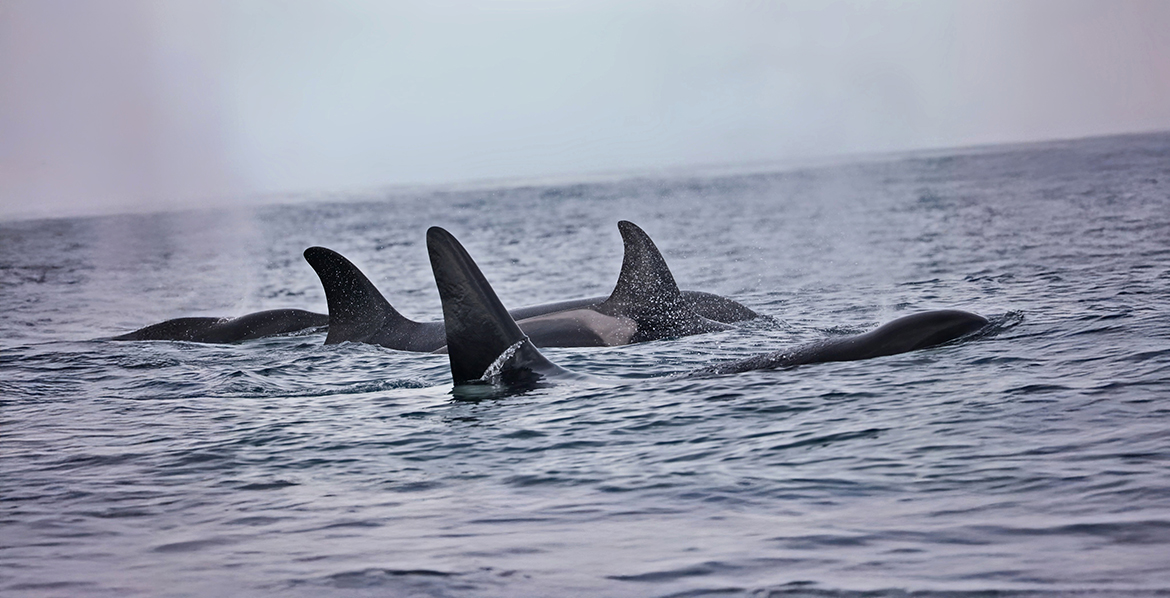
Being in close proximity to killer whales, alongside professionals who showed deep respect for the animals and their habitat, left a lasting impression. Every sighting carried both excitement and reverence. “It wasn’t just watching them—it was seeing them in their own world, on their terms,” she said.
Those encounters reshaped how she thinks about travel. “Now I know that when I go somewhere, I want to be intentional. I don’t just want to visit; I want to give back and be mindful of the impact I leave behind,” she said.
These immersive, hands-on experiences deepened her connection to the whales and shifted how she engages with the world around her.
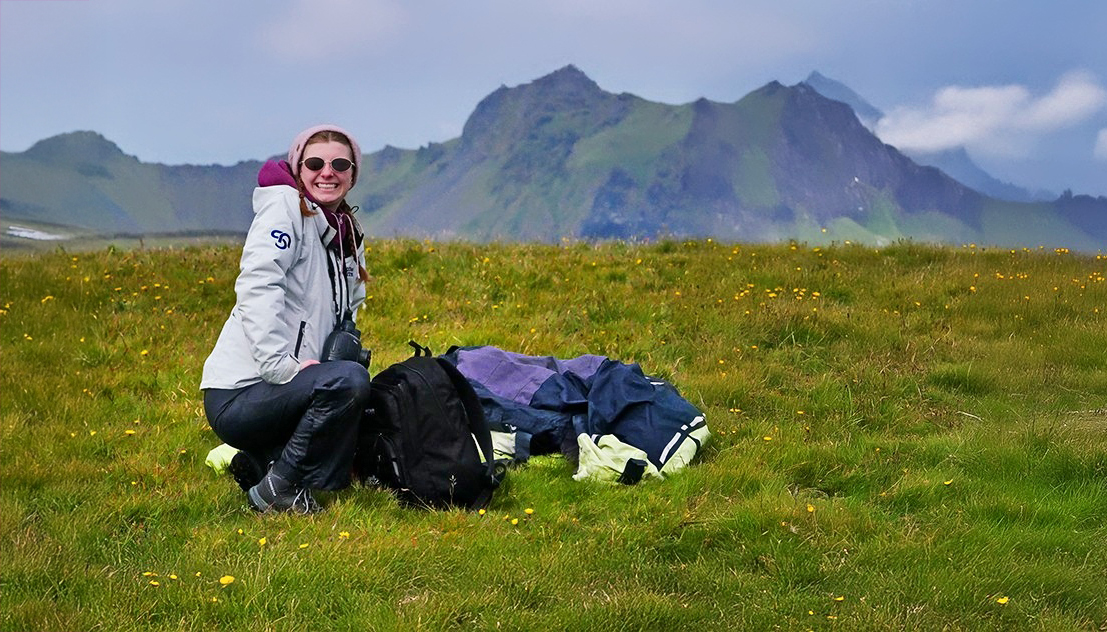
Learning from Orcas
During the expedition, Maddy split her time between land and water stations, observing whale behavior, scanning the horizon for movement and learning how to identify individual whales.
On stormy days, Maddy and the other participants attended presentations from the scientists, diving deeper into whale biology, migration patterns and conservation challenges. They practiced identifying individual whales by the markings on their dorsal fins and saddle patches.
“I never realized how much detail goes into recognizing one whale from another—it felt like uncovering their personalities,” Maddy said.
These moments gave her a deeper appreciation for the patience and precision behind marine research.
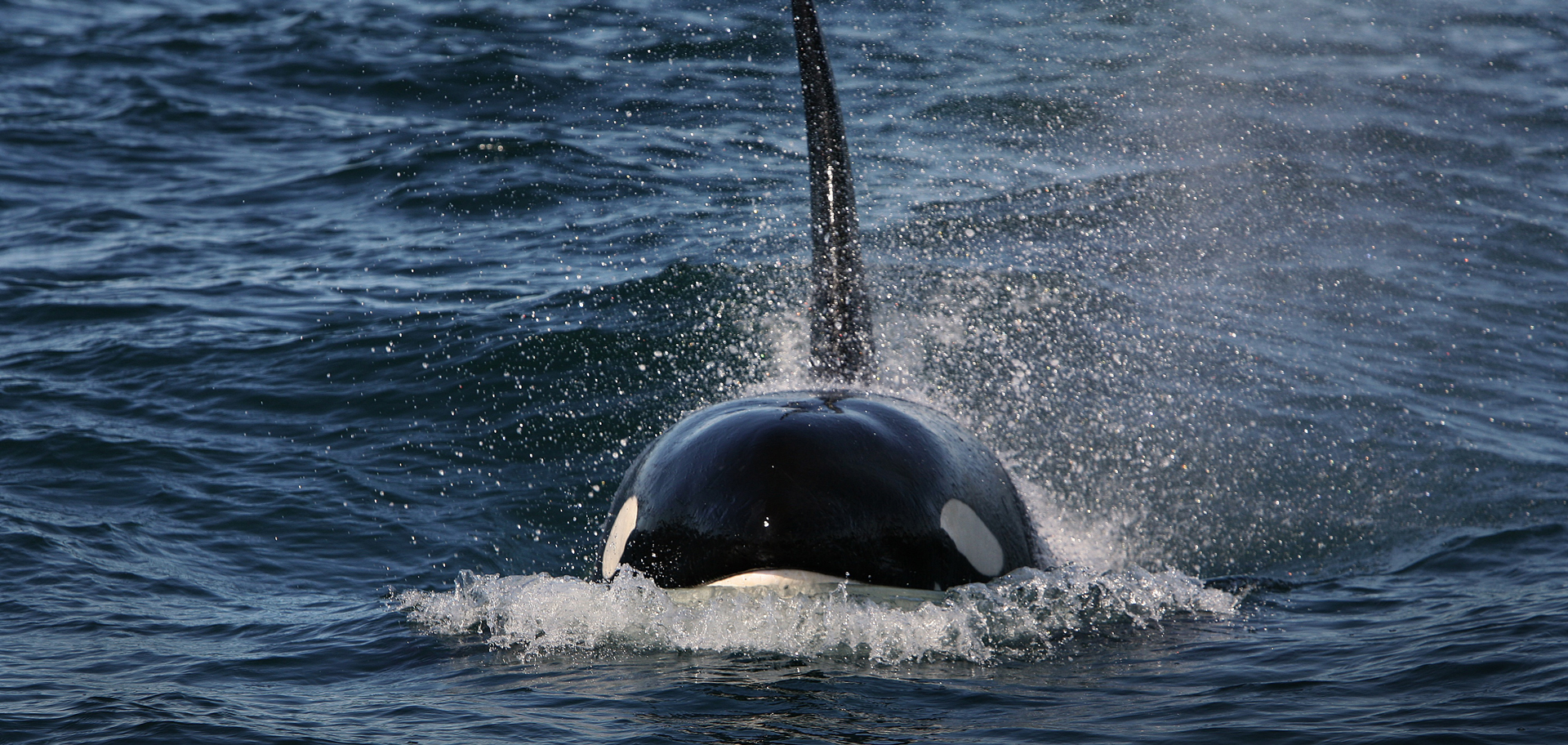
© Eric Rock
Instant Community
The bonds formed during the expedition were as meaningful as the research itself. Shared meals, late-night conversations and long hours at sea created fast connections between participants.
“Everyone shared the same purpose, and that made it easy to feel like we were part of something together,” Maddy said.
In just a few days, teammates moved from introductions to trusted companions. They celebrated sightings together, swapped stories from home and laughed through the small challenges of fieldwork. For Maddy, it reinforced that conservation is never a solo effort—it depends on shared purpose and collaboration.
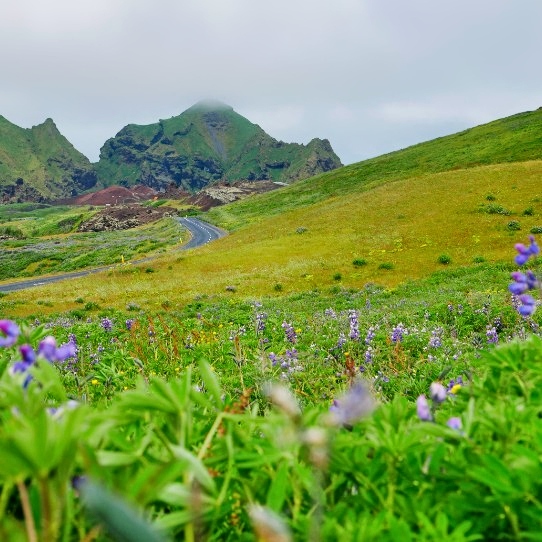
Finding Inspiration in the Island
Even outside of research, the setting itself shaped the experience. Each morning, Maddy woke on the remote island to sweeping ocean views, light reflecting off the water, with horses grazing nearby and sheep wandering along quiet roads.
“Being on that island brought something new every day,” she said. “It made me pause, take it in and reminded me why I wanted to be there—to experience the wild and feel connected to it.”
A New Perspective
When Maddy returned home, she realized she had gained more than memories. She came back with a different way of seeing the world.
“I had never traveled like that before,” she said. “Every moment in Iceland—watching whales, scanning the water, feeling the wind on the cliffs—was immersive and intentional. It changed how I think about what it means to truly experience a place.”
The expedition left her with a deeper appreciation for presence, for connection and for how individual actions can contribute to something larger.
For Maddy, Earthwatch was not just a trip—it reshaped how she approaches travel, learning and everyday life.
As she put it, being part of the research, seeing the whales in their world and feeling that connection changed how she sees both travel and life.
Discover the World Through New Eyes
Maddy’s journey shows how meaningful travel can reshape the way we experience the world. With Earthwatch, you don’t just observe nature—you contribute to research, connect with a passionate team and leave with a renewed sense of purpose.
Explore upcoming expeditions and begin your own journey.