





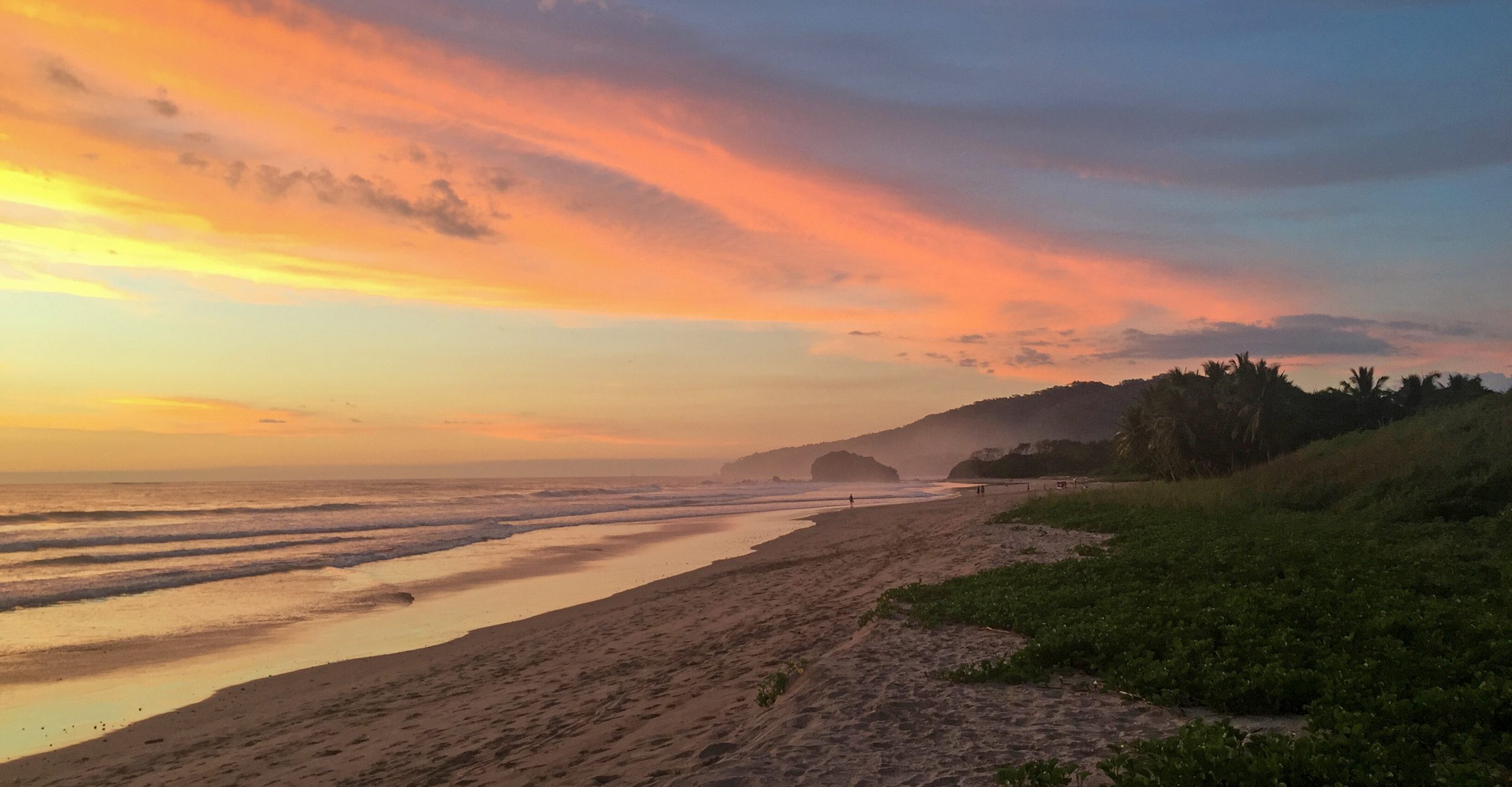
Why hands-on science travel became the highlight of Judy’s retirement—and how it could transform yours.
When Judy Wieske retired at age 55 after a 37-year career as a visual information specialist for the federal government, she knew exactly what she wanted to do next: see the world. But not just as a tourist. Inspired by a friend’s Earthwatch expedition, Judy dreamed of traveling with purpose—to places she’d never imagined visiting and in service of something bigger than herself.
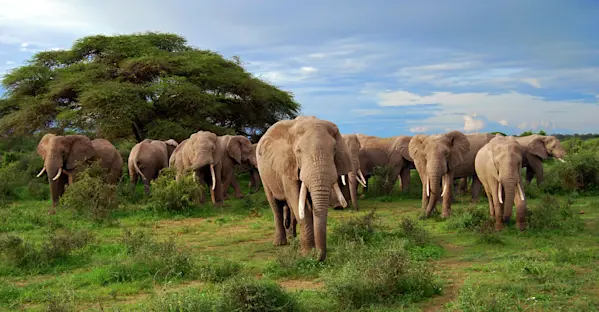
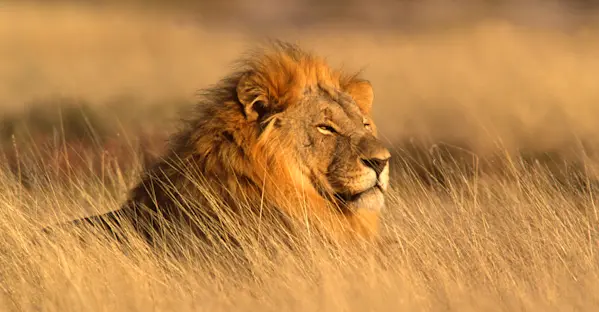
In 2012, Judy joined her first Earthwatch expedition in Namibia, where she worked alongside scientists to study and conserve wild cheetahs. “I fell in love with Africa on that trip,” she said. “It was my first time seeing a lion in the wild and a herd of elephants.” She spent hours observing animals at a watering hole, quietly watching as wildebeest, zebras and other animals took their turn.
But it wasn’t just the wildlife that captivated her. As she helped monitor animal behavior, track cheetahs’ movements and ecology and support local education programs, Judy realized she was part of something essential. The scientists didn’t have enough people to do the work, she said, and that made her feel like she was doing her part in the world to help protect the place and its wildlife.
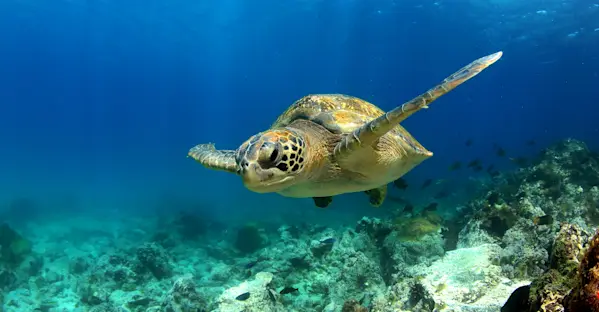
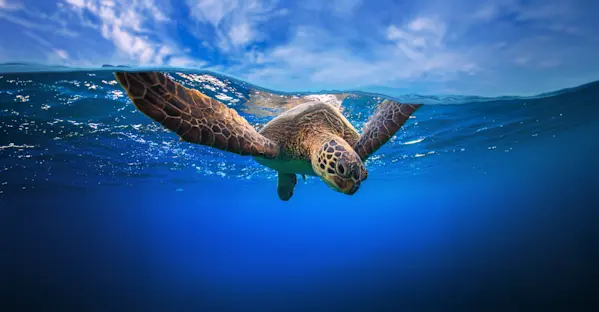
That sense of purpose stayed with her and inspired many more journeys. Since that first trip, Judy has joined 16 Earthwatch expeditions across the globe: tracking sharks in Belize and Florida, protecting leatherback sea turtles in Costa Rica and restoring coral reefs in Bali. For Judy, these weren’t just bucket-list adventures. They were immersive, hands-on experiences that redefined her retirement and her relationship with the planet.
NOT JUST TRAVEL—CONNECTION
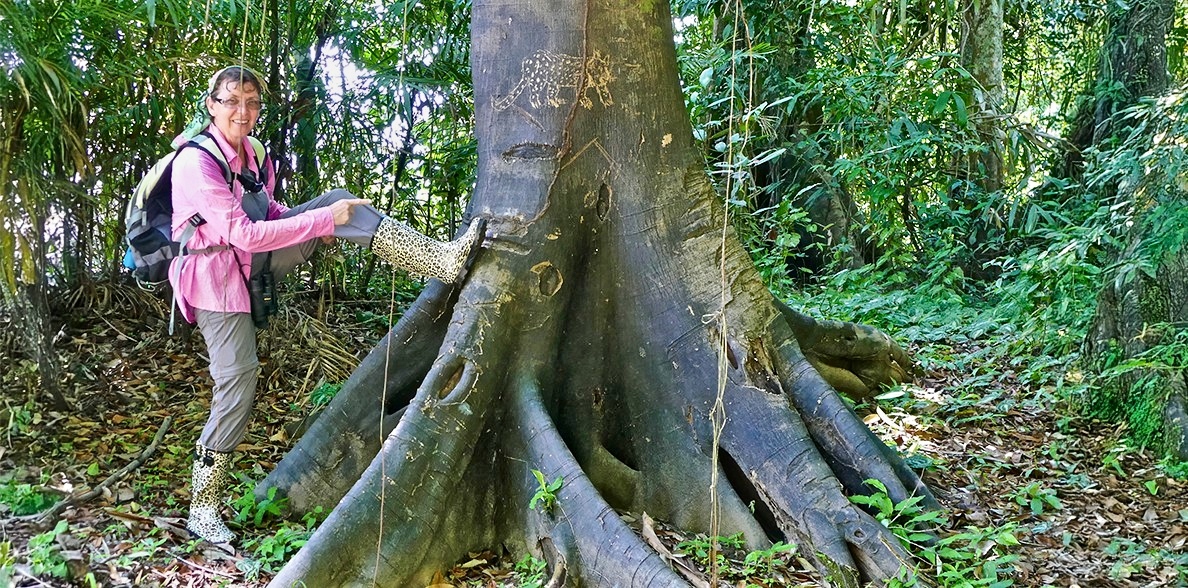
Judy joined her first Earthwatch expedition with a friend, but she soon began signing up for projects on her own. With Earthwatch’s research team model, she never felt alone.
“Once you get to the airport and meet the other people on the team, you become instant friends,” she said, adding that it feels like you’re already traveling with friends.
Their shared sense of purpose created immediate bonds. Participants arrive with similar interests and mindsets, Judy explained, and quickly form connections that last long after the expedition ends. Today, she has friends around the world she first met on Earthwatch projects.
A FAMILY AFFAIR
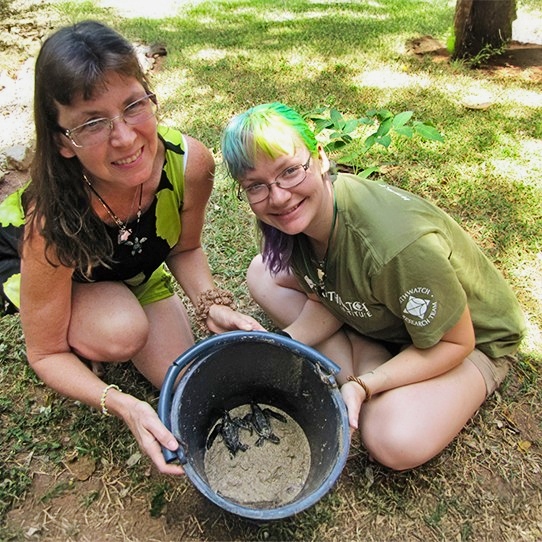
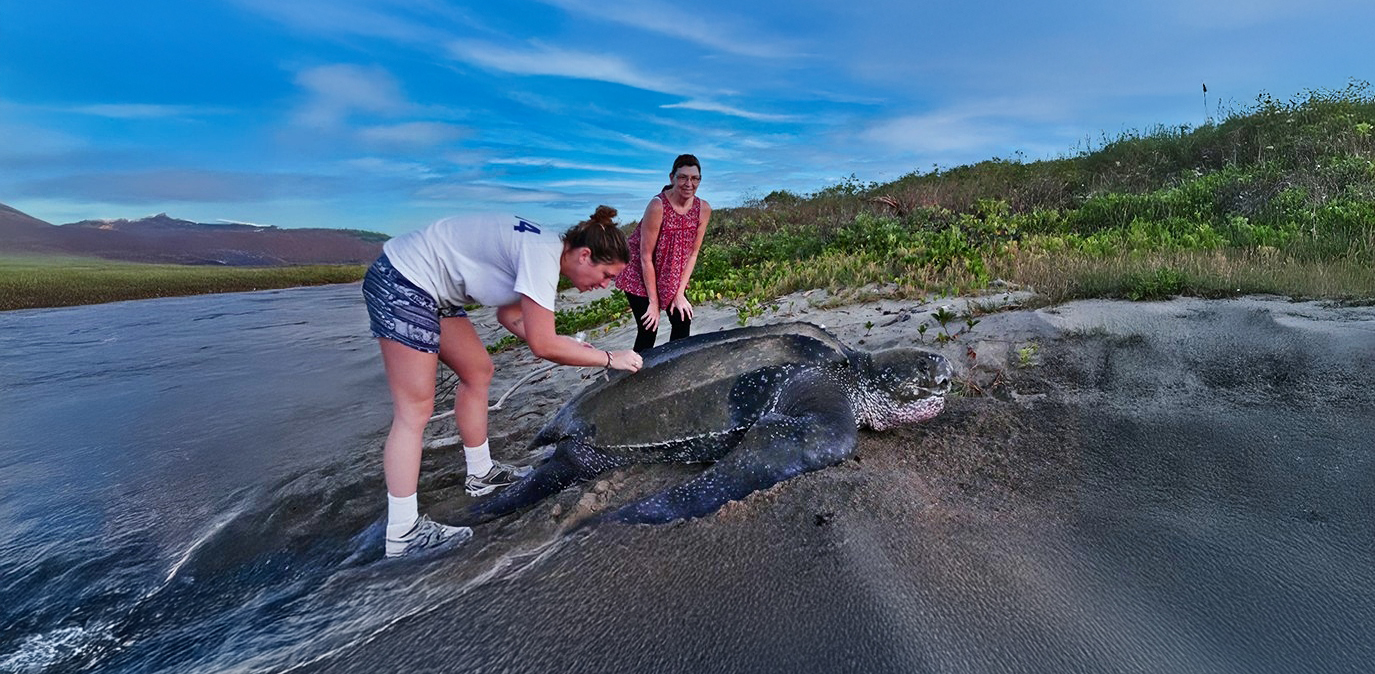
Judy also saw Earthwatch as a way to deepen family connections. Inspired by an aunt-niece duo on an Earthwatch team in Costa Rica, she invited her niece, Mary, to join her on an expedition. In 2014, over Christmas, the two returned to Costa Rica to help protect leatherback sea turtles.
“We spent Christmas at the sea turtle hatchery under the stars,” she said. “It was the first time I saw bioluminescence. You’d step in the sand and light would shoot out from under your feet.”
That moment marked the beginning of a shared passion. While Judy and Mary had always been close, their Earthwatch experience brought them even closer. Judy described it as an added layer of connection that strengthened their relationship.
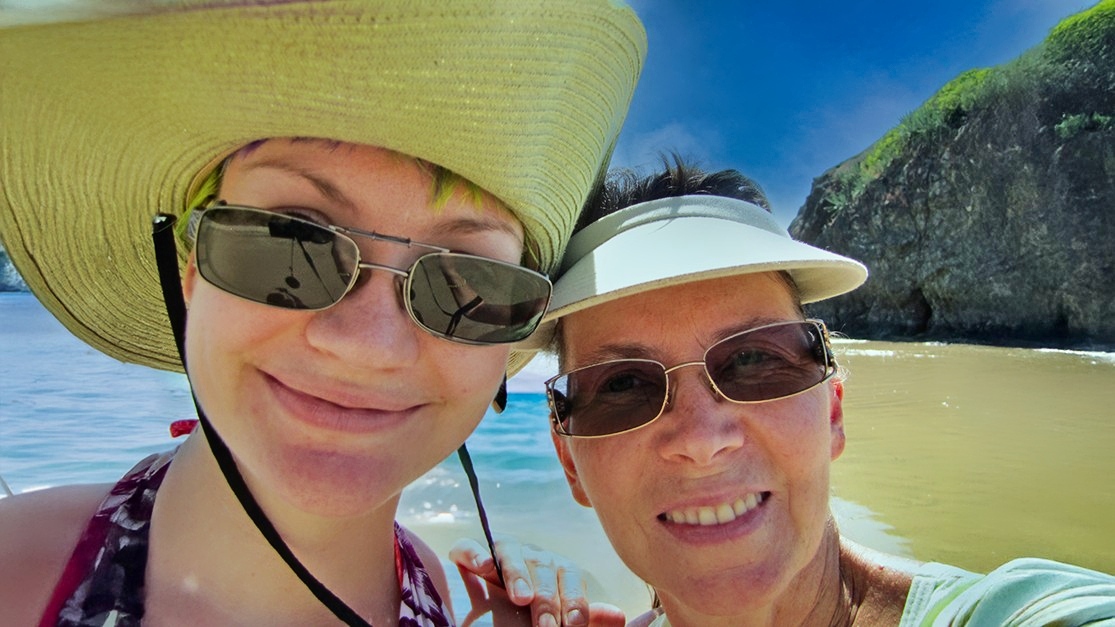
Since then, Judy and Mary have joined six expeditions together—from Australia to Belize—many focused on coral reefs.
“Mary’s a water lover,” Judy said. “She wants to see all the reefs before they disappear.”
REAL SCIENCE, REAL IMPACT
Judy believes what sets Earthwatch apart is how deeply involved participants are in the research.
“Earthwatch is so hands-on that you really feel connected and part of the research,” she said, which is why she continues to return.
She values the access to experiences most travelers never encounter—whether catching a piranha on the Amazon River, tagging a tiger shark in Florida or relocating leatherback sea turtle eggs in Costa Rica.
But more than the moments themselves, it’s the impact that stays with her. She appreciates knowing her work is truly valued. In Costa Rica, she saw firsthand how hard interns and biologists worked day and night. When participants arrived, she said, they were able to give the team a break—even something as simple as letting them relax or enjoy a beer with dinner felt meaningful.
A NEW WAY TO SEE THE WORLD
Retirement gave Judy the freedom to travel. Earthwatch gave her a reason.
That purpose has changed how she sees the world—and how she lives in it. After returning from one of her expeditions in Africa, she looked at a few shriveled blueberries in her fridge and realized they were still perfectly fine to eat. It was a small moment, she said, but it reflected a larger shift in perspective.
Now, Judy hopes to bring more of her nieces and nephews on Earthwatch trips. “I want them to see what else is out there, beyond ‘normal’ life,” she said.
For Judy, Earthwatch expeditions aren’t just travel—they’re a way of life. They offer a way to explore the world, live her values and stay connected to what matters most.
READY TO TRAVEL WITH PURPOSE?
You don’t have to be a scientist to make a difference—you just have to be curious, willing and ready to explore. Whether you’re newly retired or simply seeking deeper experiences, Earthwatch can take you there.
Explore upcoming expeditions and find the one that inspires you.