Research & Impact
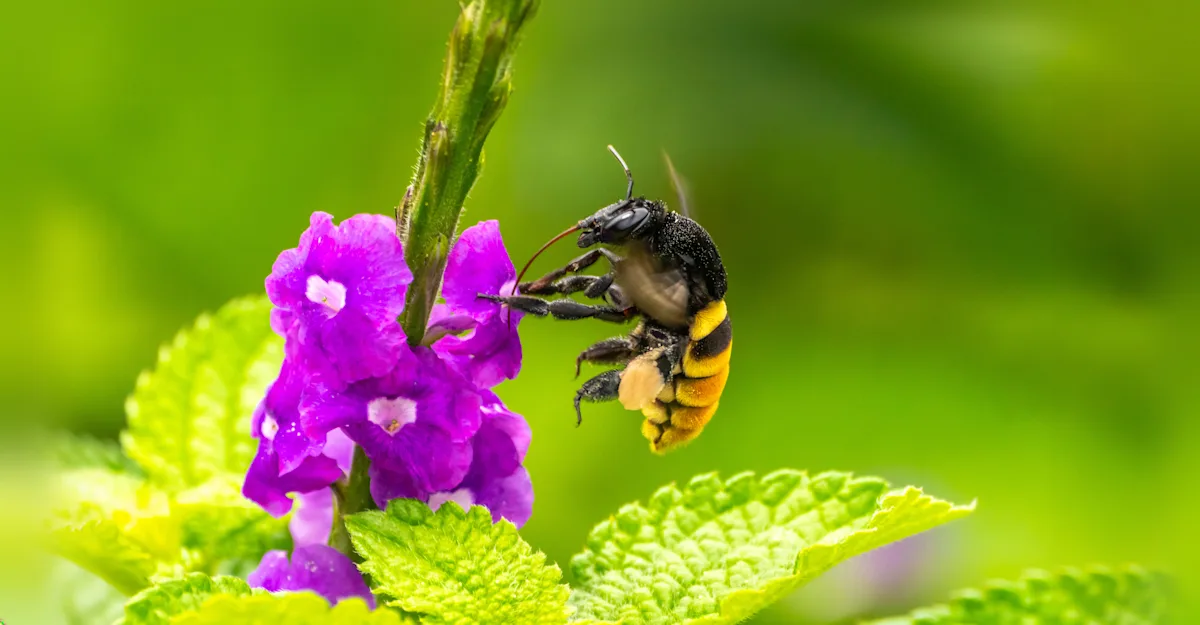
You’re contributing to a long-term research program investigating how climate change and habitat loss are altering wild bee populations in Costa Rica’s Monteverde region. By studying pollinators in cloud forests, farms and habitat restoration sites, researchers are uncovering how these changes affect biodiversity, food production and the resilience of tropical ecosystems.
What You'll Do in the Field
Click a photo to expand details
Survey Wildlife Populations
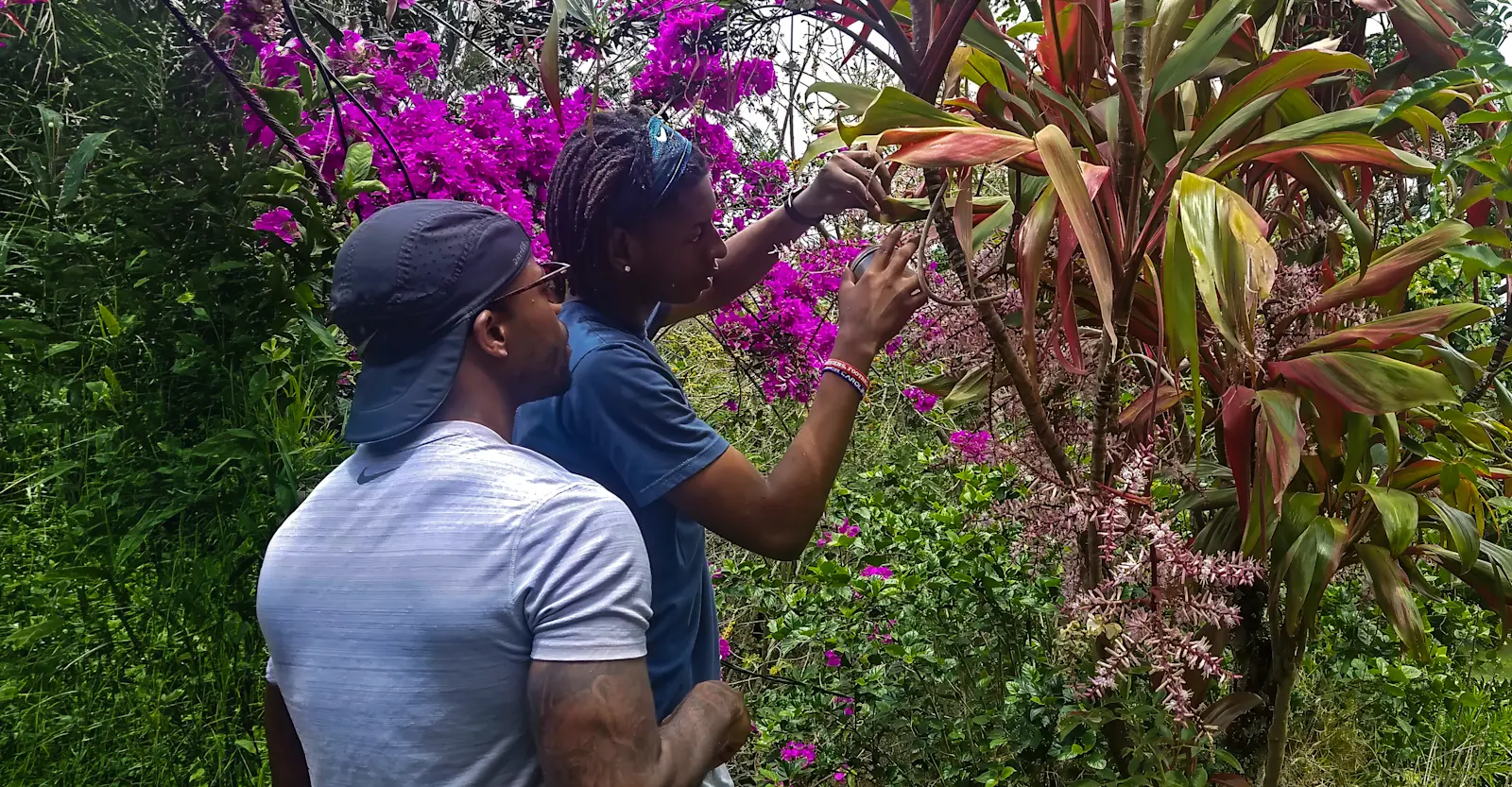
Photograph and identify flowering plant species in forests, farms and restoration plots to help scientists map connections between pollinators and the plants they depend on.
Observe Animal Behavior
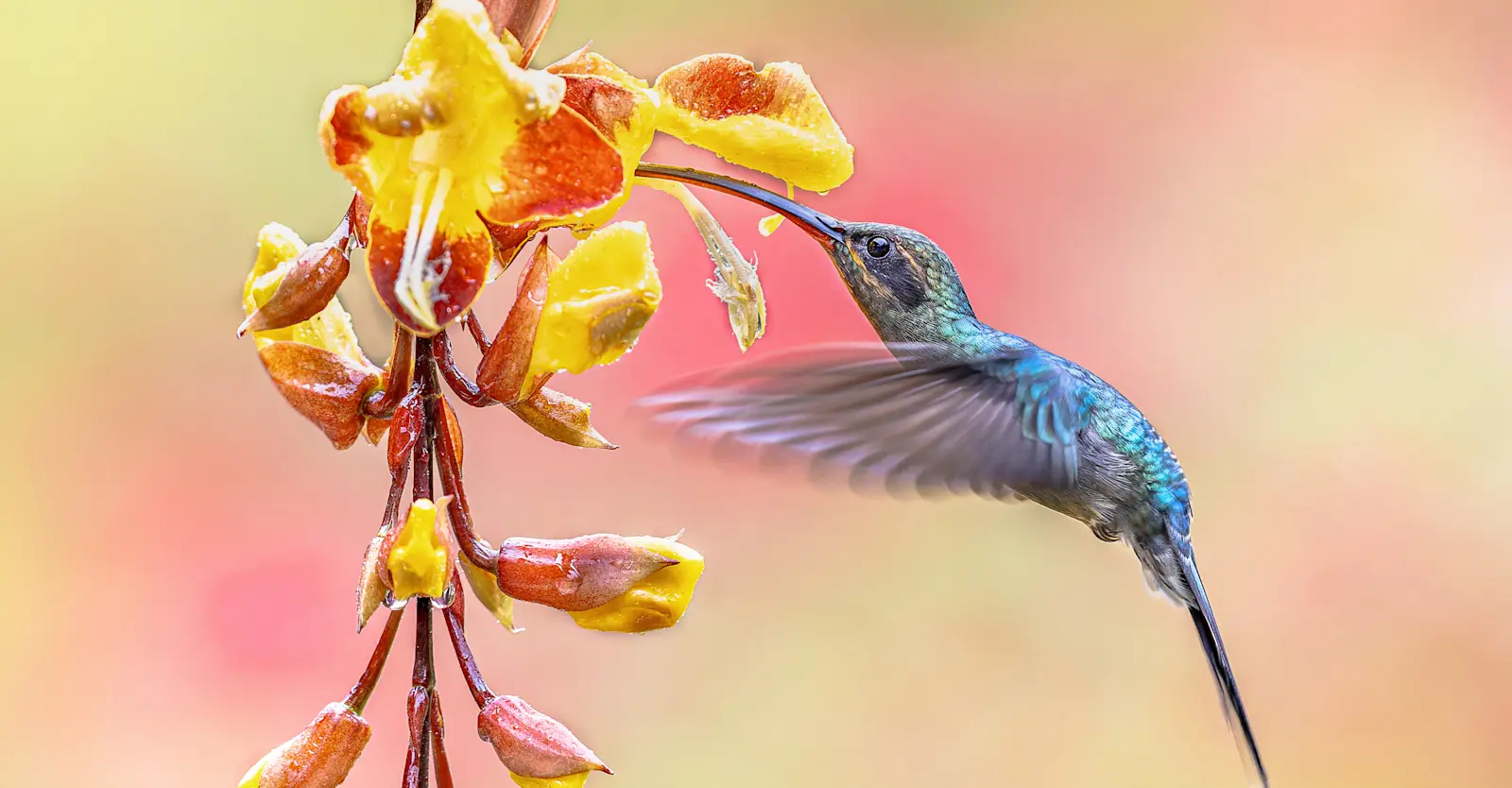
Monitor flowering plants to document which bee species visit them, how often they arrive and how pollinator activity changes between habitats and elevations.
Assess Habitats & Ecosystems
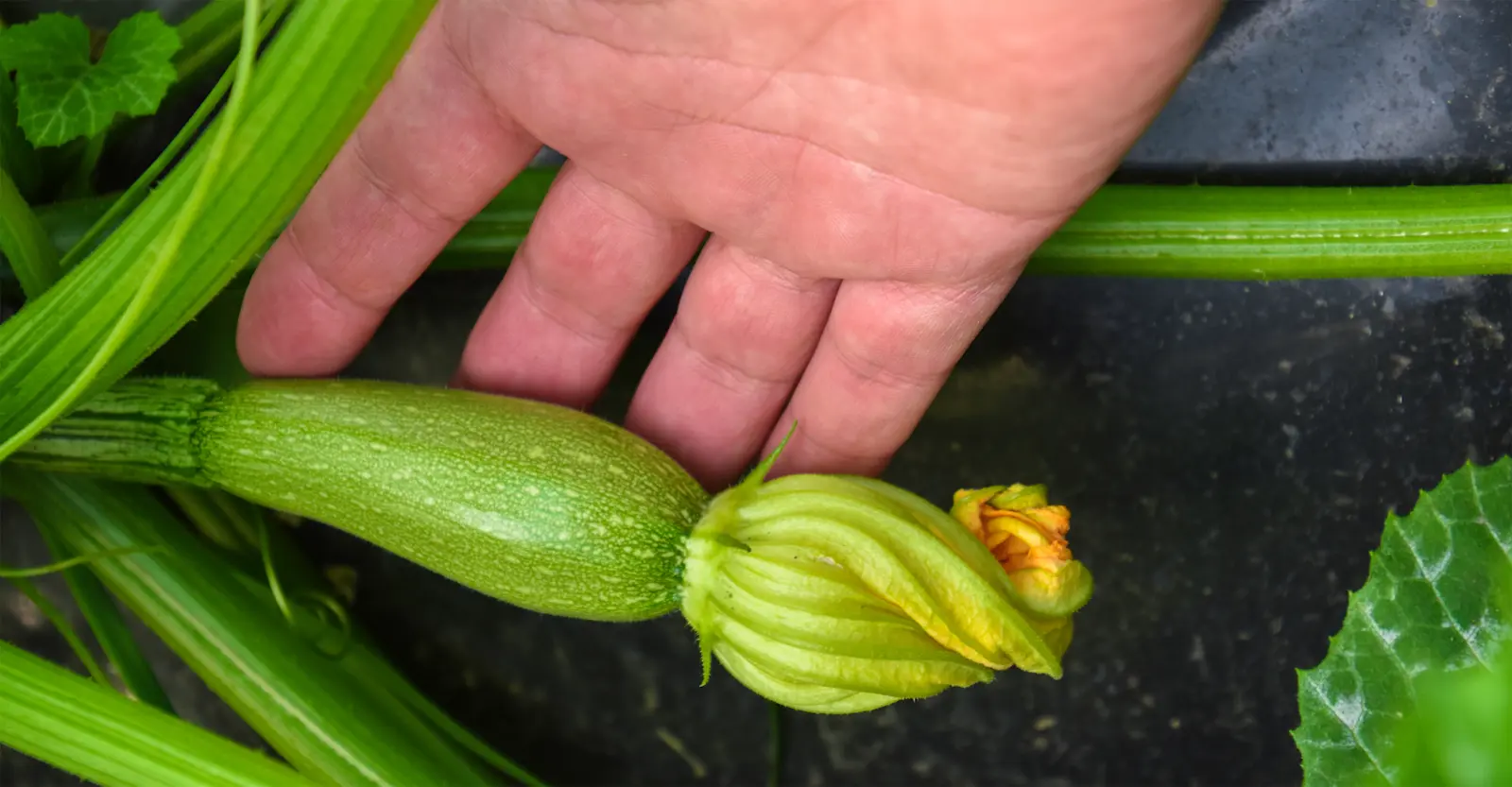
Observe squash and pumpkin flowers in family gardens while helping researchers measure how pollinators influence fruit growth, crop yields and pollination success.
Restore Habitats & Run Field Experiments
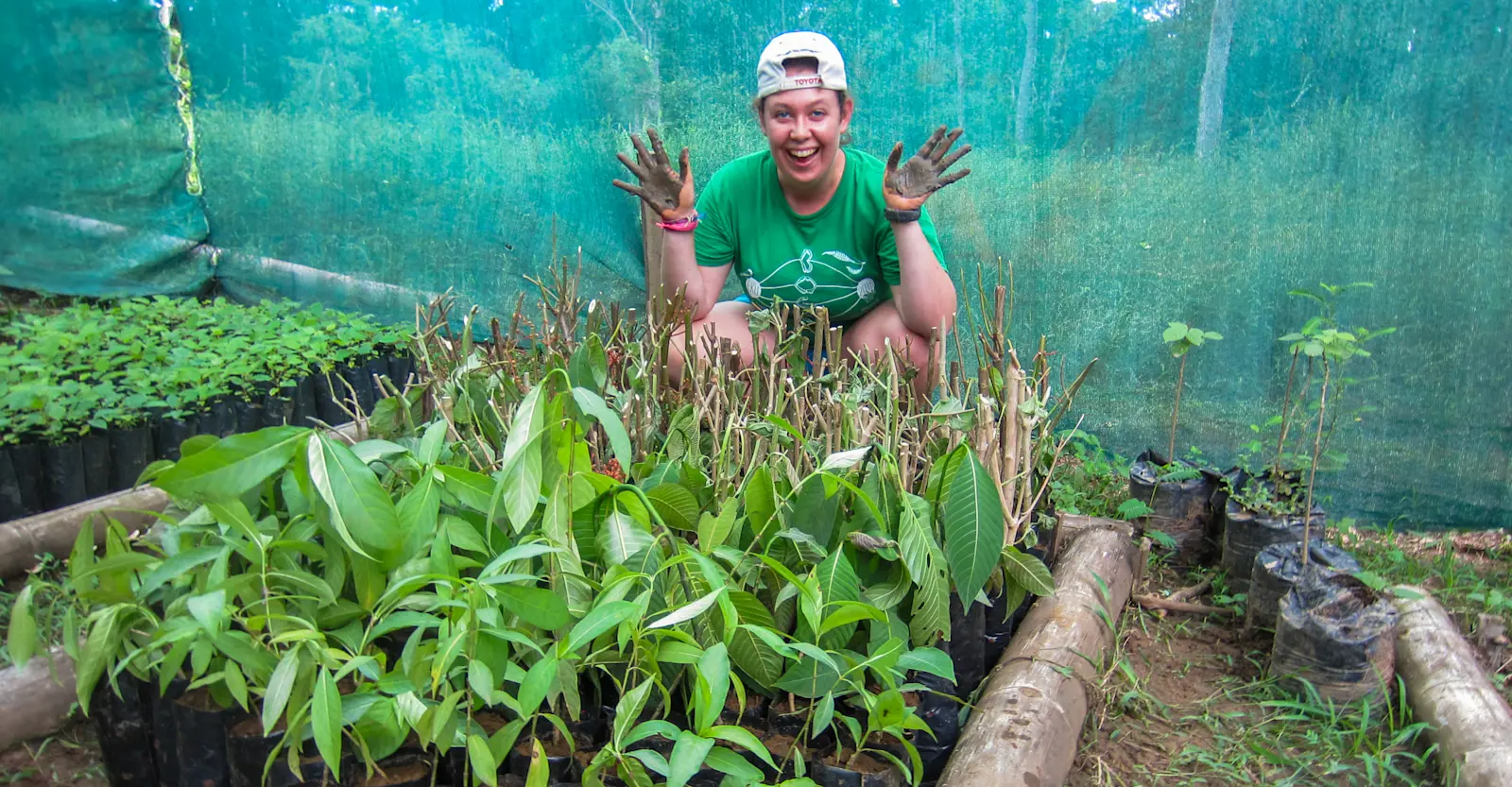
Help plant and maintain flowering shrubs and trees in restoration plots designed to support pollinator diversity, while collecting data on how pollinator communities respond across agricultural landscapes.
Meet Your Lead Scientist

Valerie Peters, Ph.D.
Dr. Valerie Peters has spent more than a decade studying pollinators in tropical ecosystems, focusing on how climate change and habitat loss affect bees and their role in pollinating crops and wild plants. Her research helps guide strategies to protect pollinators and support ecosystem health and food security.
Read moreResearch Focus
Researchers survey bees and flowering plants along Monteverde’s elevational gradients to understand which pollinator species are most vulnerable to warming temperatures and changing rainfall patterns. The project has already documented hundreds of bee species and identified the flowering plants that support the greatest pollinator diversity. The team is also testing whether restoration strategies like agroforestry plantings and biodiversity islands can strengthen pollinator habitat in working agricultural landscapes—findings that could help guide future conservation and sustainable farming practices in tropical ecosystems.
-
Protect Pollinators Essential to Tropical Ecosystems
Support long-term research exploring how forests, farms and restoration efforts can help sustain wild bees in a changing climate.
Conservation Impact
This project is generating long-term data to better protect pollinators while testing restoration strategies that can work beyond protected areas.
More than 250 bee species documented through a decade-plus of monitoring in the Monteverde region
One of the first long-term datasets tracking tropical pollinators across climate and elevational gradients in Mesoamerica
Nearly 3,000 documented plant-pollinator interactions identifying which flowering plants support the greatest pollinator diversity
Research revealing major shifts in bee communities linked to changing rainfall patterns and climate variation
Experimental restoration plots testing how mixed-species plantings influence pollinator diversity in agricultural landscapes
Thousands of collected bee specimens contributing to the Bee Barcode of Life Initiative and future pollinator research
Research guiding agroforestry and restoration strategies that support pollinators while strengthening local farming resilience
Establishment of a stingless bee outreach center promoting pollinator conservation, traditional knowledge and sustainable livelihoods
Each season of fieldwork deepens understanding of how pollinators survive in changing landscapes—and what it will take to protect the ecosystems and crops that depend on them.
Your Role in the Research
Work alongside scientists and local farmers to survey pollinators across cloud forests, gardens, farms and restoration plots. You may photograph flowering plants, observe pollinator visits, collect bees using nets or traps, document crop pollination or help maintain experimental restoration plantings. Every observation contributes to a growing long-term dataset used to better understand how climate change and habitat loss are affecting these species and the ecosystems they sustain.
Life in the Field
Most days begin on mountain trails or in agricultural landscapes surrounding Monteverde, where you’ll survey flowering plants, observing pollinators and assisting with field research. Research sites range from misty cloud forest edges to family farms and restoration plots scattered across steep hillsides. Days may also include visits to local farms, presentations from scientists or tours of community-led conservation projects connected to the research. Evenings often end with locally grown meals, conversations with scientists and the sounds of the cloud forest settling in for the night.
Field Conditions
Expect active days outdoors in humid tropical conditions that may include rain, mud, heat and steep terrain. Research sites span a broad elevational gradient, so temperatures and weather can shift quickly throughout the day. Activities may involve hiking 2–5 miles on slippery mountain trails or agricultural plots, working in dense vegetation and spending extended periods outdoors around insects and other wildlife. Field plans regularly adapt to weather and research priorities, making flexibility essential to the experience.