Know Before You Go
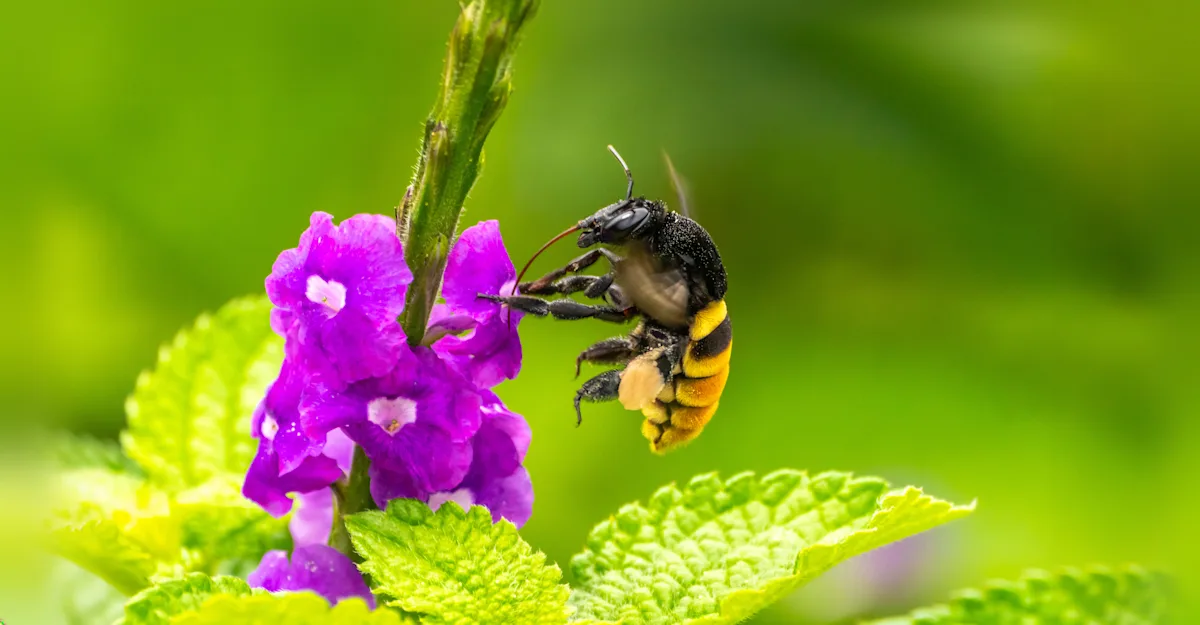
Whether you're preparing for your upcoming expedition or simply want to learn more about Costa Rica's cloud forests, these resources will help you explore one of the most important pollinator landscapes in the tropics. Discover the wild bees that support rainforest biodiversity and food production, learn how climate change is affecting pollinators and explore the conservation efforts helping sustain these vital species across forests, farms and restoration sites.
Why Is Monteverde One of the Best Places in the World to Study Pollinators?
In Monteverde, mist drifts through cloud forest canopy, coffee farms and flowering hillsides where wild bees, butterflies and hummingbirds carry pollen between orchids, tropical fruits and thousands of rainforest flowers. These interactions sustain one of Costa Rica's most biologically rich mountain landscapes while also supporting the farms and food crops that depend on healthy pollinator populations.
Monteverde's steep elevational gradients create a natural laboratory for studying how climate change affects pollinators. As temperatures rise and rainfall patterns shift, researchers are investigating which species are most vulnerable, which flowering plants provide critical resources and how habitat restoration can help support pollinator communities across forests and agricultural landscapes.
This combination of exceptional biodiversity, long-term research and close collaboration with local farming communities makes Monteverde a meaningful place for participants to contribute to conservation efforts that support both tropical ecosystems and food production.
Quick Facts: Protecting Pollinators in Costa Rica's Cloud Forest
Location: Monteverde, Costa Rica
Research partner: Tropical Agroforestry Institute
Primary species: Orchid bees, stingless bees and other native bee species
Key activity: Pollinator surveys and habitat restoration
Conservation focus: Pollinator diversity, habitat restoration and sustainable agriculture
What Wildlife Will I See on a Protecting Pollinators Expedition?
Wild bees are the primary focus of this expedition, but Monteverde's cloud forests and agricultural landscapes support a remarkable diversity of wildlife. Participants spend time in forests, gardens, farms and restoration sites where pollinators interact with flowering plants across a variety of habitats.
Guests may encounter a variety of wildlife during research activities, including:
Invertebrates
Native bee species, including stingless bees and orchid bees
Butterflies
Leaf-cutter ants
Primates and Mammals
White-faced capuchin monkeys
Coatis
Agoutis
Variegated squirrels
Fruit bats
Birds
Numerous hummingbird species
Blue-crowned motmots
Brown jays
Clay-colored robins
Great kiskadees
Long-tailed manakins
Rufous-and-white wrens
Keel-billed toucans
Emerald toucanets
Chachalacas and guans
A variety of parrots and parakeets
Reptiles and Amphibians
Lizards and snakes
Tree frogs and other frogs
Monteverde's cloud forests are among the most biologically rich ecosystems in Costa Rica, supporting an intricate web of interactions between plants, pollinators and the wildlife that depend on healthy forests.
What Is the Climate Like During a Costa Rica Expedition?
Monteverde's mountain climate is cooler than many visitors expect from Costa Rica. Cloud cover, mist and rain are common throughout the year, and conditions can change quickly as weather moves across the mountains.
Condition | What to Expect |
Daytime Temperatures | 65–80°F |
Nighttime Temperatures | 55–65°F |
Humidity | High year-round |
Rainfall | Frequent rain, mist and cloud cover possible |
Terrain Conditions | Trails may be muddy and slippery |
Seasonal Notes | Weather can vary significantly across elevations |
Fieldwork takes place across a range of elevations and habitats, from cloud forest trails to agricultural landscapes. Participants should be prepared for a mix of sunshine, mist, rain and rapidly changing mountain conditions.
Frequently Asked Questions
Do I need research experience?
No prior research experience is required. Scientists and field staff provide training and guidance in pollinator surveys, field observation techniques and data collection methods used throughout the project.
What type of research will I assist with?
Participants assist scientists studying wild bee diversity, pollinator behavior and habitat restoration in Monteverde's cloud forests and agricultural landscapes. Activities may include documenting flowering plants, observing bee visits to flowers, monitoring crop pollination, collecting pollinators for identification and helping establish or maintain habitat restoration plots.
What is the conservation impact of this research?
This expedition supports long-term research investigating how climate change and habitat loss affect tropical pollinators. Data collected by participants helps scientists identify important pollinator species, understand plant-pollinator relationships and evaluate restoration strategies that support biodiversity and sustainable agriculture.
How physically demanding is the expedition?
Participants should be comfortable hiking 2–5 miles per day on mountain trails and working outdoors in humid tropical conditions. Fieldwork may involve muddy or slippery terrain, dense vegetation and extended periods outdoors while conducting research.
Can weather affect research activities?
Yes. Rain, fog and changing mountain weather can affect daily fieldwork and research priorities. Scientists regularly adapt field plans based on conditions while continuing data collection whenever possible.
What happens in case of an emergency?
Participant safety is a priority on all expeditions. Field staff follow established safety procedures and maintain communication during field activities. If medical care is required, staff coordinate transportation to the nearest appropriate medical facility.
Do I need travel insurance?
Travel insurance is strongly recommended and should include coverage for trip cancellation, interruption, medical expenses and emergency evacuation. Earthwatch provides travel medical insurance for participants.
What immunizations & travel vaccinations do I need?
Participants should consult a healthcare provider before travel and ensure routine vaccinations are up to date before visiting Costa Rica. Guests should also take precautions against insect bites and prepare for extended outdoor activity in tropical environments.
What should I bring?
Participants receive a detailed packing list before departure outlining recommended clothing, field gear and personal supplies. Essential items include rain gear, hiking footwear, lightweight layers and gear appropriate for outdoor fieldwork in humid mountain environments. Snake guards will be provided on-site, but participants may bring their own, if desired.
What Should I Pack for a Protecting Pollinators Expedition?
Participants should pack for humid mountain conditions, frequent rain and active days outdoors on cloud forest trails and agricultural landscapes. Weather can change quickly throughout the day, making lightweight layers and reliable rain protection essential.
Recommended items include:
Lightweight, quick-drying clothing
Long-sleeved shirts and long pants
Waterproof rain jacket
Waterproof hiking boots or trail shoes
Extra socks
Lightweight fleece or insulating layer
Wide-brimmed hat
Refillable water bottle
Small daypack
Insect repellent
Sunscreen
Headlamp or flashlight
Binoculars (optional)
Camera or smartphone for documenting observations
Snake guards will be provided on site, but some may wish to bring their own
Because research sites may be muddy, wet and steep, sturdy footwear and dependable rain gear are among the most important items to bring.
What Will I Experience on Bees, Birds & Wild Beauty in Costa Rica?
Participants assist scientists studying wild bees and pollination across Monteverde's cloud forests, farms and restoration sites. Fieldwork may include observing pollinators visiting flowers, documenting plant species, monitoring crop pollination and helping establish habitat designed to support bee diversity.
Beyond the research, participants explore orchid gardens, visit family-run coffee and sugar farms, learn about traditional stingless bee management, hike through cloud forests and experience the close connection between conservation, agriculture and daily life in Monteverde.
What Does Daily Fieldwork Look Like?
Most days begin in the field alongside researchers, visiting forests, farms, gardens and restoration sites across Monteverde's mountainous landscape. Participants may observe bee activity on flowering plants, monitor pollination in agricultural plots, document habitat conditions or help collect data on pollinator diversity.
Fieldwork changes with weather, flowering cycles and research priorities. Some days focus on cloud forest habitats, while others take place on working farms or restoration sites where scientists are testing strategies to support pollinators in agricultural landscapes. Evenings may include presentations from researchers, laboratory sessions examining specimens or guided walks through the cloud forest.


