Know Before You Go
Whether you're preparing for your upcoming expedition or simply want to learn more about Kenya's rhinos and wildlife conservation efforts, these resources offer a closer look at the species, landscapes and research that define this experience. Learn about endangered black rhinos and the challenges of protecting their habitat, discover the wildlife that shares Kenya's savannas and explore how scientists are restoring vegetation and helping growing rhino populations thrive.
Why Is Ol Pejeta One of the Best Places in the World to Study Black Rhinos?
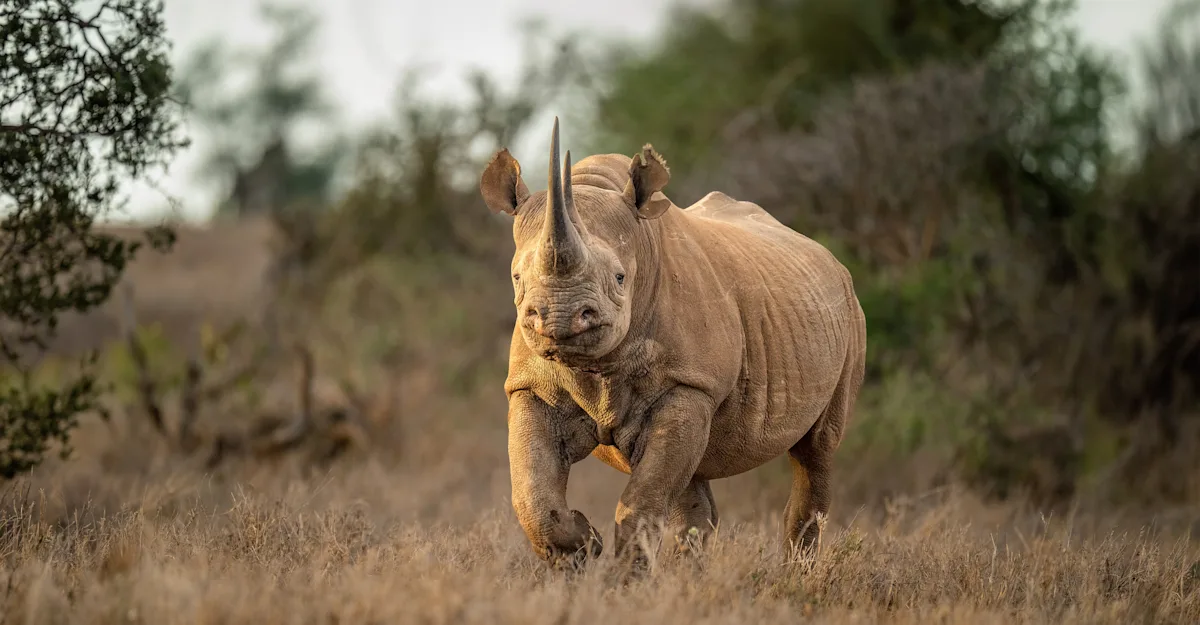
Beneath the towering slopes of Mount Kenya, endangered black rhinos roam the acacia woodlands and open grasslands of Ol Pejeta Conservancy. Once reduced to approximately 20 individuals in 1993, the conservancy's black rhino population has grown to more than 180 today, making Ol Pejeta an important stronghold for the species. This remarkable recovery has created a new conservation challenge: understanding how many rhinos the landscape can sustain as their numbers continue to grow.
Black rhinos depend on woody vegetation for food, sharing the savanna with elephants, giraffes and other large herbivores that also influence how plants grow and recover. Kenyan scientists are investigating how browsing pressure, vegetation regeneration and habitat management affect the availability of food for rhinos. Through wildlife surveys, vegetation measurements and long-term monitoring, researchers are assessing where habitat is under strain and which restoration practices can help protect the shrubs and trees rhinos need.
By joining this long-running research, participants help scientists investigate how Ol Pejeta's growing rhino population uses its habitat and how the landscape can continue to support their recovery. These findings guide habitat restoration, wildlife management and efforts to expand suitable rhino range elsewhere in Kenya.
Quick Facts: Black Rhino Conservation in Kenya
Location: Ol Pejeta Conservancy, Laikipia Plateau, Kenya
Research partner: Ol Pejeta Conservancy
Primary species: Eastern black rhinos
Key activity: Rhino identification, wildlife surveys, vegetation assessments and camera-trap monitoring
Conservation focus: Black rhino habitat restoration, population growth, wildlife connectivity and sustainable habitat management
What Wildlife Will I See on My Kenya Expedition?
Black rhinos are at the heart of this expedition, but the journey crosses some of Kenya's richest wildlife landscapes, from the savannas of Ol Pejeta Conservancy to the rugged hills and elephant corridors of Namunyak Conservancy. Wildlife sightings vary by location and conditions, with opportunities to encounter rhinos, elephants, predators, antelope and a remarkable diversity of East African birds.
Participants may encounter:
Black rhinos roaming the acacia woodlands and grasslands of Ol Pejeta Conservancy
White rhinos across Ol Pejeta's protected savanna habitats
The world's last two northern white rhinos during a special conservation visit at Ol Pejeta
African elephants on the plains of Ol Pejeta and in the rugged landscapes of Namunyak Conservancy
Giraffes browsing among acacia trees and open woodlands
Lions and leopards hunting across savanna and woodland habitats
African buffalo grazing in grasslands and open areas
Zebras across Ol Pejeta's plains
Antelope species inhabiting grasslands, scrub and woodland habitats
Warthogs foraging across the savanna
Hyenas and other carnivores
A wide variety of East African birds and smaller wildlife throughout the conservancies
At Reteti Elephant Sanctuary, participants also have the opportunity to observe orphaned elephants during feeding time and learn how Samburu keepers care for calves being prepared for a possible return to the wild.
Together, these species reveal the diversity of Kenya's wildlife landscapes and the importance of maintaining healthy, connected ecosystems for endangered rhinos and the animals that share their habitat. Wild animal sightings are never guaranteed, and encounters vary with wildlife movements and field conditions.
What Is the Climate Like During This Expedition?
Kenya's highland savannas experience generally warm days, cooler mornings and evenings, and seasonal rainfall. Conditions vary by departure date and location, with fieldwork taking place at elevations around 6,000 feet on the Laikipia Plateau. Strong sun exposure is common during research activities, while rain may bring wet or muddy conditions.
Conditions | What to Expect |
|---|---|
Daytime Temperatures | Generally 65–90°F, depending on season and location. |
Overnight Temperatures | Typically 45–60°F, with cooler conditions during early mornings and evenings. |
Sun Exposure | Strong throughout the expedition, particularly during extended fieldwork on foot. |
Rainfall | Seasonal rain may bring wet or muddy conditions, affecting trails and research activities. |
Elevation | Research at Ol Pejeta takes place at approximately 6,000 feet above sea level. |
Overall Conditions | Warm days, cool mornings and evenings, strong sun and variable conditions depending on season and location. |
Weather patterns vary from year to year, and temperatures can change considerably between daytime and nighttime activities. Participants should bring lightweight field clothing, layers for cooler mornings and evenings, sun protection and sturdy footwear suitable for uneven or occasionally muddy terrain.
Frequently Asked Questions
Do I need research experience?
No prior research experience is required. Kenyan scientists and field staff provide training and guidance in wildlife surveys, rhino identification, vegetation assessments and other research techniques used during the expedition. Participants learn how to recognize individual black rhinos by their distinctive ear notches, record wildlife observations and gather habitat data that contributes to long-term conservation research.
What type of research will I assist with?
Participants assist scientists investigating how Ol Pejeta's growing black rhino population uses its habitat and whether the landscape can support continued population growth. Activities may include walking research transects, identifying individual rhinos, recording wildlife sightings and tracks, measuring trees and shrubs, counting seedlings and assessing vegetation browsed by rhinos, elephants and giraffes. Participants may also examine camera-trap images, monitor wildlife movements and join occasional nighttime surveys.
What is the conservation impact of this research?
Data collected by participants contributes to decades of research into black rhino habitat use, vegetation recovery and wildlife population management. Researchers use wildlife surveys, vegetation measurements and habitat assessments to identify areas under browsing pressure, evaluate restoration practices and determine how much suitable habitat remains for a growing rhino population. These findings help guide management decisions at Ol Pejeta and support efforts to expand suitable rhino habitat elsewhere in Kenya.
How physically demanding is the expedition?
Fieldwork involves walking approximately 3–5 miles a day through open grasslands, dusty trails and uneven terrain dotted with thorny acacia. Some research outings last four to six hours, with opportunities to pause, examine wildlife signs and collect observations. Participants should be comfortable spending extended periods outdoors in temperatures ranging from 65–90°F, with strong sun exposure at elevations around 6,000 feet. Travel between research areas takes place in 4x4 safari vehicles, and early starts and occasional nighttime outings are part of the experience.
Can weather affect research activities?
Yes. Heat, rain and changing field conditions can affect wildlife activity, walking conditions and research schedules. Seasonal rainfall may leave trails wet or muddy, while wildlife movements and research priorities can influence which areas are surveyed. Scientists adjust daily activities as needed based on weather, safety considerations and the needs of the research team.
What happens in case of an emergency?
Participant safety is a priority on all expeditions. Field staff follow established safety procedures during walking research transects, safari drives and other activities in wildlife habitat. If medical care is required, staff coordinate appropriate assistance and transportation to a medical facility.
Do I need travel insurance?
Travel insurance is strongly recommended and should include coverage for trip cancellation, interruption, medical expenses and emergency evacuation. Earthwatch provides travel medical insurance for participants.
What immunizations & travel vaccinations do I need?
Participants should consult a healthcare provider before travel and ensure routine vaccinations are up to date before visiting Kenya. Travelers should also seek destination-specific medical guidance regarding recommended vaccinations, malaria prevention and other health precautions. Because fieldwork involves extended periods outdoors, participants should prepare for strong sun exposure, insect bites and changing weather conditions.
What Should I Pack for My Kenya Expedition?
Participants should pack for warm days, cool mornings and evenings, strong sun and extended periods of fieldwork on foot. Research takes place across open grasslands, dusty trails and uneven terrain, with seasonal rainfall occasionally bringing wet or muddy conditions. Clothing and footwear should be suitable for walking research transects, wildlife surveys and safari drives.
Recommended items include:
Lightweight, breathable shirts and pants
Long-sleeved shirts for sun and insect protection
Comfortable, sturdy walking shoes or hiking boots with good traction
Lightweight layers for cooler mornings and evenings
Warm jacket or fleece
Lightweight waterproof rain jacket
Wide-brimmed hat
Sunglasses
Sunscreen and SPF lip balm
Insect repellent
Refillable water bottle
Small daypack
Binoculars
Camera
Lightweight clothing suitable for safari drives and camp activities
Temperatures can vary considerably throughout the expedition, especially between daytime fieldwork and cooler mornings and evenings. Sturdy footwear, sun protection and breathable layers are particularly important for research outings, when participants may spend several hours walking through exposed savanna habitats.
What Will I Experience During My Kenya Expedition?
This expedition combines close encounters with endangered rhinos and the opportunity to contribute directly to wildlife conservation research. Walk through Ol Pejeta's acacia woodlands and grasslands with Kenyan scientists, searching for black rhinos, following tracks and identifying individual animals by their distinctive ear notches. Measure vegetation, investigate browsing pressure and discover how habitat restoration is helping protect the food resources these endangered giants depend on.
Beyond the research, explore Ol Pejeta's sweeping plains in search of elephants, giraffes, lions and other safari wildlife. Visit the world's last two northern white rhinos and learn about scientific efforts to save their subspecies. Meet members of a neighboring community to discover how rhino conservation affects local livelihoods and how community perspectives contribute to long-term conservation planning.
Later, fly north to Namunyak Conservancy beneath the rugged Mathews Range, where the focus shifts to elephant rescue and rehabilitation. At Reteti Elephant Sanctuary, watch orphaned elephants during feeding time, meet their Samburu keepers and learn how rescued calves are cared for and prepared for a possible return to the wild. Explore the surrounding landscape on guided bush walks and game drives, watching for wild elephants moving through this important wildlife corridor.
What Does Daily Fieldwork Look Like?
Research days at Ol Pejeta begin early, when cooler mornings offer opportunities to walk through rhino habitat with Kenyan scientists. Follow established transects across grasslands and acacia scrub, searching for black rhinos, examining tracks and dung, and recording wildlife sightings. Participants learn to identify individual rhinos by their ear notches while gathering observations that help researchers understand how these animals move through and use the conservancy.
Fieldwork also focuses on the vegetation that supports Ol Pejeta's growing rhino population. Measure trees and shrubs, count seedlings, assess grass cover and document browsing damage from rhinos, elephants and giraffes. Examine vegetation recovering inside protected enclosures and discover how long-term research has influenced habitat management, including the decision to stop using fire and protect areas where plants can regenerate.
Between field sessions, participants may review camera-trap images, join wildlife drives or take part in occasional nighttime surveys. When available, thermal drone footage provides another perspective on animals moving through the landscape after dark. Research schedules vary with wildlife activity, weather and project priorities, offering a firsthand look at how scientists gather the data used to guide habitat restoration and black rhino conservation in Kenya.


