Research & Impact
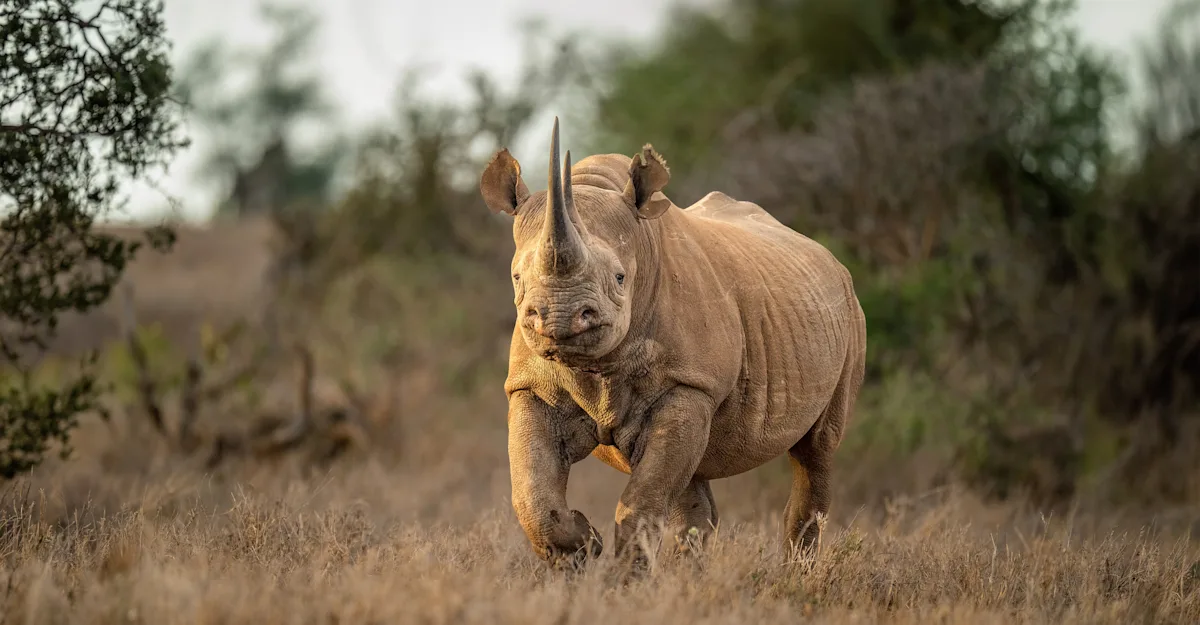
A black rhino can disappear into a thicket of acacia almost as quickly as it appears. How do researchers track these elusive animals, and how many more can Ol Pejeta Conservancy's savanna support? The answers lie in the clues scattered across the landscape. Walk through rhino habitat with Kenyan scientists, searching for animals at eye level and reading the tracks, ear notches and other signs of their movements. Then look closer at the landscape, where browsed shrubs and emerging seedlings reveal the pressures on the vegetation rhinos depend on. Your observations help researchers understand what these endangered giants need to thrive.
What You'll Do in the Field
Click a photo to expand details
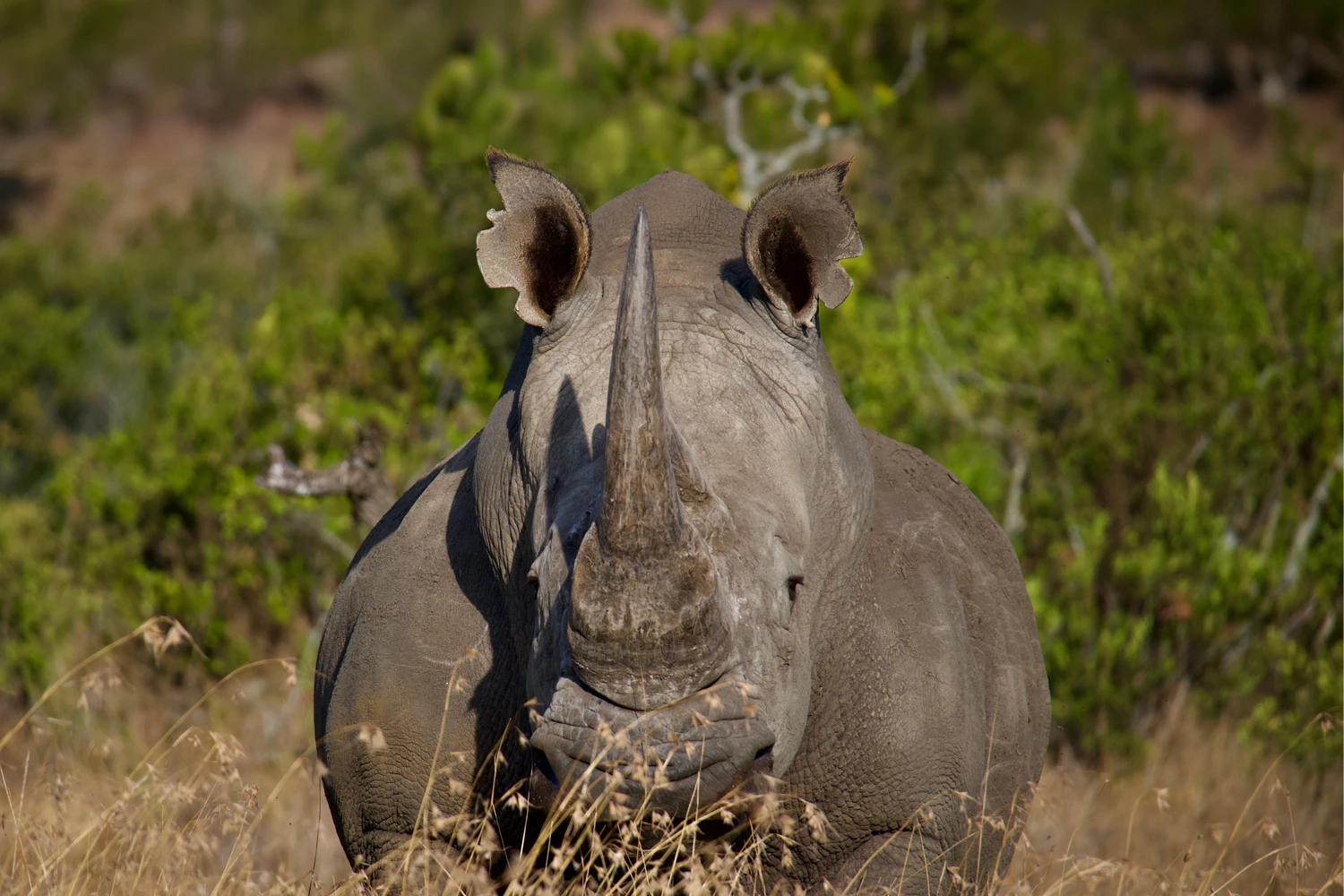
Survey Wildlife Populations
Walk research transects with scientists, scanning for black rhinos and other large mammals. Identify individual rhinos by their ear notches, record wildlife signs and examine camera-trap data to trace animal movements.
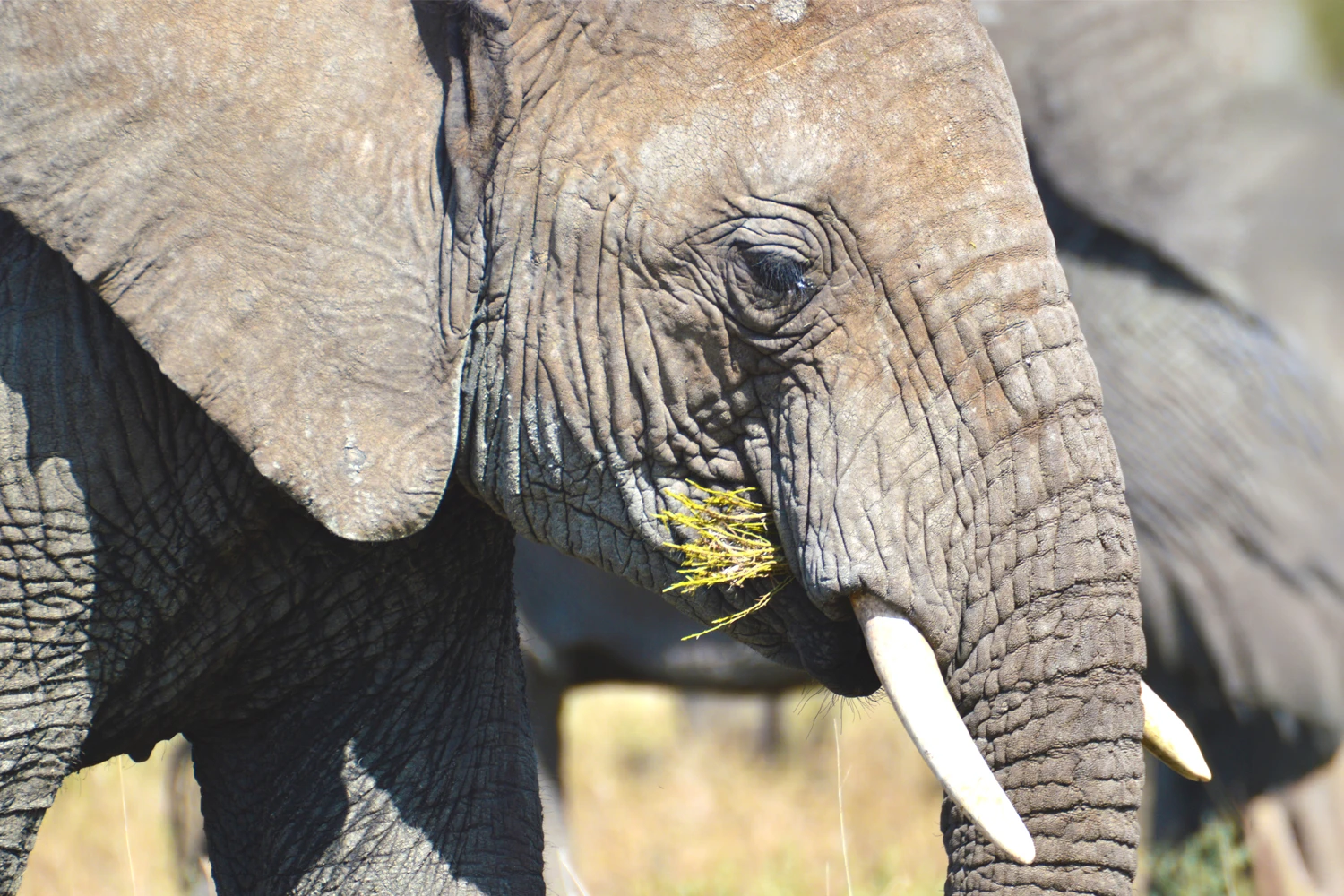
Observe Animal Behavior
Watch how rhinos, elephants and giraffes feed across the savanna. Join nighttime wildlife surveys and, when available, view thermal drone footage to document animals moving through the darkness.
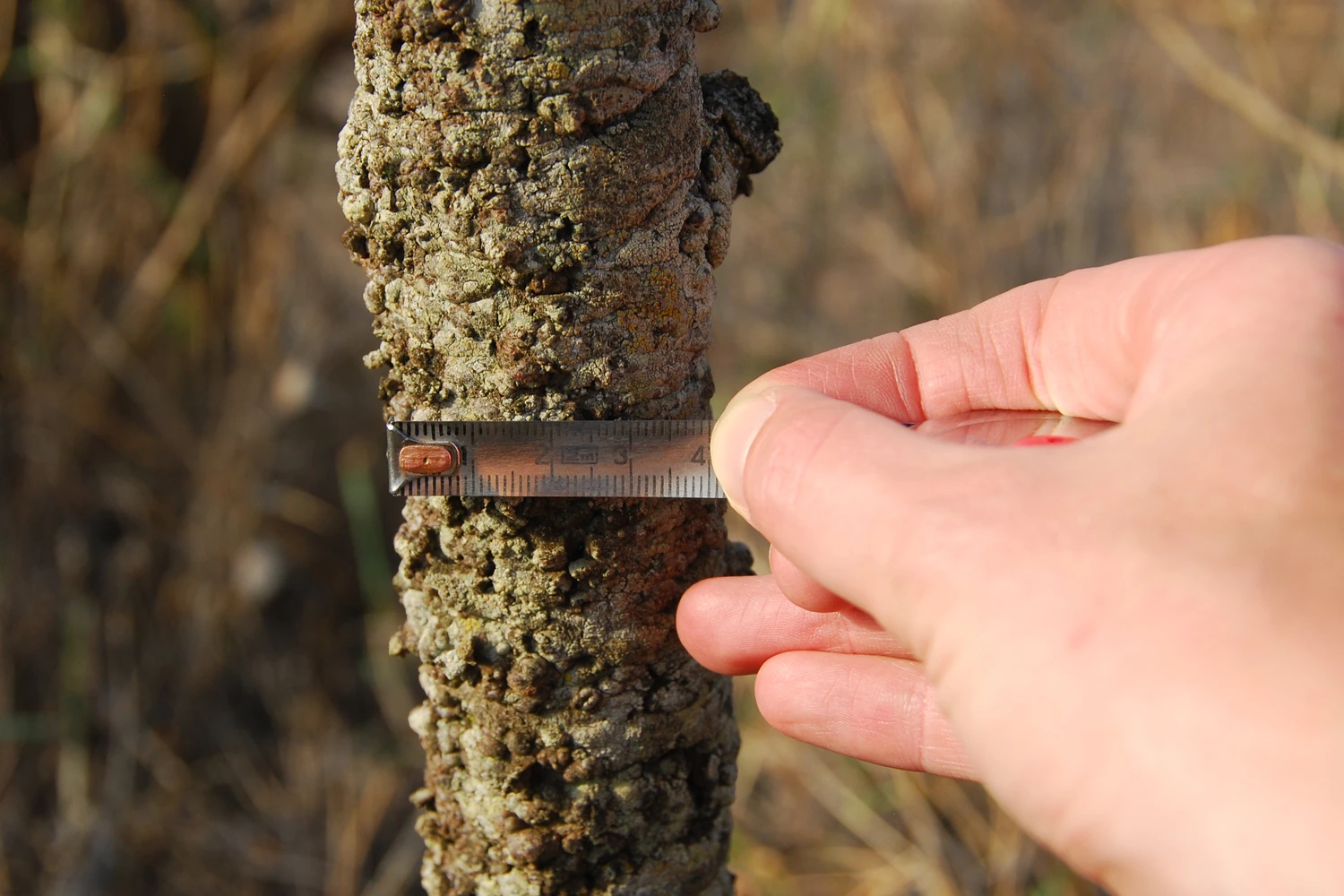
Assess Habitats & Ecosystems
Measure trees and shrubs that black rhinos feed on, count seedlings and assess grass cover. Record browsing damage to reveal where vegetation is under pressure and how it responds.
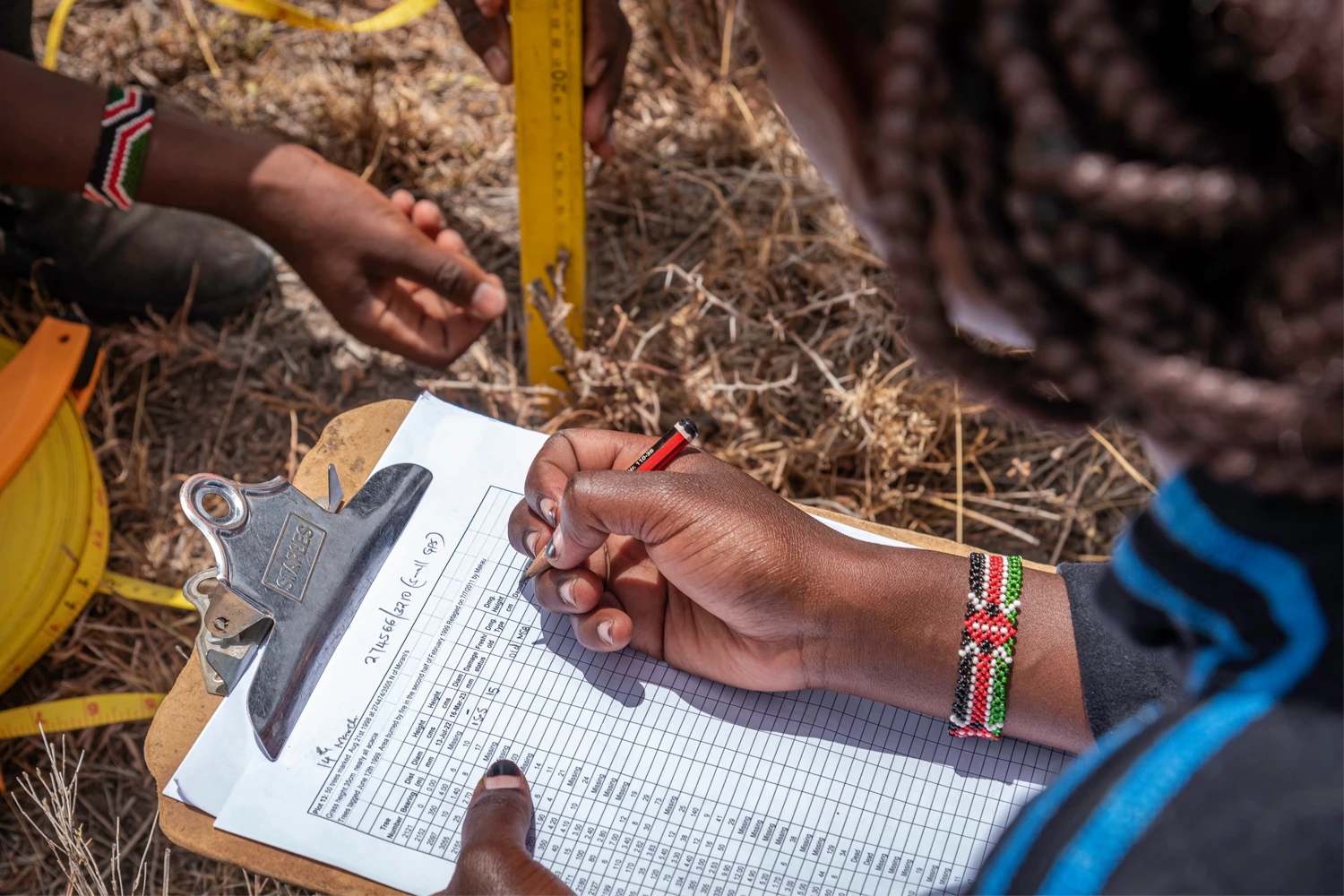
Restore Habitats & Run Field Experiments
Examine vegetation recovering inside protected enclosures and learn how researchers compare these areas with surrounding habitat. Explore what these long-term experiments reveal about restoring the shrubs and trees rhinos eat.
Meet Your Lead Scientist

Geoffrey Wahungu, Ph.D.
Geoffrey Wahungu, Ph.D. Chief Conservation & Programs Officer, Ol Pejeta Conservancy Ecologist Dr. Geoffrey Wahungu has studied black rhino habitats at Kenya’s Ol Pejeta Conservancy for more than two decades, translating his research into practical strategies for managing the landscape. His research guides the conservancy's management of black rhino habitat, helping protect the vegetation and ecosystems rhinos depend on.
Read moreResearch Focus
Ol Pejeta's black rhino recovery has created a new scientific challenge: understanding how much suitable habitat remains for a growing population. Black rhinos depend on woody vegetation for food, sharing the savanna with elephants, giraffes and livestock that also influence how plants grow and recover. The question isn't simply how many rhinos the conservancy can protect, but how many its landscape can sustain.
Local scientists investigate these relationships through wildlife surveys, vegetation measurements and long-term habitat monitoring. By tracking plant growth, browsing pressure and animal movements, they can identify where food resources are under strain and which management practices help restore them. These findings guide decisions at Ol Pejeta and contribute to efforts to expand suitable rhino habitat elsewhere in Kenya.
-
Rethink the Role of Fire in Rhino Country
Can a familiar conservation practice harm the animals it's meant to protect? At Ol Pejeta, years of research led managers to stop using fire as a habitat-management tool and establish protected enclosures where browsed shrubs and trees can recover. Both decisions show how field evidence can overturn assumptions about managing the African savanna.
Conservation Impact
Ol Pejeta's black rhino population has climbed from approximately 20 animals in 1993 to more than 180 today. Protecting that recovery requires careful decisions about habitat restoration, wildlife movements and the land's capacity to support more rhinos.
Field observations and measurements help inform decisions across five areas:
Rhino population records document individual animals, their movements and changes in wildlife numbers.
Vegetation measurements reveal how trees, shrubs and seedlings respond to browsing by large herbivores.
Habitat assessments identify areas needing restoration and help estimate how many rhinos the conservancy can support.
Wildlife corridor monitoring uses tracks and camera-trap data to identify routes animals travel through the landscape.
Community research examines how rhino conservation affects neighboring livelihoods and informs improvements to Ol Pejeta's Community Development Program.
These findings help researchers plan habitat restoration, assess opportunities to expand suitable rhino range elsewhere in Kenya and understand how conservation affects the people living alongside wildlife. The work builds on decades of recovery while addressing the challenges of a growing rhino population.
Your Role in the Research
Experience the African savanna from a scientist's perspective, on foot and beyond the usual safari routes. Join Kenyan researchers in Ol Pejeta's acacia woodlands and grasslands, searching for black rhinos, following tracks and recording wildlife activity. Learn to identify individual rhinos, measure vegetation and examine camera-trap images for clues about animal movements.
Your observations contribute to long-running research into what Ol Pejeta's growing rhino population needs to thrive. Visit a neighboring community to learn how rhino protection affects local livelihoods, another important part of the research. Leave with a firsthand understanding of how wildlife sightings, field measurements and community perspectives guide decisions about Kenya's black rhinos.
Life in the Field
Mornings at Ol Pejeta begin beneath Mount Kenya, with the savanna stretching toward the horizon. On foot with scientists, you'll navigate dusty trails and thorny acacia scrub, scanning for black rhinos and pausing to examine tracks or vegetation. Fieldwork can mean hours under the African sun, punctuated by unexpected wildlife sightings and discoveries.
Back at Nat Hab's private Rhino Camp, enjoy the comforts of a spacious safari tent, meals prepared over the fire and evenings spent sharing stories beneath the stars. After dark, nighttime surveys offer another chance to search for wildlife.
Later, fly north to the rugged Mathews Range, where the landscape and pace shift. At Reteti Elephant Sanctuary, watch orphaned elephants at feeding time and meet the Samburu keepers raising them for a return to the wild.
Field Conditions
Exploring Ol Pejeta on foot is one of the expedition's great rewards. Walk 3–5 miles a day through open grasslands, along dusty trails and across uneven ground dotted with thorny acacia, with opportunities to pause, examine wildlife signs and take in the landscape. Some research outings last four to six hours, offering time to appreciate details easily missed from a safari vehicle.
Temperatures typically range from 65–90°F, and at elevations around 6,000 feet, the African sun can be strong. Comfortable, sturdy walking shoes and sun protection will serve you well. You'll travel between research areas in 4x4 safari vehicles, with early starts and occasional nighttime outings offering opportunities to see wildlife at different hours.