Itinerary
Day 1: Gather in Windhoek before your cheetah research expedition
Meet your Field Guide and fellow travelers over a welcome dinner
Learn about Namibia’s wildlife and landscapes, with an emphasis on the cheetah conservation work ahead
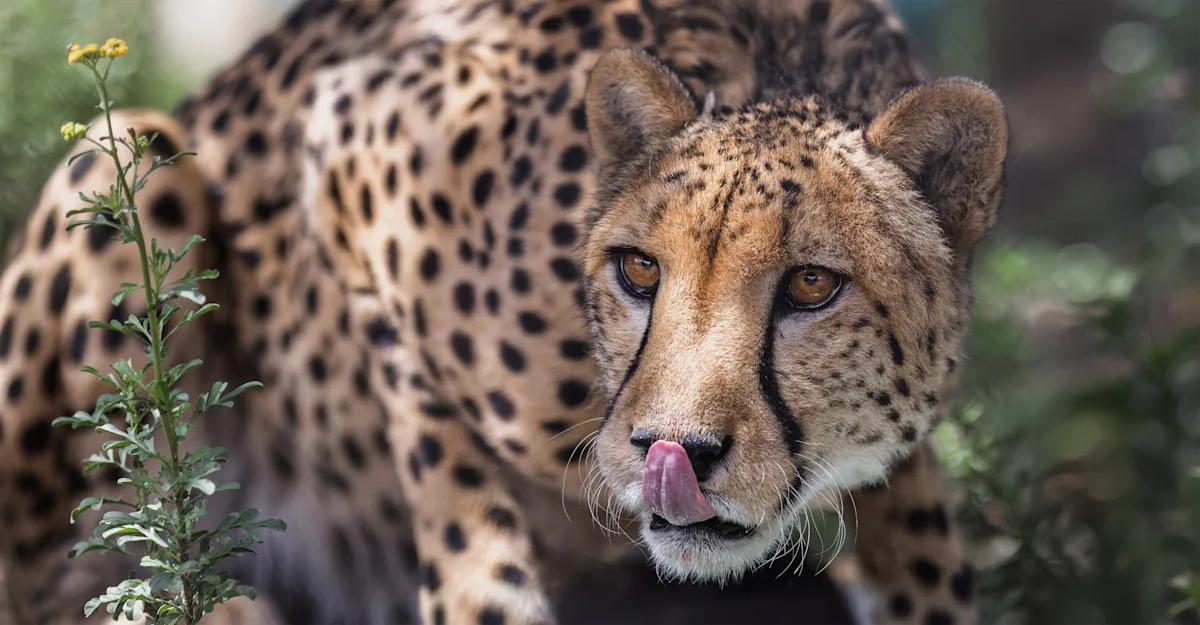
Arrive in Windhoek, Namibia’s capital, set amid the rolling highlands of the country’s central plateau. You are met at the airport and transferred to your accommodations nearby, where your journey into one of Africa’s great wild destinations begins. Namibia’s vast, sparsely settled landscapes support desert-adapted rhinos, elephants, giraffes, zebras, lions, and other iconic African wildlife, as well as the world’s largest remaining population of wild cheetahs. With an estimated 1,500 to 3,500 individuals, Namibia is known as the “Cheetah Capital of the World.”
About 90% of Namibia’s cheetahs live on unfenced farmland alongside people and livestock. The Cheetah Conservation Fund, a global leader in cheetah research and conservation we will be working with, uses satellite tracking and genetic research to study wild populations, while livestock-guarding dogs help farmers protect their herds without killing predators. The goal is coexistence between people and cheetahs.
This evening, gather with your Expedition Leader and fellow travelers for a welcome dinner and introduction to the journey ahead, as you anticipate exciting wildlife encounters in Namibia’s vast deserts with rare, hands-on access to active field research focused on cheetah conservation.

Days 2 to 3: Track desert-adapted black rhinos in Damaraland
Travel into northwest Namibia, home to a rare population of free-roaming black rhinos
Search the desert with Rhino Rangers who monitor and protect these critically endangered animals
Stay at an intimate tented camp in the heart of rhino habitat
Drive northwest from Windhoek into Damaraland, watching the highlands surrounding the capital give way to rocky plains and groves of mopane woodlands dotting this sparsely settled wilderness. Your base is Camp Doros, an intimate tented retreat overlooking a sandy riverbed in a core area for desert-adapted black rhinos. Over the next two days, search for critically endangered black rhinos that range freely across this vast, unfenced wilderness. Nearly wiped out by poaching in the late 20th century—their numbers fell roughly 96% between 1970 and 1993—black rhinos have found an important stronghold in Namibia’s arid northwest. Follow experienced Rhino Rangers into rugged terrain, looking for tracks and other signs while learning how they monitor and help protect these desert-adapted animals. Guided walks and drives may also reveal giraffes, oryx, kudu, springbok and mountain zebras, with cheetahs, leopards and hyenas roaming the region.
Back at camp, stake out a spot in the lounge, on the campfire deck or in the plunge pool to watch the light shift in the ever-changing sky above the mopane trees and sandy riverbed. With just six tents, Camp Doros immerses you in solitude, surrounded by the remote rhino country you’ve spent the day exploring.

Days 4 to 5: Safari among rhinos, elephants and big cats at Etosha Heights
Explore an immense private reserve on morning and afternoon game drives
Watch for white rhinos, elephants and herds of antelope, along with predators like lions, leopards and cheetahs
Stay above a waterhole with sweeping views of the surrounding plains
At Etosha Heights, a nearly 150,000-acre private reserve bordering Etosha National Park, the stark terrain of northwest Namibia gives way to mopane woodland, open savanna and broad plains. Elephants move between woodland and waterholes, giraffes and antelope range over the grasslands, and lions, cheetahs and elusive leopards hunt throughout the reserve. Morning and afternoon game drives offer uncrowded wildlife viewing away from the busier national park, with ample time to explore these varied habitats and follow the rhythms of wildlife from early light into evening.
Etosha Heights is especially notable for its populations of both black and white rhinos, protected by round-the-clock anti-poaching patrols. Search for both species on game drives, learning to distinguish not only their physical differences but the habitats they favor: browsing black rhinos tend toward thicker cover, while larger, broad-mouthed white rhinos graze on open grasslands. The reserve also protects breeding and roosting habitat for vulnerable white-backed and lappet-faced vultures.
Between game drives, Safari House offers another perspective from which to watch the reserve. This renovated Namibian farmhouse operates entirely on solar power and features a protected, double-tiered photography hide where guests can watch from close range as wildlife gathers at waterhole used by birds and other animals. Keep binoculars close at the pool, in the garden and on the veranda as plains game and occasionally predators come into view, allowing the wildlife watching to continue long after you leave the safari vehicle.

Day 6: Go behind the scenes at a leading cheetah research center
Settle in at the Cheetah Conservation Fund, your base for hands-on cheetah research
Meet the scientists working to protect Namibia’s wild cheetahs
Learn about the reserve, research program and fieldwork you’ll join
After your exciting wildlife viewing experiences on safari, the focus shifts from observing Namibia’s animals to taking part in their conservation. Continue to Otjiwarongo, where we spend the next several days at the Cheetah Conservation Fund (CCF), a working research and conservation center in the farmland and savanna where most of Namibia’s wild cheetahs live. Meet the CCF team, get oriented to the reserve, and learn about your role in fieldwork. You’ll also learn abour what it takes to conserve cheetahs on a landscape shared with people and livestock.
One of the most pressing threats is visible all around you: dense thornbush is overtaking open grasslands, making it harder for cheetahs to hunt and reducing grazing habitat for their prey. Researchers are comparing areas where the bush has been thinned with areas where it remains dense to understand how restoring grassland may benefit cheetahs and other wildlife. Over the coming days, join researchers in collecting data and investigating these questions firsthand. Along the way, you’ll see how habitat restoration, veterinary care, genetics, field research and livestock-guarding dogs work together to protect wild cheetahs while helping people and wildlife share the same landscape.

Days 7 to 9: Join the research team protecting Namibia’s wild cheetahs
Survey wildlife, monitor waterholes and check camera traps with researchers in the reserve
Review camera-trap images and organize observations that become part of the long-term study
See cheetahs up close and explore conservation programs ranging from scat-detection dogs to habitat restoration
Set out early with researchers to survey cheetahs and other wildlife along established routes through the reserve, recording the species, numbers and locations of animals you encounter. You’ll also monitor waterholes and check remote camera traps, then return to review images and organize the data collected in the field. Your data helps scientists compare how cheetahs and their prey use areas where thornbush has been cleared versus those where dense bush remains.
You'll also get thrillingly close to cheetahs. Watch cats chase a lure during their morning exercise, revealing the speed, agility and power that make them such remarkable hunters. Help with the feeding of permanent resident cheetahs and cats who are undergoing rehabilitation to be returned to the wild. Learn how trained detection dogs locate cheetah scat, which can reveal an animal’s sex, diet, origin and genetic profile without the need to capture it.
Beyond the field study, explore what coexistence with wild cheetahs looks like on Namibia’s livestock farms. Visit a working kraal and see how specially trained guarding dogs deter predators from sheep and goats, reducing livestock losses and the pressure to kill cheetahs and other carnivores. See how thornbush cleared to restore open cheetah habitat is transformed into Bushblok fuel logs, turning vegetation removed during restoration into a useful fuel product and source of economic opportunity. Tour the veterinary clinic and genetics lab, then head into the reserve after dark on a night drive, looking for nocturnal wildlife such as aardvarks, aardwolves and bat-eared foxes.
Day 10: Say farewell to Namibia’s cheetah country
Enjoy breakfast at the Cheetah Conservation Fund
Return to Windhoek for afternoon or evening flights home
Begin your final day with a farewell breakfast at the Cheetah Conservation Fund. Then say goodbye to the research team and drive back to Windhoek for your flight home or onward travels. A packed lunch is provided for the drive. Please do not book any departing flights before 1:30 PM.
As you leave Namibia, you depart with a deeper understanding of wild cheetahs, the pressures they face, and the hands-on conservation work helping them survive in a changing landscape. Having worked alongside the researchers, you’ll know how questions about habitat, prey and coexistence are investigated in the field, and how those findings inform conservation efforts, with positive impacts for the cheetah's future. A transfer to the airport in Windhoek is provided for departing flights.