Know Before You Go
Whether you're preparing for your upcoming expedition or simply want to learn more about Madagascar's lemurs, these resources offer a closer look at the wildlife, landscapes and scientific research that make this journey extraordinary. Discover Madagascar's remarkable endemic lemurs, explore the challenges facing their rainforest habitats and learn how decades of field research are helping protect some of the world's most endangered primates.
Why Is Madagascar One of the Best Places in the World to Study Lemurs?
Isolated from mainland Africa for tens of millions of years, Madagascar has evolved an extraordinary collection of plants and animals found nowhere else on Earth. Its eastern rainforests shelter a remarkable diversity of lemurs, from tiny nocturnal mouse lemurs to powerful sifakas that leap between towering trees. In Ranomafana National Park, endangered Milne-Edwards' sifakas and critically endangered golden bamboo lemurs are the focus of a long-running research program pioneered by primatologist Dr. Patricia Wright. Her discovery of the golden bamboo lemur in 1986 helped spur the creation of the national park and decades of research into its threatened primates.
Today, Malagasy researchers study lemur families whose behavior, reproduction and survival have been documented across generations. Their work examines how selective logging, wildfire and invasive Chinese guava affect rainforest habitats. By comparing lemurs living in relatively undisturbed forest with those inhabiting altered landscapes, scientists investigate how changes in vegetation influence feeding preferences, social relationships and reproductive success.
Participants join this ongoing research, following habituated lemur families through the forest and recording observations that contribute to a scientific record spanning four decades. These findings help researchers understand how endangered lemurs respond to habitat disturbance and identify forest areas most important for their survival.
Quick Facts: Lemur Research in Madagascar
Location: Ranomafana National Park, southeastern Madagascar
Research partner: Centre ValBio
Primary species: Milne-Edwards' sifakas and golden bamboo lemurs
Key activity: Lemur identification, behavioral observations, population monitoring, habitat comparisons and possible non-invasive biological sample collection
Conservation focus: Lemur survival, reproductive success, forest disturbance and rainforest habitat protection
What Wildlife Will I See on My Madagascar Expedition?
Madagascar's eastern rainforests shelter an extraordinary diversity of wildlife found nowhere else on Earth. In Andasibe-Mantadia National Park, listen for the haunting calls of indri, Madagascar's largest living lemur, while searching for chameleons, geckos and endemic birds. Farther south, Ranomafana National Park is home to numerous lemur species, including endangered primates that researchers have followed for generations.
Lemurs that inhabit Ranomafana include:
Golden bamboo lemur: A critically endangered species discovered in Ranomafana in 1986 and one of the expedition's primary research subjects
Greater bamboo lemur: One of the world's rarest and most critically endangered lemurs
Ranomafana gray bamboo lemur: A bamboo-eating lemur that shares the forest with its larger relatives
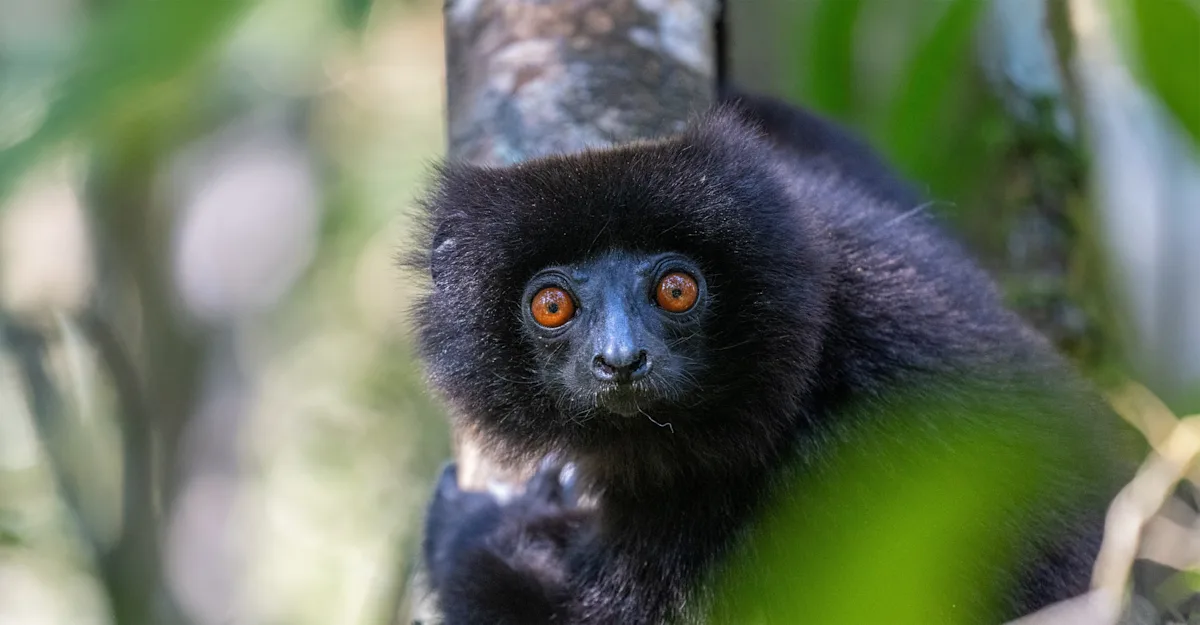
Milne-Edwards' sifaka: A large, endangered lemur known for its powerful leaps between trees and another primary focus of the research
Southern black-and-white ruffed lemur: A striking, critically endangered primate with a distinctive black-and-white coat and fluffy ears
Red-bellied lemur: A medium-sized forest lemur often observed in small family groups
Red-fronted brown lemur: A social species that travels through the canopy in active groups
The forests also shelter elusive nocturnal lemurs, including:
Aye-aye: A rare, solitary lemur with an elongated finger used to locate food within wood
Rufous mouse lemur: A tiny nocturnal primate that may be encountered on guided evening walks
Small-toothed sportive lemur: A nocturnal species sometimes found resting in tree forks during daylight
Peyrieras's woolly lemur: A small, nocturnal leaf-eater
Crossley's dwarf lemur: A nocturnal species capable of extended periods of seasonal dormancy
Sibree's dwarf lemur: A rare and elusive dwarf lemur associated with Madagascar's highland forests
Other wildlife includes fossas, Madagascar's largest native mammalian predators, and unusual tenrecs. Watch for colorful panther chameleons, camouflaged leaf-tailed geckos, vivid tomato frogs, spectacular comet moths, long-necked giraffe-necked weevils and distinctive vangas, a family of birds endemic to Madagascar and nearby islands.
Wildlife encounters vary by habitat, season and animal behavior. Particularly elusive species, including aye-ayes, dwarf lemurs and fossas, are rarely observed, and sightings are never guaranteed. Guided night walks may offer additional opportunities to encounter nocturnal wildlife when conditions permit.
What Is the Climate Like During This Expedition?
Madagascar's eastern rainforests are humid throughout the year, with temperatures and rainfall varying by season, elevation and location. Ranomafana National Park experiences warm, wet summers and cooler winters, though rain is possible in every month. Higher elevations and dense forest cover can make mornings and evenings noticeably cooler than exposed areas.
The following seasonal averages represent conditions in Ranomafana National Park, where the expedition's primary research takes place.
Season | Avg. Daytime High | Avg. Overnight Low | Avg. Monthly Rainfall |
|---|---|---|---|
Summer (Dec–Feb) | 84°F | 60°F | 15.3 in |
Autumn (Mar–May) | 79°F | 56°F | 8.2 in |
Winter (Jun–Aug) | 73°F | 47°F | 3.9 in |
Spring (Sep–Nov) | 82°F | 51°F | 4.6 in |
Seasonal figures are rounded average climate normals for Ranomafana National Park. Actual conditions vary by elevation, location and year.
December through March is generally the wettest period, bringing warmer temperatures, high humidity and frequent rainfall. June through August brings cooler conditions, particularly in the mornings and evenings, while September and October are generally warmer and comparatively drier. Andasibe-Mantadia and Antananarivo experience somewhat different conditions.
Participants should prepare for sudden rain showers and muddy trails regardless of departure date. Lightweight, quick-drying clothing, waterproof outer layers, sturdy hiking footwear and warmer layers for cool mornings and evenings are particularly important.
Do I need research experience?
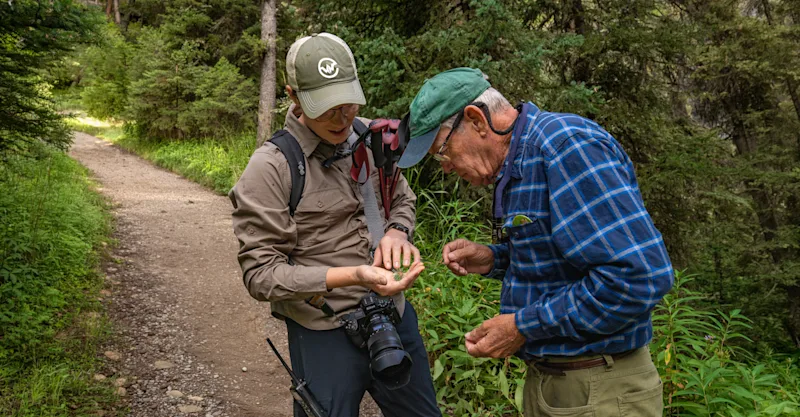
No prior research experience is required. Malagasy scientists provide guidance in identifying individual lemurs, following habituated family groups and recording behavioral observations. Participants learn how researchers document feeding preferences, social interactions, group composition and infant development, gaining firsthand experience in primate field research.
What type of research will I assist with?
Participants help researchers study endangered Milne-Edwards' sifakas and golden bamboo lemurs in Ranomafana National Park. Activities include locating known lemur families, recording group size and composition, observing feeding and movement, and documenting social interactions and infant behavior. Researchers also compare lemur activity across relatively undisturbed rainforest and habitats affected by selective logging, wildfire and invasive Chinese guava. Depending on scientific priorities, participants may help collect non-invasive fecal samples for genetic, hormone and parasite studies.
What is the conservation impact of this research?
Observations contribute to a research program dating to 1986, helping scientists identify long-term changes in lemur behavior, reproduction and population health. By comparing how lemurs respond to different forest conditions, researchers investigate which habitats provide the resources endangered primates need to survive. Findings help inform forest protection and management, including conservation priorities considered by Madagascar's park authorities, environmental agencies and the IUCN.
How physically demanding is the expedition?
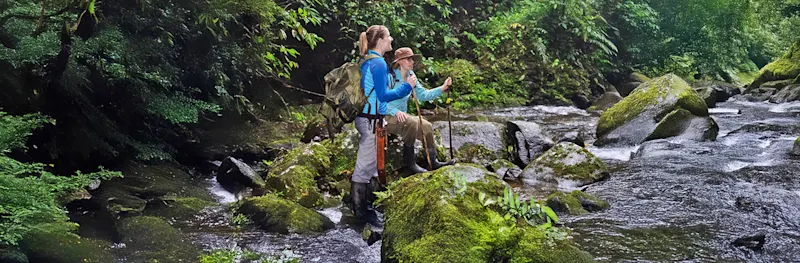
Research in Ranomafana involves walking approximately 2–6 miles on field outings through steep, uneven rainforest terrain that can become muddy and slippery after rain. Participants must be able to walk at least 2 miles unassisted over challenging ground and should be prepared for 3–4 hours of physical activity on several days. Following moving lemurs may require a moderate to brisk pace, while some observations involve remaining in one location for extended periods. The expedition reaches elevations of approximately 4,000 feet, with humid conditions and early starts adding to the physical demands.
Can weather affect research activities?
Yes. Rain is possible year-round and can make steep trails muddy and slippery. Wildlife movements, rainfall and scientific priorities determine daily research routes and observation periods. Researchers adjust activities as needed to accommodate weather, wildlife behavior and safety considerations.
What happens in case of an emergency?
Participant safety is a priority on all expeditions. Field staff follow established safety procedures during rainforest hikes, research activities and other excursions. If medical care is required, staff coordinate appropriate assistance and transportation to a medical facility.
What immunizations & travel vaccinations do I need?
Participants should consult a healthcare provider or travel medicine specialist well before departure to review routine vaccinations and Madagascar-specific health recommendations. Depending on individual circumstances and travel history, additional vaccinations or malaria prevention may be advised. Travelers should also prepare for insect exposure and the physical demands of rainforest fieldwork.
What Should I Pack for My Madagascar Expedition?
Pack for humid rainforest conditions, steep and potentially slippery trails, cool mornings and evenings, and frequent changes in weather. Fieldwork involves spending several hours outdoors while following lemurs through dense vegetation, so comfortable, lightweight clothing that dries quickly is especially useful. Rain is possible year-round, even during comparatively drier months.
Recommended items include:
Lightweight, breathable, quick-drying hiking shirts and pants
Long-sleeved shirts and long pants for insect and vegetation protection
Sturdy, broken-in hiking boots with good traction
Moisture-wicking hiking socks
Lightweight waterproof rain jacket
Waterproof pack cover or dry bags for electronics and personal items
Warm fleece or jacket for cooler mornings and evenings
Lightweight layers for changing temperatures
Wide-brimmed hat or cap
Sunglasses
Sunscreen and SPF lip balm
Insect repellent
Refillable water bottle
Small daypack
Binoculars
Camera
Headlamp or flashlight for evening activities
Personal medications
Footwear with reliable traction is particularly important in Ranomafana, where steep trails, exposed roots and wet ground can make walking challenging. A waterproof bag for field notes, cameras and other essentials is also useful during sudden rainforest showers.
What Will I Experience on My Madagascar Expedition?
Begin your journey in Madagascar's eastern rainforests, exploring Andasibe-Mantadia National Park with expert naturalist guides. Follow the haunting calls of indri, Madagascar's largest living lemur, and search for colorful chameleons, leaf-tailed geckos, unusual frogs and endemic birds. When conditions permit, venture out after dark to look for tiny mouse lemurs and other nocturnal wildlife.
Travel by private charter to Ranomafana National Park, where you'll join Malagasy researchers studying endangered Milne-Edwards' sifakas and golden bamboo lemurs. Follow habituated families through the rainforest, observing their feeding habits, social interactions and infant development. Visit Centre ValBio to learn how decades of research are helping scientists understand the effects of forest disturbance and identify conservation priorities.
Beyond the research, discover Malagasy traditions through visits with the FAMIOVA women's weaving cooperative and FIMARA traditional healers. Learn about silk weaving, natural dyes and medicinal plants, and explore Ranomafana's village market when the schedule allows.
What Does Daily Fieldwork Look Like?
Research days begin early as you follow Malagasy scientists into Ranomafana's rainforest in search of known lemur families. Once a group is located, learn to identify individual animals and record feeding preferences, movements, social interactions and infant behavior. Some outings involve walking several miles over steep, uneven trails, while others require extended periods of patient observation.
Researchers also investigate how lemurs respond to habitats affected by logging, wildfire and invasive Chinese guava. Compare observations across disturbed and relatively undisturbed forest, and, depending on research priorities, help collect non-invasive fecal samples or organize field records. Daily routes and activities vary with wildlife movements, weather and scientific needs.