Research & Impact
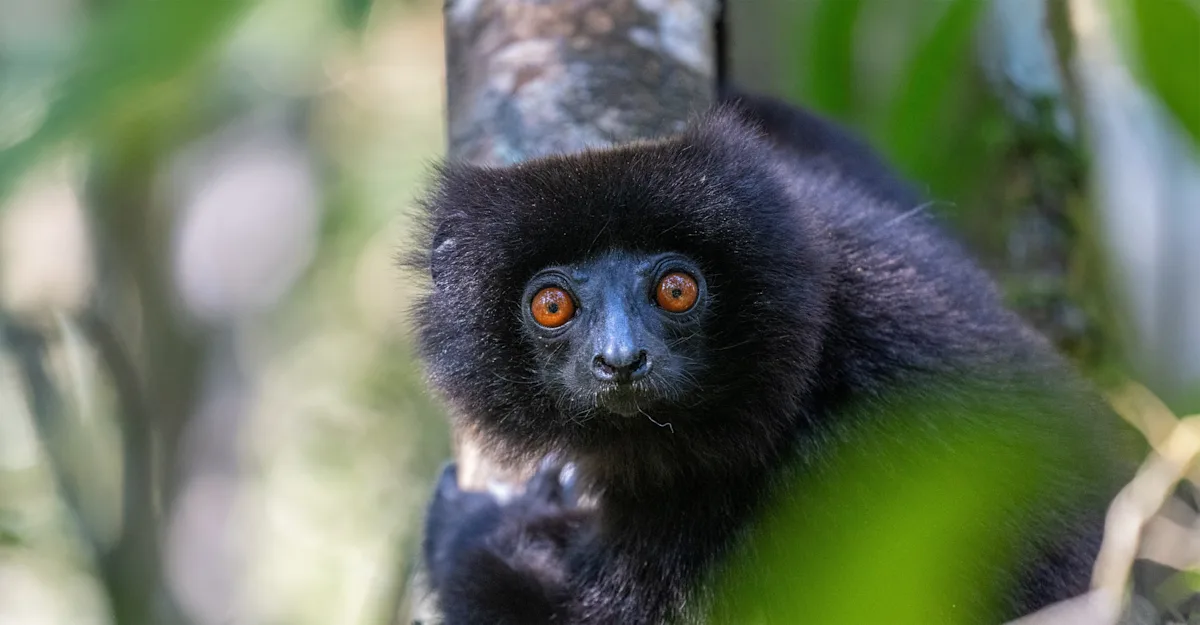
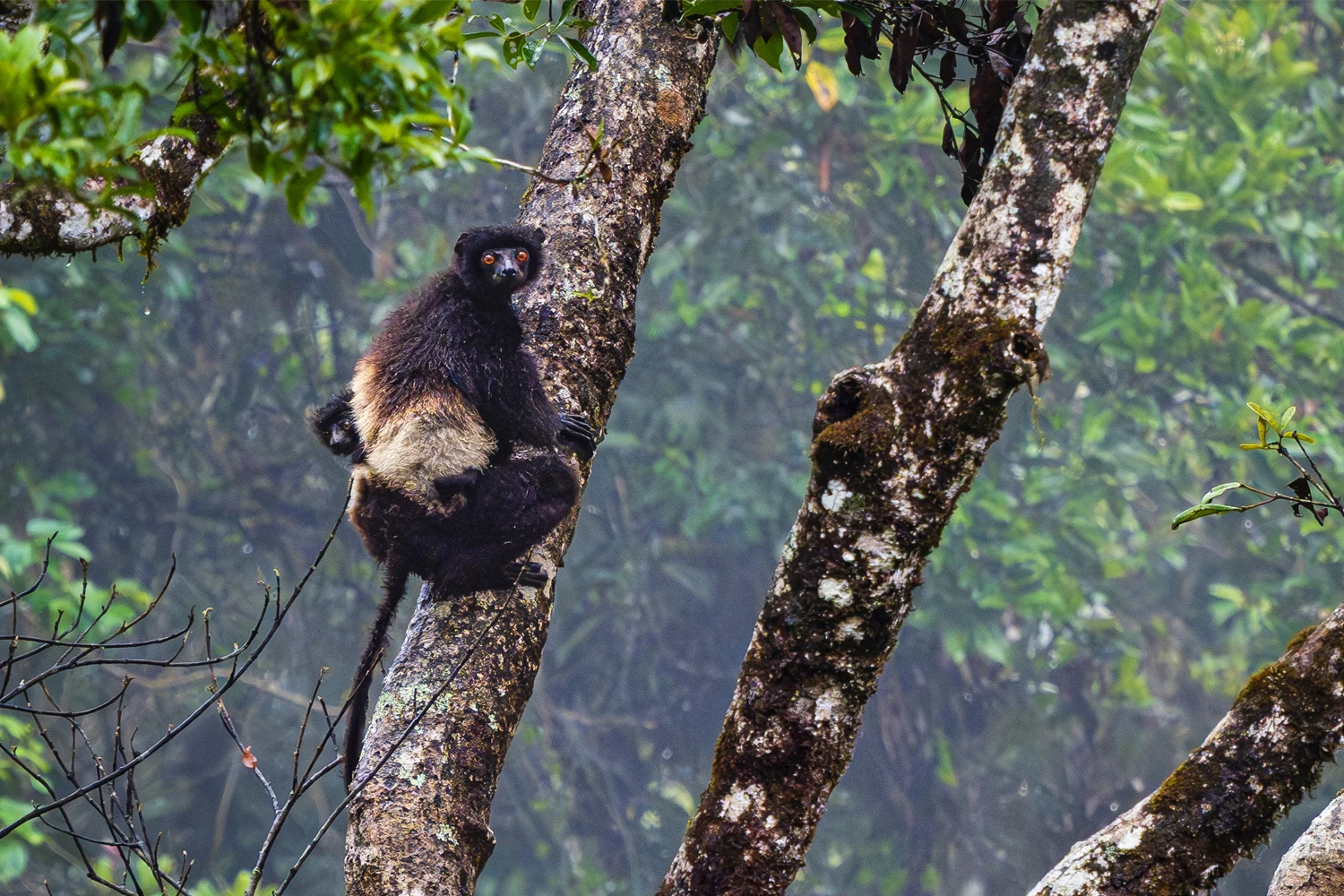
Deep in Madagascar's Ranomafana rainforest, follow endangered lemurs through the canopy with researchers who have studied their families for generations. Track Milne-Edwards' sifakas as they leap between trees and watch golden bamboo lemurs forage among the branches. Learn to recognize individual animals, document their behavior and contribute to a scientific record spanning more than 40 years. Few travelers experience Madagascar's wildlife with this level of access—or help investigate how its endangered primates survive in forests affected by logging, wildfire and invasive plants.
What You'll Do in the Field
Click a photo to expand details
Survey Wildlife Populations
Locate endangered lemur families and document their size and composition. Add your findings to decades of population records that help researchers track changes over time.
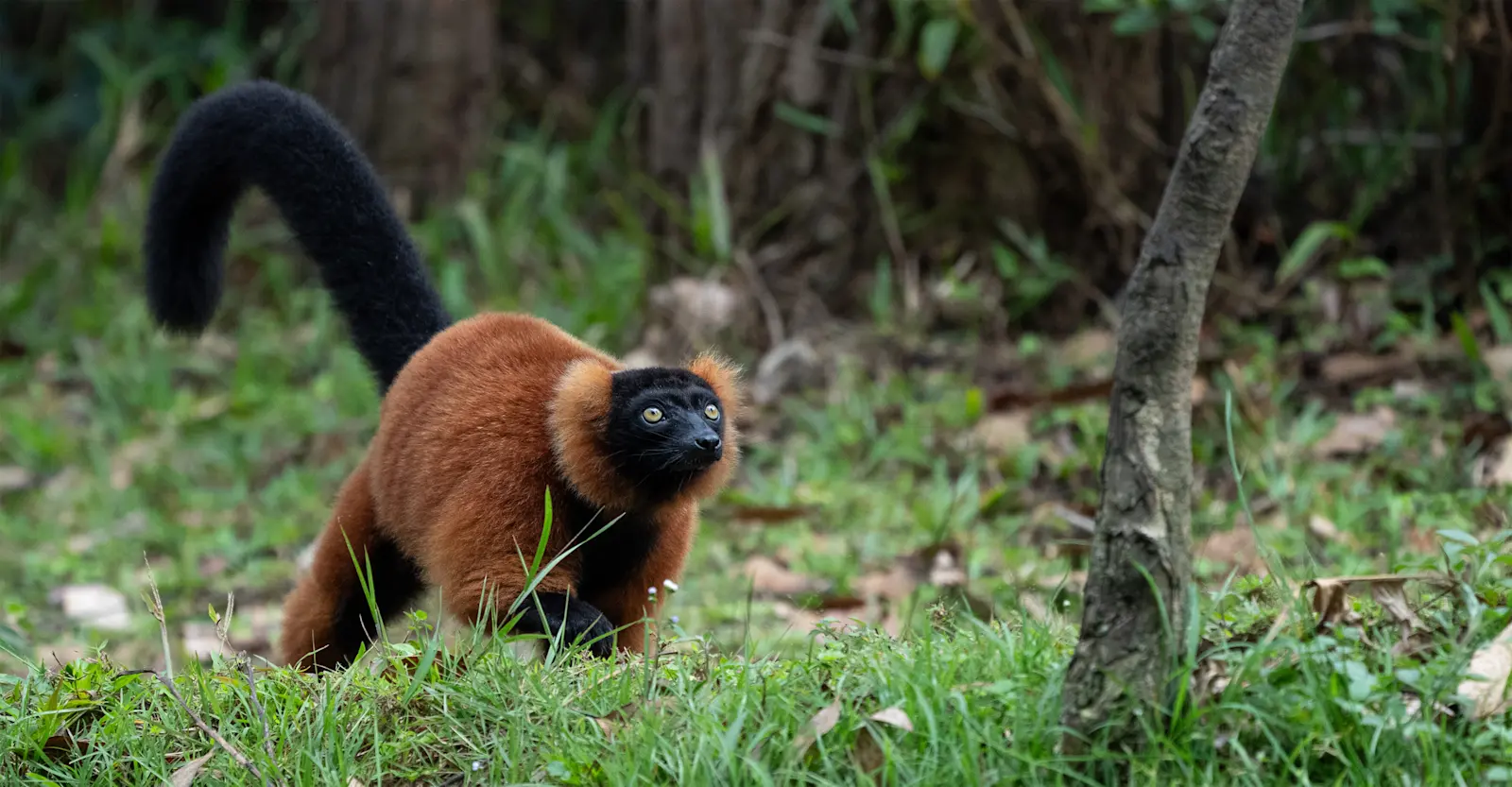
Observe Animal Behavior
Follow sifakas and golden bamboo lemurs through the canopy, recording feeding preferences, communication, social interactions and infant development. Look for differences in behavior across forest conditions.
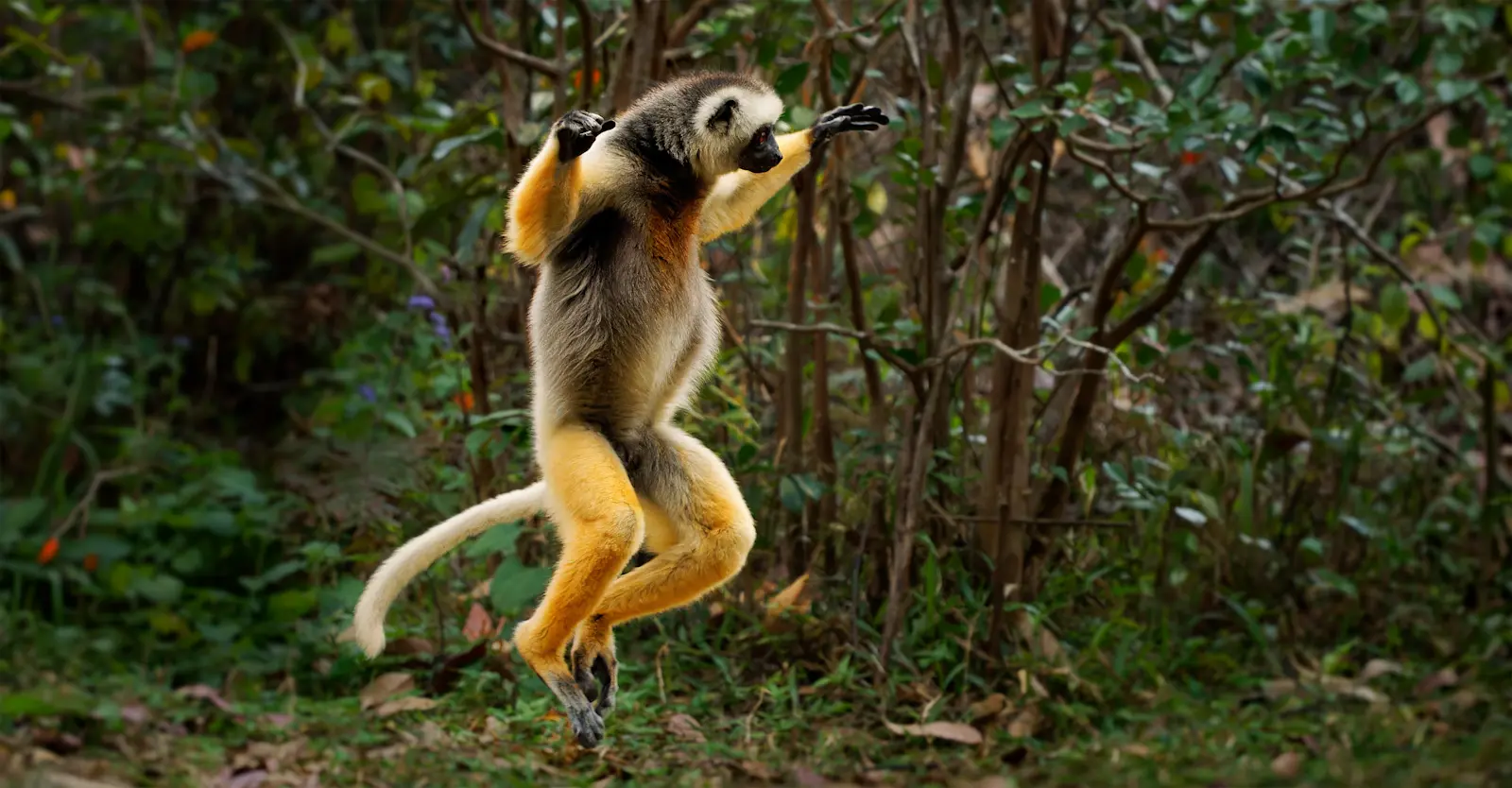
Tag & Measure Wildlife
Help collect non-invasive fecal samples for genetic, hormone and parasite analysis. These biological clues reveal aspects of lemur health and reproduction that cannot be determined through observation alone.
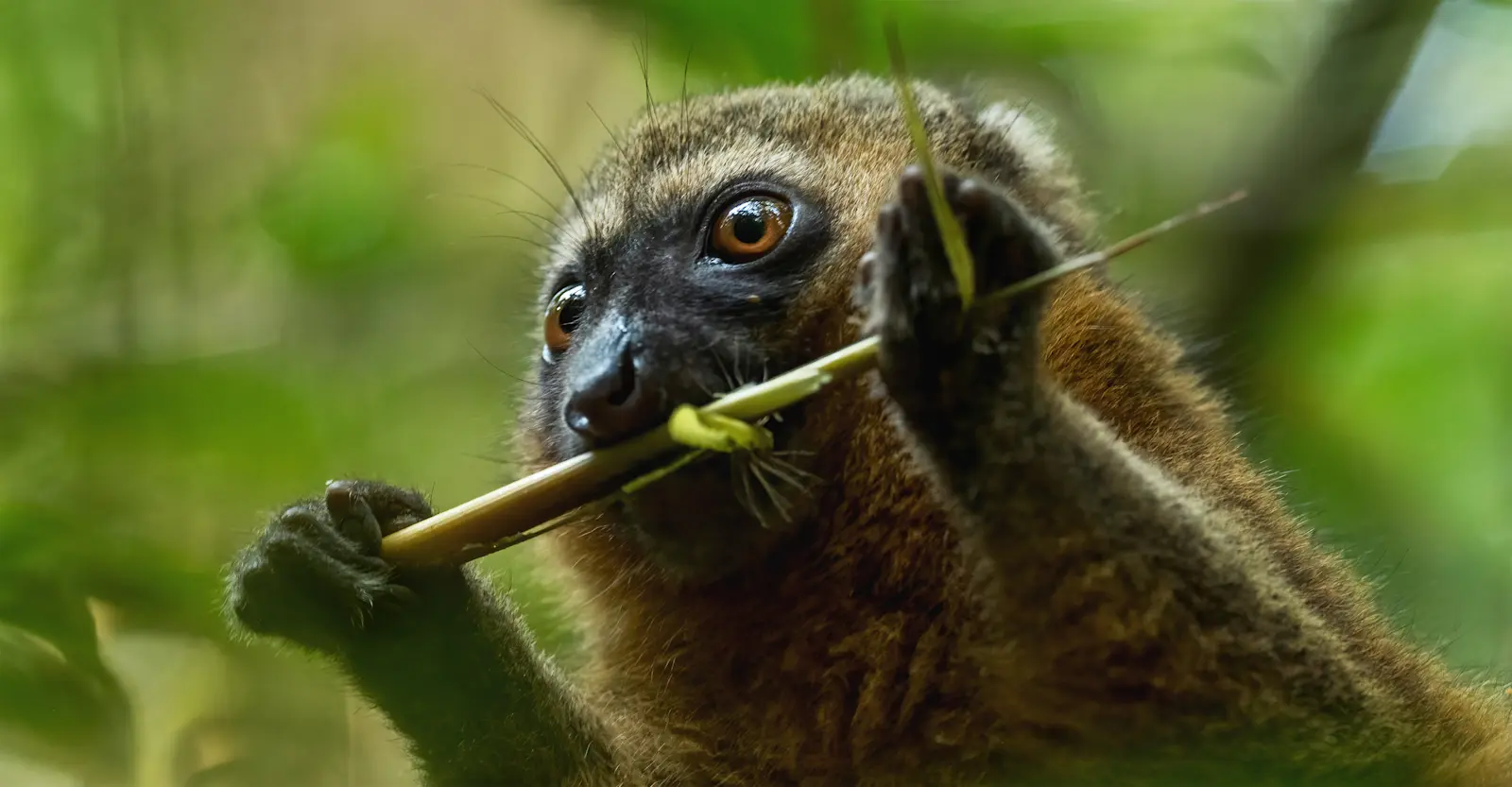
Assess Habitats & Ecosystems
Explore rainforest affected by selective logging, wildfire and invasive Chinese guava. Compare lemur activity across these habitats and undisturbed forest to investigate which conditions support feeding and reproduction.
Research Focus
In Ranomafana National Park, a long-running study examines how forest disturbance affects two endangered primates: Milne-Edwards' sifakas and golden bamboo lemurs. Researchers compare groups living in undisturbed rainforest with those inhabiting areas affected by selective logging, wildfire and invasive Chinese guava. Their diets, social relationships, group composition and reproductive success offer clues about how each species responds to altered habitats.
This research builds on field observations dating to 1986, allowing scientists to trace changes across generations of wild lemurs. Behavioral records, population monitoring and non-invasive biological samples help reveal how forest conditions influence lemur health and survival—and aid in identifying priorities for protecting their remaining habitat.
-
Reveal What Lemurs Need to Survive
A sifaka's feeding choices or a bamboo lemur family's reproductive success can reveal how well its habitat supports it. Your observations help researchers determine which forest conditions give endangered lemurs the best chance of survival.
Conservation Impact
Madagascar's remaining rainforests shelter primates found nowhere else on Earth. Research at Ranomafana examines how specific disturbances affect endangered lemurs, providing evidence that can guide forest protection and management.
Extend a 40-year research record: Add observations to decades of data on lemur behavior, reproduction and population changes.
Compare forest conditions: Examine how lemurs fare in forests affected by logging, wildfire and invasive plants versus undisturbed habitats.
Monitor endangered populations: Record group composition and infant development to help track reproductive success.
Investigate biological clues: Collect non-invasive samples supporting genetic, hormone and parasite studies.
Guide habitat protection: Contribute to findings intended for Madagascar's park authorities, environmental agencies and the IUCN.
Together, these findings can help scientists identify long-term trends and determine where habitat protection may be most needed.
Your Role in the Research
This is a chance to experience Madagascar's rainforest as a field researcher, not simply a visitor. Follow known groups of Milne-Edwards' sifakas and golden bamboo lemurs with Malagasy scientists, learning to identify individuals and document the details of their daily lives.
Spend extended periods watching families feed, travel and interact. Document family dynamics, feeding choices and infant behavior, then examine how those observations vary across forest habitats. Depending on research priorities, you may also collect non-invasive fecal samples and help organize field records. Each observation becomes part of a larger picture, adding another chapter to a study that has followed generations of wild lemurs since 1986.
Life in the Field
Your morning begins on a rainforest trail, following Malagasy researchers into the dense vegetation of Ranomafana National Park. Somewhere ahead, a family of sifakas is traveling through the canopy. Once you've found them, the patient work of observation begins.
Watch a sifaka launch itself between trees, follow a mother carrying her infant or note which plants an animal selects for its next meal. Researchers help you recognize individuals and record the behaviors that distinguish one family group from another.
Other days may take you into bamboo stands in search of golden bamboo lemurs. Observe which shoots and leaves they select, gathering clues about their dependence on this specialized habitat.
At Centre ValBio, meet members of the research community and discover how observations collected in the forest become part of a decades-long scientific record. Beyond the fieldwork, explore Ranomafana with local naturalist guides, searching for leaf-tailed geckos, colorful frogs, chameleons and endemic birds.
Research routes and activities depend on where the lemurs travel and what the scientific team needs to document.
Field Conditions
Ranomafana's dense rainforest makes for demanding—but rewarding—fieldwork. Research outings involve steep, uneven trails that can become muddy and slippery after rain. Expect early starts, humid conditions and extended periods on foot while following lemurs through the forest.
Walking & Terrain: Field hikes may cover 2–6 miles depending on wildlife movements and research locations. Travelers must be able to walk at least 2 miles unassisted over challenging ground and should be prepared for 3–4 hours of physical activity on several days. Keeping up with moving lemurs may require a moderate to brisk pace.
Weather & Temperature: Rain is possible year-round. Across the expedition's destinations, daytime temperatures may range from approximately 60–100°F, depending on season and location. June and July are generally cooler, while October and November can be warmer and wetter. Ranomafana's elevation and forest cover also affect conditions on individual outings.
Elevation: The expedition reaches elevations of approximately 4,000 feet.
Research Flexibility: Wildlife movements, rainfall and scientific priorities determine the day's routes and observation periods. Some outings involve longer walks, while others require staying in one location to document a lemur group's behavior.